Green Bean and Herb Rice (لوبیا پلو با سبزی) — Saffron-Scented Persian Layered Rice
Loobia Polo ba Sabzi is a beloved Persian layered rice where tender green beans and a mix of fresh herbs are folded into tomato-scented aromatics and finished with saffron. It’s a colorful family-table staple, often paired with yogurt and pickles.
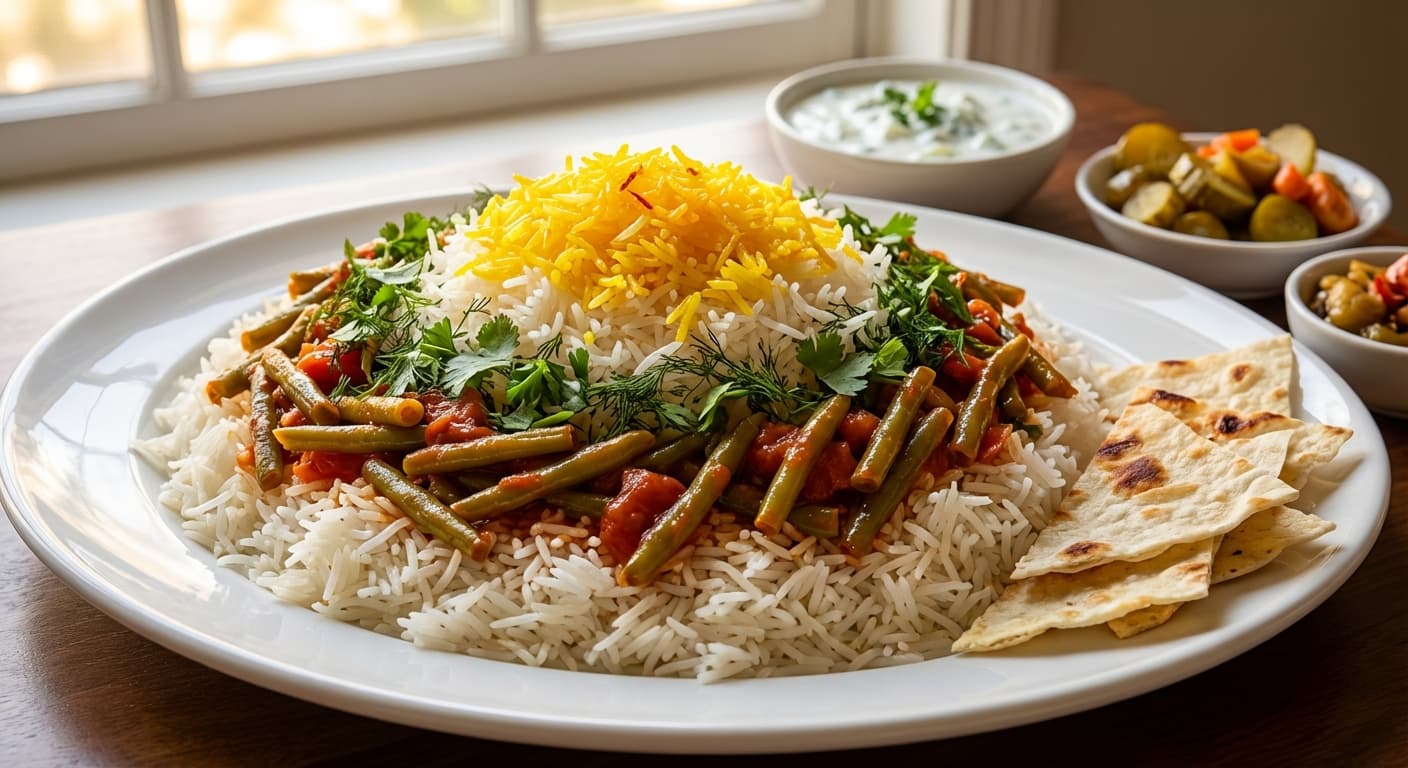
Printable Recipe Card
Servings: 6 · Total: 100 min · Difficulty: medium
Ingredients (quick list)
- 500 g Basmati rice (Rinsed until water runs mostly clear)
- 2500 ml Water (For parboiling)
- 20 g Fine salt (For parboiling water)
- 450 g Green beans (Trimmed and cut into 2 cm pieces)
- 250 g Yellow onion (Finely sliced)
- 60 ml Neutral oil (Such as grapeseed or sunflower)
- 45 g Tomato paste (About 3 tbsp)
- 2 tsp Ground turmeric
- 1 tsp Ground black pepper
- 60 g Fresh parsley (Finely chopped, leaves and tender stems)
- 25 g Fresh dill (Finely chopped)
- 25 g Fresh cilantro (Finely chopped)
+ 4 more in the full ingredients section below.
Steps (summary)
- Rinse the basmati rice in several changes of cold water until it runs mostly clear, then drain well. Soak the rice in plenty of…
- Bloom the saffron by stirring the crushed saffron threads into 60 ml hot water, then set it aside to deepen in color and aroma.…
- Heat 60 ml oil in a wide skillet over medium heat and cook the sliced onion for 10–12 minutes until soft and lightly golden. St…
- Add turmeric and black pepper to the onions and cook for 30 seconds to toast the spices. Add the tomato paste and cook for 2–3…
- Add the green beans and 120 ml water to the skillet, then stir to coat the beans in the onion-tomato mixture. Cover and simmer…
- Stir the chopped parsley, dill, cilantro, and chives into the warm bean mixture and cook for 2 minutes just to wilt and release…
+ 6 more steps in the full instructions section below.
Cultural Background
Loobia polo is a comforting Persian rice dish commonly cooked for family gatherings, where layered steaming creates both fluffy grains and prized tahdig. The herb-forward version highlights Iran’s love of sabzi, bringing freshness to everyday meals.
Equipment
💡 Tips
- Cut green beans to a consistent 2 cm so they cook evenly and distribute neatly through the rice layers.
- Cook the tomato paste until it darkens slightly; this removes raw acidity and gives the dish a deeper, more traditional flavor.
- Keep herbs on the heat only 2 minutes so they stay bright and fragrant instead of turning dull and bitter.
⚠️ Common Mistakes
❌ Overboiling the rice until fully soft before steaming.
✅ Fix: Parboil only until the grain is tender outside with a firm core, then finish by steaming so it stays fluffy.
❌ Adding herbs too early and cooking them down for a long time.
✅ Fix: Stir herbs in at the end and heat for 2 minutes to keep the color bright and the flavor fresh.
❌ Skipping steam holes and ending up with unevenly cooked rice.
✅ Fix: Poke 5–6 holes to the bottom after layering so steam travels and cooks the center properly.
🧊 How to Store
Cool leftovers within 2 hours, then refrigerate in an airtight container for up to 3 days. Reheat covered with 30 ml water in a pot over low heat for 12–15 minutes, or microwave covered at 700W for 2–3 minutes per portion to restore steam-softness.
📅 Make Ahead
Chop the herbs and green beans up to 24 hours ahead and refrigerate separately in airtight containers. The bean-onion-tomato mixture can be cooked 1 day ahead; rewarm it briefly before layering with freshly parboiled rice.
🍽️ Pairs Well With
- Mast-o-khiar
- Shirazi salad
- torshi
- grilled chicken
- doogh.
Regional Variations
- Tehran-style often includes small cubes of lamb or beef sautéed with the onions for a heartier, party-ready version.
- Some home cooks in Shiraz add a pinch of ground cinnamon (0.25 tsp) to the tomato paste for a warmer perfume.
- A lighter summer variation increases herbs to 140 g total and reduces tomato paste to 30 g for a greener profile.
Ingredients
- 500 gBasmati rice (Rinsed until water runs mostly clear)
- 2500 mlWater (For parboiling)
- 20 gFine salt (For parboiling water)
- 450 gGreen beans (Trimmed and cut into 2 cm pieces)
- 250 gYellow onion (Finely sliced)
- 60 mlNeutral oil (Such as grapeseed or sunflower)
- 45 gTomato paste (About 3 tbsp)
- 2 tspGround turmeric
- 1 tspGround black pepper
- 60 gFresh parsley (Finely chopped, leaves and tender stems)
- 25 gFresh dill (Finely chopped)
- 25 gFresh cilantro (Finely chopped)
- 20 gFresh chives (Finely chopped)
- 0.25 tspDried saffron threads (Finely crushed)
- 60 mlHot water (For blooming saffron)
- 1Lavash bread (Optional tahdig base; about 25–30 cm round to fit the pot)
🔄 Substitutions
- Lavash bread→ Thinly sliced potato
- Fresh chives→ Green onion tops
- Neutral oil→ Ghee
Instructions
- 1
Rinse the basmati rice in several changes of cold water until it runs mostly clear, then drain well. Soak the rice in plenty of cold water for 20 minutes to help the grains elongate, then drain again before cooking.
- 2
Bloom the saffron by stirring the crushed saffron threads into 60 ml hot water, then set it aside to deepen in color and aroma. Keep it covered so the fragrance does not dissipate while you prepare the rest of the dish.
- 3
Heat 60 ml oil in a wide skillet over medium heat and cook the sliced onion for 10–12 minutes until soft and lightly golden. Stir often so the onion sweetens without burning, because that sweetness balances the tomato paste later.
- 4
Add turmeric and black pepper to the onions and cook for 30 seconds to toast the spices. Add the tomato paste and cook for 2–3 minutes, stirring constantly, until it darkens slightly and smells less raw.
- 5
Add the green beans and 120 ml water to the skillet, then stir to coat the beans in the onion-tomato mixture. Cover and simmer for 10–12 minutes until the beans are tender-crisp and the pan is mostly dry, then stir in the 6 g salt.
- 6
Stir the chopped parsley, dill, cilantro, and chives into the warm bean mixture and cook for 2 minutes just to wilt and release their aroma. Turn off the heat and let the mixture cool slightly so the herbs stay green and fresh-tasting.
- 7
Bring 2500 ml water to a rolling boil in a large pot and dissolve 20 g salt in it. Add the drained rice and boil for 6–8 minutes, stirring gently once or twice, until the grains are tender on the outside but still firm in the center.
- 8
Drain the rice in a fine colander and rinse quickly with 200 ml cold water to stop the cooking and keep grains separate. Let it drain for 2 minutes so excess water does not make the final rice gummy.
- 9
Return the pot to medium heat and add 30 ml oil plus 60 ml water, swirling to coat the bottom evenly. If using lavash tahdig, lay the bread flat on the bottom and trim as needed so it covers the base in a single layer.
- 10
Layer the rice and bean-herb mixture in the pot: add a thin layer of rice, then a layer of the bean-herb mixture, repeating until finished and ending with rice. Use the handle of a wooden spoon to poke 5–6 holes down to the bottom so steam can circulate and the rice cooks evenly.
- 11
Drizzle half of the bloomed saffron water over the top layer of rice for a perfumed crown. Cover the lid with a clean towel and place it tightly on the pot, then steam on medium for 10 minutes to build heat and start the crust.
- 12
Reduce heat to low and steam for 35–40 minutes until the rice is fully tender and aromatic. Turn off the heat and rest the pot, covered, for 10 minutes, then drizzle the remaining saffron water over the rice before serving and unmold the tahdig onto a plate.
🪪 Recipe Passport
Cultural Background
Loobia polo is a comforting Persian rice dish commonly cooked for family gatherings, where layered steaming creates both fluffy grains and prized tahdig. The herb-forward version highlights Iran’s love of sabzi, bringing freshness to everyday meals.
Regional Variations
Researched from multiple sources and validated by the Zaffaron editorial team. Every recipe is tested for accuracy, measurements, and cultural authenticity.
Nutrition per serving
Pairs well with
If you enjoyed this recipe, here are a few related Zaffaron recipes to try next.
Does your family make this differently?
Every family has their own version. Maybe your grandmother adds a secret ingredient, or your aunt has a completely different technique. Preserve your family's version — with their name on it, forever.
You Might Also Like
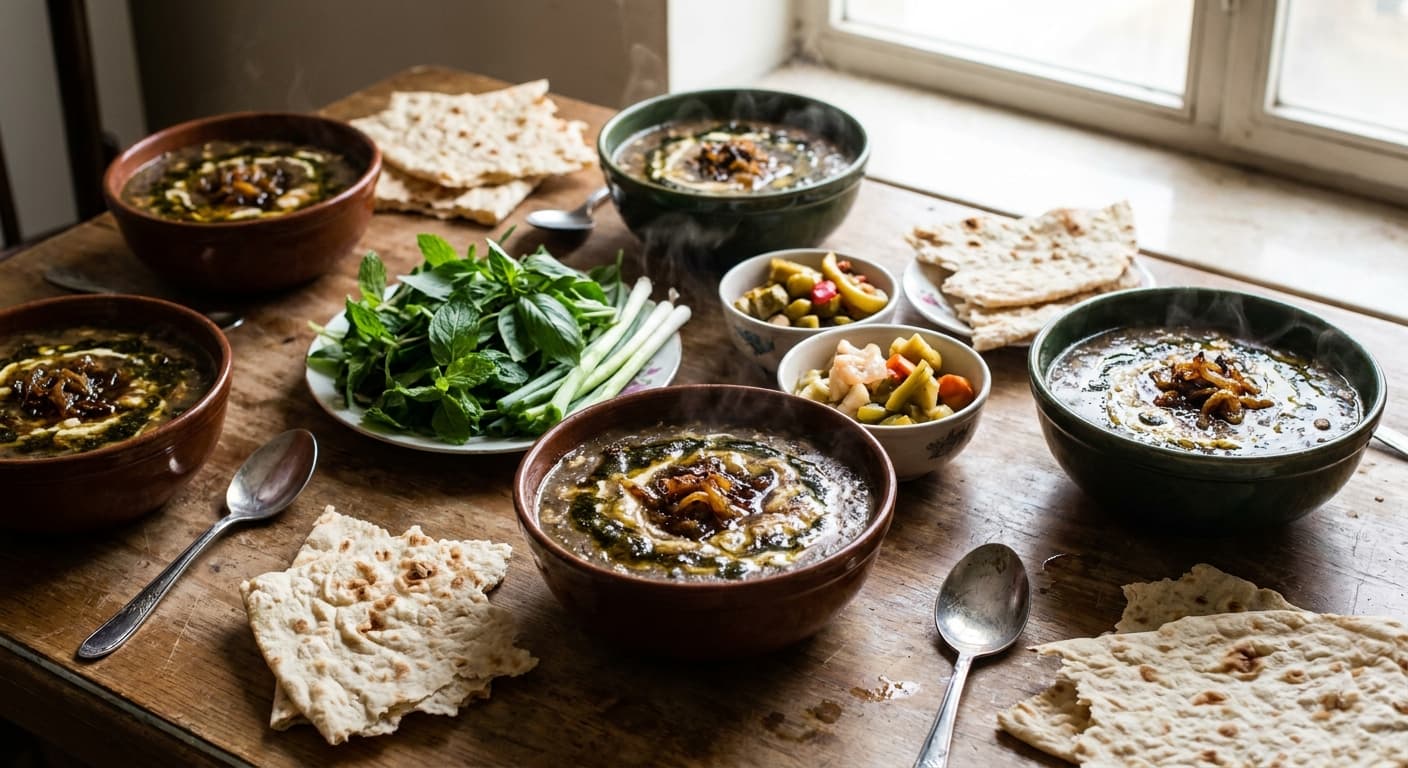
Ash-e Torsh (آش ترش) — Sour Herb and Legume Soup
Persian · Soups · 145 min
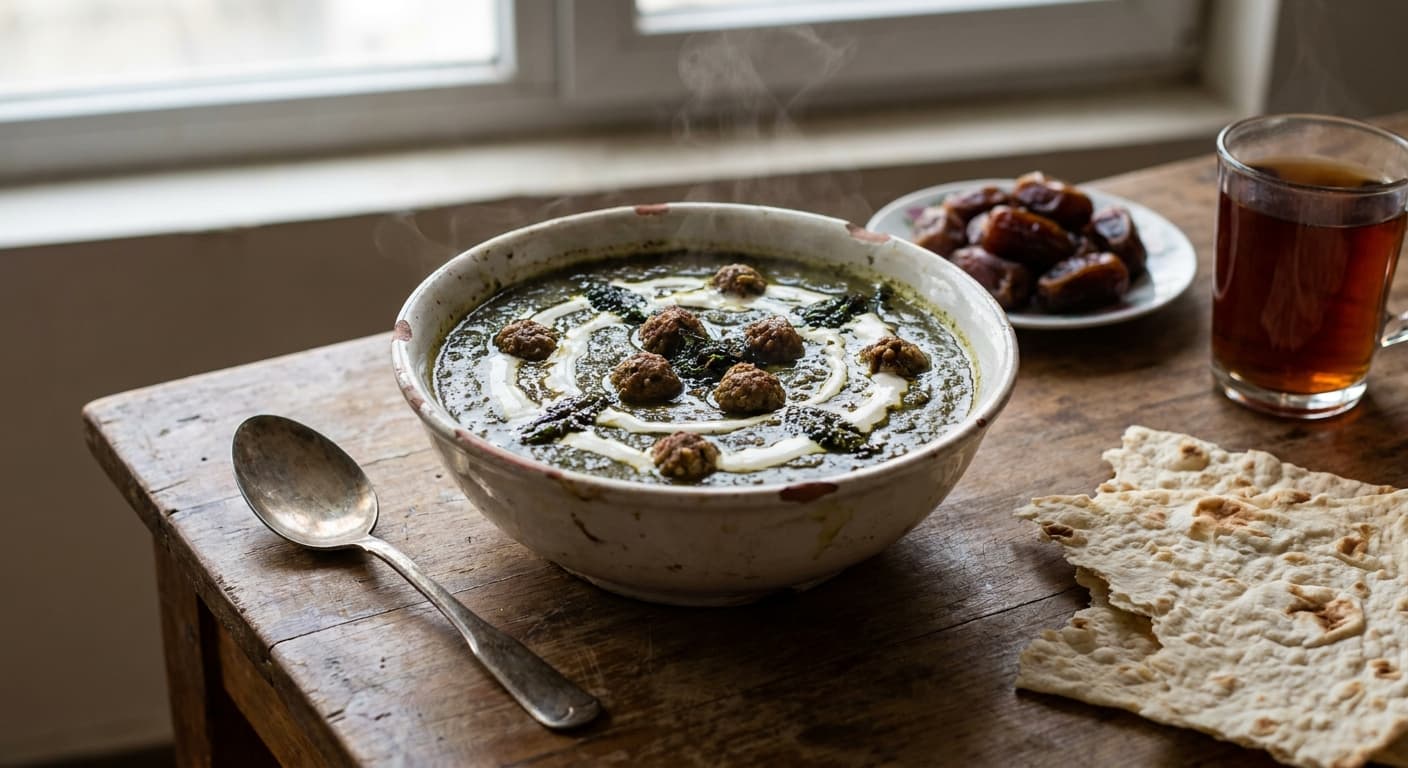
Ash-e Sak (آش ساک) — Golestani Spinach, Legume, and Meatball Soup
Persian · Soups · 175 min
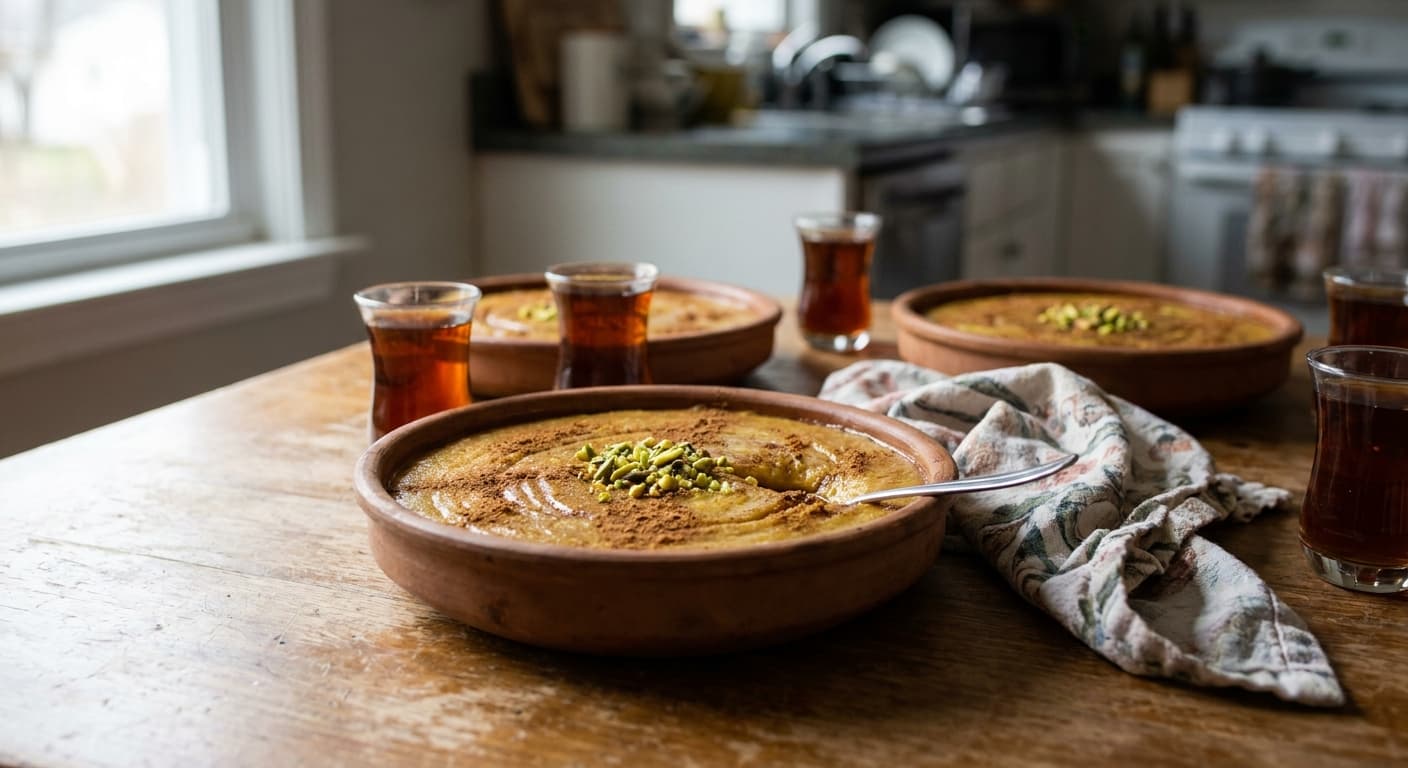
Persian Kachi (کاچی) — Saffron Rosewater Pudding
Persian · Desserts · 45 min
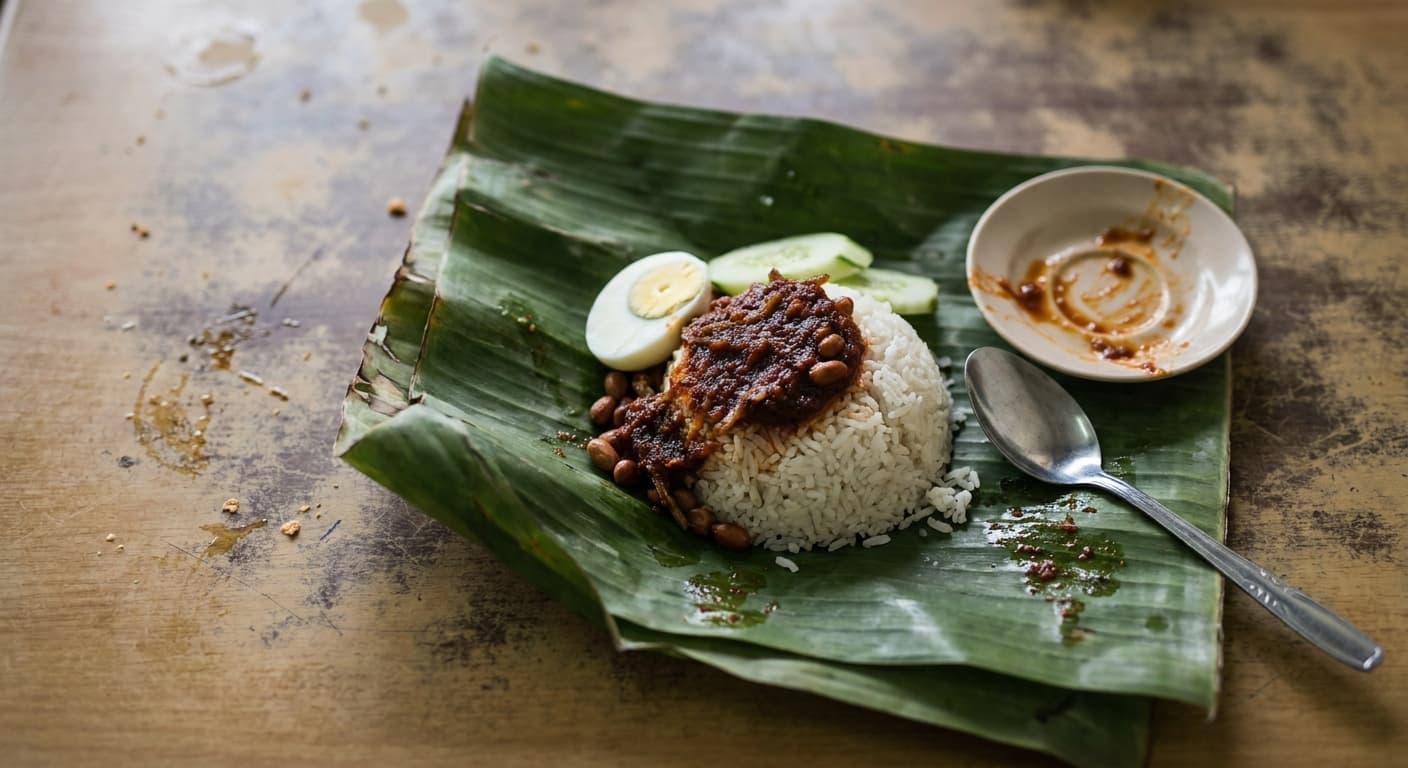
Malaysian Coconut Rice (Nasi Lemak) — Banana-Leaf Breakfast with Sambal Ikan Bilis
Malaysian · Rice Dishes · 95 min
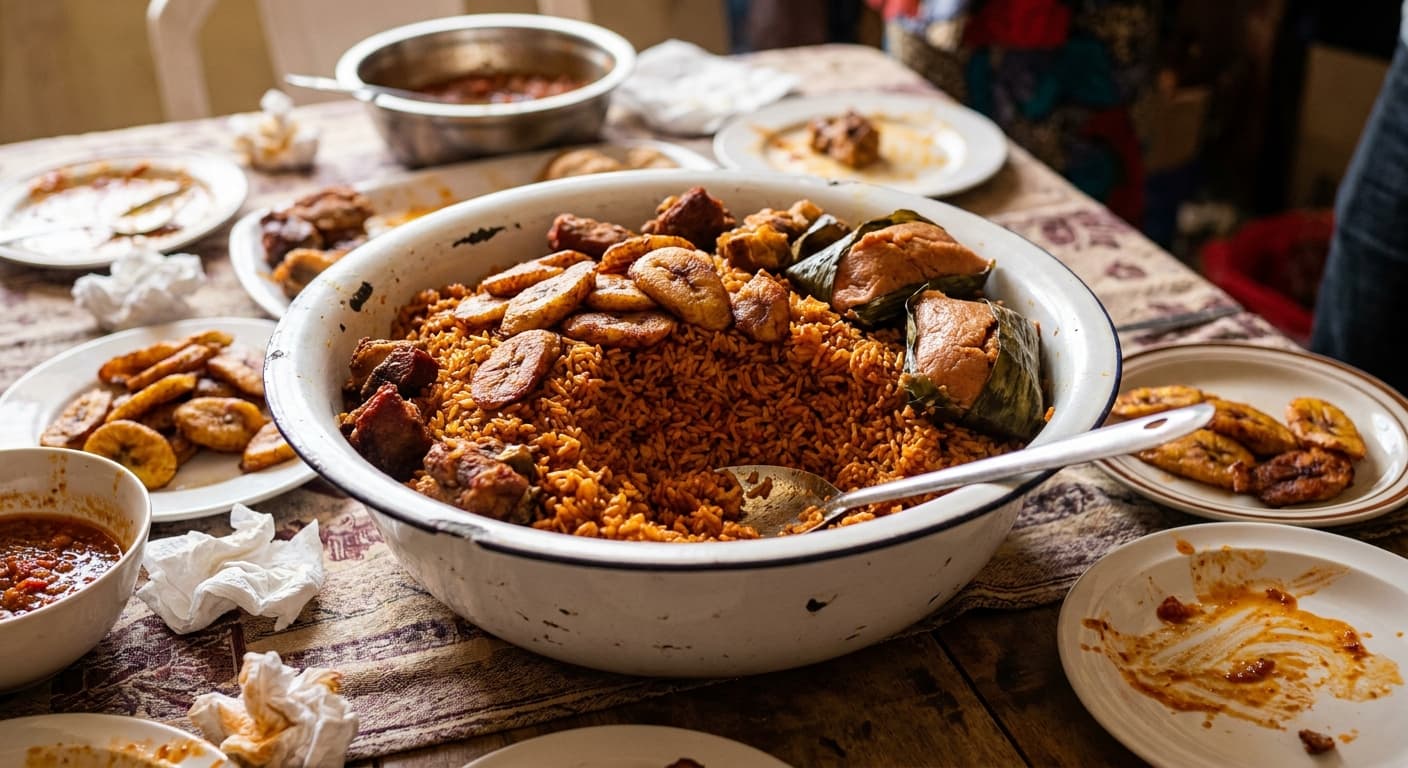
Nigerian Jollof Rice (Jollof Rice) — Smoky Party-Style Tomato Rice
West african · Rice Dishes · 80 min
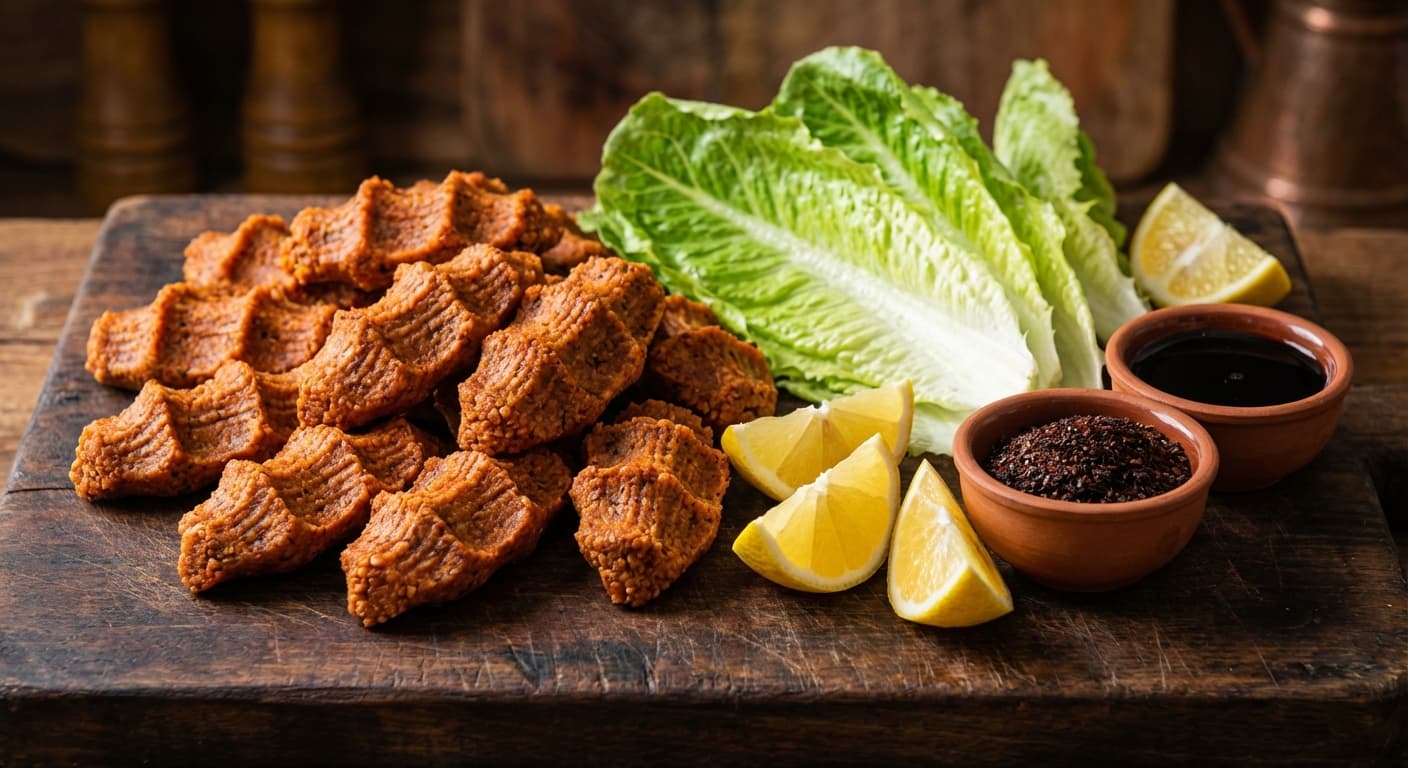
Cig Kofte (Çiğ Köfte) — Isot-kissed bulgur kneaded and served in lettuce
Turkish · Appetizers · 25 min
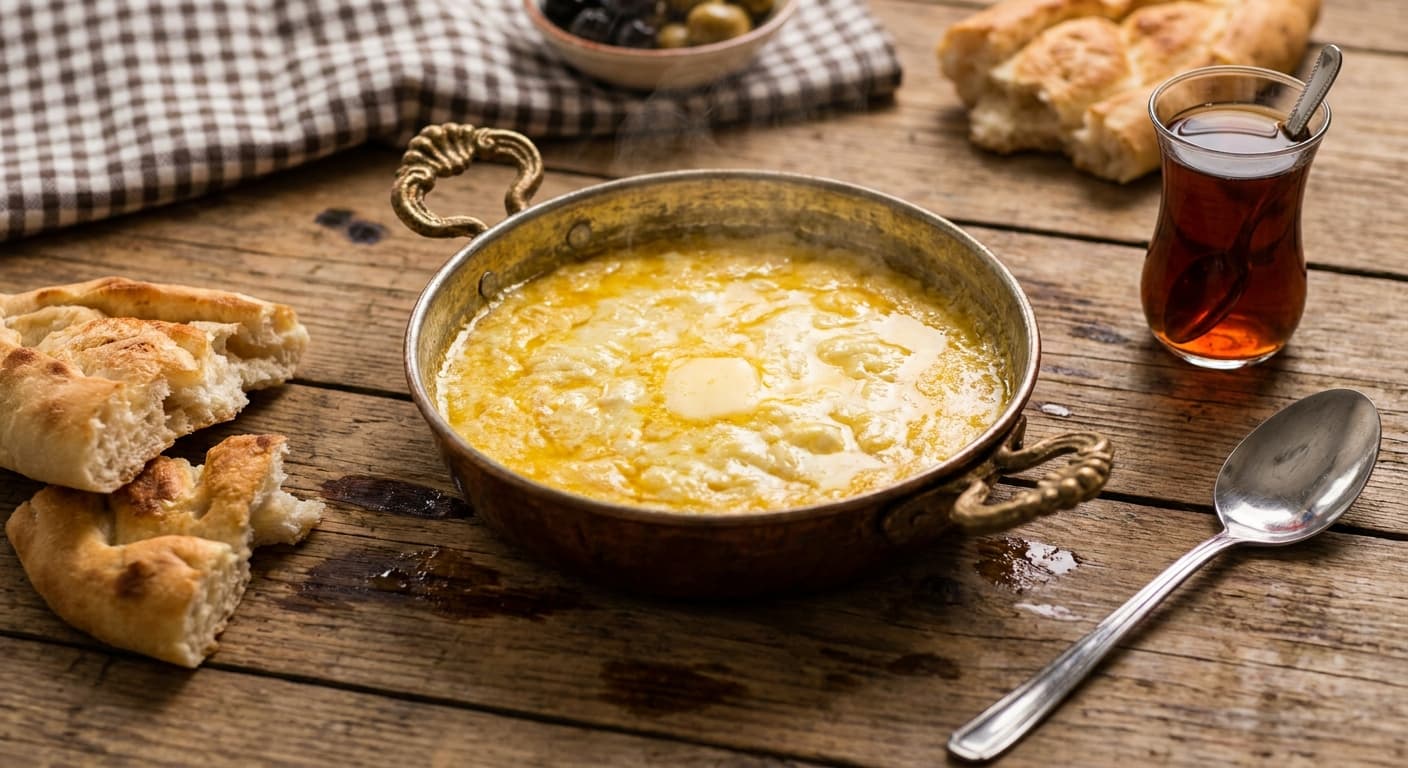
Mıhlama (Mıhlama) — Black Sea Cornmeal and Cheese Skillet
Turkish · Main Courses · 25 min
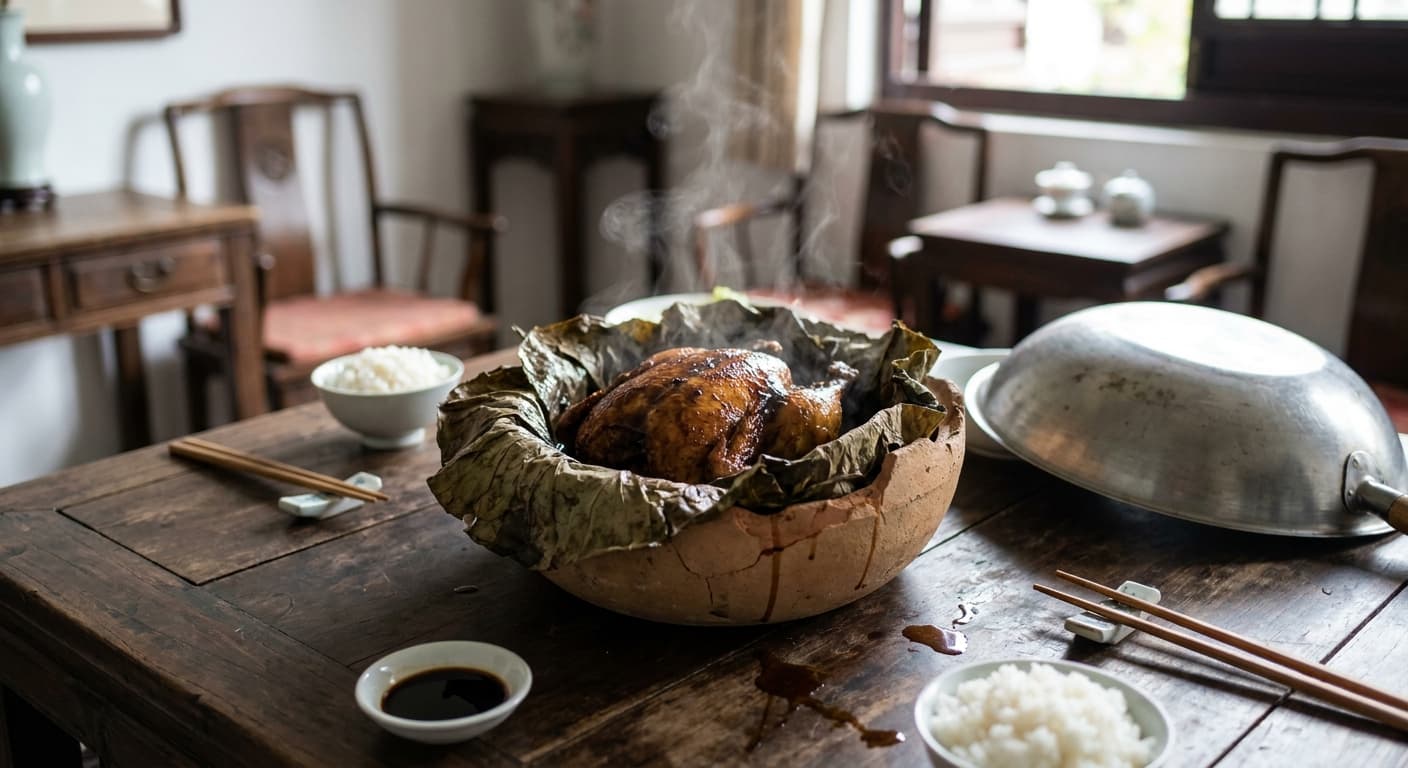
Beggar's Chicken (叫化鸡) — Lotus-Wrapped Clay-Baked Jiangnan Chicken
Chinese · Main Courses · 240 min
Reviews
Cooked this recipe?
Tap the stars to rate it — that's all it takes. A few words are welcome but optional.
No ratings yet. Cooked this one? Be the first to rate it — it takes one tap.