Kabuli Pilaf (قابلی پلو) — Afghan Celebratory Rice with Meat
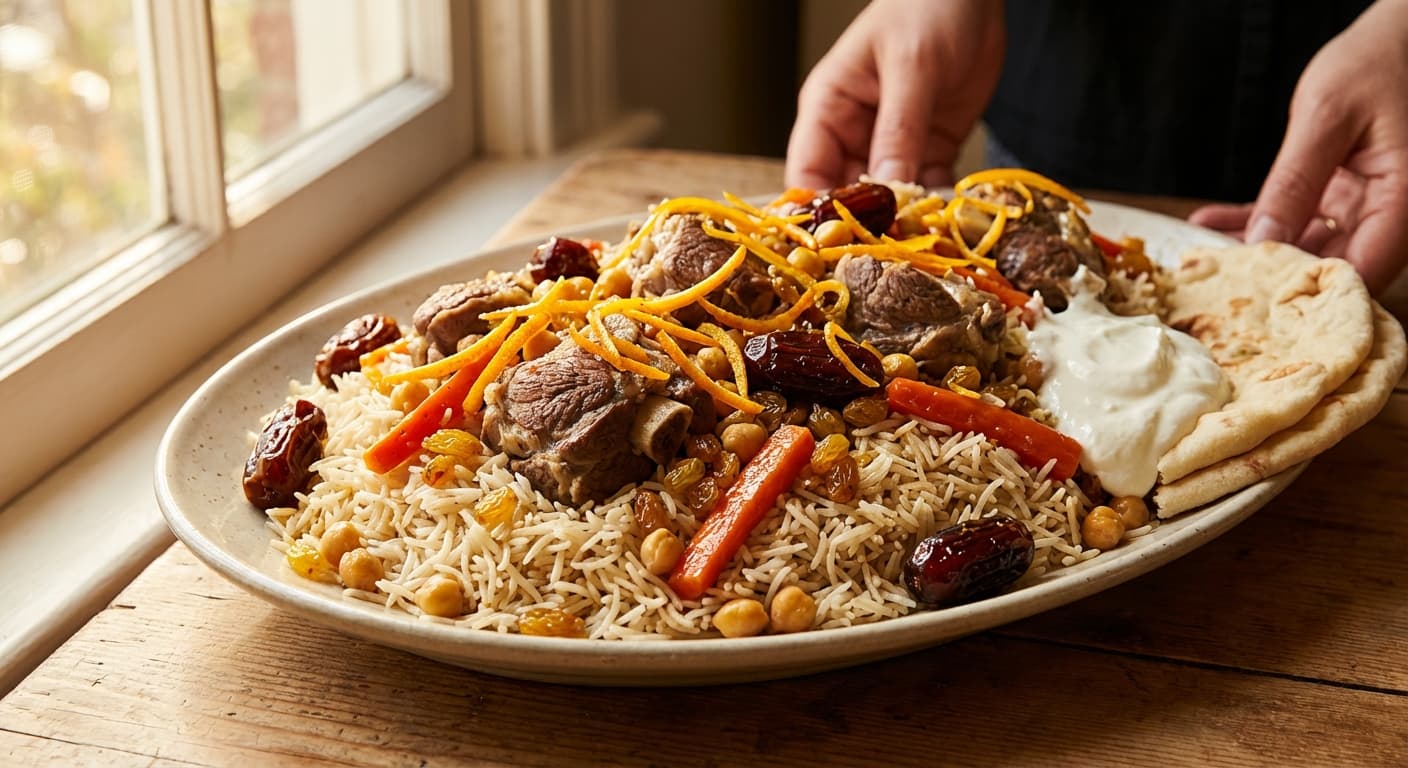
Kabuli Pilaf is a celebratory Afghan rice dish with tender meat, fluffy long-grain rice, chickpeas, and warm spices. This version highlights fried dates and bright bitter orange zest for a balanced sweet-savory finish.
Printable Recipe Card
Servings: 6 · Total: 215 min · Difficulty: hard
Ingredients (quick list)
- 450 g Basmati rice (rinsed until water runs mostly clear)
- 18 g Fine salt (divided (for soaking water, boiling water, and final seasoning))
- 1200 ml Warm water (for soaking rice)
- 900 g Bone-in lamb shoulder (cut into 5–6 cm pieces (or use beef chuck))
- 300 g Yellow onion (thinly sliced)
- 18 g Garlic cloves (6 cloves, finely grated or minced)
- 45 ml Neutral oil (or ghee; divided)
- 6 g Ground cumin
- 4 g Ground coriander
- 2 g Ground black pepper
- 3 g Ground turmeric
- 1.5 g Ground cinnamon
+ 12 more in the full ingredients section below.
Steps (summary)
- Rinse the basmati rice in several changes of cool water until the water runs mostly clear. Dissolve 10 g salt in 1200 ml warm w…
- Heat 30 ml neutral oil in a heavy pot over medium-high heat. Add sliced onion and cook 10–12 minutes, stirring, until deep gold…
- Stir in cumin, coriander, black pepper, turmeric, cinnamon, cardamom pods, cloves, and bay leaves for 30 seconds until fragrant…
- While the meat simmers, bloom saffron: combine crushed saffron with 60 ml hot water and let stand 10 minutes. In a small pan, w…
- When the meat is tender, remove pieces to a bowl and cover. Strain the broth into a measuring jug; discard bay leaves and whole…
- Drain the soaked rice. Bring a large pot of water (about 3 liters) to a rolling boil and add 8 g salt from the measured salt al…
+ 3 more steps in the full instructions section below.
Cultural Background
Kabuli Pilaf is widely associated with Afghan celebratory cooking and is often served at weddings, holidays, and large family gatherings. Its layered method reflects Central and South Asian pilaf traditions, where fragrant rice is paired with slow-cooked meat and sweet accents for contrast.
Equipment
💡 Tips
- If using canned chickpeas, rinse well to remove brine flavor; warm them briefly in a ladle of hot broth before layering so they stay tender.
- Keep the simmer gentle for tender meat and a clear broth; a hard boil makes the broth cloudy and can toughen lamb.
- If bitter oranges are very sharp, start with 30 ml juice and add more at the table; zest provides aroma without extra acidity.
- For extra fragrance, toast whole cumin and coriander seeds and grind them fresh, using the same gram amounts.
⚠️ Common Mistakes
❌ Skipping the rice soak or soaking too briefly
💡 Why: Dry grains cook unevenly and break during parboiling, leading to clumpy rice.
✅ Fix: Soak 60 minutes in salted warm water, then drain thoroughly before parboiling.
❌ Over-parboiling the rice
💡 Why: If the rice is fully cooked before steaming, it turns mushy and loses distinct grains.
✅ Fix: Boil 6–7 minutes only, aiming for a firm center; drain as soon as the outer layer softens.
❌ Using too much liquid in the final steam
💡 Why: Excess broth makes the bottom soggy and prevents proper steaming and separation.
✅ Fix: Measure 900 ml broth for 450 g rice; reduce broth if needed and keep the heat low after the first 10 minutes.
❌ Burning the dates
💡 Why: Dates caramelize quickly; overbrowning adds bitterness that competes with citrus.
✅ Fix: Fry 2–3 minutes in ghee over medium heat, then remove immediately when glossy.
🧊 How to Store
Cool leftovers within 2 hours. Refrigerate in an airtight container for up to 3 days. Reheat covered with 2–3 tbsp water in a pot over low heat 12–15 minutes, or microwave covered until steaming hot. Freeze up to 2 months; thaw overnight in the refrigerator before reheating.
📅 Make Ahead
Cook the meat and broth up to 2 days ahead; refrigerate separately. Fry the dates up to 24 hours ahead and store airtight at room temperature. On serving day, reheat broth to hot, parboil rice, then layer and steam as written for best texture.
🍽️ Pairs Well With
- Cucumber-yogurt sauce (mast-o-khiar style) or plain yogurt
- Simple tomato and onion salad with lemon
- Pickled vegetables
- Fresh herbs and radishes
Regional Variations
- Kabul-style (urban Afghanistan)Often emphasizes a clear, fragrant broth and a refined topping, with saffron and citrus used to perfume the rice and sweet elements added at the end for contrast.
- Northern Afghanistan and neighboring Central AsiaMay include additional legumes or dried fruits and can lean more savory, with stronger use of whole spices and a deeper onion base depending on local preferences.
Ingredients
- 450 gBasmati rice (rinsed until water runs mostly clear)
- 18 gFine salt (divided (for soaking water, boiling water, and final seasoning))
- 1200 mlWarm water (for soaking rice)
- 900 gBone-in lamb shoulder (cut into 5–6 cm pieces (or use beef chuck))
- 300 gYellow onion (thinly sliced)
- 18 gGarlic cloves (6 cloves, finely grated or minced)
- 45 mlNeutral oil (or ghee; divided)
- 6 gGround cumin
- 4 gGround coriander
- 2 gGround black pepper
- 3 gGround turmeric
- 1.5 gGround cinnamon
- 6 unitGreen cardamom pods (lightly crushed)
- 3 unitCloves
- 2 unitBay leaves
- 1500 mlWater (plus more as needed to keep meat barely submerged)
- 300 gCooked chickpeas (drained and rinsed if canned)
- 180 gMedjool dates (pitted and sliced into strips)
- 2 unitBitter oranges (zest finely grated; juice reserved (or use Seville oranges))
- 60 mlBitter orange juice (freshly squeezed from the bitter oranges)
- 12 gGranulated sugar (balances the bitterness; optional but recommended)
- 0.2 gSaffron threads (about 1/4 tsp, finely crushed)
- 60 mlHot water (to bloom saffron)
- 45 gGhee (for frying dates and finishing rice)
🔄 Substitutions
- Bone-in lamb shoulder→ Beef chuck (900 g) or bone-in chicken thighs (1.2 kg)
- Bitter oranges (zest and juice)→ Orange zest (from 1 large orange) + lemon juice (30–45 ml)
- Ghee→ Unsalted butter (same amount) or neutral oil (same amount)
Instructions
- 1
Rinse the basmati rice in several changes of cool water until the water runs mostly clear. Dissolve 10 g salt in 1200 ml warm water, add the rice, and soak for 60 minutes at room temperature. Soaking helps the grains elongate and cook evenly, giving the pilaf its signature fluffy texture.
- 2
Heat 30 ml neutral oil in a heavy pot over medium-high heat. Add sliced onion and cook 10–12 minutes, stirring, until deep golden. Add garlic and cook 30 seconds. Add lamb, increase heat, and brown 8–10 minutes, turning to color all sides. Browning builds the savory base that perfumes the rice.
- 3
Stir in cumin, coriander, black pepper, turmeric, cinnamon, cardamom pods, cloves, and bay leaves for 30 seconds until fragrant. Pour in 1500 ml water and bring to a boil. Reduce to a gentle simmer, cover, and cook 75–90 minutes until the meat is tender, skimming foam in the first 10 minutes.
- 4
While the meat simmers, bloom saffron: combine crushed saffron with 60 ml hot water and let stand 10 minutes. In a small pan, warm 15 g ghee over medium heat, add the date strips, and fry 2–3 minutes until glossy and lightly caramelized. Remove to a plate; do not overbrown or they turn bitter.
- 5
When the meat is tender, remove pieces to a bowl and cover. Strain the broth into a measuring jug; discard bay leaves and whole spices. You need 900 ml broth for the rice; if you have more, simmer to reduce, or top up with water if short. Taste and adjust with remaining 8 g salt.
- 6
Drain the soaked rice. Bring a large pot of water (about 3 liters) to a rolling boil and add 8 g salt from the measured salt already included. Add rice and parboil 6–7 minutes, stirring gently once or twice, until the grains are softened on the outside but still firm in the center. Drain well.
- 7
Return the heavy pot to medium heat. Add remaining 30 g ghee and let it melt. Layer half the parboiled rice, then scatter chickpeas and the cooked meat, and drizzle 30 ml bitter orange juice. Add the remaining rice on top. Pour 900 ml hot broth evenly over the rice, then drizzle the saffron water.
- 8
Use the handle of a spoon to poke 5–6 steam holes down through the rice. Cover the lid with a clean towel and seal the pot. Steam on medium heat for 10 minutes until you see strong steam, then reduce to low and steam 35 minutes. Rest off heat 10 minutes before fluffing.
- 9
Meanwhile, combine bitter orange zest with sugar and rub with your fingertips for 30 seconds to release oils. To serve, gently fluff the rice with a wide spoon, lifting from the bottom to distribute meat and chickpeas without breaking grains. Top with fried dates and the sweetened bitter orange zest.
🪪 Recipe Passport
Cultural Background
Kabuli Pilaf is widely associated with Afghan celebratory cooking and is often served at weddings, holidays, and large family gatherings. Its layered method reflects Central and South Asian pilaf traditions, where fragrant rice is paired with slow-cooked meat and sweet accents for contrast.
Regional Variations
Researched from multiple sources and validated by the Zaffaron editorial team. Every recipe is tested for accuracy, measurements, and cultural authenticity.
Nutrition per serving
Pairs well with
If you enjoyed this recipe, here are a few related Zaffaron recipes to try next.
Does your family make this differently?
Every family has their own version. Maybe your grandmother adds a secret ingredient, or your aunt has a completely different technique. Preserve your family's version — with their name on it, forever.
You Might Also Like
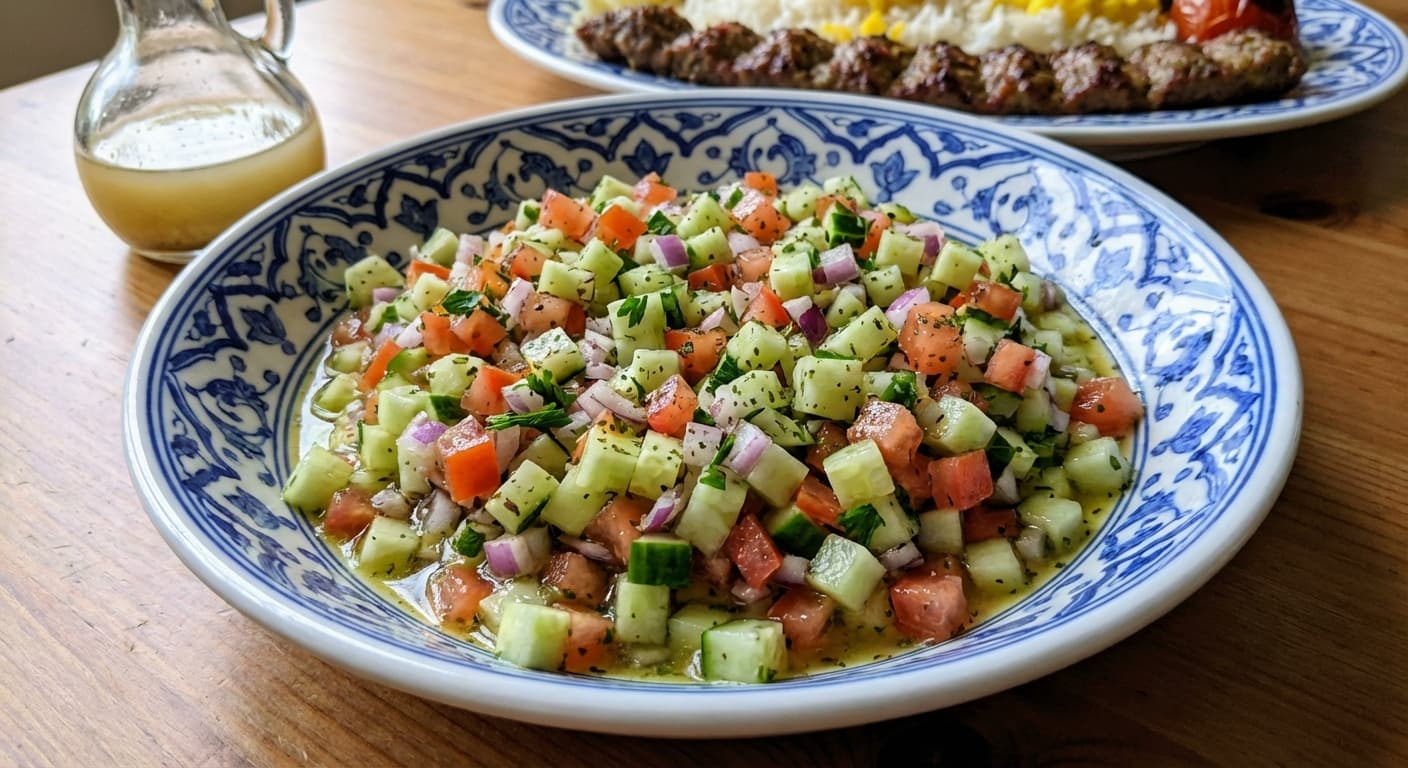
Shirazi Salad (سالاد شیرازی) — Brunoised cucumber-tomato herb salad with ab-ghooreh
Persian · Salads · 20 min
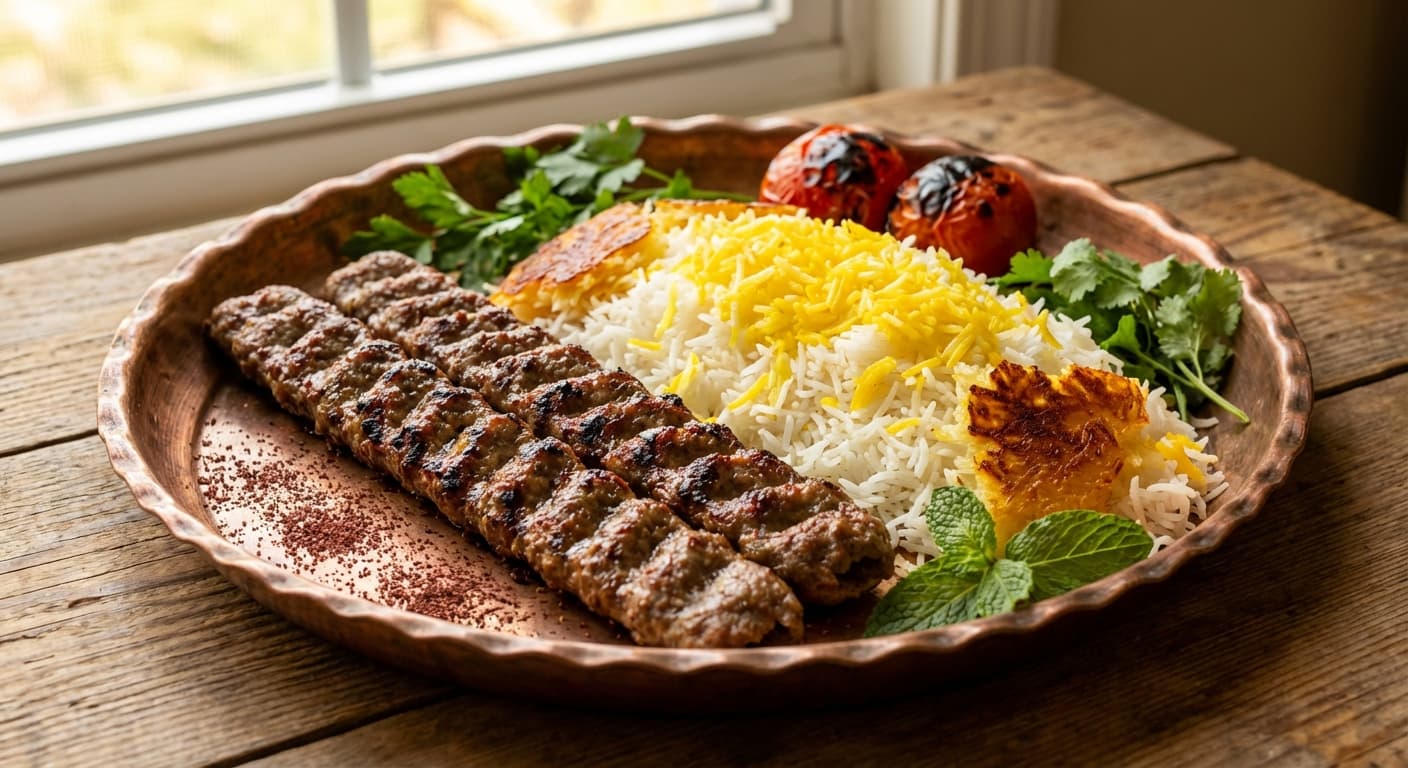
Chelo Kebab Koobideh (چلو کباب کوبیده) — Persian Minced Meat Skewers with Saffron Rice
Persian · Kebabs · 75 min
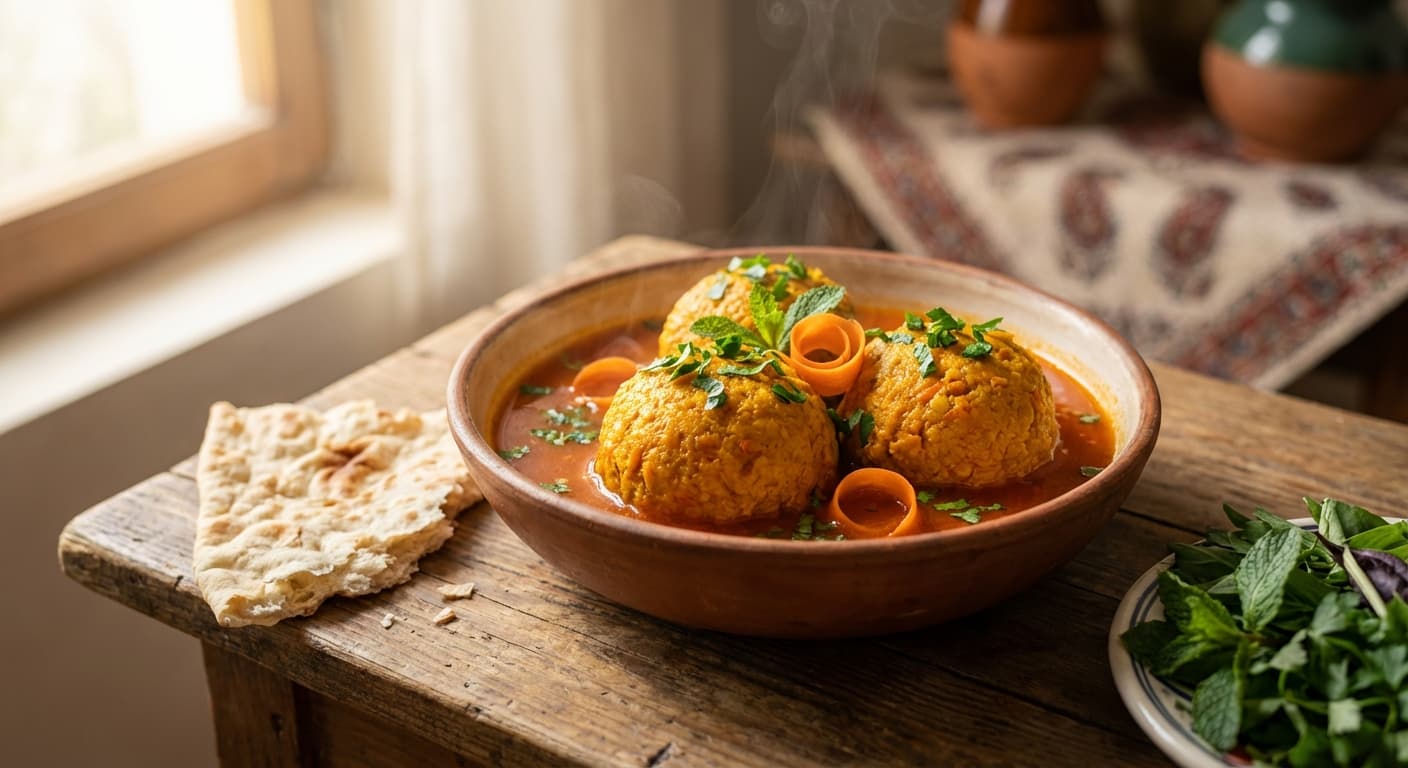
Koofteh Havij (کوفته هویج) — Persian Carrot Meatballs in Saffron-Tomato Broth
Persian · Main Courses · 120 min
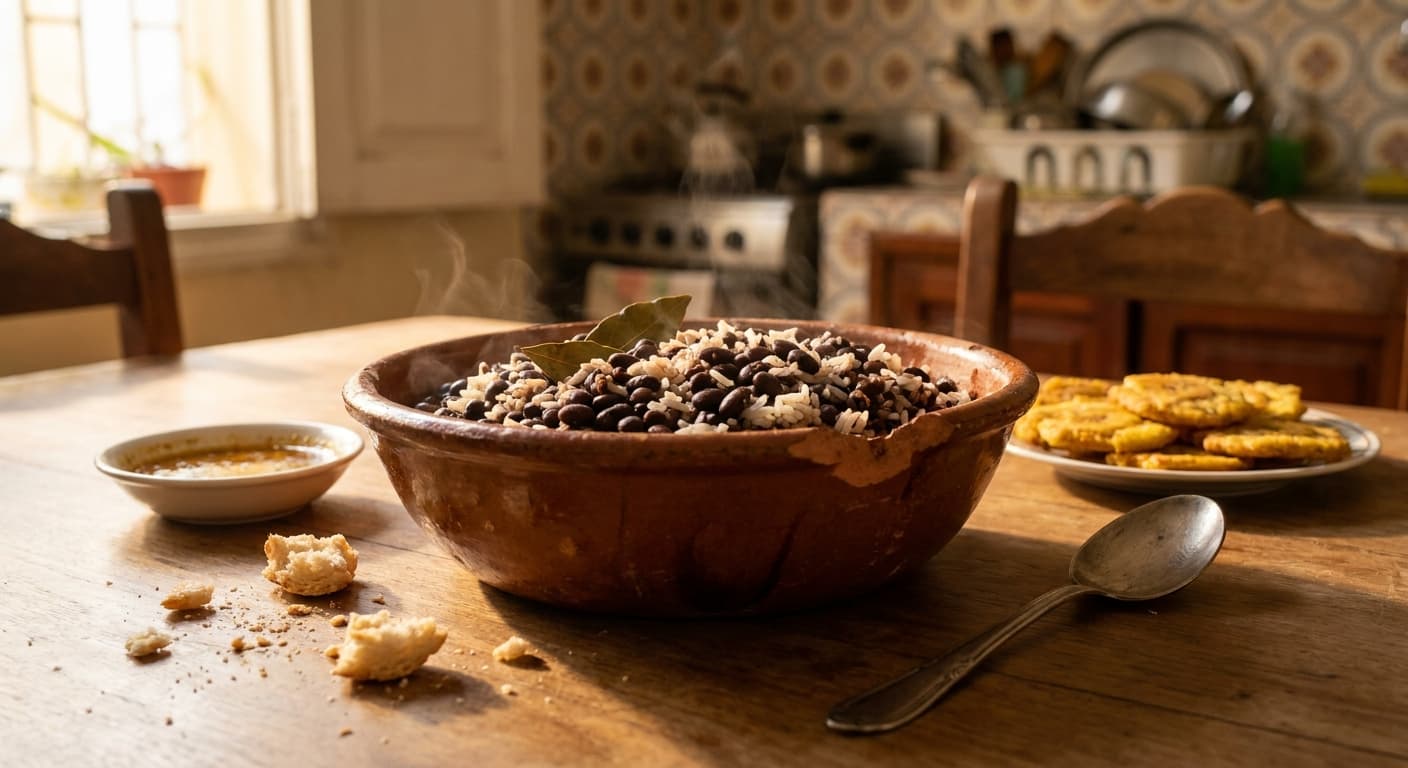
Moros y Cristianos (Moros y Cristianos) — Cuban Black Beans and Rice
Cuban · Rice Dishes · 130 min
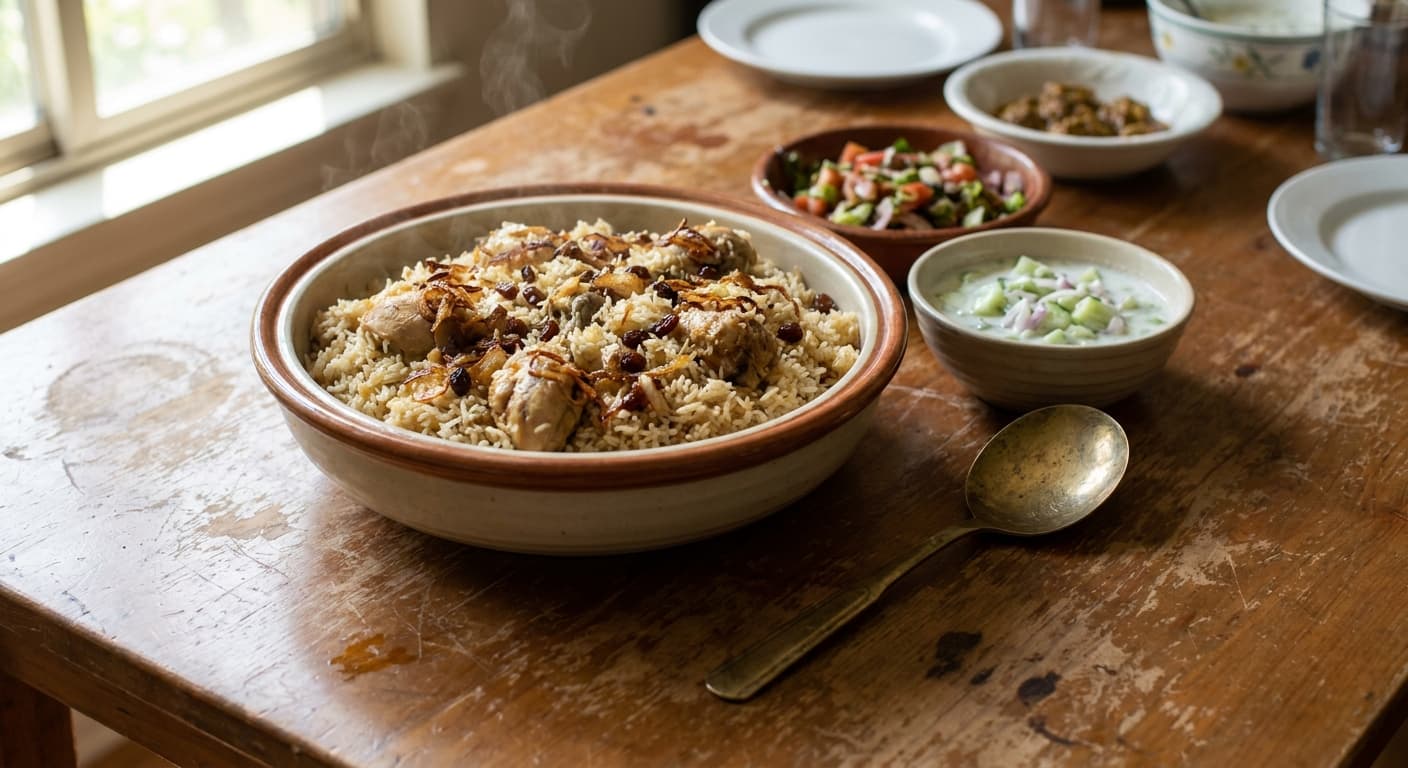
Morog Polao (মোরগ পোলাও) — Bangladeshi Chicken Pilaf
Bangladeshi · Rice Dishes · 100 min
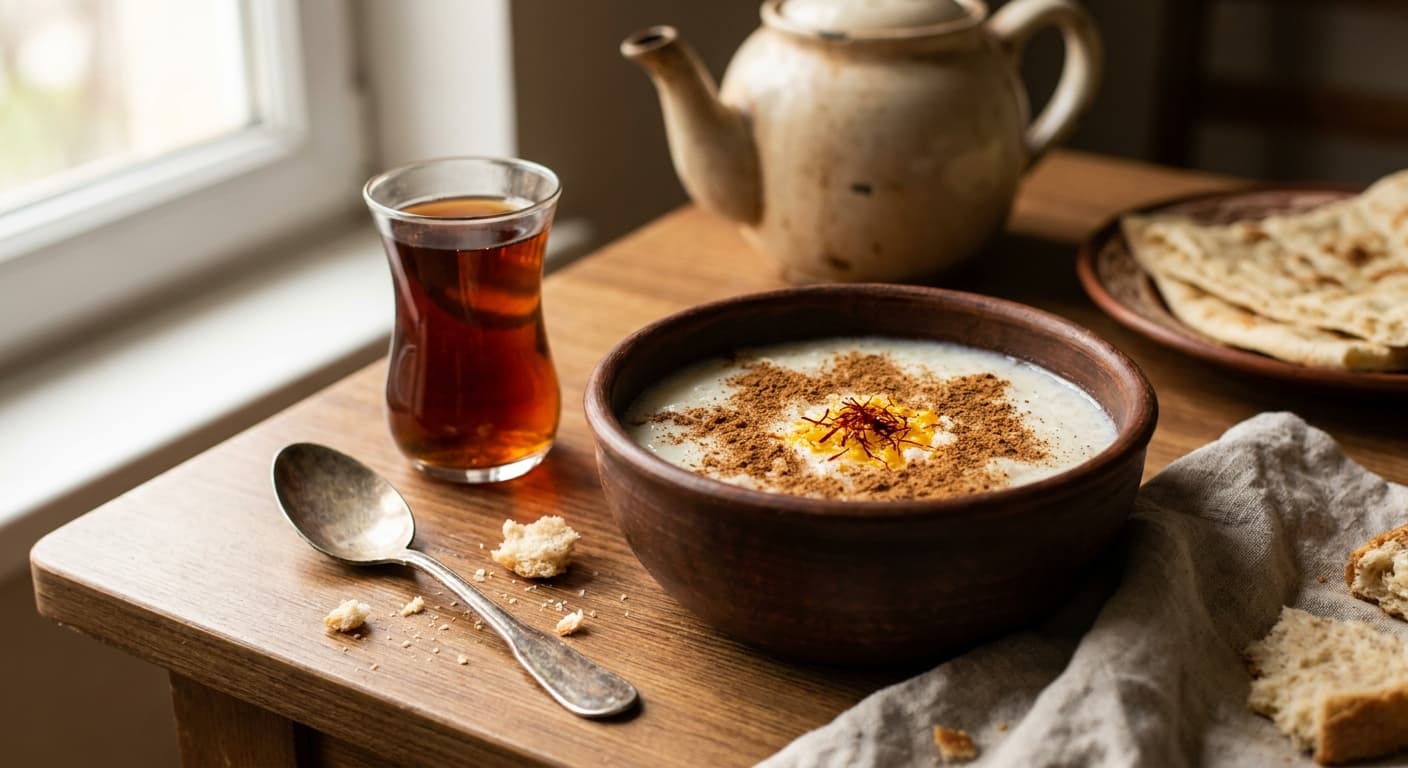
Azerbaijani Milk Rice Porridge (Südlü Sıyıq) — Creamy Breakfast Bowl
Azerbaijani · Rice Dishes · 40 min
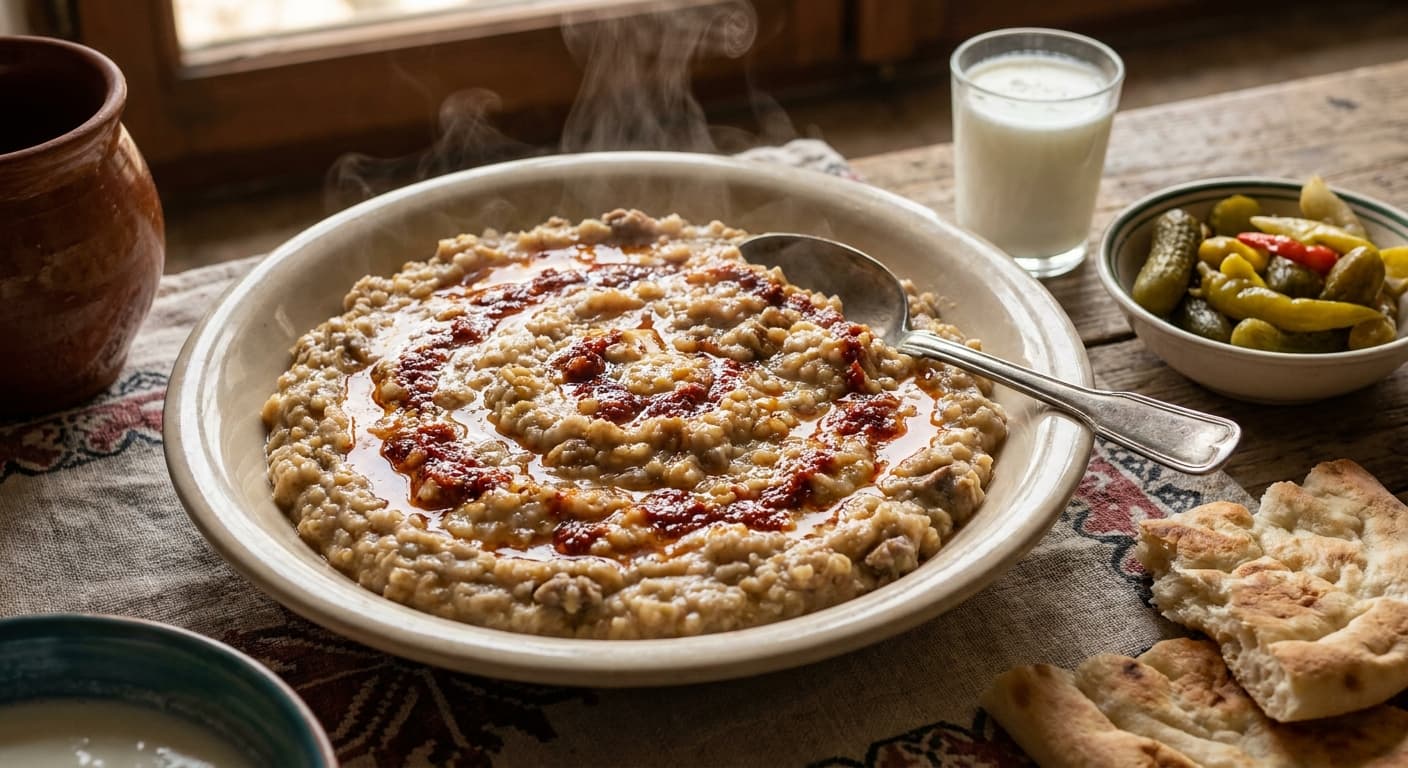
Keshkek (Keşkek) — Creamy Ceremonial Wheat and Lamb Stew
Turkish · Stews · 240 min
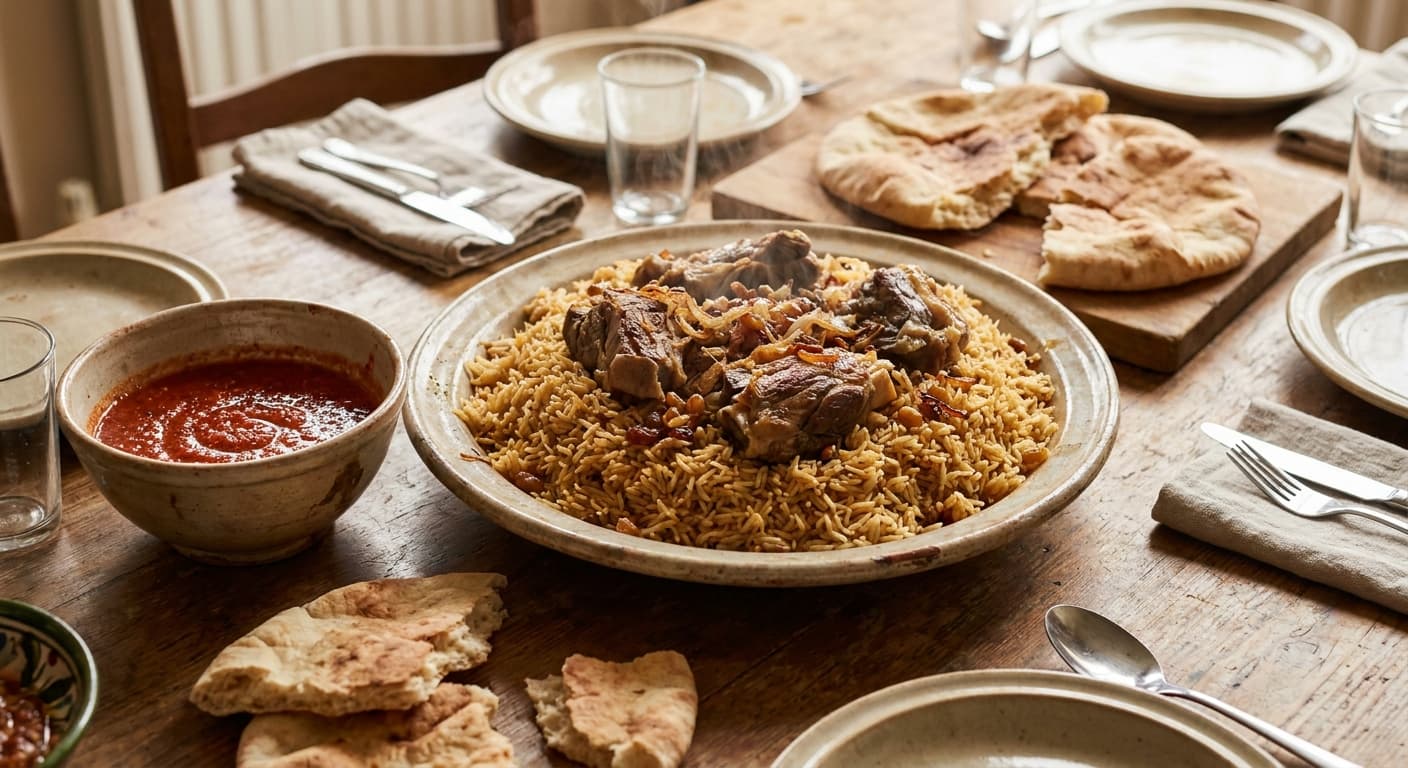
Yemeni Mandi (مندي) — Smoke-Scented Spiced Rice and Lamb
Yemeni · Main Courses · 170 min
Reviews
Cooked this recipe?
Tap the stars to rate it — that's all it takes. A few words are welcome but optional.
No ratings yet. Cooked this one? Be the first to rate it — it takes one tap.