Kadhi Pakora (कढ़ी पकोड़ा) — Indian Yogurt Curry with Chickpea Flour Fritters
Kadhi Pakora is a beloved North Indian comfort dish where tangy yogurt-and-besan curry simmers with tender chickpea fritters. Often served in Punjabi homes and dhabas, it balances sour, savory, and gently spiced flavors over rice.
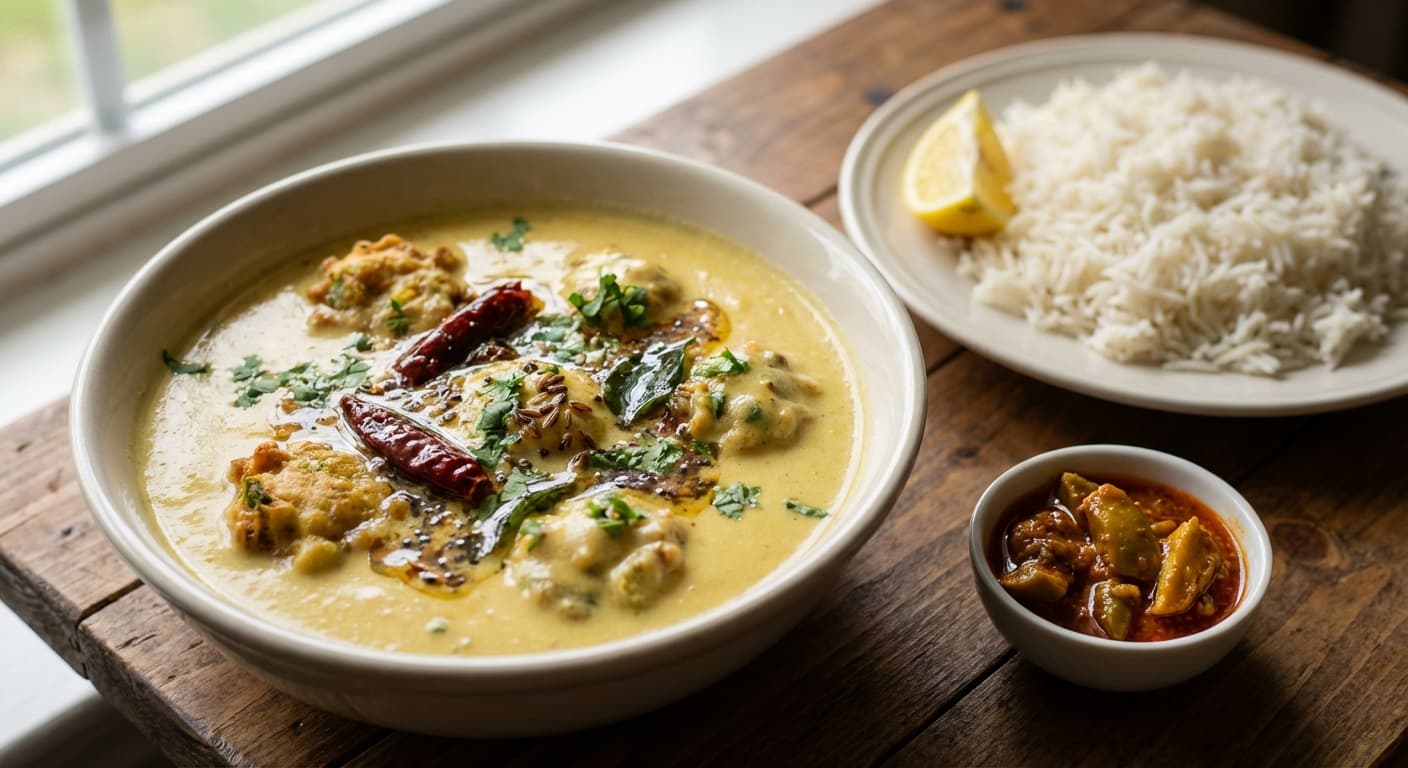
Printable Recipe Card
Servings: 4 · Total: 60 min · Difficulty: medium
Ingredients (quick list)
- 400 g Plain whole-milk yogurt (Prefer slightly sour yogurt for a more authentic tang)
- 60 g Chickpea flour (besan)
- 800 ml Water
- 1 tsp Turmeric powder
- 1 tsp Kashmiri red chili powder
- 2 tsp Fine salt
- 2 tbsp Ghee
- 1 tsp Cumin seeds
- 1 tsp Mustard seeds
- 0.5 tsp Fenugreek seeds (Use sparingly; too much can turn bitter)
- 0.25 tsp Asafoetida (hing)
- 2 Dried red chili
+ 9 more in the full ingredients section below.
Steps (summary)
- Make the kadhi base by whisking the yogurt and 60 g besan in a bowl until completely smooth and lump-free. Whisk in 800 ml wate…
- Prepare the pakora batter by combining 120 g besan, sliced onion, ajwain, 1/2 tsp turmeric, 1/2 tsp Kashmiri chili powder, 1 ts…
- Heat 300 ml neutral oil in a deep pan to 175°C; if you do not have a thermometer, a small drop of batter should rise steadily w…
- In a heavy pot, heat 2 tbsp ghee over medium heat, then add cumin seeds, mustard seeds, and fenugreek seeds and let them crackl…
- Add the finely chopped onion and cook for 6–8 minutes until soft and lightly golden, stirring to prevent sticking. Stir in ging…
- Lower the heat and pour in the whisked yogurt-besan mixture while stirring continuously so the yogurt does not split. Bring the…
+ 1 more steps in the full instructions section below.
Cultural Background
Kadhi is a time-honored North Indian way to transform yogurt into a nourishing meal, with besan providing body and gentle sweetness. Kadhi Pakora is especially associated with Punjabi home cooking and roadside dhabas, commonly ladled over rice for everyday comfort.
Equipment
💡 Tips
- Whisk the yogurt and besan until perfectly smooth; even small lumps can thicken unevenly and leave a raw flour taste.
- Keep the kadhi at a gentle simmer after it boils; a hard boil can cause splitting and a grainy texture.
- Fry pakoras at about 175°C so they cook through without getting oily; if the oil is cooler, they absorb excess oil and turn heavy.
⚠️ Common Mistakes
❌ Kadhi splits and looks grainy after adding the yogurt mixture.
✅ Fix: Lower the heat before adding, stir continuously, and keep the simmer gentle; avoid a rolling boil once the yogurt is in.
❌ Kadhi tastes raw or chalky from undercooked besan.
✅ Fix: Simmer uncovered for at least 25 minutes and stir frequently; the flavor should turn nutty and rounded, not floury.
❌ Pakoras turn oily and heavy.
✅ Fix: Fry at 170–180°C and do not overcrowd the pan; let the oil return to temperature between batches.
🧊 How to Store
Cool kadhi completely, then refrigerate in an airtight container for up to 3 days. Reheat gently over low heat with 60–120 ml water to loosen, stirring often; pakoras will soften more, so add freshly fried pakoras if you prefer a firmer bite.
📅 Make Ahead
Whisk the yogurt-besan mixture up to 12 hours ahead and refrigerate, then re-whisk before cooking. You can also slice onions and measure spices a day ahead; fry pakoras just before serving for the best texture.
🍽️ Pairs Well With
- Steamed basmati rice
- jeera rice
- roti
- sliced onions
- lemon wedges
- mango pickle.
Regional Variations
- Punjabi kadhi pakora is thicker and often includes onion pakoras, served with rice and a bold tadka.
- Gujarati kadhi is lighter, slightly sweet, and usually served without pakoras, often tempered with cloves and cinnamon.
- Rajasthani kadhi may include gatte (gram flour dumplings) instead of fried pakoras for a heartier bite.
Ingredients
- 400 gPlain whole-milk yogurt (Prefer slightly sour yogurt for a more authentic tang)
- 60 gChickpea flour (besan)
- 800 mlWater
- 1 tspTurmeric powder
- 1 tspKashmiri red chili powder
- 2 tspFine salt
- 2 tbspGhee
- 1 tspCumin seeds
- 1 tspMustard seeds
- 0.5 tspFenugreek seeds (Use sparingly; too much can turn bitter)
- 0.25 tspAsafoetida (hing)
- 2Dried red chili
- 10 leafCurry leaves
- 150 gOnion (Finely chopped)
- 10 gGinger (Finely grated)
- 12 gGarlic (Finely minced)
- 1Green chili (Finely chopped)
- 10 gCilantro (Chopped)
- 1 tspCarom seeds (ajwain)
- 0.25 tspBaking soda (Optional but helps keep pakoras light)
- 300 mlNeutral oil
🔄 Substitutions
- Ghee→ Neutral oil
- Curry leaves→ Bay leaf
- Asafoetida (hing)→ Garlic (additional 6 g)
Instructions
- 1
Make the kadhi base by whisking the yogurt and 60 g besan in a bowl until completely smooth and lump-free. Whisk in 800 ml water, then add 1 tsp turmeric, 1 tsp Kashmiri chili powder, and 2 tsp salt, and set the mixture aside for 10 minutes to hydrate the besan.
- 2
Prepare the pakora batter by combining 120 g besan, sliced onion, ajwain, 1/2 tsp turmeric, 1/2 tsp Kashmiri chili powder, 1 tsp salt, and 1/4 tsp baking soda. Add up to 120 ml water gradually and mix until you have a thick batter that drops from a spoon in clumps; let it rest for 5 minutes so the flour absorbs moisture.
- 3
Heat 300 ml neutral oil in a deep pan to 175°C; if you do not have a thermometer, a small drop of batter should rise steadily with bubbles in 2–3 seconds. Fry tablespoon-sized batter portions in batches for 4–6 minutes, turning, until deep golden and cooked through, then drain on a rack or paper towels.
- 4
In a heavy pot, heat 2 tbsp ghee over medium heat, then add cumin seeds, mustard seeds, and fenugreek seeds and let them crackle for 20–30 seconds. Add hing, dried red chilies, and curry leaves, and stir for 10 seconds to bloom the aromatics without burning them.
- 5
Add the finely chopped onion and cook for 6–8 minutes until soft and lightly golden, stirring to prevent sticking. Stir in ginger, garlic, and green chili and cook for 60–90 seconds until the raw aroma disappears.
- 6
Lower the heat and pour in the whisked yogurt-besan mixture while stirring continuously so the yogurt does not split. Bring the kadhi to a gentle boil, then simmer uncovered for 25–30 minutes, stirring every 3–4 minutes, until it thickens slightly and the besan tastes fully cooked.
- 7
Add the fried pakoras to the simmering kadhi and cook for 8–10 minutes so they absorb flavor and soften in the curry. Turn off the heat and rest the pot for 5 minutes, then garnish with chopped cilantro before serving.
🪪 Recipe Passport
Cultural Background
Kadhi is a time-honored North Indian way to transform yogurt into a nourishing meal, with besan providing body and gentle sweetness. Kadhi Pakora is especially associated with Punjabi home cooking and roadside dhabas, commonly ladled over rice for everyday comfort.
Regional Variations
Researched from multiple sources and validated by the Zaffaron editorial team. Every recipe is tested for accuracy, measurements, and cultural authenticity.
Nutrition per serving
Pairs well with
If you enjoyed this recipe, here are a few related Zaffaron recipes to try next.
Does your family make this differently?
Every family has their own version. Maybe your grandmother adds a secret ingredient, or your aunt has a completely different technique. Preserve your family's version — with their name on it, forever.
You Might Also Like
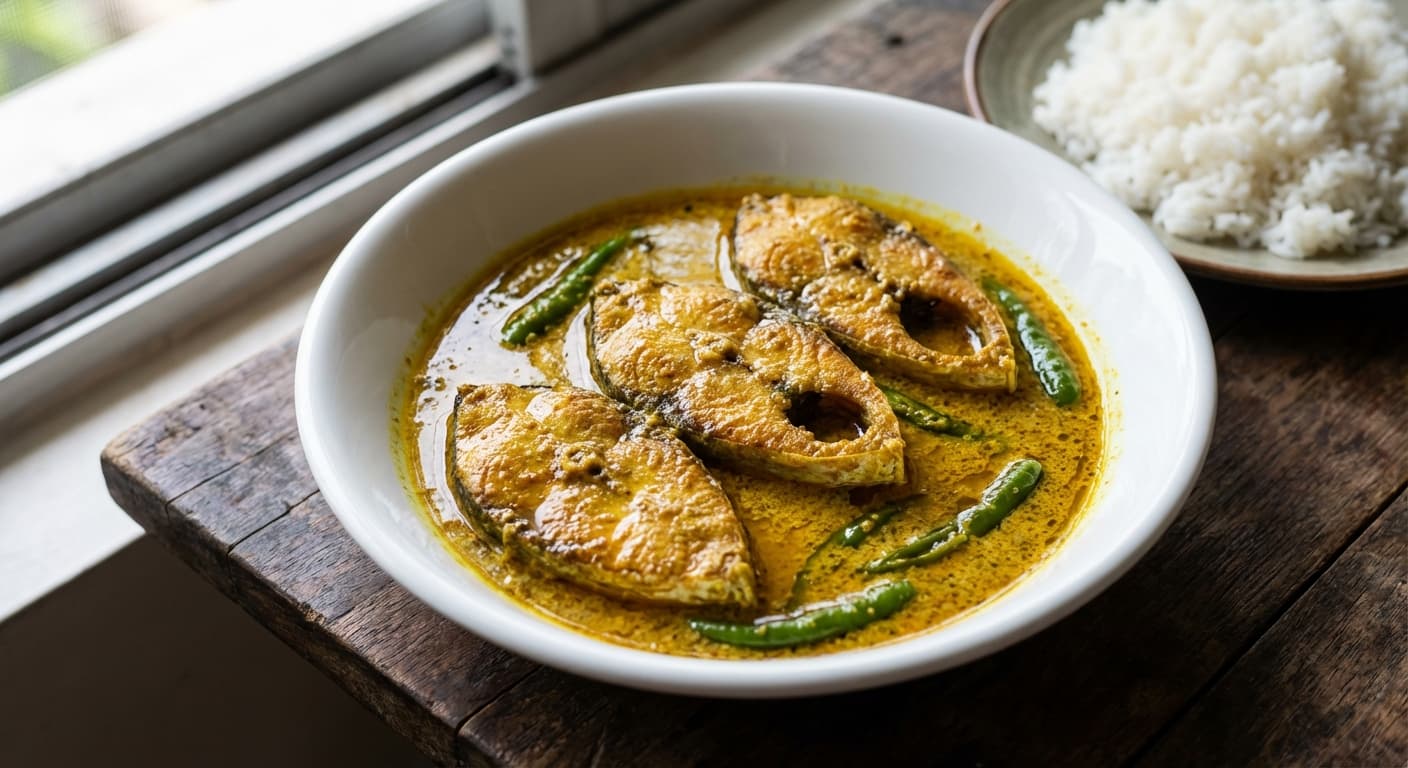
Shorshe Ilish (শরষে ইলিশ) — Hilsa in Mustard-Grreen Chili Gravy
Indian · Main Courses · 38 min
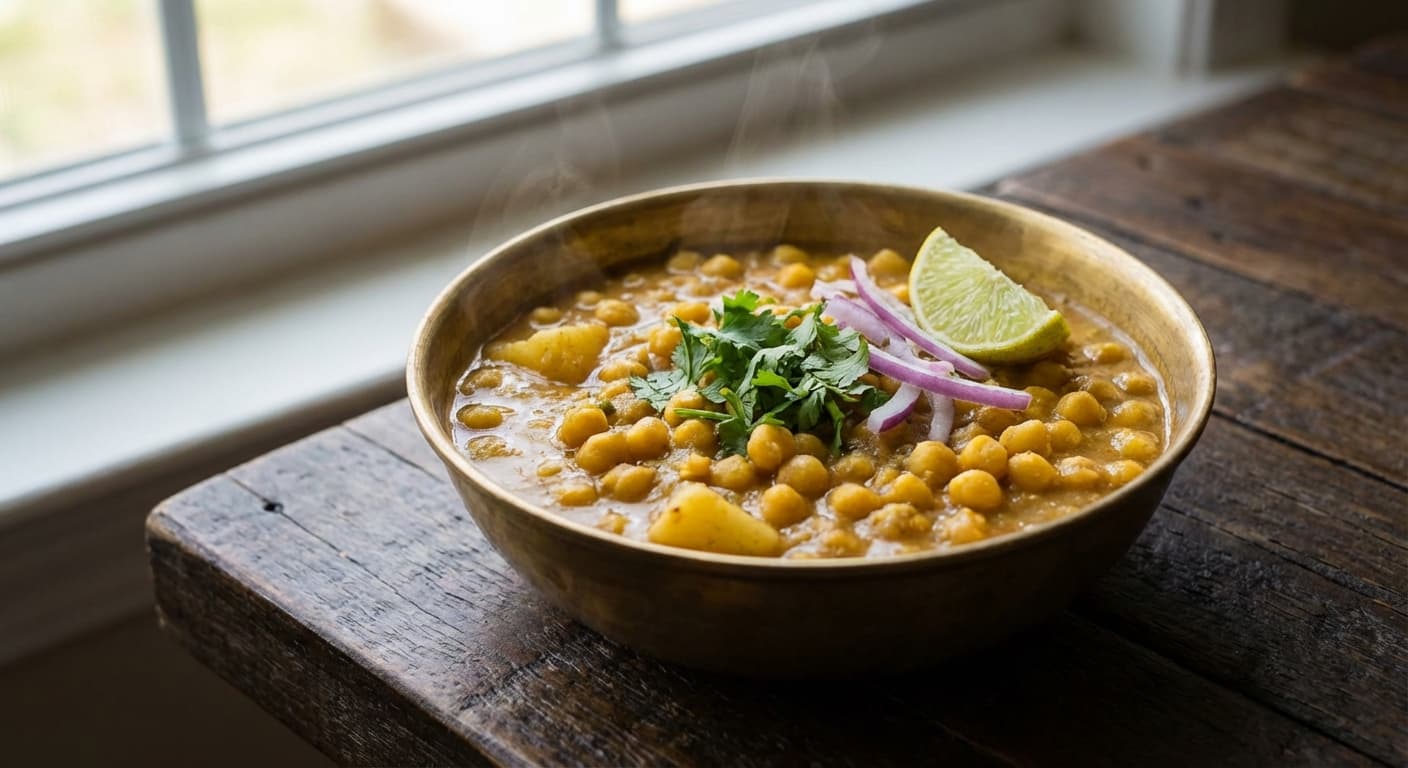
Ghugni (ঘুগনি) — Indian Spiced Yellow Peas Curry with Onions
Indian · Stews · 70 min
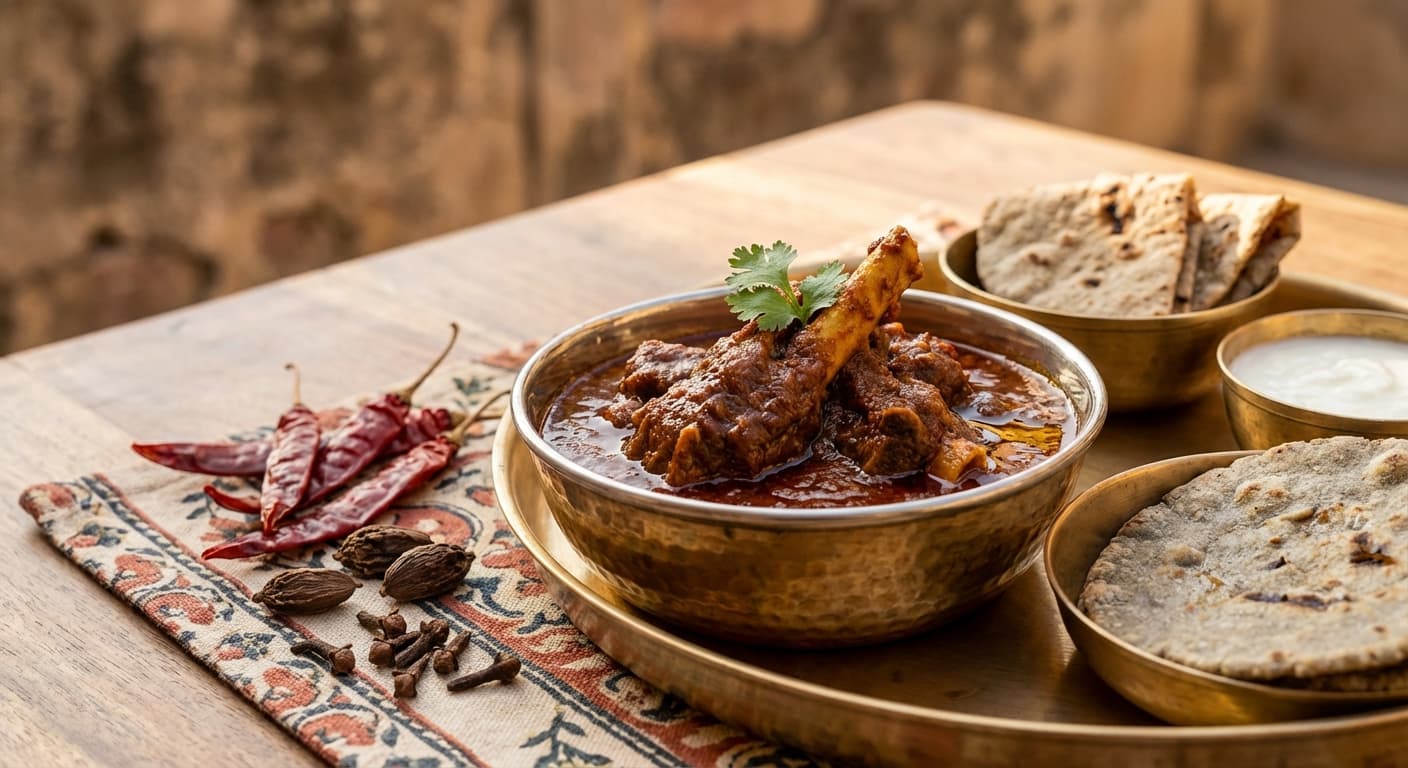
Laal Maas (लाल मांस) — Indian Fiery Rajasthani mutton curry with red chilies
Indian · Stews · 110 min
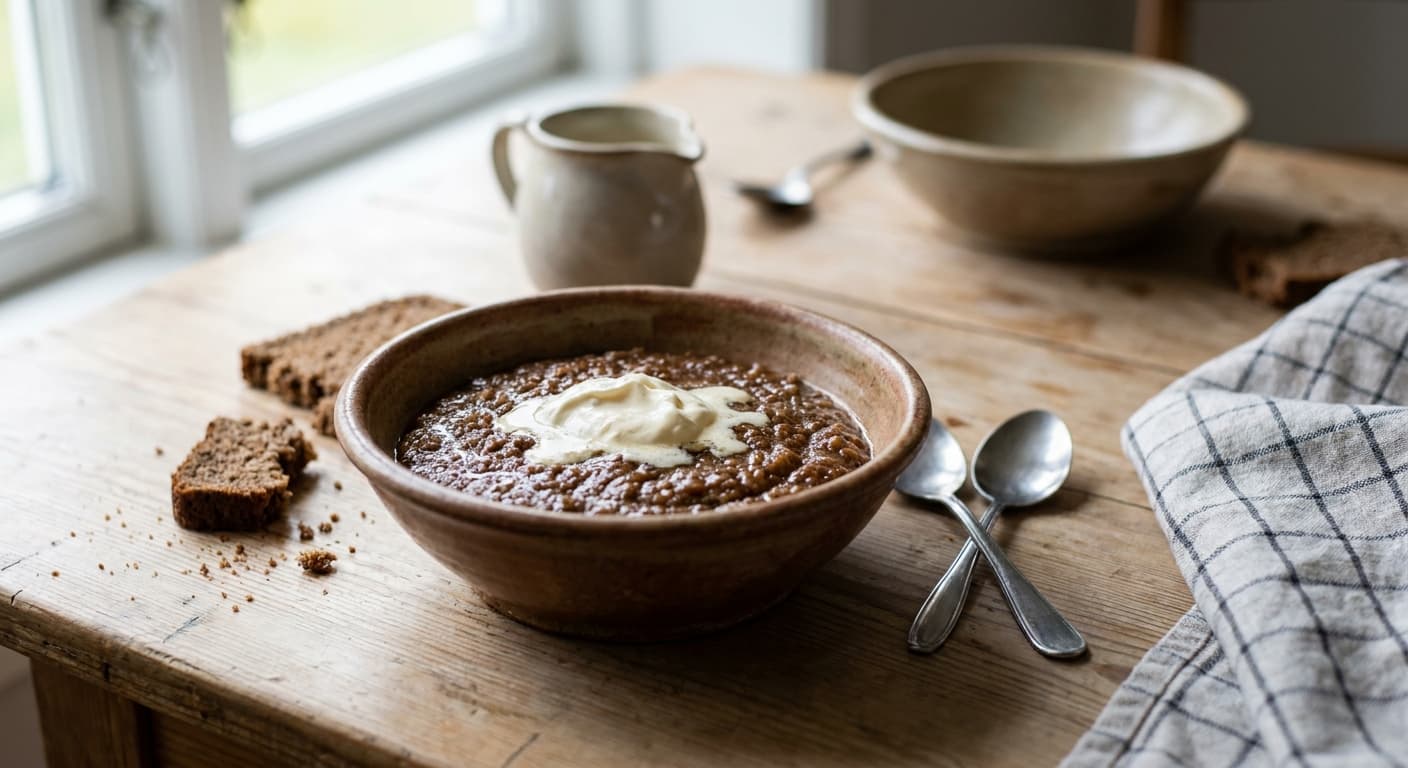
Rye Bread and Beer Porridge (Øllebrød) — Traditional Danish Breakfast
Danish · Main Courses · 65 min
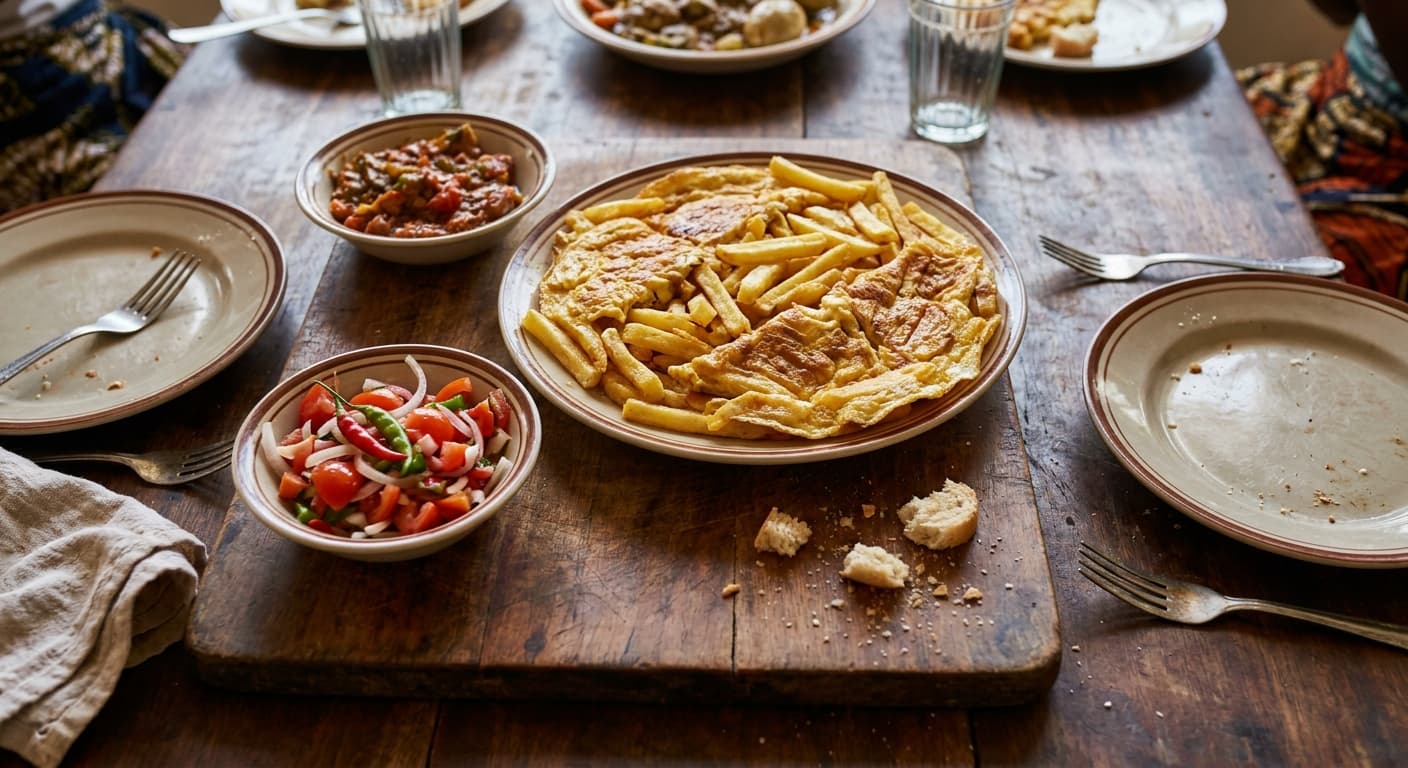
Chips and Egg Omelet (Chipsi Mayai) — Tanzanian Street-Food Classic
Tanzanian · Main Courses · 50 min
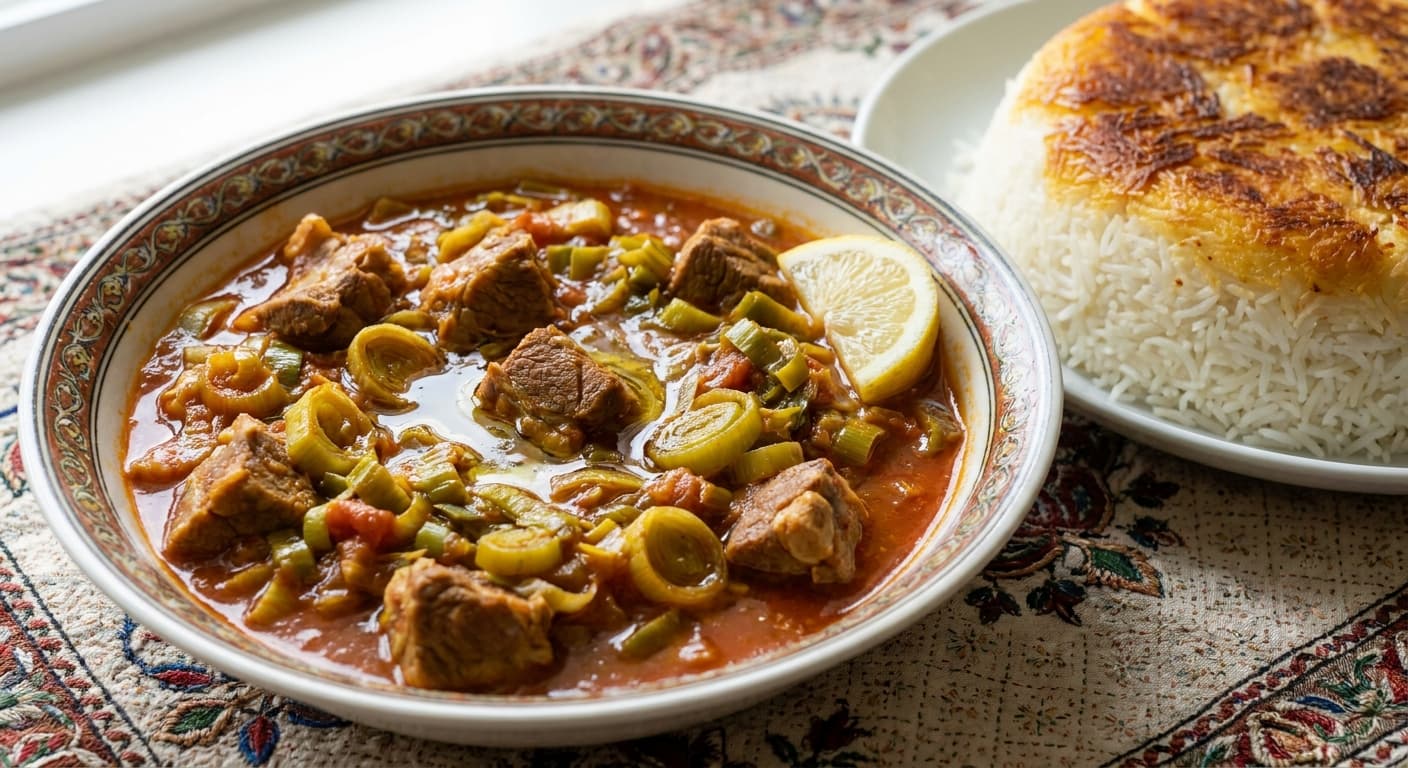
Khoresh Tareh Farangi (خورش تره فرنگی) — Persian Leek and Lamb Stew
Persian · Stews · 130 min
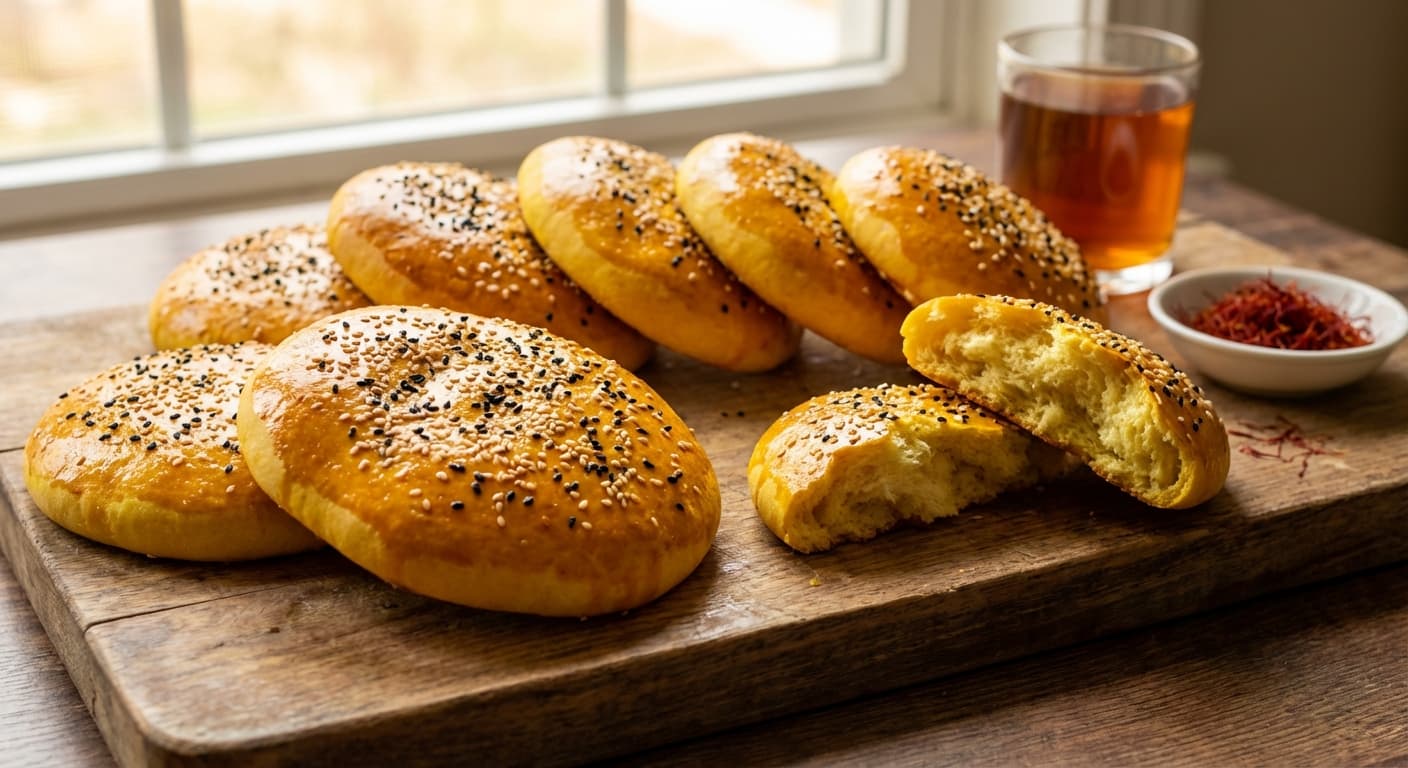
Sheermal (شیرمال) — Afghan Saffron Milk Bread with a Gentle Sweetness
Afghan · Breads · 43 min
Ohn No Khao Swe (အုန်းနို့ခေါက်ဆွဲ) — Burmese Coconut Chicken Noodles
Burmese · Main Courses · 75 min
Reviews
Cooked this recipe?
Tap the stars to rate it — that's all it takes. A few words are welcome but optional.
No ratings yet. Cooked this one? Be the first to rate it — it takes one tap.