Kale Gonjeshki (کله گنجشکی) — Sparrow-Head Meatball Stew in Turmeric-Tomato Broth
Kale Gonjeshki is a rustic Iranian home stew of tiny “sparrow-head” meatballs simmered in a golden turmeric and tomato broth. It’s beloved comfort food, often finished with potatoes and small pasta for a hearty, family-style meal.
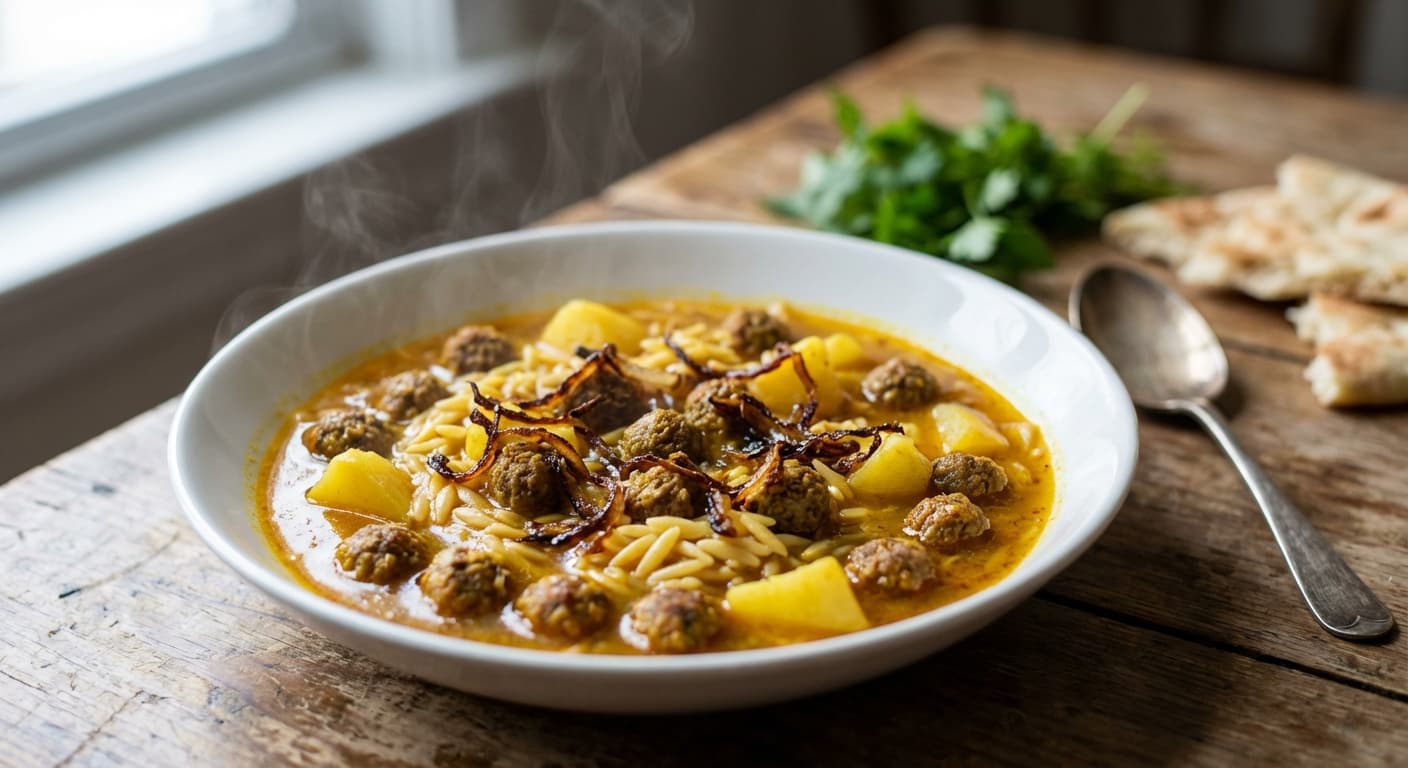
Printable Recipe Card
Servings: 4 · Total: 80 min · Difficulty: medium
Ingredients (quick list)
- 400 g Ground beef (85% lean) (Or use ground lamb for a richer flavor)
- 150 g Yellow onion, finely grated (Squeeze lightly to remove excess juice)
- 6 g Sea salt (About 1 tsp fine sea salt)
- 1 tsp Black pepper, freshly ground
- 2 tsp Turmeric powder
- 45 g Tomato paste (About 3 tbsp)
- 60 g Fried onions (piaz dagh) (Store-bought or homemade)
- 900 ml Water
- 350 g Yukon Gold potatoes, peeled and cut into 3 cm chunks
- 70 g Small pasta (orzo or ditalini) (Keeps the stew hearty and homey)
Steps (summary)
- Make the meatball mixture by combining the ground beef, grated onion, sea salt, and black pepper in a bowl. Knead for 2–3 minut…
- Roll the mixture into very small meatballs, about 8–10 g each, to mimic the classic “sparrow-head” size. Arrange them on a plat…
- In a medium pot over medium heat, add the fried onions (piaz dagh) and warm for 1 minute to release their aroma. Add turmeric a…
- Add the tomato paste and cook it for 2 minutes, stirring constantly, until it darkens slightly and smells sweet rather than raw…
- Bring the broth to a gentle simmer, then add the potato chunks and cook for 12 minutes at a steady simmer. This head start help…
- Lower the heat so the stew is barely simmering, then add the meatballs one by one. Do not stir for the first 5 minutes; instead…
+ 2 more steps in the full instructions section below.
Cultural Background
A nostalgic Iranian comfort food, Kale Gonjeshki is known for its tiny meatballs shaped like sparrow heads and a simple turmeric-tomato broth. It reflects everyday home cooking—economical, filling, and designed for sharing at the family table.
Equipment
💡 Tips
- For the most authentic texture, keep meatballs at 8–10 g each; larger sizes won’t taste like classic kale gonjeshki.
- Cook the tomato paste for a full 2 minutes to remove raw acidity and deepen the stew’s color.
- Keep the simmer gentle after adding meatballs; a hard boil can break them and cloud the broth.
⚠️ Common Mistakes
❌ Boiling the stew vigorously after adding the meatballs
✅ Fix: Keep a gentle simmer and avoid stirring for the first 5 minutes so the meatballs set without breaking.
❌ Adding pasta too early
✅ Fix: Add pasta only near the end; otherwise it overcooks and absorbs too much broth, making the stew gummy.
❌ Not cooking the tomato paste
✅ Fix: Fry the paste for 2 minutes until it darkens slightly; this removes raw flavor and improves color.
🧊 How to Store
Cool leftovers within 2 hours, then refrigerate in an airtight container for up to 3 days. Reheat gently on the stovetop with 100–150 ml water to loosen the pasta-thickened broth, stirring carefully so the small meatballs stay intact.
📅 Make Ahead
Roll the meatballs up to 24 hours ahead and refrigerate them in a single layer, covered, so they hold their shape. You can also pre-cook the broth base (piaz dagh, turmeric, tomato paste, water) and refrigerate it for 2 days before finishing.
🍽️ Pairs Well With
- Steamed basmati rice (chelow)
- torshi
- fresh herbs (sabzi khordan)
- yogurt.
Regional Variations
- Tehran-style: slightly thinner broth with more piaz dagh for sweetness and aroma.
- Northwest-style: made with ground lamb and sometimes finished with a squeeze of sour grape juice for tang.
- Pasta-free version: thickened with split peas or served simply with potatoes and bread.
Ingredients
- 400 gGround beef (85% lean) (Or use ground lamb for a richer flavor)
- 150 gYellow onion, finely grated (Squeeze lightly to remove excess juice)
- 6 gSea salt (About 1 tsp fine sea salt)
- 1 tspBlack pepper, freshly ground
- 2 tspTurmeric powder
- 45 gTomato paste (About 3 tbsp)
- 60 gFried onions (piaz dagh) (Store-bought or homemade)
- 900 mlWater
- 350 gYukon Gold potatoes, peeled and cut into 3 cm chunks
- 70 gSmall pasta (orzo or ditalini) (Keeps the stew hearty and homey)
🔄 Substitutions
- Ground beef (85% lean)→ Ground lamb
- Small pasta (orzo or ditalini)→ Split peas (soaked 2 hours)
- Fried onions (piaz dagh)→ Finely sliced onion sautéed in 2 tbsp oil
Instructions
- 1
Make the meatball mixture by combining the ground beef, grated onion, sea salt, and black pepper in a bowl. Knead for 2–3 minutes until tacky and cohesive, then cover and rest for 10 minutes so the onion hydrates the meat and helps it bind.
- 2
Roll the mixture into very small meatballs, about 8–10 g each, to mimic the classic “sparrow-head” size. Arrange them on a plate in a single layer so they keep their shape, and keep them chilled while you start the broth.
- 3
In a medium pot over medium heat, add the fried onions (piaz dagh) and warm for 1 minute to release their aroma. Add turmeric and stir for 20–30 seconds, keeping the heat moderate so the spice blooms without turning bitter.
- 4
Add the tomato paste and cook it for 2 minutes, stirring constantly, until it darkens slightly and smells sweet rather than raw. Pour in the water gradually while whisking to dissolve the paste, creating a smooth golden-red broth.
- 5
Bring the broth to a gentle simmer, then add the potato chunks and cook for 12 minutes at a steady simmer. This head start helps the potatoes become tender without overcooking the tiny meatballs later.
- 6
Lower the heat so the stew is barely simmering, then add the meatballs one by one. Do not stir for the first 5 minutes; instead, gently shake the pot so the meatballs set and don’t break apart.
- 7
After the meatballs have firmed up, simmer for 15 minutes, stirring very gently once or twice to prevent sticking. Skim any excess foam from the surface to keep the broth clear and clean-tasting.
- 8
Add the small pasta and continue simmering for 8–10 minutes until the pasta is tender and the broth thickens slightly. Season with the remaining sea salt and black pepper, then simmer 2 more minutes to meld the flavors before serving.
🪪 Recipe Passport
Cultural Background
A nostalgic Iranian comfort food, Kale Gonjeshki is known for its tiny meatballs shaped like sparrow heads and a simple turmeric-tomato broth. It reflects everyday home cooking—economical, filling, and designed for sharing at the family table.
Regional Variations
Researched from multiple sources and validated by the Zaffaron editorial team. Every recipe is tested for accuracy, measurements, and cultural authenticity.
Nutrition per serving
Pairs well with
If you enjoyed this recipe, here are a few related Zaffaron recipes to try next.
- Khorak-e Bademjan o Kadoo (خوراک بادمجان و کدو) — Persian Eggplant and Zucchini Medley
- Karemi Soop-e Mahi (سوپ ماهی کرمی) — Persian Creamy Salmon Soup
- Kateh Ghalebi ba Morgh (کته قالبی با مرغ) — Molded Persian Rice with Chicken and Bananas
- Kharka-e Loobia Sabz ba Gerdu (خرکۀ لوبیا سبز با گردو) — Persian Roasted Green Bean Stew with Walnuts
Does your family make this differently?
Every family has their own version. Maybe your grandmother adds a secret ingredient, or your aunt has a completely different technique. Preserve your family's version — with their name on it, forever.
You Might Also Like
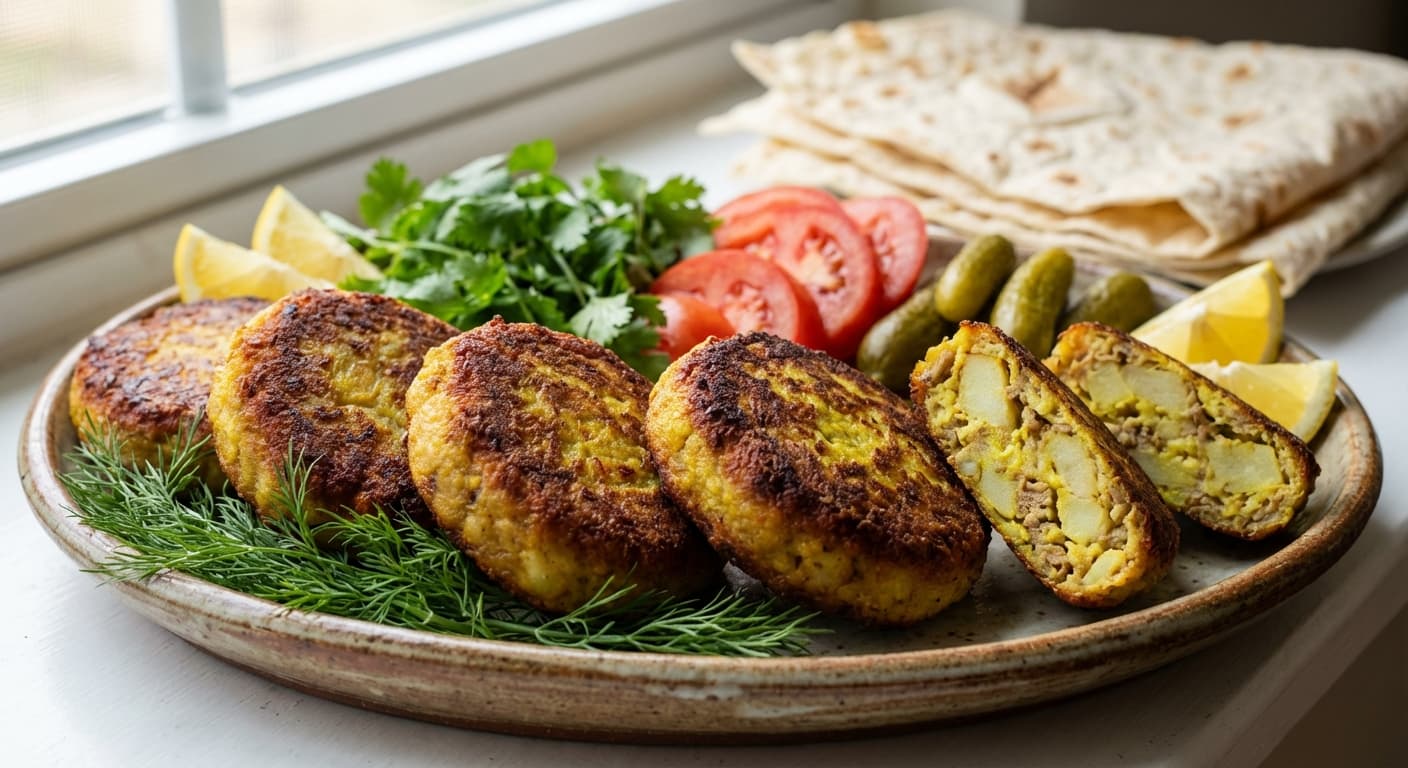
Persian Kotlet (کتلت) — Saffron-Infused Meat & Potato Patties
Persian · Main Courses · 55 min
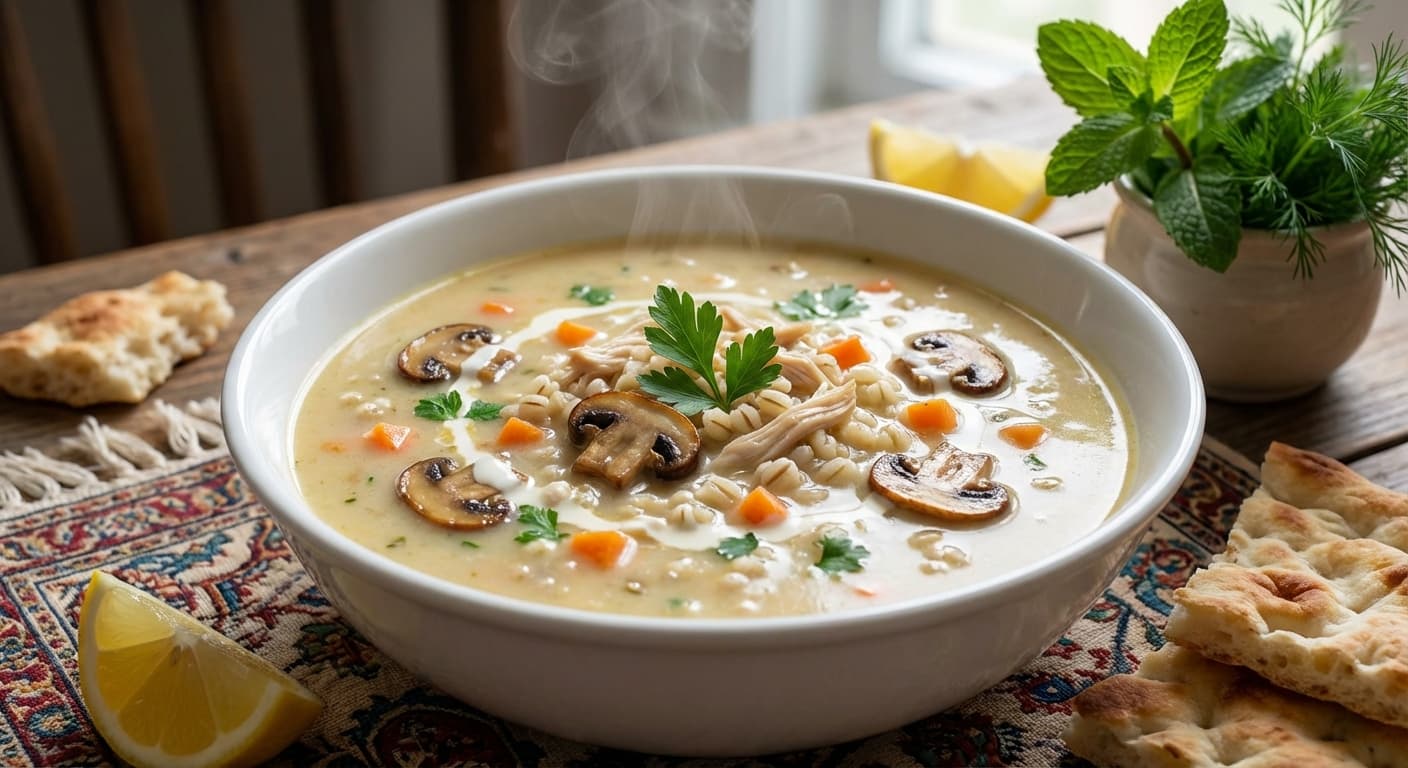
Soup-e Jo (سوپ جو) — Persian Creamy Barley Soup
Persian · Soups · 90 min
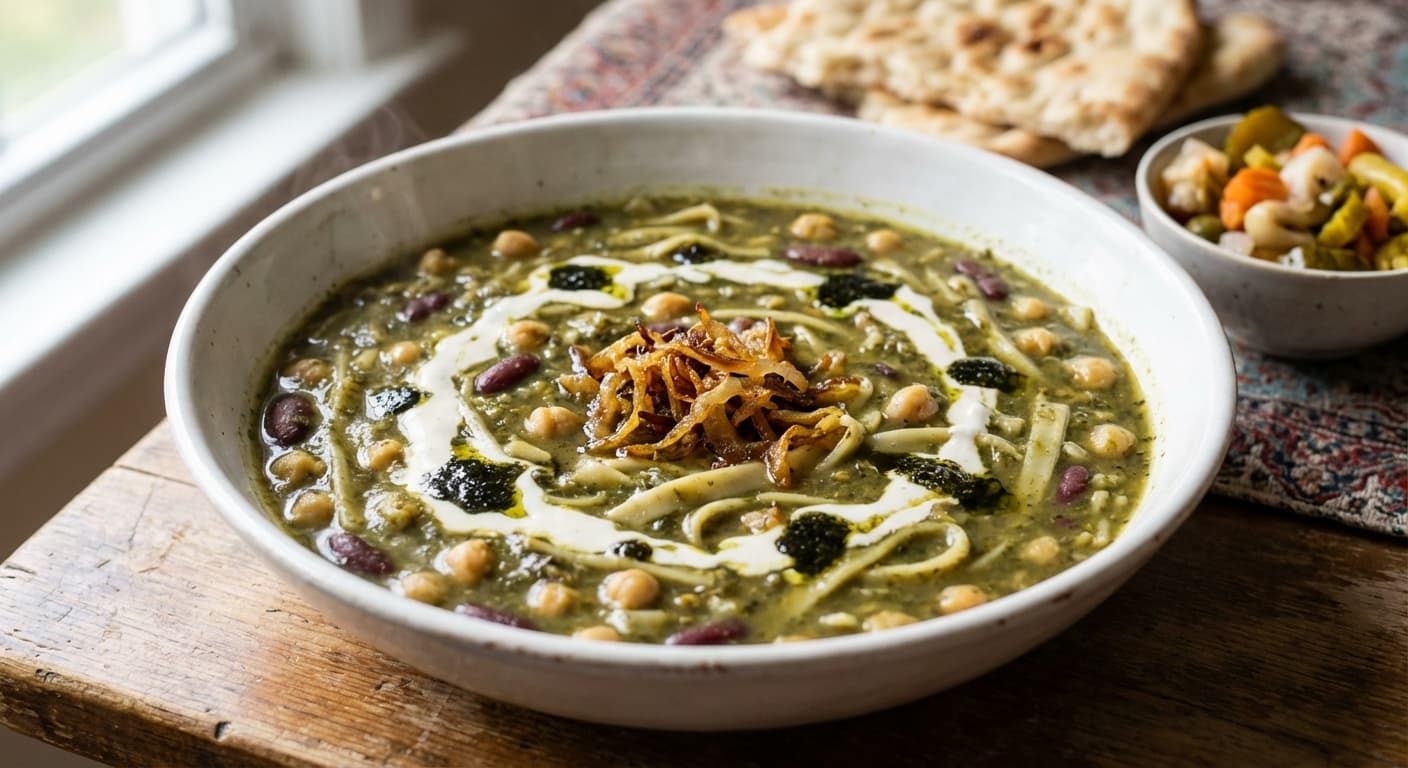
Ash Reshteh (آش رشته) — Persian Herb, Bean, and Noodle Soup
Persian · Soups · 145 min
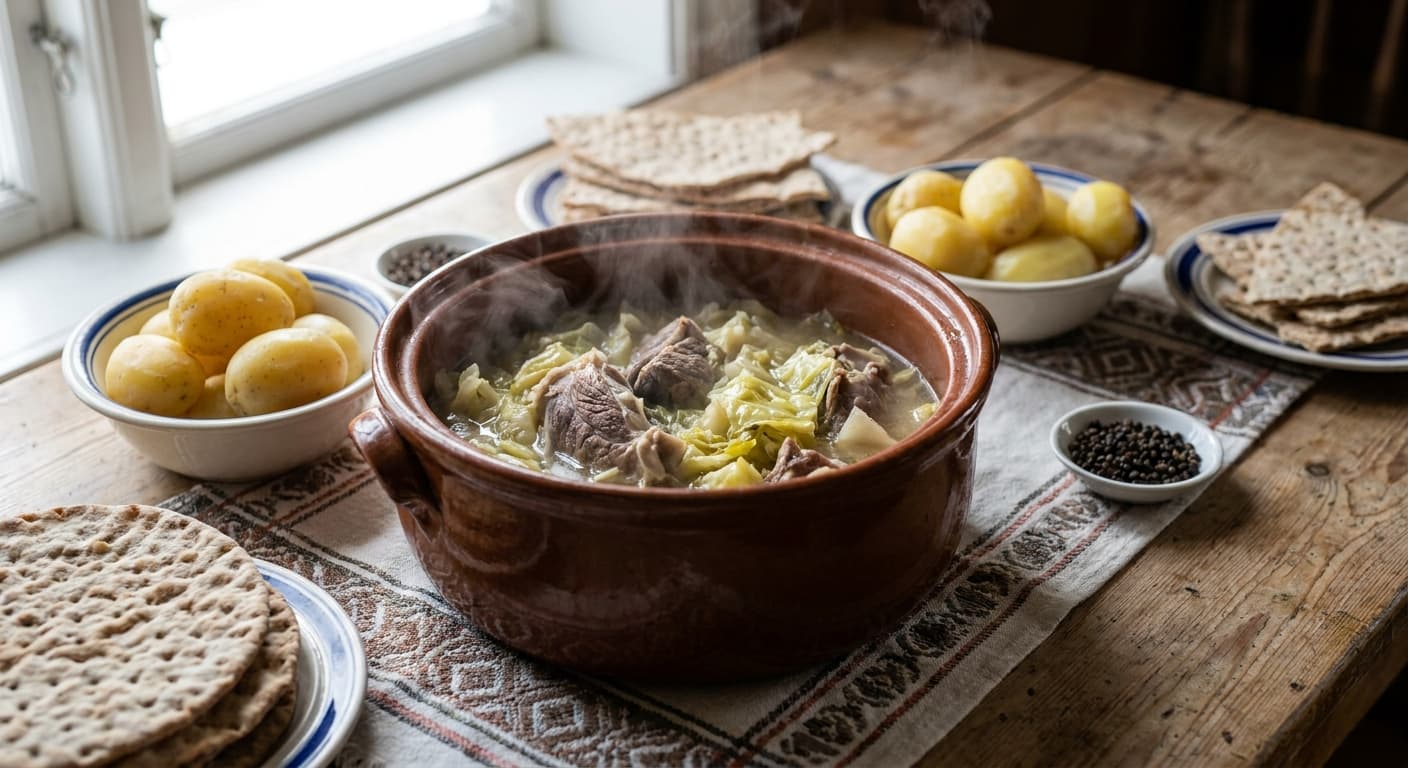
Norwegian Lamb and Cabbage Stew (Fårikål) — Peppery Autumn National Dish
Norwegian · Stews · 170 min
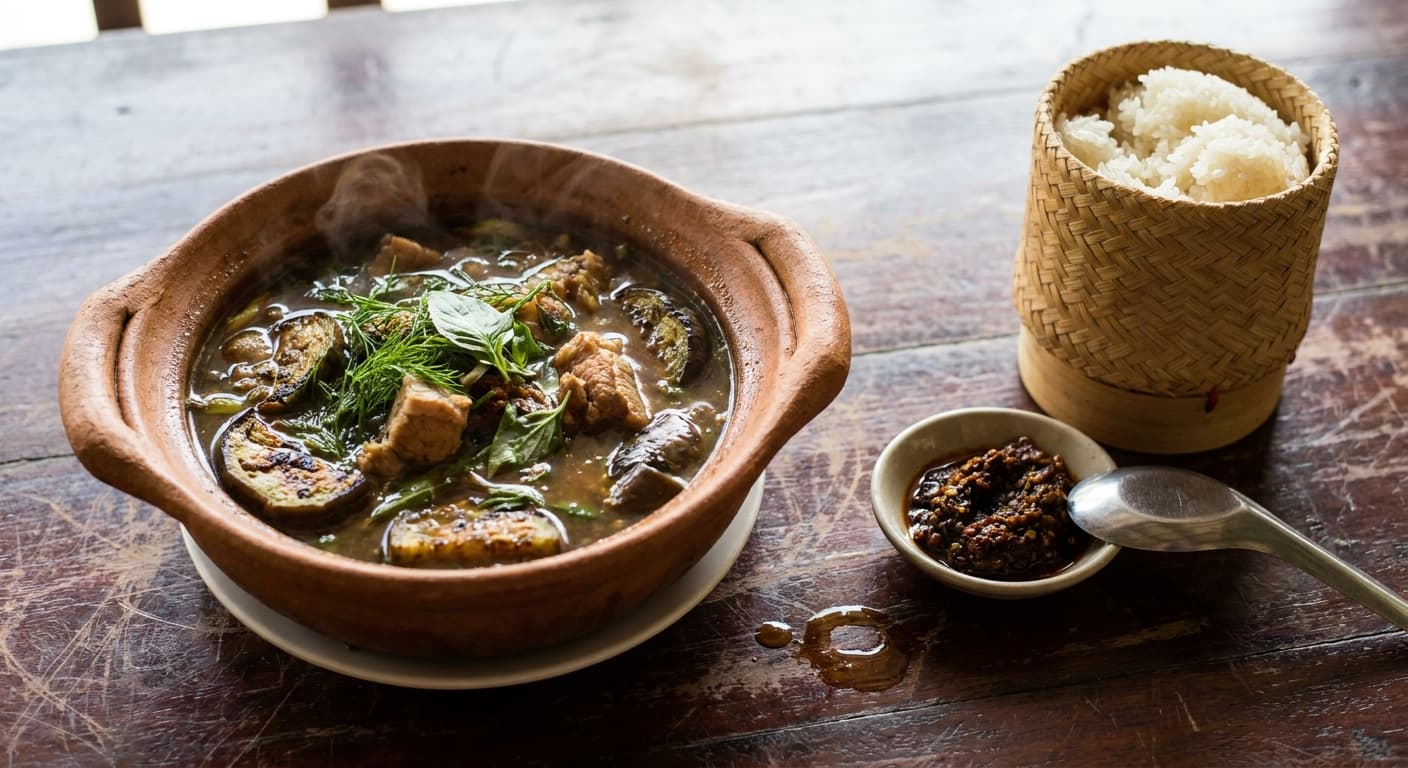
Or Lam (ເອາະຫຼາມ) — Luang Prabang Herb Stew
Laotian · Stews · 155 min
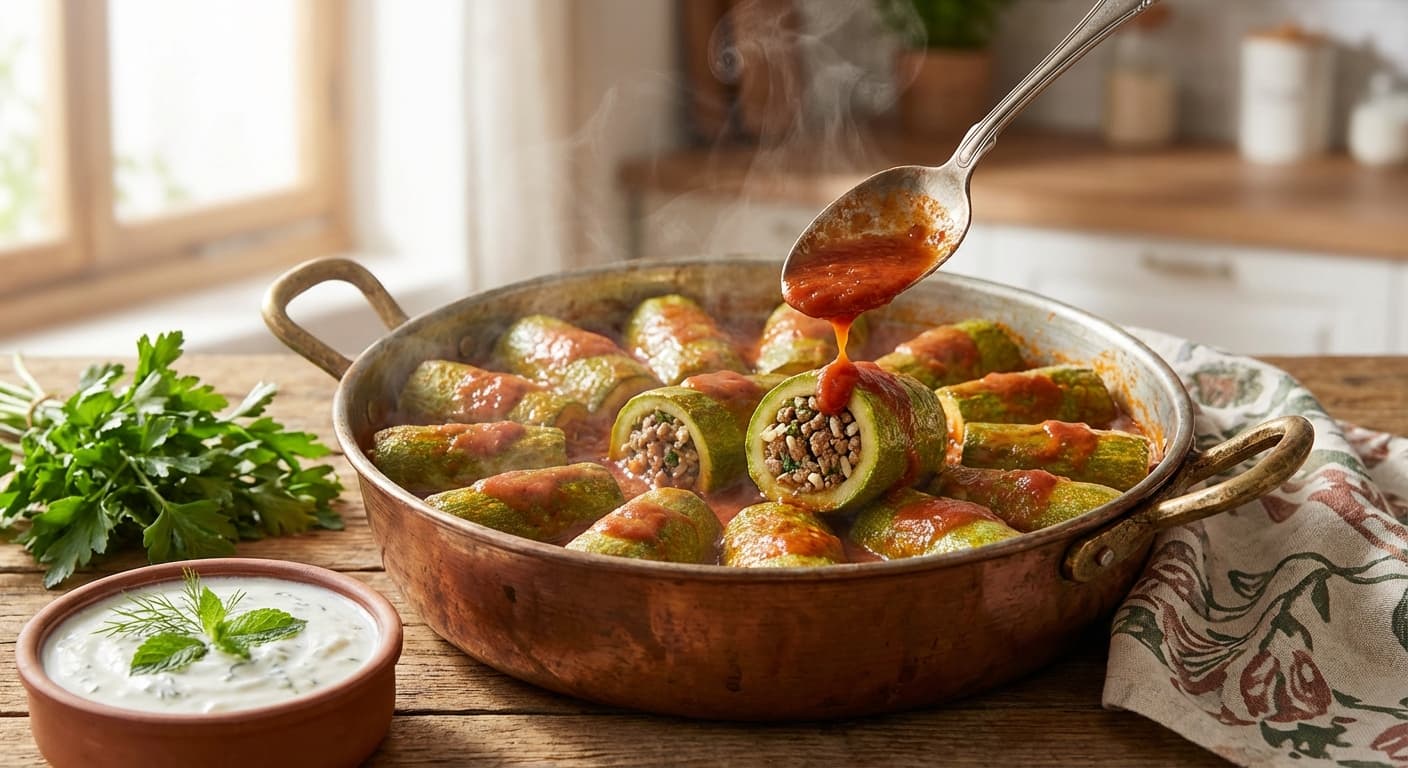
Stuffed Zucchini (Kabak Dolması) — Hollowed zucchini filled with spiced minced meat and rice
Turkish · Main Courses · 90 min
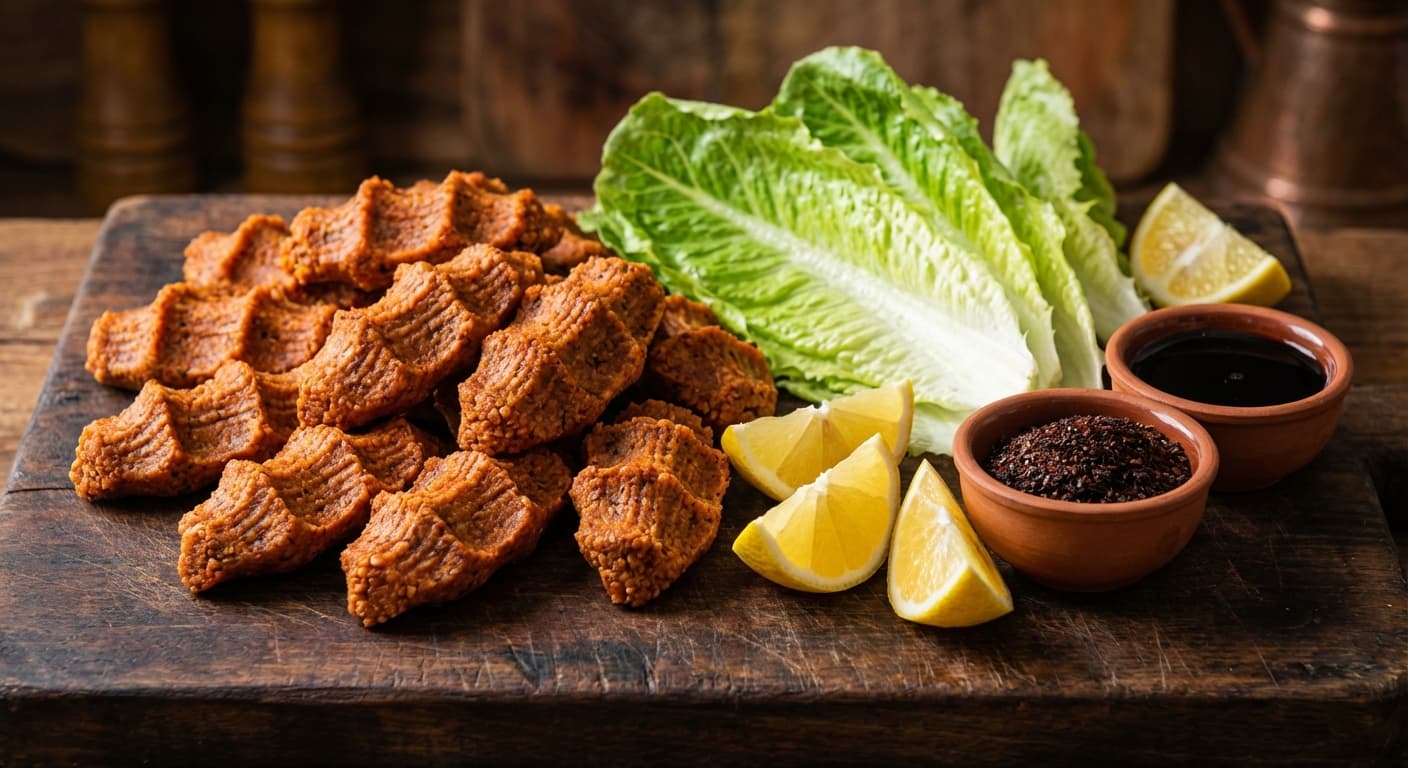
Cig Kofte (Çiğ Köfte) — Isot-kissed bulgur kneaded and served in lettuce
Turkish · Appetizers · 25 min
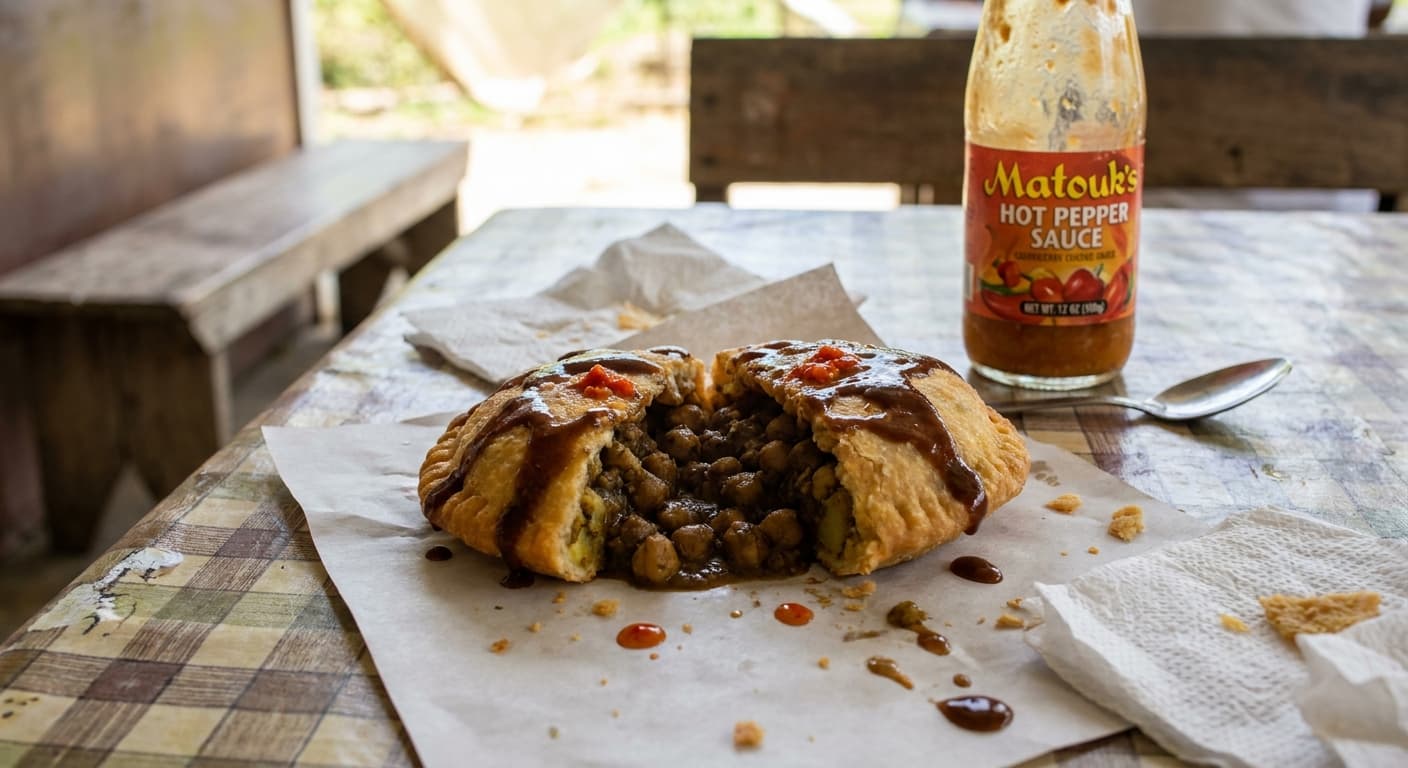
Aloo Pie (Aloo Pie) — Trinidadian Fried Potato-Stuffed Street Snack
Trinidadian · Appetizers · 80 min
Reviews
Cooked this recipe?
Tap the stars to rate it — that's all it takes. A few words are welcome but optional.
No ratings yet. Cooked this one? Be the first to rate it — it takes one tap.