Kaleh Pacheh Polo (کله پاچه پلو) — Persian Lamb Head and Trotter Rice
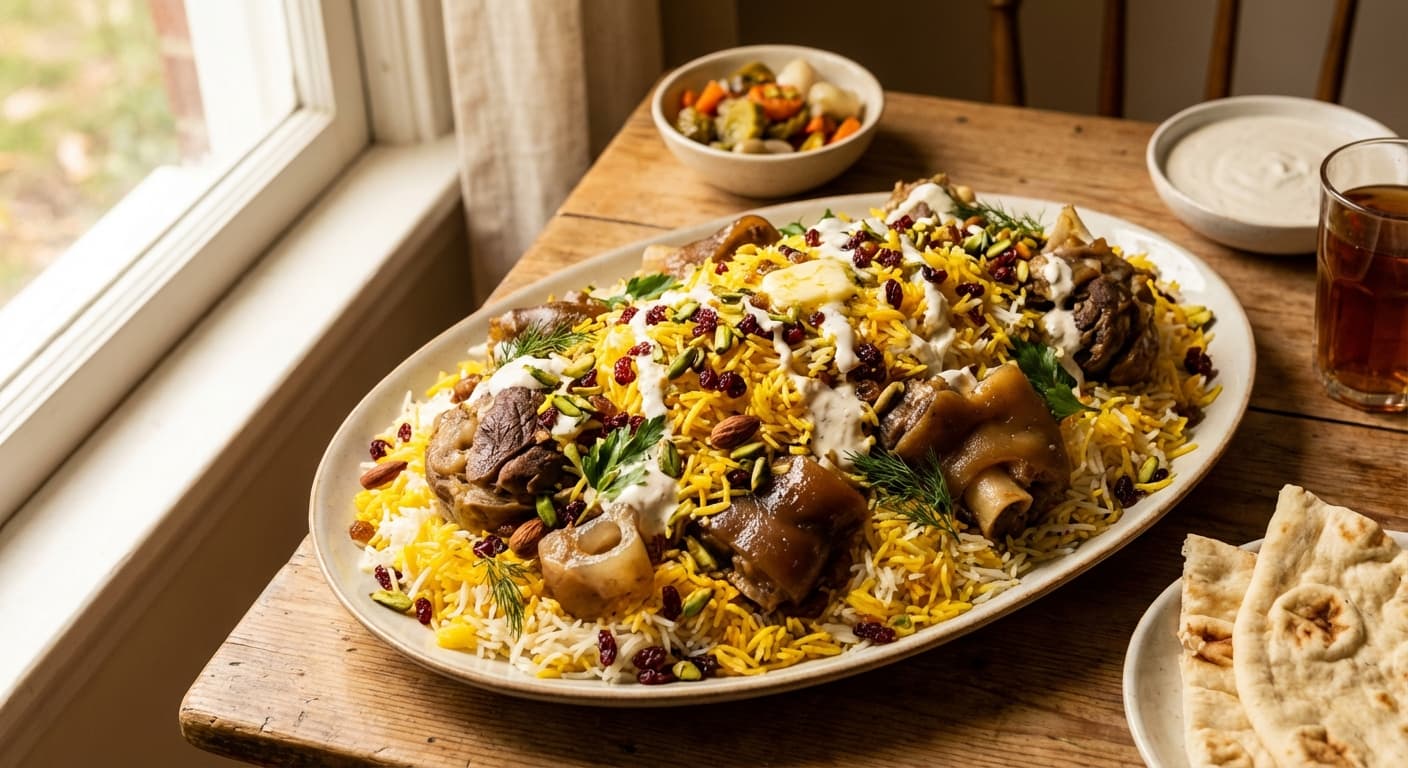
Kaleh Pacheh Polo is a celebratory Persian rice dish pairing tender, gelatin-rich lamb head and trotters with fragrant basmati, sweet-tart dried fruits, tangy kashk, and aromatic herbs and spices.
Printable Recipe Card
Servings: 8 · Total: 480 min · Difficulty: hard
Ingredients (quick list)
- 1 head Lamb head, split and cleaned (about 1200 g; ask butcher to split and remove eyes; rinse well at home)
- 4 Lamb trotters, cleaned (about 900 g total; ask butcher to singe and scrape; rinse well at home)
- 300 g Onion (2 medium, halved)
- 30 g Garlic (6 cloves, lightly crushed)
- 2 tsp Turmeric powder
- 1 tsp Black pepper (freshly ground)
- 2 leaf Bay leaves
- 4.5 L Water (plus extra as needed to keep meat submerged)
- 3 tsp Fine sea salt (add near the end of cooking)
- 600 g Basmati rice (rinsed until water runs mostly clear, then soaked)
- 0.25 tsp Saffron threads (ground and bloomed in hot water)
- 3 tbsp Hot water (for blooming saffron)
+ 11 more in the full ingredients section below.
Steps (summary)
- Clean and pre-soak: Rinse the lamb head and trotters under cold running water for 5 minutes, scrubbing crevices. Soak in a larg…
- Start the broth: Put head and trotters in a large stockpot. Add 4.5 L water, onion, crushed garlic, turmeric, pepper, and bay l…
- Slow-cook until gelatinous: Cover partially and simmer very gently for 4.5–5.5 hours, turning pieces once or twice, until the t…
- Pick meat and strain broth: Remove head and trotters to a tray and cool 20–30 minutes until safe to handle. Strain broth throug…
- Soak and parboil rice: Rinse 600 g basmati until water runs mostly clear, then soak in salted water for 45 minutes. Bring 3.5 L…
- Prepare saffron and tahdig base: Bloom ground saffron in 3 tbsp hot water for 10 minutes. Mix yogurt, egg yolk, 45 ml oil, and…
+ 5 more steps in the full instructions section below.
Cultural Background
Kaleh pacheh is a long-standing Persian breakfast and special-occasion food valued for its slow-cooked richness and communal serving style. Serving it as a rice dish reflects home-style creativity, combining festive polo traditions with the comforting, gelatinous textures of head and trotters.
Equipment
💡 Tips
- Ask your butcher to thoroughly clean, split, and shave the head and to singe and scrape trotters; it saves significant prep time and improves flavor.
- Keep the simmer very gentle; a hard boil emulsifies fat into the broth and can make the aroma stronger and the broth cloudy.
- Skim fat but do not remove it all—leaving 1–2 tablespoons in the broth boosts traditional richness and helps the rice taste fuller.
- Warm kashk gently and avoid vigorous boiling to prevent curdling; thinning with hot broth is safer than adding water.
- For extra-crisp tahdig, use a heavy pot and keep the final steaming on low heat for at least 45 minutes.
⚠️ Common Mistakes
❌ Boiling the head and trotters aggressively
💡 Why: A hard boil emulsifies fat and impurities into the broth, making it cloudy and heavier-smelling.
✅ Fix: Bring to a boil, skim, then keep a bare simmer with small bubbles; partially cover and adjust heat frequently.
❌ Overcooking rice during parboil
💡 Why: If the rice is fully cooked before steaming, the final polo turns mushy and loses distinct grains.
✅ Fix: Boil only until the grain is elongated and firm in the center (6–8 minutes), then drain immediately and steam to finish.
❌ Boiling kashk sauce after adding kashk
💡 Why: High heat can cause kashk to split and taste harsh, and it dulls the aromatic herbs.
✅ Fix: Keep heat low; warm gently for 2–3 minutes and thin with hot broth if needed instead of prolonged cooking.
❌ Leaving hard cartilage or small bones in the picked meat
💡 Why: It makes the dish unpleasant and can be a choking hazard.
✅ Fix: Pick slowly with good lighting; feel through the meat and gelatin, and discard any firm, crunchy pieces.
🧊 How to Store
Cool leftovers within 2 hours. Refrigerate rice and sauce separately in airtight containers for up to 3 days. Reheat rice covered with 2–3 tbsp broth or water at 160°C for 20–25 minutes, or gently on the stovetop. Rewarm kashk sauce on low heat; do not boil. Freeze meat and broth up to 2 months; rice freezes but loses texture.
📅 Make Ahead
Cook the head/trotters and strain broth up to 2 days ahead; refrigerate meat and broth separately. Make the fruit-kashk sauce 1 day ahead and rewarm gently. Parboil rice and assemble the pot just before the final steaming for best texture.
🍽️ Pairs Well With
- Fresh herbs platter (mint
- basil
- radish
- scallions)
- Shirazi salad (cucumber
- tomato
- onion with lemon)
- Pickled vegetables
- Strong black tea
Regional Variations
- Tehran and Central IranOften served with a stronger garlic profile and a more pronounced tang from kashk; some cooks add a small amount of cinnamon to the fruit mixture for warmth.
- Northwestern IranMay include more dried fruit for a sweeter balance, and the rice is sometimes finished with a little extra melted butter or reserved broth fat for deeper richness.
Ingredients
- 1 headLamb head, split and cleaned (about 1200 g; ask butcher to split and remove eyes; rinse well at home)
- 4Lamb trotters, cleaned (about 900 g total; ask butcher to singe and scrape; rinse well at home)
- 300 gOnion (2 medium, halved)
- 30 gGarlic (6 cloves, lightly crushed)
- 2 tspTurmeric powder
- 1 tspBlack pepper (freshly ground)
- 2 leafBay leaves
- 4.5 lWater (plus extra as needed to keep meat submerged)
- 3 tspFine sea salt (add near the end of cooking)
- 600 gBasmati rice (rinsed until water runs mostly clear, then soaked)
- 0.25 tspSaffron threads (ground and bloomed in hot water)
- 3 tbspHot water (for blooming saffron)
- 120 gPlain yogurt (for tahdig base; full-fat preferred)
- 1Egg yolk
- 45 mlNeutral oil (such as sunflower or grapeseed)
- 120 gDried plums (pitted if needed; soak in warm water 15 minutes, then drain)
- 120 gDried apricots (halved; soak in warm water 15 minutes, then drain)
- 80 gButter (divided)
- 1.5 tspDried poleo (pennyroyal) (crushed between fingers)
- 1 tspGround golpar (Persian hogweed seed) (plus extra for serving)
- 250 gKashk (dried whey) (rehydrated liquid kashk or thick bottled kashk; adjust with broth as needed)
- 300 mlKaleh pacheh cooking broth (skimmed and strained)
- 650 gLamb head and trotter meat (picked from cooked head and trotters; include some soft gelatin and marrow, remove bones and tough cartilage)
🔄 Substitutions
- Kashk (dried whey)→ Greek yogurt mixed with 1–2 tsp lemon juice per 120 g
- Ground golpar (Persian hogweed seed)→ Ground caraway mixed with a small pinch of ground coriander
- Dried poleo (pennyroyal)→ Dried mint
Instructions
- 1
Clean and pre-soak: Rinse the lamb head and trotters under cold running water for 5 minutes, scrubbing crevices. Soak in a large bowl of cold water for 30 minutes, changing the water once. Drain well. This reduces impurities and helps you get a clearer, cleaner-tasting broth.
- 2
Start the broth: Put head and trotters in a large stockpot. Add 4.5 L water, onion, crushed garlic, turmeric, pepper, and bay leaves. Bring to a boil over high heat (about 20–25 minutes), then immediately reduce to a gentle simmer. Skim foam for the first 20 minutes for a clearer broth.
- 3
Slow-cook until gelatinous: Cover partially and simmer very gently for 4.5–5.5 hours, turning pieces once or twice, until the trotter tendons are soft and the head meat pulls away easily. Add hot water if needed to keep meat mostly submerged. Add 3 tsp salt during the last 30 minutes.
- 4
Pick meat and strain broth: Remove head and trotters to a tray and cool 20–30 minutes until safe to handle. Strain broth through a fine sieve; skim excess fat, reserving a thin layer for flavor. Pick about 650 g tender meat and gelatin, discarding bones and any hard cartilage.
- 5
Soak and parboil rice: Rinse 600 g basmati until water runs mostly clear, then soak in salted water for 45 minutes. Bring 3.5 L water to a rolling boil with 2 tbsp salt. Drain soaked rice and boil 6–8 minutes until grains are elongated but still firm in the center; drain well.
- 6
Prepare saffron and tahdig base: Bloom ground saffron in 3 tbsp hot water for 10 minutes. Mix yogurt, egg yolk, 45 ml oil, and 80 g unsoaked rinsed rice until evenly coated. This mixture creates a crisp, flavorful tahdig that contrasts the rich lamb and creamy kashk.
- 7
Cook fruit and kashk sauce: In a skillet over medium heat, melt 50 g butter. Add grated garlic and cook 30 seconds. Add soaked dried plums and apricots; sauté 3 minutes. Stir in poleo and golpar for 20 seconds, then add 300 ml broth and simmer 6–8 minutes until glossy.
- 8
Finish the sauce with kashk: Reduce heat to low. Stir in kashk and gently warm 2–3 minutes; do not boil hard to prevent splitting. If too thick, loosen with 1–3 tbsp broth. Taste and adjust salt if needed. The sauce should be tangy, savory, and lightly sweet from the fruit.
- 9
Layer and steam the polo: In a heavy nonstick pot, spread the tahdig mixture evenly. Layer one-third of parboiled rice, then scatter half the lamb meat and spoon on a few tablespoons of broth. Add another third of rice, then remaining lamb, then top with remaining rice.
- 10
Steam to finish: Poke 5–6 holes to the bottom with a spoon handle. Drizzle remaining 30 g butter (melted) and 180 ml broth over the rice. Cover lid with a clean towel and steam over medium heat 10 minutes, then low heat 45–55 minutes until fully fluffy and aromatic.
- 11
Serve with sauce and tahdig: Rest the pot off heat for 10 minutes. Invert or lift out the tahdig. Fluff rice gently, transferring to a platter with the lamb distributed. Spoon warm fruit-kashk sauce over the top or serve on the side. Finish with a light dusting of golpar.
🪪 Recipe Passport
Cultural Background
Kaleh pacheh is a long-standing Persian breakfast and special-occasion food valued for its slow-cooked richness and communal serving style. Serving it as a rice dish reflects home-style creativity, combining festive polo traditions with the comforting, gelatinous textures of head and trotters.
Regional Variations
Researched from multiple sources and validated by the Zaffaron editorial team. Every recipe is tested for accuracy, measurements, and cultural authenticity.
Nutrition per serving
Pairs well with
If you enjoyed this recipe, here are a few related Zaffaron recipes to try next.
- Karemi Soop-e Mahi (سوپ ماهی کرمی) — Persian Creamy Salmon Soup
- Kateh Ghalebi ba Morgh (کته قالبی با مرغ) — Molded Persian Rice with Chicken and Bananas
- Kharka-e Loobia Sabz ba Gerdu (خرکۀ لوبیا سبز با گردو) — Persian Roasted Green Bean Stew with Walnuts
- Khorak-e Bademjan o Kadoo (خوراک بادمجان و کدو) — Persian Eggplant and Zucchini Medley
Does your family make this differently?
Every family has their own version. Maybe your grandmother adds a secret ingredient, or your aunt has a completely different technique. Preserve your family's version — with their name on it, forever.
You Might Also Like
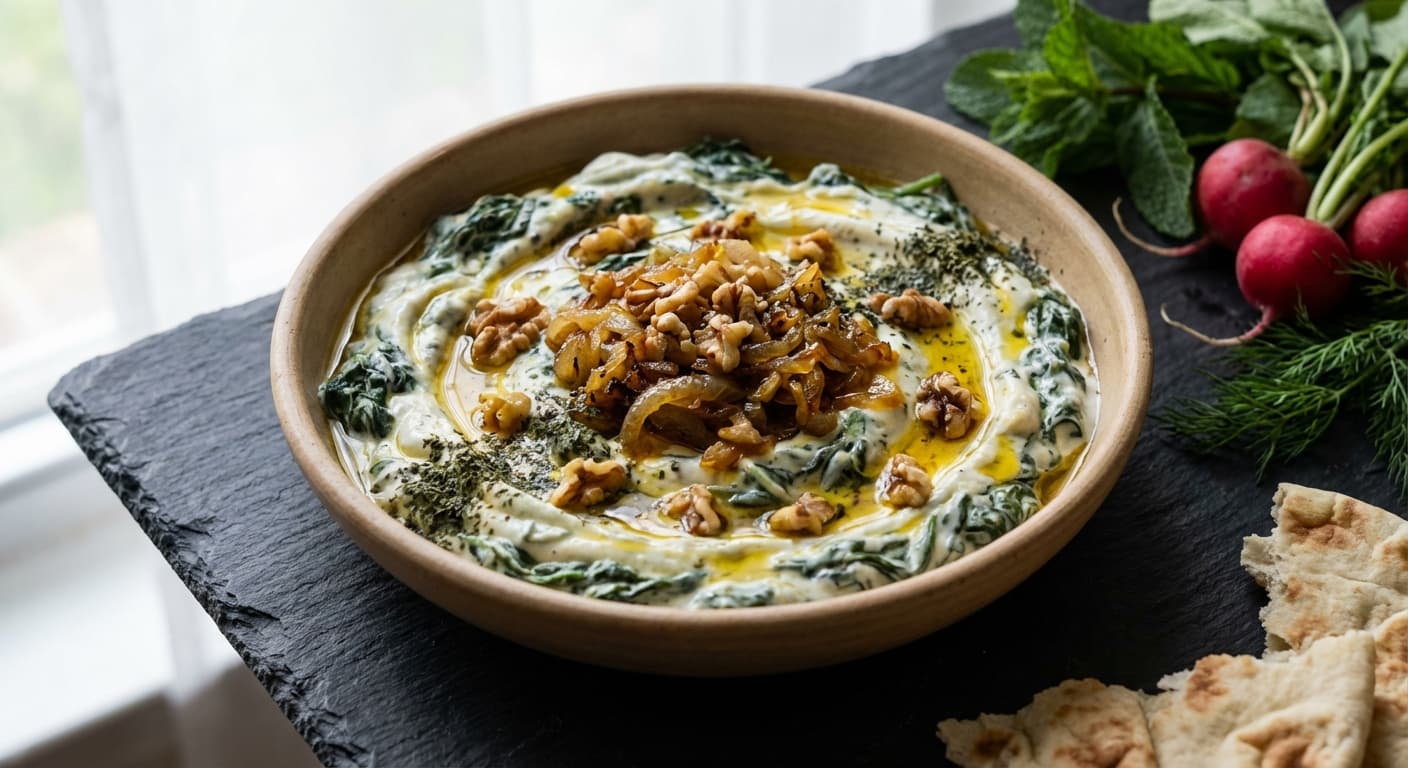
Borani Esfenaj (بورانی اسفناج) — Persian Spinach and Yogurt Dip with Saffron and Walnuts
Persian · Appetizers · 40 min
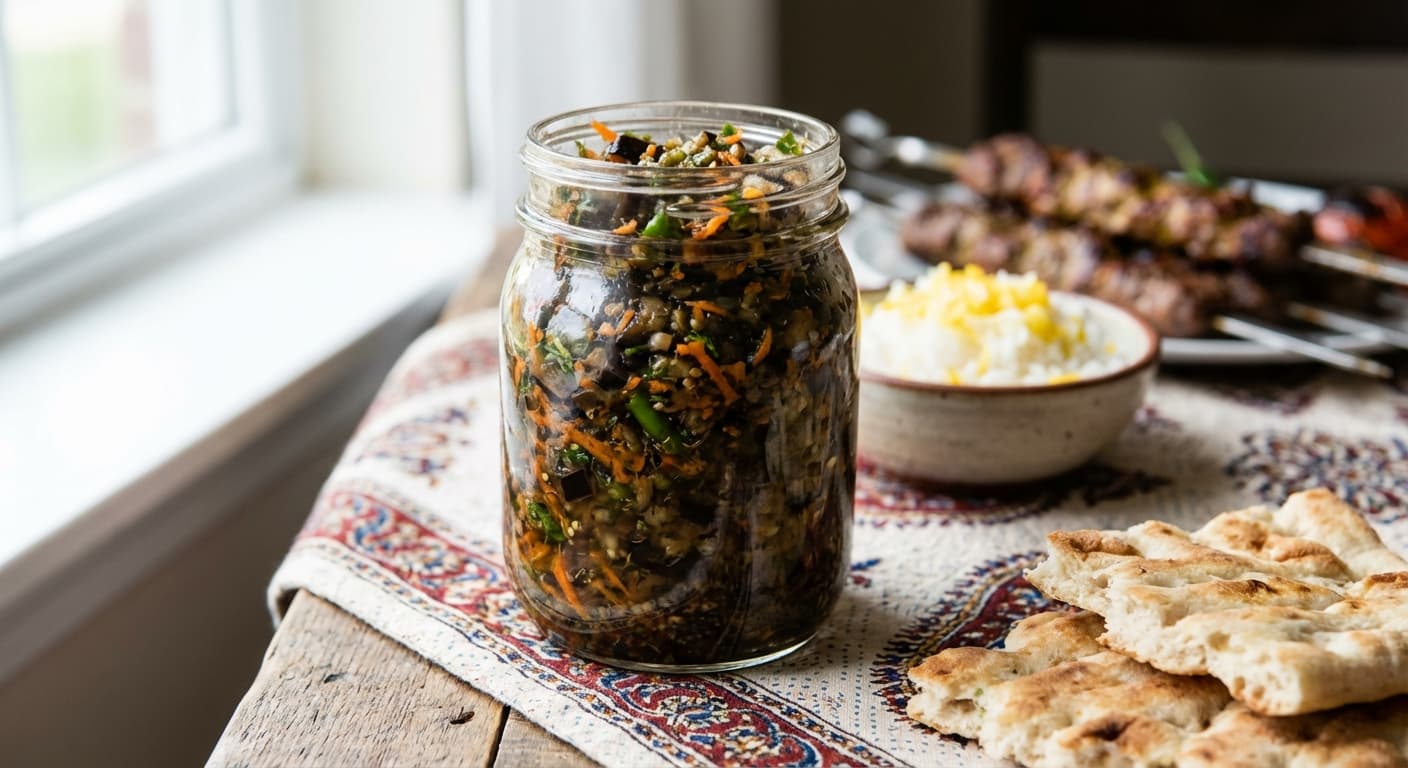
Persian Smoked Torshi Liteh (ترشی لیته) — Caspian-style smoky mixed vegetable pickle
Persian · Side Dishes · 60 min
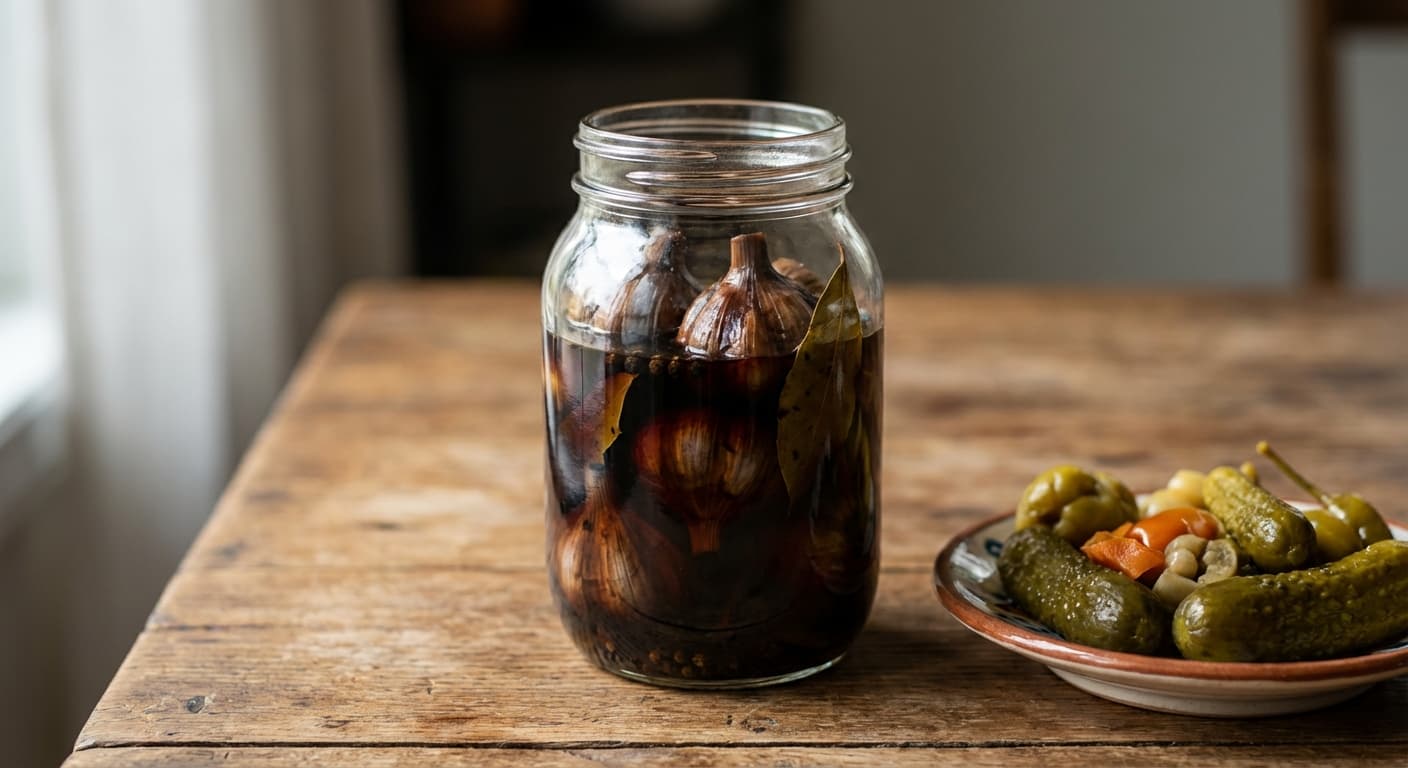
Aged Garlic Pickle (سیر ترشی) — Gilan’s seven-year-style black garlic torshi
Persian · Side Dishes · 45 min
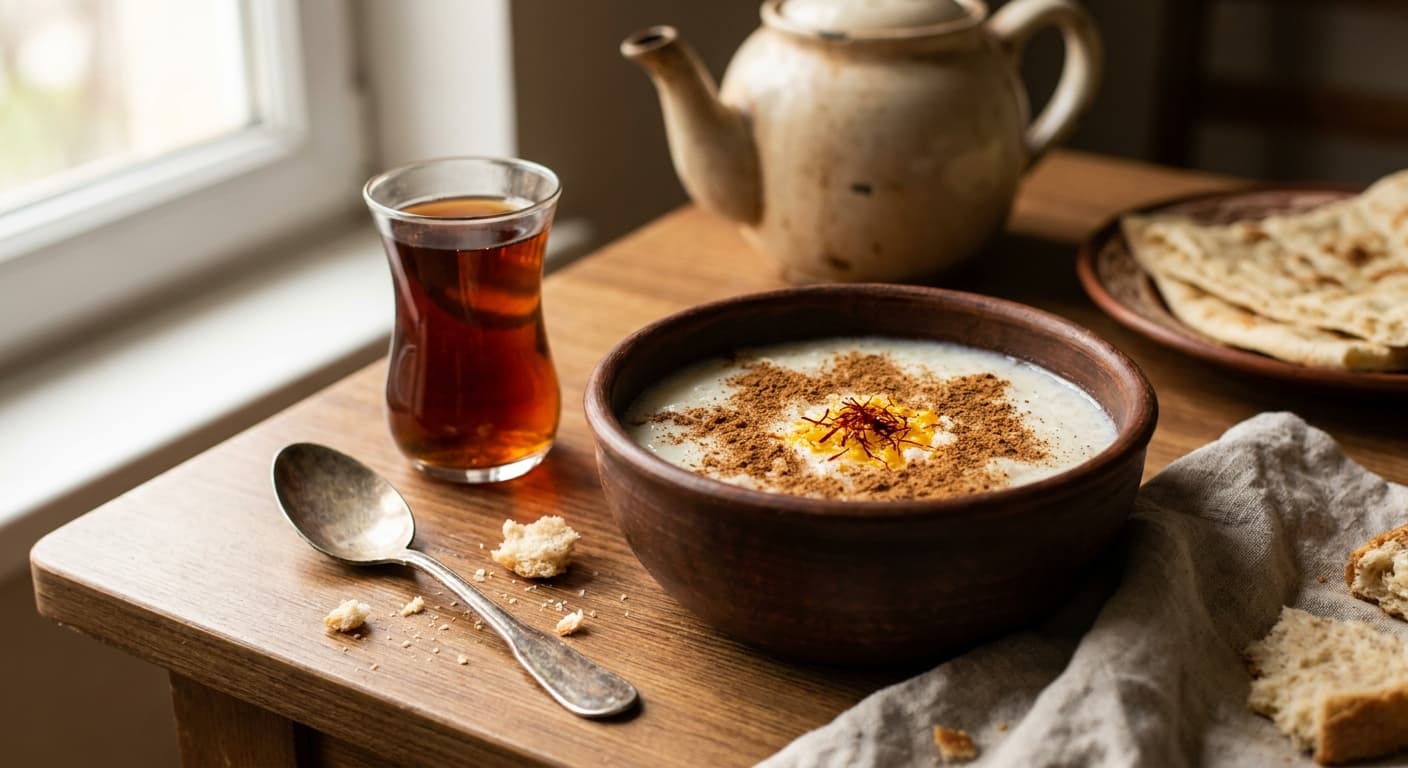
Azerbaijani Milk Rice Porridge (Südlü Sıyıq) — Creamy Breakfast Bowl
Azerbaijani · Rice Dishes · 40 min
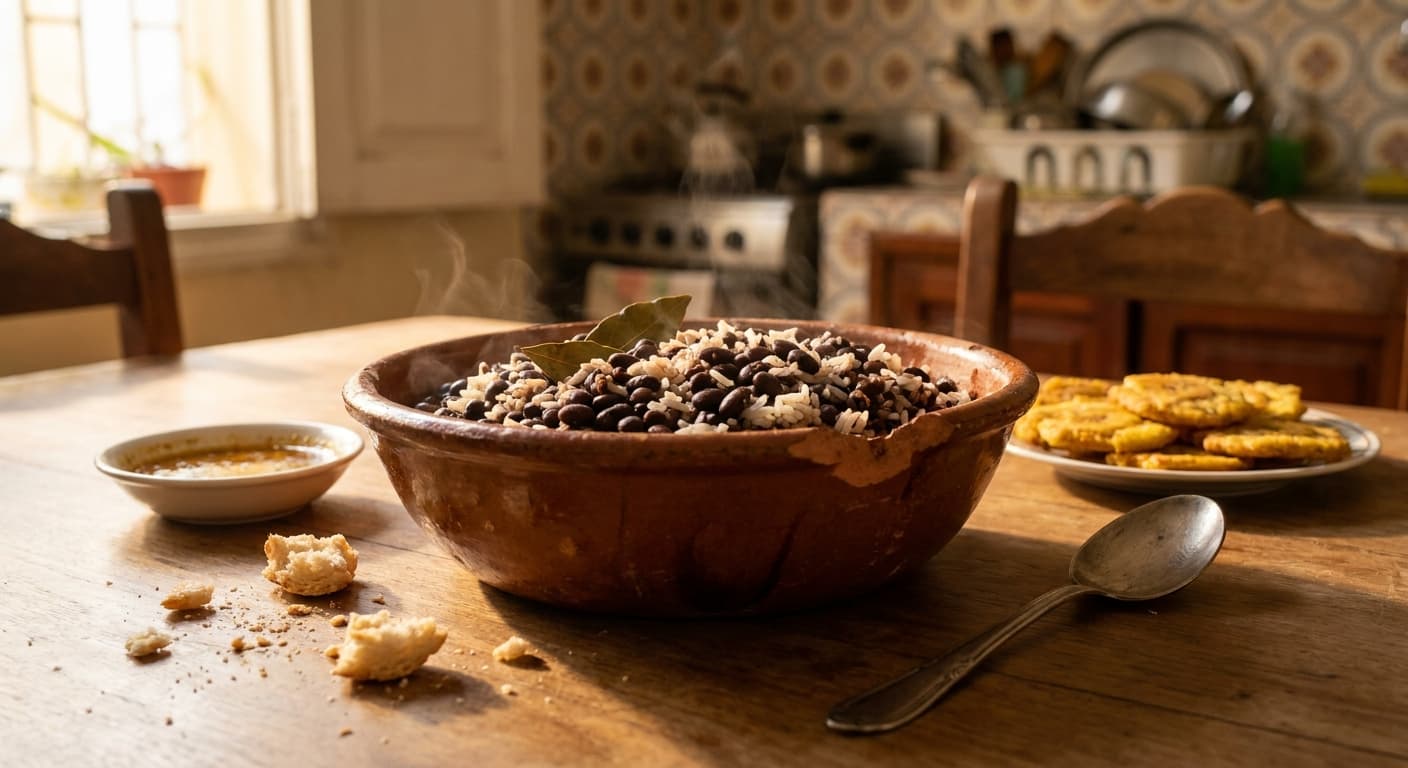
Moros y Cristianos (Moros y Cristianos) — Cuban Black Beans and Rice
Cuban · Rice Dishes · 130 min
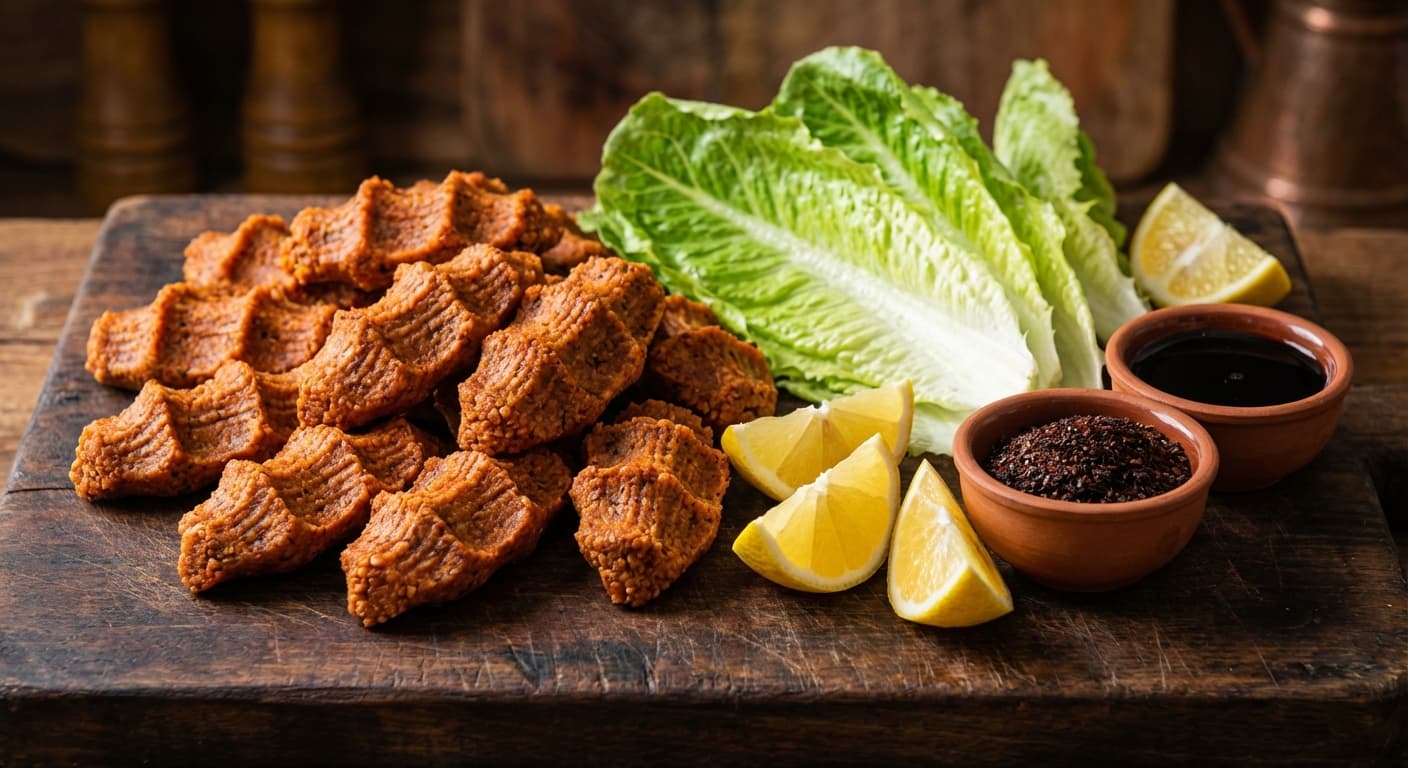
Cig Kofte (Çiğ Köfte) — Isot-kissed bulgur kneaded and served in lettuce
Turkish · Appetizers · 25 min
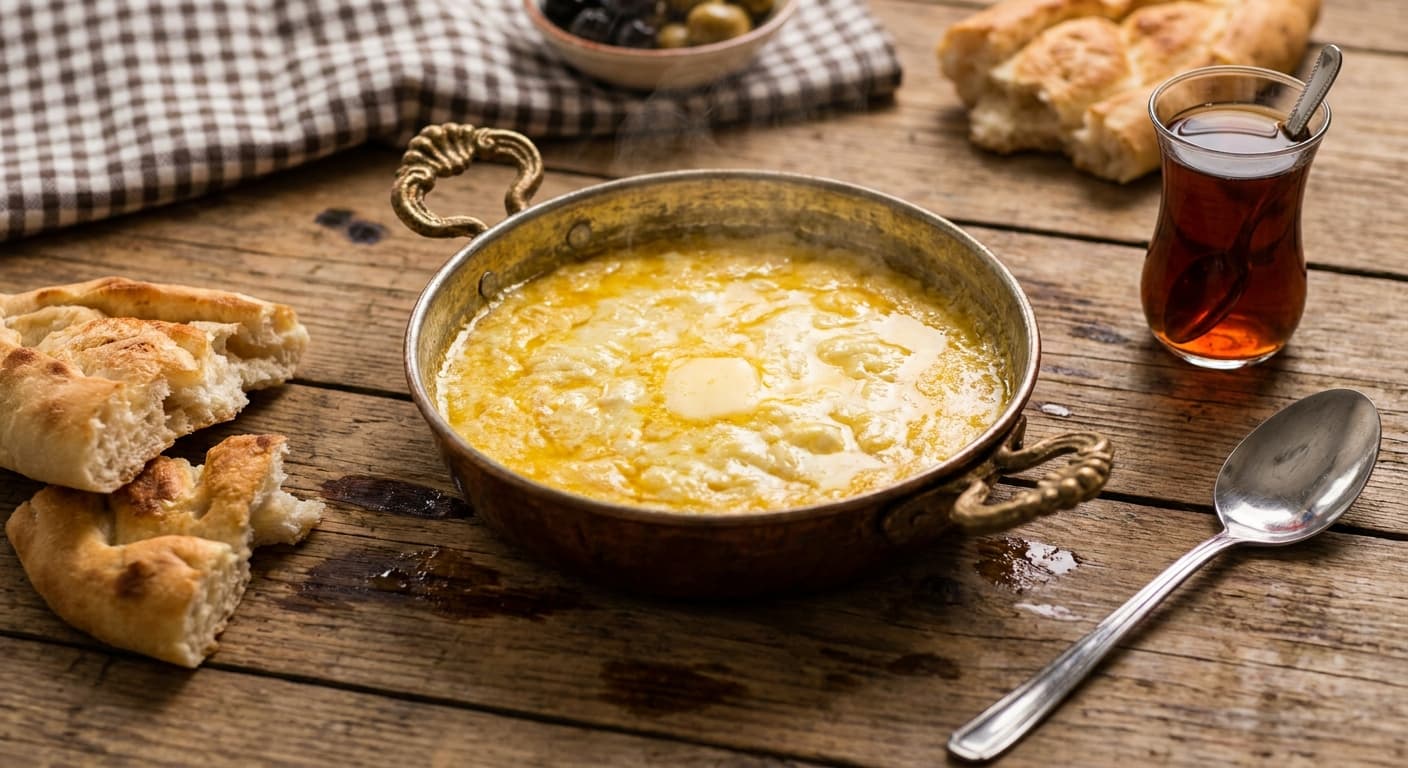
Mıhlama (Mıhlama) — Black Sea Cornmeal and Cheese Skillet
Turkish · Main Courses · 25 min
Paya Soup (پایا) — Indian Trotter Broth with Ginger and Garam Masala
Indian · Soups · 235 min
Reviews
Cooked this recipe?
Tap the stars to rate it — that's all it takes. A few words are welcome but optional.
No ratings yet. Cooked this one? Be the first to rate it — it takes one tap.