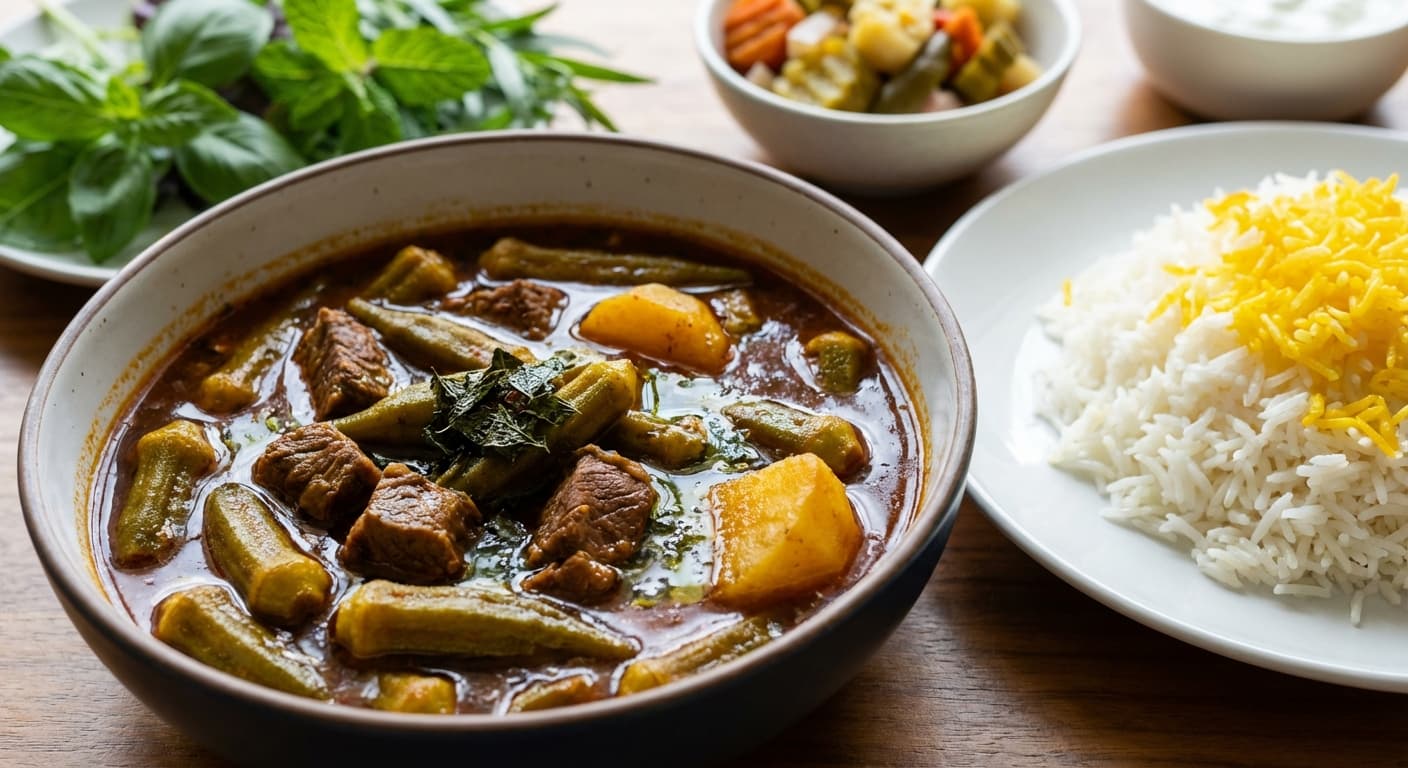
Khoresh Bamiyeh with Tamarind (خورش بامیه) — Southern Iranian Tangy Okra Stew
A Khuzestani-style khoresh where okra and tender meat simmer in a tomato-tamarind broth. Fried onions and herbs deepen the flavor, creating a bright, soulful stew often served with Persian rice.
Printable Recipe Card
Servings: 6 · Total: 130 min · Difficulty: medium
Ingredients (quick list)
- 700 g Beef stew meat (or lamb shoulder), cut into 3 cm cubes (Trim excess surface fat for a cleaner broth.)
- 350 g Yellow onions, thinly sliced
- 60 ml Vegetable oil (Use a neutral oil with a high smoke point.)
- 45 g Tomato paste (About 3 tbsp; fry it to remove raw taste.)
- 10 g Sea salt (Add in two stages: early and at the end.)
- 2 g Black pepper, freshly ground (About 1 tsp.)
- 1200 ml Water (Hot water helps maintain a steady simmer.)
- 40 g Tamarind paste (concentrate) (Adjust only within 10 g for more/less tang.)
- 200 ml Warm water (for dissolving tamarind)
- 500 g Fresh okra, small pods (Choose pods under 6 cm for tenderness.)
- 350 g Potatoes, peeled and cut into 3 cm chunks (Waxy potatoes hold their shape best.)
- 2 g Dried mint (About 2 tsp.)
+ 2 more in the full ingredients section below.
Steps (summary)
- Make the piaz dagh: heat 60 ml vegetable oil in a heavy pot over medium heat, then add the sliced onions. Cook for 18–22 minute…
- Add the meat to the browned onions and raise heat to medium-high. Sear for 6–8 minutes, turning the cubes so most sides pick up…
- Push the meat and onions to the side and add the tomato paste to the cleared spot in the pot. Fry the paste for 2 minutes, stir…
- Season with 6 g of the sea salt and all the black pepper, then pour in 1200 ml hot water. Bring to a gentle boil, skim any foam…
- Prepare the tamarind: whisk 40 g tamarind paste with 200 ml warm water until fully dissolved. Let it sit 5 minutes, then strain…
- Prepare the okra: rinse and dry the pods thoroughly, then trim only the very tip of the stem cap without cutting into the pod.…
+ 4 more steps in the full instructions section below.
Cultural Background
In Khuzestan and Iran’s southern belt, souring agents like tamarind are prized for cutting through rich meat stews. Khoresh bamiyeh is a home-table favorite, especially in warm climates where bright, tangy flavors feel refreshing yet comforting.
Equipment
💡 Tips
- Use small, young okra pods and trim minimally to prevent excess mucilage in the broth.
- Fry tomato paste until it darkens slightly; this single step makes the stew taste richer and less acidic.
- Add tamarind after the meat has begun to tenderize, because early acidity can slow softening.
⚠️ Common Mistakes
❌ Cutting okra caps too deeply so the pods split and release lots of slime.
✅ Fix: Trim only the very tip of the stem cap and keep pods whole; sauté briefly before adding to the stew.
❌ Adding tamarind at the beginning, leaving the meat tough.
✅ Fix: Simmer the meat at least 45–60 minutes first, then add tamarind so it finishes tender.
❌ Burning dried mint during frying, making the stew bitter.
✅ Fix: Fry mint on medium-low for under 45 seconds and remove from heat as soon as it blooms.
🧊 How to Store
Cool leftovers within 2 hours, then refrigerate in a sealed container for up to 3 days. Reheat gently over low heat with 60–90 ml water to loosen the stew; avoid hard boiling to keep okra intact. Freeze up to 2 months, noting potatoes may soften slightly after thawing.
📅 Make Ahead
Cook the piaz dagh up to 2 days ahead and refrigerate; it dramatically speeds up assembly. You can also dissolve and strain the tamarind mixture a day in advance. For best texture, sauté okra shortly before cooking rather than ahead.
🍽️ Pairs Well With
- Chelow (steamed Persian rice)
- tahdig
- torshi
- fresh herbs (sabzi khordan)
- thinly sliced radishes.
Regional Variations
- Khuzestani tangy style: tamarind-forward broth with fried herbs added near the end for a fresh, green aroma.
- Bushehri coastal approach: slightly more tomato paste and sometimes a touch of chili for a warmer heat.
- Tehrani home style: often made without tamarind, leaning on tomato and dried lime for gentle acidity.
Ingredients
- 700 gBeef stew meat (or lamb shoulder), cut into 3 cm cubes (Trim excess surface fat for a cleaner broth.)
- 350 gYellow onions, thinly sliced
- 60 mlVegetable oil (Use a neutral oil with a high smoke point.)
- 45 gTomato paste (About 3 tbsp; fry it to remove raw taste.)
- 10 gSea salt (Add in two stages: early and at the end.)
- 2 gBlack pepper, freshly ground (About 1 tsp.)
- 1200 mlWater (Hot water helps maintain a steady simmer.)
- 40 gTamarind paste (concentrate) (Adjust only within 10 g for more/less tang.)
- 200 mlWarm water (for dissolving tamarind)
- 500 gFresh okra, small pods (Choose pods under 6 cm for tenderness.)
- 350 gPotatoes, peeled and cut into 3 cm chunks (Waxy potatoes hold their shape best.)
- 2 gDried mint (About 2 tsp.)
- 4 gDried parsley (About 4 tsp.)
- 30 mlVegetable oil (for frying herbs and okra) (Split between herbs and okra as needed.)
🔄 Substitutions
- Beef stew meat→ Lamb shoulder
- Tamarind paste (concentrate)→ Pomegranate molasses
- Fresh okra→ Frozen whole okra
Instructions
- 1
Make the piaz dagh: heat 60 ml vegetable oil in a heavy pot over medium heat, then add the sliced onions. Cook for 18–22 minutes, stirring often, until deeply golden-brown and sweet, not burnt.
- 2
Add the meat to the browned onions and raise heat to medium-high. Sear for 6–8 minutes, turning the cubes so most sides pick up color; this builds the stew’s backbone flavor.
- 3
Push the meat and onions to the side and add the tomato paste to the cleared spot in the pot. Fry the paste for 2 minutes, stirring constantly, until it darkens slightly and smells caramelized rather than raw.
- 4
Season with 6 g of the sea salt and all the black pepper, then pour in 1200 ml hot water. Bring to a gentle boil, skim any foam for a cleaner broth, then reduce to a steady simmer and cover. Cook for 60 minutes, stirring once or twice, until the meat is starting to turn tender.
- 5
Prepare the tamarind: whisk 40 g tamarind paste with 200 ml warm water until fully dissolved. Let it sit 5 minutes, then strain through a fine sieve if there are fibers or seeds; you want a smooth, tangy liquid.
- 6
Prepare the okra: rinse and dry the pods thoroughly, then trim only the very tip of the stem cap without cutting into the pod. Keeping the pods dry and mostly intact reduces slime and helps them stay whole in the stew.
- 7
Fry the herbs: in a small pan heat 15 ml of the remaining oil over medium-low, add dried mint and dried parsley, and stir for 30–45 seconds until fragrant. Remove immediately from heat so the mint does not scorch and turn bitter.
- 8
Lightly sauté the okra: in the same pan add the remaining 15 ml oil over medium heat and sauté the okra for 4–5 minutes, shaking the pan so pods blister lightly. This step improves flavor and helps the okra keep its shape during simmering.
- 9
After the meat has simmered 60 minutes, add the potatoes, sautéed okra, fried herbs, and the prepared tamarind liquid to the pot. Return to a gentle simmer and cook uncovered for 30–35 minutes, stirring carefully to avoid breaking the okra, until potatoes are tender and the stew thickens.
- 10
Taste and finish with the remaining 4 g sea salt, adjusting only if needed for balance. Rest the stew off heat for 10 minutes before serving; this short rest rounds the tamarind tang and lets the broth settle into a glossy, cohesive texture.
🪪 Recipe Passport
Cultural Background
In Khuzestan and Iran’s southern belt, souring agents like tamarind are prized for cutting through rich meat stews. Khoresh bamiyeh is a home-table favorite, especially in warm climates where bright, tangy flavors feel refreshing yet comforting.
Regional Variations
Researched from multiple sources and validated by the Zaffaron editorial team. Every recipe is tested for accuracy, measurements, and cultural authenticity.
Nutrition per serving
Pairs well with
If you enjoyed this recipe, here are a few related Zaffaron recipes to try next.
Does your family make this differently?
Every family has their own version. Maybe your grandmother adds a secret ingredient, or your aunt has a completely different technique. Preserve your family's version — with their name on it, forever.
You Might Also Like
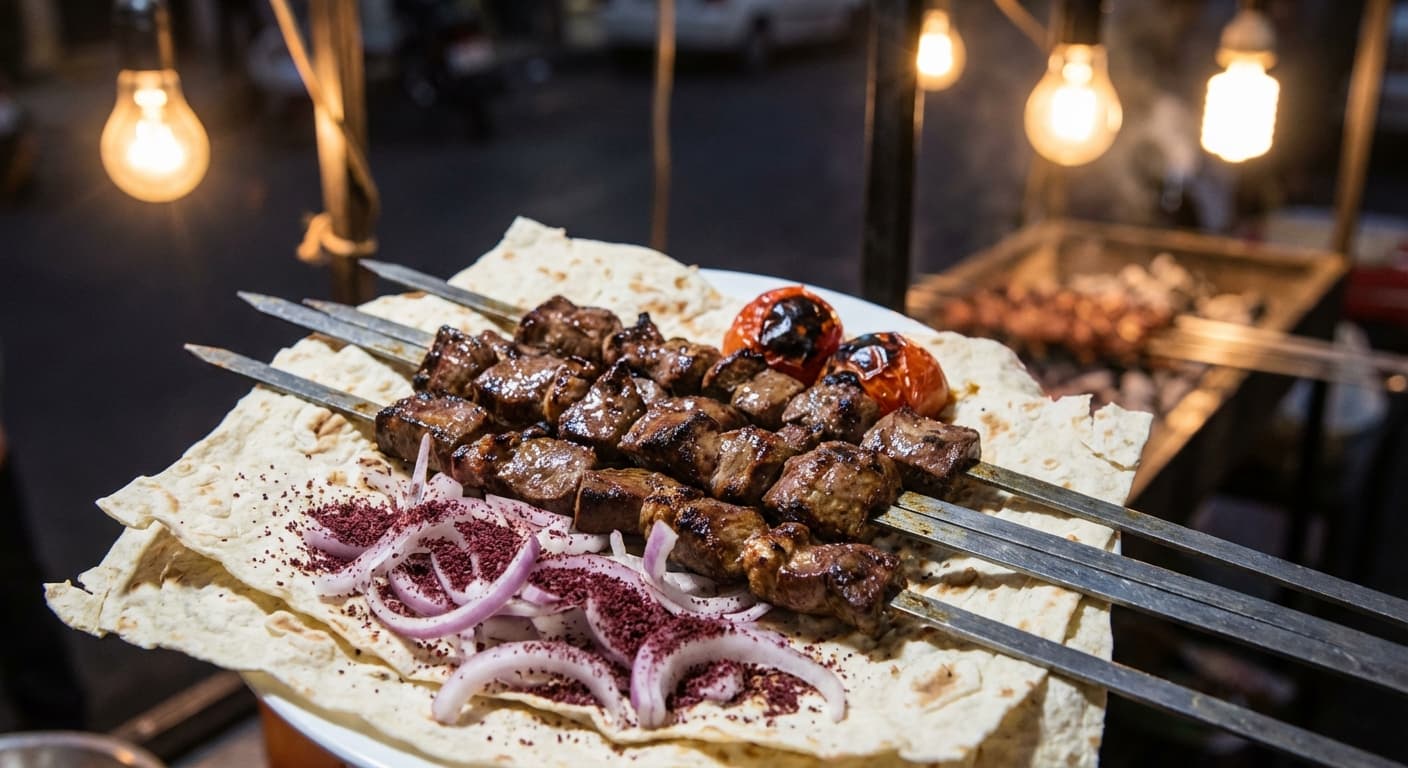
Jigar Kabab (جگر کباب) — Classic Persian Lamb Liver Skewers
Persian · Kebabs · 33 min
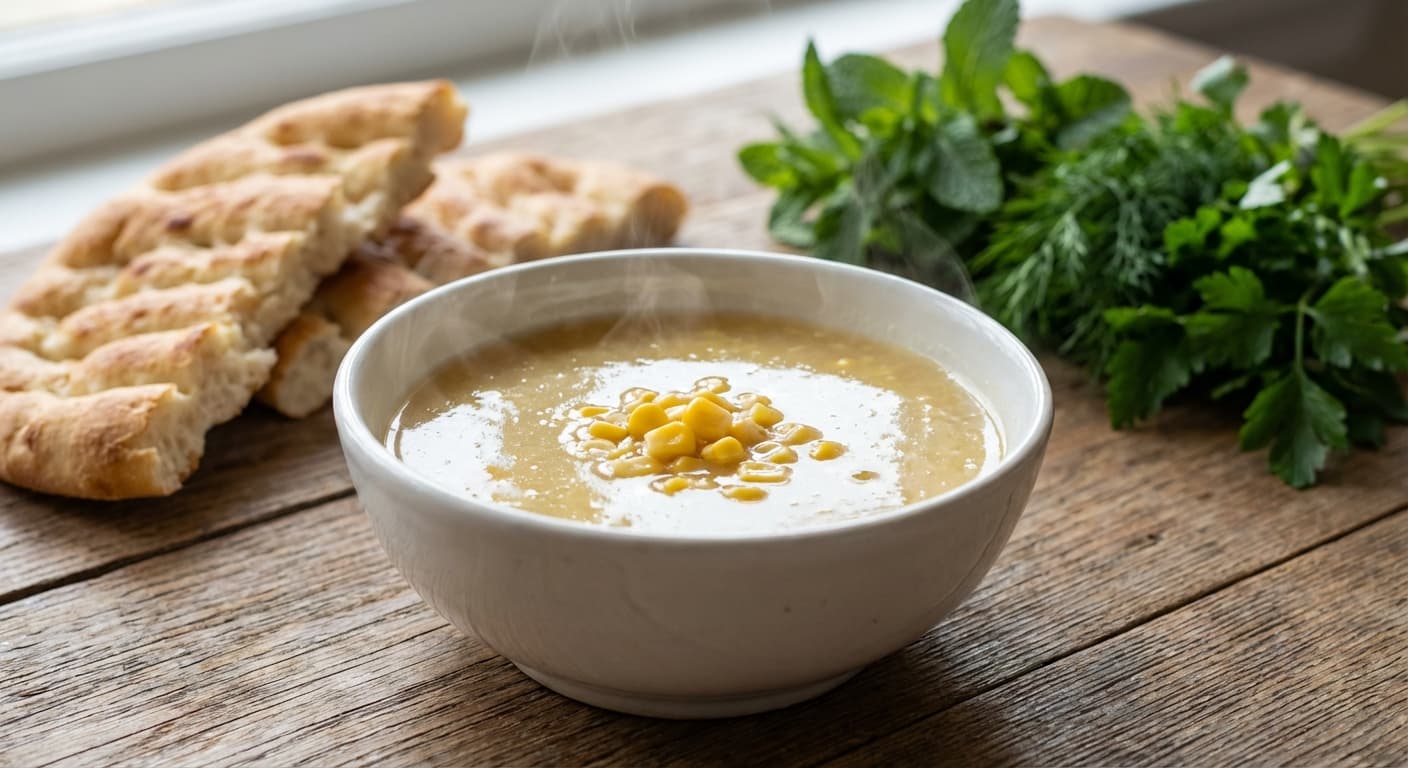
Persian Sweet Corn Soup (سوپ ذرت) — Silky Golden Comfort Soup
Persian · Soups · 50 min
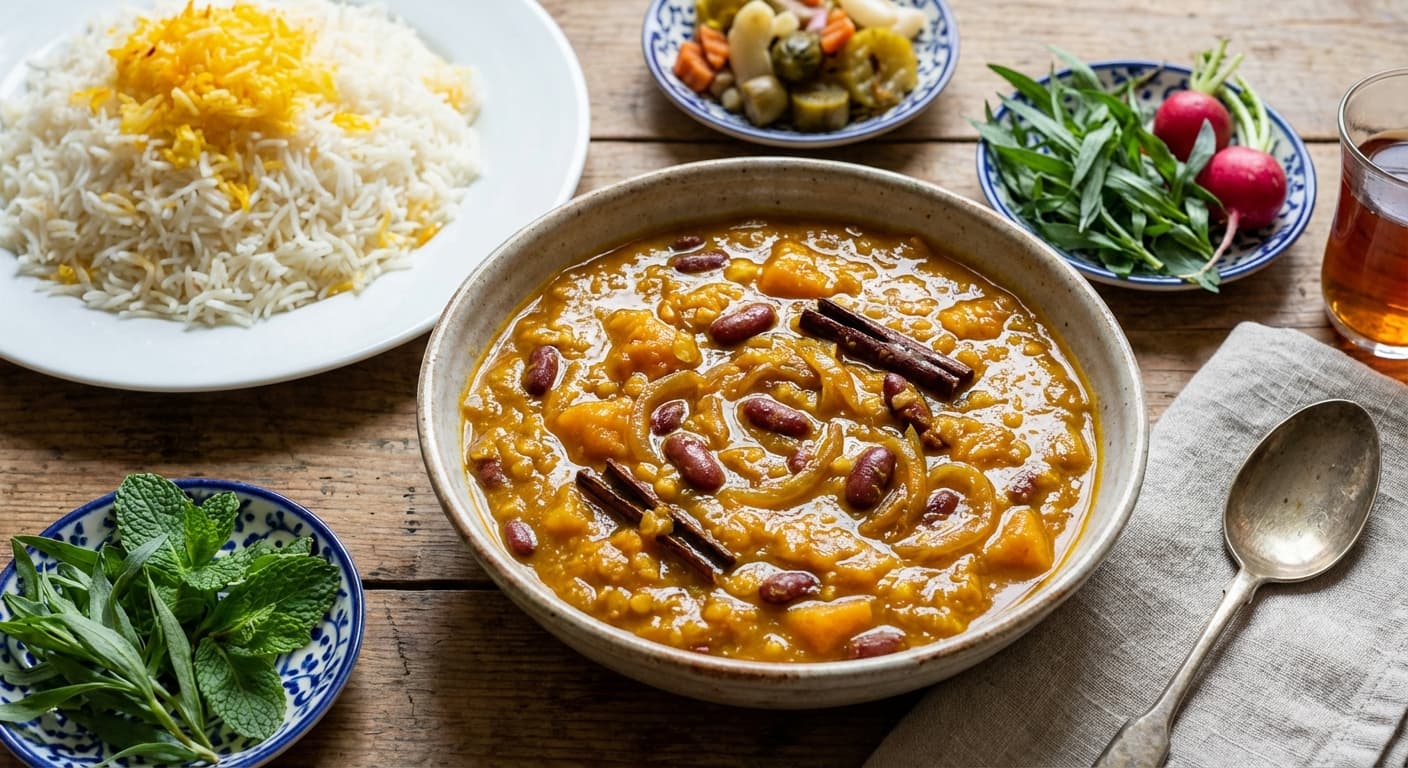
Gheimeh Kadoo Halvai (قیمه کدو حلوایی) — Sweet Pumpkin & Legume Stew
Persian · Stews · 110 min
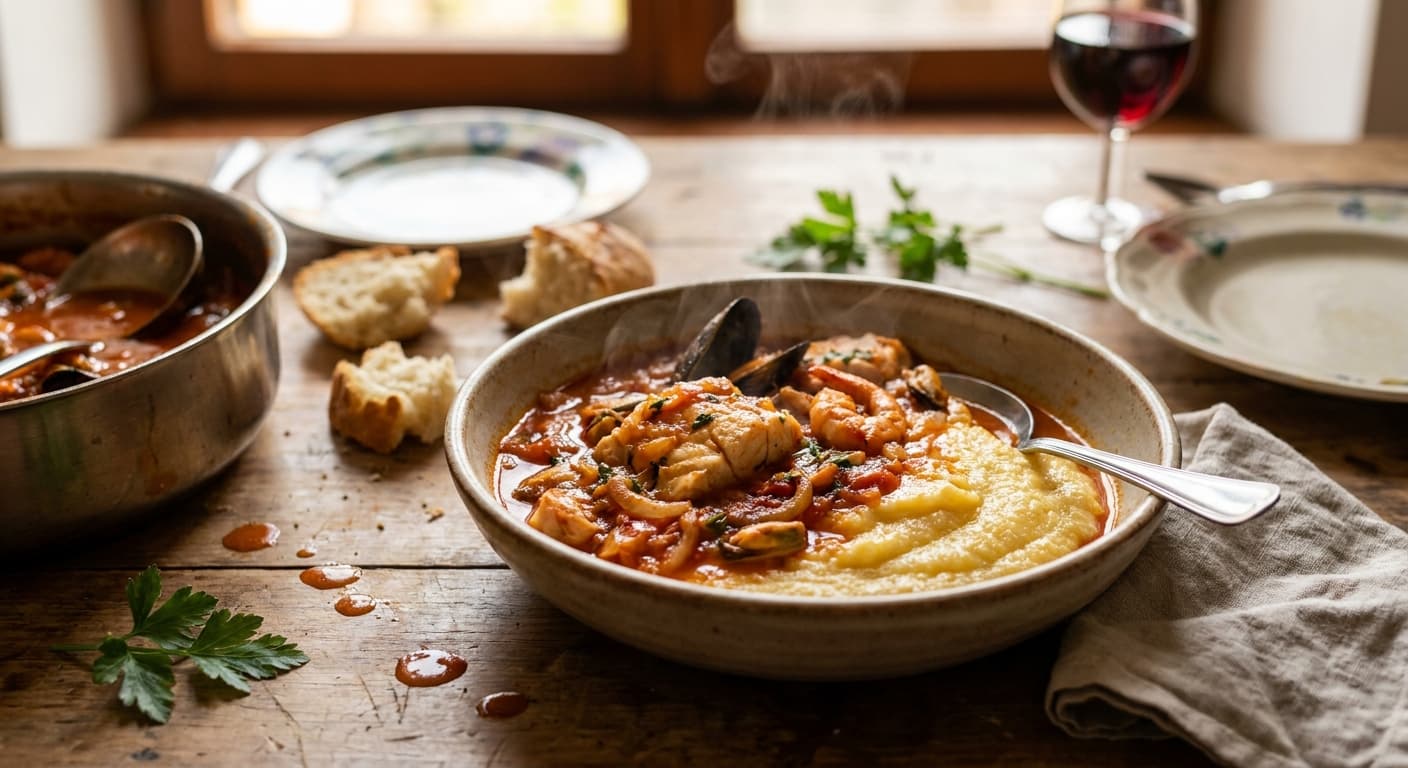
Brodet (Brodet) — Croatian Adriatic Fish Stew with Tomato and White Wine
Croatian · Stews · 70 min
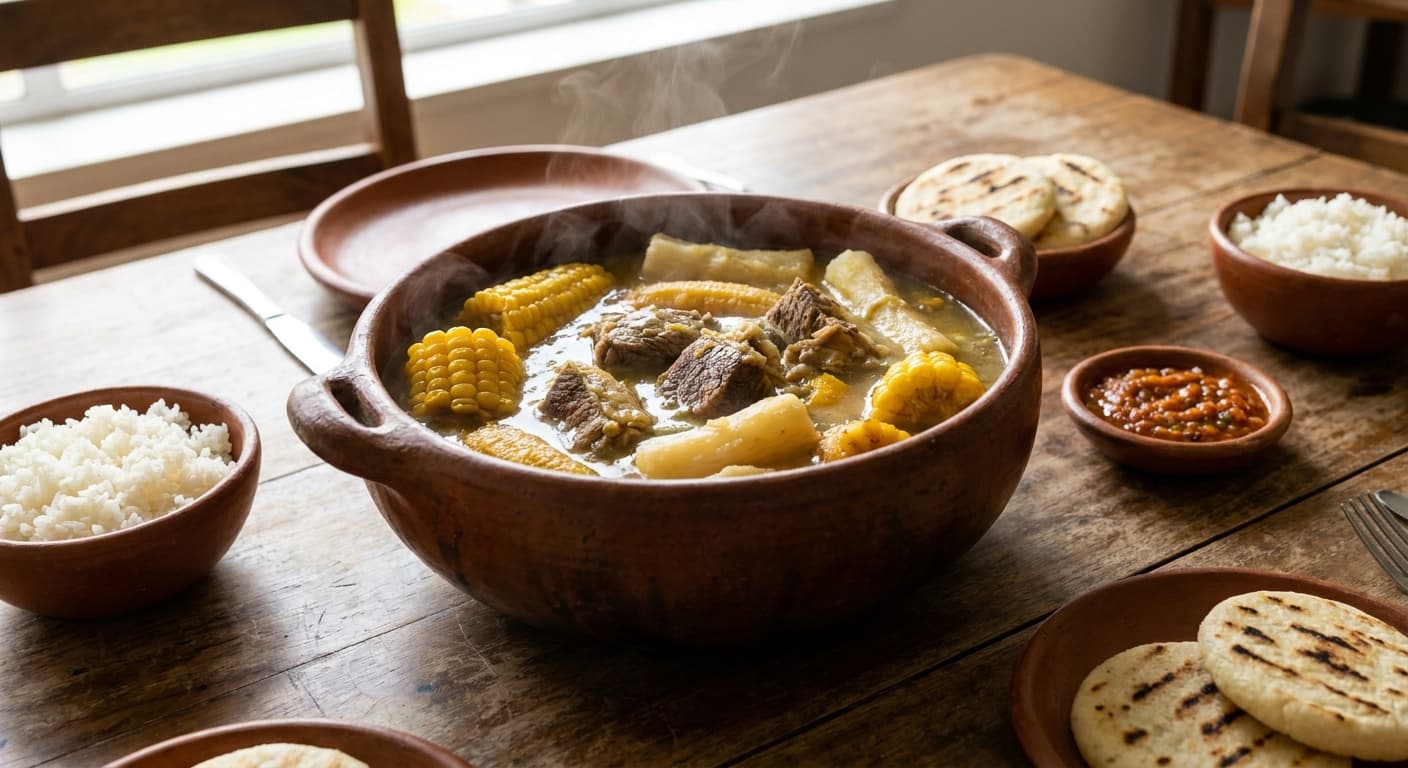
Colombian Sancocho (Sancocho Colombiano) — Hearty Three-Meat Root Vegetable Stew
Colombian · Stews · 170 min
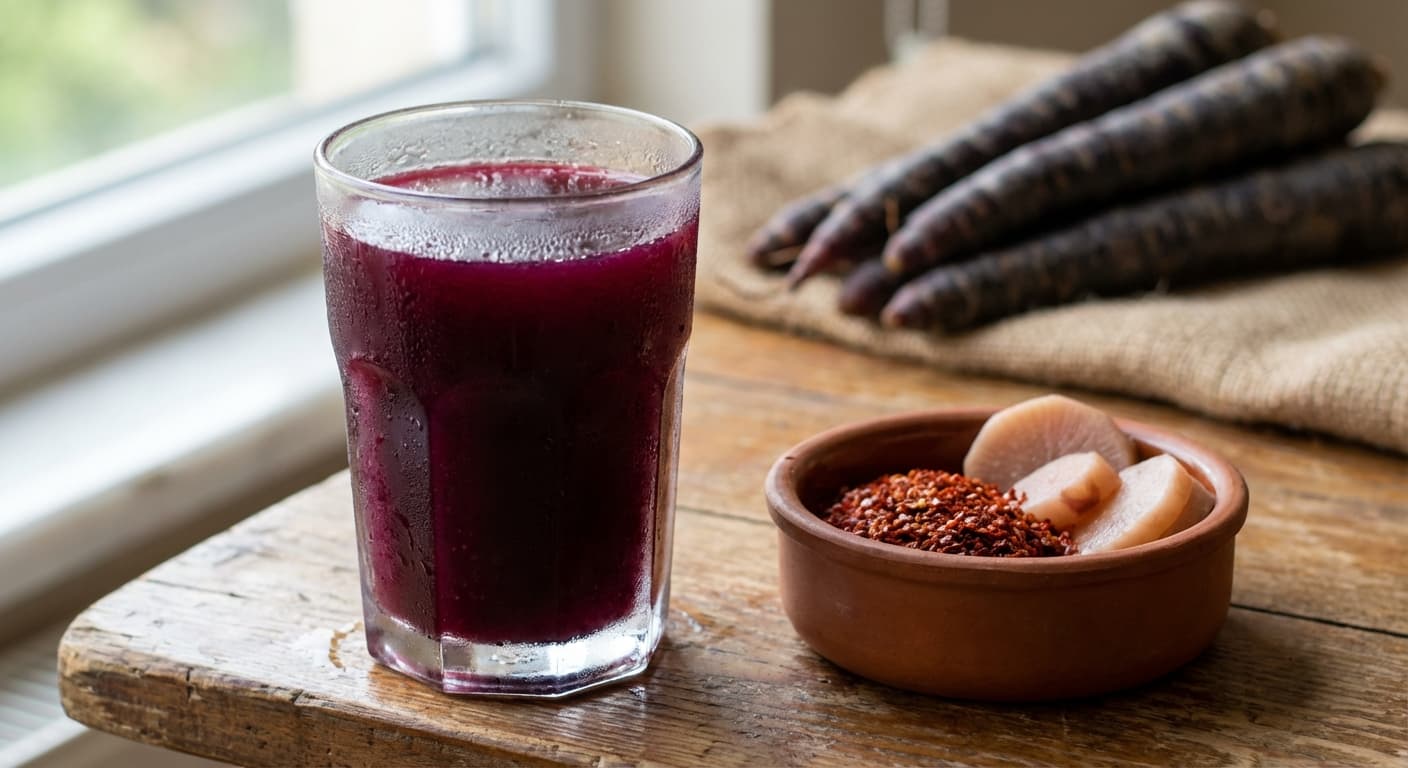
Salgam Juice (Şalgam) — Spicy, tangy fermented black-carrot drink
Turkish · Drinks · 25 min
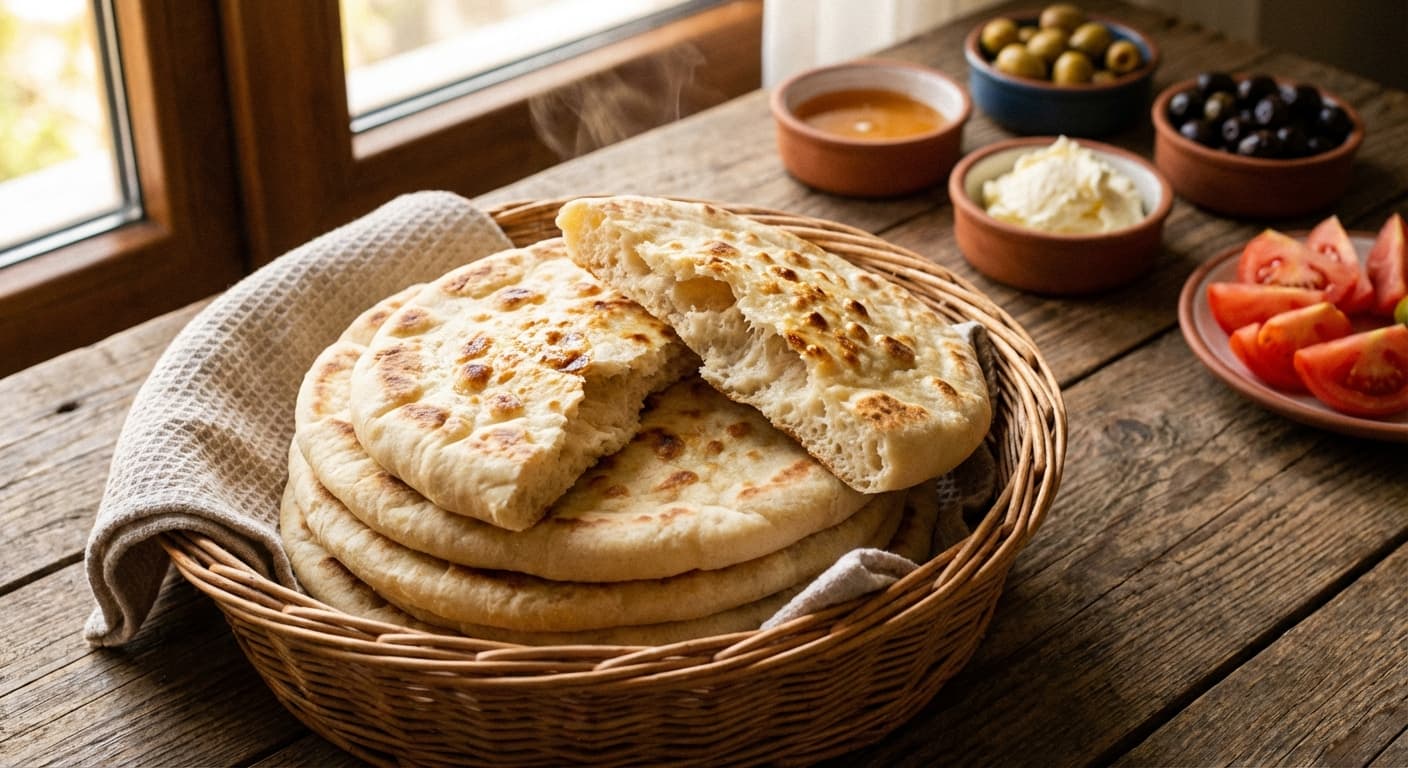
Bazlama (بازلاما) — Puffy Turkish Village Flatbread Cooked on a Saj
Turkish · Breads · 38 min
Shakarob (Шакароб) — Tajik Tomato-Onion Bread Salad
Tajik · Salads · 25 min
Reviews
Cooked this recipe?
Tap the stars to rate it — that's all it takes. A few words are welcome but optional.
No ratings yet. Cooked this one? Be the first to rate it — it takes one tap.