Khoresh-e Gol Kalam (خورش گلکلم) — Persian Cauliflower & Lamb Stew
A classic Persian shirin-o-torsh stew where tender lamb and golden cauliflower simmer in a saffron-scented sauce balanced with lemon juice and sugar. Elegant, comforting, and perfect with steamed basmati rice.
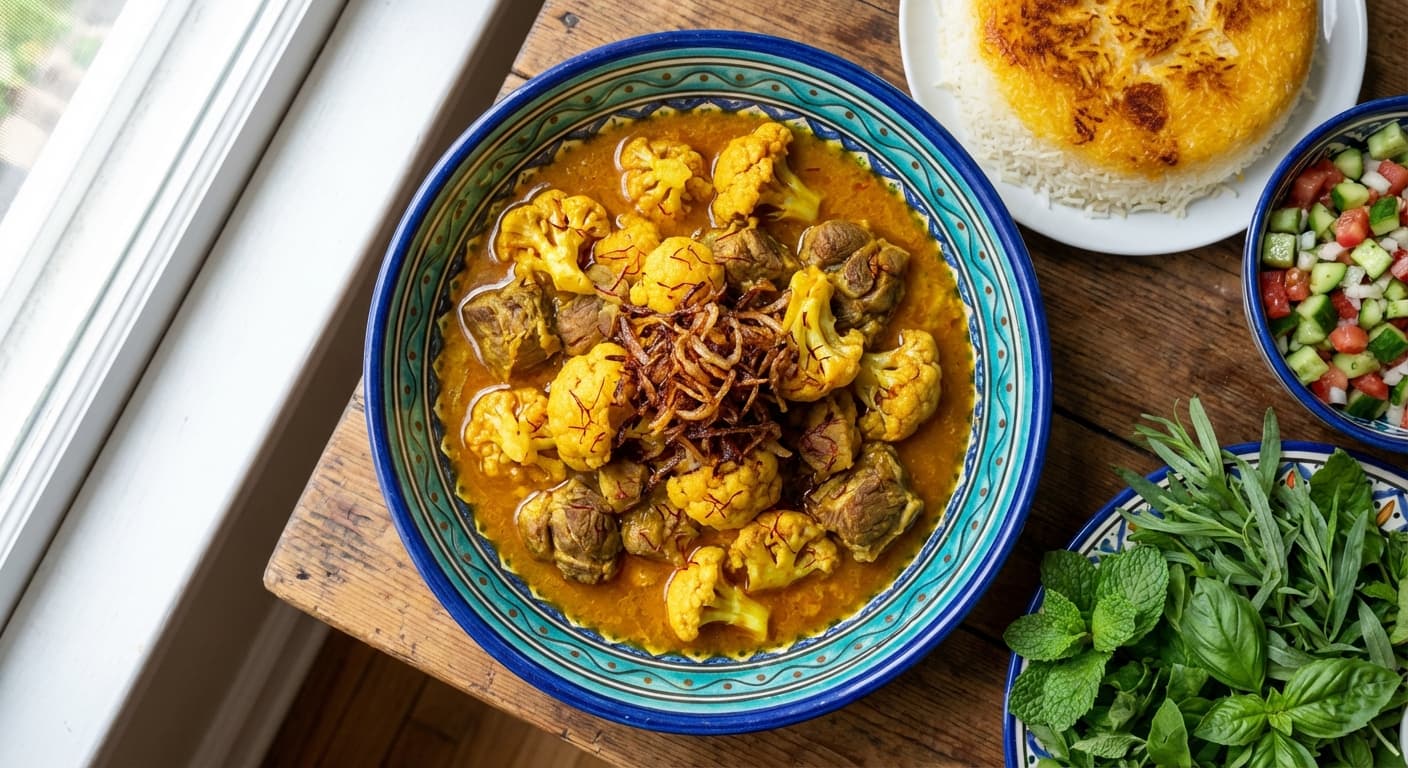
Printable Recipe Card
Servings: 6 · Total: 145 min · Difficulty: medium
Ingredients (quick list)
- 900 g Boneless lamb leg or shoulder, cut into 4 cm cubes (Trim excess surface fat; keep some for flavor)
- 350 g Yellow onions, thinly sliced (For classic Persian fried onions)
- 60 ml Neutral oil (grapeseed or sunflower), divided (Use part for onions and part for browning lamb/cauliflower)
- 800 g Cauliflower florets (Cut into 4–5 cm florets for shape and texture)
- 30 g Tomato paste (About 2 tbsp; optional but traditional for color and depth)
- 0.5 tsp Ground saffron (Bloom in hot water for best aroma and color)
- 60 ml Boiling water (for blooming saffron) (Steep saffron 10 minutes before using)
- 45 ml Fresh lemon juice (About 3 tbsp; adjust to taste at the end)
- 18 g Granulated sugar (About 1 1/2 tbsp; add gradually to balance acidity)
- 10 g Fine sea salt (About 1 3/4 tsp, plus to taste)
- 1 tsp Black pepper, freshly ground (Add in stages for layered heat)
- 900 ml Water or unsalted lamb stock, hot (Add as needed to keep lamb just covered while simmering)
Steps (summary)
- Bloom the saffron: grind 0.5 tsp saffron to a fine powder, then pour 60 ml boiling water over it in a small cup. Cover and stee…
- Make Persian-style fried onions: heat 30 ml oil in a heavy pot over medium heat. Add sliced onions and cook 18–22 minutes, stir…
- Brown the lamb: increase heat to medium-high and add 15 ml oil. Add lamb in a single layer (work in batches if needed) and sear…
- Simmer the lamb: add 900 ml hot water/stock, scraping the bottom to release browned bits. Bring to a gentle boil, then reduce t…
- Fry the cauliflower for structure: while lamb simmers, heat remaining 15 ml oil in a wide skillet over medium-high. Add caulifl…
- Build the saffron sauce and finish: after 60 minutes, stir the bloomed saffron into the pot and simmer uncovered 10 minutes to…
Cultural Background
Khoresh-e Gol Kalam is a refined Iranian home-style stew that showcases the Persian love of balancing sourness and sweetness in a single dish. Served with chelow, it reflects the classic khoresh tradition: slow-simmered meat, carefully fried aromatics, and a fragrant saffron finish.
Equipment
💡 Tips
- For the most authentic shirin-o-torsh balance, add sugar in 6 g increments and lemon juice in 15 ml increments, tasting after each addition.
- Keep the simmer gentle (small bubbles). A rolling boil can toughen lamb and break cauliflower into crumbs.
- If the stew tastes flat, it usually needs either more salt (in 1 g steps) or a final 15 ml splash of lemon juice to brighten the saffron.
- For a clearer sauce, skim fat after the first 20 minutes of simmering; Persian stews should be glossy, not greasy.
⚠️ Common Mistakes
❌ Skipping frying the cauliflower and adding it raw to the stew
💡 Why: Raw cauliflower releases water and can turn mushy, diluting the sauce and breaking apart during simmering.
✅ Fix: Fry florets 8–10 minutes until lightly golden, then add near the end so they finish gently in the sauce.
❌ Adding lemon juice early in the simmer
💡 Why: Acid can slow tenderizing and may leave lamb firmer while dulling the onion sweetness.
✅ Fix: Add lemon juice in the last 5–10 minutes, then taste and adjust with sugar and salt.
❌ Boiling hard to reduce the sauce
💡 Why: A hard boil can toughen meat and shatter cauliflower, making the stew cloudy and grainy.
✅ Fix: Reduce uncovered at a gentle simmer for 10–15 minutes, stirring carefully and keeping bubbles small.
❌ Under-seasoning the onion base
💡 Why: Fried onions are the backbone; if salt is too low, the stew tastes sweet but flat.
✅ Fix: Salt in stages: some on the lamb, then final adjustment after lemon and sugar are added.
🧊 How to Store
Cool completely, then refrigerate in an airtight container up to 3 days. Reheat gently over low heat with 60–120 ml water to loosen the sauce. Freeze up to 2 months; thaw overnight in the fridge and reheat slowly to avoid cauliflower breaking apart.
📅 Make Ahead
Fry the onions up to 2 days ahead and refrigerate. You can also brown the lamb and start the simmer a day ahead; cool, refrigerate, then reheat gently and add fried cauliflower and the lemon-sugar balance just before serving.
🍽️ Pairs Well With
- Steamed Persian basmati rice (chelow) with a little saffron rice on top
- Shirazi salad (cucumber
- tomato
- onion
- lime)
- Torshi (Persian pickles) for extra tang
- Fresh herbs (sabzi khordan) and radishes
Regional Variations
- TehranOften slightly sweeter and more saffron-forward, with a glossy, concentrated sauce and cauliflower fried until clearly golden.
- Northwestern Iran (Azerbaijan region)Leans more sour than sweet; cooks may increase lemon/verjuice and keep sugar minimal, creating a brighter, sharper finish.
Ingredients
- 900 gBoneless lamb leg or shoulder, cut into 4 cm cubes (Trim excess surface fat; keep some for flavor)
- 350 gYellow onions, thinly sliced (For classic Persian fried onions)
- 60 mlNeutral oil (grapeseed or sunflower), divided (Use part for onions and part for browning lamb/cauliflower)
- 800 gCauliflower florets (Cut into 4–5 cm florets for shape and texture)
- 30 gTomato paste (About 2 tbsp; optional but traditional for color and depth)
- 0.5 tspGround saffron (Bloom in hot water for best aroma and color)
- 60 mlBoiling water (for blooming saffron) (Steep saffron 10 minutes before using)
- 45 mlFresh lemon juice (About 3 tbsp; adjust to taste at the end)
- 18 gGranulated sugar (About 1 1/2 tbsp; add gradually to balance acidity)
- 10 gFine sea salt (About 1 3/4 tsp, plus to taste)
- 1 tspBlack pepper, freshly ground (Add in stages for layered heat)
- 900 mlWater or unsalted lamb stock, hot (Add as needed to keep lamb just covered while simmering)
🔄 Substitutions
- Boneless lamb leg or shoulder→ Beef chuck, cut into 4 cm cubes
- Fresh lemon juice→ Ab-ghooreh (verjuice)
- Granulated sugar→ Date syrup
Instructions
- 1
Bloom the saffron: grind 0.5 tsp saffron to a fine powder, then pour 60 ml boiling water over it in a small cup. Cover and steep 10 minutes. Meanwhile, pat the lamb dry and season it with 6 g salt (about 1 tsp) and 1/2 tsp black pepper; let it sit 15 minutes at room temperature.
- 2
Make Persian-style fried onions: heat 30 ml oil in a heavy pot over medium heat. Add sliced onions and cook 18–22 minutes, stirring often, until deeply golden and reduced. Lower heat if they color too fast. Remove 2 tablespoons onions for garnish (optional), leaving the rest in the pot for the stew base.
- 3
Brown the lamb: increase heat to medium-high and add 15 ml oil. Add lamb in a single layer (work in batches if needed) and sear 6–8 minutes total, turning to brown most sides. This builds flavor and keeps the meat succulent. Stir in tomato paste and cook 2 minutes until it darkens slightly and smells sweet.
- 4
Simmer the lamb: add 900 ml hot water/stock, scraping the bottom to release browned bits. Bring to a gentle boil, then reduce to low, cover, and simmer 60 minutes. Skim surface foam/fat once or twice for a cleaner sauce. The goal is tender lamb and a broth that tastes meaty, not watery.
- 5
Fry the cauliflower for structure: while lamb simmers, heat remaining 15 ml oil in a wide skillet over medium-high. Add cauliflower florets and fry 8–10 minutes, turning carefully, until lightly golden on several sides. This step prevents mushiness and adds a nutty edge. Transfer to a plate; do not salt yet.
- 6
Build the saffron sauce and finish: after 60 minutes, stir the bloomed saffron into the pot and simmer uncovered 10 minutes to concentrate. Gently add fried cauliflower, cover, and cook 25–30 minutes on low until lamb is fork-tender and cauliflower is soft but intact. Stir in lemon juice and sugar, then simmer 5 minutes and adjust with remaining salt and pepper.
🪪 Recipe Passport
Cultural Background
Khoresh-e Gol Kalam is a refined Iranian home-style stew that showcases the Persian love of balancing sourness and sweetness in a single dish. Served with chelow, it reflects the classic khoresh tradition: slow-simmered meat, carefully fried aromatics, and a fragrant saffron finish.
Regional Variations
Researched from multiple sources and validated by the Zaffaron editorial team. Every recipe is tested for accuracy, measurements, and cultural authenticity.
Nutrition per serving
Pairs well with
If you enjoyed this recipe, here are a few related Zaffaron recipes to try next.
Does your family make this differently?
Every family has their own version. Maybe your grandmother adds a secret ingredient, or your aunt has a completely different technique. Preserve your family's version — with their name on it, forever.
You Might Also Like
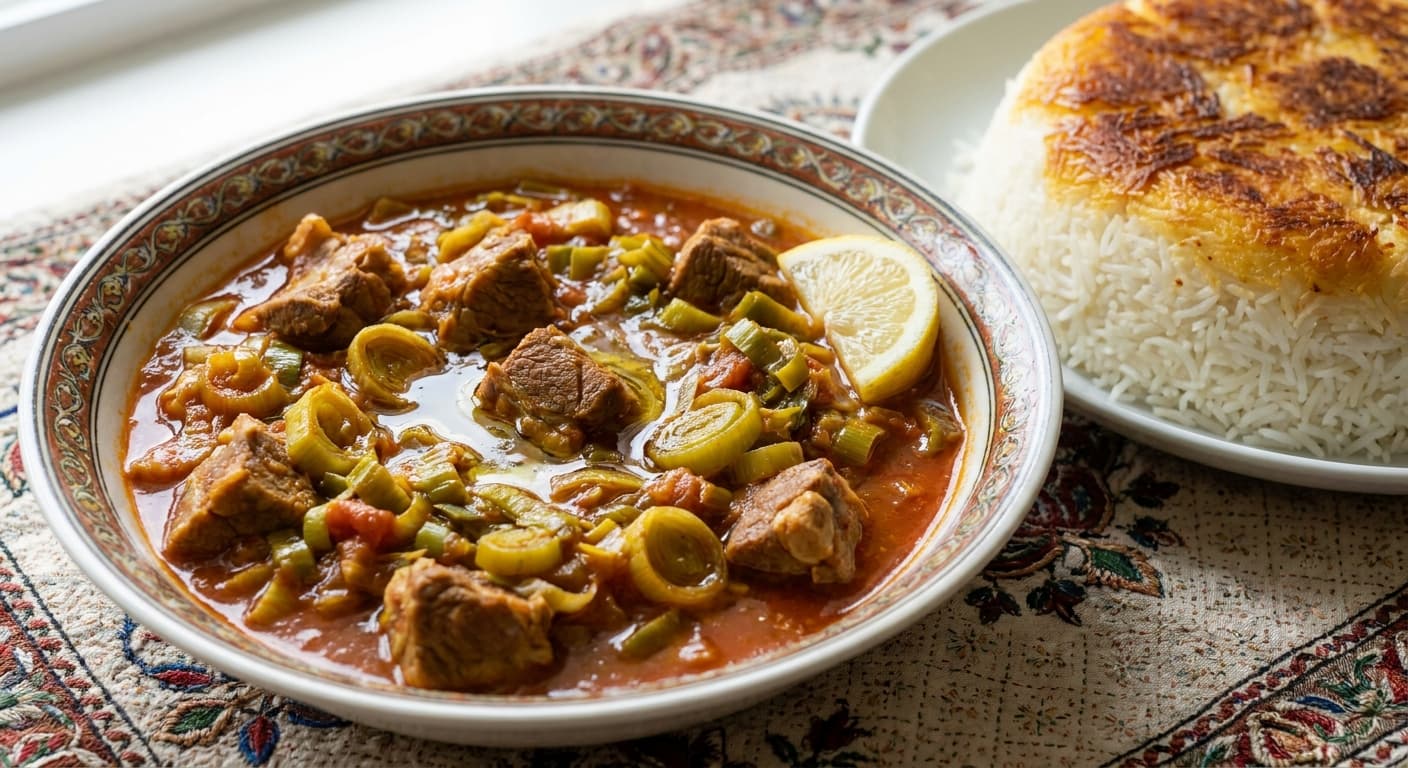
Khoresh Tareh Farangi (خورش تره فرنگی) — Persian Leek and Lamb Stew
Persian · Stews · 130 min
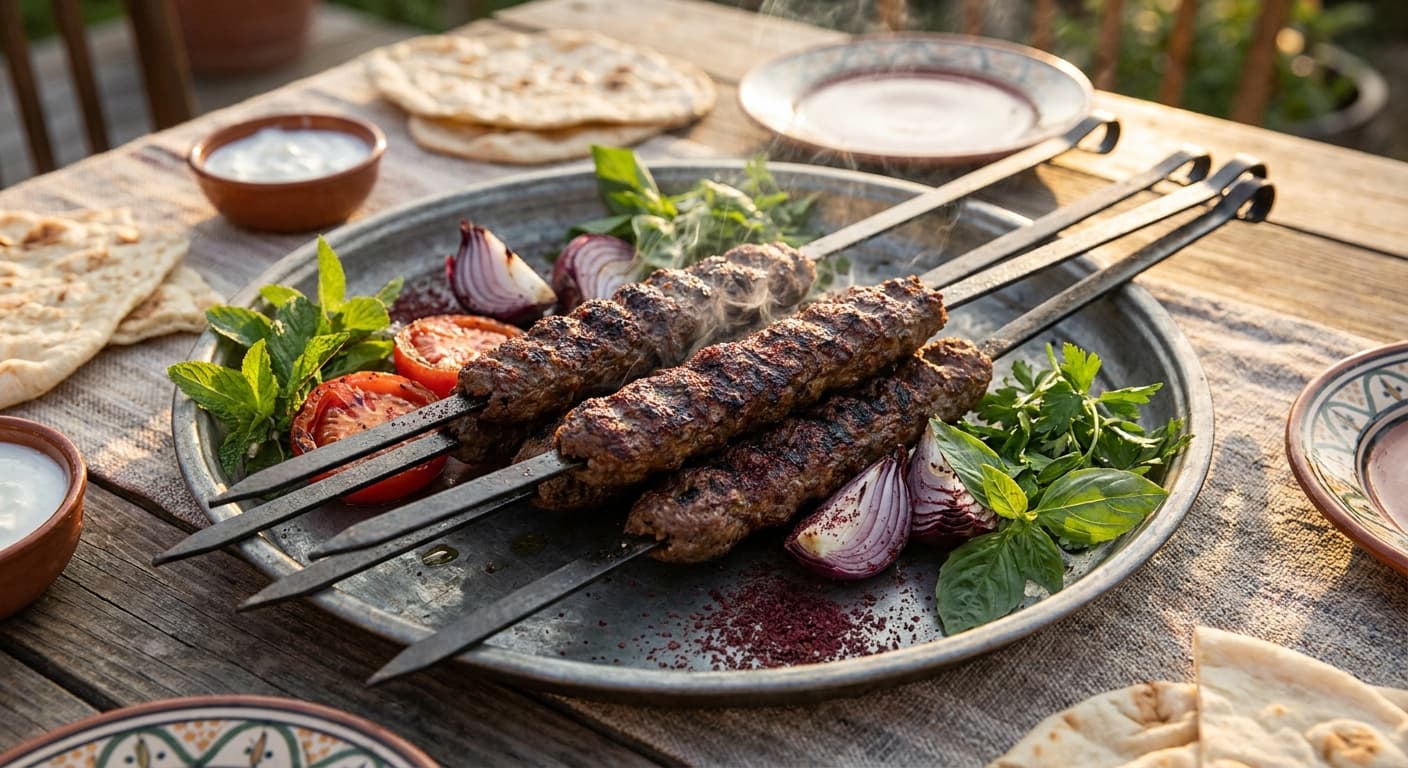
Authentic Kabab Koobideh (کباب کوبیده) — Persian Minced Lamb Skewers
Persian · Kebabs · 40 min
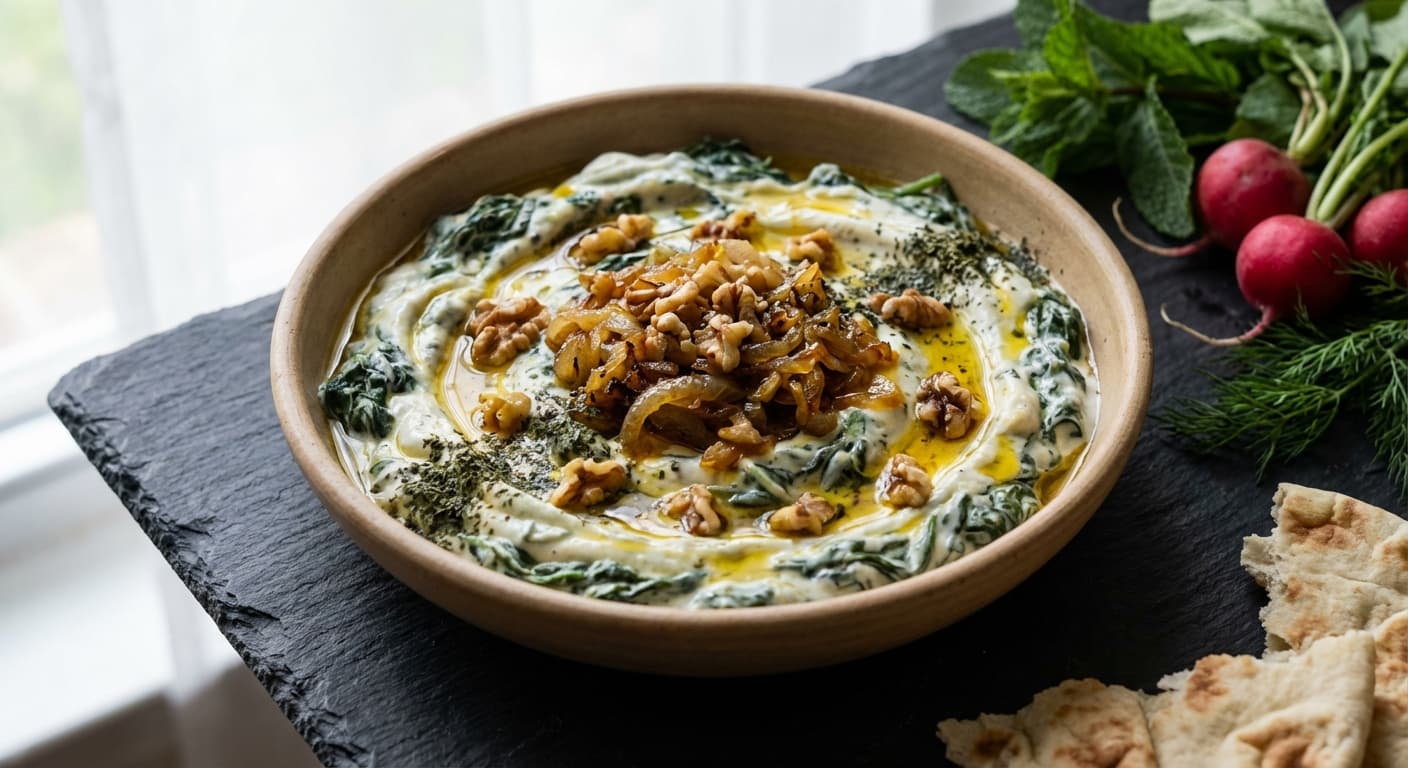
Borani Esfenaj (بورانی اسفناج) — Persian Spinach and Yogurt Dip with Saffron and Walnuts
Persian · Appetizers · 40 min
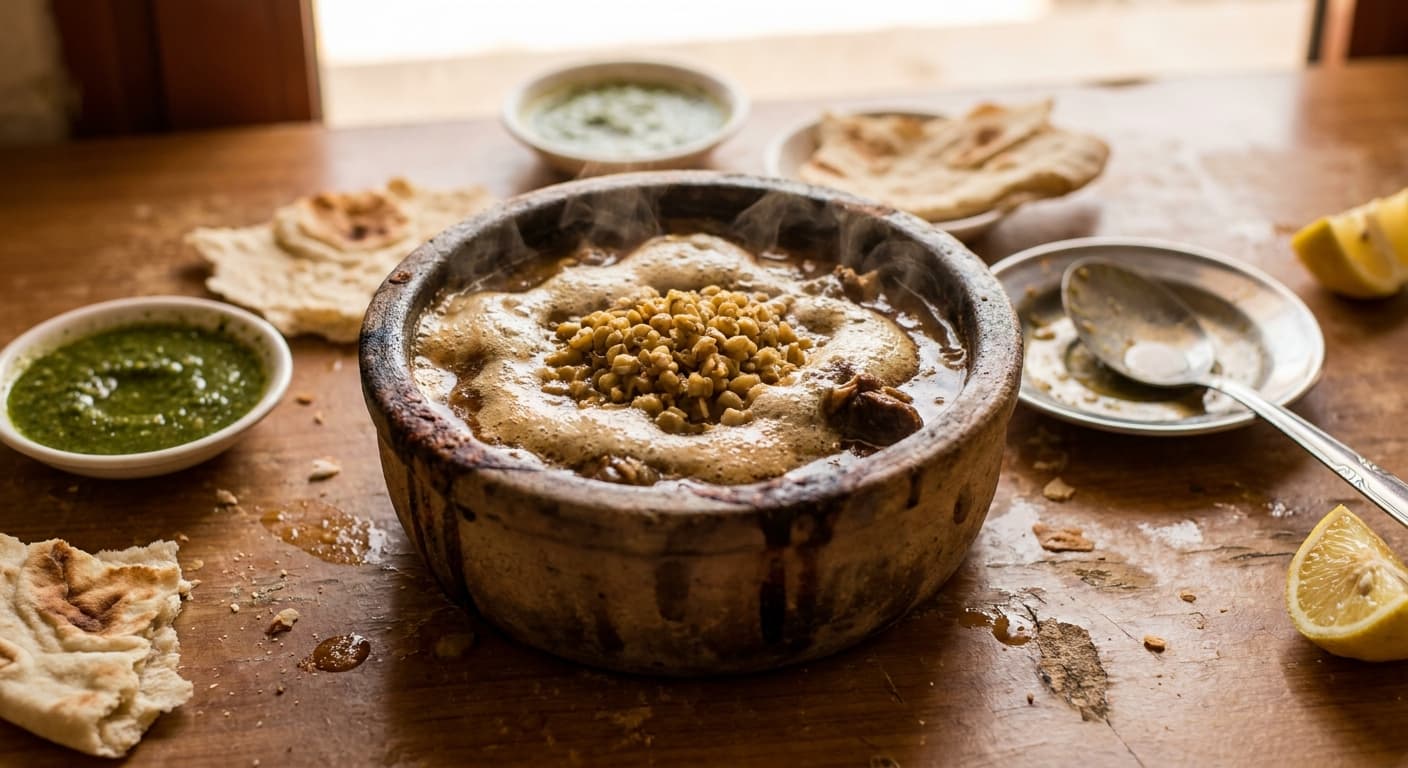
Yemeni Saltah (سلتة) — Bubbling Fenugreek Lamb Stew
Yemeni · Stews · 130 min
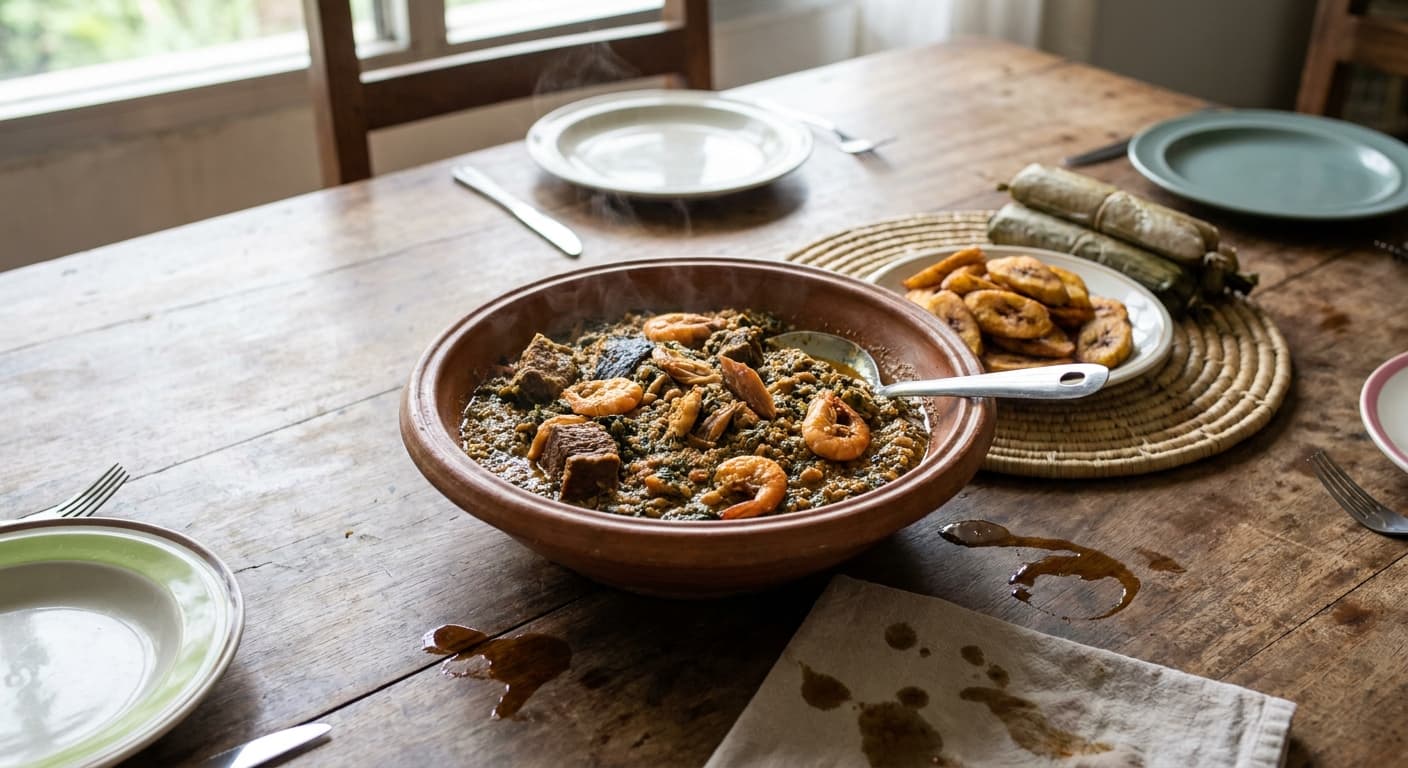
Cameroonian Ndolé (Ndolé) — Bitterleaf Peanut Stew with Beef and Seafood
West african · Stews · 140 min
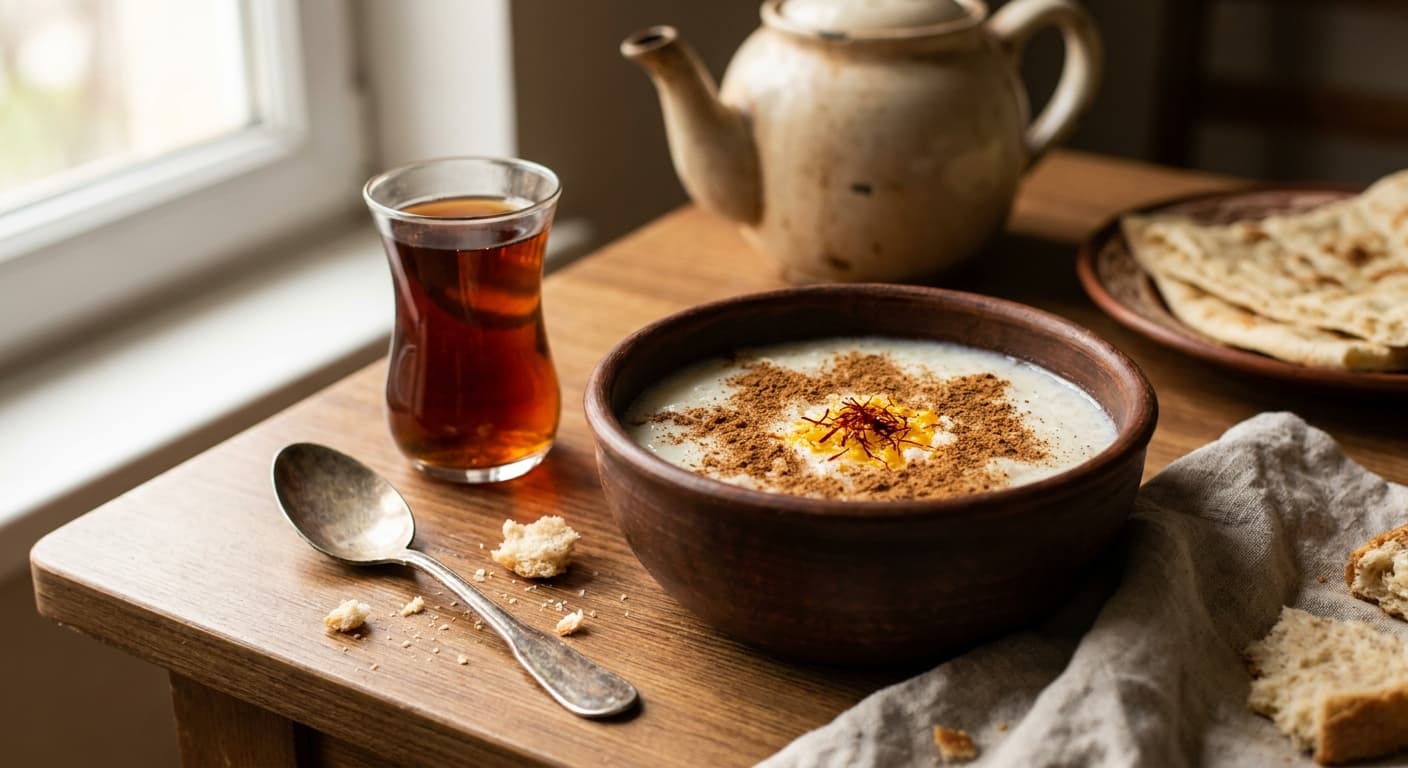
Azerbaijani Milk Rice Porridge (Südlü Sıyıq) — Creamy Breakfast Bowl
Azerbaijani · Rice Dishes · 40 min
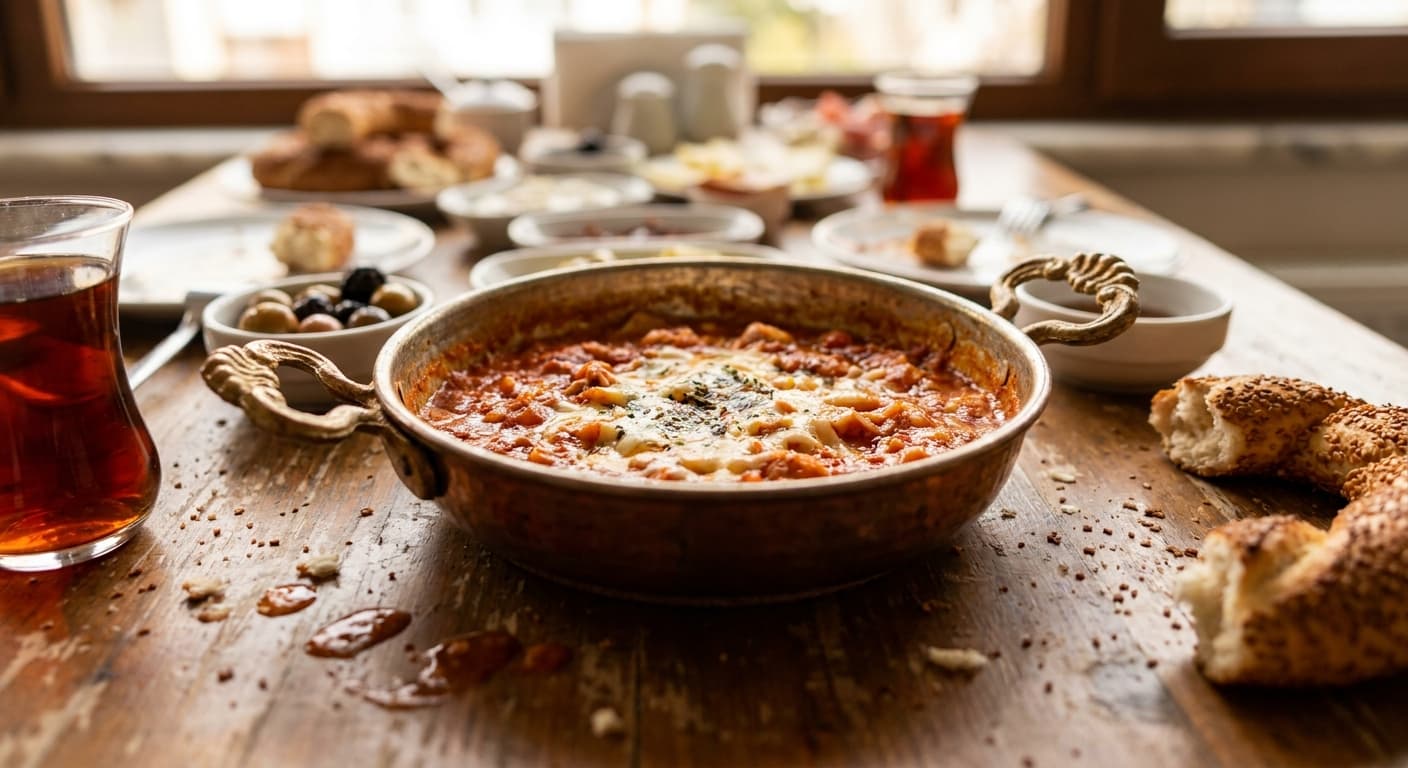
Turkish Menemen (Menemen) — Soft Eggs with Tomatoes and Peppers
Turkish · Main Courses · 37 min
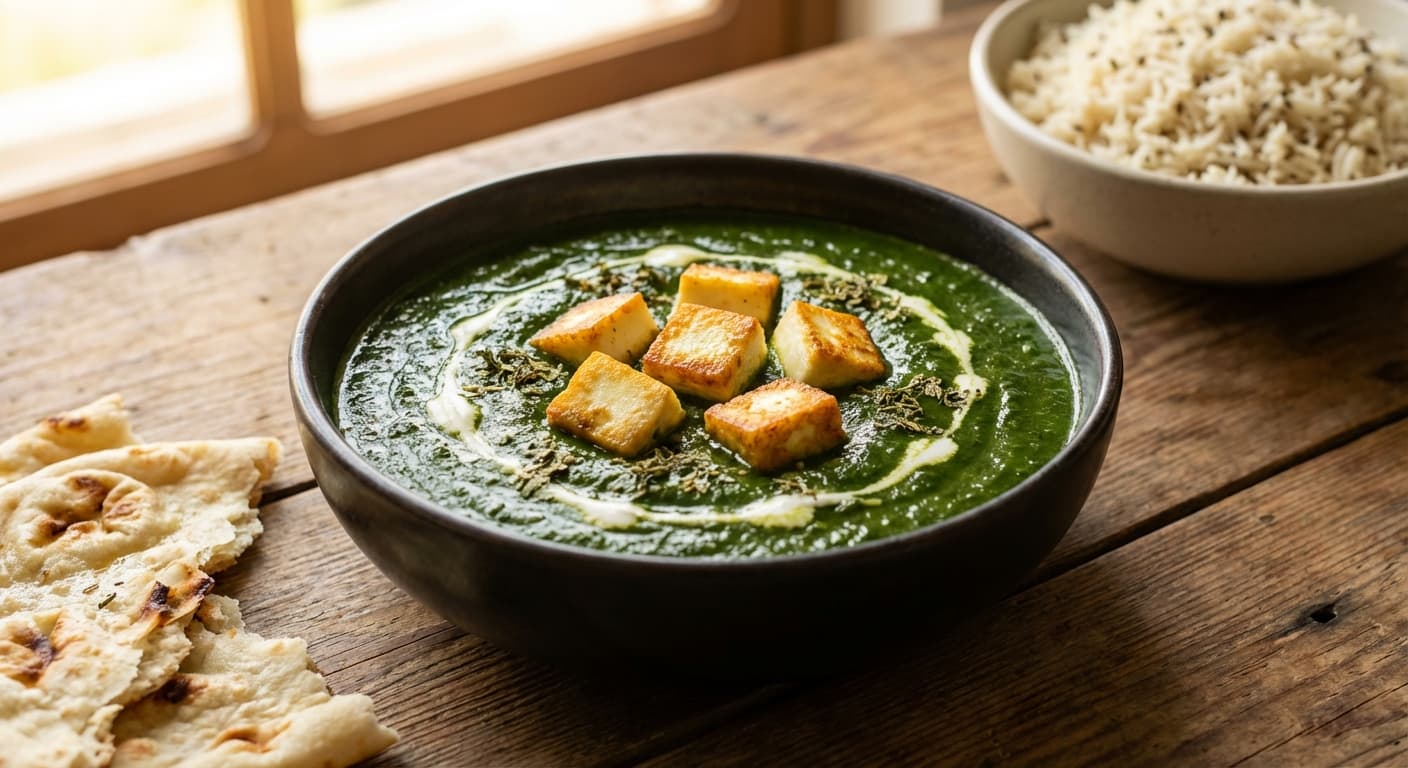
Palak Paneer (पालक पनीर) — Creamy Spinach and Paneer Curry
Indian · Main Courses · 50 min
Reviews
Cooked this recipe?
Tap the stars to rate it — that's all it takes. A few words are welcome but optional.
No ratings yet. Cooked this one? Be the first to rate it — it takes one tap.