Khoresht-e Bademjan ba Morgh (خورش بادمجان با مرغ)
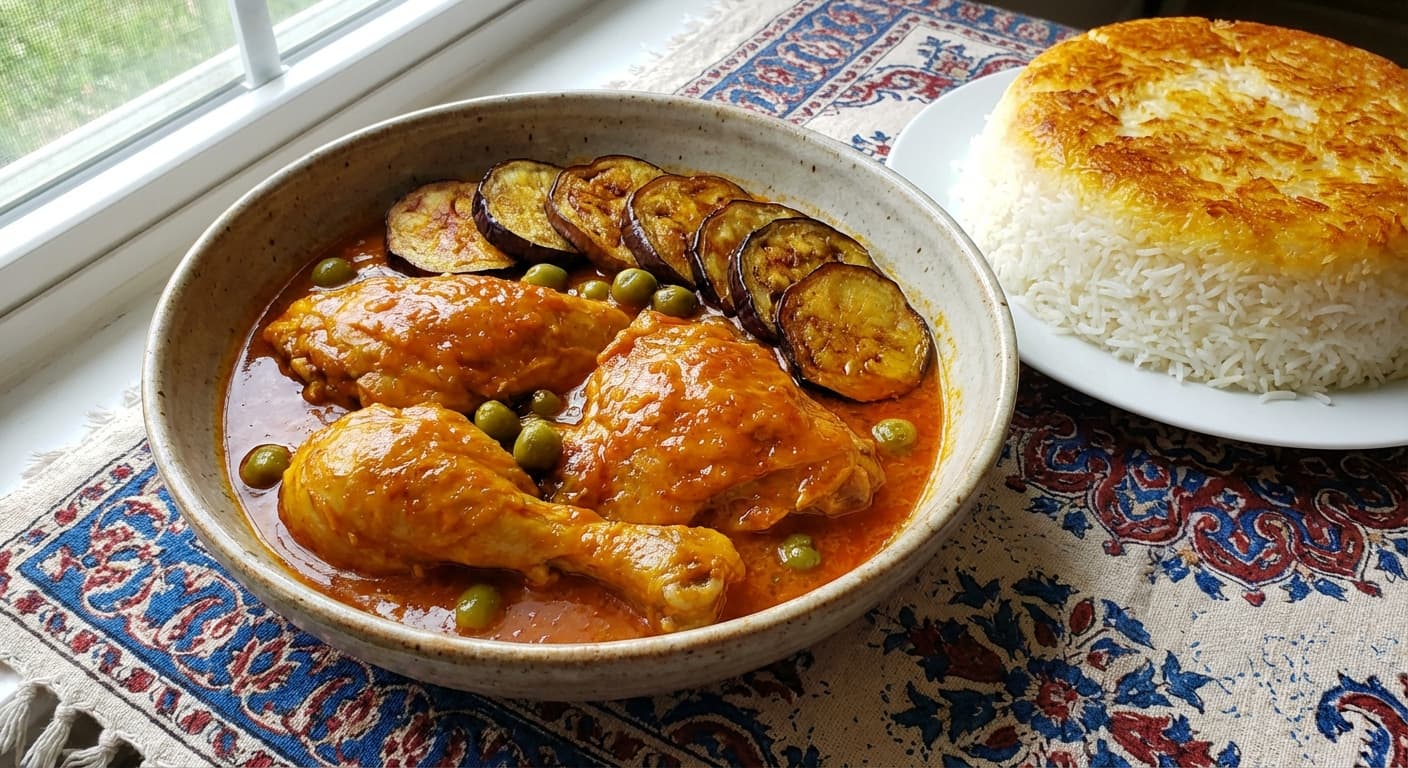
Khoresht-e Bademjan with chicken is a classic, elegant Persian stew made with tender chicken, fried eggplants, and a tomato-and-saffron sauce. The tartness of unripe grapes (ghooreh) creates a pleasant balance with the richness and the aroma of the spices.
Printable Recipe Card
Servings: 6 · Total: 135 min · Difficulty: medium
Ingredients (quick list)
- 2 Chicken legs (bone-in, skin removed) (about 500 g total)
- 300 g Chicken breast (boneless, skinless) (cut into 2 large chunks)
- 300 g Yellow onions (thinly sliced (about 2 medium))
- 12 g Garlic (minced (about 3 cloves))
- 2 tsp Ground turmeric
- 0.5 tsp Ground cinnamon
- 2.25 tsp Fine salt (divided)
- 1 tsp Freshly ground black pepper (divided)
- 90 mL Vegetable oil (divided)
- 900 g Eggplants (Italian or Persian) (about 4 medium; peeled in stripes)
- 70 g Tomato paste (about 4 tbsp)
- 0.25 tsp Saffron threads (ground, then bloomed)
+ 3 more in the full ingredients section below.
Steps (summary)
- Peel eggplants in alternating stripes, slice lengthwise into 1.5 cm planks, then lay on a tray. Sprinkle with 1.0 tsp of the sa…
- Rinse eggplants briefly and pat very dry with towels. Heat 60 mL vegetable oil in a wide skillet over medium-high (about 180°C…
- In a heavy pot, heat remaining 30 mL oil over medium heat. Add sliced onions and cook 12–15 minutes, stirring, until deeply gol…
- Add chicken legs and breast pieces to the pot in a single layer. Season with remaining 1.25 tsp salt and 1 tsp black pepper. Se…
- Pour in 900 mL water and bring to a gentle boil, then reduce to a low simmer and cover. Cook 35 minutes, turning chicken once,…
- Gently nestle the fried eggplants into the sauce so they’re mostly submerged. Add ghooreh evenly across the pot. Cover and simm…
+ 1 more steps in the full instructions section below.
Cultural Background
Khoresht-e Bademjan is one of the pillars of the Iranian table, holding a special place both in everyday home cooking and at gatherings. The combination of fried eggplant with a tomato-and-saffron sauce and the tangy ghooreh seasoning is a hallmark of the balance of flavors in Persian cuisine.
Equipment
💡 Tips
- For less oily eggplants, keep slices thick (1.5 cm), salt-rest the full 25 minutes, and fry in a hot pan so they sear quickly.
- Bloom saffron in hot (not boiling) water and keep covered; exposure to air reduces aroma.
- If your ghooreh is extremely sour, start with 80 g, then add the remaining 40 g after tasting in the final 10 minutes.
⚠️ Common Mistakes
❌ Frying eggplants in a cool, crowded pan
💡 Why: They steam and absorb excess oil, turning greasy and collapsing.
✅ Fix: Fry in batches over medium-high heat; keep oil hot and slices dry, 4–5 minutes per side.
❌ Adding ghooreh too early with a hard boil
💡 Why: Aggressive boiling can split the sauce and make sourness harsh while breaking eggplants.
✅ Fix: Add ghooreh after chicken is nearly tender and keep a gentle simmer; taste and adjust near the end.
❌ Not frying the tomato paste
💡 Why: Raw paste tastes metallic and the sauce lacks depth and color.
✅ Fix: Fry paste 3 minutes in oil with onions until darker and fragrant before adding water.
❌ Over-stirring after eggplants go in
💡 Why: Eggplants shred and cloud the sauce.
✅ Fix: Nestle eggplants and shake the pot gently; use a spoon only to baste sauce over the top.
🧊 How to Store
Cool to room temperature within 2 hours, then refrigerate in an airtight container up to 3 days. Reheat gently over low heat with 60–120 mL water to loosen the sauce; avoid hard boiling to keep eggplants intact. Freeze up to 2 months (eggplant softens more after thawing).
📅 Make Ahead
Fry eggplants up to 24 hours ahead and refrigerate. The stew base (onion, chicken, tomato paste, spices) can be simmered 1 day ahead; reheat gently, then add eggplants and ghooreh for the final 20 minutes so eggplants remain intact and bright.
🍽️ Pairs Well With
- Chelow (Persian steamed rice) with tahdig
- Sabzi khordan (fresh herb platter)
- Shirazi salad
- Torshi (Persian pickles)
Regional Variations
- TehranOften includes both ghooreh and a small amount of dried lime (limoo amani) for layered sourness; sauce is usually thicker and darker from well-fried tomato paste.
- Shiraz (Fars)Tends to be more tart, using generous ghooreh; some cooks add a touch more cinnamon for a warmer aroma, served with abundant sabzi khordan.
- GilanMay incorporate local sour agents like sour plum paste (lavashak/rob-e aloo) instead of ghooreh, creating a fruitier tang and slightly deeper color.
Ingredients
- 2Chicken legs (bone-in, skin removed) (about 500 g total)
- 300 gChicken breast (boneless, skinless) (cut into 2 large chunks)
- 300 gYellow onions (thinly sliced (about 2 medium))
- 12 gGarlic (minced (about 3 cloves))
- 2 tspGround turmeric
- 0.5 tspGround cinnamon
- 2.25 tspFine salt (divided)
- 1 tspFreshly ground black pepper (divided)
- 90 mlVegetable oil (divided)
- 900 gEggplants (Italian or Persian) (about 4 medium; peeled in stripes)
- 70 gTomato paste (about 4 tbsp)
- 0.25 tspSaffron threads (ground, then bloomed)
- 60 mlHot water (for blooming saffron) (just off the boil)
- 900 mlWater (add more only if needed)
- 120 gGhooreh (unripe sour grapes) (rinsed; stems removed if present)
🔄 Substitutions
- Ghooreh (unripe sour grapes)→ Fresh lime juice, 30 mL (2 tbsp), added at the end
- Chicken legs + chicken breast→ All chicken thighs, 800 g bone-in
- Vegetable oil→ Refined sunflower oil or refined avocado oil
Instructions
- 1
Peel eggplants in alternating stripes, slice lengthwise into 1.5 cm planks, then lay on a tray. Sprinkle with 1.0 tsp of the salt and rest 25 minutes to draw out bitterness and reduce oil absorption. Meanwhile, grind saffron and pour 60 mL hot water over it; cover and steep 15 minutes until deep red.
- 2
Rinse eggplants briefly and pat very dry with towels. Heat 60 mL vegetable oil in a wide skillet over medium-high (about 180°C surface temp). Pan-fry eggplants 4–5 minutes per side until golden and soft, working in batches so the pan isn’t crowded. Transfer to a paper-towel-lined plate; keep warm.
- 3
In a heavy pot, heat remaining 30 mL oil over medium heat. Add sliced onions and cook 12–15 minutes, stirring, until deeply golden. Add minced garlic and cook 60 seconds until fragrant. Stir in turmeric and cinnamon for 30 seconds to bloom the spices without burning, then push onions to the sides.
- 4
Add chicken legs and breast pieces to the pot in a single layer. Season with remaining 1.25 tsp salt and 1 tsp black pepper. Sear 3–4 minutes per side until lightly browned. Add tomato paste and fry it with the onions and chicken for 3 minutes, stirring, until the paste darkens slightly and smells sweet.
- 5
Pour in 900 mL water and bring to a gentle boil, then reduce to a low simmer and cover. Cook 35 minutes, turning chicken once, until legs are nearly tender. Skim any excess surface fat. Stir in the bloomed saffron (all liquid) and simmer uncovered for 10 minutes to concentrate color and aroma.
- 6
Gently nestle the fried eggplants into the sauce so they’re mostly submerged. Add ghooreh evenly across the pot. Cover and simmer 20 minutes on low, avoiding vigorous stirring so eggplants stay intact. Taste and adjust seasoning; if too tart, simmer 5 more minutes to mellow and thicken.
- 7
Rest the stew off heat, covered, for 10 minutes so flavors settle and the sauce slightly thickens. Serve with chicken pieces on top, eggplants arranged neatly, and spoon saffron-tomato sauce over everything. The ideal texture is silky eggplant, tender chicken, and a glossy, lightly tart sauce.
🪪 Recipe Passport
Cultural Background
Khoresht-e Bademjan is one of the pillars of the Iranian table, holding a special place both in everyday home cooking and at gatherings. The combination of fried eggplant with a tomato-and-saffron sauce and the tangy ghooreh seasoning is a hallmark of the balance of flavors in Persian cuisine.
Regional Variations
Researched from multiple sources and validated by the Zaffaron editorial team. Every recipe is tested for accuracy, measurements, and cultural authenticity.
Nutrition per serving
Pairs well with
If you enjoyed this recipe, here are a few related Zaffaron recipes to try next.
- Khoresht Loobia va Havij (خورش لوبیا و هویج) — Persian Green Bean & Carrot Stew
- Khoresht-e Adas (خورشت عدس) — Persian Lentil Stew with Sour Plums
- Khoresht-e Rangarang (خورشت رنگارنگ) — Persian Colorful Vegetable & Meat Stew
- Khoresht-e Havij va Karafs (خورشت هویج و کرفس) — Persian Chicken, Carrot & Celery Stew
Does your family make this differently?
Every family has their own version. Maybe your grandmother adds a secret ingredient, or your aunt has a completely different technique. Preserve your family's version — with their name on it, forever.
You Might Also Like
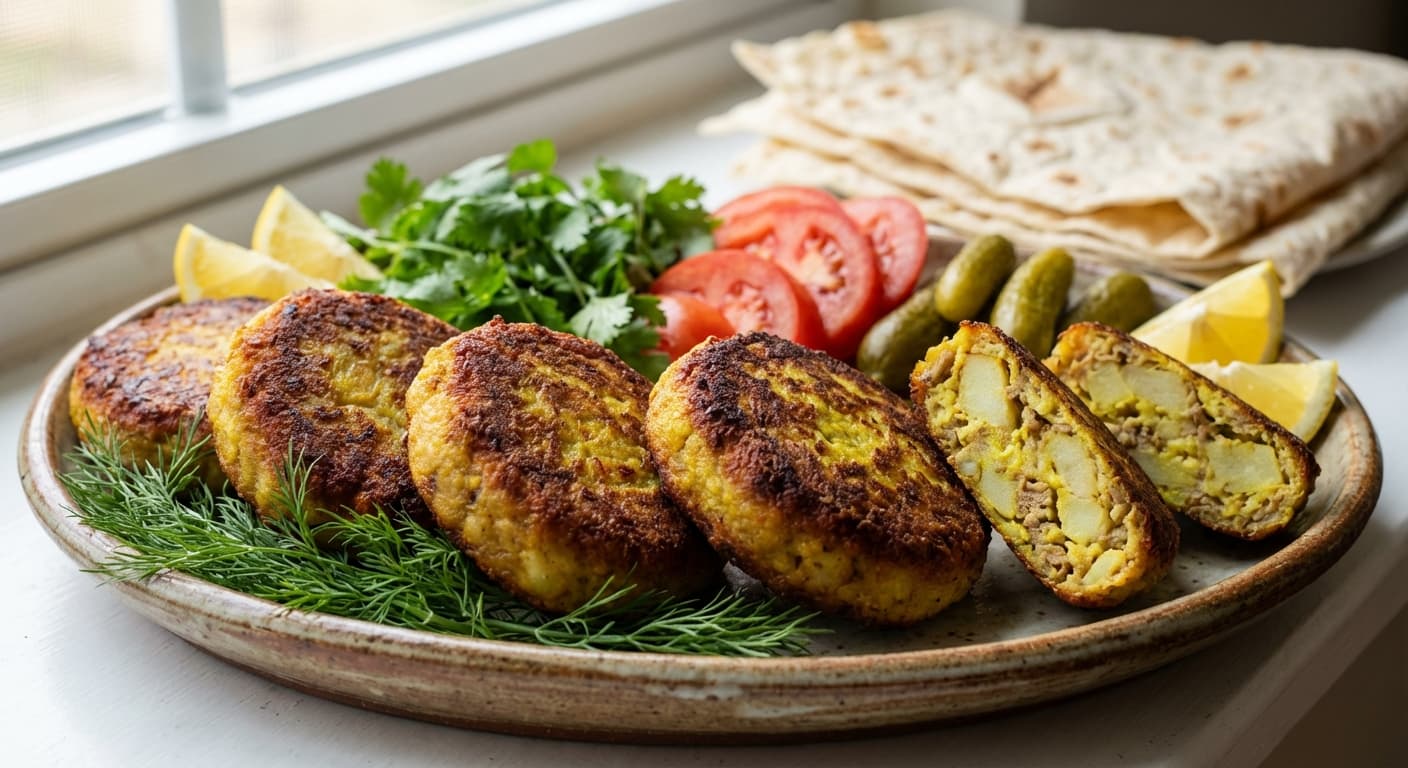
Persian Kotlet (کتلت) — Saffron-Infused Meat & Potato Patties
Persian · Main Courses · 55 min
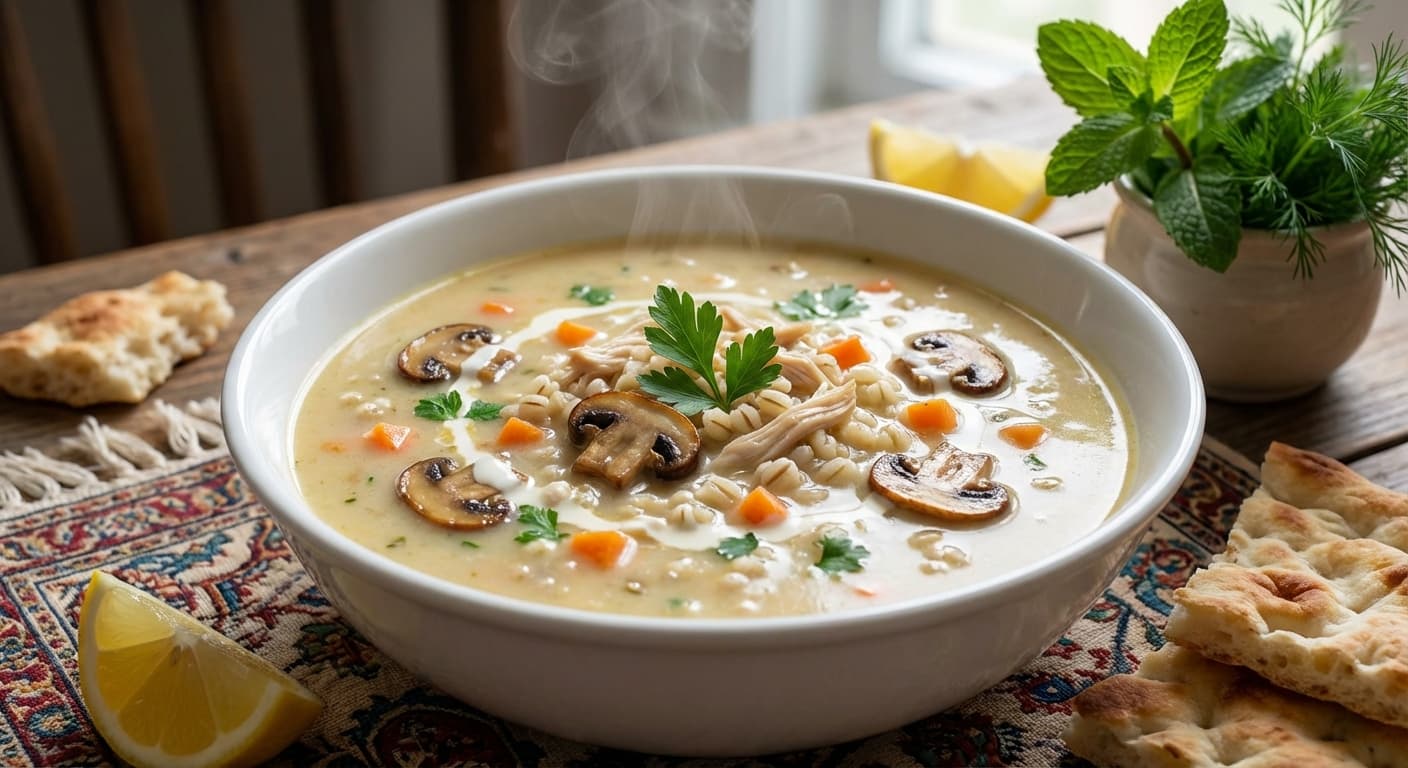
Soup-e Jo (سوپ جو) — Persian Creamy Barley Soup
Persian · Soups · 90 min
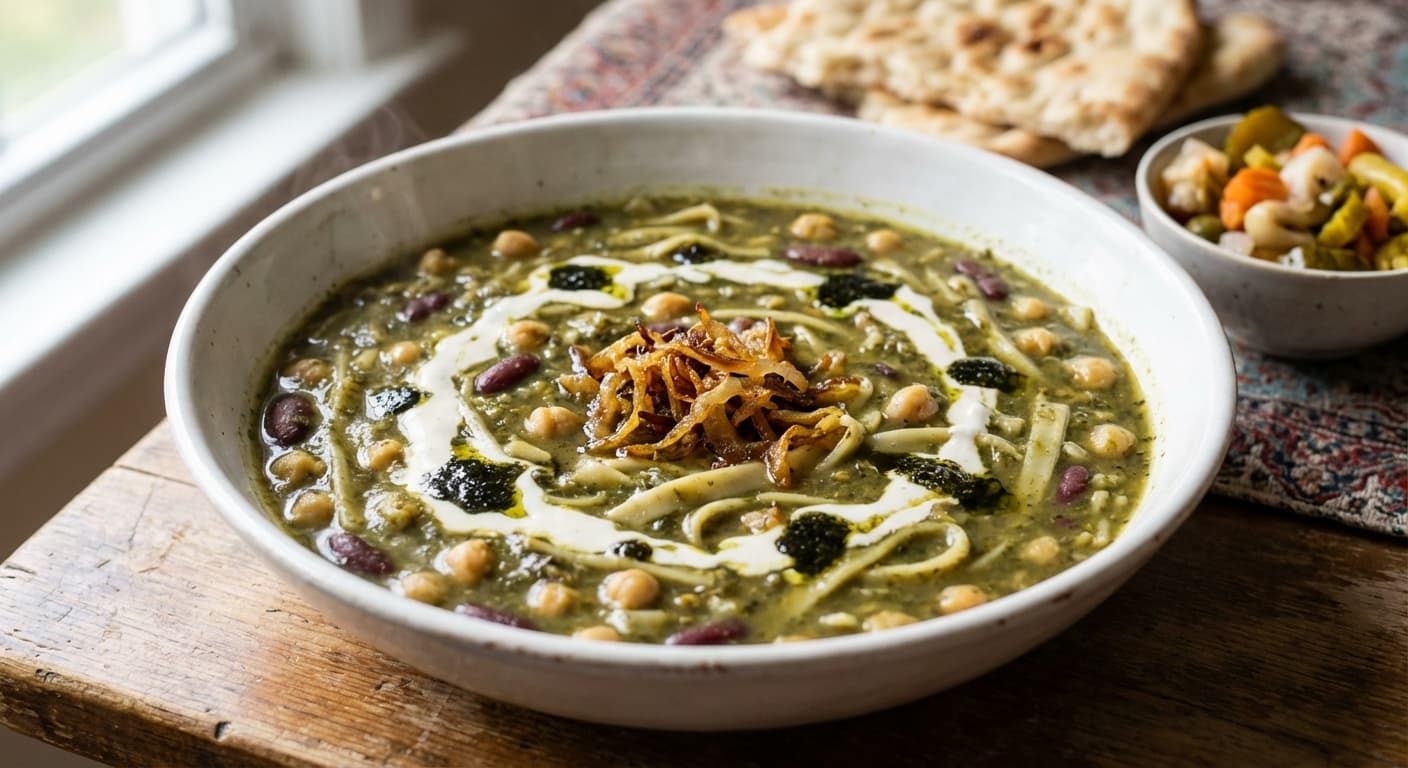
Ash Reshteh (آش رشته) — Persian Herb, Bean, and Noodle Soup
Persian · Soups · 145 min
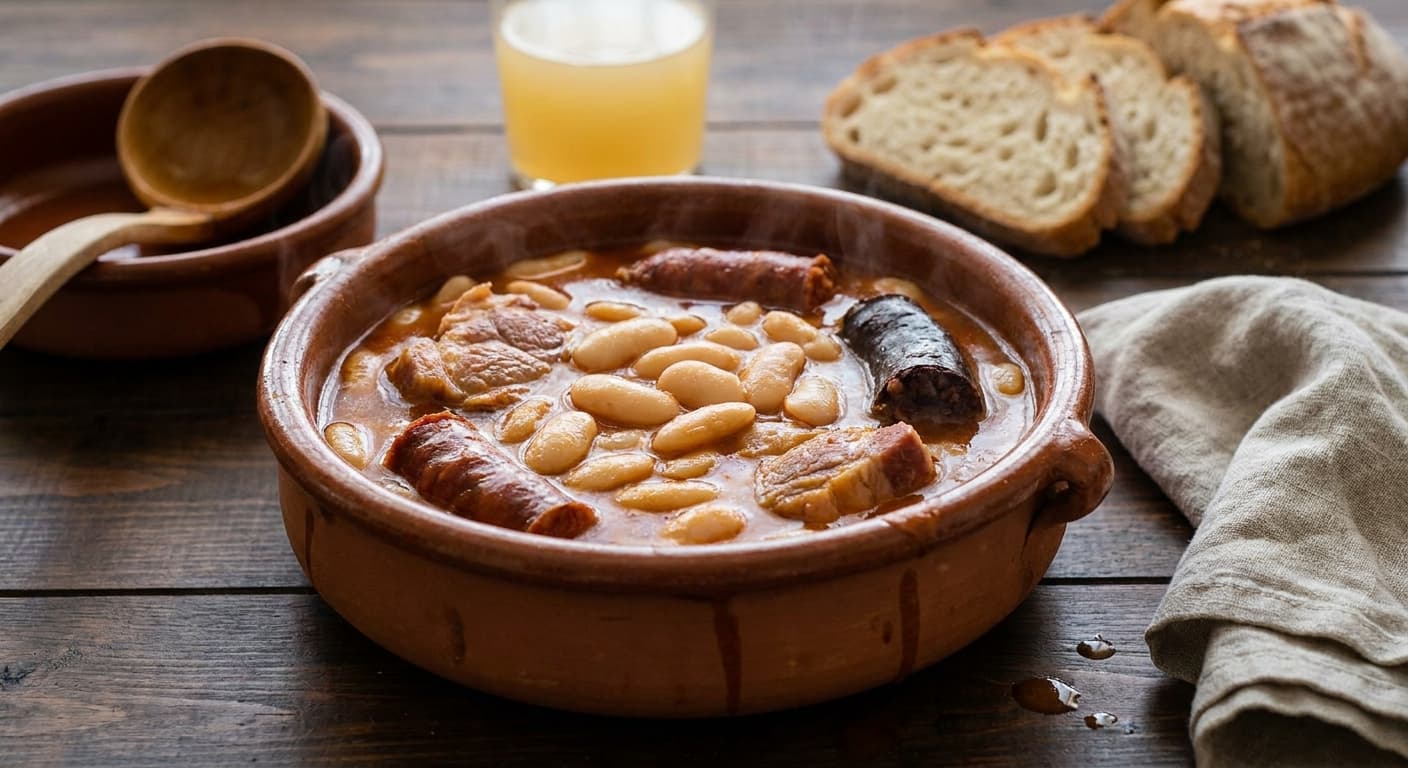
Asturian Bean Stew (Fabada Asturiana) — Smoky Spanish Bean and Pork Stew
Spanish · Stews · 210 min
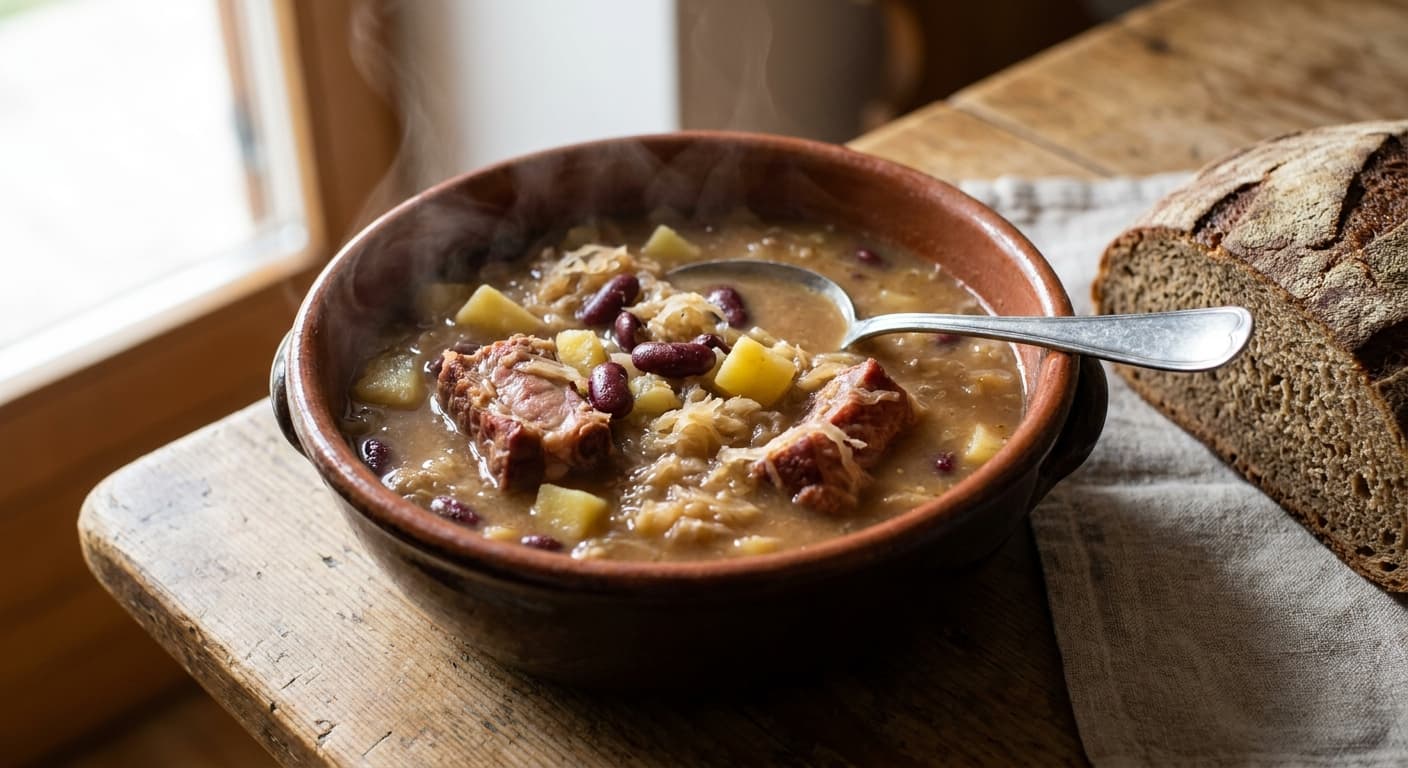
Slovenian Jota (Jota) — Sauerkraut, Bean, and Smoked Pork Stew
Slovenian · Stews · 150 min
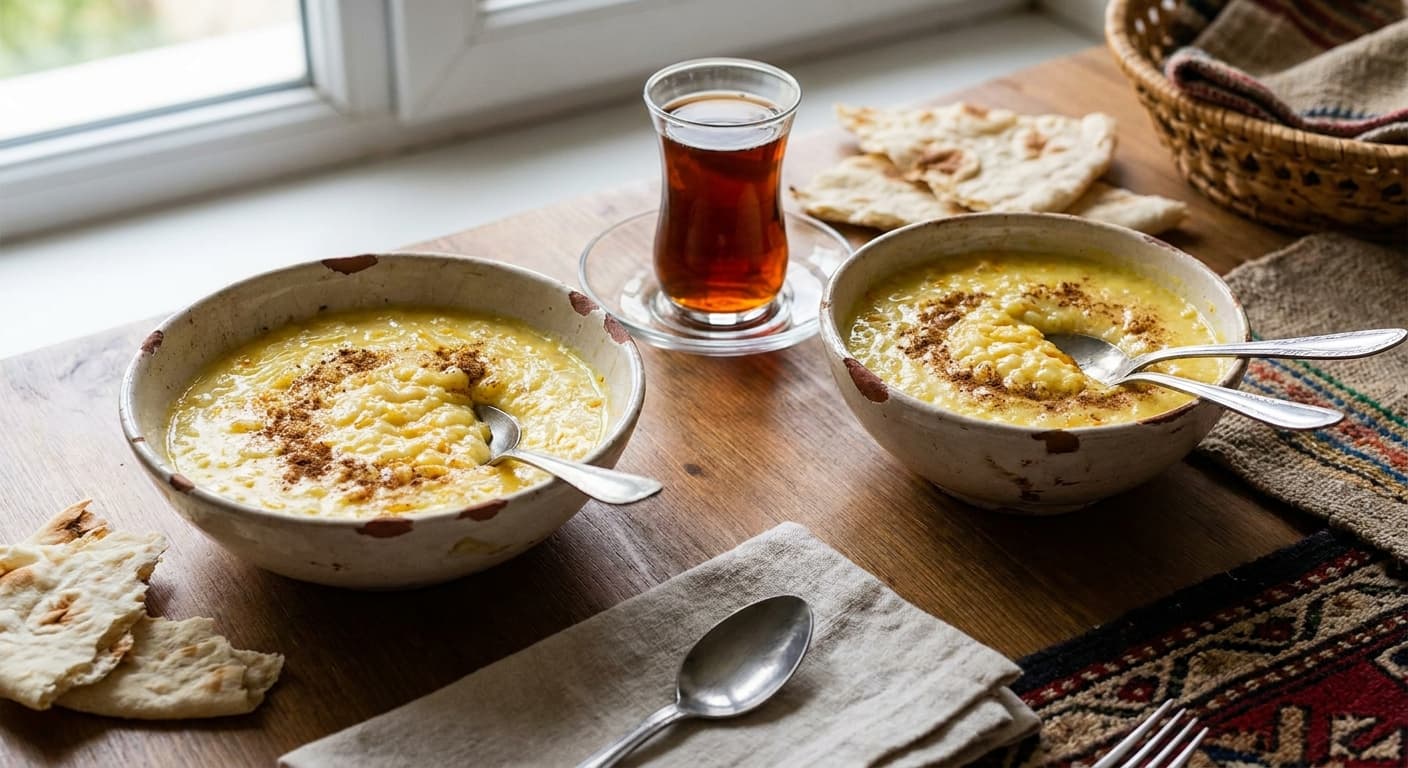
Azerbaijani Milk-Rice Porridge (Südlü Sıyıq) — Creamy Breakfast Rice with Saffron
Azerbaijani · Rice Dishes · 50 min
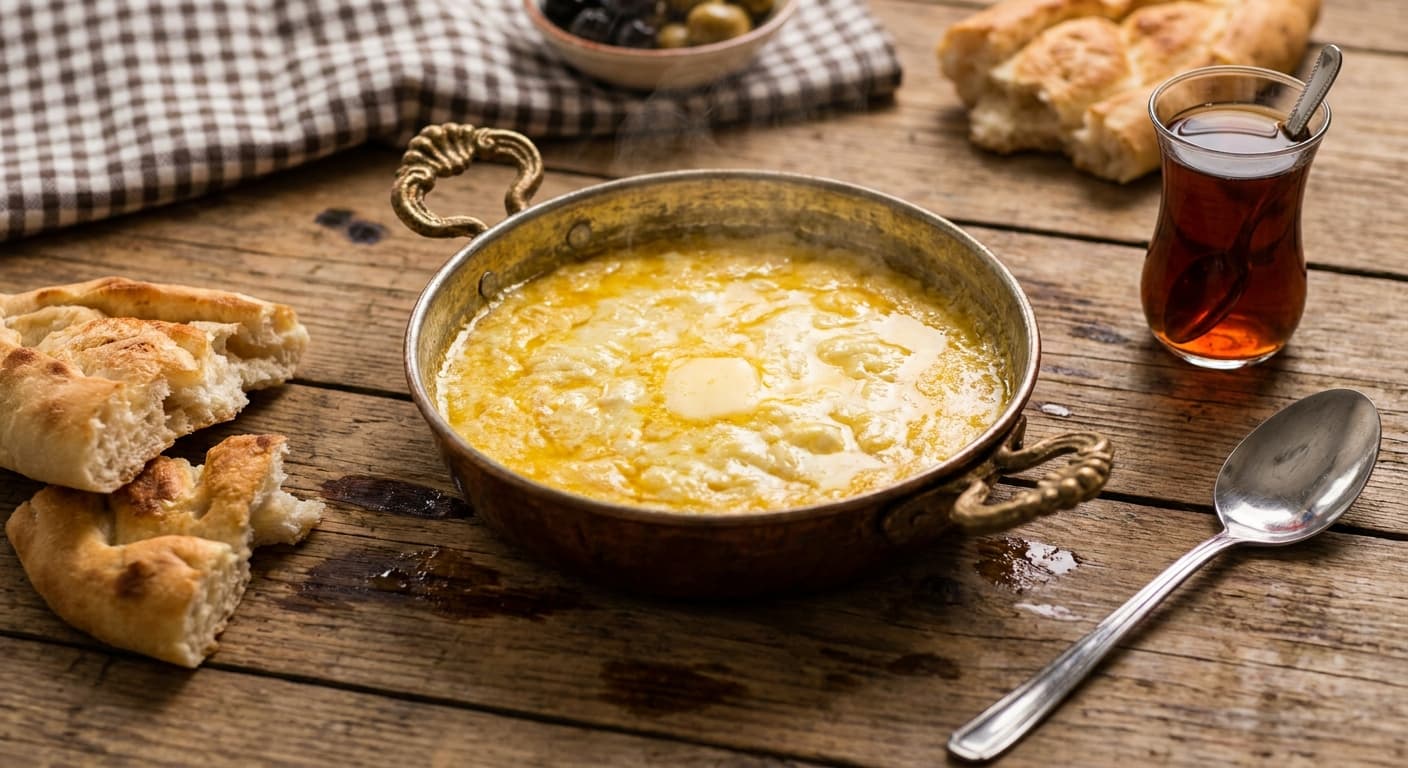
Mıhlama (Mıhlama) — Black Sea Cornmeal and Cheese Skillet
Turkish · Main Courses · 25 min
Ran-e Ghalebi (ران قلابی) — Persian-Style Stuffed Braised Chicken Legs
Persian · Main Courses · 875 min
Reviews
Cooked this recipe?
Tap the stars to rate it — that's all it takes. A few words are welcome but optional.
No ratings yet. Cooked this one? Be the first to rate it — it takes one tap.