Rhubarb Stew with Lamb (خورش ریواس)
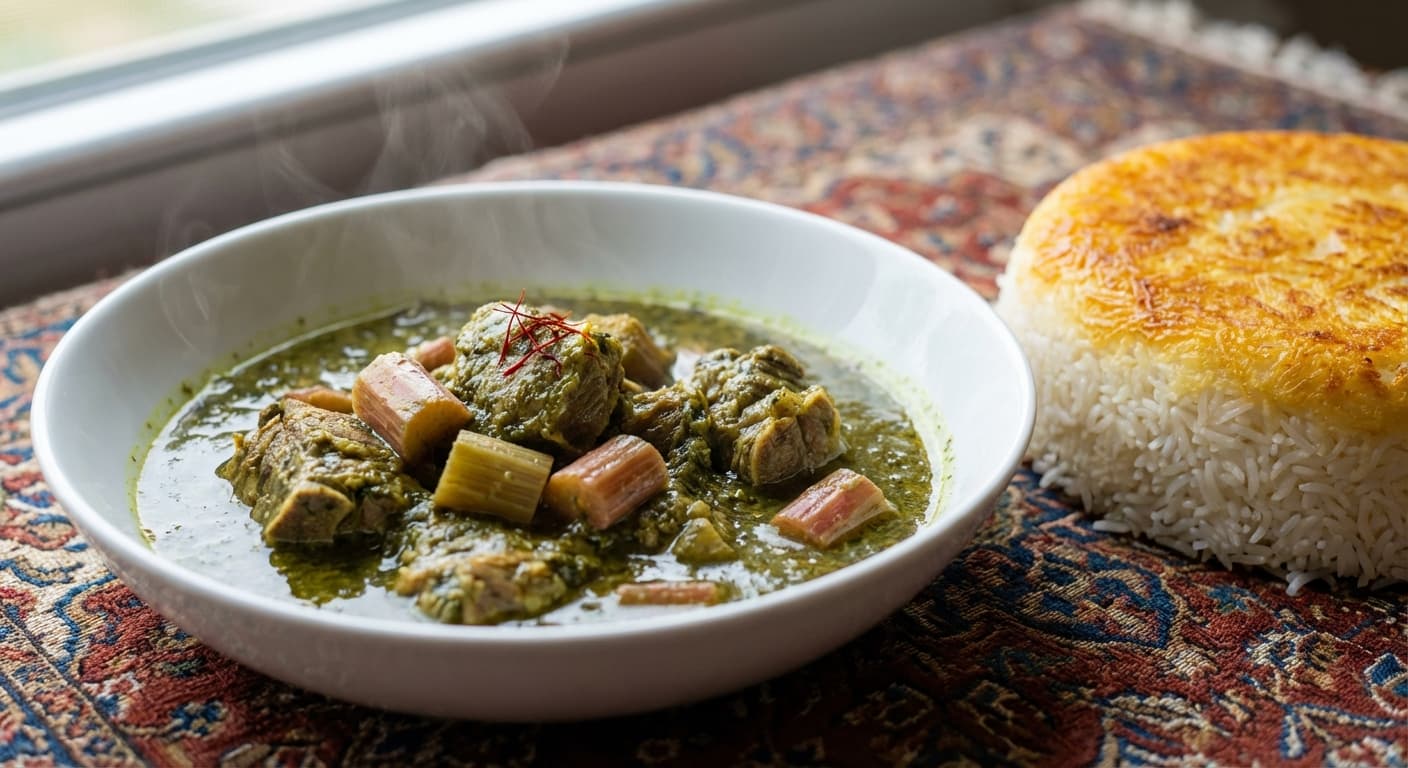
Khoresh-e Rivas is a springtime Persian stew where tender lamb simmers with herbs and gently cooked rhubarb for a bright, tangy finish. Balanced with saffron and lemon, it’s traditionally served over fluffy chelow rice.
Printable Recipe Card
Servings: 6 · Total: 160 min · Difficulty: medium
Ingredients (quick list)
- 3 cups Basmati rice (for serving (optional but traditional))
- 2 tbsp Fine sea salt (for soaking rice water)
- 900 g Lamb shoulder (boneless, cut into 4 cm cubes)
- 300 g Yellow onion (finely diced)
- 3 tbsp Neutral oil (such as grapeseed or sunflower; also Herbs: 2 tbsp)
- 20 g Unsalted butter (for flavor and gloss; also Rhubarb: 15 g)
- 2 tsp Ground turmeric
- 1 tsp Ground black pepper
- 1200 ml Water (hot, plus more as needed)
- 3 each Dried limes (limoo amani) (pierced 6–8 times with a skewer)
- 2 tbsp Brewed saffron (from 1/2 tsp ground saffron bloomed in 3 tbsp hot water)
- 2 tbsp Fresh lemon juice (adjust to taste)
+ 4 more in the full ingredients section below.
Steps (summary)
- If serving with chelow, rinse 3 cups basmati rice in cool water 4–5 times until the water runs mostly clear. Soak it in plenty…
- Heat 3 tbsp neutral oil in a heavy pot over medium-high heat for 2 minutes. Add diced onion and sauté 8–10 minutes until golden…
- Pour in 1200 ml hot water, scraping the bottom to release browned bits. Add 3 pierced dried limes. Bring to a boil over high he…
- While the lamb simmers, fry the herbs. Heat 2 tbsp neutral oil in a skillet over medium heat. Add 150 g chopped parsley and coo…
- When the lamb is tender (a fork should slide in with light resistance), stir the fried herbs into the pot. Simmer uncovered for…
- Prepare the rhubarb close to serving so it keeps its shape. In a nonstick skillet, melt 15 g butter over medium heat. Add 450 g…
+ 2 more steps in the full instructions section below.
Cultural Background
Khoresh-e Rivas is a beloved seasonal khoresh in Iran, especially in spring when fresh rhubarb appears in markets. Its signature balance of herbs and tart rhubarb reflects the Persian preference for bright, sour notes in stews served alongside steamed rice.
Equipment
💡 Tips
- Add rhubarb at the very end; long simmering turns it into a purée and makes the stew overly sour.
- Pierce dried limes well and add early for depth; if bitterness develops, remove them after 45–60 minutes of simmering.
- Fry parsley longer than mint: parsley needs time to mellow, while mint should only kiss the oil briefly to stay fragrant.
⚠️ Common Mistakes
❌ Adding rhubarb at the beginning of cooking
💡 Why: Rhubarb breaks down quickly, turning the stew cloudy and overly sour while losing its attractive pieces.
✅ Fix: Sauté rhubarb briefly and add it only for the final 8–12 minutes on very low heat, stirring minimally.
❌ Over-frying mint with the parsley for many minutes
💡 Why: Mint scorches fast and becomes bitter, overpowering the stew’s fresh aroma.
✅ Fix: Fry parsley first for 6–8 minutes, then add mint for only 60–90 seconds before removing from heat.
❌ Boiling the stew hard throughout cooking
💡 Why: Rapid boiling toughens meat fibers, reduces too quickly, and can make dried limes taste bitter.
✅ Fix: Keep a gentle simmer with small bubbles; partially cover and add small amounts of hot water as needed.
🧊 How to Store
Refrigerate stew (without rice) in an airtight container for up to 3 days. For best texture, store rhubarb pieces separately if possible and rewarm gently. Reheat on low heat with 60–120 ml water, avoiding vigorous boiling. Freeze the lamb-and-herb base up to 2 months; add fresh rhubarb after thawing.
📅 Make Ahead
Cook the lamb-and-onion base and simmer with dried limes up to 1 day ahead; chill overnight for even better flavor. Reheat gently, fry and add herbs, then sauté and add rhubarb only right before serving to preserve its shape and color.
🍽️ Pairs Well With
- Serve over chelow (steamed basmati rice) with torshi
- fresh herbs (sabzi khordan)
- and a side of mast-o-khiar. A few saffron threads and a squeeze of lemon at the table brighten the stew.
Regional Variations
- Tehran & Central IranOften uses a heavier herb base (more parsley and mint) and includes limoo amani for deeper sourness; rhubarb is kept in larger pieces for a clean presentation.
- Kermanshah (Western Iran)Commonly made richer with more lamb fat and sometimes a touch more turmeric; the stew may be slightly thicker, and sourness is often balanced with a bit more sugar to suit local tastes.
Ingredients
- 3 cupsBasmati rice (for serving (optional but traditional))
- 2 tbspFine sea salt (for soaking rice water)
- 900 gLamb shoulder (boneless, cut into 4 cm cubes)
- 300 gYellow onion (finely diced)
- 3 tbspNeutral oil (such as grapeseed or sunflower; also Herbs: 2 tbsp)
- 20 gUnsalted butter (for flavor and gloss; also Rhubarb: 15 g)
- 2 tspGround turmeric
- 1 tspGround black pepper
- 1200 mlWater (hot, plus more as needed)
- 3 eachDried limes (limoo amani) (pierced 6–8 times with a skewer)
- 2 tbspBrewed saffron (from 1/2 tsp ground saffron bloomed in 3 tbsp hot water)
- 2 tbspFresh lemon juice (adjust to taste)
- 2 tspGranulated sugar (optional, balances sharp rhubarb)
- 150 gFresh parsley (finely chopped)
- 30 gFresh mint leaves (finely chopped)
- 450 gRhubarb stalks (trimmed, peeled if stringy, cut into 5 cm pieces)
🔄 Substitutions
- Lamb shoulder→ Beef chuck
- Dried limes (limoo amani)→ Lime zest (1 tsp) + lime juice (3 tbsp)
- Fresh mint leaves→ Dried mint
Instructions
- 1
If serving with chelow, rinse 3 cups basmati rice in cool water 4–5 times until the water runs mostly clear. Soak it in plenty of water with 2 tbsp fine sea salt for 30 minutes at room temperature. Meanwhile, prep the stew ingredients: dice the onion, chop parsley and mint finely, and cut lamb into 4 cm cubes.
- 2
Heat 3 tbsp neutral oil in a heavy pot over medium-high heat for 2 minutes. Add diced onion and sauté 8–10 minutes until golden at the edges. Stir in 2 tsp turmeric and 1 tsp black pepper for 30 seconds to bloom the spices, then add lamb and sear 6–8 minutes, turning, until most sides lose their raw color.
- 3
Pour in 1200 ml hot water, scraping the bottom to release browned bits. Add 3 pierced dried limes. Bring to a boil over high heat, then reduce to a gentle simmer, cover, and cook 75–90 minutes, stirring every 20 minutes. Keep the heat low enough for small bubbles; add 100–200 ml water if the level drops below the meat.
- 4
While the lamb simmers, fry the herbs. Heat 2 tbsp neutral oil in a skillet over medium heat. Add 150 g chopped parsley and cook 6–8 minutes, stirring often, until darker green and aromatic. Add 30 g chopped mint and cook 60–90 seconds more (mint burns quickly). Transfer herbs to a bowl to stop cooking.
- 5
When the lamb is tender (a fork should slide in with light resistance), stir the fried herbs into the pot. Simmer uncovered for 15 minutes to deepen the herb flavor and slightly reduce the broth. Stir in 2 tbsp brewed saffron, 2 tbsp lemon juice, and 2 tsp sugar (if using). Taste and adjust salt and sourness now.
- 6
Prepare the rhubarb close to serving so it keeps its shape. In a nonstick skillet, melt 15 g butter over medium heat. Add 450 g rhubarb pieces in a single layer and sauté 2–3 minutes total, gently turning once, just until the surface softens slightly but the pieces remain intact. Remove immediately to a plate.
- 7
Add the sautéed rhubarb to the stew and simmer on very low heat, uncovered, for 8–12 minutes. Stir only once or twice with a wide spoon to avoid breaking the rhubarb. The stew should be lightly thickened, with bright tang and visible rhubarb pieces. Turn off heat and rest, covered, for 10 minutes before serving.
- 8
To serve traditionally, cook the soaked rice while the stew finishes: boil a large pot of water, add drained rice, and parboil 6–8 minutes until the grains are soft on the outside but firm in the center. Drain, steam 35–45 minutes with a lid wrapped in a towel, then plate rice and ladle khoresh-e rivas on top.
🪪 Recipe Passport
Cultural Background
Khoresh-e Rivas is a beloved seasonal khoresh in Iran, especially in spring when fresh rhubarb appears in markets. Its signature balance of herbs and tart rhubarb reflects the Persian preference for bright, sour notes in stews served alongside steamed rice.
Regional Variations
Researched from multiple sources and validated by the Zaffaron editorial team. Every recipe is tested for accuracy, measurements, and cultural authenticity.
Nutrition per serving
Pairs well with
If you enjoyed this recipe, here are a few related Zaffaron recipes to try next.
Does your family make this differently?
Every family has their own version. Maybe your grandmother adds a secret ingredient, or your aunt has a completely different technique. Preserve your family's version — with their name on it, forever.
You Might Also Like
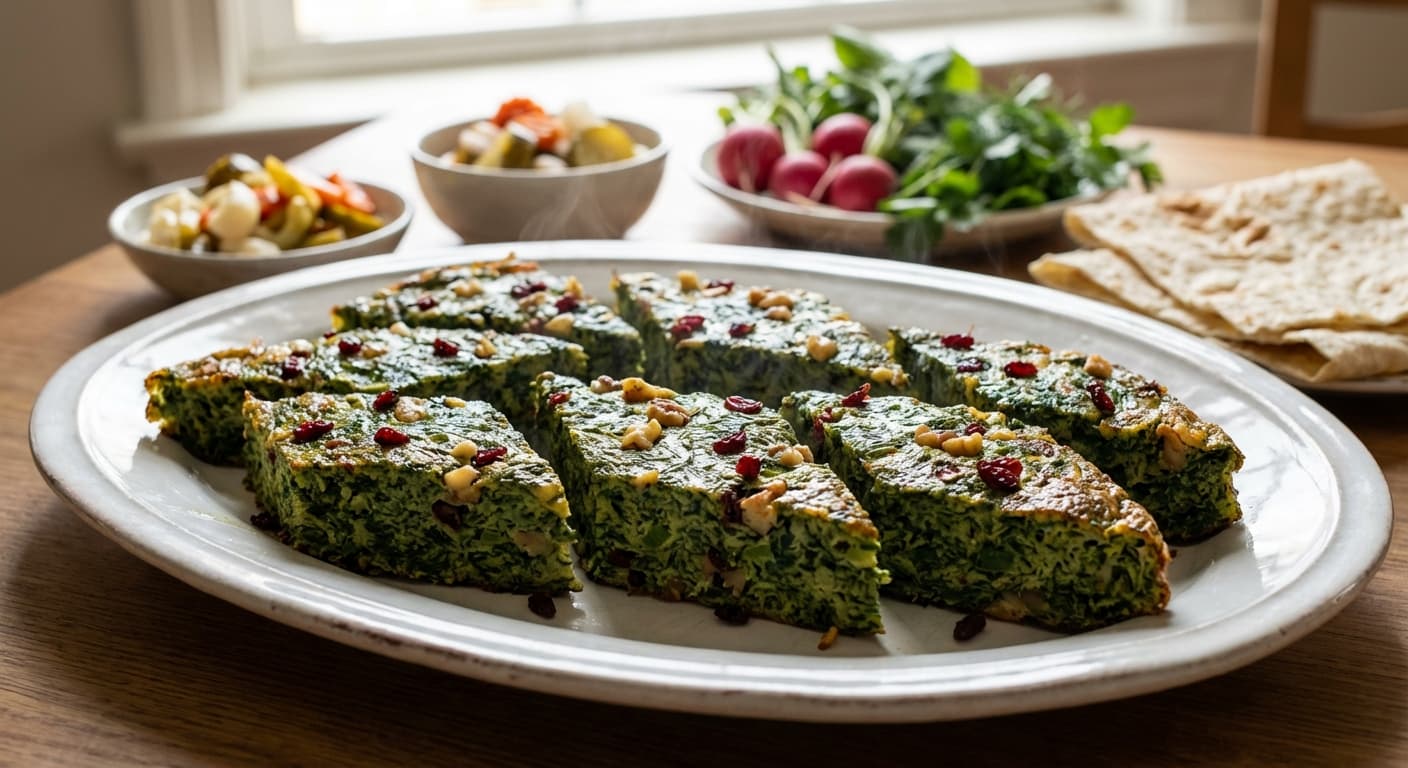
Kuku Sabzi (کوکو سبزی) — Emerald Persian Herb Frittata
Persian · Main Courses · 38 min
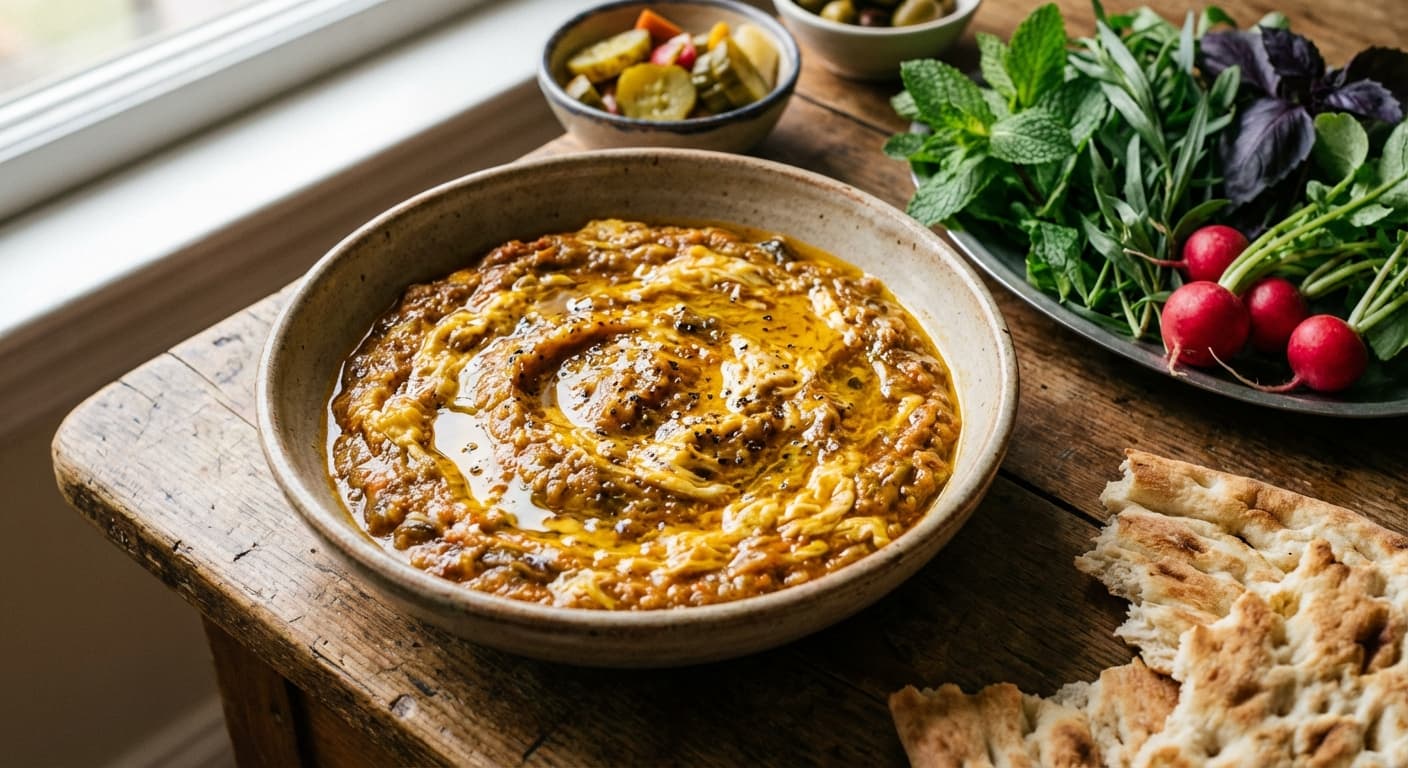
Smoked Silk Mirza Ghasemi (میرزا قاسمی) — Silky smoked eggplant with tomato, garlic, and eggs
Persian · Appetizers · 60 min
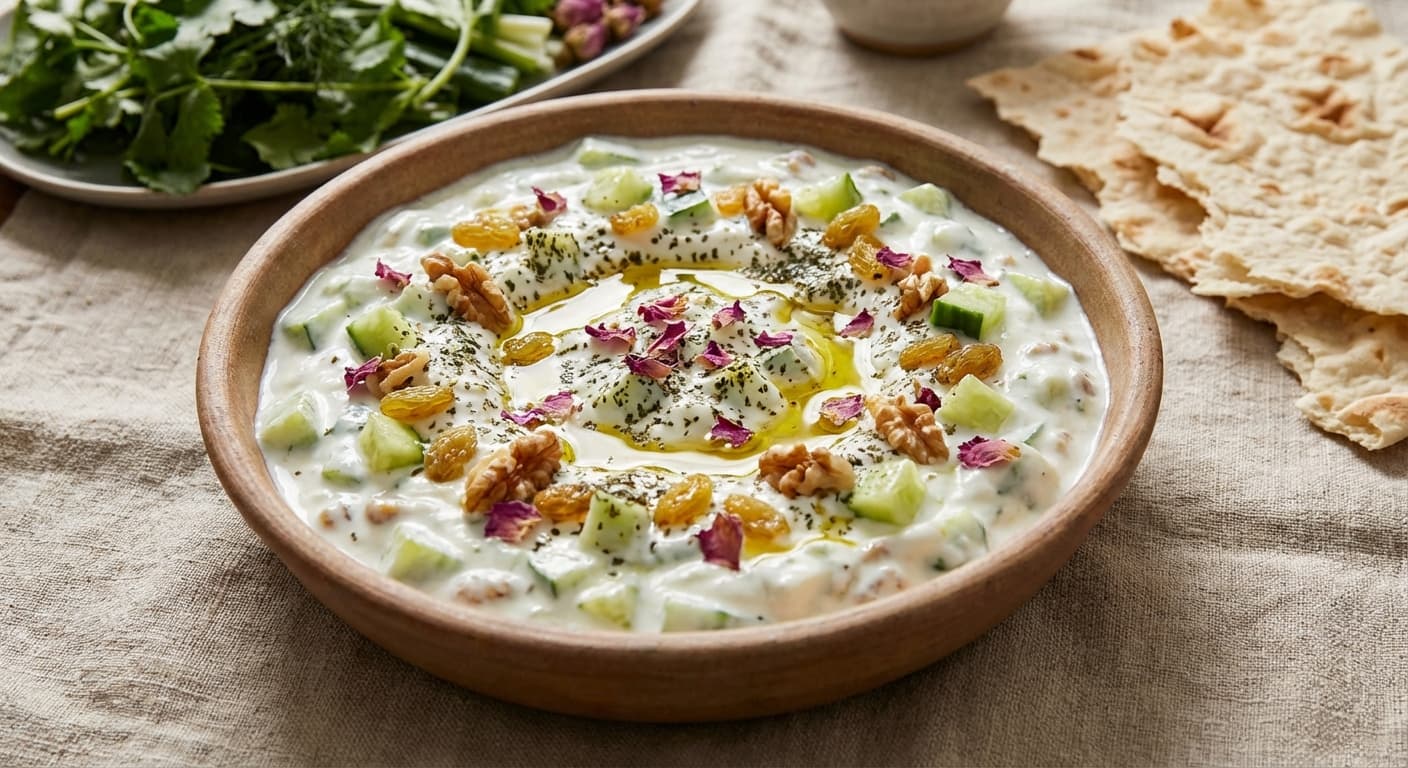
Mast-o-Khiar (ماست و خیار) — Persian Cucumber and Herb Yogurt Dip
Persian · Side Dishes · 25 min
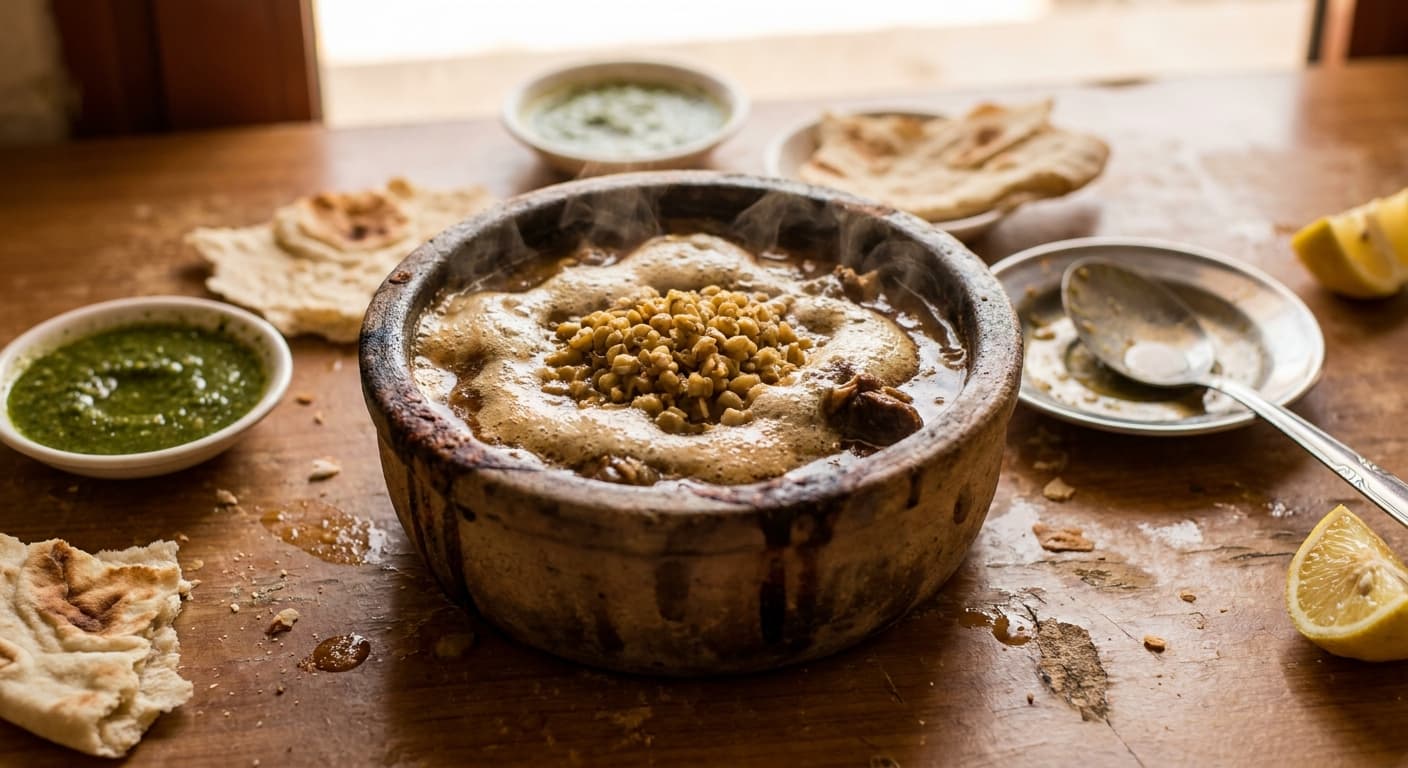
Yemeni Saltah (سلتة) — Bubbling Fenugreek Lamb Stew
Yemeni · Stews · 130 min
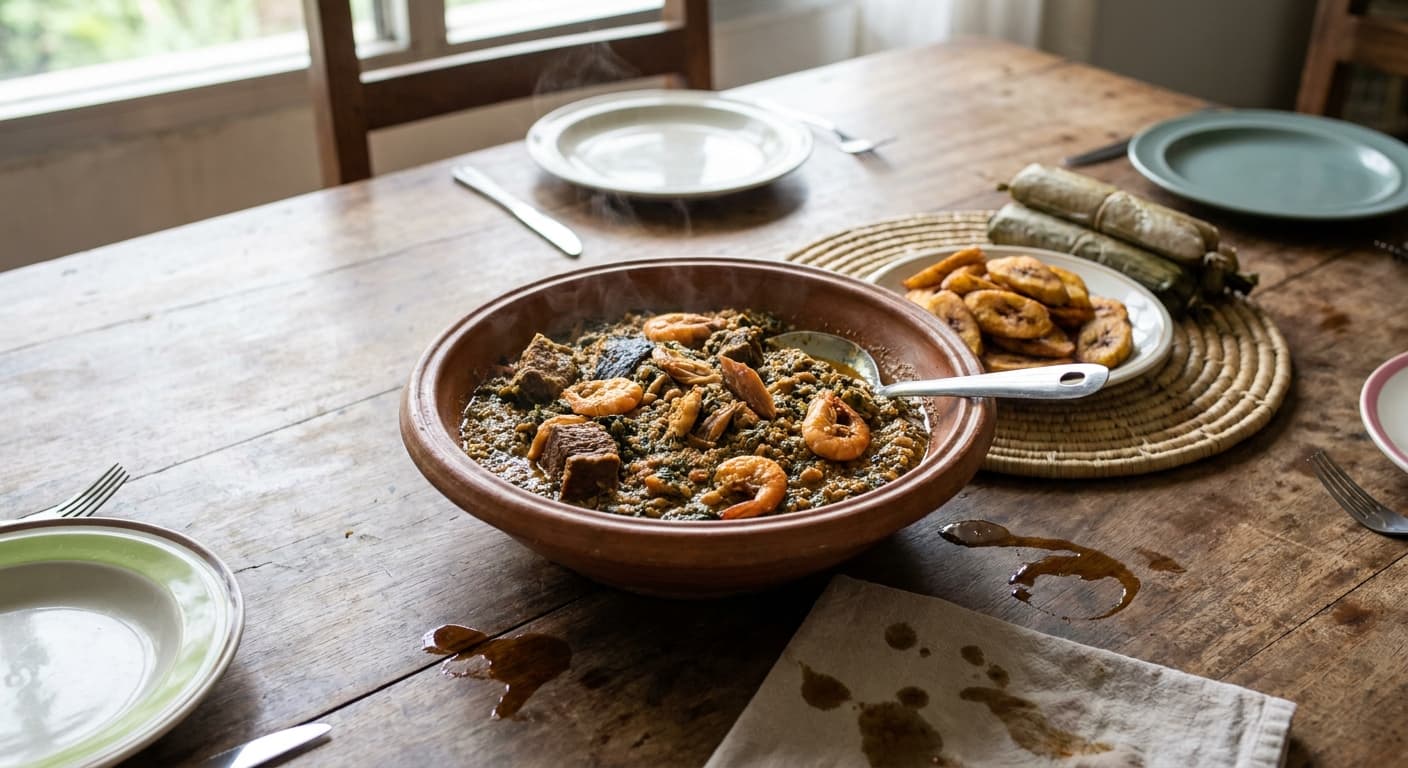
Cameroonian Ndolé (Ndolé) — Bitterleaf Peanut Stew with Beef and Seafood
West african · Stews · 140 min
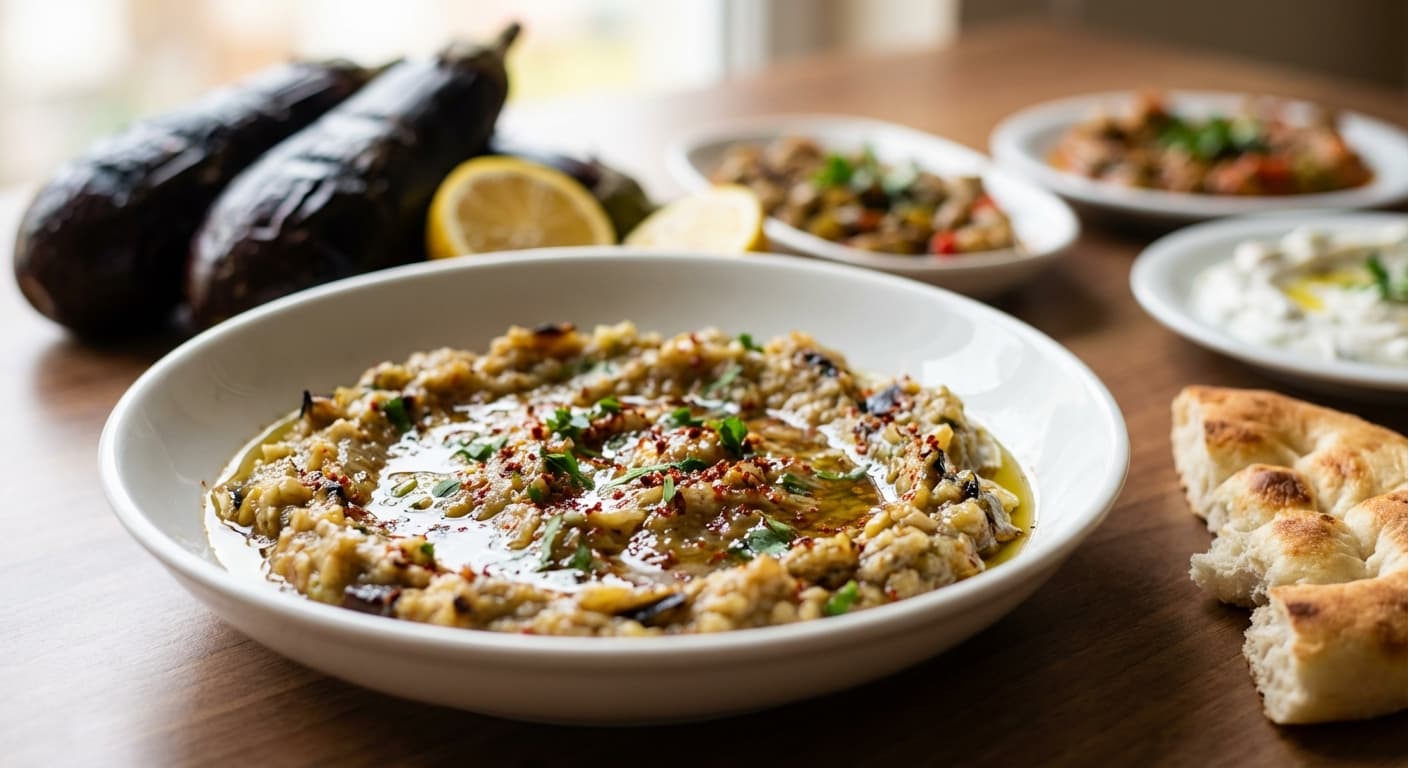
Smoky Eggplant Salad (Patlıcan Salatası) — Turkish charred eggplant with garlic and olive oil
Turkish · Salads · 40 min
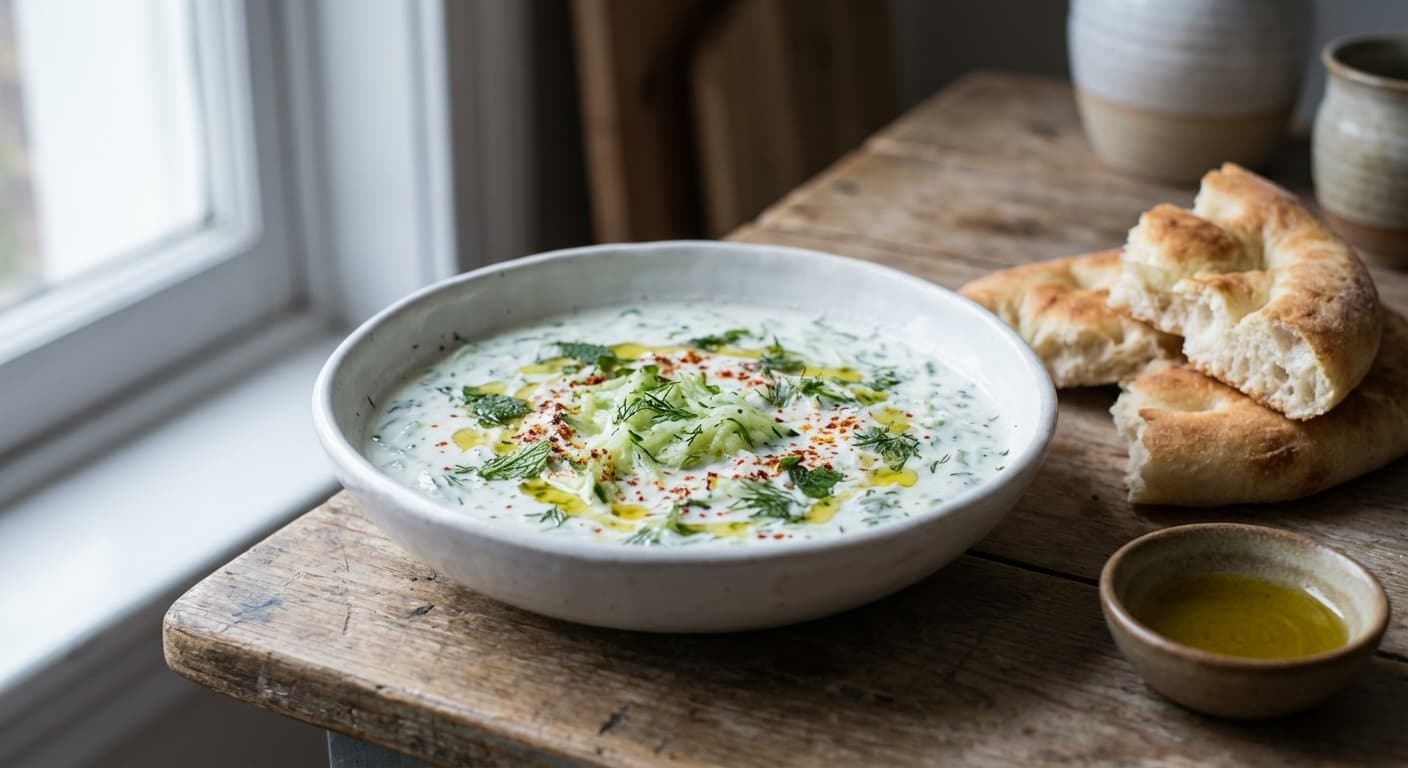
Cacık (Yoğurtlu Salatalık Mezesi) — Chilled Turkish Yogurt, Cucumber & Mint Dip
Turkish · Appetizers · 15 min
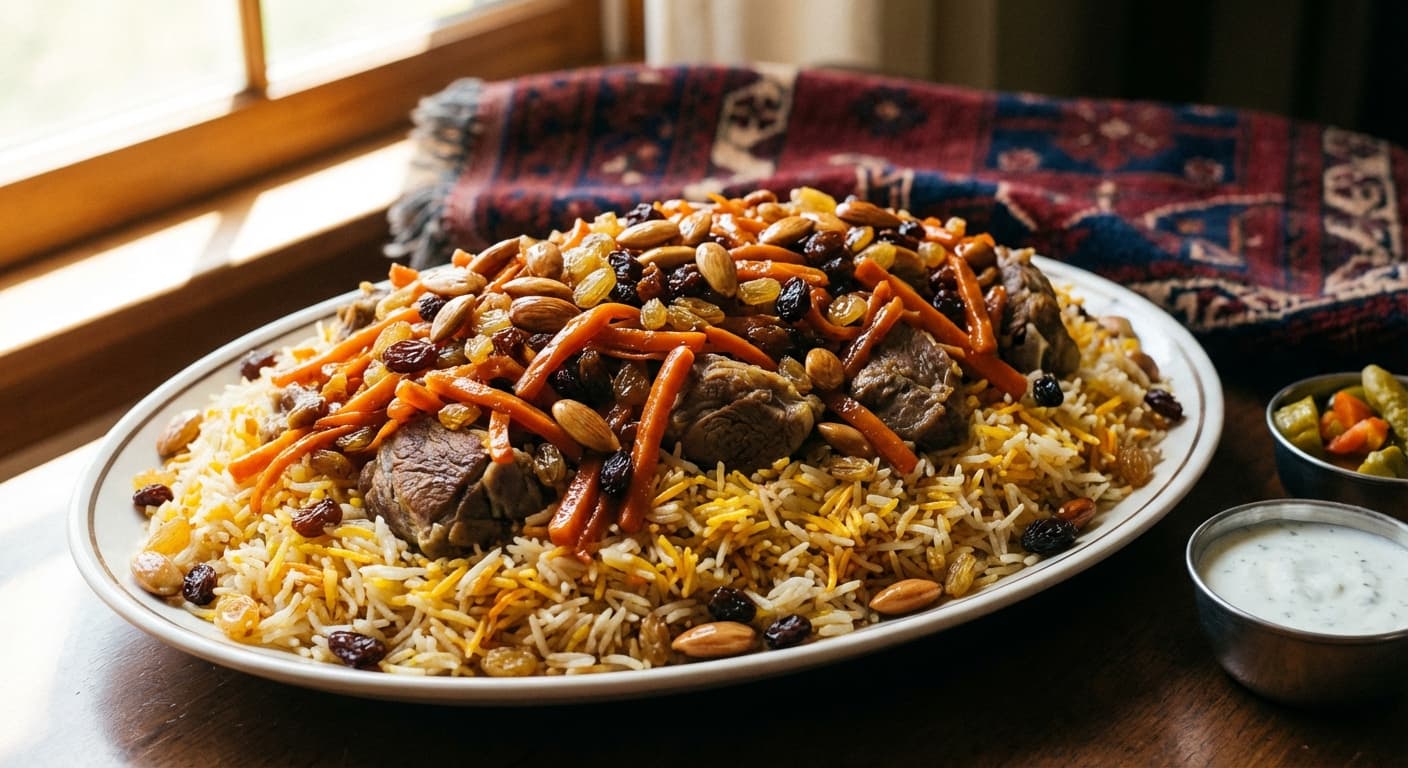
Kabuli Pulao (قابلی پلو) — Afghan Aromatic Lamb Rice with Carrots and Raisins
Afghan · Rice Dishes · 130 min
Reviews
Cooked this recipe?
Tap the stars to rate it — that's all it takes. A few words are welcome but optional.
No ratings yet. Cooked this one? Be the first to rate it — it takes one tap.