Kuku Sibzamini (کوکو سیبزمینی) — Crispy Persian Potato Cakes
Kuku Sibzamini is a classic Persian home-style potato cake, scented with turmeric and fried until deeply golden. It’s often served as a quick family meal or snack, tucked into bread with herbs and pickles.
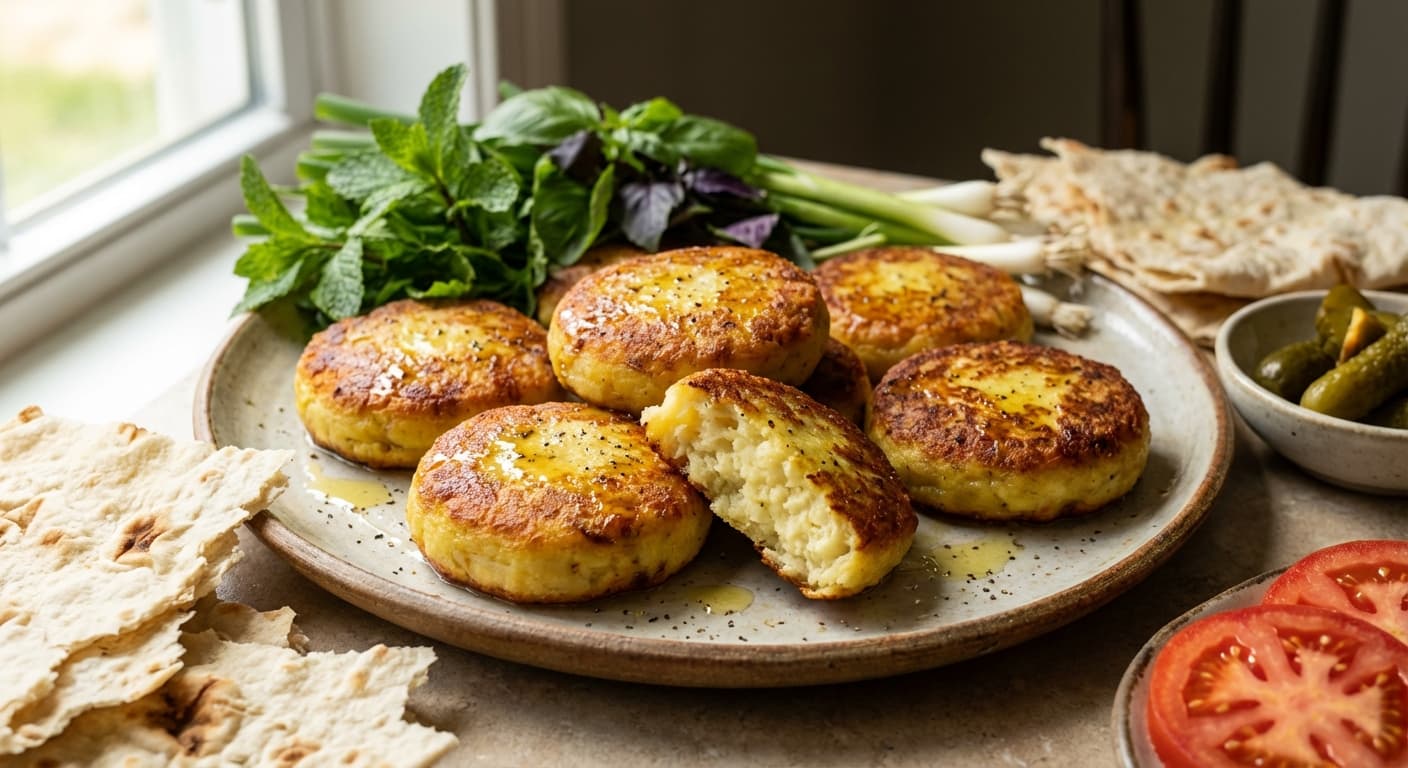
Printable Recipe Card
Servings: 4 · Total: 45 min · Difficulty: easy
Ingredients (quick list)
- 700 g Yukon Gold potatoes, peeled (Cut into 3 cm chunks for even boiling.)
- 120 g Yellow onion, grated (Squeeze firmly to remove excess juice.)
- 3 Eggs (Large eggs, about 50 g each without shell.)
- 20 g All-purpose flour (Helps the cakes hold and crisp.)
- 4 g Baking powder (About 1 tsp.)
- 2 g Ground turmeric (About 1 tsp.)
- 6 g Fine salt (About 1 tsp.)
- 1 g Ground black pepper (About 1/2 tsp.)
- 90 ml Neutral frying oil (sunflower or canola) (Use 60 ml initially, then add as needed.)
Steps (summary)
- Boil the potatoes in a pot of water until fully tender, 12–15 minutes after the water comes to a steady simmer. Drain well, the…
- Mash the hot potatoes until smooth, then spread them in a wide bowl and let them cool for 8–10 minutes. Cooling is important be…
- Grate the onion and squeeze it hard in your hands (or in a clean towel) until it is mostly dry. Add the drained onion to the po…
- Add flour, baking powder, turmeric, salt, and black pepper, then mix thoroughly for 30–45 seconds. The mixture should be thick…
- Heat 60 ml oil in a 28–30 cm nonstick or well-seasoned skillet over medium heat until shimmering, about 175°C if using a thermo…
- Fry for 4–5 minutes on the first side until deeply golden and crisp, adjusting heat so the oil bubbles steadily but does not sm…
+ 1 more steps in the full instructions section below.
Cultural Background
Kuku dishes are a cornerstone of Persian home cooking, valued for turning simple pantry ingredients into satisfying meals. Kuku Sibzamini is especially popular for quick dinners, picnics, and lunchboxes because it tastes great warm or room temperature.
Equipment
💡 Tips
- Squeeze the grated onion until nearly dry; excess onion juice is the main cause of kuku that falls apart.
- For an extra-crisp crust, keep patties at 1.5 cm thickness and fry at a steady medium heat so the exterior browns before the oil soaks in.
- If your potatoes seem watery after boiling, mash and return them to the warm pot for 1–2 minutes, stirring, to drive off moisture before adding eggs.
⚠️ Common Mistakes
❌ Patties break when flipping.
✅ Fix: Drain and squeeze the onion more, cool the potatoes before adding eggs, and rest the mixture 5 minutes to firm up.
❌ Kuku turns greasy and pale.
✅ Fix: Heat oil until shimmering before adding batter, keep the heat at medium, and avoid overcrowding so the temperature doesn’t drop.
❌ Center stays undercooked while the outside browns.
✅ Fix: Make patties 1.5 cm thick and lower heat slightly; extend frying 1–2 minutes per side if needed.
🧊 How to Store
Cool completely, then refrigerate in an airtight container for up to 3 days. Reheat on a skillet with 10 ml oil over medium heat for 2–3 minutes per side, or bake at 200°C for 8–10 minutes to restore crispness.
📅 Make Ahead
Boil and mash the potatoes up to 24 hours ahead and refrigerate, covered. Grate and squeeze the onion just before mixing, then fry the patties right before serving for the crispest crust.
🍽️ Pairs Well With
- Lavash
- sabzi khordan (fresh herbs)
- torshi
- yogurt
- tomato-cucumber salad.
Regional Variations
- Some families add 10 g dried mint for a more herbaceous aroma common in many Persian potato dishes.
- In some homes, the mixture is spread as one thick layer in the pan and cut into wedges, similar to a frittata-style kuku.
Ingredients
- 700 gYukon Gold potatoes, peeled (Cut into 3 cm chunks for even boiling.)
- 120 gYellow onion, grated (Squeeze firmly to remove excess juice.)
- 3Eggs (Large eggs, about 50 g each without shell.)
- 20 gAll-purpose flour (Helps the cakes hold and crisp.)
- 4 gBaking powder (About 1 tsp.)
- 2 gGround turmeric (About 1 tsp.)
- 6 gFine salt (About 1 tsp.)
- 1 gGround black pepper (About 1/2 tsp.)
- 90 mlNeutral frying oil (sunflower or canola) (Use 60 ml initially, then add as needed.)
🔄 Substitutions
- All-purpose flour→ Rice flour
- Neutral frying oil→ Light olive oil
- Yellow onion→ Shallot
Instructions
- 1
Boil the potatoes in a pot of water until fully tender, 12–15 minutes after the water comes to a steady simmer. Drain well, then return the potatoes to the hot pot for 60 seconds to steam off moisture so the kuku won’t turn soggy.
- 2
Mash the hot potatoes until smooth, then spread them in a wide bowl and let them cool for 8–10 minutes. Cooling is important because very hot potatoes can scramble the eggs and make the mixture gluey.
- 3
Grate the onion and squeeze it hard in your hands (or in a clean towel) until it is mostly dry. Add the drained onion to the potatoes, then mix in the eggs until the batter looks cohesive and thick.
- 4
Add flour, baking powder, turmeric, salt, and black pepper, then mix thoroughly for 30–45 seconds. The mixture should be thick enough to mound on a spoon; if it feels loose, rest it 5 minutes so the flour hydrates and tightens.
- 5
Heat 60 ml oil in a 28–30 cm nonstick or well-seasoned skillet over medium heat until shimmering, about 175°C if using a thermometer. Scoop the mixture into 8 patties (about 85–95 g each) and gently flatten to about 1.5 cm thick so the centers cook through.
- 6
Fry for 4–5 minutes on the first side until deeply golden and crisp, adjusting heat so the oil bubbles steadily but does not smoke. Flip carefully and fry 4–5 minutes more; add 15–30 ml oil if the pan looks dry to keep the crust evenly browned.
- 7
Transfer to a rack or paper-lined tray and rest for 3 minutes so the crust sets and stays crisp. Serve warm or at room temperature, as is traditional for Persian kuku dishes.
🪪 Recipe Passport
Cultural Background
Kuku dishes are a cornerstone of Persian home cooking, valued for turning simple pantry ingredients into satisfying meals. Kuku Sibzamini is especially popular for quick dinners, picnics, and lunchboxes because it tastes great warm or room temperature.
Regional Variations
Researched from multiple sources and validated by the Zaffaron editorial team. Every recipe is tested for accuracy, measurements, and cultural authenticity.
Nutrition per serving
Pairs well with
If you enjoyed this recipe, here are a few related Zaffaron recipes to try next.
Does your family make this differently?
Every family has their own version. Maybe your grandmother adds a secret ingredient, or your aunt has a completely different technique. Preserve your family's version — with their name on it, forever.
You Might Also Like
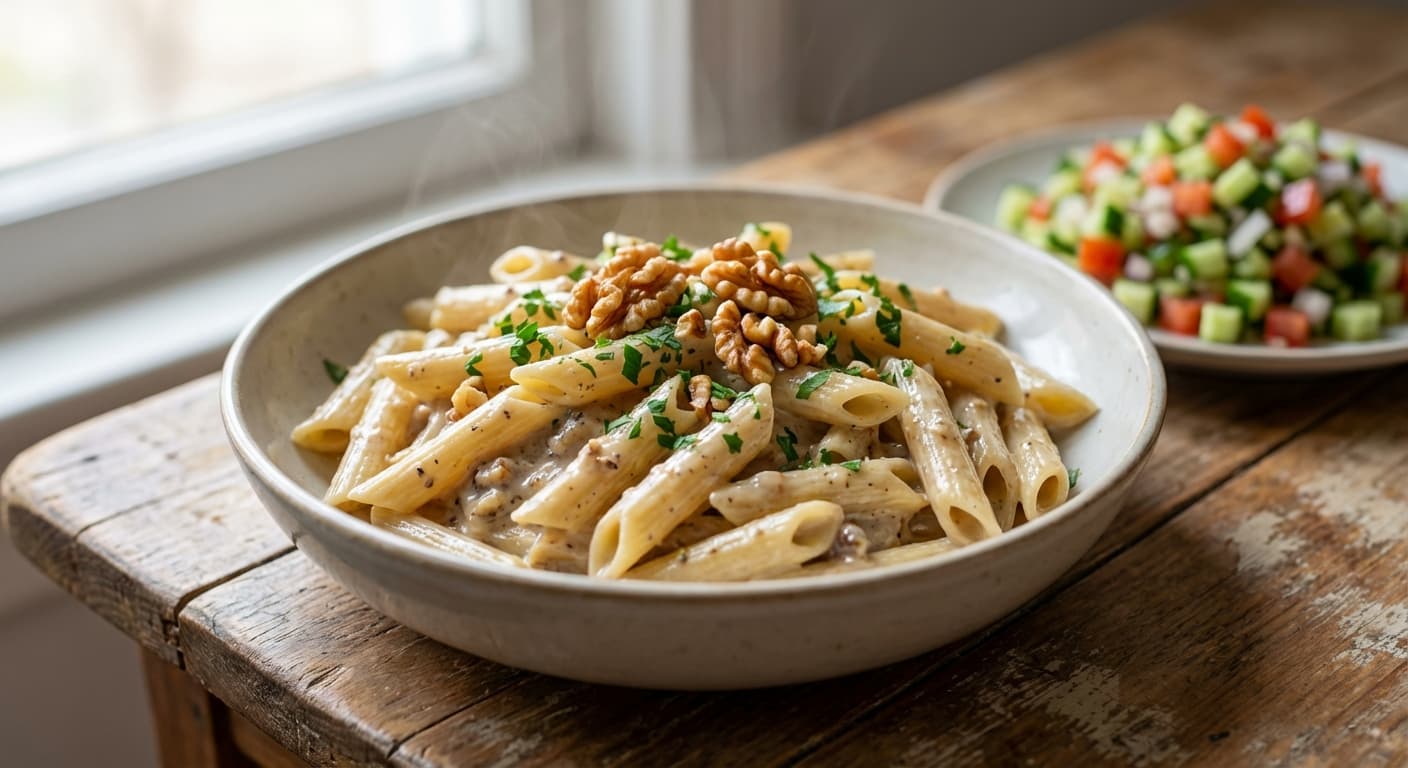
Pasta with Walnut Sauce (پاستا با سس گردو) — Creamy Persian Walnut-Yogurt Pasta
Persian · Main Courses · 35 min
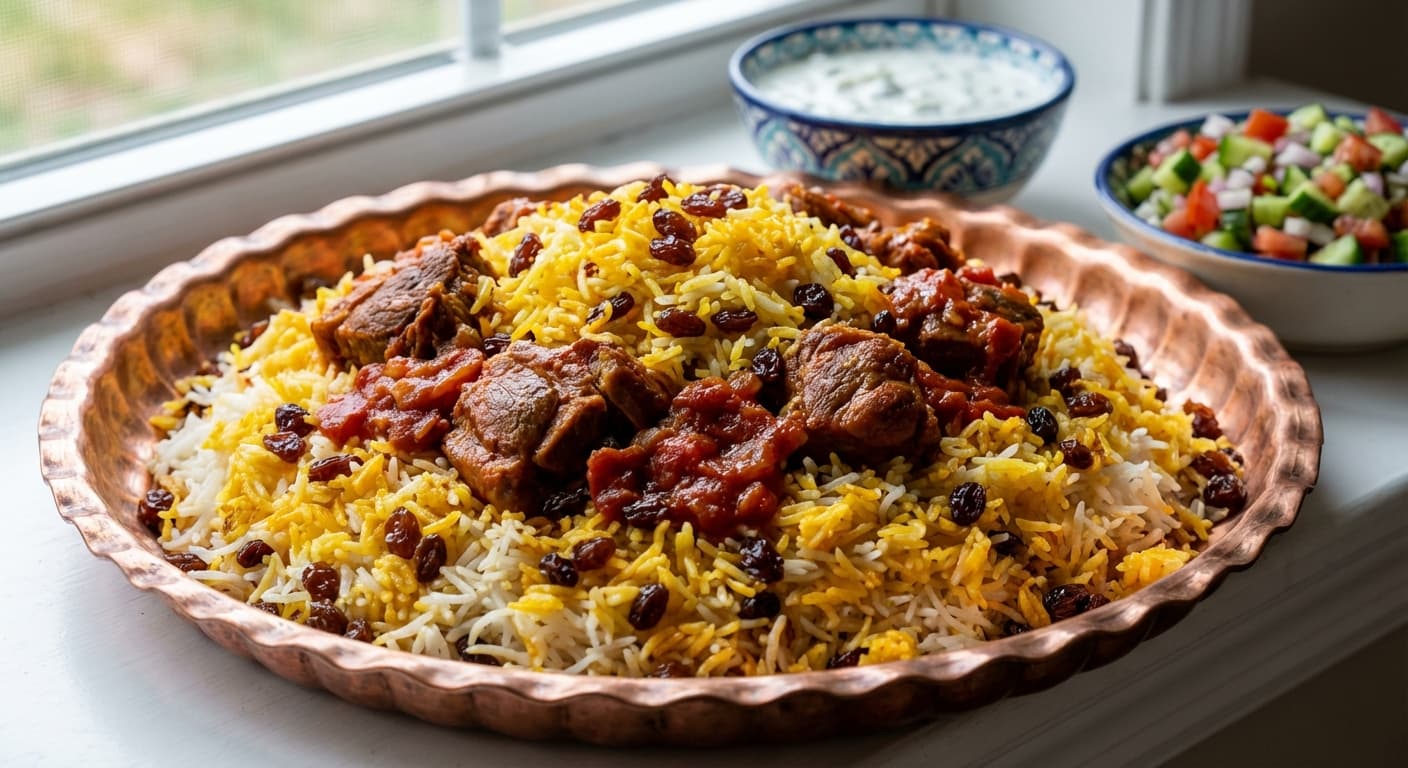
Kashmish Polow (کشمش پلو) — Persian Raisin Rice with Slow-Cooked Lamb
Persian · Rice Dishes · 155 min
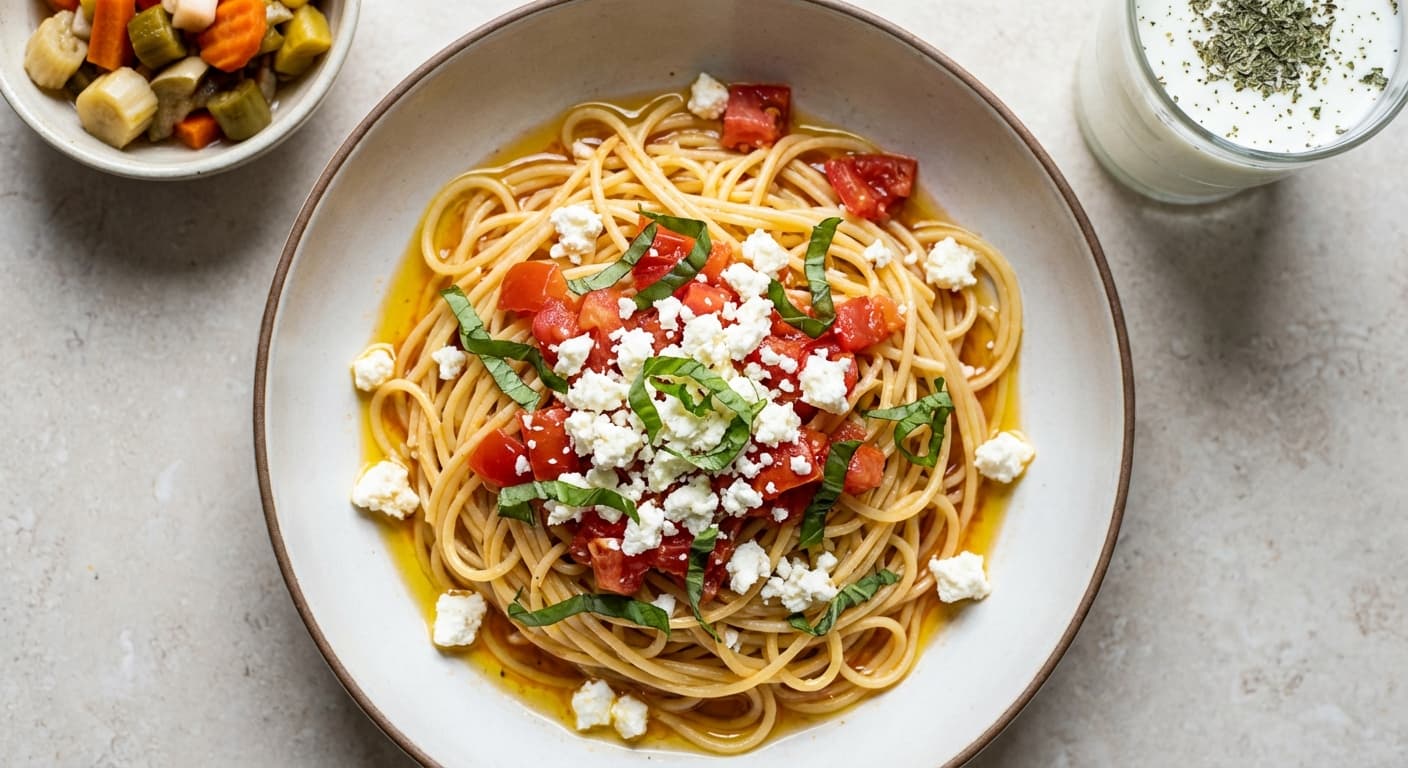
Pastay Paniri (پاستای پنیری) — Persian-Style Cheesy Pasta with Fresh Tomatoes
Persian · Main Courses · 27 min
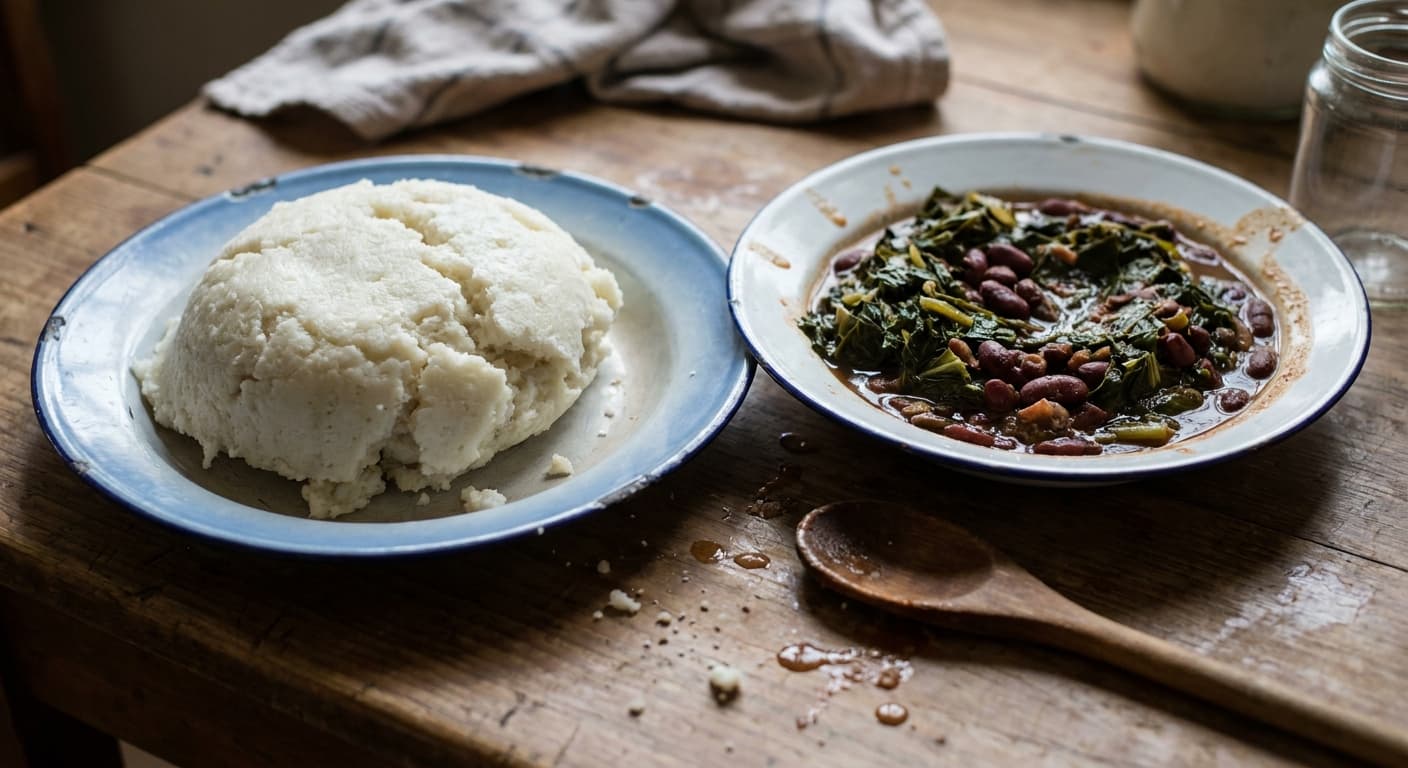
Tanzanian Ugali (Ugali) — Firm Cornmeal Porridge
Tanzanian · Side Dishes · 23 min
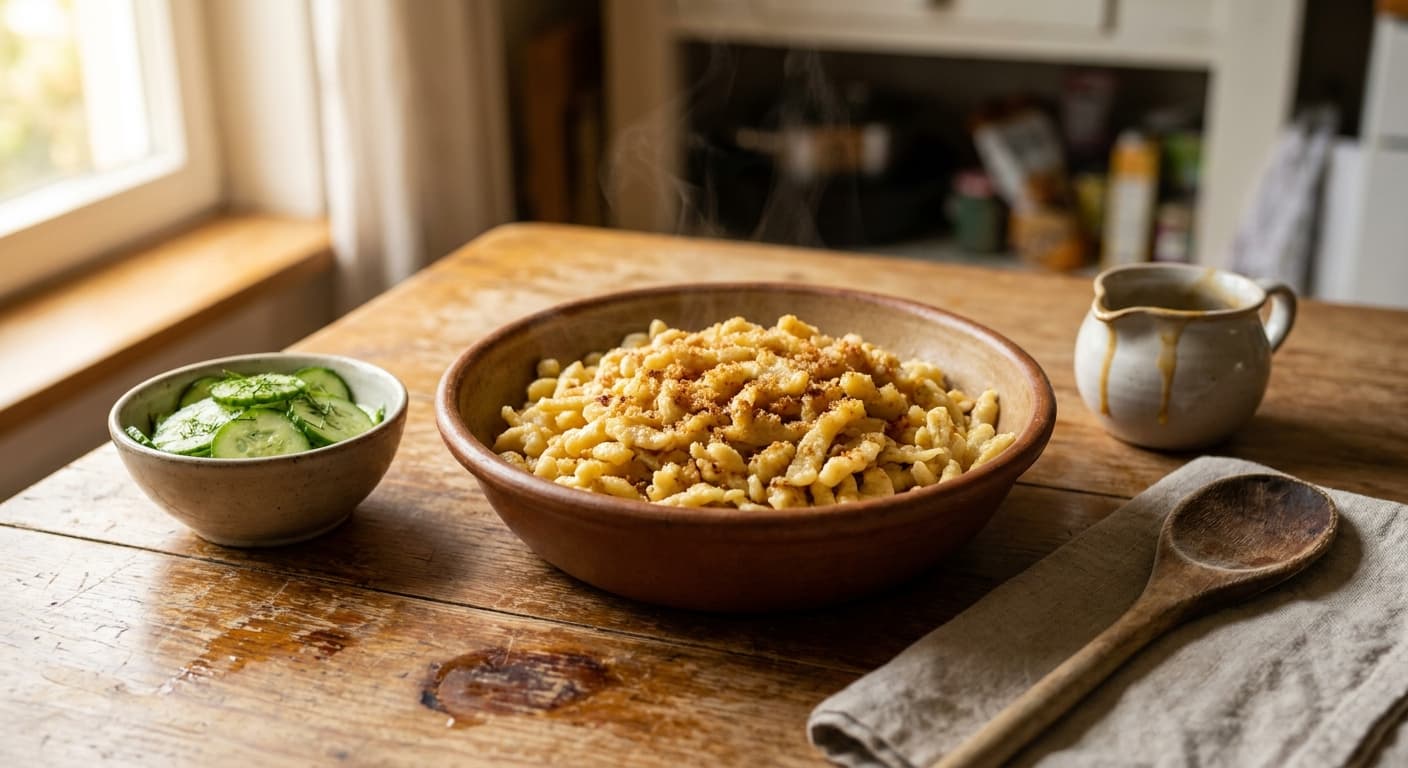
Spaetzle (Spätzle) — Tender German Egg Noodles
German · Side Dishes · 30 min
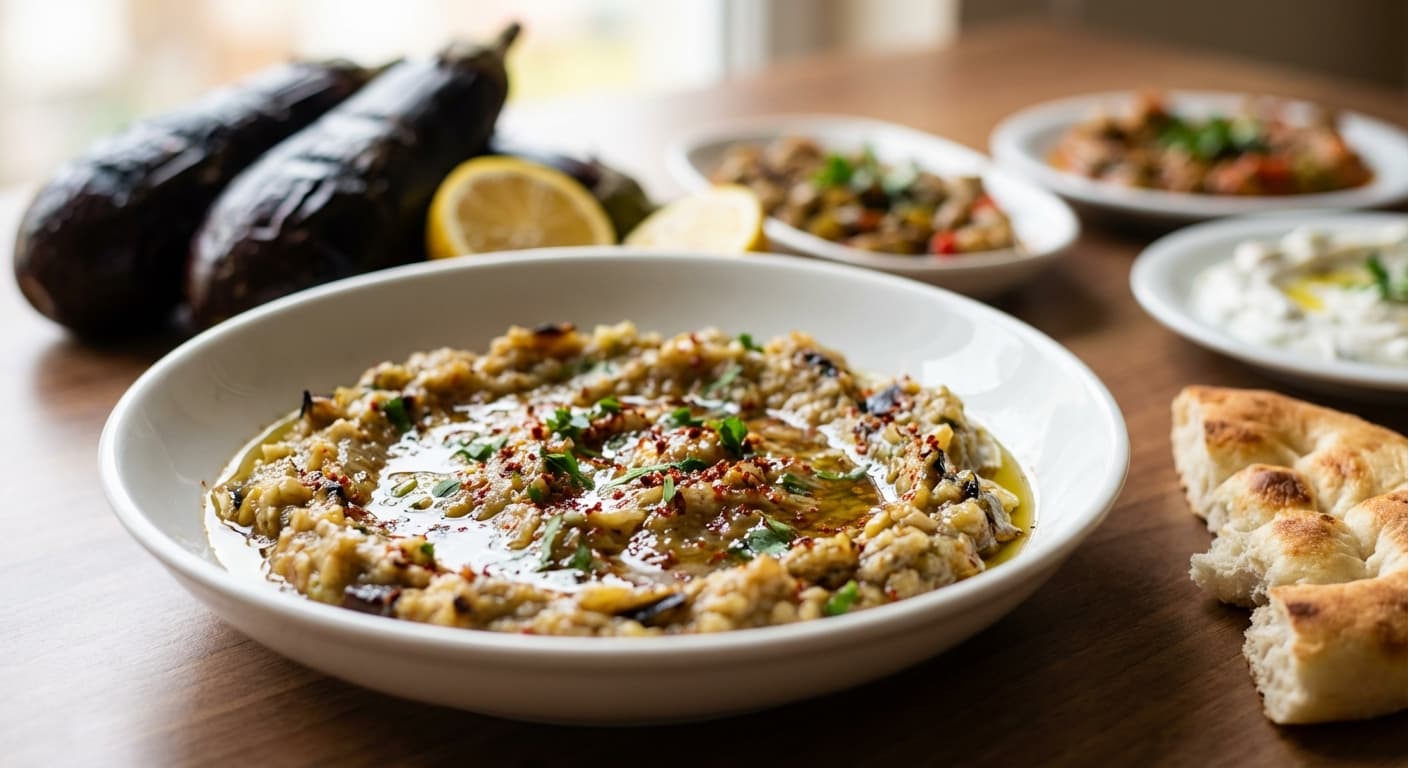
Smoky Eggplant Salad (Patlıcan Salatası) — Turkish charred eggplant with garlic and olive oil
Turkish · Salads · 40 min
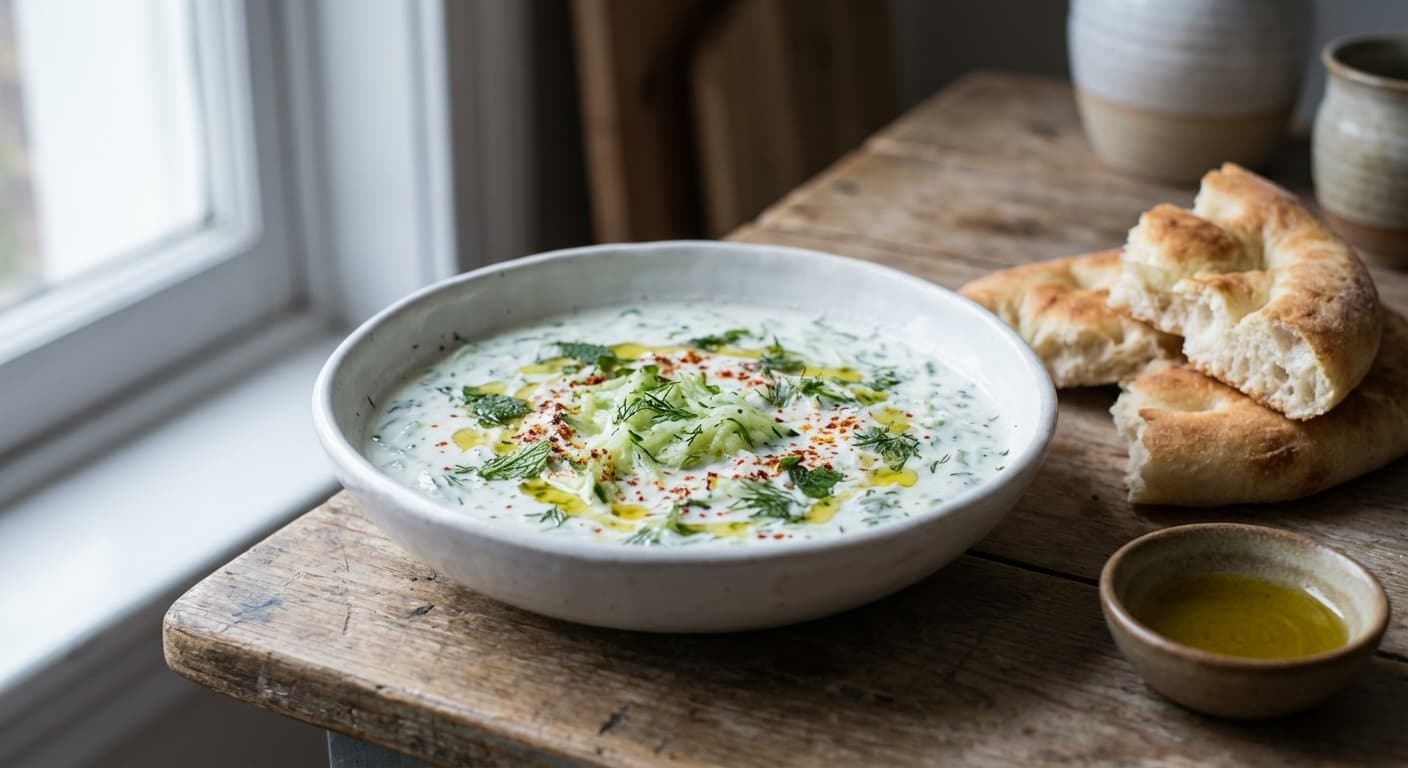
Cacık (Yoğurtlu Salatalık Mezesi) — Chilled Turkish Yogurt, Cucumber & Mint Dip
Turkish · Appetizers · 15 min
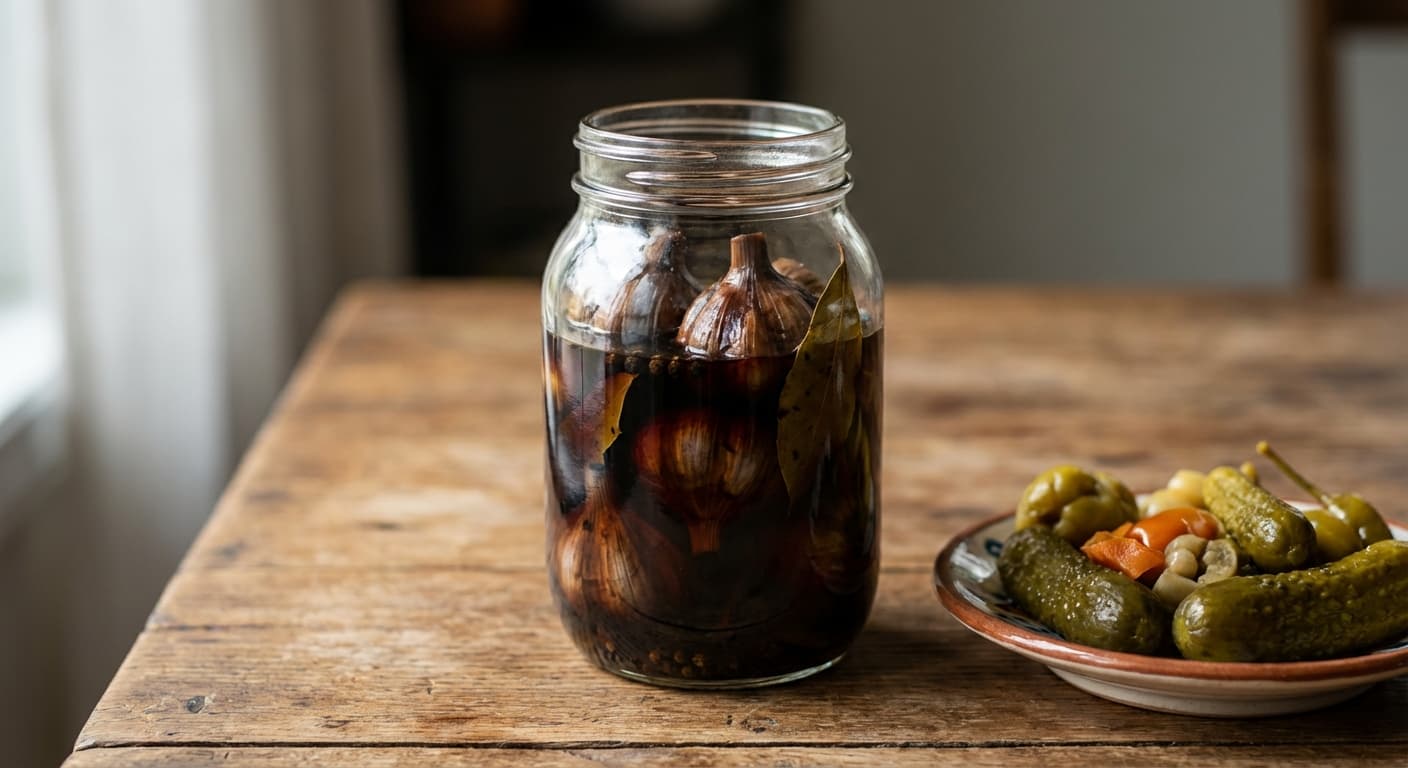
Aged Garlic Pickle (سیر ترشی) — Gilan’s seven-year-style black garlic torshi
Persian · Side Dishes · 45 min
Reviews
Cooked this recipe?
Tap the stars to rate it — that's all it takes. A few words are welcome but optional.
No ratings yet. Cooked this one? Be the first to rate it — it takes one tap.