Meygoo Polo (میگو پلو) — Persian Saffron Shrimp Rice
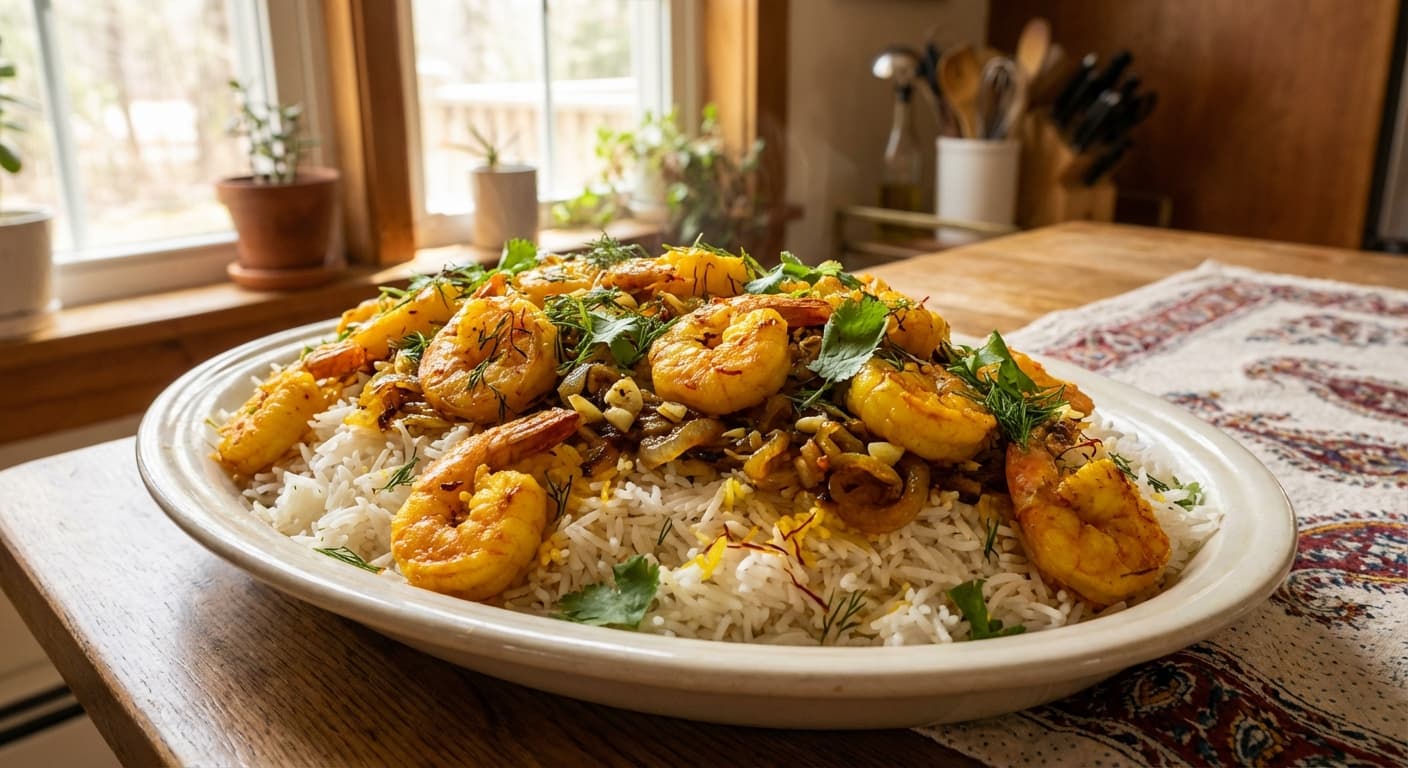
Meygoo Polo is a Southern Iranian rice dish layering fluffy basmati with saffron-scented shrimp, onion, and garlic. Turmeric and black pepper add warmth, while fresh herbs brighten each bite.
Printable Recipe Card
Servings: 4 · Total: 115 min · Difficulty: medium
Ingredients (quick list)
- 360 g Basmati rice (about 2 cups; rinsed until water runs mostly clear)
- 2400 ml Water (for parboiling the rice)
- 24 g Fine sea salt (about 4 tsp; divided (for rice water and shrimp))
- 0.25 tsp Saffron threads (ground and bloomed)
- 45 ml Hot water (3 tbsp, for blooming saffron)
- 60 ml Olive oil (4 tbsp, divided)
- 200 g Onion (1 large, finely diced)
- 18 g Garlic (5–6 cloves, minced)
- 2 tsp Ground turmeric
- 1 tsp Ground black pepper (freshly ground)
- 500 g Shrimp (raw, peeled and deveined; tails optional; patted dry)
- 25 g Fresh cilantro (finely chopped (or use flat-leaf parsley))
+ 1 more in the full ingredients section below.
Steps (summary)
- Rinse the basmati rice in several changes of cold water until mostly clear. Cover with plenty of cool water and soak 30 minutes…
- Bring 2.4 liters water to a rolling boil in a large pot. Add 3 tsp (about 18 g) of the salt, then add the drained rice. Boil 6–…
- Heat 2 tbsp olive oil in a wide skillet over medium heat. Add the diced onion and cook 8–10 minutes, stirring, until soft and l…
- Increase heat to medium-high and add the shrimp in a single layer. Sprinkle with the remaining 1 tsp salt (about 6 g). Cook 2 m…
- In a nonstick or heavy pot (about 20–24 cm), heat the remaining 2 tbsp olive oil over medium. Add 2–3 tbsp rice and press to fo…
- Use the handle of a spoon to poke 5–6 holes down through the rice for steam vents. Drizzle the remaining saffron water over the…
+ 1 more steps in the full instructions section below.
Cultural Background
Meygoo Polo is associated with Iran’s southern coastal cooking, where seafood is abundant and rice dishes are often perfumed with saffron and warm spices. It is commonly prepared for family meals and gatherings, highlighting regional ingredients and techniques such as steaming rice to create tahdig.
Equipment
💡 Tips
- Pat shrimp very dry before cooking so it sears instead of steams, keeping it sweet and firm.
- Bloom saffron in hot (not boiling) water to preserve aroma; cover the cup to trap volatile oils.
- For a stronger tahdig (crust), keep the first 10 minutes of steaming on medium heat before lowering.
- If your pot runs hot, place a heat diffuser under the pot during the low-heat steaming stage to prevent scorching.
⚠️ Common Mistakes
❌ Overcooking the shrimp in the skillet
💡 Why: Shrimp turns rubbery quickly, and it will cook a bit more during steaming.
✅ Fix: Cook just until opaque and curled (about 3–4 minutes total), then remove from heat and layer into the rice.
❌ Boiling the rice until fully soft
💡 Why: Fully cooked rice breaks during steaming and can become sticky instead of fluffy.
✅ Fix: Parboil only until the outside is tender and the center is still firm; drain promptly and steam to finish.
❌ Burning the tahdig
💡 Why: High heat too long or a thin pot base can scorch the crust before the rice steams through.
✅ Fix: Use medium heat for 10 minutes to build steam, then low for the remainder; use a heat diffuser if needed.
❌ Weak saffron color and aroma
💡 Why: Saffron needs blooming to release pigments and aromatic compounds.
✅ Fix: Grind saffron and steep in hot water for 10 minutes, covered; drizzle near the end of layering for best impact.
🧊 How to Store
Cool leftovers within 2 hours. Refrigerate airtight up to 2 days. Reheat gently with 1–2 tbsp water, covered, on low heat or microwave at 50–60% power to avoid tough shrimp. Not ideal for freezing because shrimp can become rubbery.
📅 Make Ahead
Soak and parboil the rice up to 6 hours ahead; spread on a tray to cool, cover, and refrigerate. Cook the shrimp mixture up to 1 day ahead and refrigerate. Assemble and steam just before serving for the best texture and tahdig.
🍽️ Pairs Well With
- Shirazi salad (cucumber
- tomato
- onion with lemon or lime)
- Plain yogurt or cucumber-yogurt
- Pickled vegetables
- Lime wedges
Regional Variations
- Bushehr and Persian Gulf coastOften more garlicky and peppery, sometimes with extra herbs, reflecting local seafood seasoning preferences and quick sautéing before layering with rice.
- Hormozgan (Bandar-style)May include a touch of tomato paste or diced tomatoes for color and tang, and can be served with sharper pickles and citrus to balance the richness.
Ingredients
- 360 gBasmati rice (about 2 cups; rinsed until water runs mostly clear)
- 2400 mlWater (for parboiling the rice)
- 24 gFine sea salt (about 4 tsp; divided (for rice water and shrimp))
- 0.25 tspSaffron threads (ground and bloomed)
- 45 mlHot water (3 tbsp, for blooming saffron)
- 60 mlOlive oil (4 tbsp, divided)
- 200 gOnion (1 large, finely diced)
- 18 gGarlic (5–6 cloves, minced)
- 2 tspGround turmeric
- 1 tspGround black pepper (freshly ground)
- 500 gShrimp (raw, peeled and deveined; tails optional; patted dry)
- 25 gFresh cilantro (finely chopped (or use flat-leaf parsley))
- 30 gUnsalted butter (2 tbsp, for finishing and aroma (optional but traditional in many homes))
🔄 Substitutions
- Fresh cilantro→ Flat-leaf parsley
- Olive oil→ Neutral oil (sunflower, canola, grapeseed)
- Shrimp→ Firm white fish (cod, haddock) cut into 3 cm chunks
Instructions
- 1
Rinse the basmati rice in several changes of cold water until mostly clear. Cover with plenty of cool water and soak 30 minutes at room temperature, then drain. Meanwhile, grind the saffron to a powder and stir with 3 tbsp hot water; cover and let bloom 10 minutes for maximum color and aroma.
- 2
Bring 2.4 liters water to a rolling boil in a large pot. Add 3 tsp (about 18 g) of the salt, then add the drained rice. Boil 6–8 minutes, stirring once or twice, until the grains are tender on the outside but still firm in the center. Drain immediately and rinse briefly with cool water to stop cooking.
- 3
Heat 2 tbsp olive oil in a wide skillet over medium heat. Add the diced onion and cook 8–10 minutes, stirring, until soft and lightly golden. Add minced garlic and cook 60–90 seconds until fragrant. Stir in turmeric and black pepper for 30 seconds to toast the spices without burning.
- 4
Increase heat to medium-high and add the shrimp in a single layer. Sprinkle with the remaining 1 tsp salt (about 6 g). Cook 2 minutes, then flip and cook 1–2 minutes more, just until opaque and curled; avoid overcooking. Stir in the chopped cilantro and 1 tbsp of the bloomed saffron water; remove from heat.
- 5
In a nonstick or heavy pot (about 20–24 cm), heat the remaining 2 tbsp olive oil over medium. Add 2–3 tbsp rice and press to form a thin base. Layer in half the remaining rice, then spread the shrimp mixture over it. Top with the rest of the rice, mounding slightly to encourage steaming.
- 6
Use the handle of a spoon to poke 5–6 holes down through the rice for steam vents. Drizzle the remaining saffron water over the top. Dot with butter (if using) and drizzle 4 tbsp water around the edges. Cover with a lid wrapped in a clean towel and steam 10 minutes on medium heat.
- 7
Reduce heat to low and continue steaming 35–40 minutes until the rice is fully tender and aromatic and a crisp crust forms at the bottom. Turn off heat and rest, covered, 10 minutes. Gently fluff, keeping shrimp pieces intact, and serve with some saffron-tinted rice spooned over the top.
🪪 Recipe Passport
Cultural Background
Meygoo Polo is associated with Iran’s southern coastal cooking, where seafood is abundant and rice dishes are often perfumed with saffron and warm spices. It is commonly prepared for family meals and gatherings, highlighting regional ingredients and techniques such as steaming rice to create tahdig.
Regional Variations
Researched from multiple sources and validated by the Zaffaron editorial team. Every recipe is tested for accuracy, measurements, and cultural authenticity.
Nutrition per serving
Pairs well with
If you enjoyed this recipe, here are a few related Zaffaron recipes to try next.
Does your family make this differently?
Every family has their own version. Maybe your grandmother adds a secret ingredient, or your aunt has a completely different technique. Preserve your family's version — with their name on it, forever.
You Might Also Like
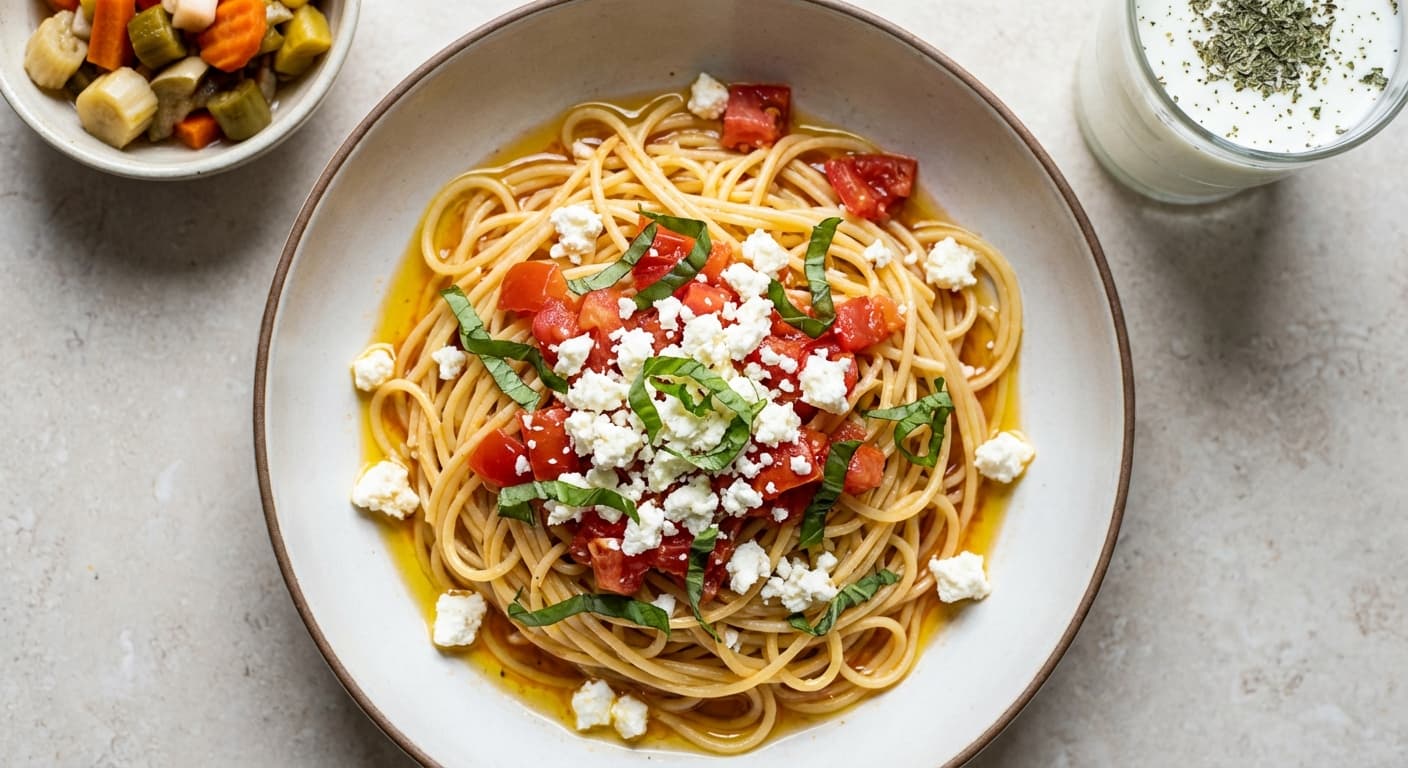
Pastay Paniri (پاستای پنیری) — Persian-Style Cheesy Pasta with Fresh Tomatoes
Persian · Main Courses · 27 min
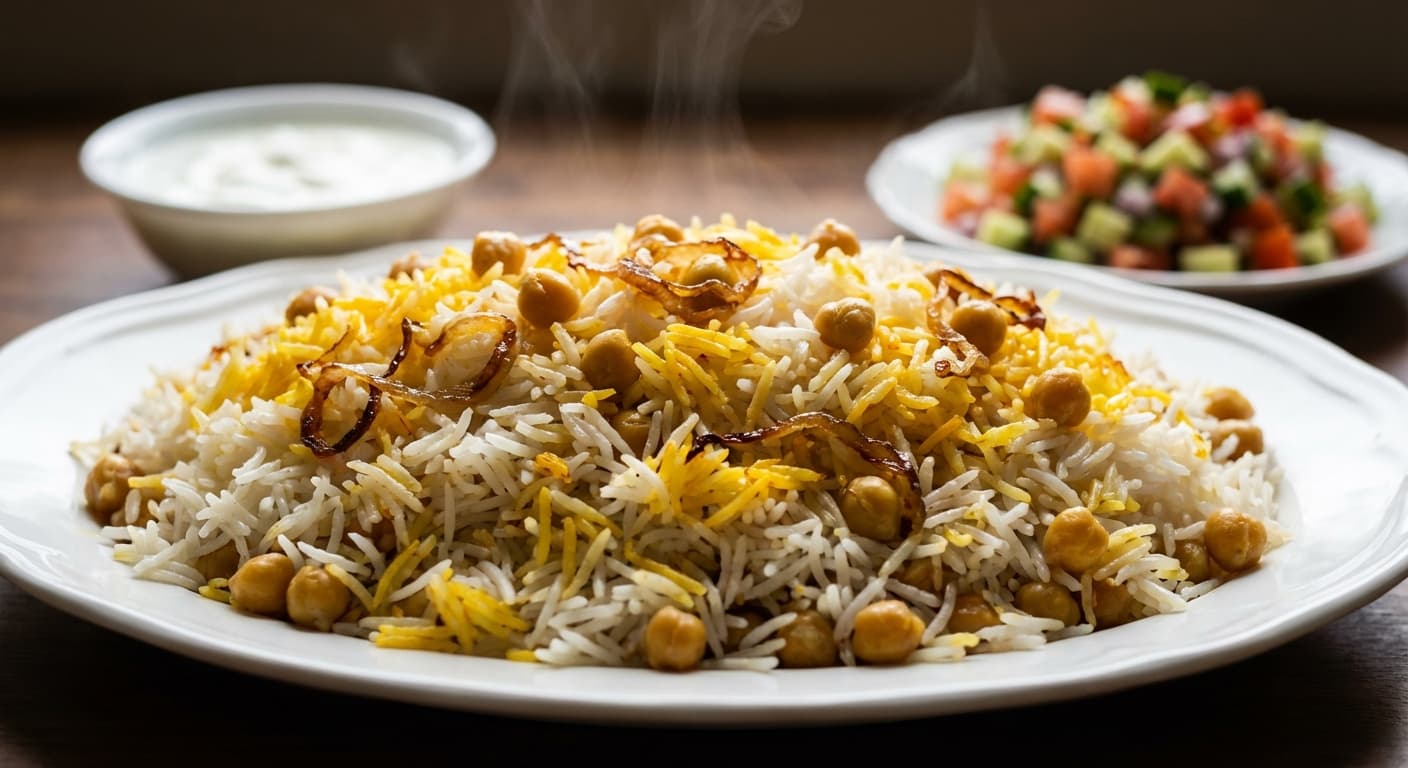
Nokhod Polo (نخود پلو) — Saffron Chickpea Rice with Warm Spices
Persian · Rice Dishes · 80 min
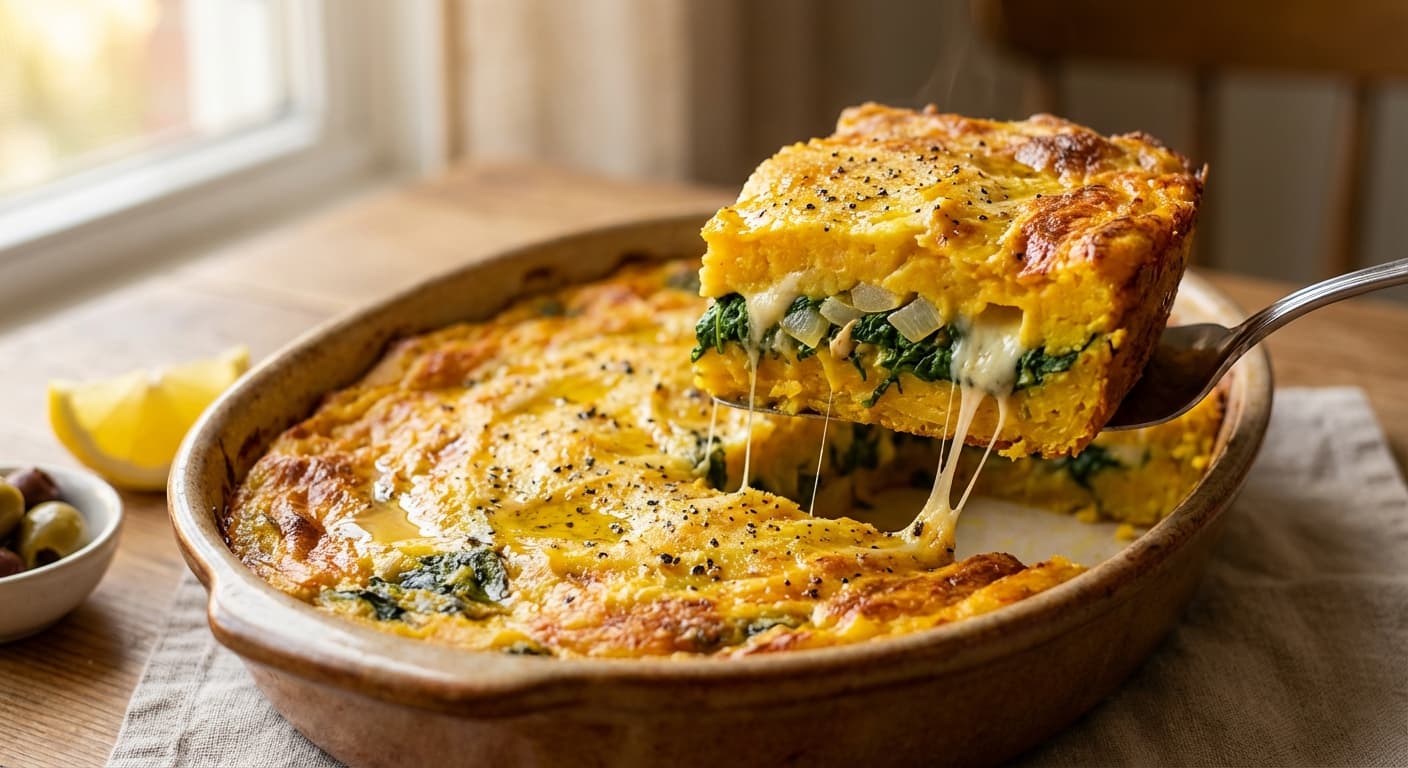
Golden Turmeric Potato and Spinach Casserole (غراتان سیبزمینی و اسفناج) — Mediterranean-Inspired Layered Gratin
Persian · Main Courses · 70 min
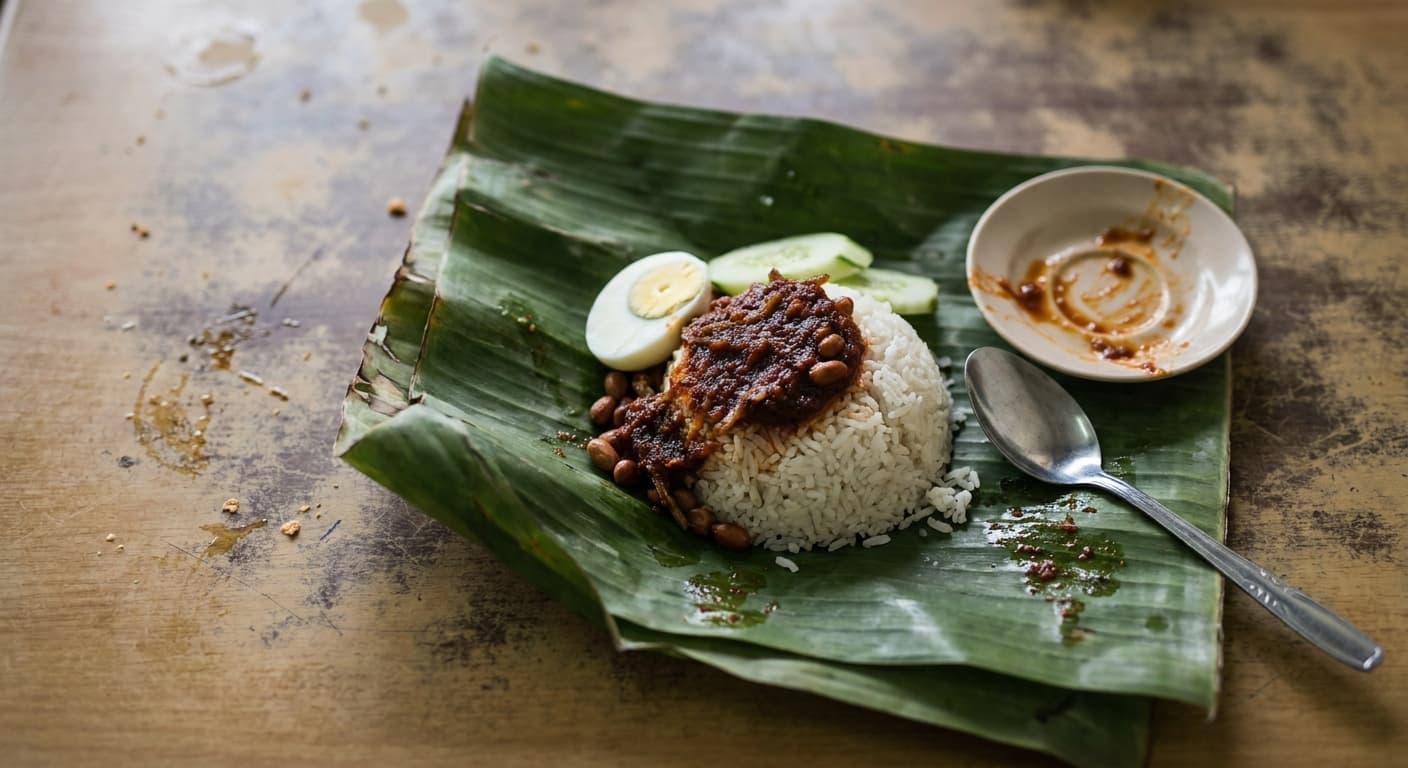
Malaysian Coconut Rice (Nasi Lemak) — Banana-Leaf Breakfast with Sambal Ikan Bilis
Malaysian · Rice Dishes · 95 min
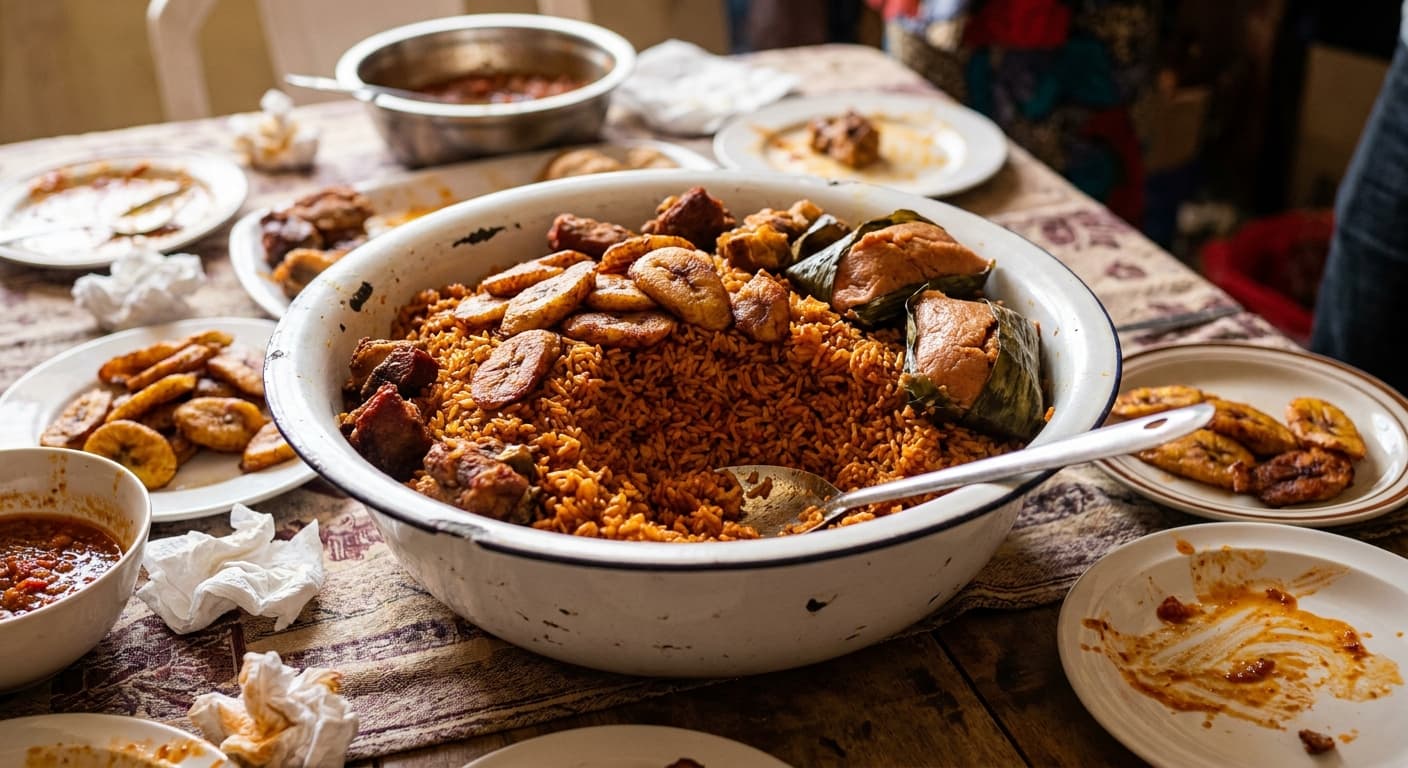
Nigerian Jollof Rice (Jollof Rice) — Smoky Party-Style Tomato Rice
West african · Rice Dishes · 80 min
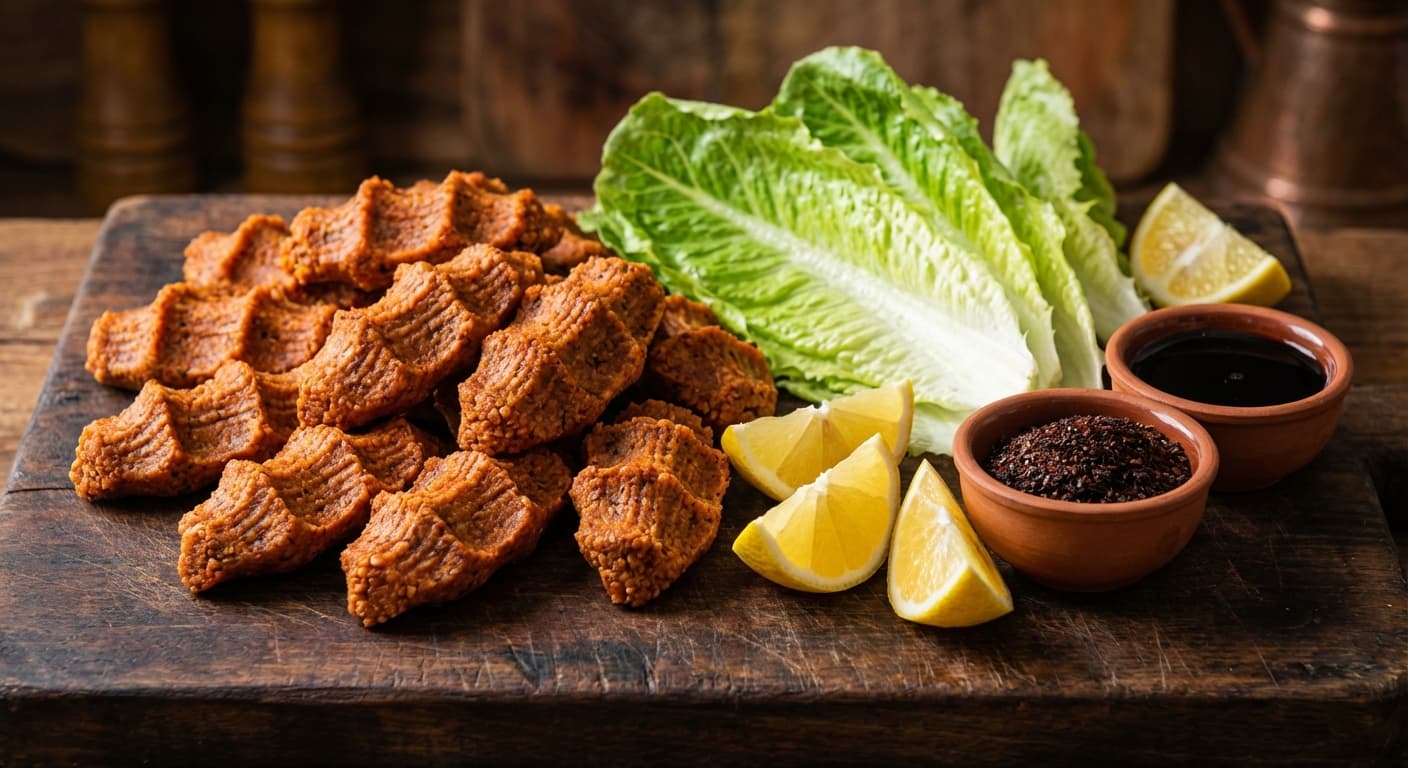
Cig Kofte (Çiğ Köfte) — Isot-kissed bulgur kneaded and served in lettuce
Turkish · Appetizers · 25 min
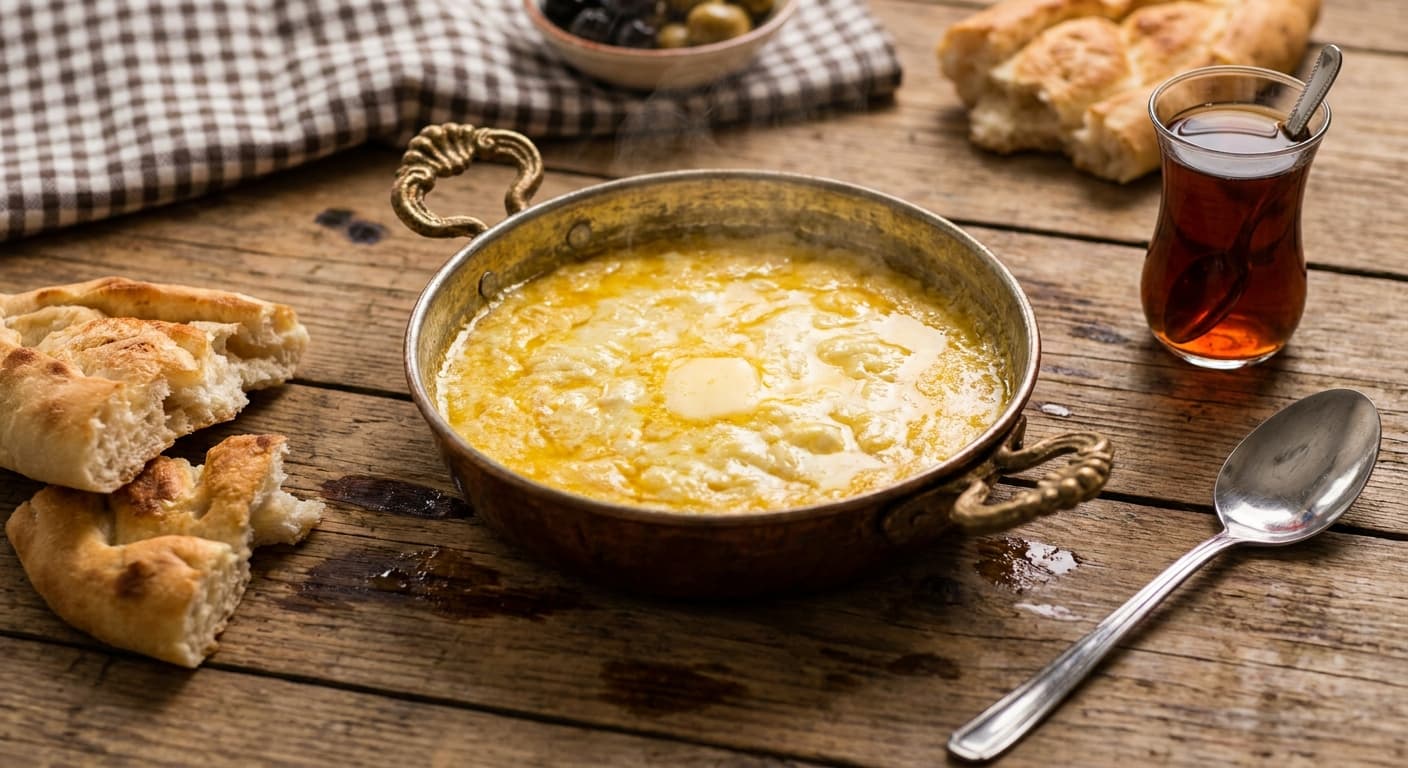
Mıhlama (Mıhlama) — Black Sea Cornmeal and Cheese Skillet
Turkish · Main Courses · 25 min
Changua (Changua) — Colombian Milk-and-Egg Breakfast Soup
Colombian · Soups · 25 min
Reviews
Cooked this recipe?
Tap the stars to rate it — that's all it takes. A few words are welcome but optional.
No ratings yet. Cooked this one? Be the first to rate it — it takes one tap.