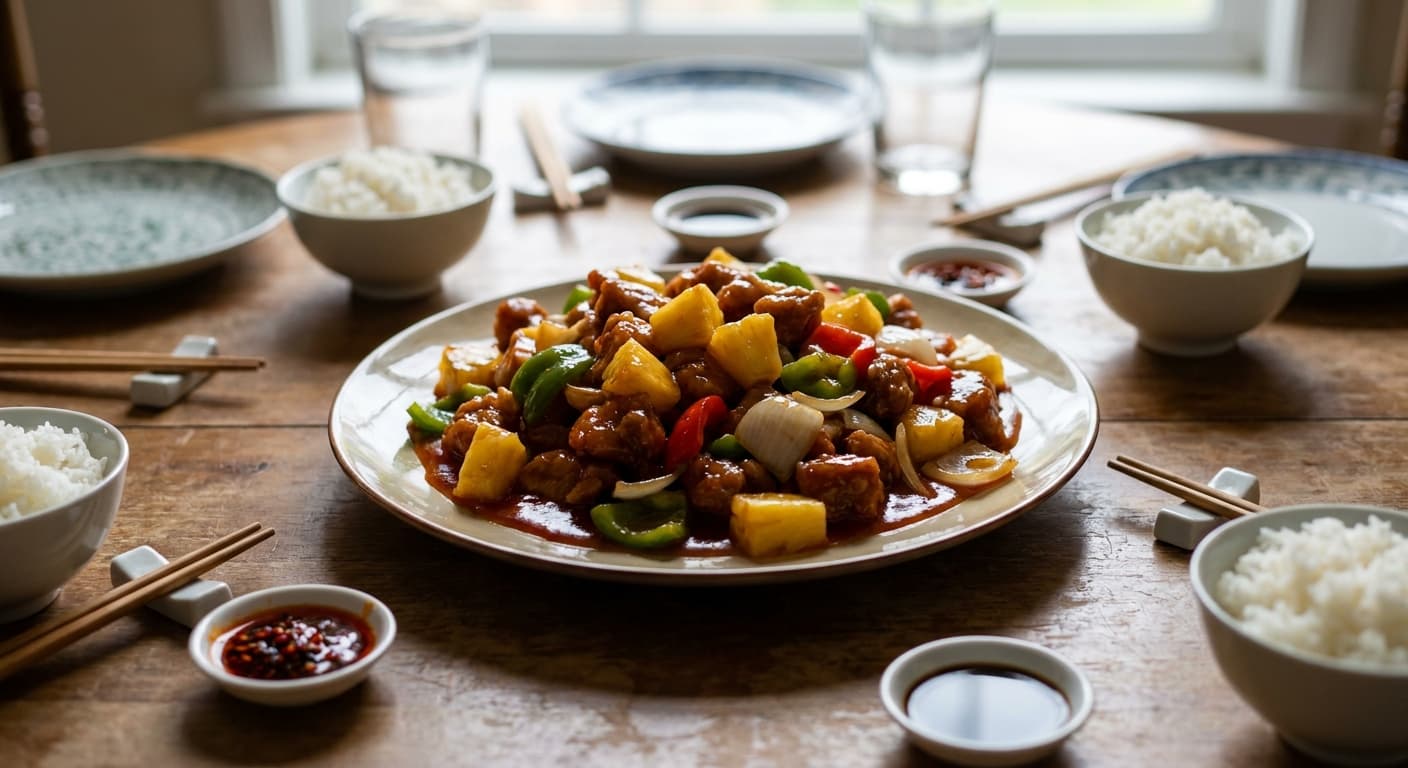
Sweet and Sour Pork (咕噜肉) — Cantonese Pork with Pineapple and Peppers
Cantonese gu lou yuk pairs crisp-fried pork with a glossy sweet-tart sauce, pineapple, onion, and bell peppers. It is a restaurant classic rooted in Cantonese banquet cooking and beloved for its bright color and crunch.
Printable Recipe Card
Servings: 4 · Total: 55 min · Difficulty: medium
Ingredients (quick list)
- 600 g pork shoulder (cut into 2.5 cm cubes)
- 5 g fine sea salt
- 4 g granulated sugar
- 1 tsp white pepper
- 15 ml Shaoxing wine
- 15 ml light soy sauce
- 1 egg
- 90 g cornstarch
- 40 g potato starch
- 750 ml neutral frying oil (about 40 ml is absorbed)
- 200 g fresh pineapple (cut into bite-size chunks)
- 1 red bell pepper (cut into 2.5 cm pieces)
+ 7 more in the full ingredients section below.
Steps (summary)
- Pat the pork cubes very dry with paper towels, then place them in a bowl. Add the salt, sugar, white pepper, Shaoxing wine, lig…
- Let the pork marinate for 20 minutes at room temperature while you prepare the vegetables and sauce. If your kitchen is warmer…
- Whisk together the ketchup, rice vinegar, sugar, water, light soy sauce, and salt in a small bowl until the sugar is mostly dis…
- Combine the cornstarch and potato starch for the coating in a wide shallow bowl. Add the marinated pork cubes a few at a time,…
- Heat the frying oil in a wok or heavy pot to 175°C. Fry the pork in 2 batches for 3 to 4 minutes per batch, turning occasionall…
- Transfer the fried pork to a wire rack and raise the oil temperature to 190°C. Fry the pork a second time for 60 to 90 seconds,…
+ 3 more steps in the full instructions section below.
Cultural Background
Gu lou yuk is one of the best-known Cantonese sweet-and-sour dishes, often served in restaurants and family banquets. Its bright red glaze and pineapple accents reflect Cantonese fondness for contrast, color, and lively shared plates.
Equipment
💡 Tips
- Use pork shoulder rather than tenderloin if you want juicier pieces that can withstand double frying.
- Do not add the fried pork to the sauce until the sauce has thickened, or the coating will absorb liquid and soften too quickly.
- Fresh pineapple gives the brightest flavor, but drained canned pineapple works well if it is patted dry before stir-frying.
⚠️ Common Mistakes
❌ The pork coating falls off during frying.
✅ Fix: Dry the pork thoroughly before marinating, mix until sticky, and press the starch coating firmly onto each cube before frying.
❌ The sauce tastes flat or too sweet.
✅ Fix: Use the measured rice vinegar and salt, then boil the sauce briefly so the ketchup, vinegar, and sugar taste integrated.
❌ The finished pork becomes soggy.
✅ Fix: Double-fry the pork and toss it with the sauce only at the final moment, immediately before serving.
🧊 How to Store
Store leftovers in an airtight container in the refrigerator for up to 3 days. Reheat pork and sauce together in a 200°C oven for 8 to 10 minutes; the coating will be softer than freshly fried but the flavor remains bright.
📅 Make Ahead
Cut the pork, vegetables, and pineapple up to 1 day ahead and refrigerate separately. Mix the sauce up to 2 days ahead, but coat and fry the pork only shortly before serving.
🍽️ Pairs Well With
- Steamed jasmine rice
- stir-fried choy sum
- egg drop soup
- hot Chinese tea.
Regional Variations
- Hong Kong restaurant versions often use a brighter ketchup-based sauce and very crisp double-fried pork.
- Older Cantonese banquet versions may use hawthorn, plum sauce, or preserved plum for a deeper sweet-sour note.
- Overseas Chinese versions commonly add larger pieces of pineapple and mixed bell peppers for a more colorful presentation.
Ingredients
- 600 gpork shoulder (cut into 2.5 cm cubes)
- 5 gfine sea salt
- 4 ggranulated sugar
- 1 tspwhite pepper
- 15 mlShaoxing wine
- 15 mllight soy sauce
- 1egg
- 90 gcornstarch
- 40 gpotato starch
- 750 mlneutral frying oil (about 40 ml is absorbed)
- 200 gfresh pineapple (cut into bite-size chunks)
- 1red bell pepper (cut into 2.5 cm pieces)
- 1green bell pepper (cut into 2.5 cm pieces)
- 1yellow onion (cut into 2.5 cm wedges)
- 2 clovegarlic (finely minced)
- 0.5 inchfresh ginger (peeled and finely minced)
- 80 gketchup
- 60 mlrice vinegar
- 90 mlwater
🔄 Substitutions
- Shaoxing wine→ dry sherry
- fresh pineapple→ canned pineapple chunks in juice
- potato starch→ cornstarch
Instructions
- 1
Pat the pork cubes very dry with paper towels, then place them in a bowl. Add the salt, sugar, white pepper, Shaoxing wine, light soy sauce, and egg, then mix firmly for 1 minute until the pork feels slightly sticky.
- 2
Let the pork marinate for 20 minutes at room temperature while you prepare the vegetables and sauce. If your kitchen is warmer than 24°C, refrigerate the pork for 30 minutes instead and bring it out 10 minutes before coating.
- 3
Whisk together the ketchup, rice vinegar, sugar, water, light soy sauce, and salt in a small bowl until the sugar is mostly dissolved. In a separate cup, stir the potato starch and water into a smooth slurry and keep it beside the stove.
- 4
Combine the cornstarch and potato starch for the coating in a wide shallow bowl. Add the marinated pork cubes a few at a time, press the starch onto every surface, and shake off only loose excess so each cube has a craggy, dry-looking coating.
- 5
Heat the frying oil in a wok or heavy pot to 175°C. Fry the pork in 2 batches for 3 to 4 minutes per batch, turning occasionally, until the coating is pale golden and the pork is cooked through.
- 6
Transfer the fried pork to a wire rack and raise the oil temperature to 190°C. Fry the pork a second time for 60 to 90 seconds, until deeply crisp and golden, then return it to the rack while you finish the sauce.
- 7
Pour off the frying oil, wipe the wok carefully, and add 15 ml of the used oil back to the wok. Stir-fry the onion, red bell pepper, green bell pepper, garlic, and ginger over high heat for 60 seconds, then add the pineapple and cook for 30 seconds more.
- 8
Pour in the prepared sauce and bring it to a rapid boil, stirring so the vegetables are coated. Stir the slurry again, add it to the bubbling sauce, and cook for 20 to 30 seconds until glossy and lightly thickened.
- 9
Add the double-fried pork to the wok and toss quickly for 20 seconds, just long enough to glaze every piece. Serve immediately, because Cantonese sweet and sour pork is at its best when the crust is still crisp under the hot sauce.
🪪 Recipe Passport
Cultural Background
Gu lou yuk is one of the best-known Cantonese sweet-and-sour dishes, often served in restaurants and family banquets. Its bright red glaze and pineapple accents reflect Cantonese fondness for contrast, color, and lively shared plates.
Regional Variations
Researched from multiple sources and validated by the Zaffaron editorial team. Every recipe is tested for accuracy, measurements, and cultural authenticity.
📚 Sources & Cultural References
- Eileen Yin-Fei Lo — Mastering the Art of Chinese Cooking — (2009)
- Alan Davidson — The Oxford Companion to Food — (2014)
Sources cited by the Zaffaron editorial team during recipe research. Cultural and culinary references supporting authenticity claims.
Nutrition per serving
Pairs well with
If you enjoyed this recipe, here are a few related Zaffaron recipes to try next.
Does your family make this differently?
Every family has their own version. Maybe your grandmother adds a secret ingredient, or your aunt has a completely different technique. Preserve your family's version — with their name on it, forever.
You Might Also Like
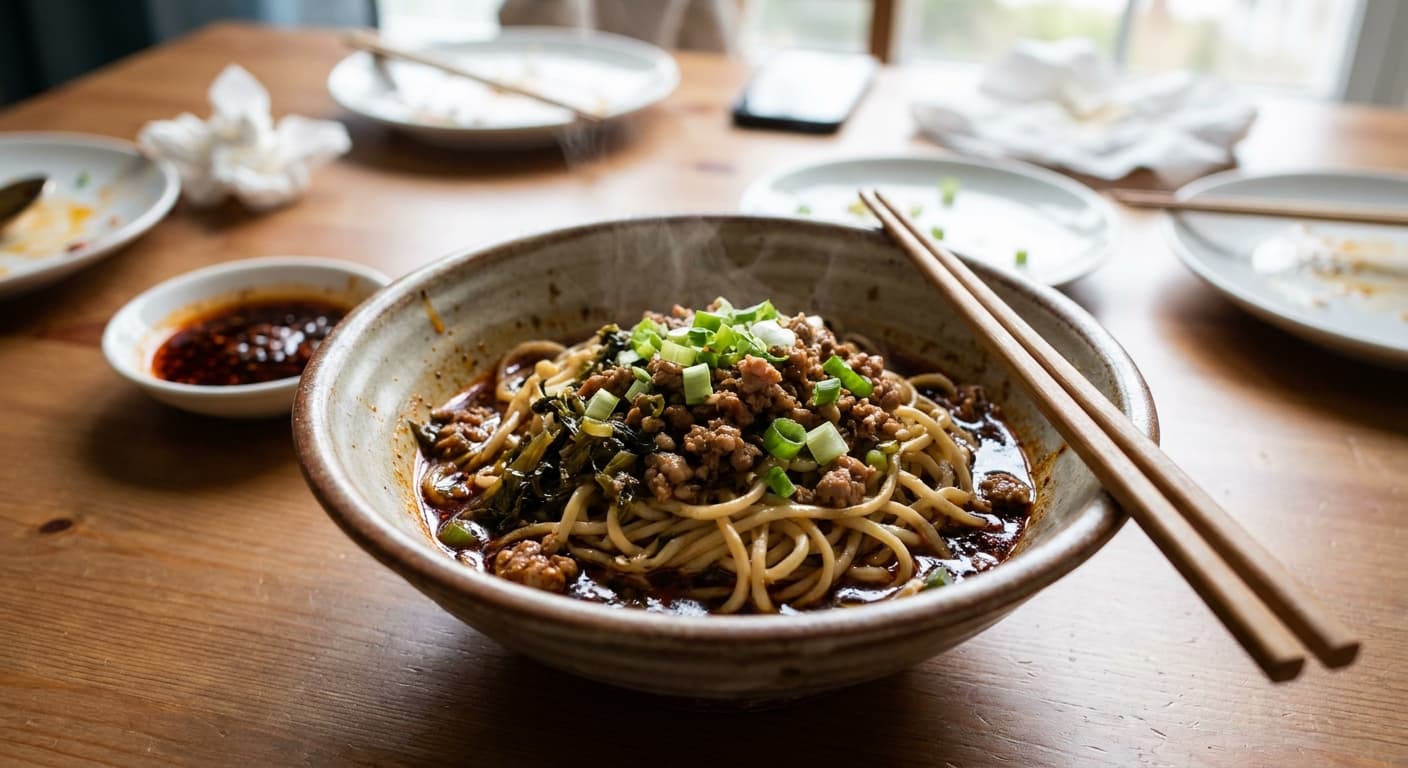
Dan Dan Noodles (担担面) — Sichuan Noodles with Spicy Sesame-Chili Pork Sauce
Chinese · Main Courses · 45 min
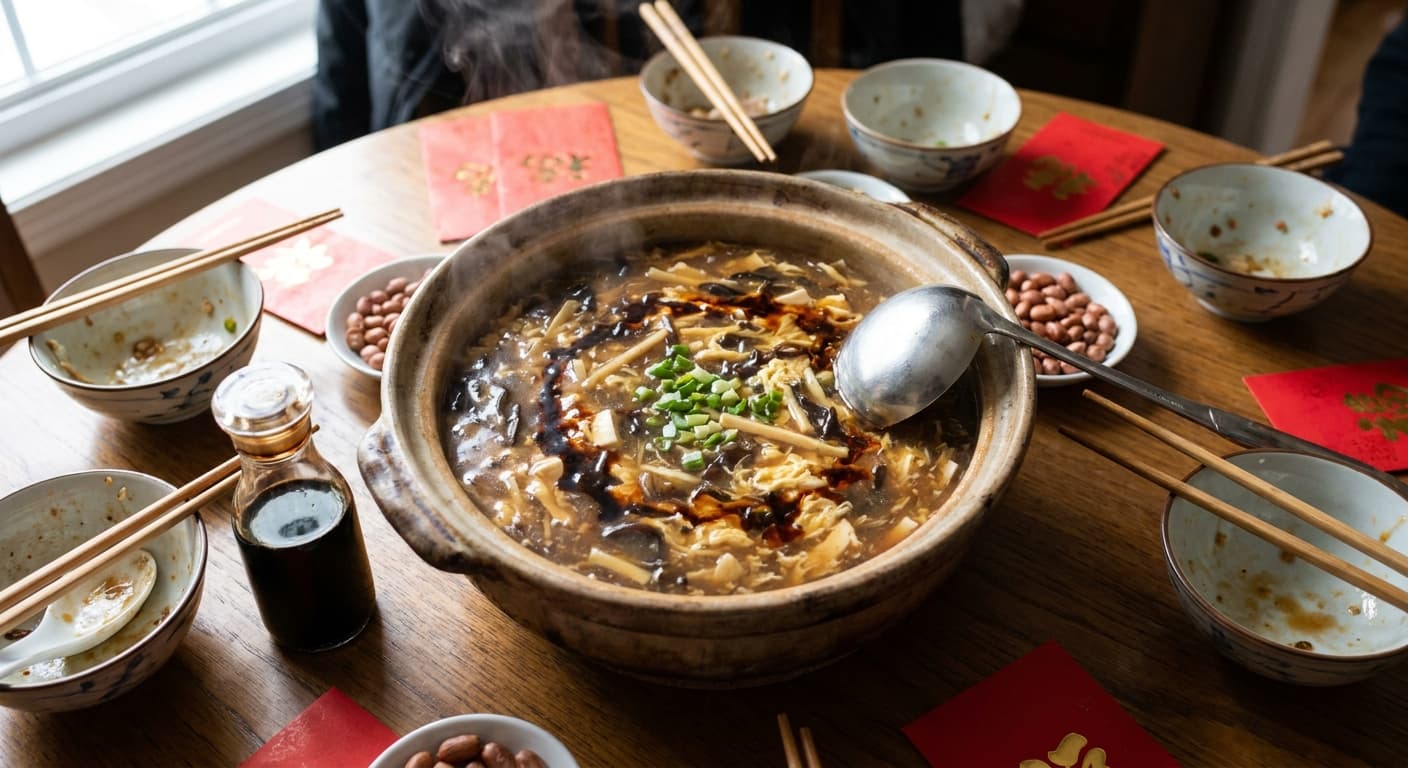
Hot and Sour Soup (酸辣汤) — Northern Chinese Soup with Tofu and Black Vinegar
Chinese · Soups · 45 min
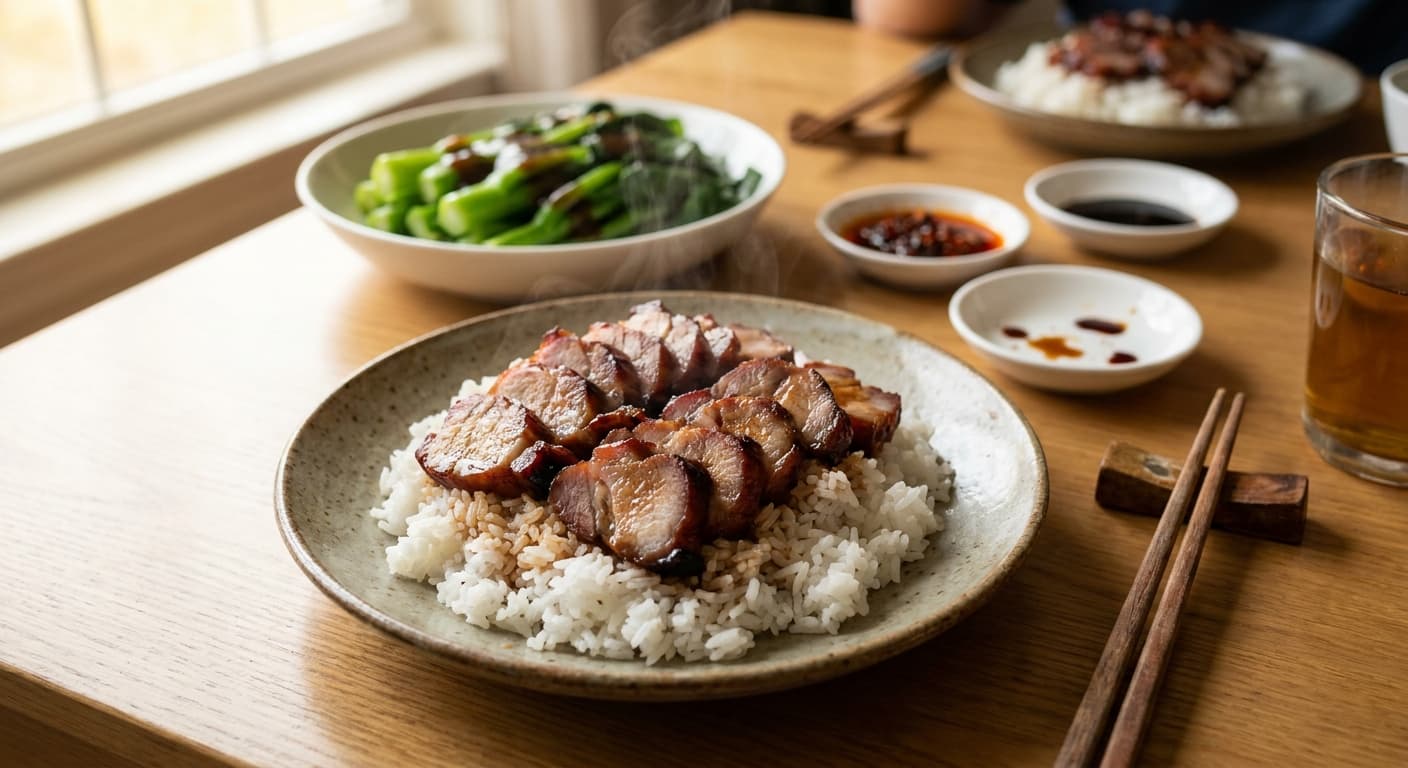
Char Siu (叉燒) — Cantonese Honey-Glazed Barbecue Pork
Chinese · Main Courses · 70 min
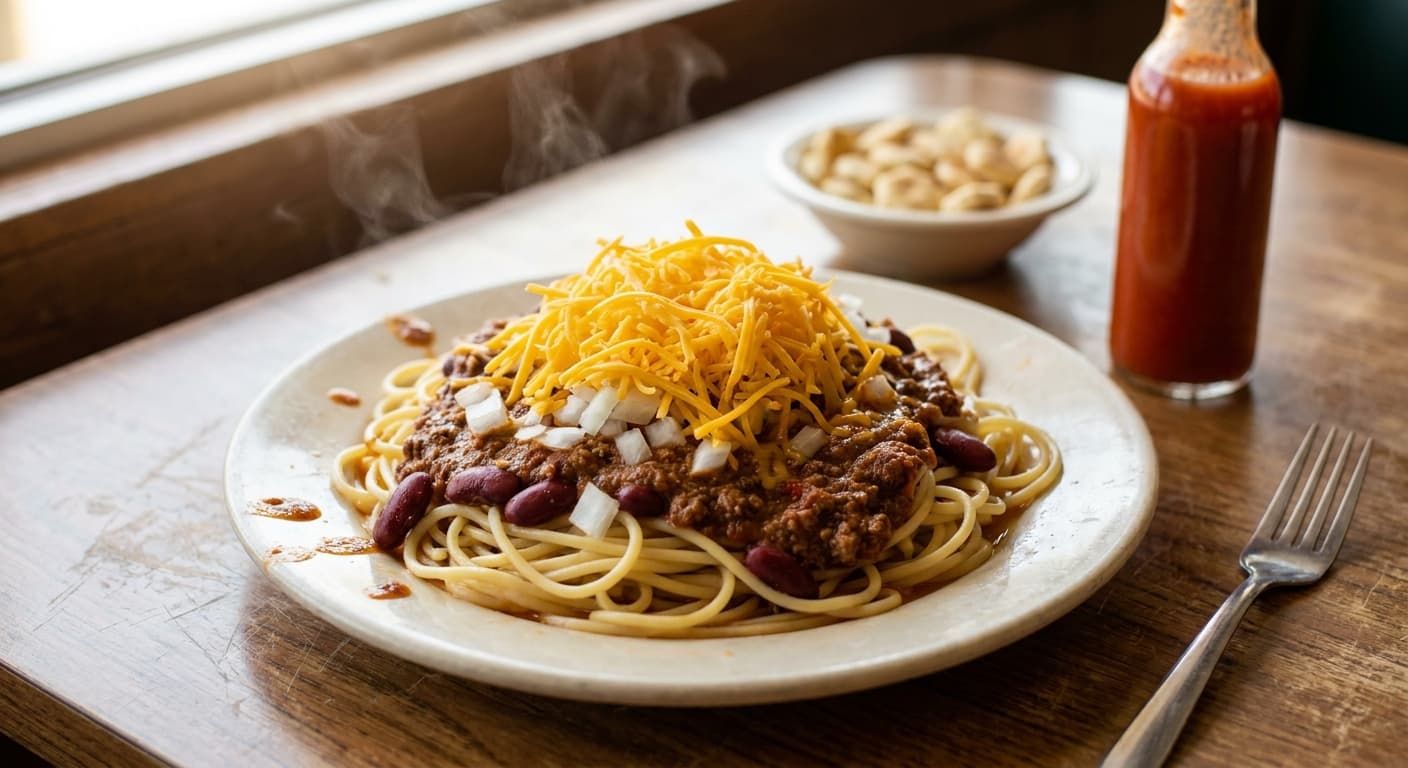
Cincinnati Chili (Cincinnati Chili) — Skyline-Style Spiced Chili over Spaghetti
American · Main Courses · 140 min
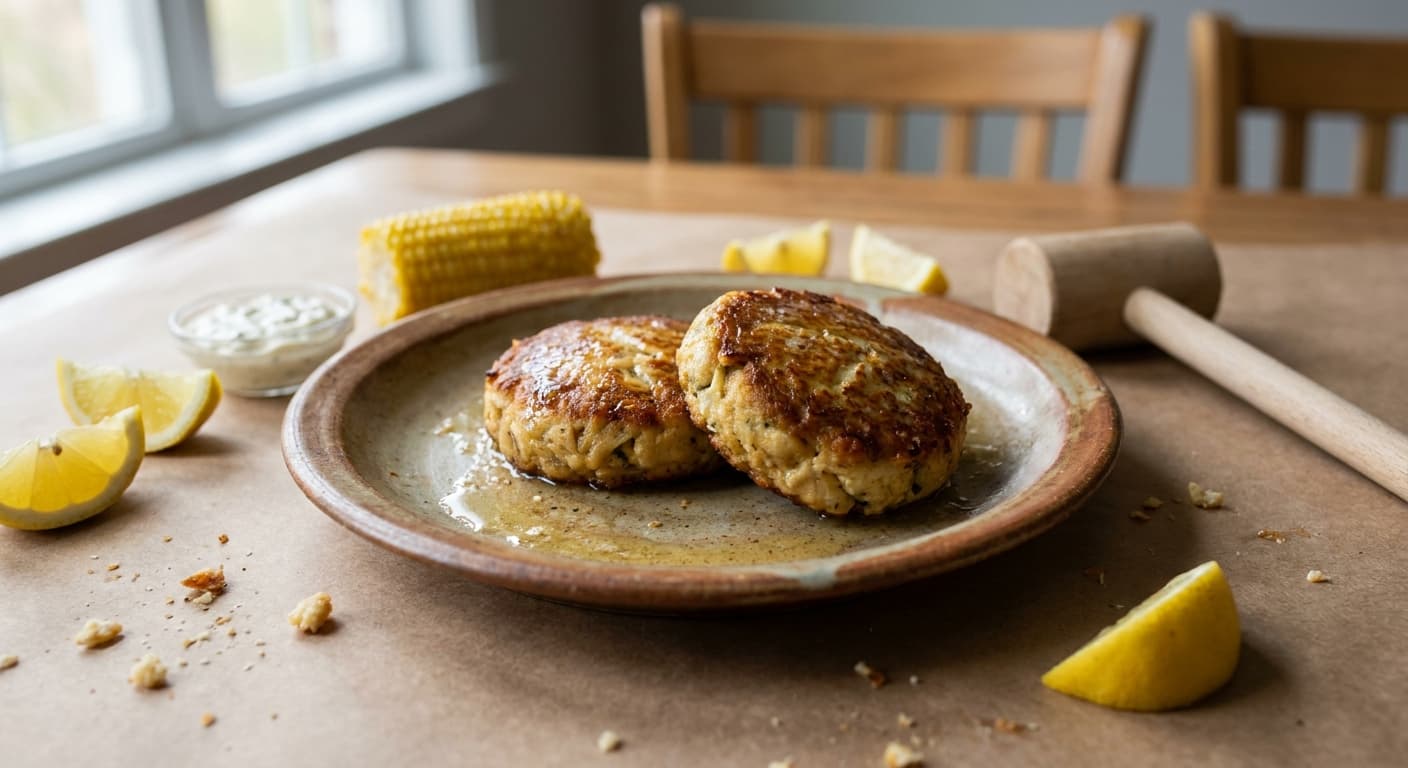
Maryland Crab Cakes (Maryland Crab Cakes) — Chesapeake Jumbo Lump Crab Patties
American · Main Courses · 35 min
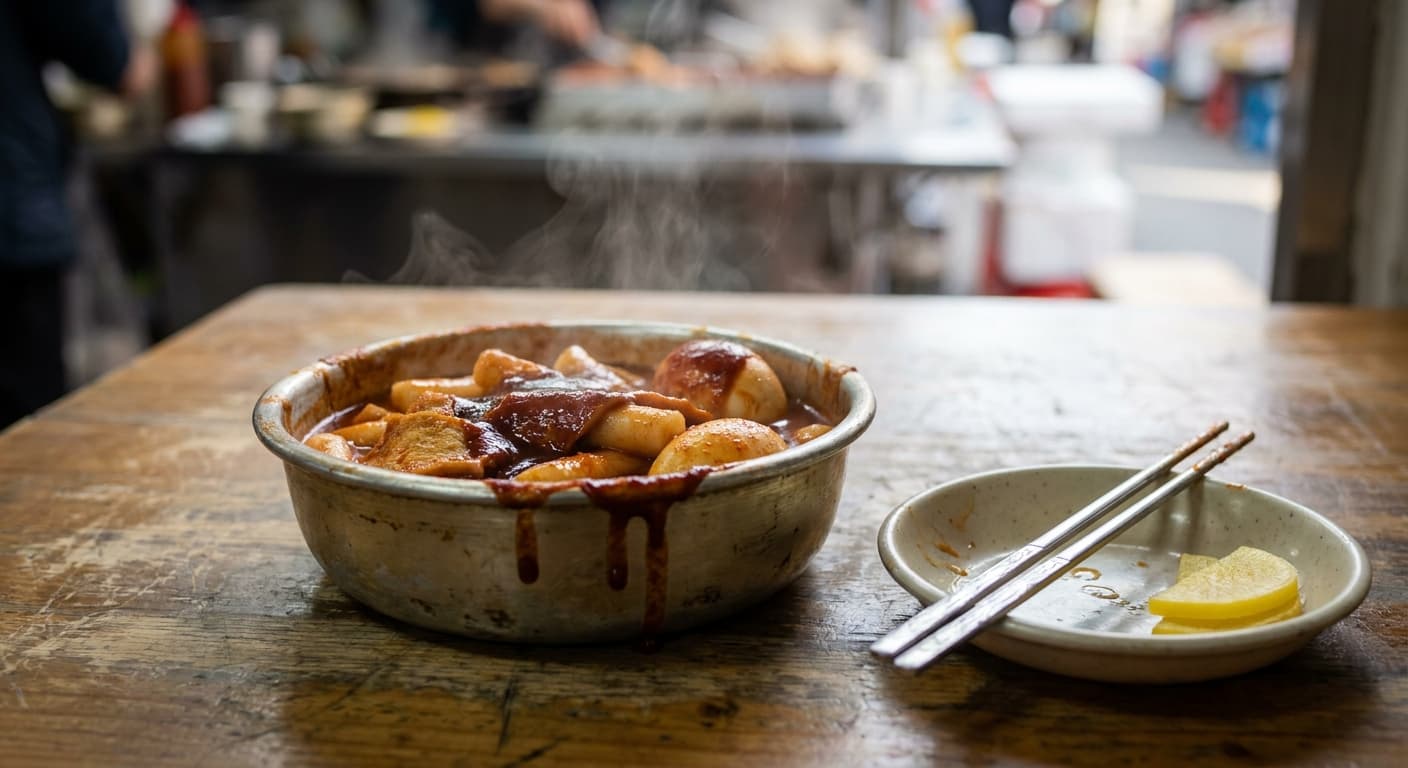
Tteokbokki (떡볶이) — Spicy Korean Rice Cakes
Korean · Main Courses · 45 min

Banh Xeo (Bánh Xèo) — Crispy Vietnamese Turmeric Crepes
Vietnamese · Main Courses · 85 min
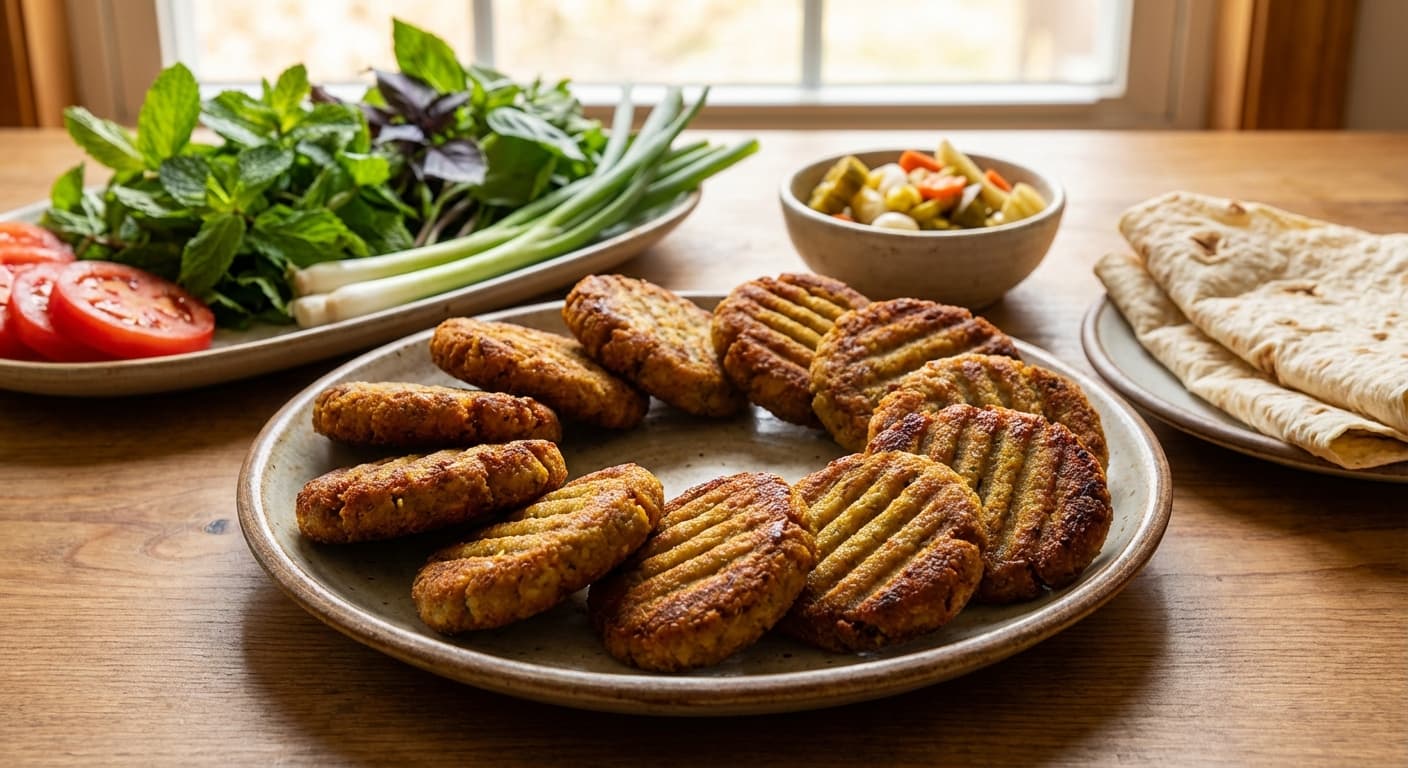
Kotlet-e Sooya (کتلت سویا) — | Persian Soy & Potato Cutlets
Persian · Main Courses · 75 min
Reviews
Cooked this recipe?
Tap the stars to rate it — that's all it takes. A few words are welcome but optional.
No ratings yet. Cooked this one? Be the first to rate it — it takes one tap.