Makaroni ba Ton Mahi (ماکارونی با تن ماهی) — Persian-Style Tuna Pasta
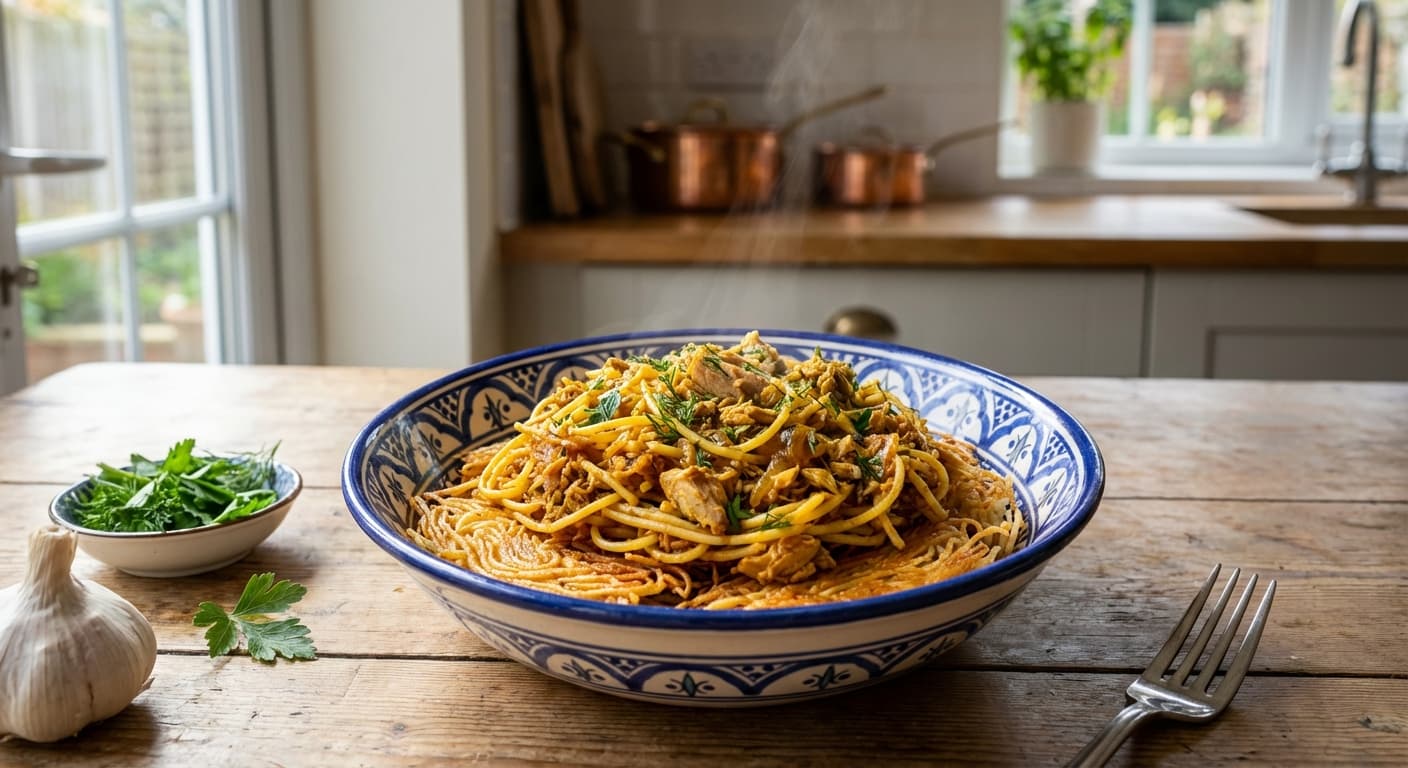
Persian-style tuna pasta made with a fragrant tomato-onion base, turmeric, garlic, and fresh herbs. After boiling, the pasta is gently steamed to create a cohesive, comfort-food texture with a lightly crisp bottom.
Printable Recipe Card
Servings: 4 · Total: 65 min · Difficulty: easy
Ingredients (quick list)
- 350 g Dried spaghetti (broken into 5 cm pieces) (Or short macaroni; see substitutions)
- 3000 ml Water (For boiling pasta)
- 18 g Salt (For pasta water (about 1 tablespoon))
- 45 ml Vegetable oil (Divided)
- 250 g Onion (Finely diced (about 1 large))
- 12 g Garlic (Minced (about 4 cloves))
- 2 tsp Ground turmeric
- 1 tsp Black pepper (Freshly ground)
- 6 g Fine salt (Adjust to taste; tuna and tomato paste vary in saltiness)
- 60 g Tomato paste (About 4 tablespoons)
- 300 g Tomatoes (Grated or finely chopped (about 2 medium))
- 320 g Canned tuna in oil (Drained well; about 2 cans (160 g each), flaked)
+ 2 more in the full ingredients section below.
Steps (summary)
- Bring 3000 ml water to a rolling boil in a large pot over high heat. Add 18 g salt. Break spaghetti into 5 cm pieces and add to…
- While pasta boils, heat 30 ml vegetable oil in a wide skillet over medium heat. Add diced onion and cook 8–10 minutes, stirring…
- Add turmeric, black pepper, and 6 g fine salt to the onions and stir for 20 seconds to bloom the spices. Add tomato paste and f…
- Stir in grated tomatoes and cook 6–8 minutes over medium heat until the mixture thickens and oil begins to separate at the edge…
- In a nonstick pot (24–26 cm) over medium heat, add the remaining 15 ml vegetable oil and swirl to coat. For a crisp bottom, let…
- Poke 5–6 holes down to the bottom with the handle of a wooden spoon to help steam circulate. Sprinkle 80 ml water evenly over t…
+ 1 more steps in the full instructions section below.
Cultural Background
Persian-style steamed pasta is a modern home-cooking tradition that adapts the same covered-steaming technique used for rice to create a cohesive texture and a crisp bottom. Tuna versions are popular for their convenience and pantry accessibility, especially for quick family meals.
Equipment
💡 Tips
- Undercook the pasta by 1–2 minutes before steaming; it finishes cooking in the covered pot and stays separate rather than mushy.
- Frying the tomato paste until it darkens prevents a raw, metallic taste and gives the dish a deeper brick-red color.
- Drain tuna very well; excess oil or liquid can make the steamed pasta greasy or wet.
- For a better crisp bottom, use a nonstick pot and keep heat low during steaming; too high heat can burn before the center steams.
- If your tomatoes are very watery, cook them longer until thick; the sauce should cling to the spoon.
⚠️ Common Mistakes
❌ Boiling the pasta fully before steaming
💡 Why: Fully cooked pasta continues cooking in steam and turns soft and sticky.
✅ Fix: Boil 1–2 minutes less than al dente, drain well, and finish cooking during the 25–30 minute steam.
❌ Skipping the step of frying tomato paste
💡 Why: Uncooked tomato paste can taste raw and overly acidic, and the sauce stays pale.
✅ Fix: Fry the paste 2–3 minutes in oil with onions and spices until it darkens and smells sweet.
❌ Steaming on high heat
💡 Why: The bottom burns before the center heats through, and the dish tastes bitter.
✅ Fix: After assembling, steam on low heat with a towel-wrapped lid to trap steam and prevent condensation from dripping back.
❌ Adding wet tuna or watery tomatoes without reducing
💡 Why: Excess moisture makes the pasta soggy and prevents a cohesive steam-set texture.
✅ Fix: Drain tuna thoroughly and simmer tomatoes until thick and glossy before layering.
🧊 How to Store
Cool to room temperature within 2 hours, then refrigerate in an airtight container for up to 3 days. Reheat covered in a skillet or pot with 1–2 tablespoons water over low heat for 8–10 minutes, or microwave covered in 60-second bursts until hot. Not ideal for freezing due to texture softening.
📅 Make Ahead
Prepare the tuna-tomato mixture up to 24 hours ahead and refrigerate airtight. Boil pasta and assemble just before steaming for best texture. Leftovers reheat best covered with a splash of water to re-steam.
🍽️ Pairs Well With
- Shirazi salad (cucumber
- tomato
- onion with lemon or lime)
- Plain yogurt or yogurt with dried mint
- Pickled vegetables
- Lemon wedges
Regional Variations
- Tehran-style home cookingOften uses more tomato paste for deeper color and a slightly sweeter sauce, with a pronounced crisp bottom created by a well-oiled nonstick pot.
- Caspian-influenced householdsMay include extra fresh herbs (especially parsley and cilantro) for a greener aroma, and sometimes a small amount of sour citrus at the table to brighten the tuna.
Ingredients
- 350 gDried spaghetti (broken into 5 cm pieces) (Or short macaroni; see substitutions)
- 3000 mlWater (For boiling pasta)
- 18 gSalt (For pasta water (about 1 tablespoon))
- 45 mlVegetable oil (Divided)
- 250 gOnion (Finely diced (about 1 large))
- 12 gGarlic (Minced (about 4 cloves))
- 2 tspGround turmeric
- 1 tspBlack pepper (Freshly ground)
- 6 gFine salt (Adjust to taste; tuna and tomato paste vary in saltiness)
- 60 gTomato paste (About 4 tablespoons)
- 300 gTomatoes (Grated or finely chopped (about 2 medium))
- 320 gCanned tuna in oil (Drained well; about 2 cans (160 g each), flaked)
- 40 gFresh parsley (Finely chopped)
- 20 gFresh cilantro (Finely chopped)
🔄 Substitutions
- Canned tuna in oil→ Canned tuna in water
- Spaghetti broken into pieces→ Short macaroni (elbow or ditalini)
- Fresh cilantro→ More fresh parsley (same weight)
Instructions
- 1
Bring 3000 ml water to a rolling boil in a large pot over high heat. Add 18 g salt. Break spaghetti into 5 cm pieces and add to the pot, stirring for 30 seconds to prevent clumping. Boil until just under al dente, 6–8 minutes (about 1–2 minutes less than package). Drain well and set aside.
- 2
While pasta boils, heat 30 ml vegetable oil in a wide skillet over medium heat. Add diced onion and cook 8–10 minutes, stirring, until soft and lightly golden. Add minced garlic and cook 30–45 seconds until fragrant, keeping heat moderate so the garlic does not brown.
- 3
Add turmeric, black pepper, and 6 g fine salt to the onions and stir for 20 seconds to bloom the spices. Add tomato paste and fry it 2–3 minutes, stirring constantly, until it darkens slightly and smells sweet rather than raw. This step deepens color and reduces acidity.
- 4
Stir in grated tomatoes and cook 6–8 minutes over medium heat until the mixture thickens and oil begins to separate at the edges. Add drained tuna and gently break it into bite-size flakes. Cook 2 minutes to warm through, then fold in chopped parsley and cilantro and cook 1 minute more.
- 5
In a nonstick pot (24–26 cm) over medium heat, add the remaining 15 ml vegetable oil and swirl to coat. For a crisp bottom, let the oil heat for 30 seconds. Add half the drained pasta, then spread the tuna-tomato mixture evenly, and top with the remaining pasta. Use the back of a spoon to gently compress.
- 6
Poke 5–6 holes down to the bottom with the handle of a wooden spoon to help steam circulate. Sprinkle 80 ml water evenly over the surface. Wrap the pot lid with a clean kitchen towel (to catch condensation), cover tightly, and steam on low heat for 25–30 minutes until fragrant and cohesive.
- 7
Turn off the heat and rest, covered, for 5 minutes. To serve, spoon portions out, including some of the crisp bottom if desired. Taste and adjust seasoning with a small pinch of salt or extra black pepper. Serve hot; the texture improves as it sits briefly after steaming.
🪪 Recipe Passport
Cultural Background
Persian-style steamed pasta is a modern home-cooking tradition that adapts the same covered-steaming technique used for rice to create a cohesive texture and a crisp bottom. Tuna versions are popular for their convenience and pantry accessibility, especially for quick family meals.
Regional Variations
Researched from multiple sources and validated by the Zaffaron editorial team. Every recipe is tested for accuracy, measurements, and cultural authenticity.
Nutrition per serving
Pairs well with
If you enjoyed this recipe, here are a few related Zaffaron recipes to try next.
Does your family make this differently?
Every family has their own version. Maybe your grandmother adds a secret ingredient, or your aunt has a completely different technique. Preserve your family's version — with their name on it, forever.
You Might Also Like
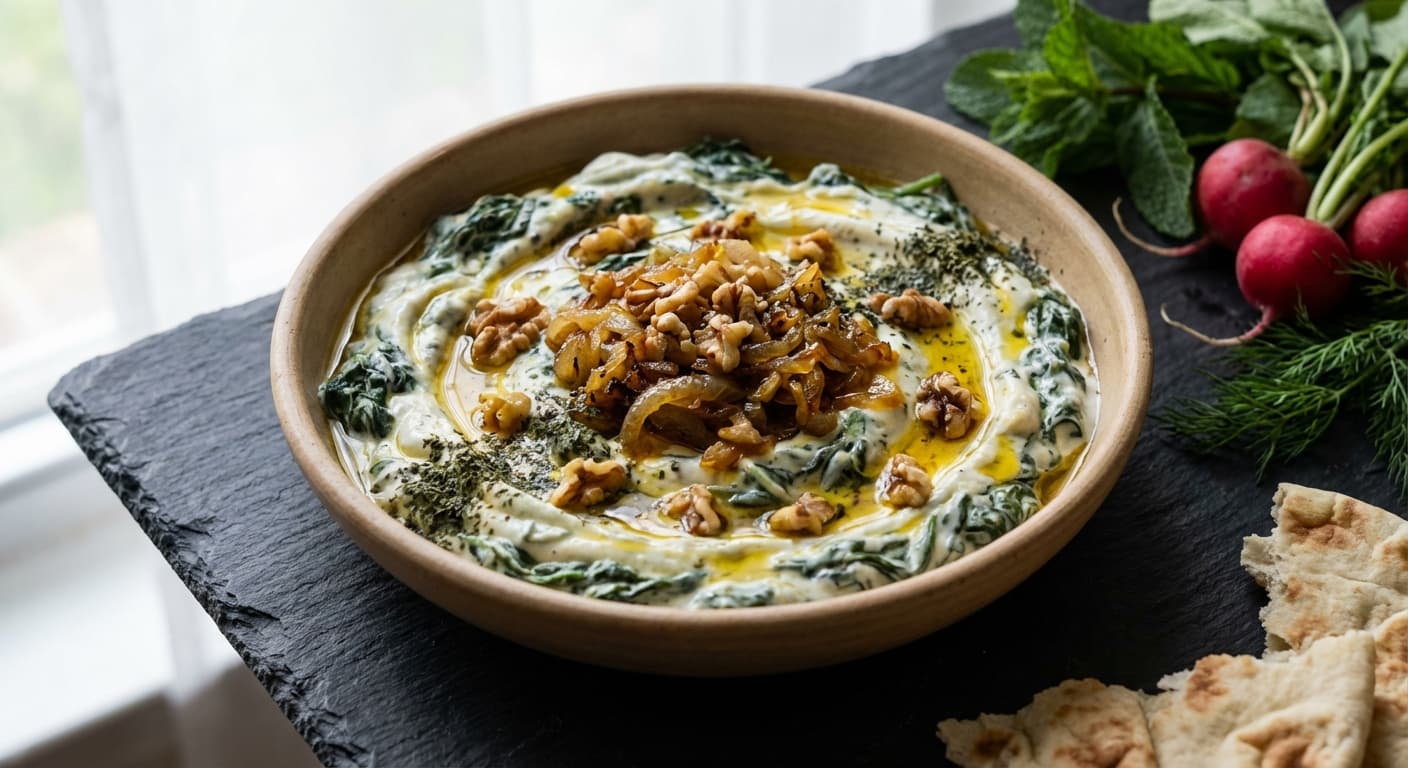
Borani Esfenaj (بورانی اسفناج) — Persian Spinach and Yogurt Dip with Saffron and Walnuts
Persian · Appetizers · 40 min
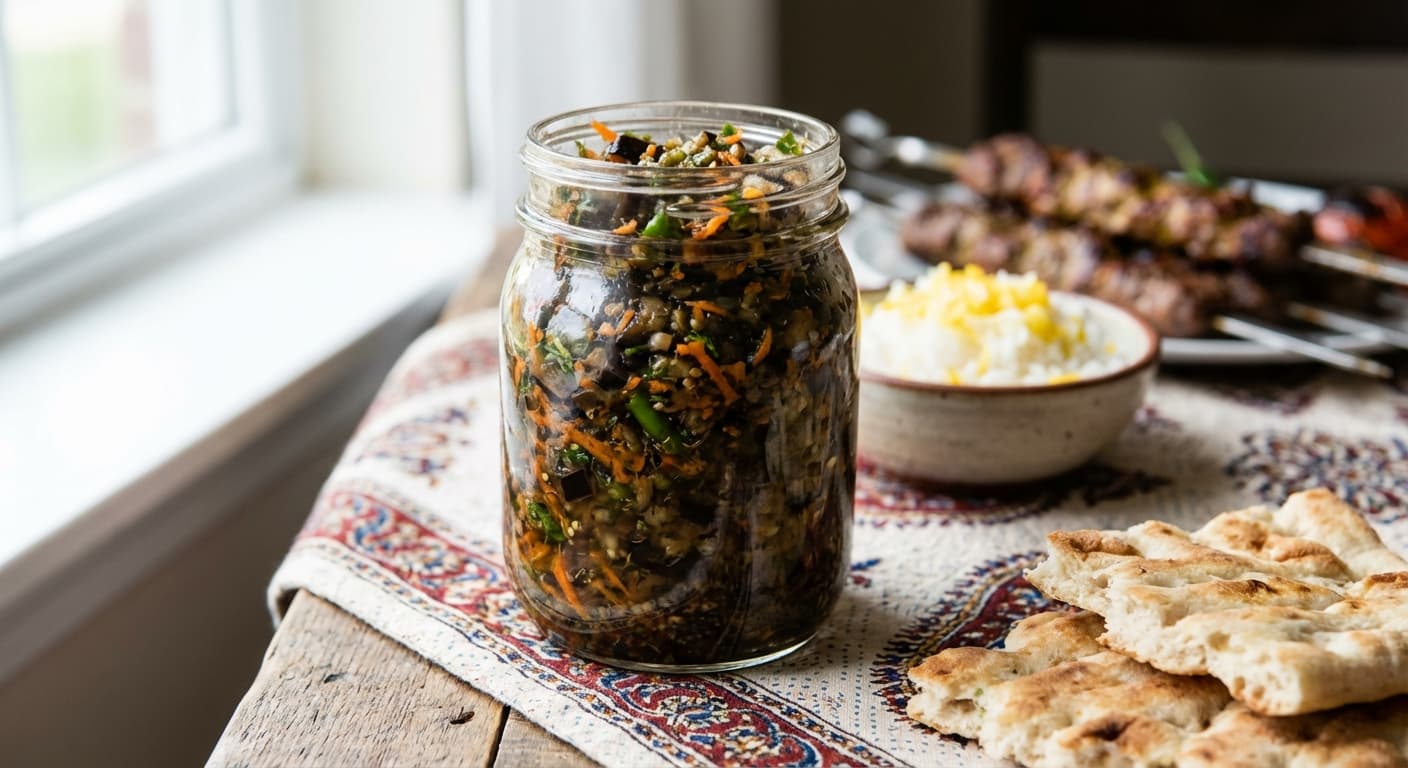
Persian Smoked Torshi Liteh (ترشی لیته) — Caspian-style smoky mixed vegetable pickle
Persian · Side Dishes · 60 min
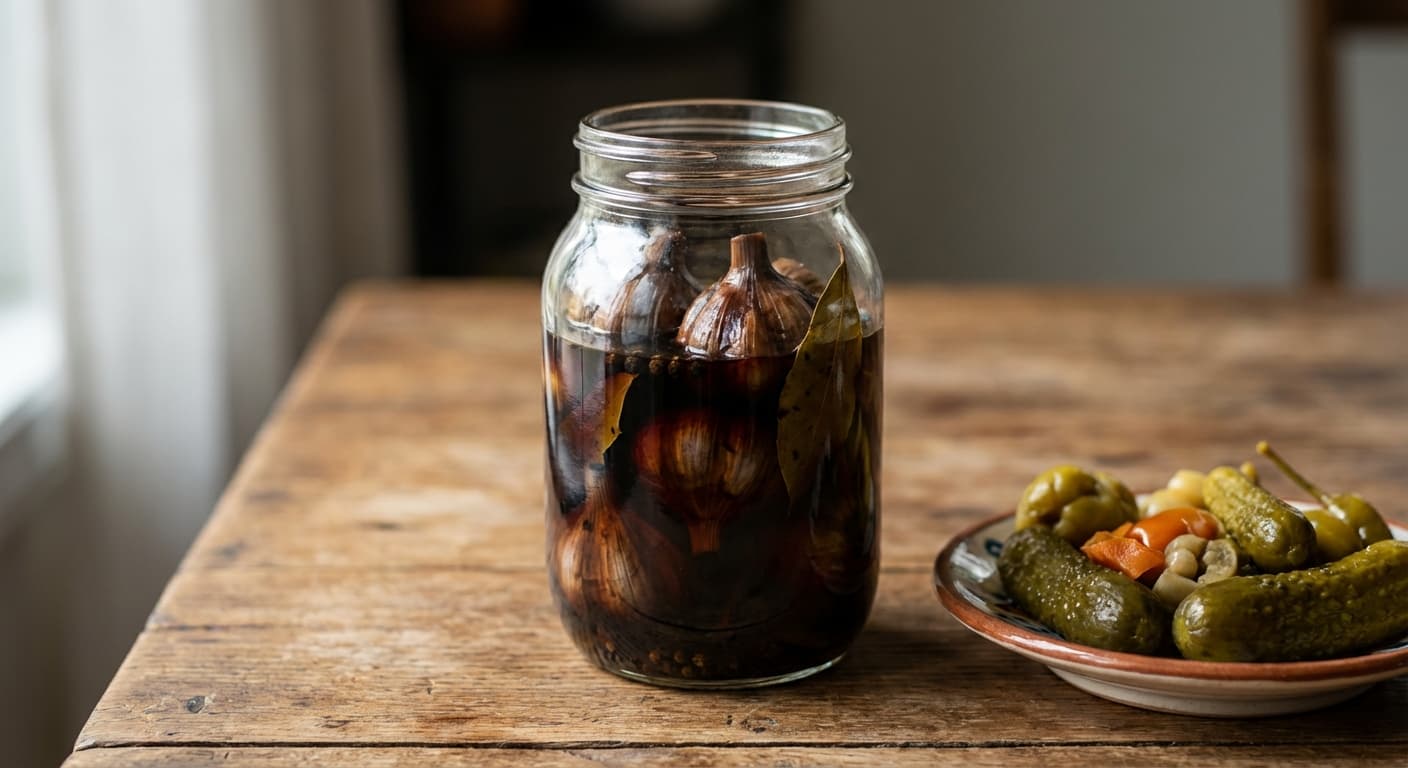
Aged Garlic Pickle (سیر ترشی) — Gilan’s seven-year-style black garlic torshi
Persian · Side Dishes · 45 min
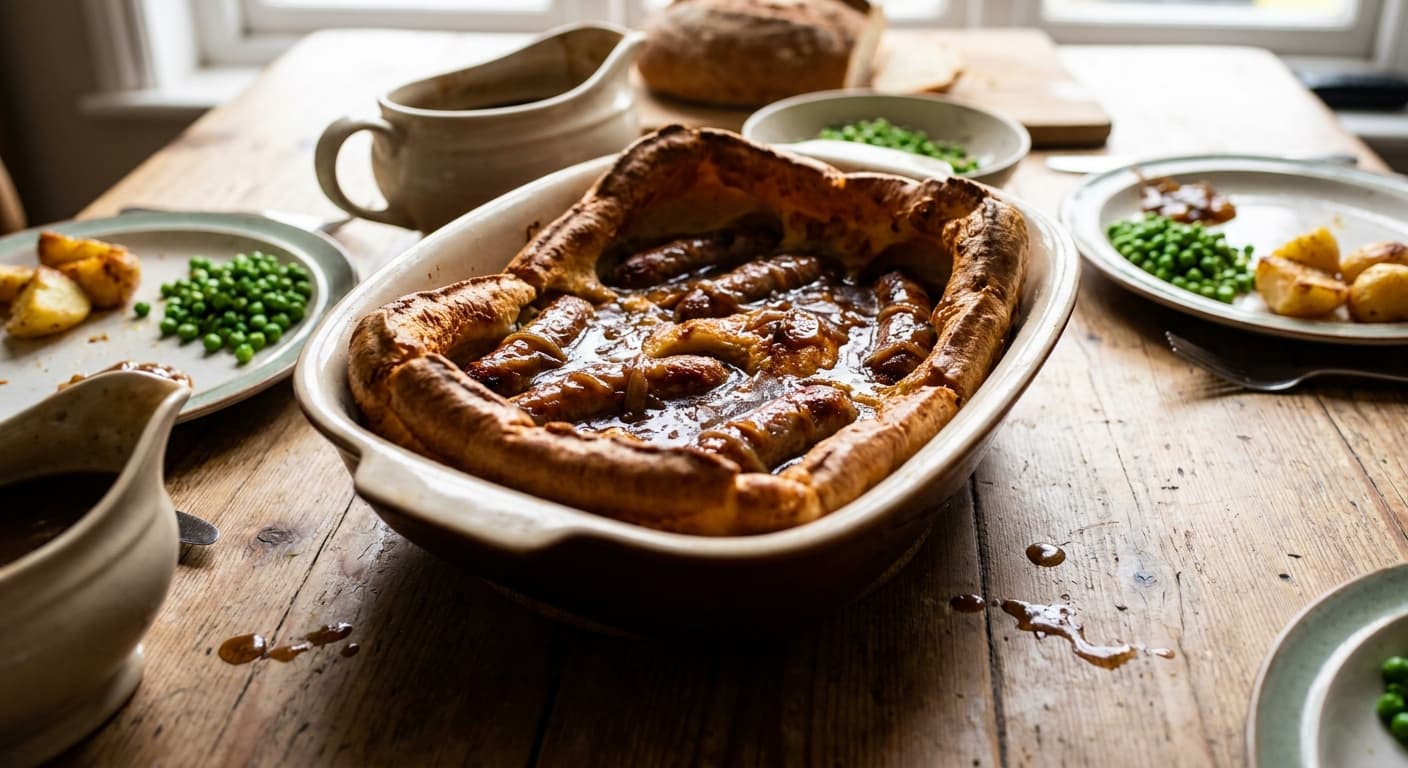
Toad in the Hole (Toad in the Hole) — Sausages Baked in Yorkshire Pudding Batter
British · Main Courses · 65 min
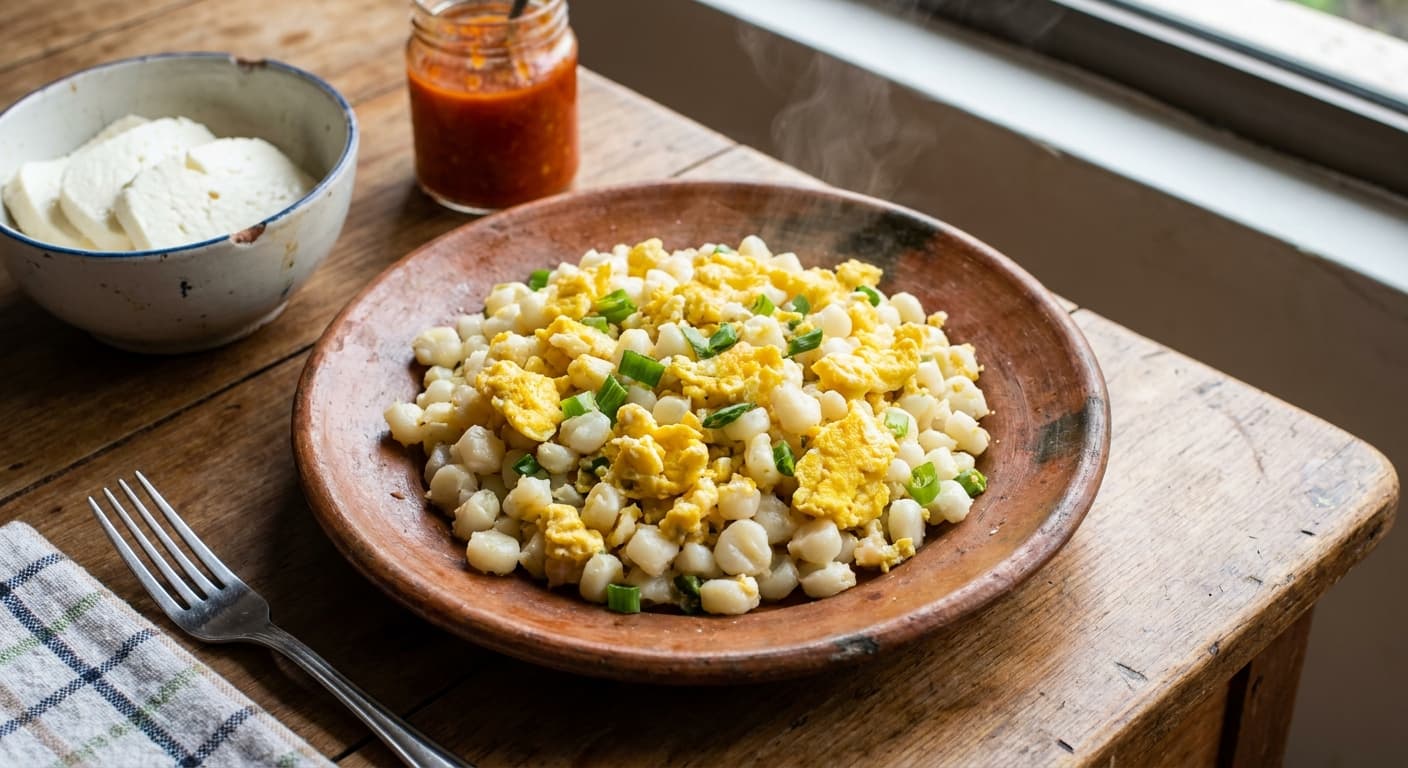
Scrambled Hominy and Eggs (Mote pillo) — Ecuadorian Highland Breakfast
Ecuadorian · Main Courses · 25 min
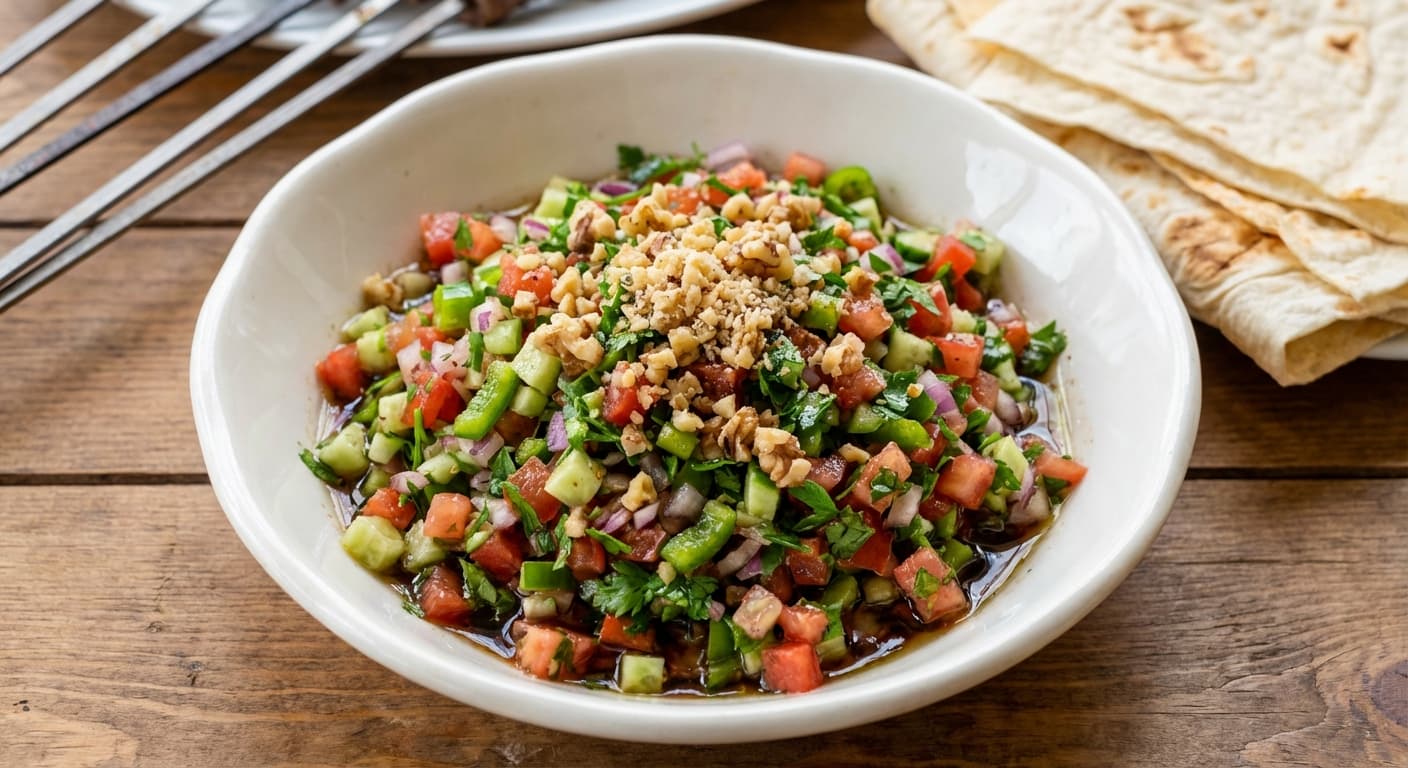
Gavurdağı Salad (Gavurdağı Salatası) — Finely Chopped Walnut & Pomegranate Salad
Turkish · Salads · 20 min
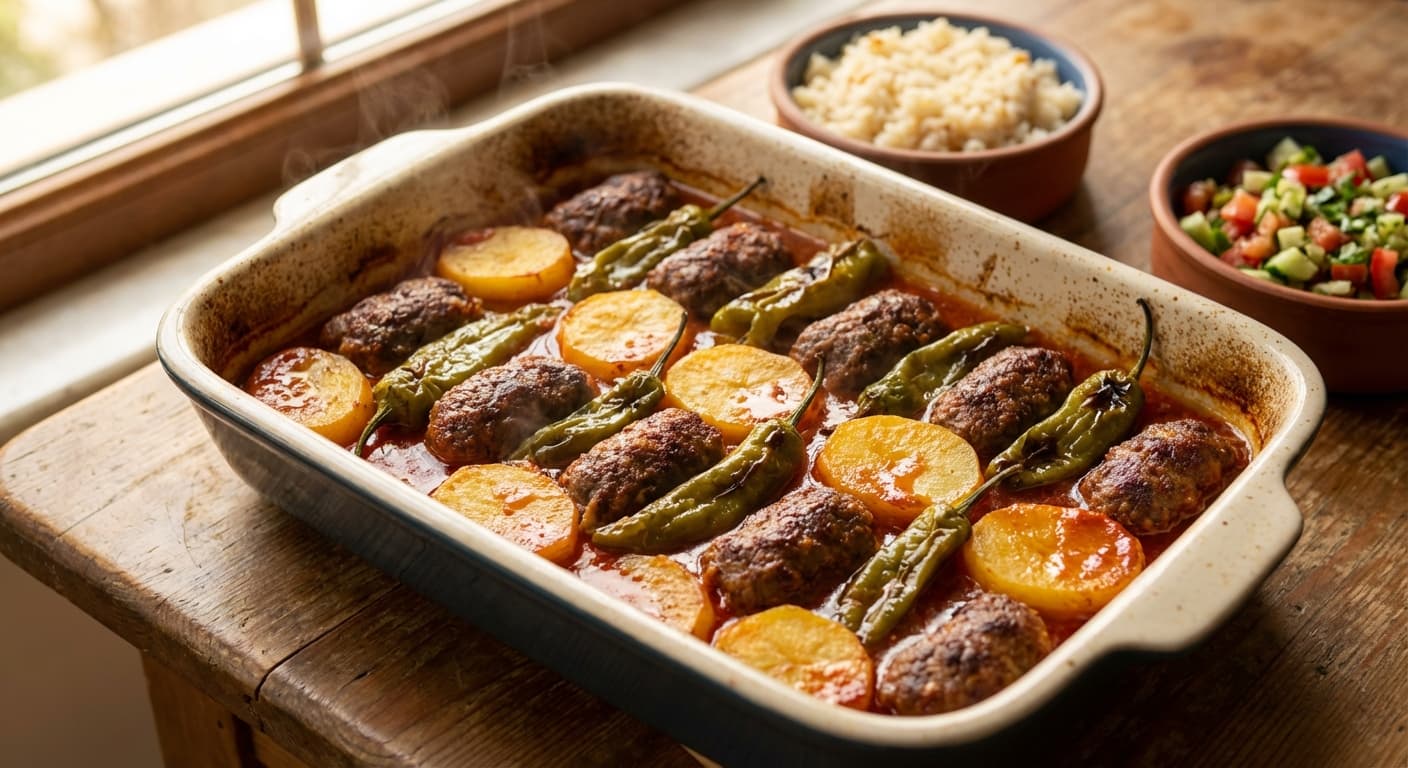
Izmir Kofte (İzmir Köfte) — Oven-Baked Meatballs with Tomato Sauce and Potatoes
Turkish · Main Courses · 70 min
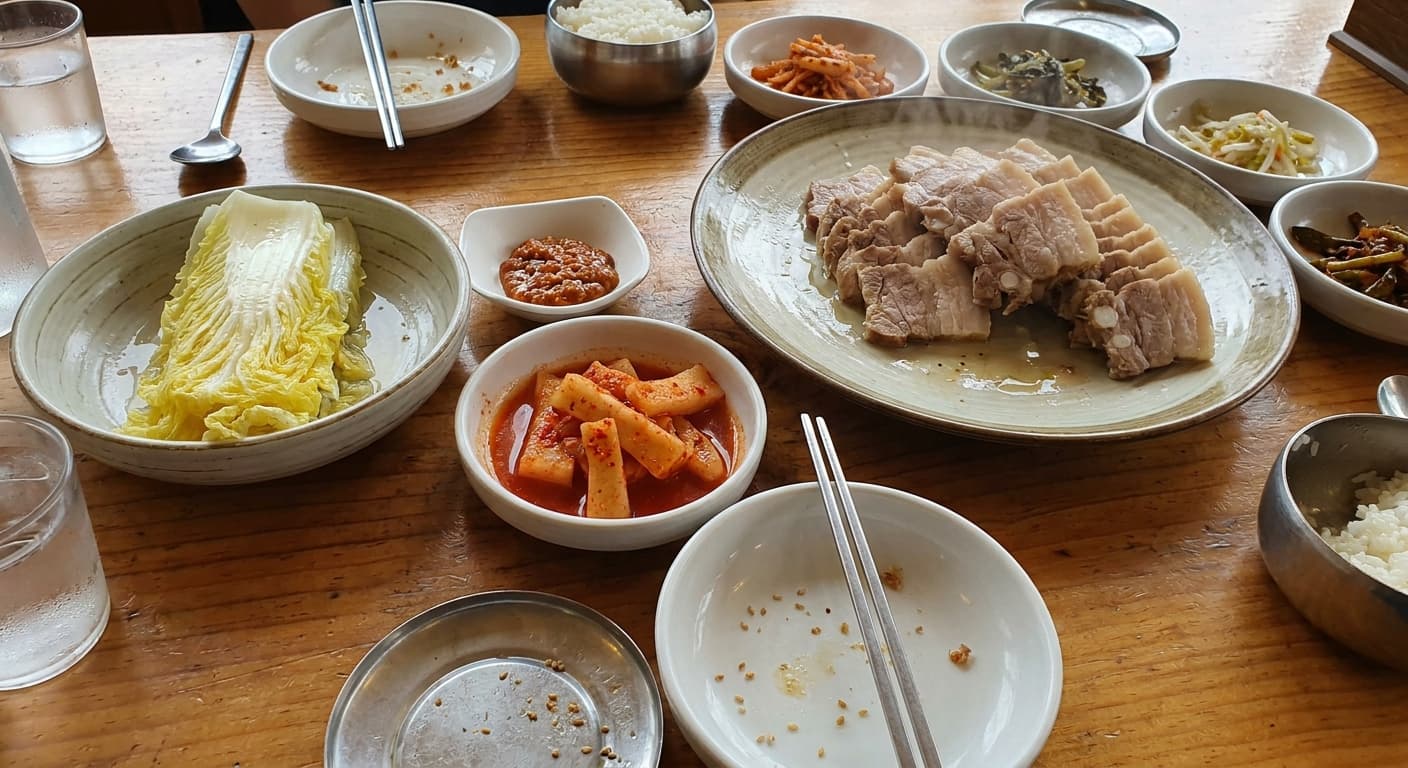
Bossam (보쌈) — Korean Boiled Pork Lettuce Wraps
Korean · Main Courses · 135 min
Reviews
Cooked this recipe?
Tap the stars to rate it — that's all it takes. A few words are welcome but optional.
No ratings yet. Cooked this one? Be the first to rate it — it takes one tap.