Bossam (보쌈) — Korean Boiled Pork Lettuce Wraps
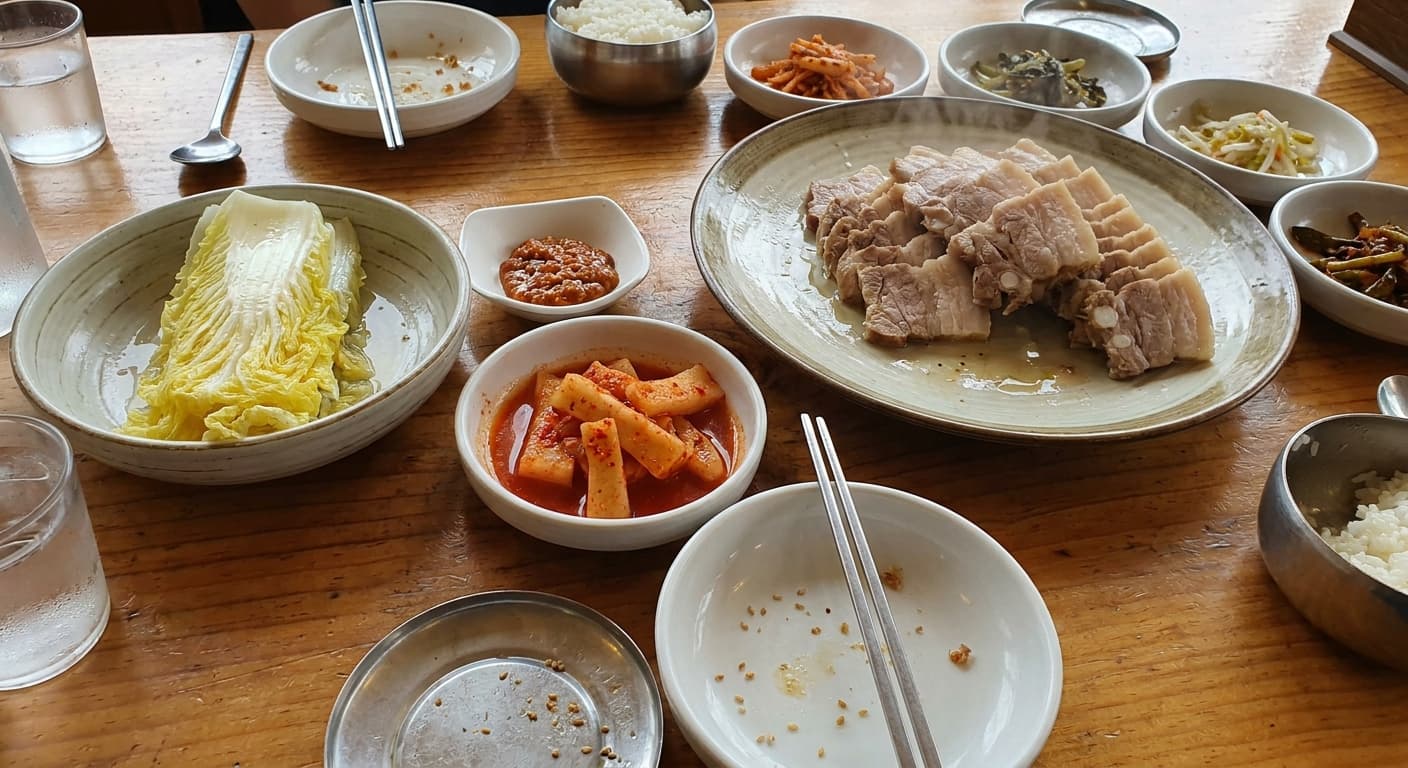
Bossam is a Korean family-style dish of tender boiled pork wrapped with salted napa cabbage, lettuce, ssamjang, kimchi, garlic, and rice. It is especially loved during kimjang, when fresh kimchi is made and shared.
Printable Recipe Card
Servings: 6 · Total: 135 min · Difficulty: medium
Ingredients (quick list)
- 1200 g skin-on pork belly slab
- 2.2 l water
- 3 tbsp doenjang
- 60 ml soy sauce
- 120 ml soju (or dry rice wine)
- 1 yellow onion (halved, skin left on)
- 4 scallions (trimmed and cut in half)
- 10 clove garlic (lightly crushed)
- 2 inch fresh ginger (sliced)
- 1 tsp black peppercorns
- 2 leaf bay leaves
- 1 tsp instant coffee powder (optional modern Korean home-cooking addition for aroma and color)
+ 19 more in the full ingredients section below.
Steps (summary)
- Make the salted napa cabbage first so it can soften while the pork cooks. Dissolve 18 g kosher salt in 1 l water, submerge the…
- Prepare the radish salad by tossing the julienned Korean radish with 1 tsp coarse sea salt and letting it stand for 10 minutes.…
- Stir together the ssamjang in a small bowl. Combine doenjang, gochujang, toasted sesame oil, honey, rice vinegar, grated garlic…
- Rinse the pork belly under cold water and pat it completely dry. Place it in a heavy pot with 2.2 l water, doenjang, soy sauce,…
- Bring the pot to a strong simmer over medium-high heat, skimming off any foam that rises during the first 10 minutes. Reduce th…
- Turn off the heat and let the pork rest in the hot broth for 15 minutes so the meat stays juicy. Lift it out carefully, blot th…
+ 2 more steps in the full instructions section below.
Cultural Background
Bossam is strongly tied to Korean sharing culture and kimjang, when families reward the labor of making kimchi with warm pork wraps. Maangchi presents bossam as a convivial table dish built around ssam, banchan, and fermented seasonings.
Equipment
💡 Tips
- Keep the simmer gentle after the first boil; a rolling boil tightens pork belly and makes the lean layers dry.
- Slice the pork only after resting it in the broth, because hot bossam meat loses juice quickly when cut too early.
- If the ssamjang tastes too salty with your doenjang, add 1 tbsp more water and 1 tsp more honey to balance it.
⚠️ Common Mistakes
❌ Boiling the pork too hard for the full cooking time.
✅ Fix: After the first simmer and skimming, lower the heat so only small bubbles break the surface.
❌ Serving the pork without enough sharp or fermented accompaniments.
✅ Fix: Always include kimchi, ssamjang, fresh garlic, and a crisp leaf so the rich pork tastes balanced.
❌ Cutting the pork with the grain.
✅ Fix: Identify the long muscle fibers and slice across them into 6 mm pieces for a tender bite.
🧊 How to Store
Store sliced pork separately from leaves, rice, kimchi, and sauces in airtight containers for up to 3 days. Reheat pork gently in 120 ml reserved broth or water over low heat until warm, then assemble fresh wraps.
📅 Make Ahead
The ssamjang and radish salad can be made 1 day ahead and refrigerated. The pork is best freshly simmered, but it can be cooked 6 hours ahead and reheated gently in its broth.
🍽️ Pairs Well With
- Steamed short-grain rice
- napa kimchi
- radish salad
- ssamjang
- perilla leaves
- lettuce
- sliced garlic
- Korean green chile peppers.
Regional Variations
- Kimjang-style bossam is often served with very fresh, newly seasoned napa kimchi rather than fully aged kimchi.
- Coastal versions may add fresh oysters to the wrap, especially with spicy radish kimchi, but only when very fresh oysters are available.
- Some Korean home cooks add apple, pear, or dried jujube to the boiling liquid for a faint sweetness and softer aroma.
Ingredients
- 1200 gskin-on pork belly slab
- 2.2 lwater
- 3 tbspdoenjang
- 60 mlsoy sauce
- 120 mlsoju (or dry rice wine)
- 1yellow onion (halved, skin left on)
- 4scallions (trimmed and cut in half)
- 10 clovegarlic (lightly crushed)
- 2 inchfresh ginger (sliced)
- 1 tspblack peppercorns
- 2 leafbay leaves
- 1 tspinstant coffee powder (optional modern Korean home-cooking addition for aroma and color)
- 1 tbspbrown sugar
- 12napa cabbage leaves
- 18 gkosher salt
- 2 tbspgochujang
- 1 tbsptoasted sesame oil
- 1 tbsphoney
- 1 tbsprice vinegar
- 1scallion (finely chopped)
- 2 tsptoasted sesame seeds
- 300 gKorean radish (julienned)
- 1 tspcoarse sea salt
- 2 tbspgochugaru
- 1 tbspfish sauce
- 1 tbsprice syrup
- 18red leaf lettuce leaves
- 18perilla leaves
- 250 gnapa kimchi
- 3 cupcooked short-grain rice
- 2Korean green chile peppers (thinly sliced)
🔄 Substitutions
- pork belly slab→ pork shoulder
- soju→ dry sake or dry rice wine
- fish sauce→ soy sauce
Instructions
- 1
Make the salted napa cabbage first so it can soften while the pork cooks. Dissolve 18 g kosher salt in 1 l water, submerge the napa cabbage leaves for 30 minutes, then drain and pat them dry without rinsing away all of their mild seasoning.
- 2
Prepare the radish salad by tossing the julienned Korean radish with 1 tsp coarse sea salt and letting it stand for 10 minutes. Squeeze out excess liquid, then mix the radish with gochugaru, fish sauce, rice syrup, garlic, ginger, scallions, and sesame seeds until evenly red and glossy.
- 3
Stir together the ssamjang in a small bowl. Combine doenjang, gochujang, toasted sesame oil, honey, rice vinegar, grated garlic, chopped scallion, sesame seeds, and 1 tbsp water until the paste is thick but spoonable.
- 4
Rinse the pork belly under cold water and pat it completely dry. Place it in a heavy pot with 2.2 l water, doenjang, soy sauce, soju, onion, scallions, garlic, ginger, peppercorns, bay leaves, instant coffee powder, and brown sugar.
- 5
Bring the pot to a strong simmer over medium-high heat, skimming off any foam that rises during the first 10 minutes. Reduce the heat to low, cover the pot slightly ajar, and simmer for 80 to 90 minutes until a skewer slides easily through the thickest part of the pork.
- 6
Turn off the heat and let the pork rest in the hot broth for 15 minutes so the meat stays juicy. Lift it out carefully, blot the surface, and slice it across the grain into 6 mm thick pieces while still warm.
- 7
Arrange the pork slices on a warm platter and place the salted napa cabbage, lettuce leaves, perilla leaves, kimchi, radish salad, ssamjang, rice, sliced garlic, and sliced Korean green chile peppers around it. Bossam is meant to be abundant and interactive, so use several small bowls rather than hiding the condiments in one pile.
- 8
To eat, place one lettuce leaf or napa cabbage leaf in your palm, add a small spoonful of rice, one slice of pork, a dab of ssamjang, kimchi, radish salad, garlic, and chile. Fold the wrap into a compact bundle and eat it in one bite if possible, which is the classic Korean ssam style.
🪪 Recipe Passport
Cultural Background
Bossam is strongly tied to Korean sharing culture and kimjang, when families reward the labor of making kimchi with warm pork wraps. Maangchi presents bossam as a convivial table dish built around ssam, banchan, and fermented seasonings.
Regional Variations
Researched from multiple sources and validated by the Zaffaron editorial team. Every recipe is tested for accuracy, measurements, and cultural authenticity.
📚 Sources & Cultural References
- Maangchi — Maangchi's Big Book of Korean Cooking — (2019)
- Hooni Kim — My Korea — (2020)
Sources cited by the Zaffaron editorial team during recipe research. Cultural and culinary references supporting authenticity claims.
Nutrition per serving
Pairs well with
If you enjoyed this recipe, here are a few related Zaffaron recipes to try next.
Does your family make this differently?
Every family has their own version. Maybe your grandmother adds a secret ingredient, or your aunt has a completely different technique. Preserve your family's version — with their name on it, forever.
You Might Also Like
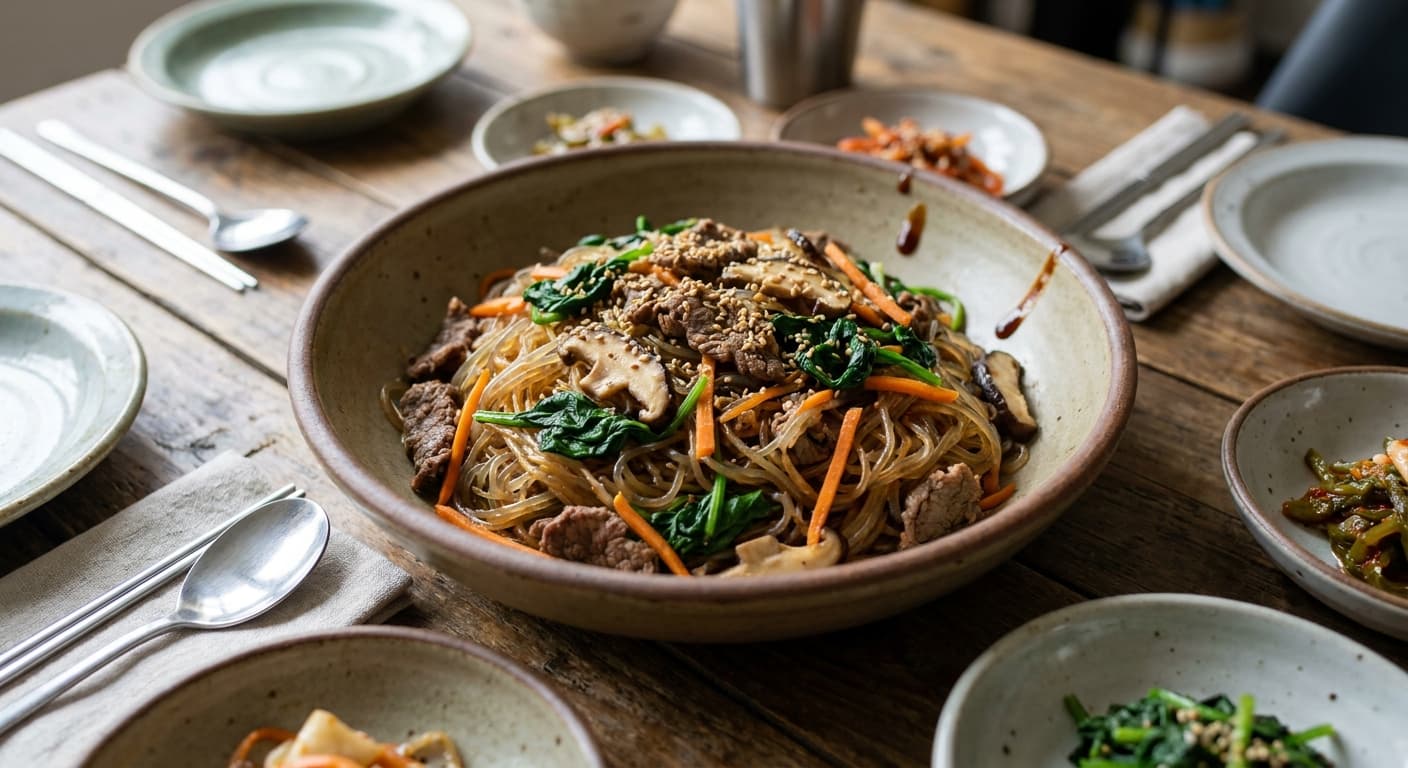
Japchae (잡채) — Korean Glass Noodles with Beef and Vegetables
Korean · Main Courses · 60 min
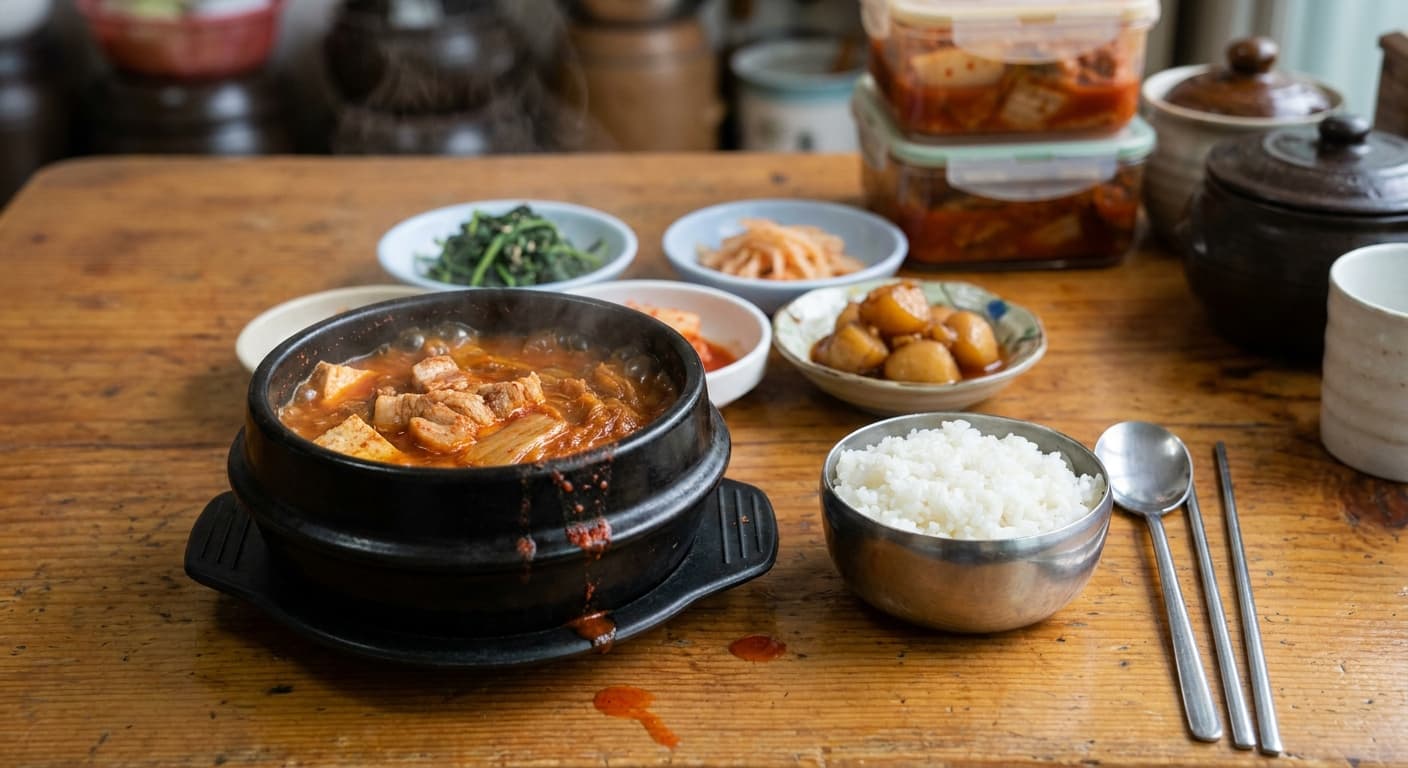
Kimchi Jjigae (김치찌개) — Korean Kimchi Stew
Korean · Stews · 60 min

Bulgogi (불고기) — Korean Soy-Marinated Grilled Beef
Korean · Main Courses · 37 min

Cornish Pasty (Cornish Pasty) — Traditional Beef and Swede Hand Pie
British · Main Courses · 100 min
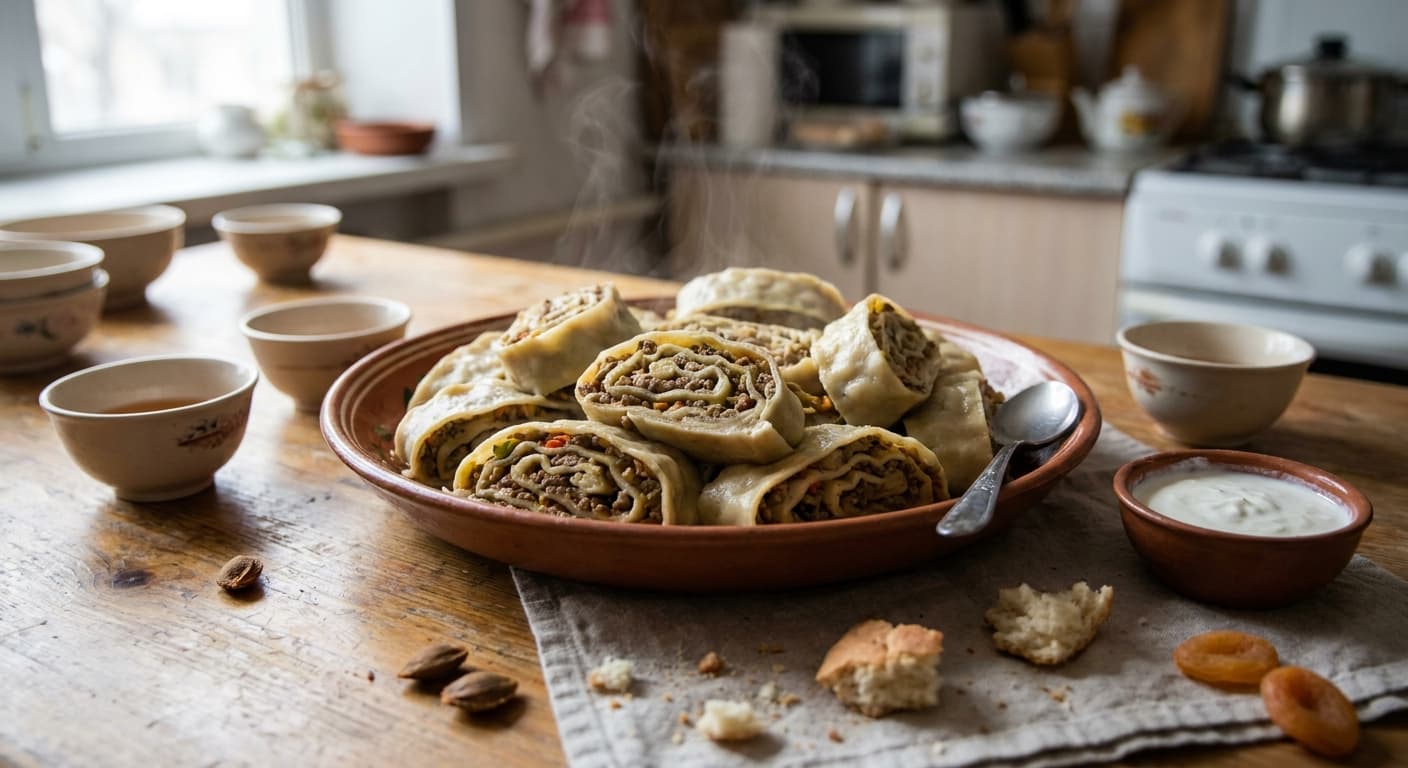
Orromo (Оромо) — Kyrgyz Steamed Rolled Dumpling with Lamb and Pumpkin
Kyrgyz · Main Courses · 105 min
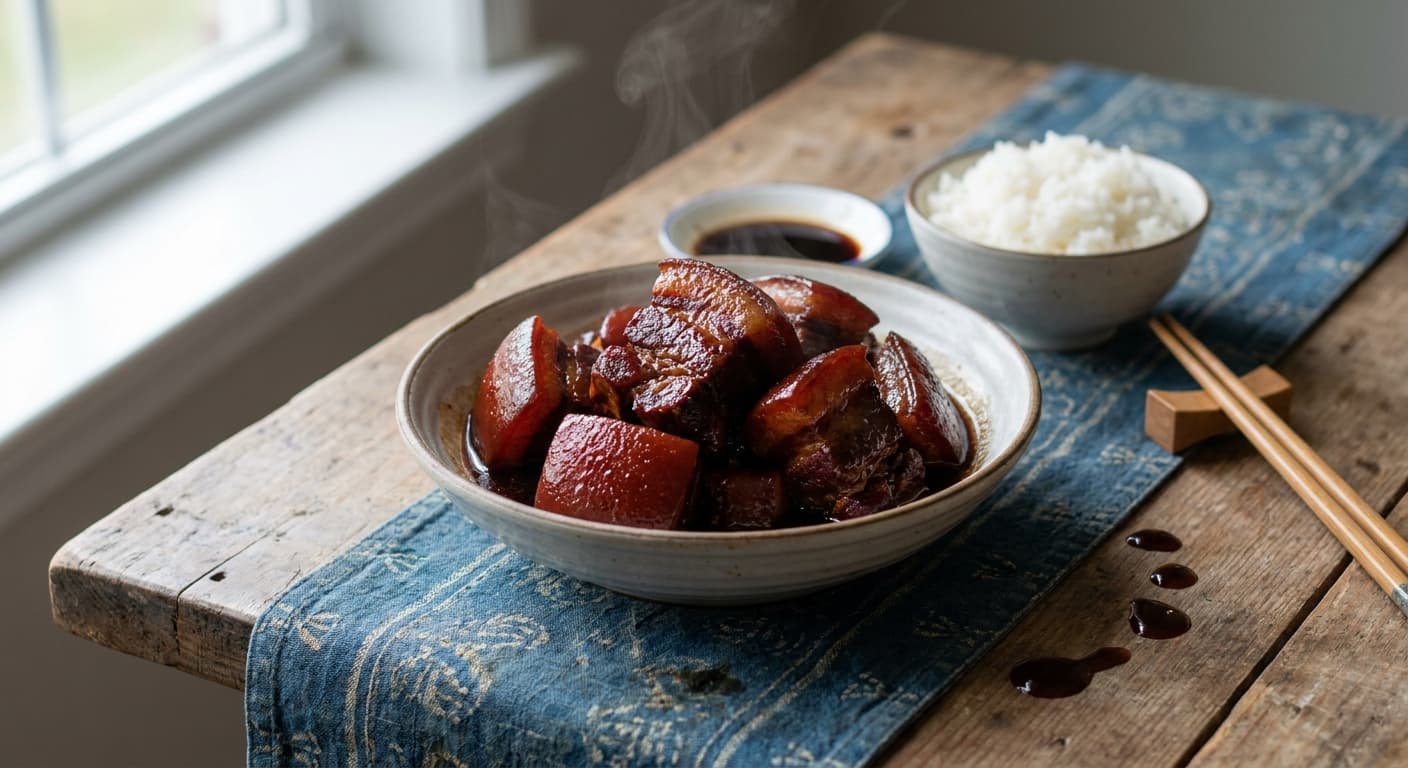
Dongpo Pork (东坡肉) — Hangzhou Red-Braised Pork Belly
Chinese · Main Courses · 205 min
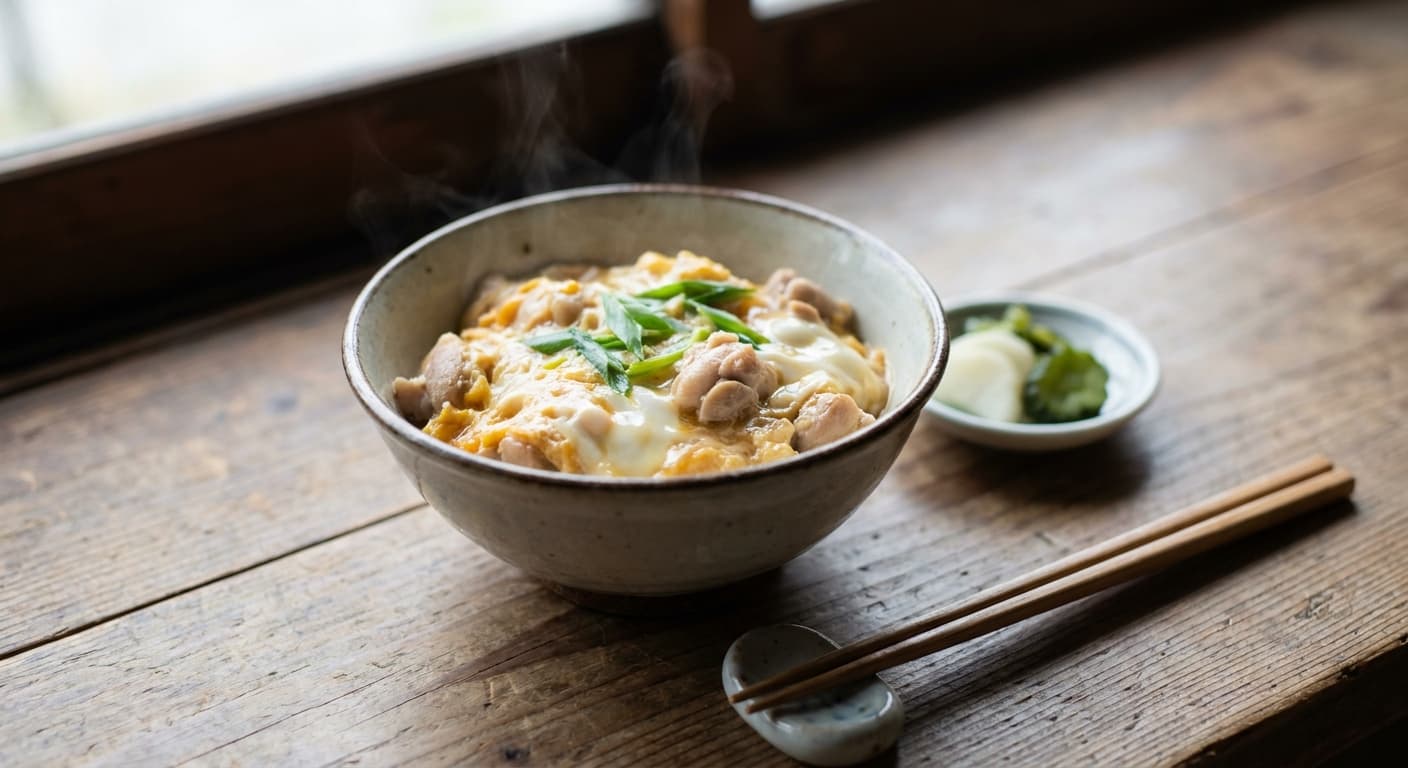
Japanese Oyakodon (親子丼) — Chicken and Egg Rice Bowl
Japanese · Rice Dishes · 29 min
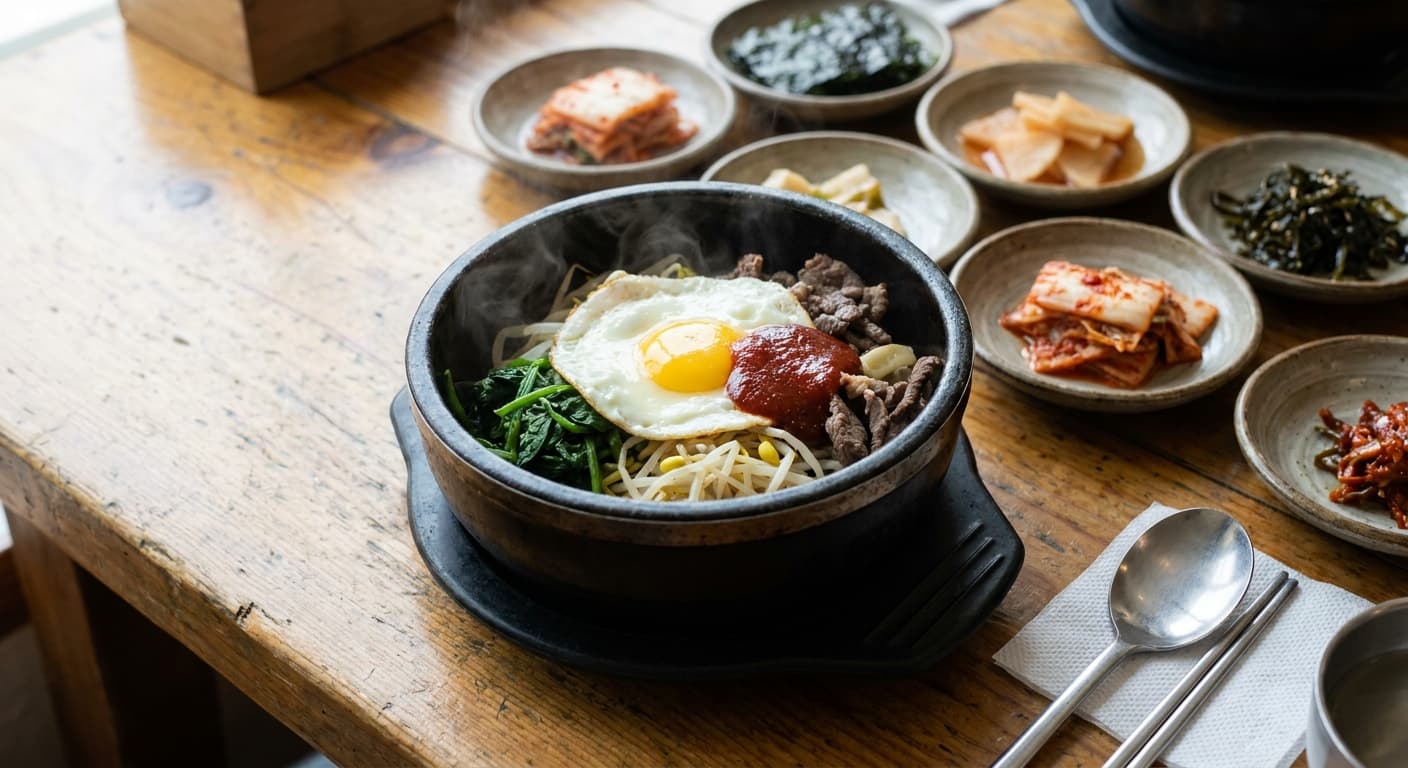
Bibimbap (비빔밥) — Korean Mixed Rice Bowl
Korean · Rice Dishes · 80 min
Reviews
Cooked this recipe?
Tap the stars to rate it — that's all it takes. A few words are welcome but optional.
No ratings yet. Cooked this one? Be the first to rate it — it takes one tap.