Polo Makhlout (پلو مخلوط) — Persian Aromatic Mixed Rice
Polo Makhlout is a fragrant Persian mixed rice layered with spiced ground meat, dill, and tomato. A saffron-yogurt tahdig forms a golden, crisp crust beneath fluffy basmati grains—comforting, aromatic, and celebratory.
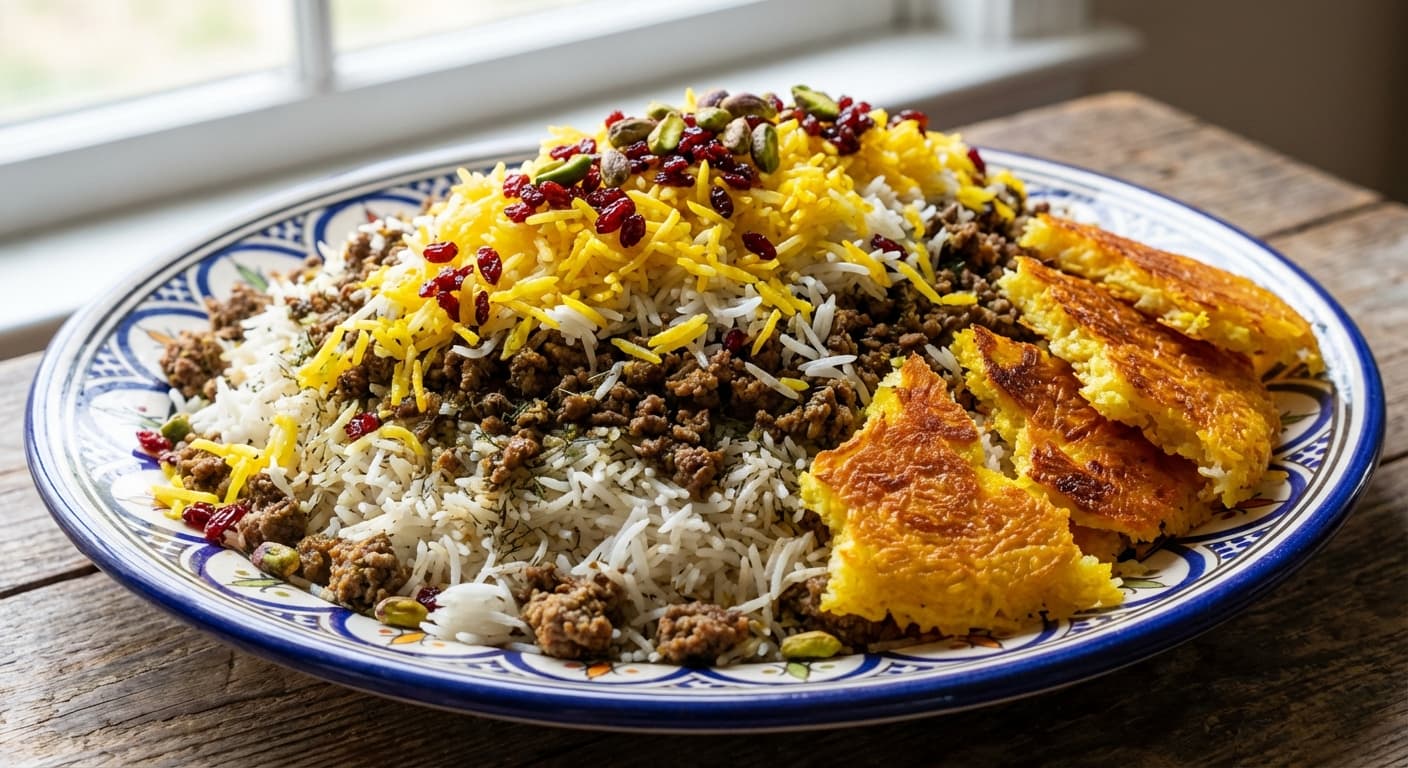
Printable Recipe Card
Servings: 6 · Total: 140 min · Difficulty: medium
Ingredients (quick list)
- 500 g Basmati rice (rinsed until water runs mostly clear)
- 18 g Fine sea salt (for soaking water (about 1 tablespoon); additional 3 g for meat)
- 2500 ml Water (for soaking and parboiling; plus 60 ml for saffron)
- 0.3 g Saffron threads (crushed and bloomed in hot water)
- 200 g Plain yogurt (full-fat preferred for tahdig)
- 1 large Egg yolk (optional but helps bind and color the tahdig)
- 60 ml Neutral oil (such as sunflower or grapeseed)
- 30 g Unsalted butter (for aroma and crisping)
- 250 g Onion (finely diced)
- 400 g Ground beef (80–85% lean (or use lamb for a richer flavor))
- 40 g Tomato paste (about 2 tablespoons)
- 12 g Dried dill (about 4 tablespoons; or use 60 g chopped fresh dill)
+ 4 more in the full ingredients section below.
Steps (summary)
- Rinse the basmati rice in several changes of cool water until it runs mostly clear. In a bowl, combine rice with 1500 ml water…
- Make the meat mixture: heat a large skillet over medium-high heat for 2 minutes. Add 15 ml of the oil (taken from the measured…
- Push the meat to the sides and add tomato paste to the center; fry 1–2 minutes to remove raw taste. Stir in dill, garlic powder…
- Parboil the rice: bring 1000 ml water to a rolling boil in a nonstick or heavy pot (about 24–26 cm). Drain soaked rice and add…
- Drain the parboiled rice in a colander and rinse quickly with 250 ml warm water to remove excess surface starch. Let it drain 5…
- Build the tahdig: return the pot to medium heat. Add remaining oil (about 45 ml) and butter; swirl to coat the bottom. Spread t…
+ 3 more steps in the full instructions section below.
Cultural Background
Mixed rice dishes are common in Persian home cooking, where rice is often steamed to create distinct grains and a crisp tahdig. Polo Makhlout is typically served for family gatherings because it combines protein and rice in one celebratory platter with contrasting textures.
Equipment
💡 Tips
- For the crispest tahdig, use full-fat yogurt and a heavy pot with a tight lid; steady low heat is more important than high heat.
- If your stove runs hot, place a heat diffuser under the pot during the low-heat steaming phase to prevent scorching.
- Bloom saffron in hot (not boiling) water and keep it covered; this preserves aroma and gives deeper color.
- Do not overboil the rice during parboiling; it should still have a firm core so it finishes cooking by steaming.
- If using fresh dill, add it after frying the tomato paste so the herb stays bright and fragrant.
⚠️ Common Mistakes
❌ Overboiling the rice during parboil
💡 Why: Rice finishes cooking during steaming; overboiled grains break and turn sticky, and the layered dish loses definition.
✅ Fix: Boil only until the outside is tender but the center is firm (6–8 minutes). Drain well and steam on low to finish.
❌ Tahdig burns before the rice steams through
💡 Why: High heat sets the crust too fast and scorches the yogurt layer while the top remains undercooked.
✅ Fix: After 10 minutes on medium to build steam, reduce to low for 45–50 minutes; use a diffuser if your stove runs hot.
❌ Watery or pale tahdig
💡 Why: Low-fat yogurt or too much liquid prevents browning and crisping, and saffron not bloomed properly gives weak color.
✅ Fix: Use full-fat yogurt, keep the yogurt layer thin and even, and bloom saffron covered in hot water for at least 20 minutes.
❌ Dry, crumbly meat layer
💡 Why: Cooking the meat mixture too long after adding tomato paste evaporates moisture and makes the filling chalky.
✅ Fix: Simmer only 3 minutes after adding water, then remove from heat; the meat will stay moist during the final steaming.
🧊 How to Store
Cool leftovers within 2 hours. Refrigerate in an airtight container for up to 3 days. Reheat covered with 1–2 tablespoons water in a pot on low 10–15 minutes or microwave covered. Tahdig will soften; re-crisp in a skillet with 1 teaspoon oil over medium heat 3–5 minutes.
📅 Make Ahead
Prepare the meat mixture up to 2 days ahead and refrigerate airtight. Rinse and soak the rice up to 1 hour ahead (do not exceed 2 hours at room temperature). Bloom saffron up to 24 hours ahead and refrigerate covered; bring to room temperature before using.
🍽️ Pairs Well With
- Shirazi salad (cucumber
- tomato
- onion with lemon)
- Plain yogurt with dried mint
- Pickled vegetables
- Fresh herbs and radishes
Regional Variations
- Tehran-style home cookingOften includes a slightly sweeter balance by adding 30 g raisins sautéed briefly in 5 ml oil, layered with the meat for bursts of sweetness.
- Northern IranMay increase herbs (especially dill) and add 200 g cooked fava beans layered with the rice, creating a greener, more herb-forward mixed polo.
- Diaspora kitchensCommonly made with leaner ground turkey or beef and baked in the oven at 175°C for 60–70 minutes to simplify heat control while still producing tahdig.
Ingredients
- 500 gBasmati rice (rinsed until water runs mostly clear)
- 18 gFine sea salt (for soaking water (about 1 tablespoon); additional 3 g for meat)
- 2500 mlWater (for soaking and parboiling; plus 60 ml for saffron)
- 0.3 gSaffron threads (crushed and bloomed in hot water)
- 200 gPlain yogurt (full-fat preferred for tahdig)
- 1 largeEgg yolk (optional but helps bind and color the tahdig)
- 60 mlNeutral oil (such as sunflower or grapeseed)
- 30 gUnsalted butter (for aroma and crisping)
- 250 gOnion (finely diced)
- 400 gGround beef (80–85% lean (or use lamb for a richer flavor))
- 40 gTomato paste (about 2 tablespoons)
- 12 gDried dill (about 4 tablespoons; or use 60 g chopped fresh dill)
- 3 gGarlic powder (about 1 teaspoon)
- 4 gCurry powder (about 1 1/2 teaspoons)
- 2 gBlack pepper (about 1 teaspoon, freshly ground)
- 2 gGround turmeric (about 1 teaspoon)
🔄 Substitutions
- Ground beef→ Ground lamb or ground turkey
- Dried dill→ Fresh dill (chopped)
- Plain yogurt (for tahdig)→ Greek yogurt thinned with water
Instructions
- 1
Rinse the basmati rice in several changes of cool water until it runs mostly clear. In a bowl, combine rice with 1500 ml water and 18 g salt; soak 45 minutes at room temperature. Meanwhile, crush saffron and pour 60 ml just-boiled water over it; cover and steep 20 minutes.
- 2
Make the meat mixture: heat a large skillet over medium-high heat for 2 minutes. Add 15 ml of the oil (taken from the measured oil) and the diced onion; cook 8–10 minutes, stirring, until golden. Add ground meat and cook 6–8 minutes, breaking it up, until no pink remains.
- 3
Push the meat to the sides and add tomato paste to the center; fry 1–2 minutes to remove raw taste. Stir in dill, garlic powder, curry powder, turmeric, black pepper, and 3 g salt. Add 60 ml water, simmer 3 minutes until lightly saucy, then remove from heat to prevent over-drying.
- 4
Parboil the rice: bring 1000 ml water to a rolling boil in a nonstick or heavy pot (about 24–26 cm). Drain soaked rice and add to the boiling water. Boil 6–8 minutes, stirring gently once, until the grains are tender on the outside but still firm in the center.
- 5
Drain the parboiled rice in a colander and rinse quickly with 250 ml warm water to remove excess surface starch. Let it drain 5 minutes. In a bowl, whisk yogurt with egg yolk (if using) and 2 tablespoons (30 ml) of the bloomed saffron water until uniformly golden.
- 6
Build the tahdig: return the pot to medium heat. Add remaining oil (about 45 ml) and butter; swirl to coat the bottom. Spread the saffron-yogurt mixture evenly over the base. Add a 2–3 cm layer of rice on top, pressing gently to cover the yogurt without mixing.
- 7
Layer and steam: add one-third of the meat mixture, then another layer of rice; repeat, ending with rice on top. Use the handle of a spoon to poke 5–6 steam holes down to the bottom. Wrap the lid in a clean towel and cover tightly; cook 10 minutes on medium.
- 8
Reduce heat to low and steam 45–50 minutes. Drizzle the remaining saffron water over the top during the last 10 minutes for aroma and color. When done, the rice should smell nutty and the sides of the pot should look dry; rest covered off heat 10 minutes.
- 9
To serve, gently fluff the rice and meat layers in a platter, keeping grains long and separate. For tahdig release, run a thin spatula around the edge. Place a serving plate over the pot and invert confidently. If needed, return the pot to low heat 2 minutes to loosen.
🪪 Recipe Passport
Cultural Background
Mixed rice dishes are common in Persian home cooking, where rice is often steamed to create distinct grains and a crisp tahdig. Polo Makhlout is typically served for family gatherings because it combines protein and rice in one celebratory platter with contrasting textures.
Regional Variations
Researched from multiple sources and validated by the Zaffaron editorial team. Every recipe is tested for accuracy, measurements, and cultural authenticity.
Nutrition per serving
Pairs well with
If you enjoyed this recipe, here are a few related Zaffaron recipes to try next.
Does your family make this differently?
Every family has their own version. Maybe your grandmother adds a secret ingredient, or your aunt has a completely different technique. Preserve your family's version — with their name on it, forever.
You Might Also Like
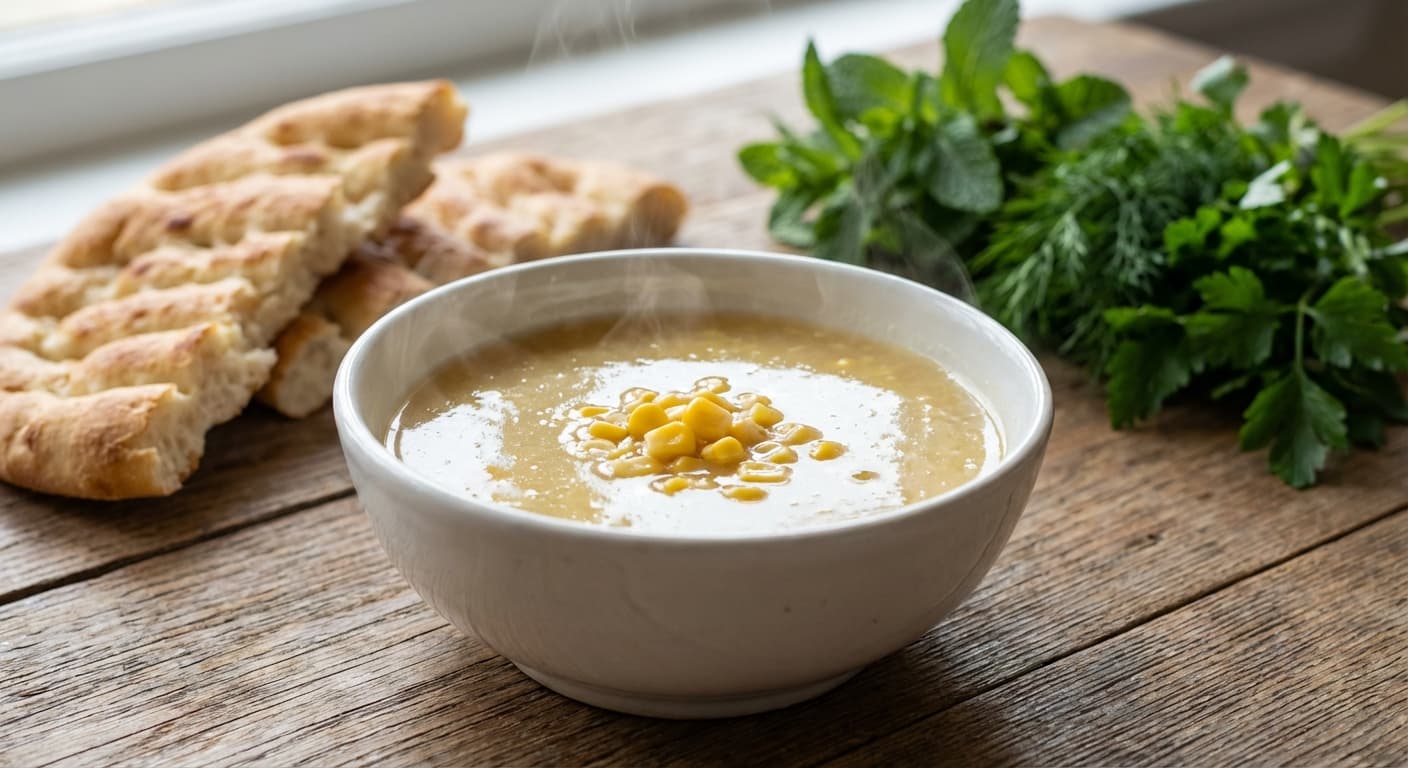
Persian Sweet Corn Soup (سوپ ذرت) — Silky Golden Comfort Soup
Persian · Soups · 50 min
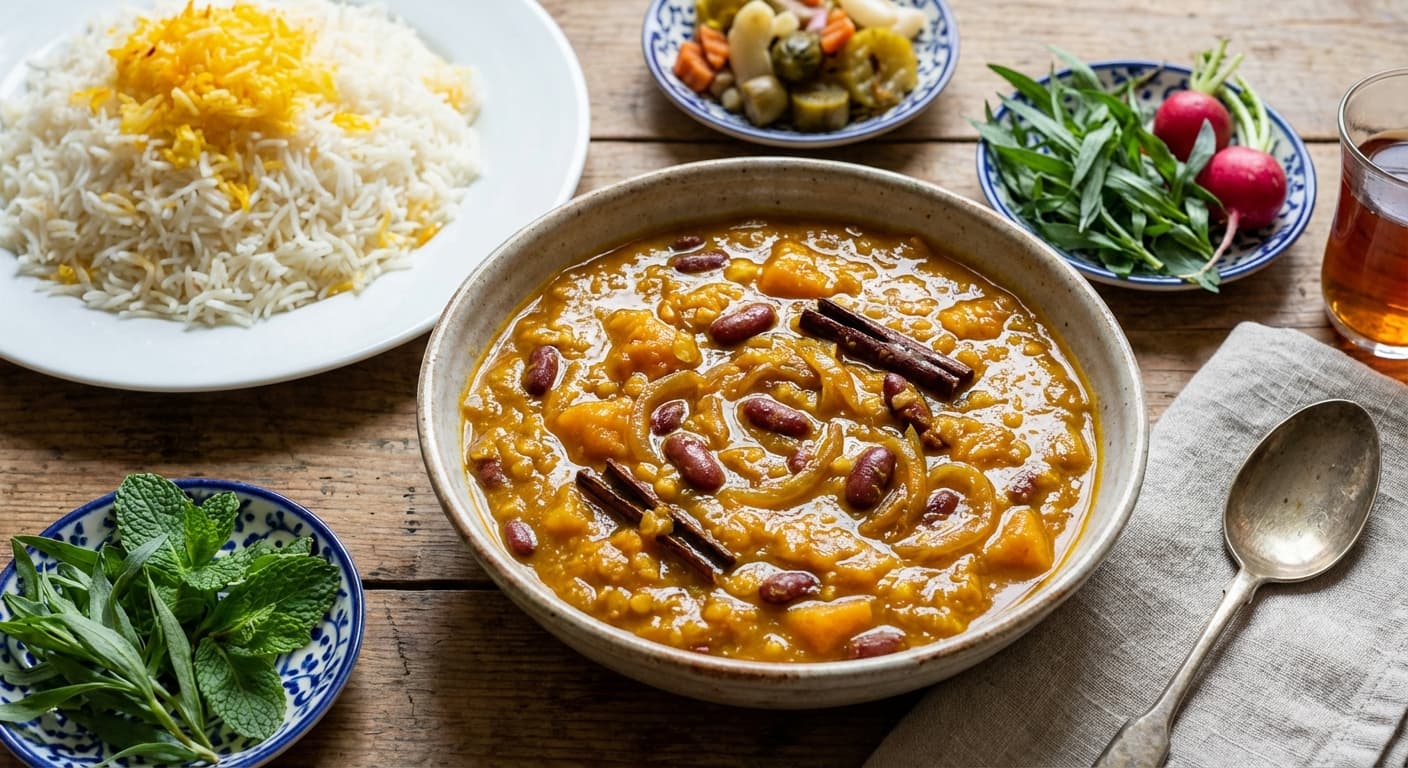
Gheimeh Kadoo Halvai (قیمه کدو حلوایی) — Sweet Pumpkin & Legume Stew
Persian · Stews · 110 min
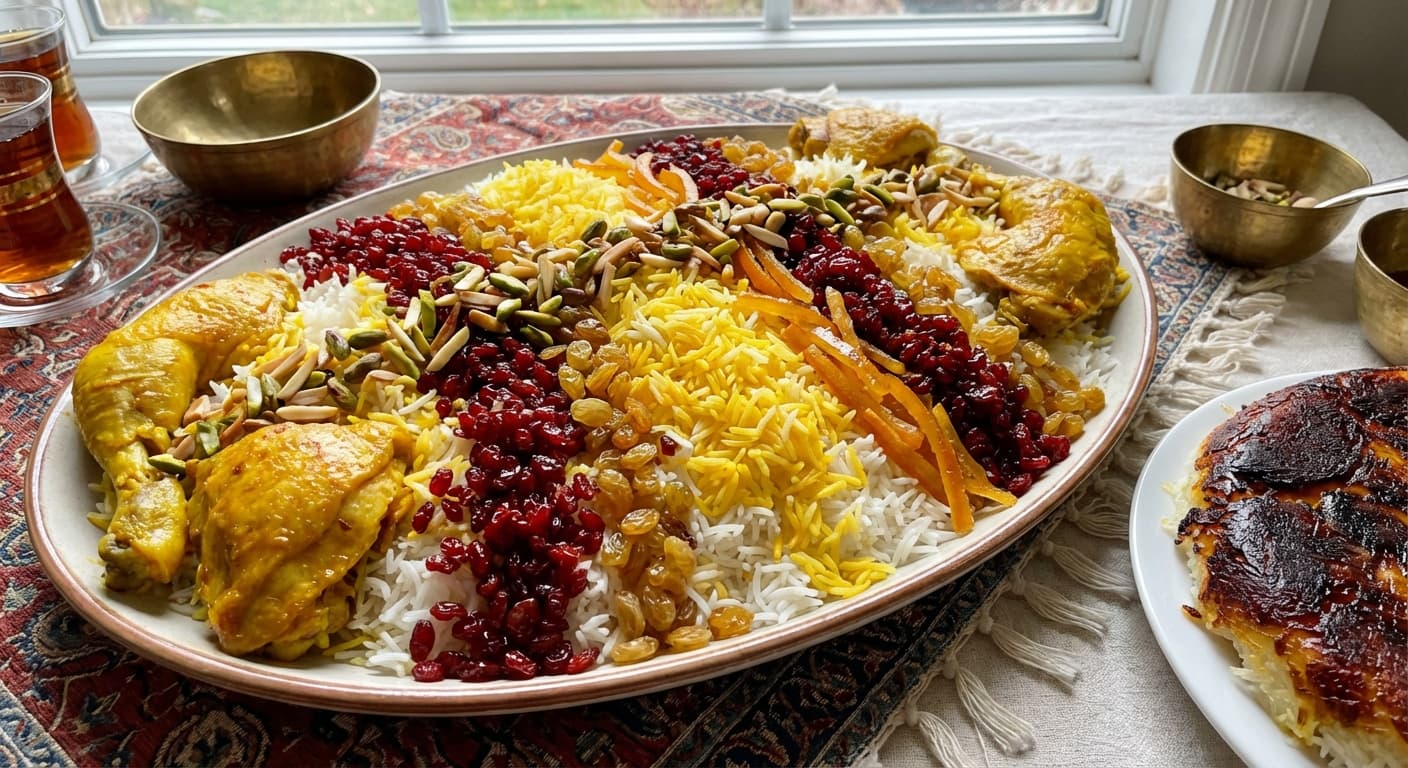
Jeweled Rice (مرصع پلو) — Festive Persian rice with saffron chicken and jeweled fruits
Persian · Rice Dishes · 135 min
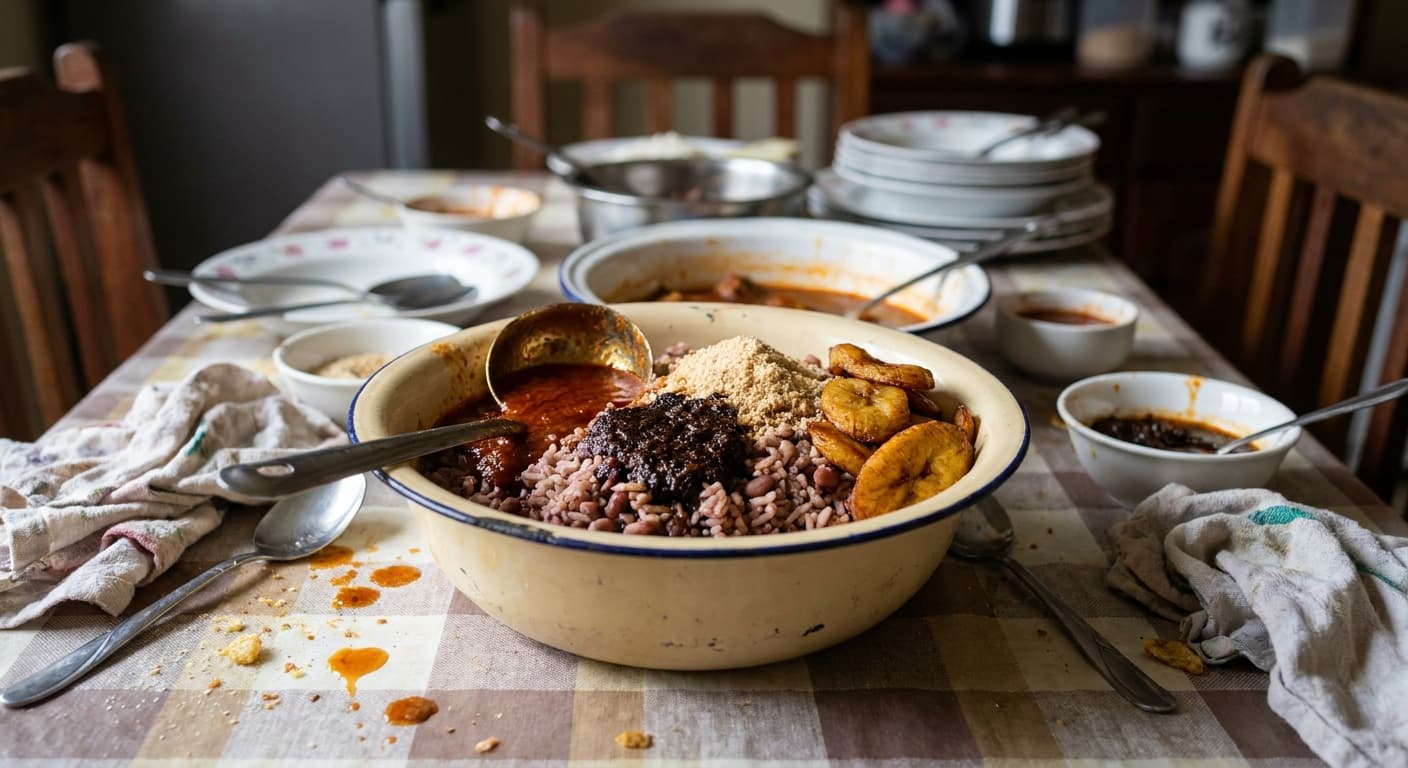
Ghanaian Waakye (Waakye) — Rice and Beans Dyed with Sorghum Leaves
West african · Rice Dishes · 85 min
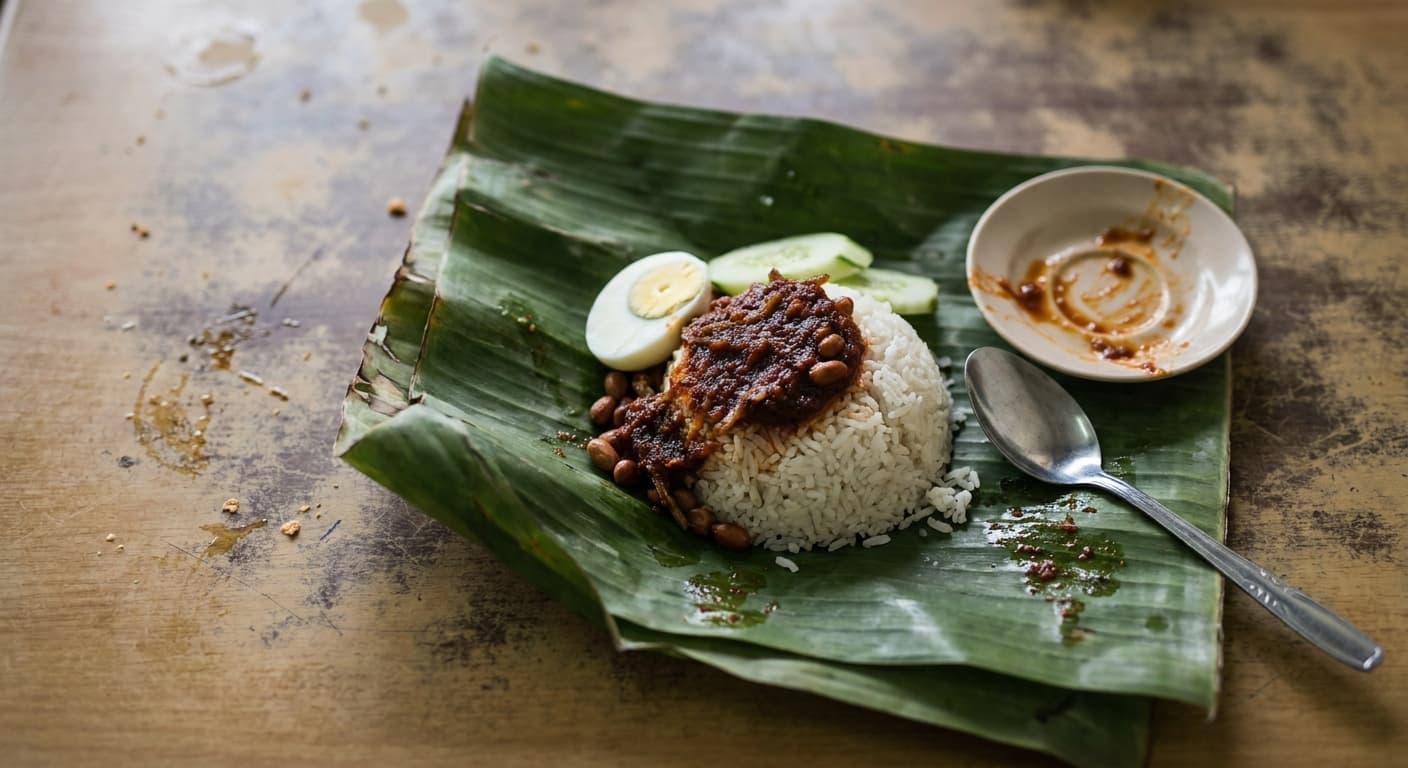
Malaysian Coconut Rice (Nasi Lemak) — Banana-Leaf Breakfast with Sambal Ikan Bilis
Malaysian · Rice Dishes · 95 min
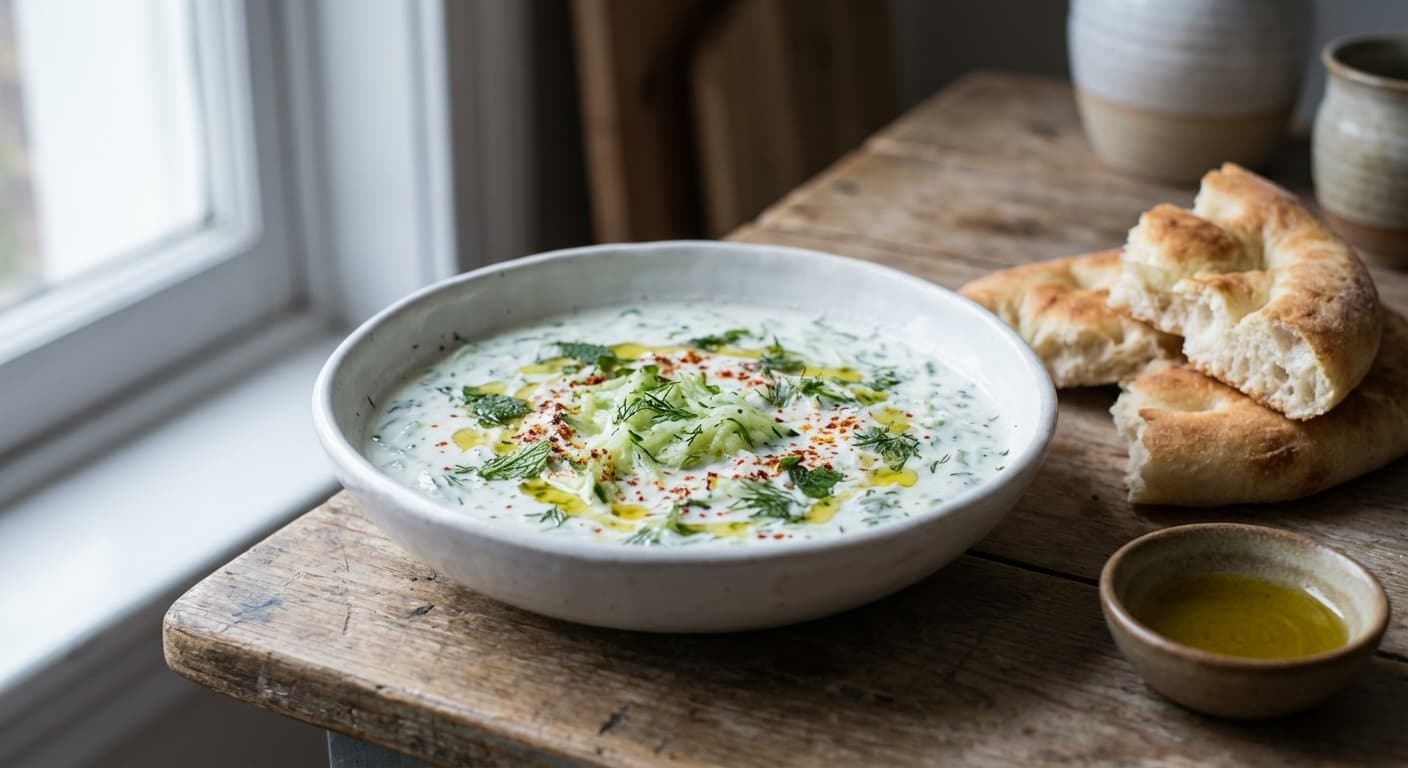
Cacık (Yoğurtlu Salatalık Mezesi) — Chilled Turkish Yogurt, Cucumber & Mint Dip
Turkish · Appetizers · 15 min
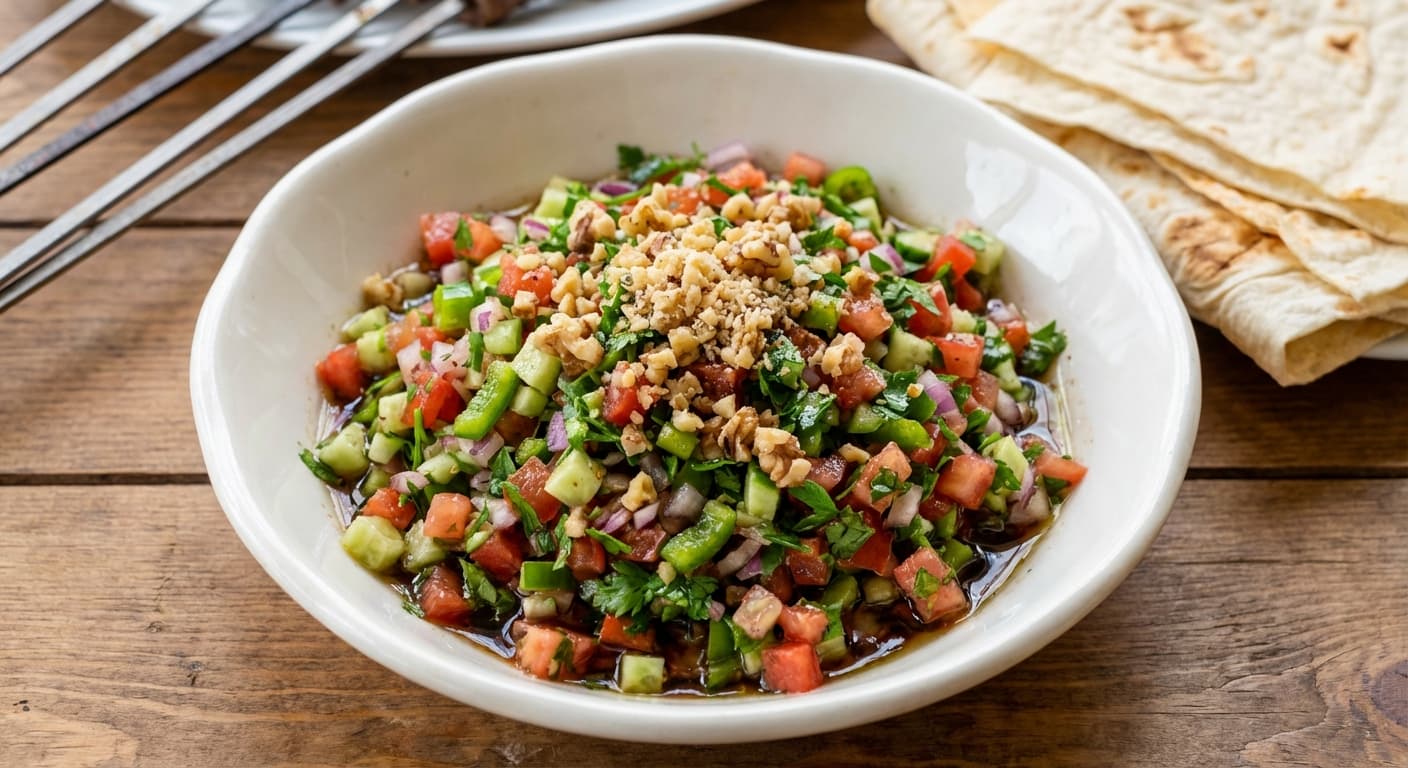
Gavurdağı Salad (Gavurdağı Salatası) — Finely Chopped Walnut & Pomegranate Salad
Turkish · Salads · 20 min
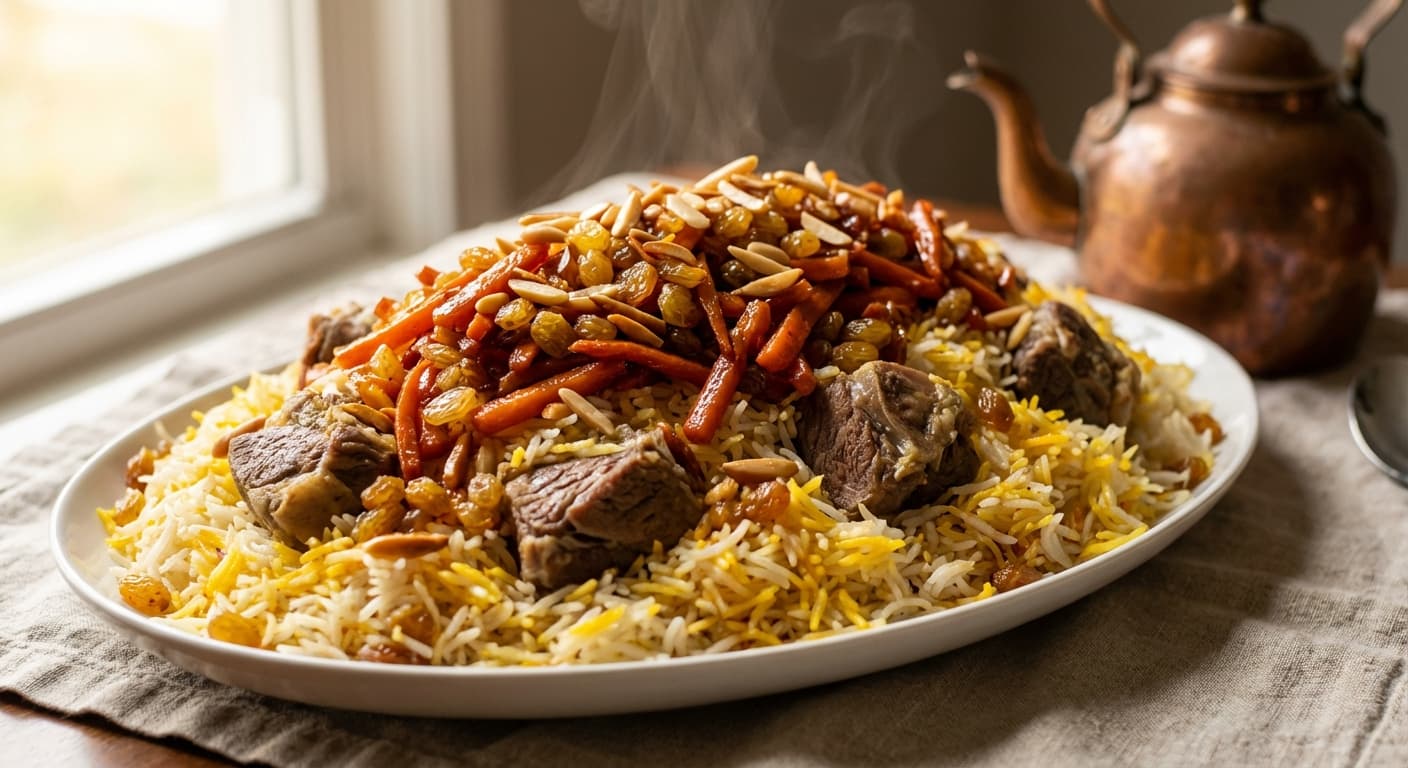
Qabili Gosht (قابلی گوشت) — Afghan Lamb and Rice Pilaf, Aromatic and Hearty
Afghan · Rice Dishes · 130 min
Reviews
Cooked this recipe?
Tap the stars to rate it — that's all it takes. A few words are welcome but optional.
No ratings yet. Cooked this one? Be the first to rate it — it takes one tap.