Reshteh Polo ba Lobia Cheshm-Bolboli (رشتهپلو با لوبیا چشمبلبلی) — | Persian Noodle Rice with Black-Eyed Peas
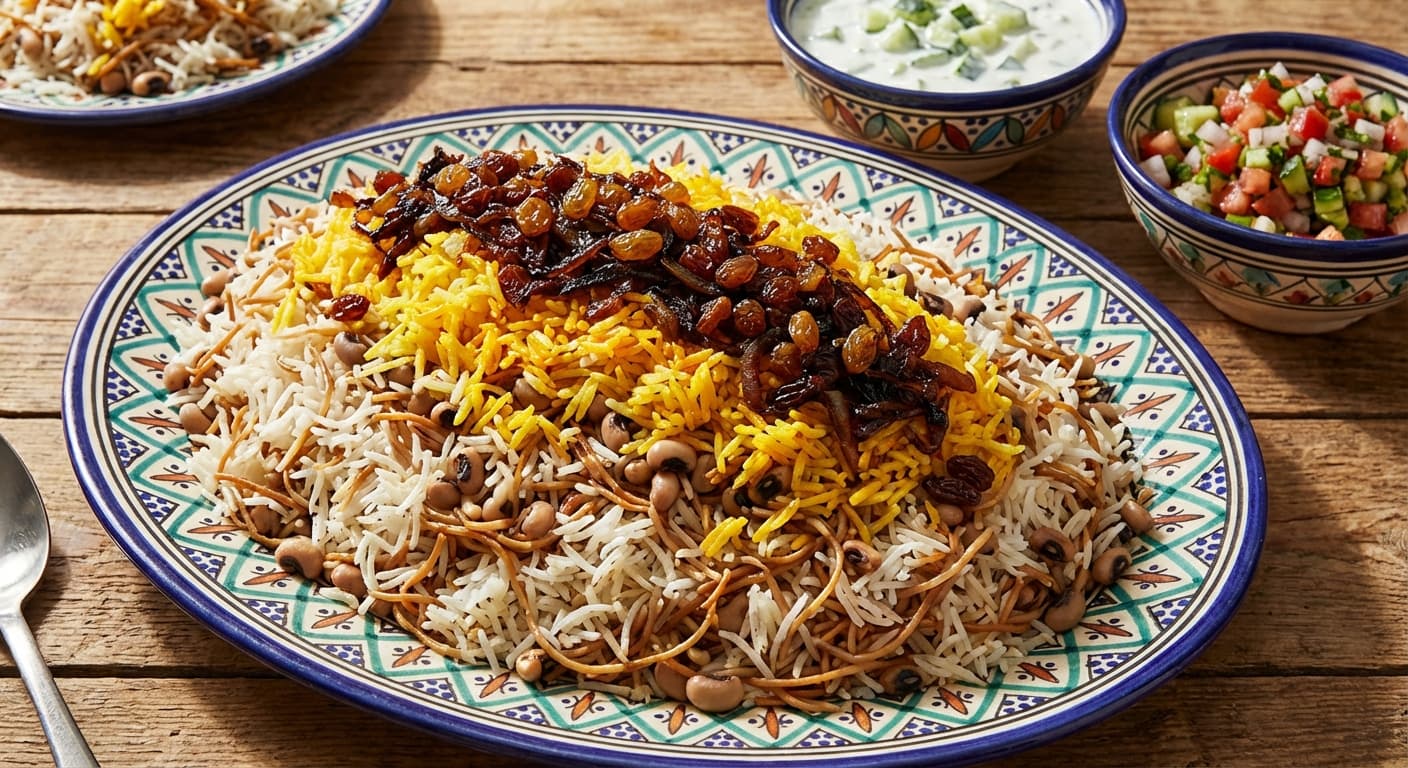
Reshteh Polo is fragrant Persian noodle rice often served for Nowruz. This version folds in tender black-eyed peas, toasted reshteh, and saffron, then finishes with buttery raisins and caramelized onion for a symbolic, celebratory meal.
Printable Recipe Card
Servings: 6 · Total: 175 min · Difficulty: medium
Ingredients (quick list)
- 450 g Long-grain basmati rice (washed until water runs mostly clear, then soaked)
- 1500 ml Water (for soaking rice)
- 18 g Sea salt (for soaking rice)
- 200 g Black-eyed peas (dried) (rinsed and soaked)
- 120 g Reshteh (Persian toasted noodles) (broken into 5–7 cm pieces)
- 250 g Yellow onion (thinly sliced into half-moons)
- 2 tsp Ground turmeric (for onion and rice aroma)
- 1 tsp Black pepper (freshly ground)
- 90 ml Vegetable oil (divided)
- 0.25 tsp Saffron threads (ground and bloomed)
- 45 ml Hot water (for blooming saffron)
- 120 g Raisins (golden or dark, rinsed and thoroughly dried)
+ 1 more in the full ingredients section below.
Steps (summary)
- Wash the basmati rice in several changes of cool water until the runoff is mostly clear. Soak it with 1500 ml water and 18 g se…
- Cook the black-eyed peas: place drained peas in a pot with the remaining 400 ml water from the measured amount (add more only i…
- Bloom the saffron: grind 0.25 tsp saffron threads to a fine powder, then stir in 45 ml hot water (about 80–90°C). Cover and let…
- Make the onion base: heat 45 ml vegetable oil in a wide skillet over medium heat. Add sliced onion and cook 12–15 minutes, stir…
- Toast the reshteh: add the broken noodles to the skillet with the remaining onions. Reduce heat to medium-low and stir constant…
- Parboil the rice: bring a large pot of water (about 3 liters) to a rolling boil and add 6 g sea salt. Drain the soaked rice and…
+ 4 more steps in the full instructions section below.
Cultural Background
Reshteh Polo is traditionally served around Nowruz, symbolizing the ‘threads’ of life and the hope of untangling difficulties in the year ahead. The toasted noodles and saffron perfume make it a festive, auspicious rice often shared with family on the first days of spring.
Equipment
💡 Tips
- For the best texture, keep black-eyed peas tender but unbroken; overcooked peas smear and tint the rice.
- Reshteh browns quickly—stir continuously and remove as soon as it smells toasted and looks a shade darker.
- If you want a stronger saffron aroma, warm the bloomed saffron briefly over a bain-marie (not direct heat) before drizzling.
- To encourage a crisp tahdig without burning, keep the first 10 minutes of steaming at medium-high, then drop to low for the remainder.
⚠️ Common Mistakes
❌ Boiling the rice until fully cooked before steaming
💡 Why: Fully cooked grains break during mixing and turn sticky during steaming, losing the signature fluffy polo texture.
✅ Fix: Parboil only until the outside is tender and the center is slightly firm (6–8 minutes), then drain and steam to finish.
❌ Burning the reshteh during toasting
💡 Why: Reshteh is thin and toasts fast; burnt noodles make the entire pot taste bitter.
✅ Fix: Toast on medium-low, stir constantly, and remove when nutty and one shade darker; residual heat continues browning off the pan.
❌ Adding wet raisins to hot butter
💡 Why: Moisture causes splattering and can make raisins seize, turning chewy instead of plump and glossy.
✅ Fix: Rinse raisins, then dry thoroughly with a towel; sauté only 2–3 minutes over medium-low and remove promptly.
❌ Overcooking black-eyed peas until they split
💡 Why: Split peas smear into the rice and muddy the clean, separate look of reshteh polo.
✅ Fix: Simmer gently and start checking at 25 minutes; drain when tender but intact, then finish warming during rice steaming.
🧊 How to Store
Cool leftovers within 2 hours. Refrigerate in an airtight container up to 4 days. Reheat covered with 1–2 tbsp water in a pot over low heat 10–15 minutes, or microwave covered in 60–90 second bursts. Freeze up to 2 months; thaw overnight in the fridge before reheating.
📅 Make Ahead
Soak and cook black-eyed peas up to 2 days ahead; refrigerate and bring to room temperature before mixing. Slice onions up to 24 hours ahead and refrigerate. Bloom saffron up to 6 hours ahead and keep covered at room temperature. Cook and steam the rice the day of serving for best texture.
🍽️ Pairs Well With
- Mast-o-Khiar (Persian yogurt with cucumber and herbs)
- Salad Shirazi
- Pickled vegetables (torshi)
- Roasted chicken or lamb kebab (for a festive table)
Regional Variations
- TehranOften served with a generous saffron topping and more caramelized onions, sometimes alongside roasted chicken or lamb shank for Nowruz gatherings.
- KhorasanSome families add a touch of cinnamon to the onion-raisins garnish and use extra saffron for a deeper golden aroma, reflecting the region’s love for warm, fragrant notes.
Ingredients
- 450 gLong-grain basmati rice (washed until water runs mostly clear, then soaked)
- 1500 mlWater (for soaking rice)
- 18 gSea salt (for soaking rice)
- 200 gBlack-eyed peas (dried) (rinsed and soaked)
- 120 gReshteh (Persian toasted noodles) (broken into 5–7 cm pieces)
- 250 gYellow onion (thinly sliced into half-moons)
- 2 tspGround turmeric (for onion and rice aroma)
- 1 tspBlack pepper (freshly ground)
- 90 mlVegetable oil (divided)
- 0.25 tspSaffron threads (ground and bloomed)
- 45 mlHot water (for blooming saffron)
- 120 gRaisins (golden or dark, rinsed and thoroughly dried)
- 45 gUnsalted butter (for sautéing raisins and finishing aroma)
🔄 Substitutions
- Black-eyed peas (dried) 200 g→ Canned black-eyed peas 480 g (drained weight about 320 g)
- Reshteh (Persian toasted noodles) 120 g→ Vermicelli or angel hair pasta 100 g
- Unsalted butter 45 g→ Olive oil 30 ml
Instructions
- 1
Wash the basmati rice in several changes of cool water until the runoff is mostly clear. Soak it with 1500 ml water and 18 g sea salt for 60 minutes at room temperature. In a separate bowl, soak the dried black-eyed peas in 800 ml of the measured water for 45 minutes, then drain.
- 2
Cook the black-eyed peas: place drained peas in a pot with the remaining 400 ml water from the measured amount (add more only if needed to keep them barely covered). Bring to a boil, skim foam, reduce to a gentle simmer, and cook 25–35 minutes until tender but intact. Drain well and set aside.
- 3
Bloom the saffron: grind 0.25 tsp saffron threads to a fine powder, then stir in 45 ml hot water (about 80–90°C). Cover and let steep 10 minutes for maximum color and aroma. Keep warm near the stove so it stays fluid and easy to drizzle later.
- 4
Make the onion base: heat 45 ml vegetable oil in a wide skillet over medium heat. Add sliced onion and cook 12–15 minutes, stirring often, until deeply golden. Add turmeric and black pepper, cook 30 seconds, then remove half the onions to a bowl for garnish. Keep the remaining half in the skillet.
- 5
Toast the reshteh: add the broken noodles to the skillet with the remaining onions. Reduce heat to medium-low and stir constantly for 3–5 minutes until the noodles deepen in color and smell nutty (do not let them burn). Transfer the onion-noodle mixture to a plate to stop cooking.
- 6
Parboil the rice: bring a large pot of water (about 3 liters) to a rolling boil and add 6 g sea salt. Drain the soaked rice and add to the boiling water. Boil 6–8 minutes, stirring gently once or twice, until the grains are elongated and tender on the outside but still firm in the center.
- 7
Combine with peas and noodles: drain the parboiled rice in a colander and rinse quickly with 250 ml cool water to stop carryover cooking and prevent sticking. In a large bowl, gently fold rice with the cooked black-eyed peas and the toasted reshteh-onion mixture, keeping the grains as intact as possible.
- 8
Steam for fluffy polo: in the same pot, heat 45 ml vegetable oil over medium heat for 1 minute. Add the rice mixture in a mound, then poke 5–6 holes to the bottom with a spoon handle for steam vents. Cover lid with a clean towel, place on pot, steam 10 minutes on medium-high, then 35 minutes on low.
- 9
Prepare the buttery raisins: while the rice steams, melt 45 g butter in a small skillet over medium-low heat. Add raisins and sauté 2–3 minutes, stirring, just until they plump and turn glossy. Remove from heat immediately so they don’t harden or taste bitter from scorching.
- 10
Finish and serve: turn off heat and rest the pot, covered, for 10 minutes to set the steam and strengthen tahdig. Fluff the rice gently. Drizzle 2–3 tbsp of the bloomed saffron over a portion of rice for a saffron crown. Top with reserved caramelized onions and buttery raisins; serve hot.
🪪 Recipe Passport
Cultural Background
Reshteh Polo is traditionally served around Nowruz, symbolizing the ‘threads’ of life and the hope of untangling difficulties in the year ahead. The toasted noodles and saffron perfume make it a festive, auspicious rice often shared with family on the first days of spring.
Regional Variations
Researched from multiple sources and validated by the Zaffaron editorial team. Every recipe is tested for accuracy, measurements, and cultural authenticity.
Nutrition per serving
Pairs well with
If you enjoyed this recipe, here are a few related Zaffaron recipes to try next.
- Shensel Shotormorgh (شنسل شترمرغ) — Persian Saffron Ostrich Schnitzel
- Roasted Beef Bone Broth (عصاره گوشت) — Persian Roasted Marrow Bone Elixir
- Roulat-e Esfenaj (رولت اسفناج) — Persian Spinach & Cream Cheese Roll
- Sabzi Polo ba Tahchin-e Morgh-e Torsh (سبزی پلو با تهچین مرغ ترش) — Tart Herb Rice with Saffron Chicken Tahchin
Does your family make this differently?
Every family has their own version. Maybe your grandmother adds a secret ingredient, or your aunt has a completely different technique. Preserve your family's version — with their name on it, forever.
You Might Also Like
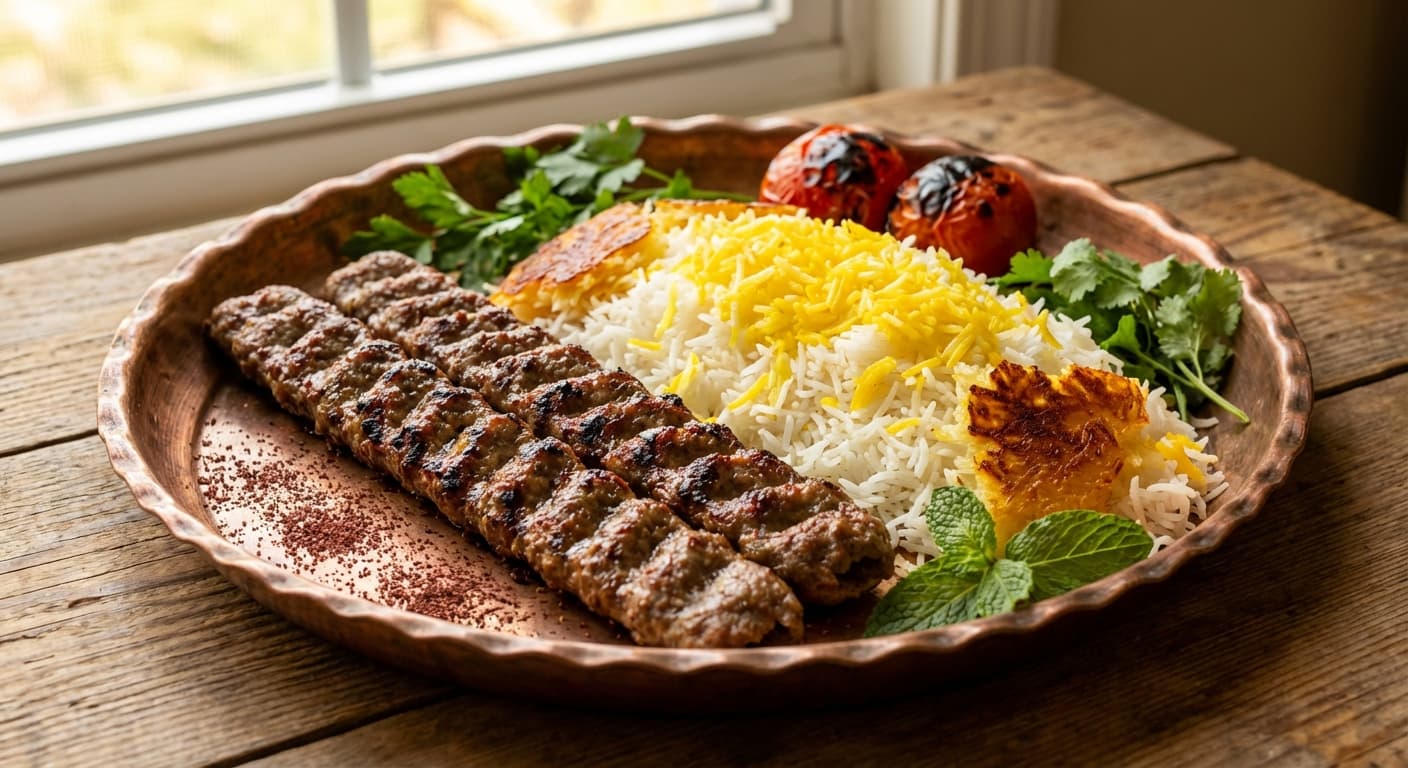
Chelo Kebab Koobideh (چلو کباب کوبیده) — Persian Minced Meat Skewers with Saffron Rice
Persian · Kebabs · 75 min
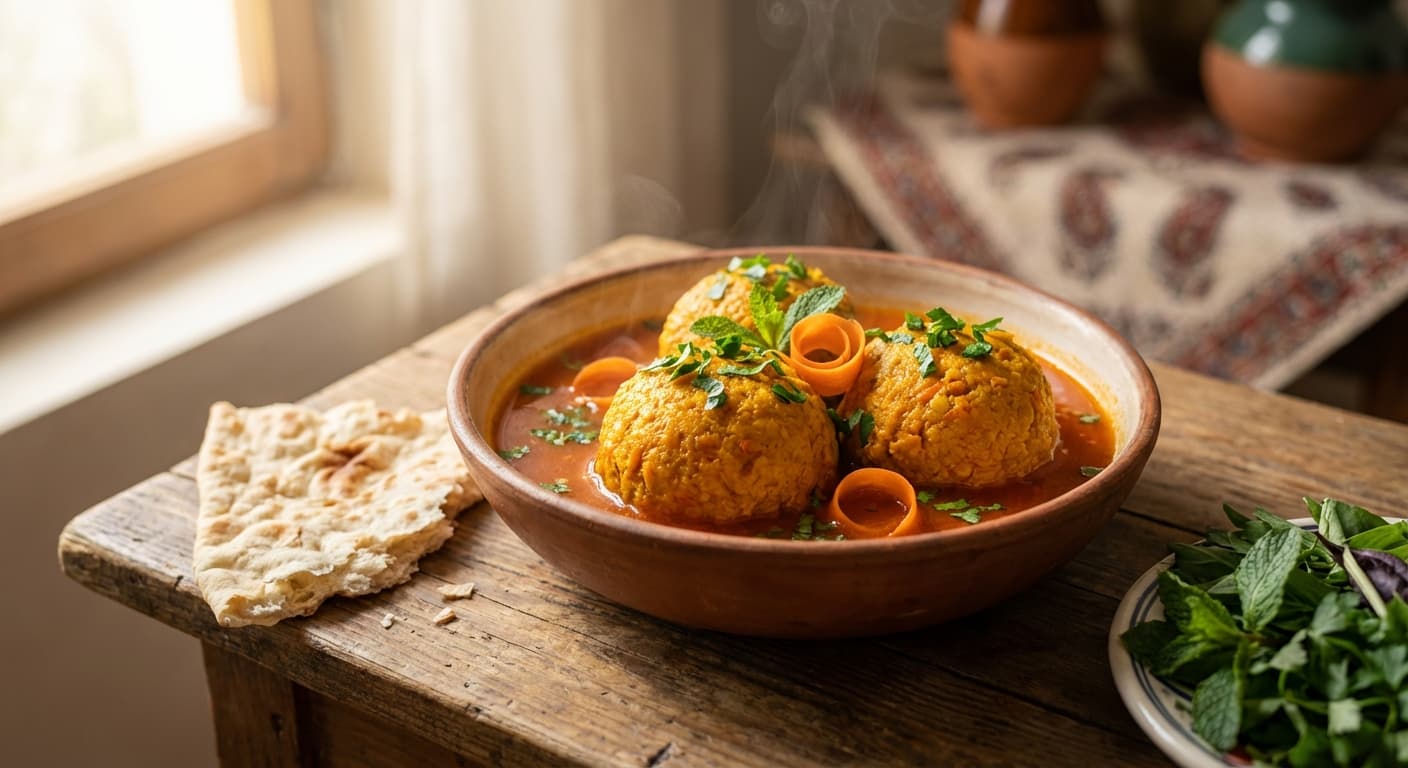
Koofteh Havij (کوفته هویج) — Persian Carrot Meatballs in Saffron-Tomato Broth
Persian · Main Courses · 120 min
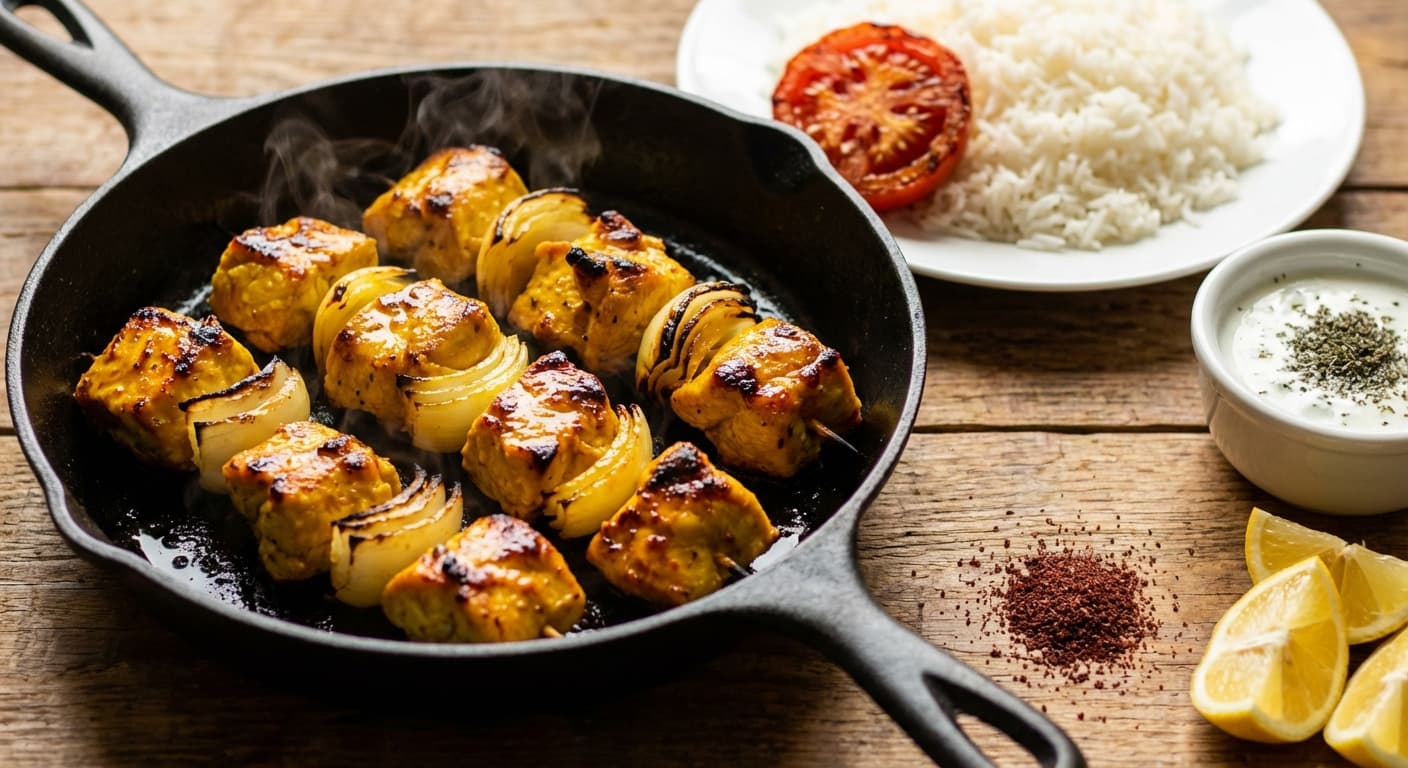
Pan-Seared Joojeh Kebab (جوجه کباب تابهای) — Persian Saffron Skillet Chicken
Persian · Kebabs · 34 min
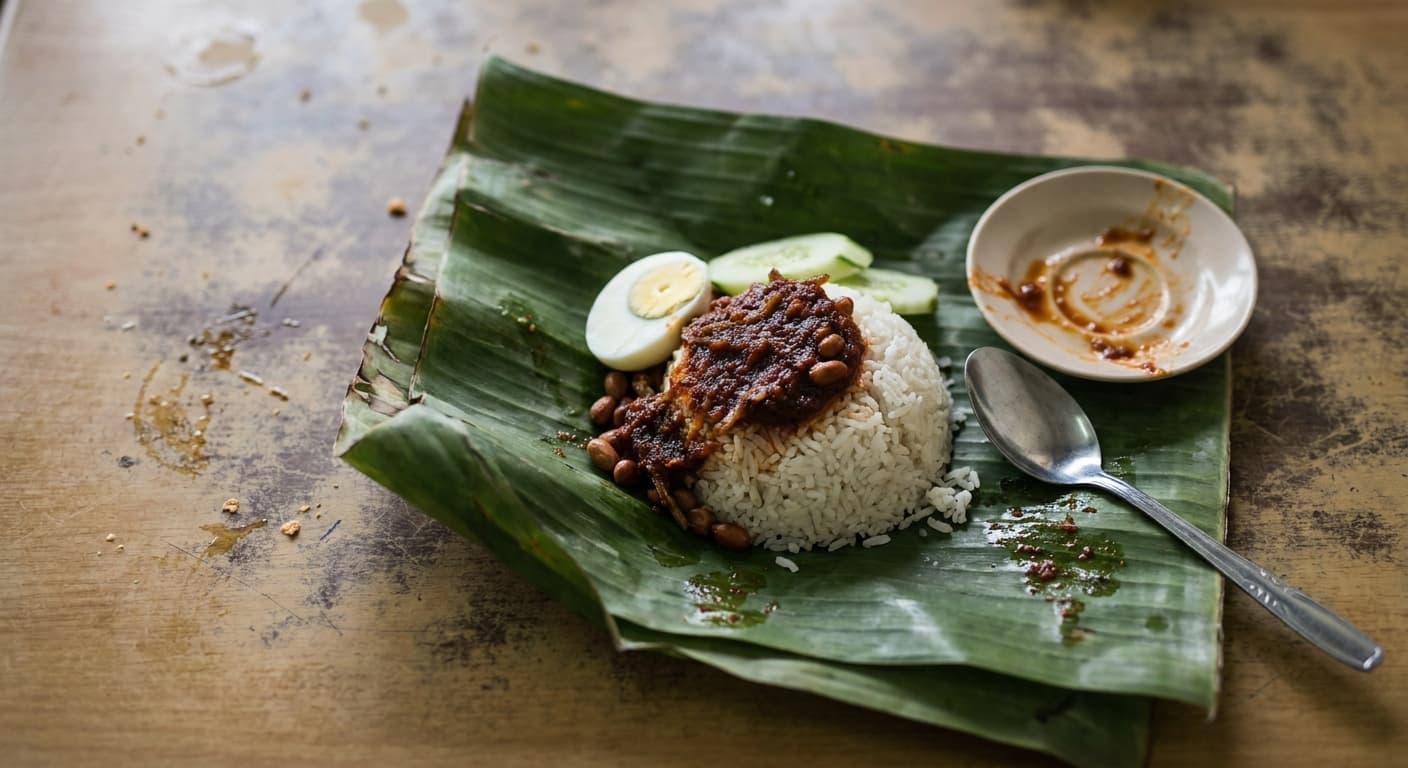
Malaysian Coconut Rice (Nasi Lemak) — Banana-Leaf Breakfast with Sambal Ikan Bilis
Malaysian · Rice Dishes · 95 min
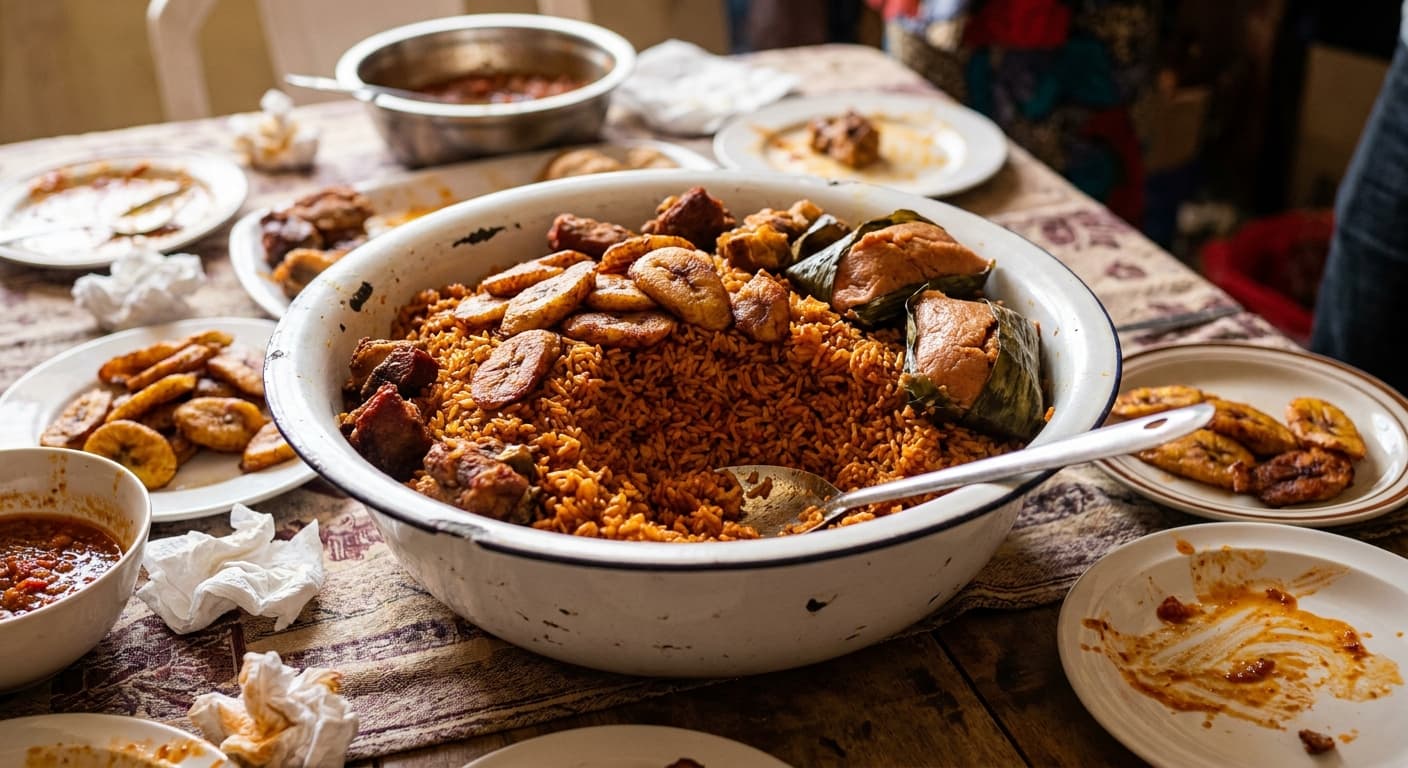
Nigerian Jollof Rice (Jollof Rice) — Smoky Party-Style Tomato Rice
West african · Rice Dishes · 80 min
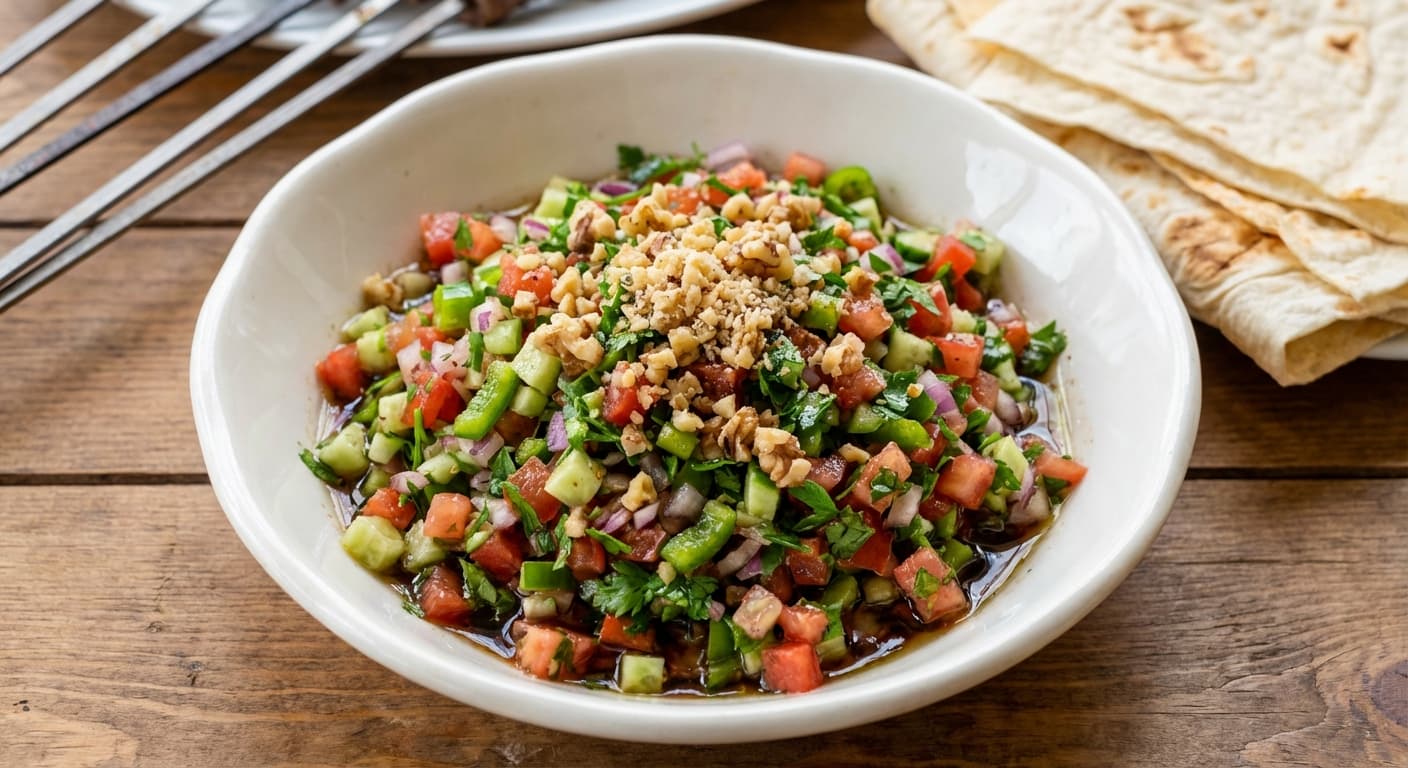
Gavurdağı Salad (Gavurdağı Salatası) — Finely Chopped Walnut & Pomegranate Salad
Turkish · Salads · 20 min
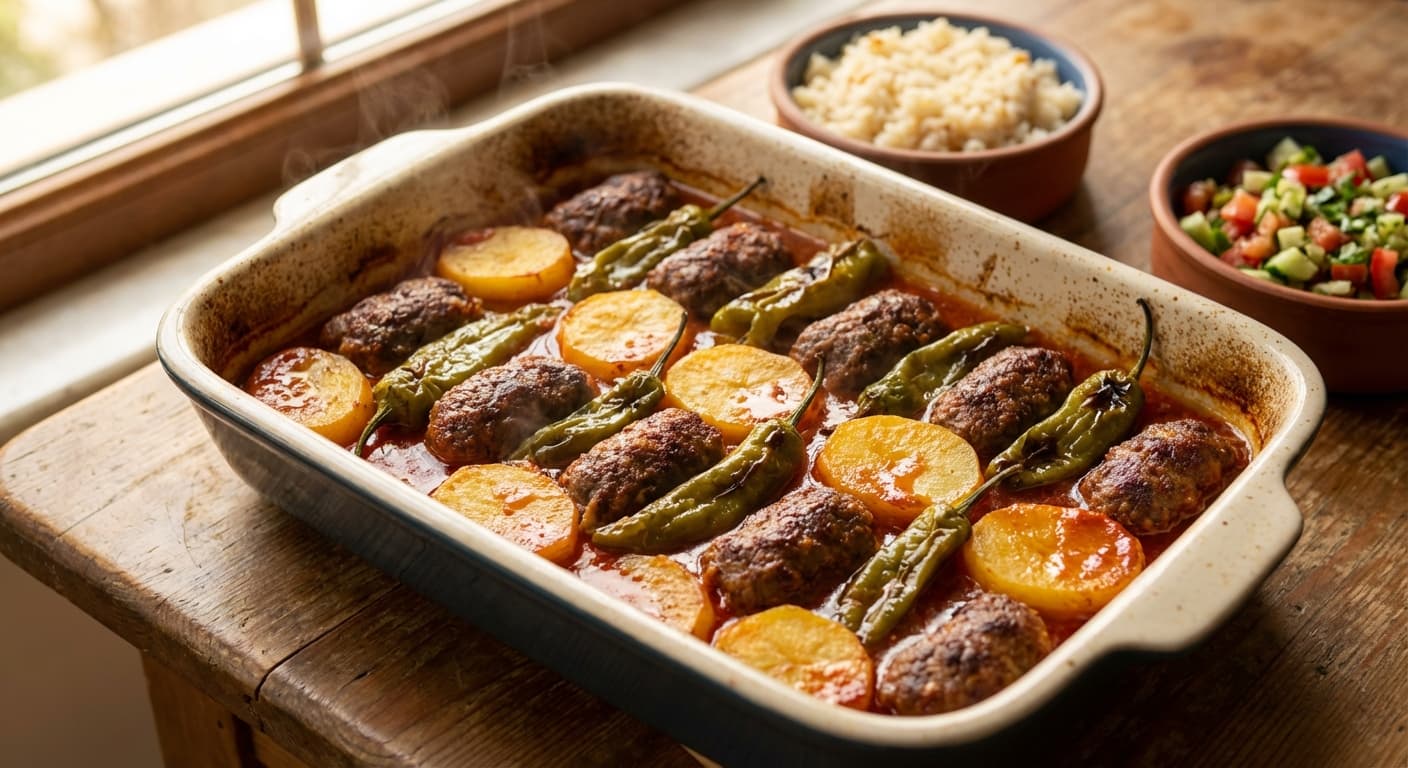
Izmir Kofte (İzmir Köfte) — Oven-Baked Meatballs with Tomato Sauce and Potatoes
Turkish · Main Courses · 70 min
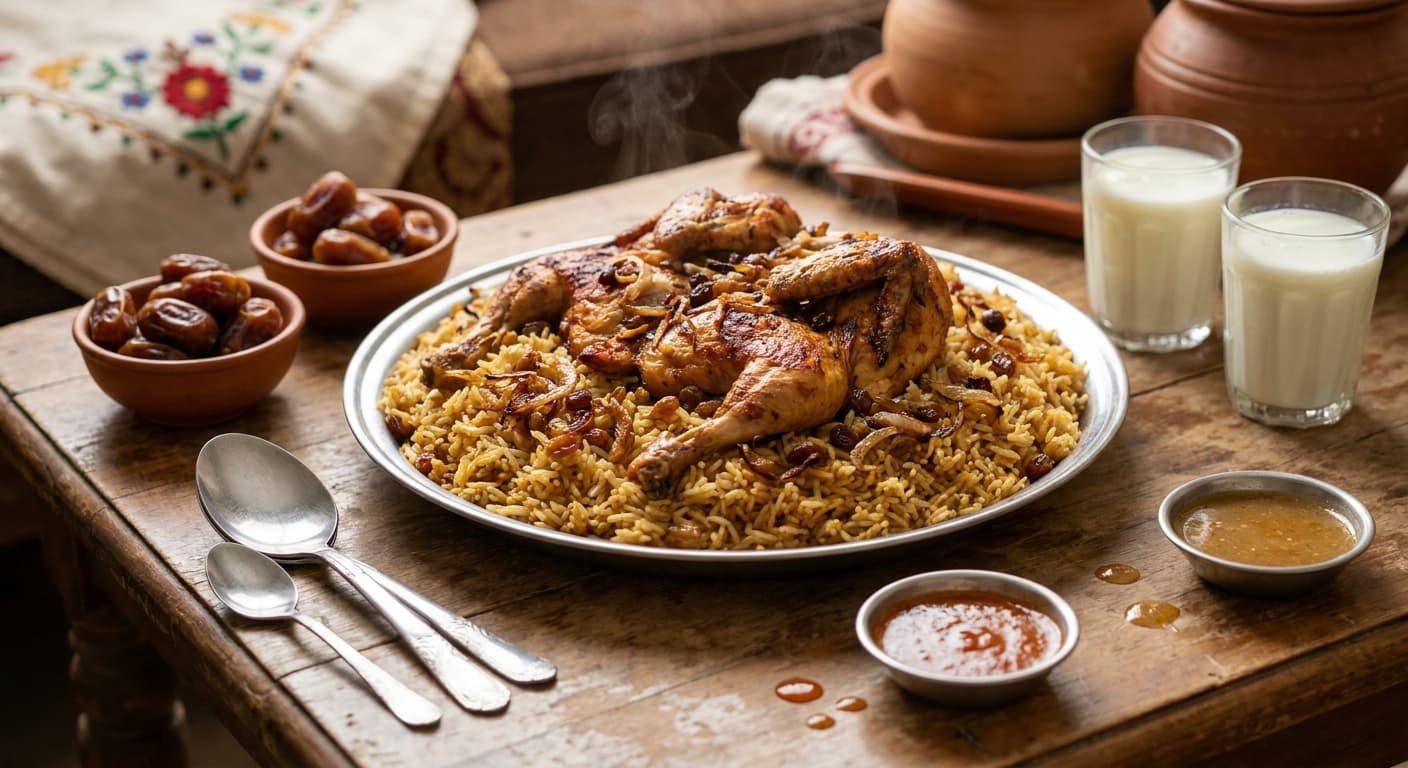
Emirati Machboos (مكبوس إماراتي) — Spiced Chicken Rice with Dried Lime
Gulf arabian · Rice Dishes · 110 min
Reviews
Cooked this recipe?
Tap the stars to rate it — that's all it takes. A few words are welcome but optional.
No ratings yet. Cooked this one? Be the first to rate it — it takes one tap.