Char Siu (叉燒) — Cantonese Honey-Glazed Barbecue Pork
Char siu is a Cantonese siu mei classic: pork shoulder marinated with fermented red bean curd, soy, hoisin, five-spice, and sweet maltose glaze. This home-oven version recreates the sticky, lacquered roast-shop finish.
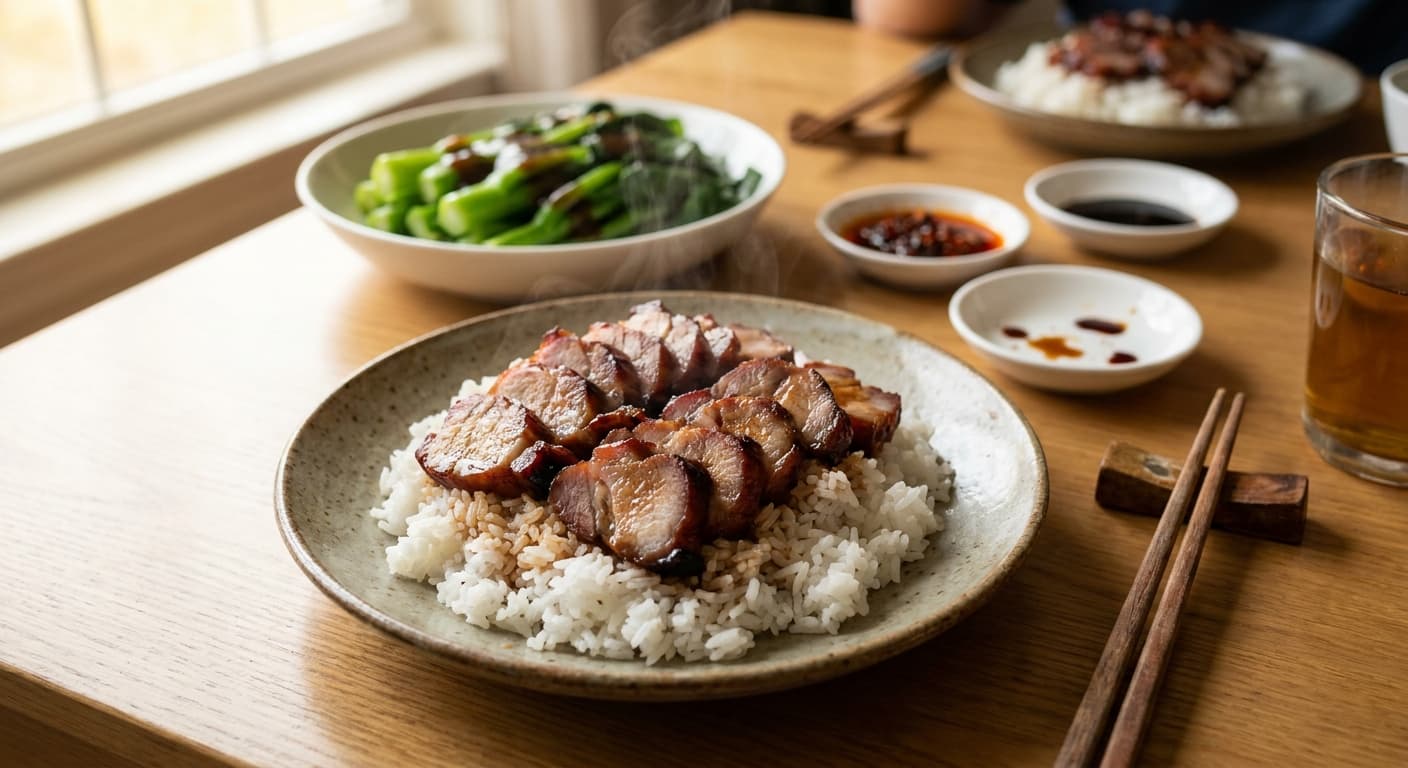
Printable Recipe Card
Servings: 6 · Total: 70 min · Difficulty: medium
Ingredients (quick list)
- 1200 g boneless pork shoulder (well marbled, trimmed of hard surface fat)
- 30 g red fermented bean curd
- 15 ml red fermented bean curd brine
- 60 g hoisin sauce
- 45 ml light soy sauce
- 15 ml dark soy sauce
- 30 ml Shaoxing wine
- 35 g granulated sugar
- 20 g oyster sauce
- 3 clove garlic (finely grated)
- 1 tsp Chinese five-spice powder
- 0.5 tsp ground white pepper
+ 6 more in the full ingredients section below.
Steps (summary)
- Cut the pork shoulder lengthwise into 4 even strips, each about 5 cm wide, so the meat roasts quickly and develops plenty of la…
- Mash the red fermented bean curd with its brine in a mixing bowl until smooth. Whisk in the hoisin sauce, light soy sauce, dark…
- Add the pork strips to the marinade and turn them until every surface is coated. Cover and refrigerate for at least 8 hours and…
- Remove the pork from the refrigerator 45 minutes before roasting so it loses its chill. Heat the oven to 220°C and line a rimme…
- Lift the pork from the marinade and let the excess drip back into the bowl, then place the strips on the rack with space betwee…
- Roast the pork for 15 minutes, then brush it with the boiled marinade and turn the strips over. Roast for another 15 minutes, b…
+ 3 more steps in the full instructions section below.
Cultural Background
Char siu is central to Cantonese roast-meat cookery, where glossy red pork hangs beside roast duck and crisp pork belly in siu mei shops. It is eaten casually over rice or noodles and also appears at festive family meals.
Equipment
💡 Tips
- Pork shoulder or pork collar gives the best balance of fat and chew; lean tenderloin dries out before the glaze properly caramelizes.
- Maltose creates the classic roast-shop lacquer, but warming the jar in hot water for 5 minutes makes it much easier to measure and stir.
- Use the broiler only at the end, because prolonged high sugar exposure can scorch the glaze before the pork is cooked through.
⚠️ Common Mistakes
❌ Using very lean pork
✅ Fix: Choose pork shoulder or collar with visible marbling so the meat stays juicy through high-heat roasting.
❌ Brushing raw marinade onto cooked pork at the end
✅ Fix: Boil used marinade for 2 minutes before basting, and use the clean honey-maltose glaze for the final glossy finish.
❌ Walking away during broiling
✅ Fix: Watch constantly because the sugar-rich glaze can go from caramelized to scorched in less than 1 minute.
🧊 How to Store
Refrigerate sliced char siu in an airtight container for up to 4 days. Reheat gently in a covered skillet with 15 ml water, or warm in a 160°C oven for 8 minutes; avoid microwaving too long because the lean edges toughen.
📅 Make Ahead
Marinate the pork up to 24 hours ahead and prepare the honey-maltose glaze 3 days ahead. Cooked char siu also slices cleanly when chilled, making it useful for fried rice, noodle soups, and steamed buns.
🍽️ Pairs Well With
- Steamed jasmine rice
- gai lan with oyster sauce
- wonton noodle soup
- plain congee
- pickled cucumber.
Regional Variations
- Hong Kong roast-meat shops often use pork collar or shoulder with a vivid red glaze and a pronounced sweet-savory finish.
- Some Cantonese home versions use fermented red bean curd alone for color, while commercial shops may add approved red coloring for a brighter appearance.
- Southeast Asian Chinese versions may be sliced over rice with cucumber, chili sauce, and a lighter soy-based gravy.
Ingredients
- 1200 gboneless pork shoulder (well marbled, trimmed of hard surface fat)
- 30 gred fermented bean curd
- 15 mlred fermented bean curd brine
- 60 ghoisin sauce
- 45 mllight soy sauce
- 15 mldark soy sauce
- 30 mlShaoxing wine
- 35 ggranulated sugar
- 20 goyster sauce
- 3 clovegarlic (finely grated)
- 1 tspChinese five-spice powder
- 0.5 tspground white pepper
- 6 gkosher salt
- 2 gred yeast rice powder (optional natural color enhancer)
- 50 gmaltose
- 60 ghoney
- 30 mlhot water
- 1 tspneutral oil (for oiling the rack)
🔄 Substitutions
- maltose→ additional honey
- Shaoxing wine→ dry sherry
- boneless pork shoulder→ pork collar
Instructions
- 1
Cut the pork shoulder lengthwise into 4 even strips, each about 5 cm wide, so the meat roasts quickly and develops plenty of lacquered edges. Pat the pork dry with paper towels because excess surface moisture dilutes the marinade and slows browning.
- 2
Mash the red fermented bean curd with its brine in a mixing bowl until smooth. Whisk in the hoisin sauce, light soy sauce, dark soy sauce, Shaoxing wine, sugar, oyster sauce, grated garlic, five-spice powder, white pepper, salt, and red yeast rice powder until the sugar is fully dissolved.
- 3
Add the pork strips to the marinade and turn them until every surface is coated. Cover and refrigerate for at least 8 hours and up to 24 hours, turning the strips once halfway through so the flavor penetrates evenly.
- 4
Remove the pork from the refrigerator 45 minutes before roasting so it loses its chill. Heat the oven to 220°C and line a rimmed baking sheet with foil, then set an oiled wire rack on top to let hot air circulate around the pork.
- 5
Lift the pork from the marinade and let the excess drip back into the bowl, then place the strips on the rack with space between them. Pour the used marinade into a small saucepan, bring it to a full boil for 2 minutes, and reserve it only for safe basting during the first half of roasting.
- 6
Roast the pork for 15 minutes, then brush it with the boiled marinade and turn the strips over. Roast for another 15 minutes, baste again with the boiled marinade, and rotate the pan if your oven has hot spots.
- 7
Stir the maltose, honey, and hot water together until the glaze is loose and brushable. Brush the pork generously with this sweet glaze, roast for 8 minutes, turn the strips, glaze again, and roast for 6 to 8 minutes more until the thickest part reaches 68°C to 72°C.
- 8
For the classic sticky charred edges, switch the oven to broil for 2 to 4 minutes while watching constantly. The sugars should bubble and darken in spots, but they should not burn black or taste bitter.
- 9
Transfer the char siu to a cutting board and rest it for 10 minutes so the juices settle. Slice across the grain into 6 mm pieces and brush with any clean remaining honey-maltose glaze before serving.
🪪 Recipe Passport
Cultural Background
Char siu is central to Cantonese roast-meat cookery, where glossy red pork hangs beside roast duck and crisp pork belly in siu mei shops. It is eaten casually over rice or noodles and also appears at festive family meals.
Regional Variations
Researched from multiple sources and validated by the Zaffaron editorial team. Every recipe is tested for accuracy, measurements, and cultural authenticity.
📚 Sources & Cultural References
- Grace Young — The Wisdom of the Chinese Kitchen — (1999)
- Eileen Yin-Fei Lo — Mastering the Art of Chinese Cooking — (2009)
Sources cited by the Zaffaron editorial team during recipe research. Cultural and culinary references supporting authenticity claims.
Nutrition per serving
Pairs well with
If you enjoyed this recipe, here are a few related Zaffaron recipes to try next.
Does your family make this differently?
Every family has their own version. Maybe your grandmother adds a secret ingredient, or your aunt has a completely different technique. Preserve your family's version — with their name on it, forever.
You Might Also Like
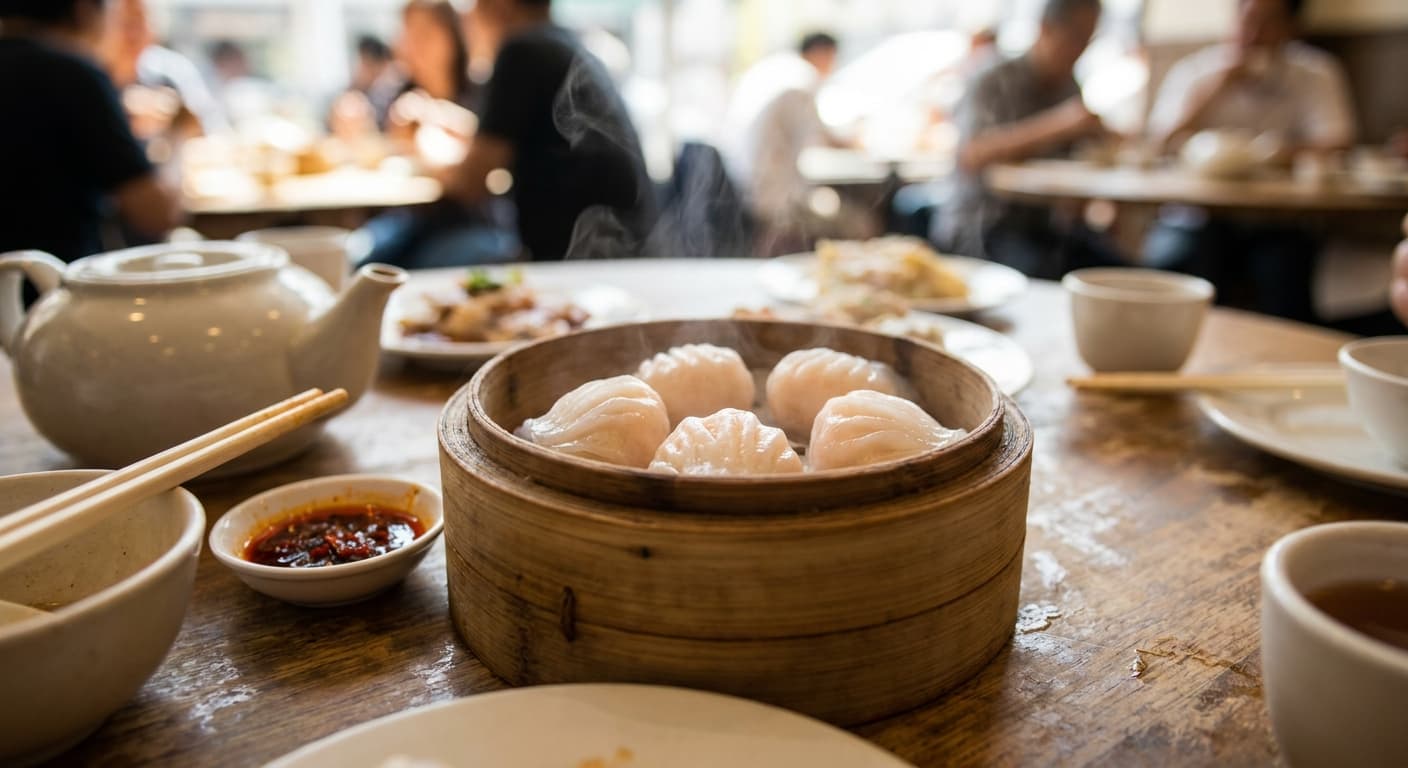
Har Gow Shrimp Dumplings (虾饺) — Translucent Cantonese Dim Sum
Chinese · Appetizers · 68 min
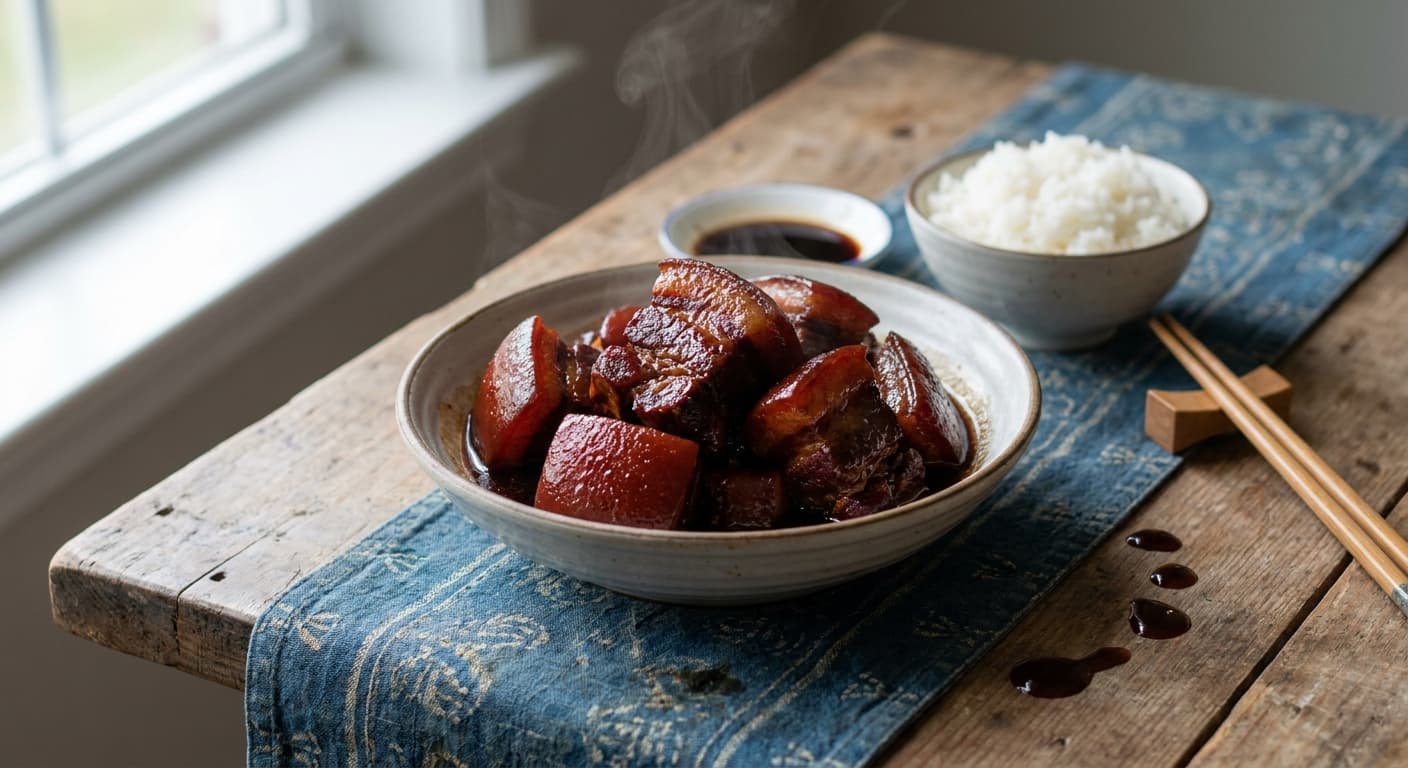
Dongpo Pork (东坡肉) — Hangzhou Red-Braised Pork Belly
Chinese · Main Courses · 205 min
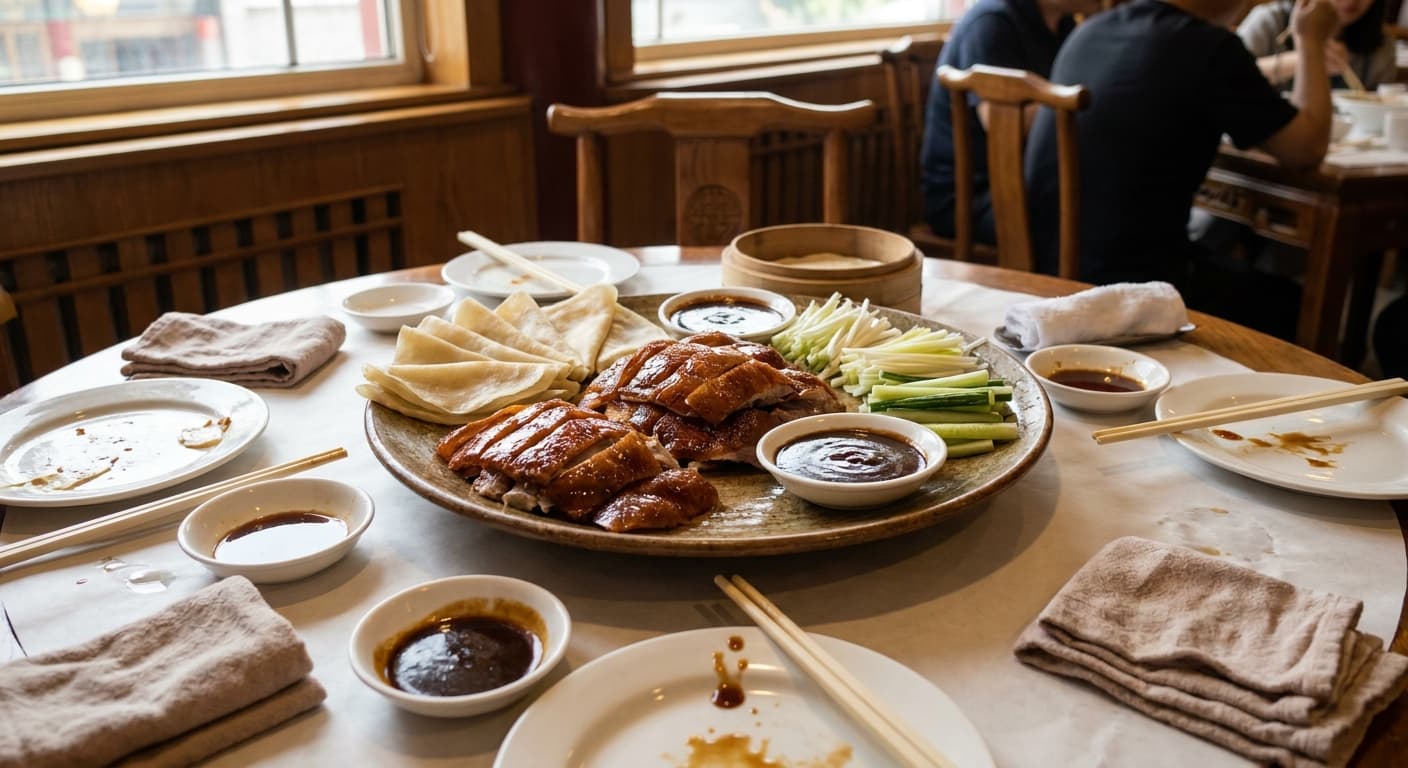
Peking Duck (北京烤鸭) — Crisp-Skinned Beijing Roast Duck
Chinese · Main Courses · 180 min
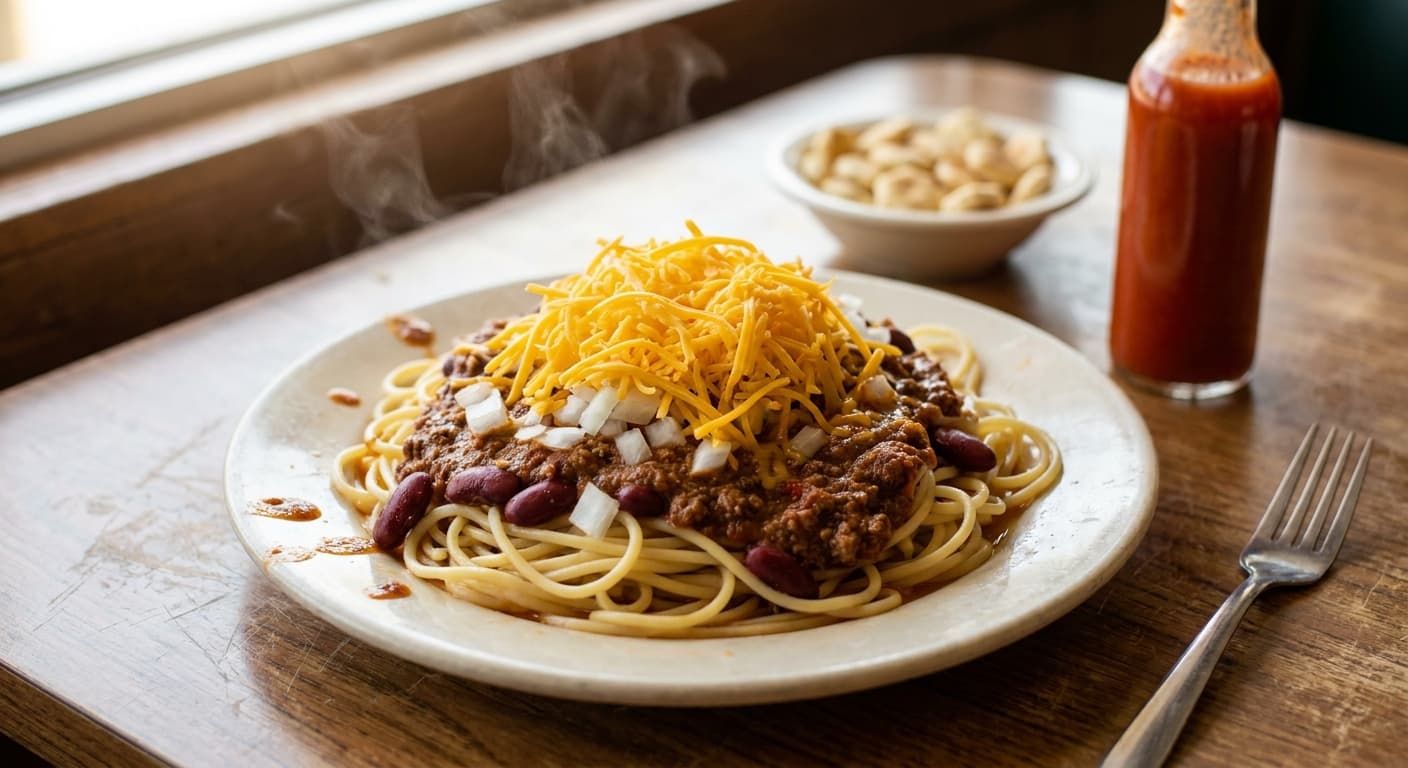
Cincinnati Chili (Cincinnati Chili) — Skyline-Style Spiced Chili over Spaghetti
American · Main Courses · 140 min
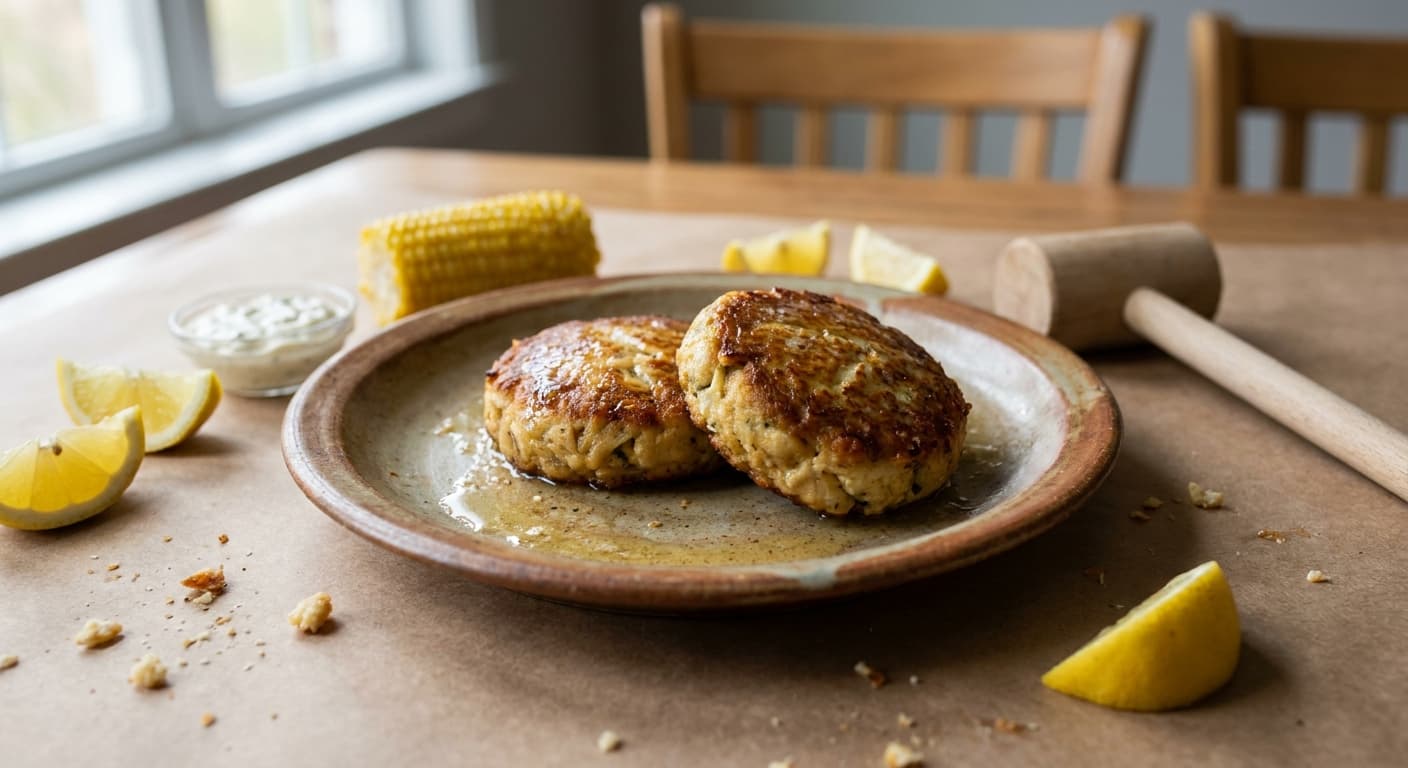
Maryland Crab Cakes (Maryland Crab Cakes) — Chesapeake Jumbo Lump Crab Patties
American · Main Courses · 35 min
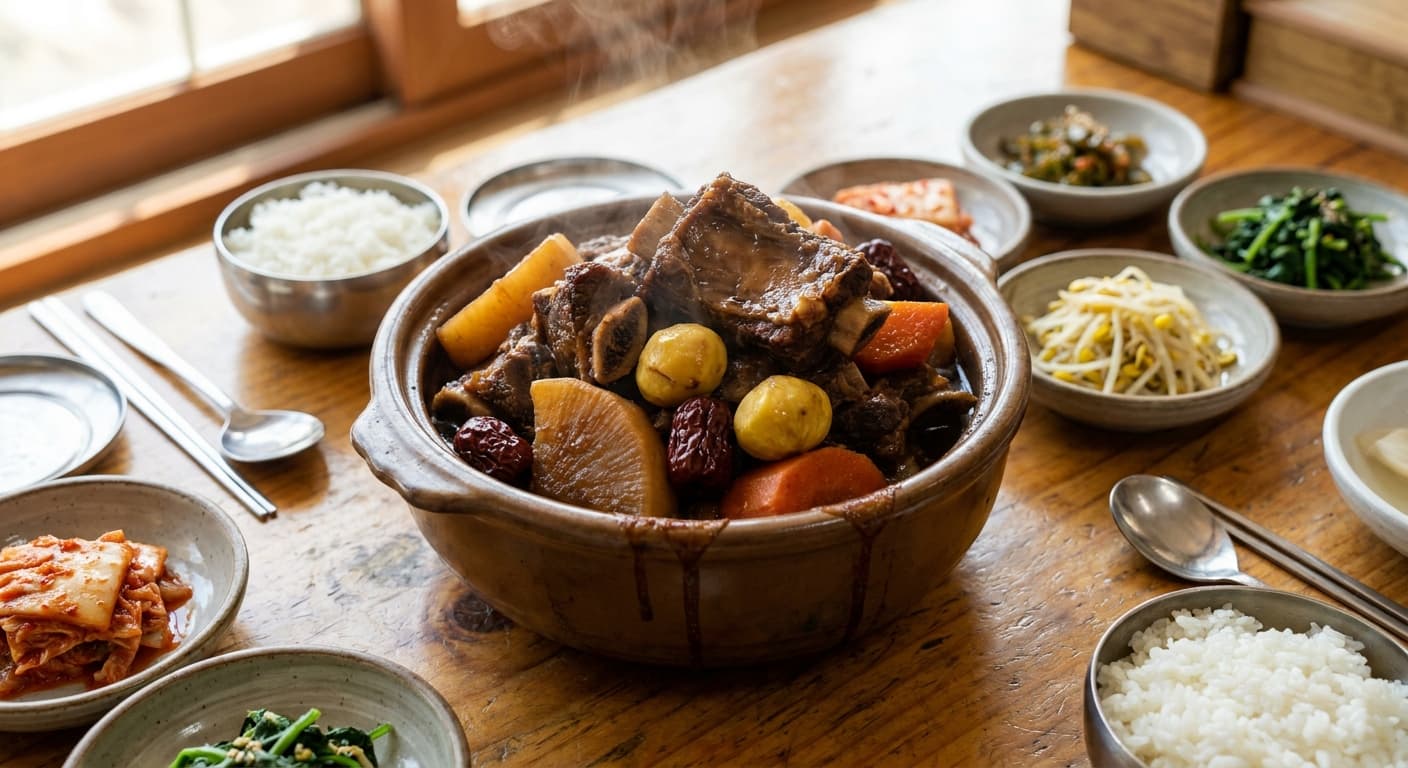
Galbi Jjim (갈비찜) — Korean Braised Short Ribs
Korean · Main Courses · 175 min
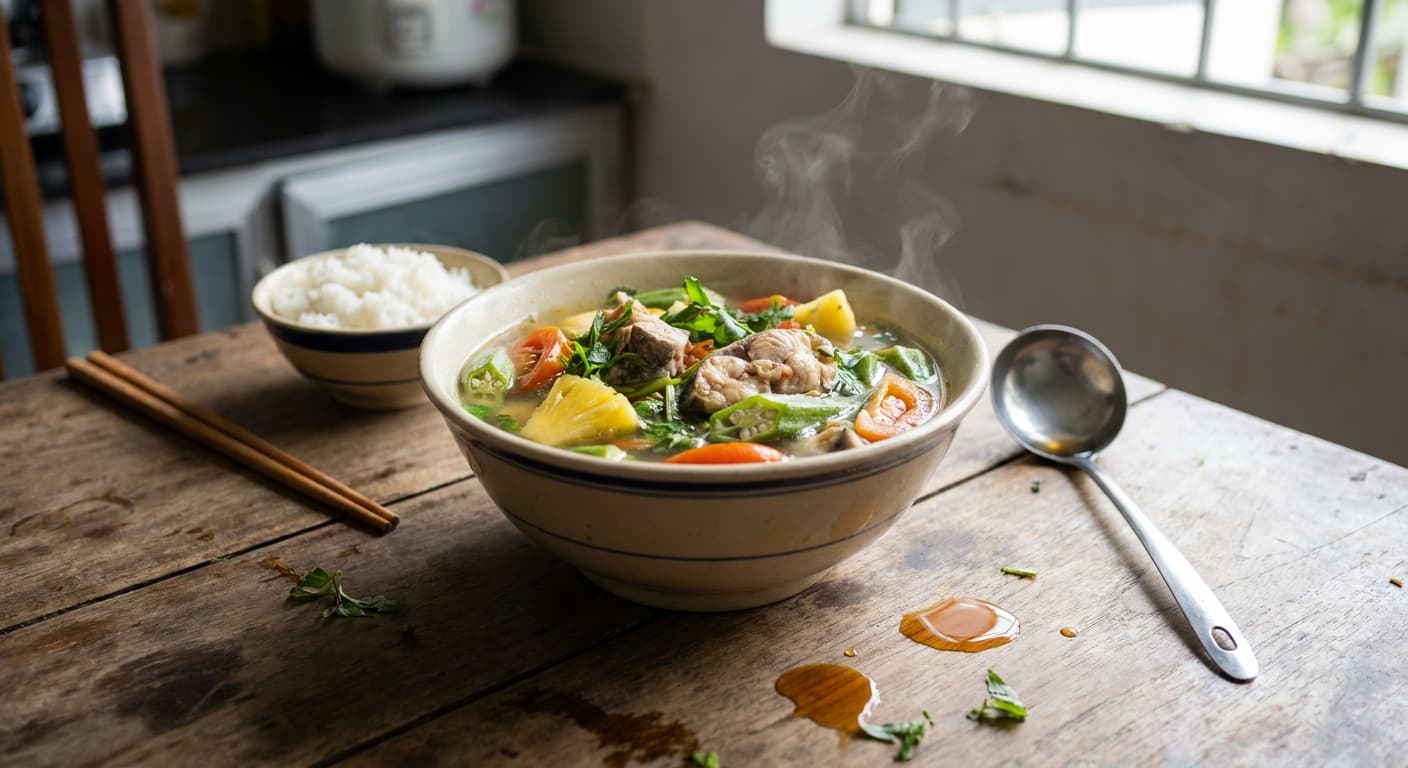
Vietnamese Sour Fish Soup (Canh Chua Cá) — Tamarind-Scented Mekong Soup
Vietnamese · Soups · 45 min
Finnish Oven-Baked Squeaky Cheese (Leipäjuusto) — Warm Bread Cheese with Cloudberry Jam
Finnish · Desserts · 85 min
Reviews
Cooked this recipe?
Tap the stars to rate it — that's all it takes. A few words are welcome but optional.
No ratings yet. Cooked this one? Be the first to rate it — it takes one tap.