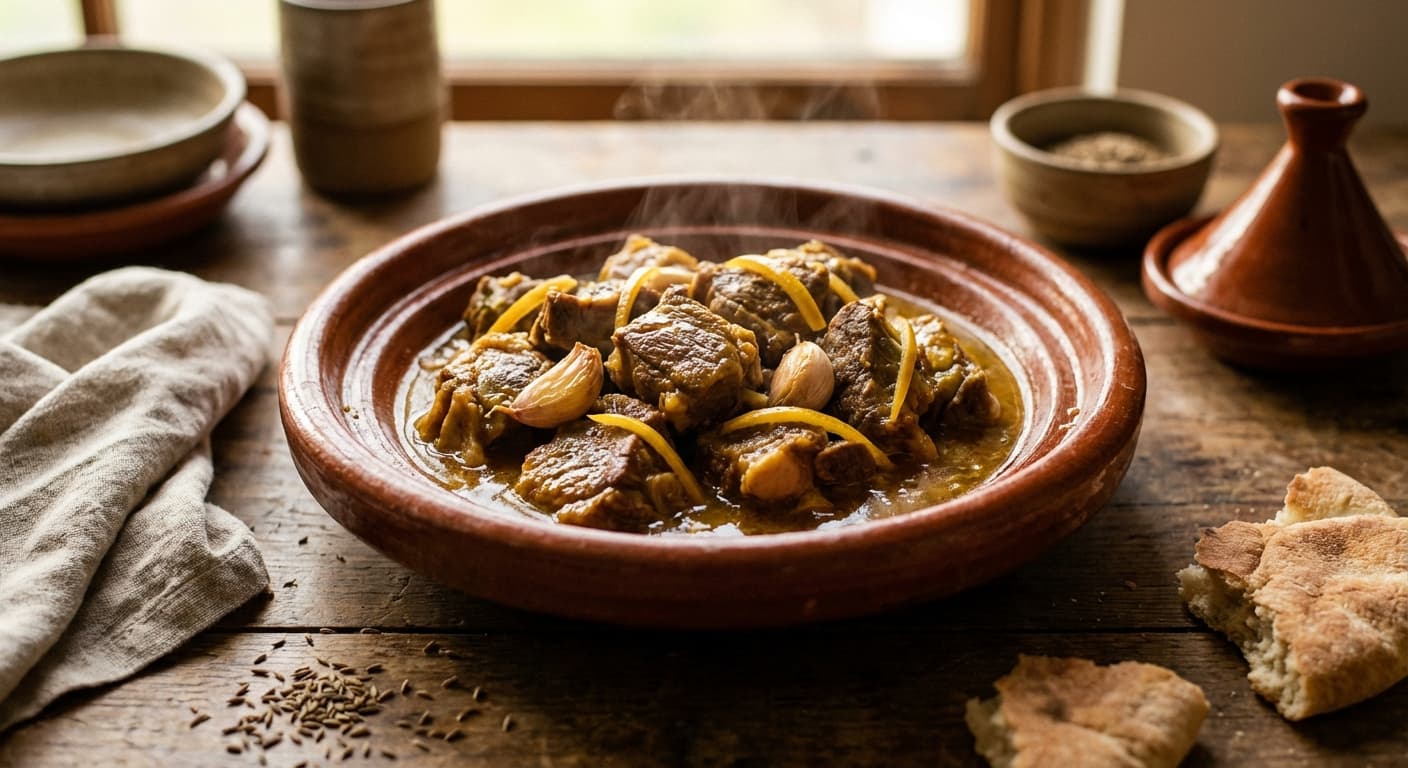
Tanjia Marrakchia (طنجية مراكشية) — Moroccan Slow-cooked lamb in clay urn
A Marrakesh specialty traditionally cooked in a clay urn and slow-braised in embers near a neighborhood hammam. Lamb becomes spoon-tender with preserved lemon, cumin, garlic, and saffron—simple ingredients with deep, smoky warmth.
Printable Recipe Card
Servings: 6 · Total: 260 min · Difficulty: medium
Ingredients (quick list)
- 1500 g lamb shoulder, bone-in, cut into large chunks (trim excess surface fat but keep some for flavor)
- 10 clove garlic cloves, peeled
- 3 tsp ground cumin
- 2 tsp ground ginger
- 1 tsp ground turmeric
- 2 tsp sweet paprika
- 1 tsp black pepper
- 2.5 tsp fine sea salt
- 0.15 g saffron threads (about a generous pinch)
- 30 ml warm water (for blooming saffron)
- 60 g preserved lemon peel, rinsed and thinly sliced (use peel only, not the pulp)
- 30 g smoked butter (smen) or unsalted butter (smen is traditional and adds depth)
+ 4 more in the full ingredients section below.
Steps (summary)
- Bloom the saffron by crushing the threads lightly and stirring them into 30 ml warm water. Let it stand for 10 minutes so the c…
- In a large bowl, combine cumin, ginger, turmeric, paprika, black pepper, and salt. Add the lamb and toss thoroughly so every pi…
- Transfer the seasoned lamb to a tanjia clay urn, a tagine base, or a heavy Dutch oven. Pour in the bloomed saffron water, add 1…
- Seal the cooking vessel tightly to trap steam, which is essential for the signature tenderness. If using a Dutch oven, press a…
- Cook low and slow at 150°C / 300°F for 3 hours, keeping the pot covered the entire time. The dish is ready when the lamb yields…
- Rest the covered pot for 15 minutes so the juices settle and the fat rises for easy spooning. Uncover, skim 1–2 tablespoons of…
+ 1 more steps in the full instructions section below.
Cultural Background
Tanjia is a working-class icon of Marrakesh, historically prepared by men and sent to bake slowly in the embers of a hammam furnace. Its minimal prep and long, gentle cooking capture the city’s communal rhythms and love of cumin and preserved lemon.
Equipment
💡 Tips
- For the most authentic aroma, use smen and keep the spice mix cumin-forward; it should smell warm and earthy, not hot.
- Keep the liquid measured and the lid sealed; too much water makes it soupy, while too little can scorch the bottom.
- If you want a deeper, hammam-style finish, uncover for the last 15 minutes and increase heat to 180°C / 350°F to lightly concentrate the sauce.
⚠️ Common Mistakes
❌ Cooking at too high a temperature, which tightens the lamb and dries the sauce.
✅ Fix: Keep the oven around 150°C / 300°F and extend cooking by 30–60 minutes if needed until the meat is spoon-tender.
❌ Adding too much water, resulting in a thin, bland broth.
✅ Fix: Stick to the measured liquid and reduce uncovered for 10–15 minutes at the end if the sauce needs concentration.
❌ Using preserved lemon pulp, which can make the sauce bitter and overly salty.
✅ Fix: Use only the peel, rinse it, and slice thinly so it perfumes the dish without overpowering it.
🧊 How to Store
Cool leftovers within 2 hours, then refrigerate in an airtight container for up to 3 days. Reheat covered on low heat with 30–60 ml water to loosen the sauce, or warm in a 160°C oven for 20–25 minutes until piping hot.
📅 Make Ahead
Season the lamb with spices, garlic, and preserved lemon up to 24 hours ahead and refrigerate covered to deepen flavor. Bloom saffron and measure liquids just before cooking for the freshest aroma.
🍽️ Pairs Well With
- Khobz (Moroccan bread)
- couscous
- olives
- simple tomato-cucumber salad
- harissa on the side.
Regional Variations
- Marrakesh-style often emphasizes cumin and garlic with minimal herbs, keeping the flavor bold yet clean.
- Some home cooks add a pinch of ras el hanout (about 1/2 tsp) for a more perfumed, market-spice character.
- A few versions include a small dried chili (1 piece) for gentle heat while keeping the dish primarily aromatic.
Ingredients
- 1500 glamb shoulder, bone-in, cut into large chunks (trim excess surface fat but keep some for flavor)
- 10 clovegarlic cloves, peeled
- 3 tspground cumin
- 2 tspground ginger
- 1 tspground turmeric
- 2 tspsweet paprika
- 1 tspblack pepper
- 2.5 tspfine sea salt
- 0.15 gsaffron threads (about a generous pinch)
- 30 mlwarm water (for blooming saffron)
- 60 gpreserved lemon peel, rinsed and thinly sliced (use peel only, not the pulp)
- 30 gsmoked butter (smen) or unsalted butter (smen is traditional and adds depth)
- 30 mlolive oil
- 180 mlwater (added to the vessel for gentle braising)
- 2 leafbay leaf (optional but common in home versions)
- 1 sheetparchment paper (to help seal the pot)
🔄 Substitutions
- lamb shoulder, bone-in→ lamb shank
- smoked butter (smen)→ unsalted butter
- preserved lemon peel→ fresh lemon zest
Instructions
- 1
Bloom the saffron by crushing the threads lightly and stirring them into 30 ml warm water. Let it stand for 10 minutes so the color and aroma fully release.
- 2
In a large bowl, combine cumin, ginger, turmeric, paprika, black pepper, and salt. Add the lamb and toss thoroughly so every piece is evenly coated, then mix in the garlic cloves and preserved lemon peel.
- 3
Transfer the seasoned lamb to a tanjia clay urn, a tagine base, or a heavy Dutch oven. Pour in the bloomed saffron water, add 180 ml water, then dot in the smen (or butter) and drizzle over the olive oil.
- 4
Seal the cooking vessel tightly to trap steam, which is essential for the signature tenderness. If using a Dutch oven, press a sheet of parchment directly over the meat before closing the lid to reduce evaporation.
- 5
Cook low and slow at 150°C / 300°F for 3 hours, keeping the pot covered the entire time. The dish is ready when the lamb yields easily to a spoon and the sauce is glossy and lightly reduced.
- 6
Rest the covered pot for 15 minutes so the juices settle and the fat rises for easy spooning. Uncover, skim 1–2 tablespoons of surface fat if desired, and gently stir to coat the lamb in the fragrant sauce.
- 7
Serve the lamb directly from the vessel for a traditional presentation. Spoon sauce over each portion and include a few garlic cloves and strips of preserved lemon with every serving.
🪪 Recipe Passport
Cultural Background
Tanjia is a working-class icon of Marrakesh, historically prepared by men and sent to bake slowly in the embers of a hammam furnace. Its minimal prep and long, gentle cooking capture the city’s communal rhythms and love of cumin and preserved lemon.
Regional Variations
Researched from multiple sources and validated by the Zaffaron editorial team. Every recipe is tested for accuracy, measurements, and cultural authenticity.
Nutrition per serving
Pairs well with
If you enjoyed this recipe, here are a few related Zaffaron recipes to try next.
Does your family make this differently?
Every family has their own version. Maybe your grandmother adds a secret ingredient, or your aunt has a completely different technique. Preserve your family's version — with their name on it, forever.
You Might Also Like
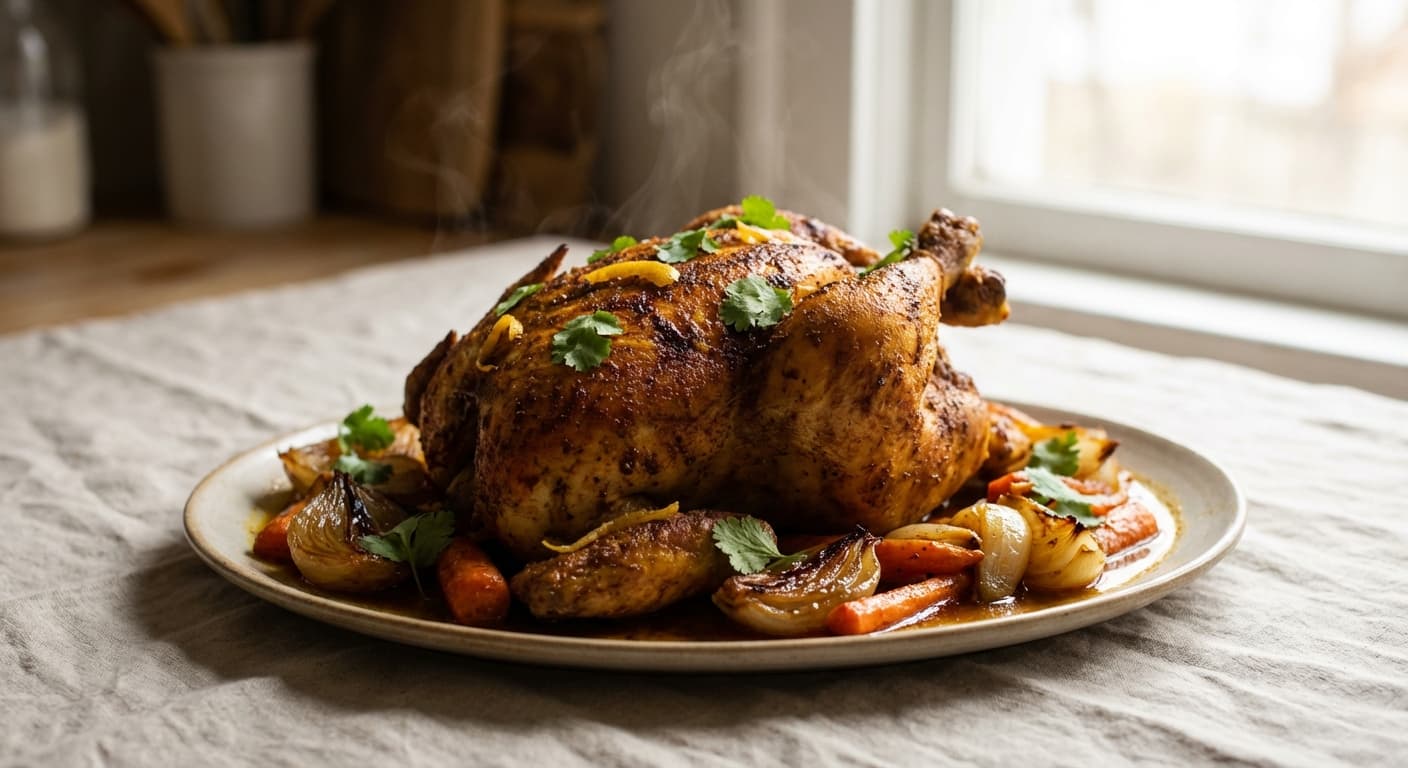
Ras El Hanout Chicken (رأس الحانوت) — Moroccan Spiced Roasted Chicken with Aromatic Blend
Moroccan · Main Courses · 95 min
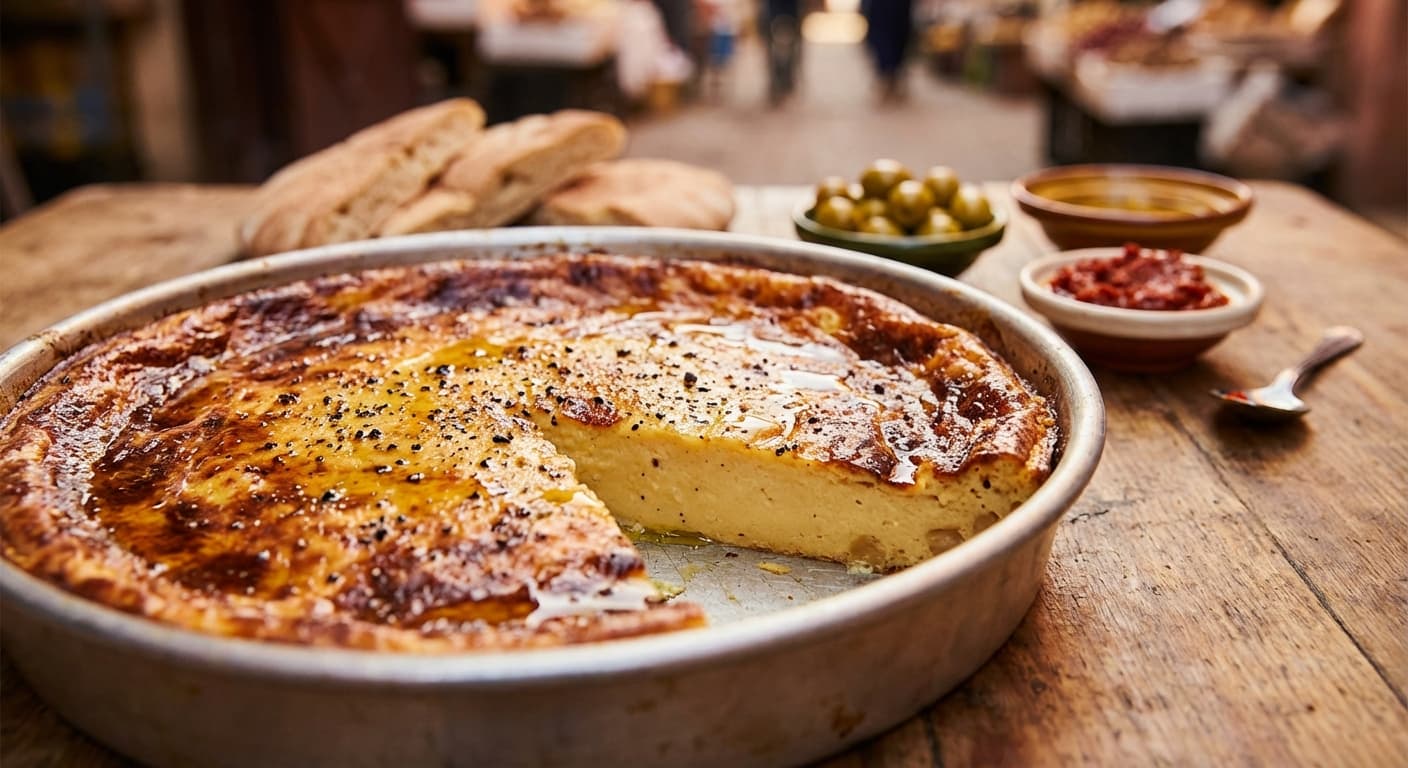
Calentica (كالنتيكا) — Moroccan Chickpea Flan Street Food, Peppery and Warm
Moroccan · Side Dishes · 60 min
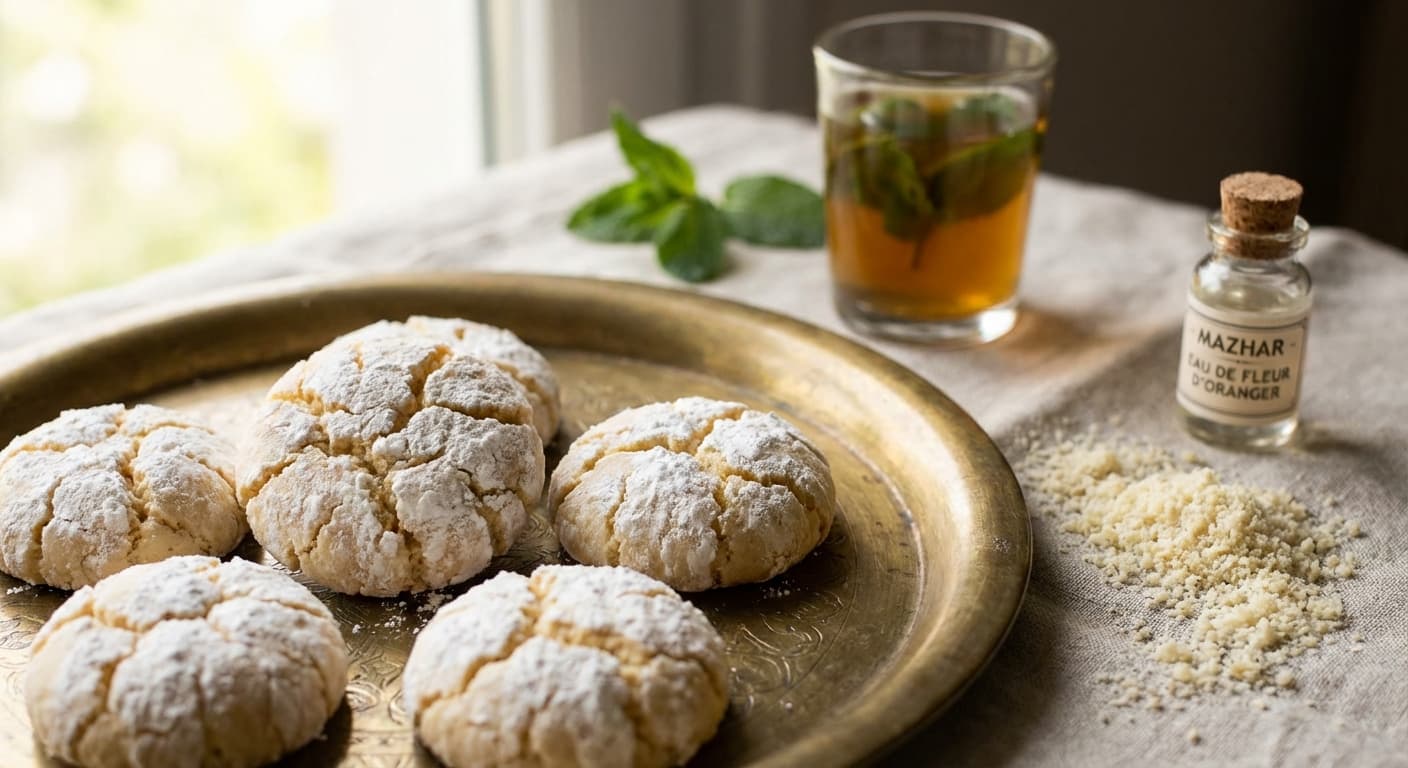
Ghriba (غريبة) — Moroccan crumbly almond cookies with orange blossom
Moroccan · Desserts · 34 min
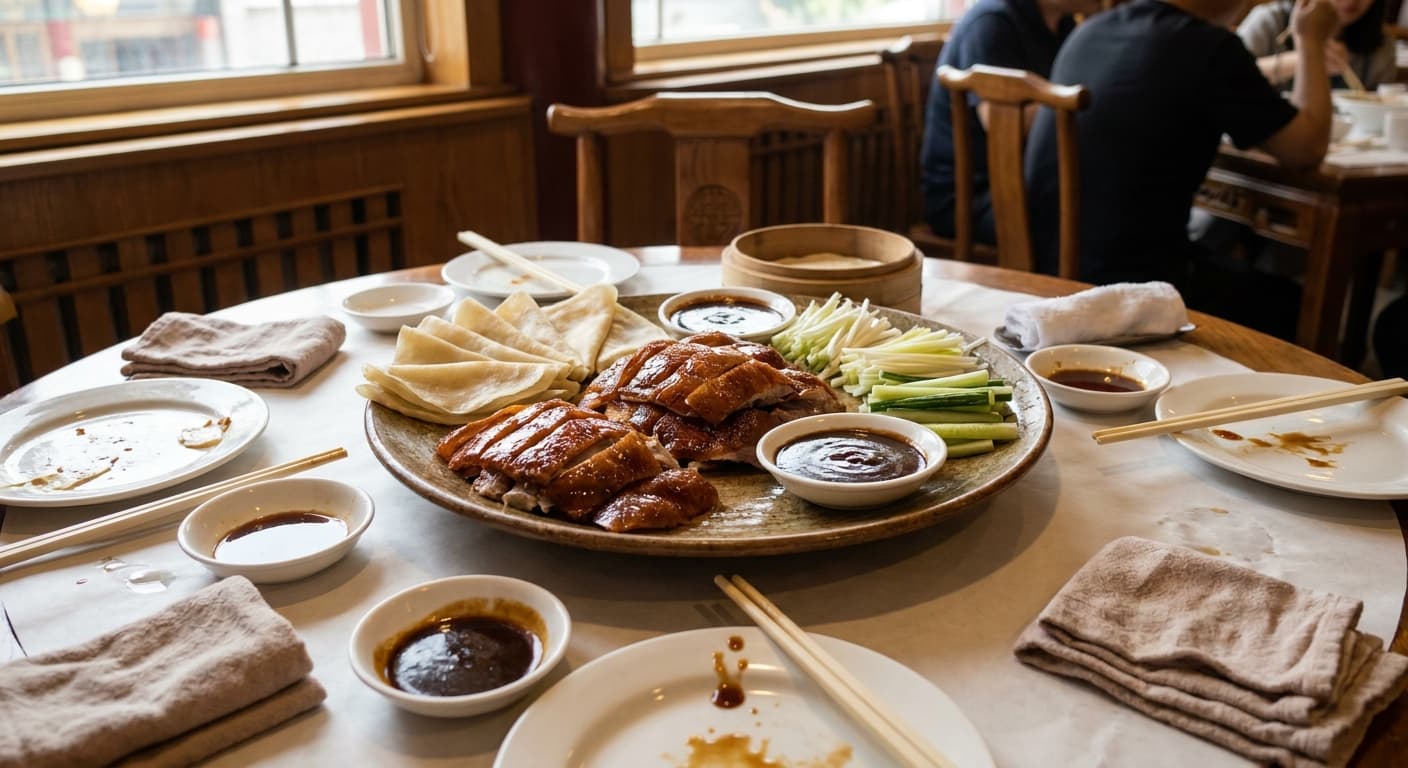
Peking Duck (北京烤鸭) — Crisp-Skinned Beijing Roast Duck
Chinese · Main Courses · 180 min
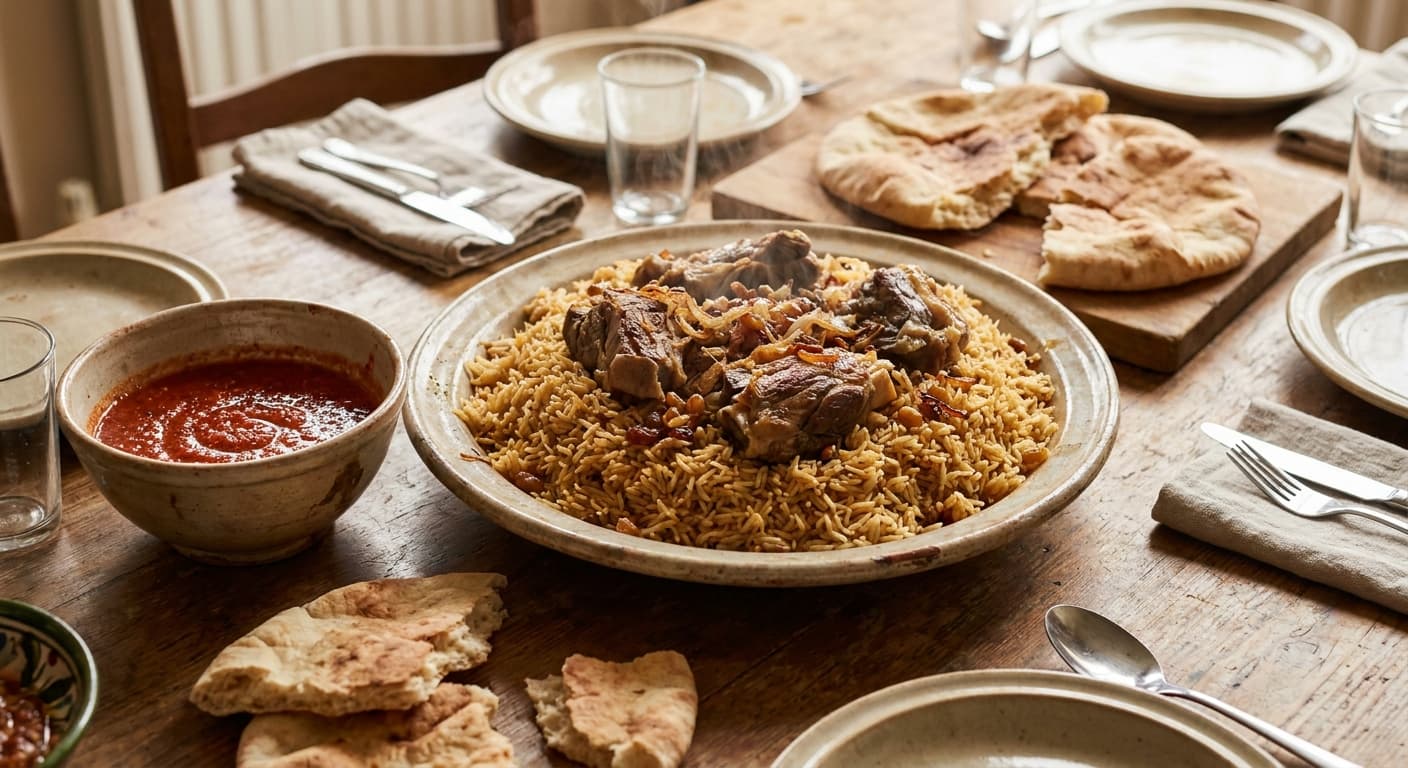
Yemeni Mandi (مندي) — Smoke-Scented Spiced Rice and Lamb
Yemeni · Main Courses · 170 min
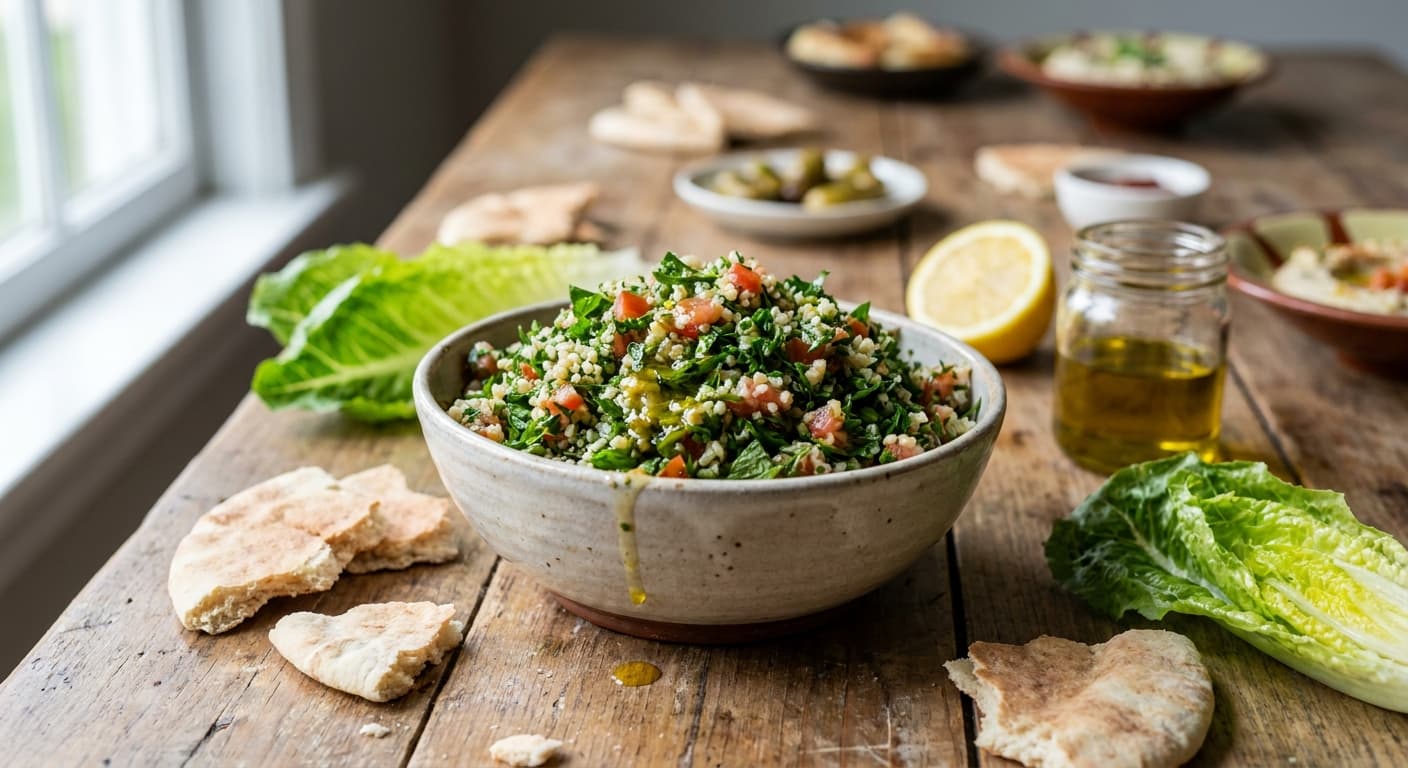
Lebanese Tabbouleh (تبولة لبنانية) — Parsley Bulgur Herb Salad
Lebanese · Salads · 35 min
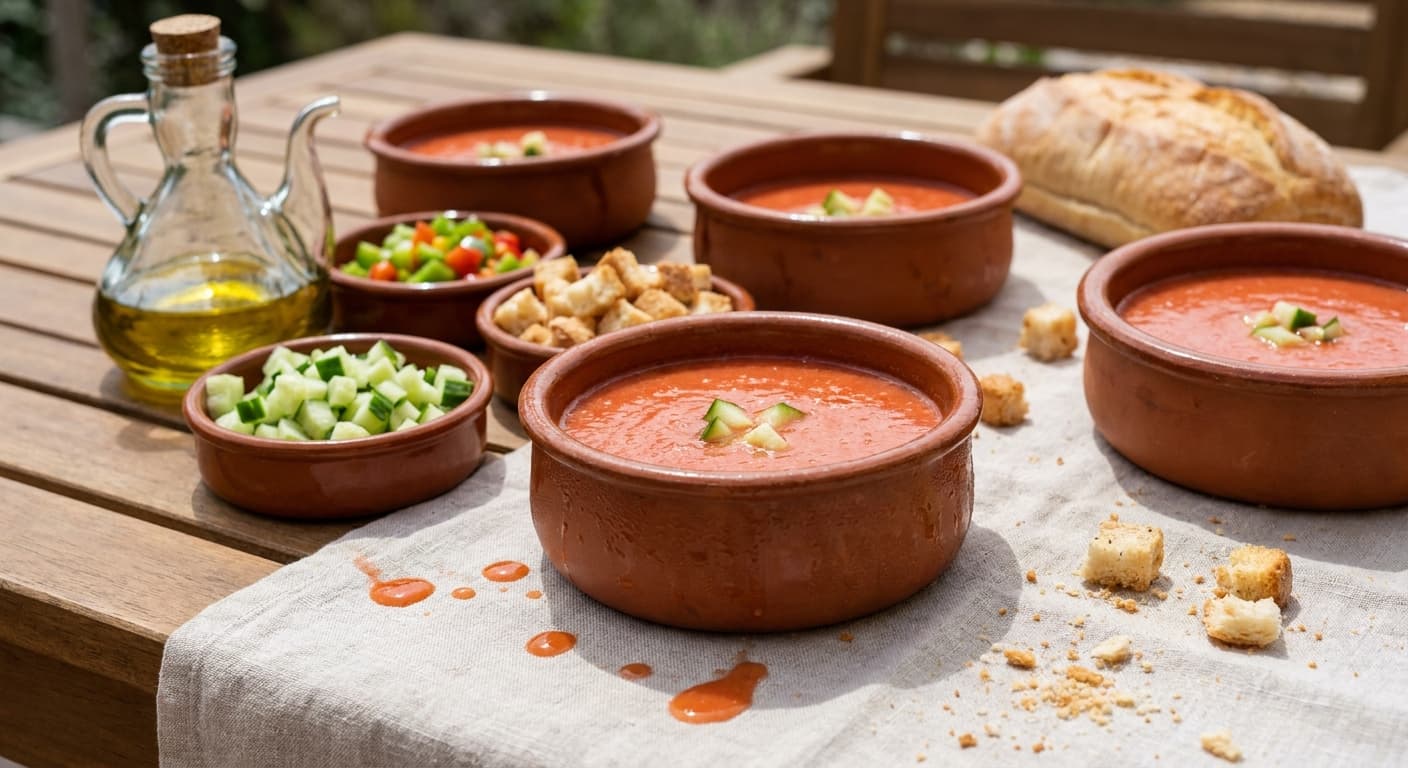
Andalusian Gazpacho (Gazpacho Andaluz) — Chilled Tomato and Pepper Soup
Spanish · Soups · 25 min
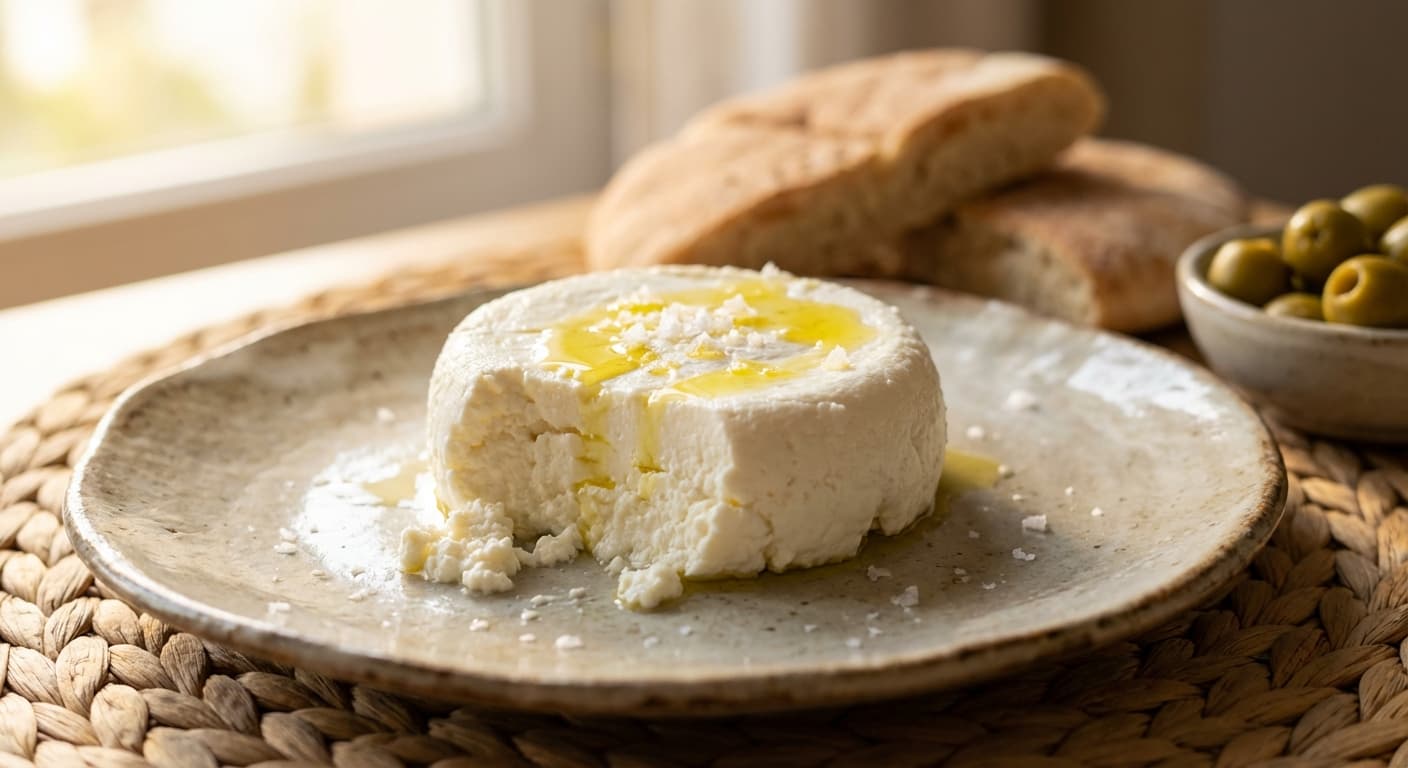
Jben (جبن) — Moroccan Fresh Soft Cheese, Lightly Salted and Milky
Moroccan · Side Dishes · 35 min
Reviews
Cooked this recipe?
Tap the stars to rate it — that's all it takes. A few words are welcome but optional.
No ratings yet. Cooked this one? Be the first to rate it — it takes one tap.