Carrot & Celery Khoresht with Chicken (خورش هویج و کرفس) — Aromatic Persian stew with sweet carrots and herbal celery
Khoresht-e havij va karafs is a comforting Persian stew where gently browned chicken simmers with carrots and celery in a turmeric-scented broth. The balance of sweetness and herbal freshness makes it a beloved home-style meal served with rice.
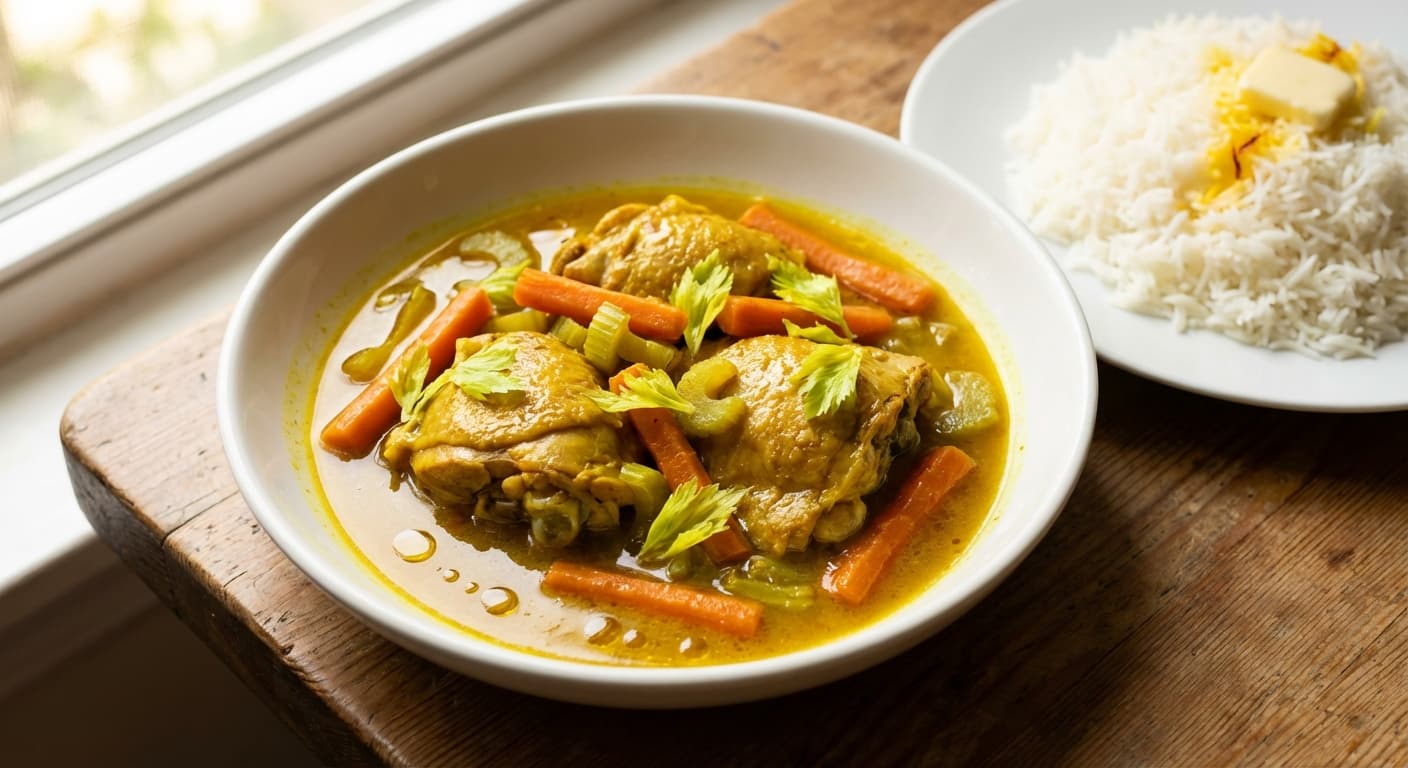
Printable Recipe Card
Servings: 4 · Total: 90 min · Difficulty: medium
Ingredients (quick list)
- 900 g Chicken thighs, bone-in and skinless (About 4 large thighs)
- 200 g Yellow onion, finely diced
- 12 g Garlic, minced (About 4 cloves)
- 30 ml Extra virgin olive oil (2 tbsp)
- 3 tsp Ground turmeric
- 2 tsp Ground cumin
- 2 tsp Sea salt (Start with 2 tsp; final stew should taste well-seasoned)
- 1 tsp Black pepper, freshly ground
- 350 g Carrots, peeled and cut into 6 cm batons
- 300 g Celery stalks, sliced into 1 cm pieces (Include tender leaves if available)
- 900 ml Chicken broth, low-sodium
Steps (summary)
- Pat the chicken dry with paper towels so it browns properly, then season it with 1 tsp sea salt and 1/2 tsp black pepper. Let i…
- Heat the olive oil in a heavy pot over medium-high heat until it shimmers, about 60 seconds. Add the chicken and sear for 4–5 m…
- Lower the heat to medium and add the diced onion to the same pot, scraping up the browned bits. Cook for 8–10 minutes until the…
- Stir in the minced garlic, turmeric, and cumin and cook for 45–60 seconds until fragrant. Keep the heat moderate and stir const…
- Add the carrots and celery and sauté for 6–8 minutes, stirring often, until the vegetables are glossy and lightly softened at t…
- Return the chicken (and any collected juices) to the pot, then pour in the chicken broth. Bring the stew to a gentle boil, then…
+ 2 more steps in the full instructions section below.
Cultural Background
Khoresht is a cornerstone of Persian home cooking, built on slow simmering and careful onion-and-spice foundations. This carrot-and-celery version reflects seasonal pantry vegetables and the Persian preference for balanced, gentle warmth rather than heat.
Equipment
💡 Tips
- For deeper flavor, brown the onions until lightly golden, not just translucent, before adding garlic and spices.
- Keep the simmer gentle; a hard boil can toughen chicken and break down celery too quickly.
- If using very salty broth, reduce the initial salt to 1.5 tsp and add the rest only after reducing.
⚠️ Common Mistakes
❌ Boiling the stew aggressively for the entire cook time
✅ Fix: Bring to a boil only briefly, then keep a low simmer so the chicken stays tender and the broth reduces cleanly.
❌ Adding all the salt at the start and ending up with an over-salty reduction
✅ Fix: Season lightly early, then finish seasoning in the last 10 minutes after the broth has reduced.
❌ Skipping the sauté for carrots and celery
✅ Fix: Sauté 6–8 minutes to develop sweetness and aroma before simmering, which makes the stew taste fuller.
🧊 How to Store
Cool leftovers within 2 hours, then refrigerate in an airtight container for up to 3 days. Reheat gently in a pot over low heat with 30–60 ml water or broth to loosen, warming until the chicken reaches 74°C/165°F.
📅 Make Ahead
Dice the onion and mince the garlic up to 24 hours ahead and refrigerate in sealed containers. The stew itself can be cooked 1 day ahead; the flavor deepens overnight and reheats beautifully over low heat.
🍽️ Pairs Well With
- Chelow (steamed Persian rice)
- tahdig
- Shirazi salad
- torshi
- plain yogurt
Regional Variations
- Some families add a small pinch of saffron steeped in 15 ml hot water near the end for a more festive aroma.
- In some home styles, celery leaves are added in the last 15 minutes to keep their herbal brightness.
Ingredients
- 900 gChicken thighs, bone-in and skinless (About 4 large thighs)
- 200 gYellow onion, finely diced
- 12 gGarlic, minced (About 4 cloves)
- 30 mlExtra virgin olive oil (2 tbsp)
- 3 tspGround turmeric
- 2 tspGround cumin
- 2 tspSea salt (Start with 2 tsp; final stew should taste well-seasoned)
- 1 tspBlack pepper, freshly ground
- 350 gCarrots, peeled and cut into 6 cm batons
- 300 gCelery stalks, sliced into 1 cm pieces (Include tender leaves if available)
- 900 mlChicken broth, low-sodium
🔄 Substitutions
- Chicken thighs, bone-in and skinless→ Chicken drumsticks, bone-in and skinless
- Extra virgin olive oil→ Avocado oil
- Chicken broth, low-sodium→ Homemade chicken stock
Instructions
- 1
Pat the chicken dry with paper towels so it browns properly, then season it with 1 tsp sea salt and 1/2 tsp black pepper. Let it sit for 10 minutes at room temperature while you prep the onions, garlic, carrots, and celery.
- 2
Heat the olive oil in a heavy pot over medium-high heat until it shimmers, about 60 seconds. Add the chicken and sear for 4–5 minutes per side until deeply golden, then transfer it to a plate to hold the juices.
- 3
Lower the heat to medium and add the diced onion to the same pot, scraping up the browned bits. Cook for 8–10 minutes until the onion turns soft and lightly golden, because this sweet base is essential to a traditional Persian khoresht.
- 4
Stir in the minced garlic, turmeric, and cumin and cook for 45–60 seconds until fragrant. Keep the heat moderate and stir constantly so the spices bloom in the oil without scorching, which can make the stew bitter.
- 5
Add the carrots and celery and sauté for 6–8 minutes, stirring often, until the vegetables are glossy and lightly softened at the edges. This quick sauté helps the carrots’ sweetness and celery’s herbal notes carry through the long simmer.
- 6
Return the chicken (and any collected juices) to the pot, then pour in the chicken broth. Bring the stew to a gentle boil, then immediately reduce to a low simmer and partially cover with a lid.
- 7
Simmer for 50–60 minutes, turning the chicken once halfway through, until the meat is tender and the broth has reduced into a light stew consistency. In the last 10 minutes, stir in the remaining 1 tsp sea salt and 1/2 tsp black pepper, then adjust the thickness by simmering uncovered for 5 minutes if you want it slightly more concentrated.
- 8
Rest the stew off the heat for 10 minutes so the flavors settle and the surface oil gently rises, as is typical in khoresht. Serve hot with rice, making sure each bowl gets chicken, carrots, celery, and plenty of aromatic broth.
🪪 Recipe Passport
Cultural Background
Khoresht is a cornerstone of Persian home cooking, built on slow simmering and careful onion-and-spice foundations. This carrot-and-celery version reflects seasonal pantry vegetables and the Persian preference for balanced, gentle warmth rather than heat.
Regional Variations
Researched from multiple sources and validated by the Zaffaron editorial team. Every recipe is tested for accuracy, measurements, and cultural authenticity.
Nutrition per serving
Pairs well with
If you enjoyed this recipe, here are a few related Zaffaron recipes to try next.
- Chelow Khoresht Jegar Morgh (چلو خورش جگر مرغ) — Persian Chicken Liver Stew with Saffron Rice
- Classic Persian Zucchini Kookoo (کوکو کدو سبز) — Saffron-Scented Zucchini Frittata
- Dal Adas (دال عدس) — Persian Red Lentil & Potato Stew with Dried Lime
- Cheese-Stuffed Beef Rolls (رولت گوشت با پنیر) — Persian-style beef roulades with Gouda and spinach
Does your family make this differently?
Every family has their own version. Maybe your grandmother adds a secret ingredient, or your aunt has a completely different technique. Preserve your family's version — with their name on it, forever.
You Might Also Like
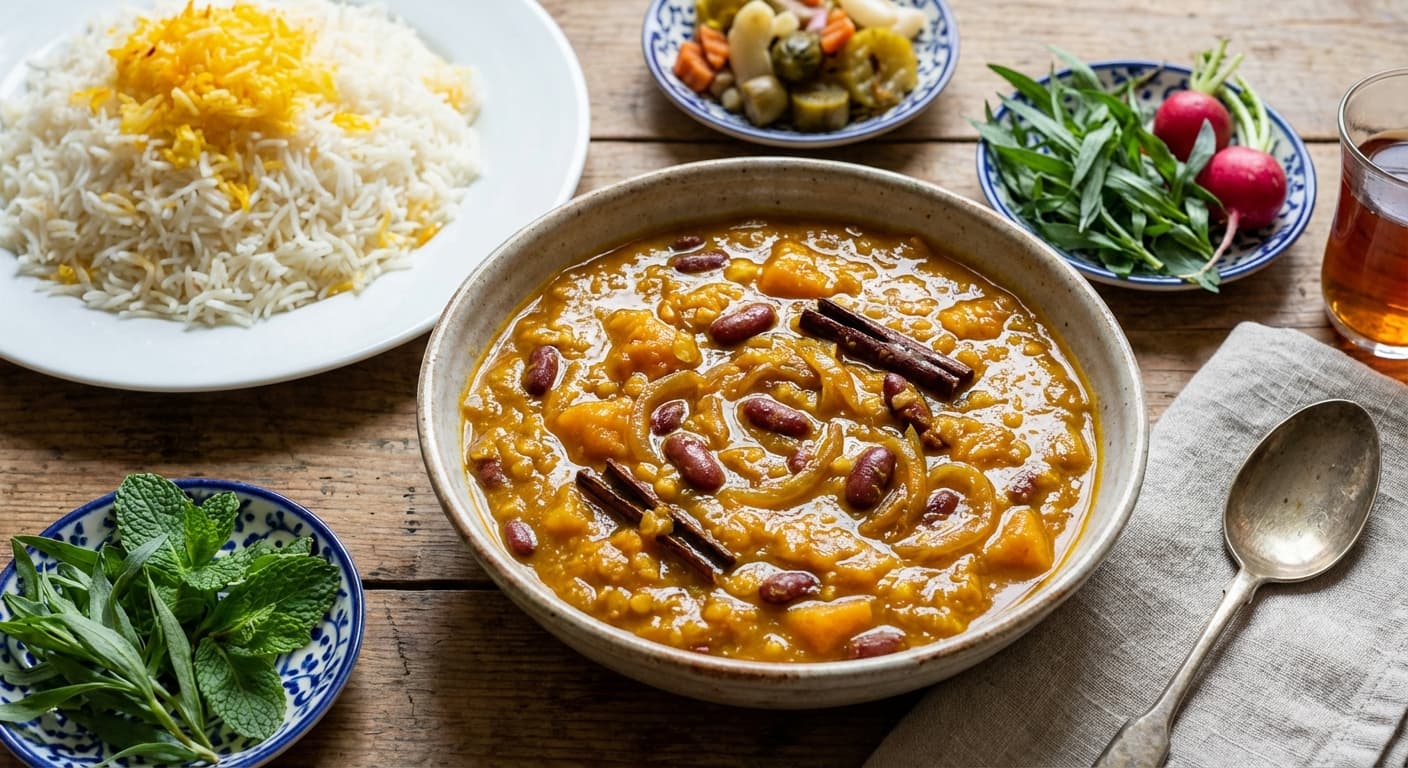
Gheimeh Kadoo Halvai (قیمه کدو حلوایی) — Sweet Pumpkin & Legume Stew
Persian · Stews · 110 min
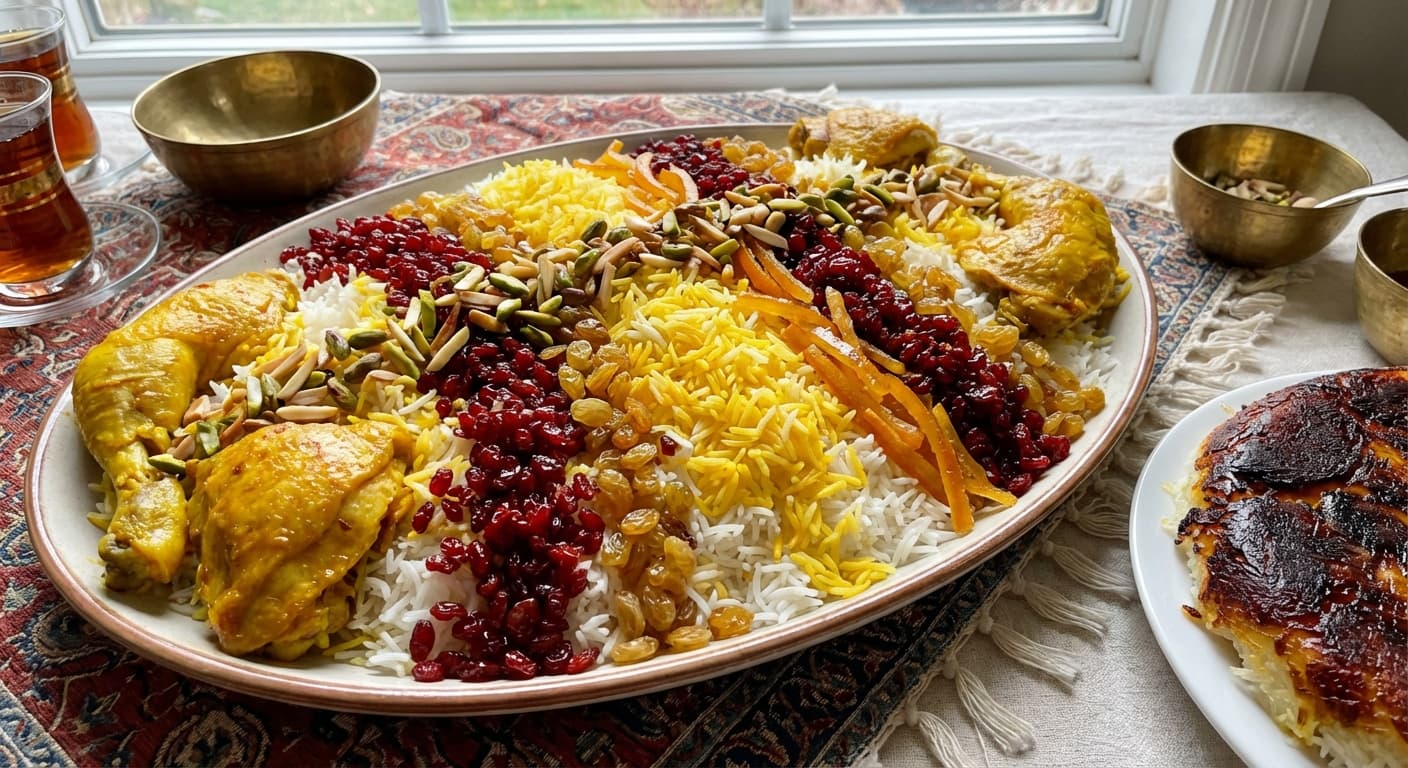
Jeweled Rice (مرصع پلو) — Festive Persian rice with saffron chicken and jeweled fruits
Persian · Rice Dishes · 135 min

Persian-Style Pizza-Chips (خوراک چیپس و پنیر) — Street-Food Chip Bake with Chicken and Mozzarella
Persian · Main Courses · 45 min
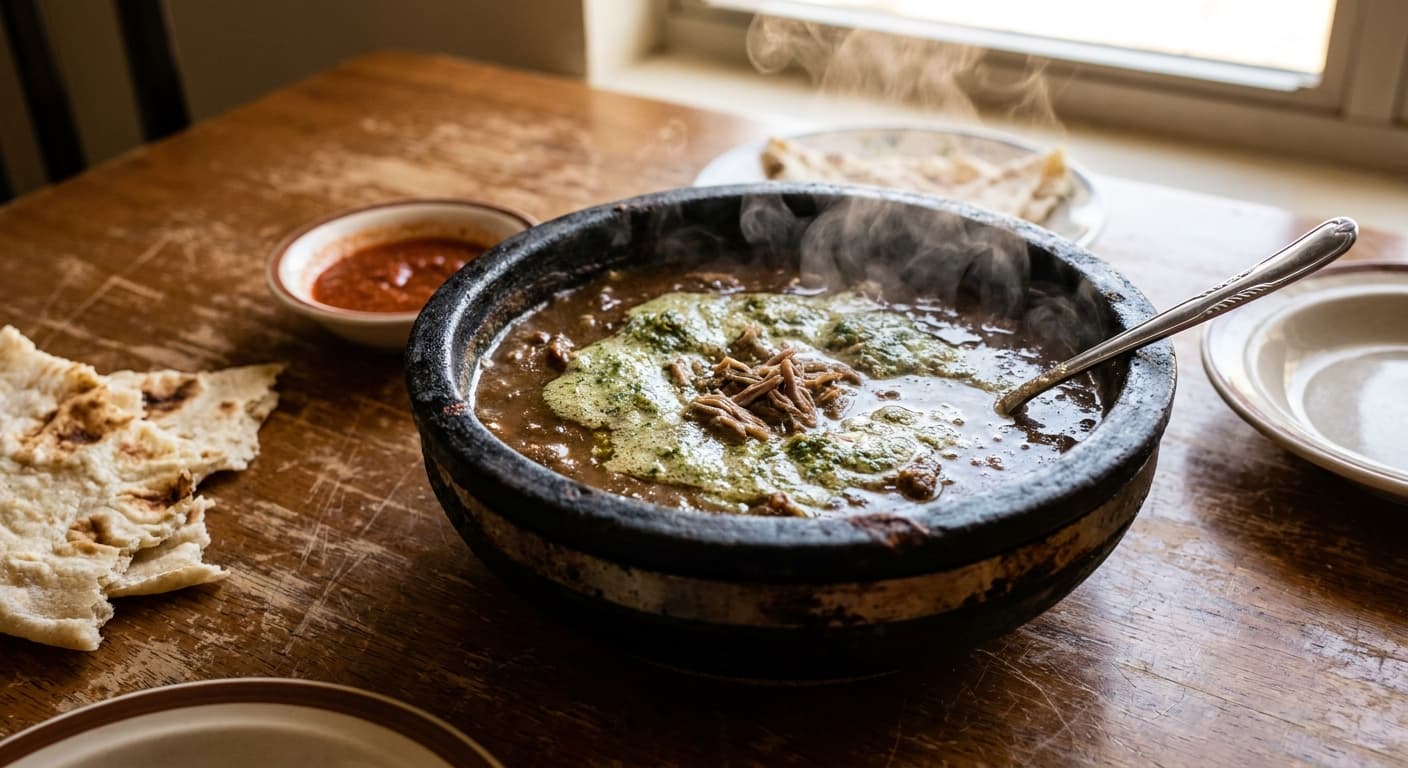
Fahsa (فحسة) — Bubbling Yemeni Shredded Lamb Stew
Yemeni · Stews · 140 min
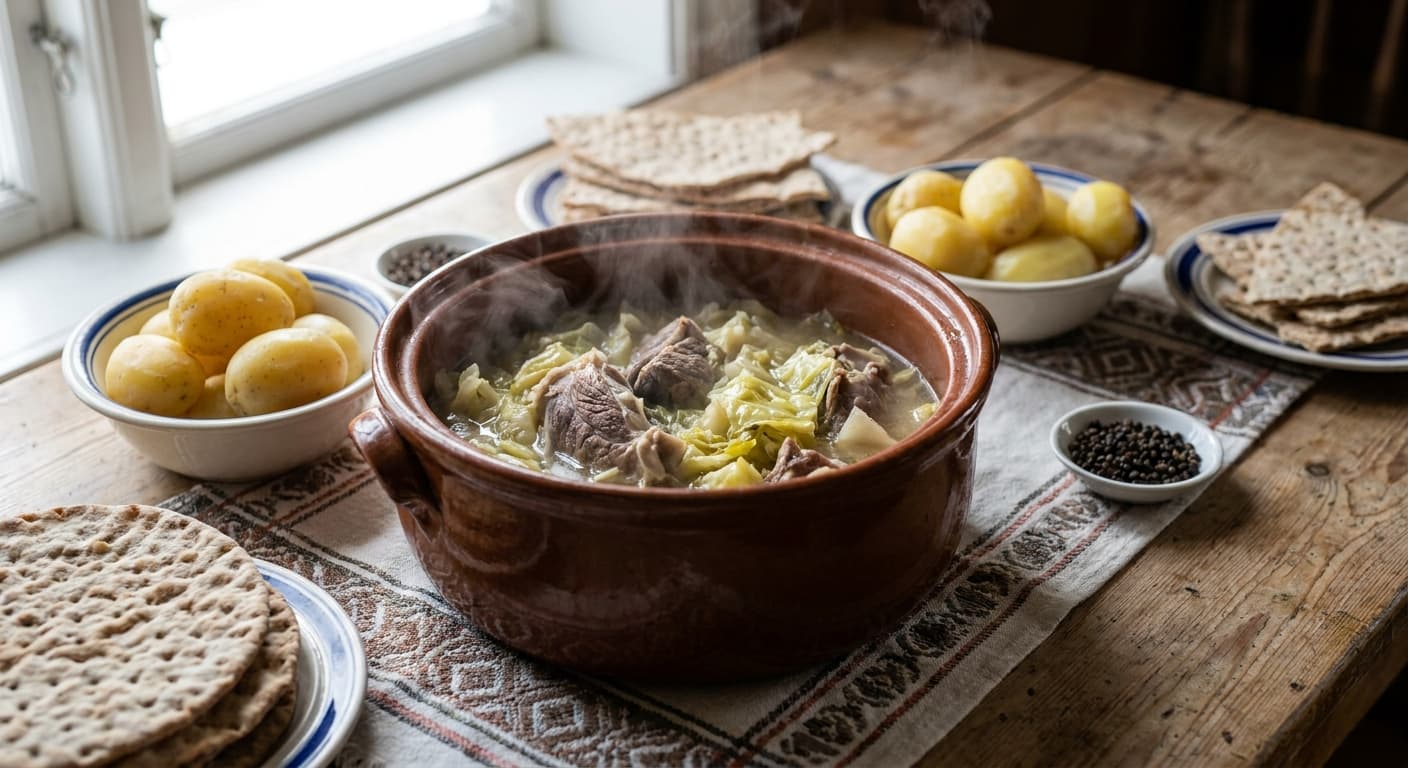
Norwegian Lamb and Cabbage Stew (Fårikål) — Peppery Autumn National Dish
Norwegian · Stews · 170 min
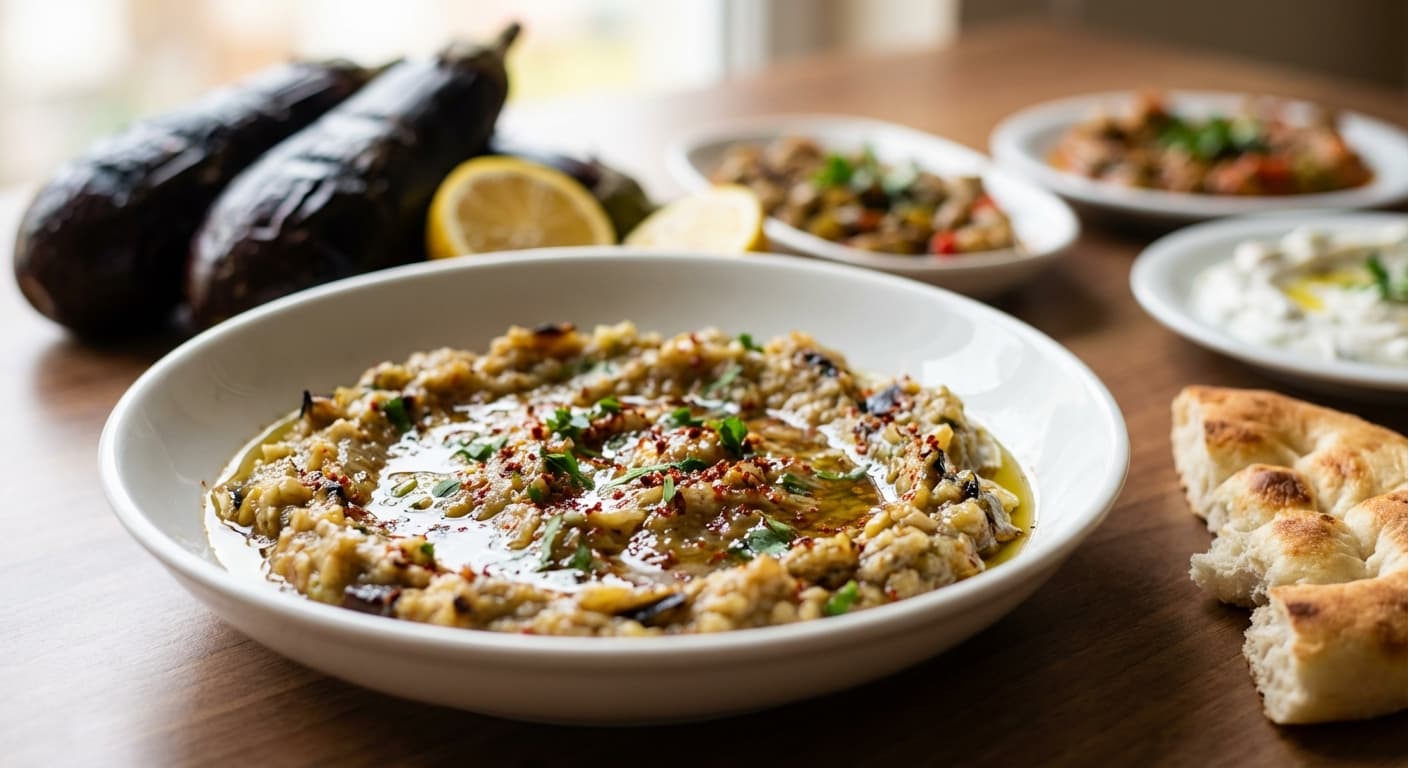
Smoky Eggplant Salad (Patlıcan Salatası) — Turkish charred eggplant with garlic and olive oil
Turkish · Salads · 40 min
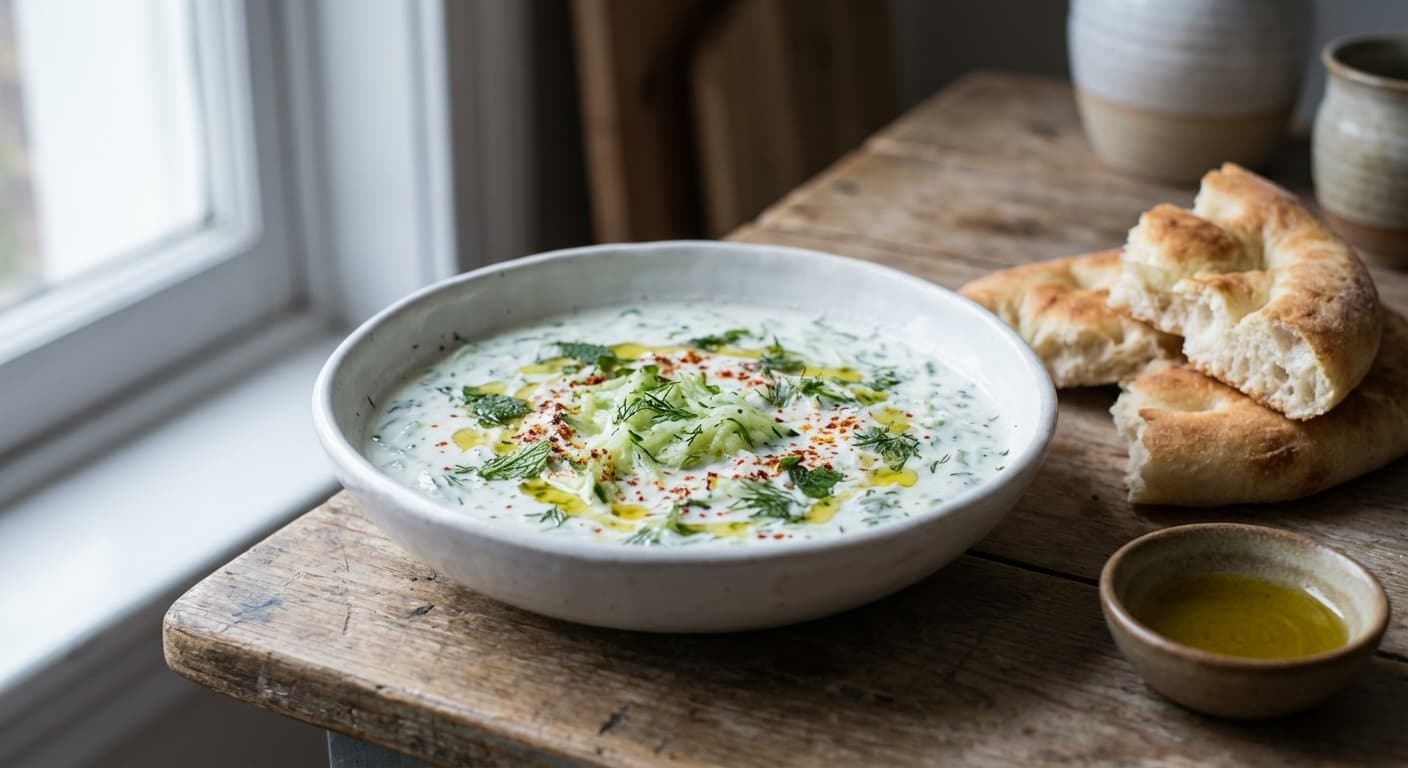
Cacık (Yoğurtlu Salatalık Mezesi) — Chilled Turkish Yogurt, Cucumber & Mint Dip
Turkish · Appetizers · 15 min
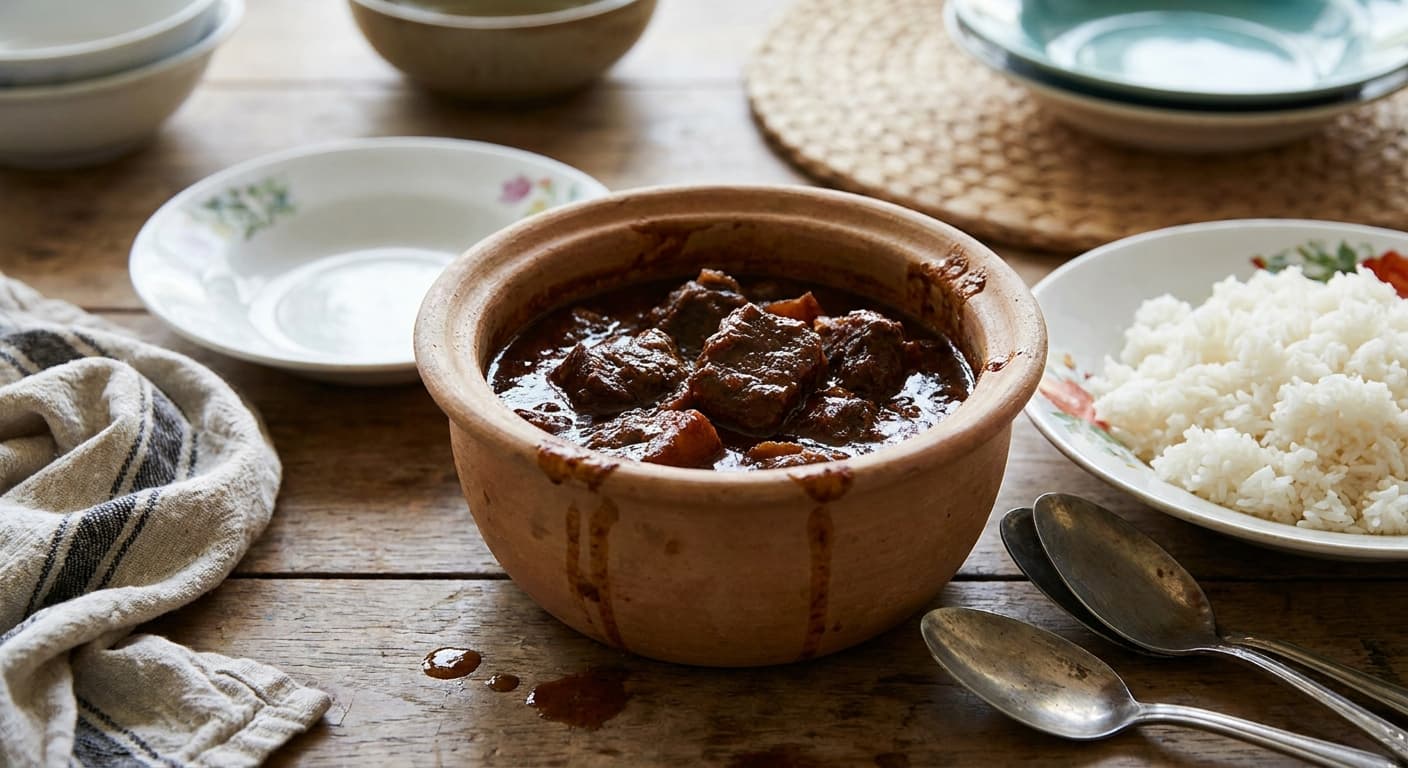
Pone Yay Gyi Curry (ပုန်းရည်ကြီးဟင်း) — Burmese Pork and Fermented Bean Paste
Burmese · Main Courses · 115 min
Reviews
Cooked this recipe?
Tap the stars to rate it — that's all it takes. A few words are welcome but optional.
No ratings yet. Cooked this one? Be the first to rate it — it takes one tap.