Chawanmushi (茶碗蒸し) — Silky Japanese Savory Egg Custard
Chawanmushi is a classic Japanese savory custard steamed in individual cups. Its delicate egg-and-dashi base holds small treasures such as chicken, shrimp, shiitake, ginkgo nuts, and mitsuba.
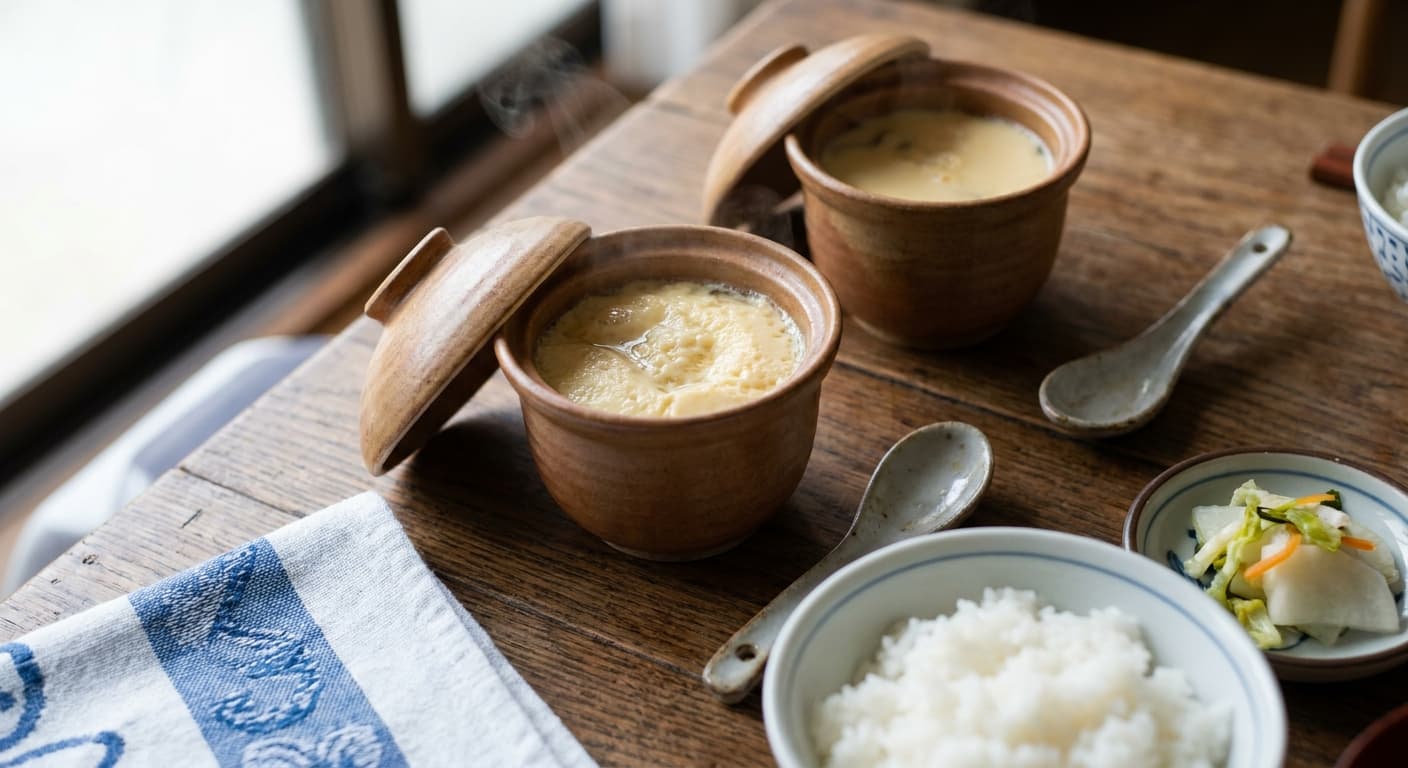
Printable Recipe Card
Servings: 4 · Total: 43 min · Difficulty: medium
Ingredients (quick list)
- 4 large eggs
- 480 ml awase dashi (kombu and bonito stock, cooled to room temperature)
- 2 tsp light soy sauce
- 2 tsp mirin
- 0.5 tsp fine sea salt
- 80 g boneless skinless chicken thigh (cut into 1.5 cm pieces)
- 8 medium shrimp (peeled and deveined)
- 4 fresh shiitake mushrooms (stems removed and caps thinly sliced)
- 8 slice kamaboko fish cake
- 8 cooked ginkgo nuts
- 4 sprig mitsuba
- 1.5 l water (for the steamer)
Steps (summary)
- Prepare four heatproof chawanmushi cups or small ramekins with lids, each holding about 200 ml. If the cups do not have lids, c…
- Beat the eggs gently in a bowl with chopsticks or a fork, avoiding vigorous whisking because excess air creates bubbles in the…
- Strain the egg mixture through a fine-mesh sieve into a measuring jug. This step is essential for chawanmushi because it remove…
- Divide the chicken, shrimp, shiitake, kamaboko, and ginkgo nuts evenly among the four cups. Keep a few colorful items near the…
- Pour the strained custard mixture slowly into each cup, dividing it evenly and leaving about 1 cm of headspace. Skim any surfac…
- Bring the steamer water to a full boil, then reduce the heat to maintain a gentle steam. Place the covered cups in the steamer,…
+ 2 more steps in the full instructions section below.
Cultural Background
Chawanmushi belongs to the Japanese washoku tradition, where restrained seasoning highlights seasonal ingredients and dashi. It is commonly served in restaurants and at home as a refined starter or side dish.
Equipment
💡 Tips
- Use cooled awase dashi, because hot stock can partially cook the eggs before steaming.
- Steam gently after the first few minutes; aggressive boiling makes the custard curdle and form tunnels.
- For the clearest flavor, season lightly and let the dashi remain the dominant taste.
⚠️ Common Mistakes
❌ The custard has bubbles and holes.
✅ Fix: Beat the eggs gently, strain the mixture, skim the surface, and steam over low heat after the initial setting period.
❌ The custard is watery in the center.
✅ Fix: Steam a few minutes longer at low heat and check that the center releases clear liquid when tested with a skewer.
❌ The fillings sink or overcrowd the cup.
✅ Fix: Cut fillings small and use the measured quantities so the egg mixture can flow around them evenly.
🧊 How to Store
Cool leftovers quickly, cover the cups, and refrigerate for up to 2 days. Reheat covered in a gentle steamer for 6 to 8 minutes, avoiding the microwave because uneven heat can toughen the custard.
📅 Make Ahead
The fillings can be cut and the awase dashi prepared 1 day ahead. Mix the eggs with dashi only shortly before steaming for the smoothest texture.
🍽️ Pairs Well With
- Steamed Japanese rice
- miso soup
- grilled fish
- cucumber sunomono
- Japanese pickles.
Regional Variations
- Kansai-style versions often emphasize a paler, more delicate dashi seasoning.
- Some home cooks add small pieces of eel, scallop, or seasonal white fish instead of chicken.
- Vegetable-forward versions may include yuzu peel, lily bulb, spinach, or bamboo shoot depending on the season.
Ingredients
- 4large eggs
- 480 mlawase dashi (kombu and bonito stock, cooled to room temperature)
- 2 tsplight soy sauce
- 2 tspmirin
- 0.5 tspfine sea salt
- 80 gboneless skinless chicken thigh (cut into 1.5 cm pieces)
- 8medium shrimp (peeled and deveined)
- 4fresh shiitake mushrooms (stems removed and caps thinly sliced)
- 8 slicekamaboko fish cake
- 8cooked ginkgo nuts
- 4 sprigmitsuba
- 1.5 lwater (for the steamer)
🔄 Substitutions
- awase dashi→ kombu-shiitake dashi
- mitsuba→ flat-leaf parsley
- ginkgo nuts→ edamame
Instructions
- 1
Prepare four heatproof chawanmushi cups or small ramekins with lids, each holding about 200 ml. If the cups do not have lids, cut four squares of foil large enough to cover them tightly during steaming.
- 2
Beat the eggs gently in a bowl with chopsticks or a fork, avoiding vigorous whisking because excess air creates bubbles in the custard. Stir in the cooled awase dashi, light soy sauce, mirin, and salt until evenly combined.
- 3
Strain the egg mixture through a fine-mesh sieve into a measuring jug. This step is essential for chawanmushi because it removes chalazae and foam, giving the finished custard its signature smooth, silken texture.
- 4
Divide the chicken, shrimp, shiitake, kamaboko, and ginkgo nuts evenly among the four cups. Keep a few colorful items near the top if you want them visible after steaming, but make sure the cups are not packed tightly.
- 5
Pour the strained custard mixture slowly into each cup, dividing it evenly and leaving about 1 cm of headspace. Skim any surface bubbles with a spoon, because bubbles can set into small holes on the surface.
- 6
Bring the steamer water to a full boil, then reduce the heat to maintain a gentle steam. Place the covered cups in the steamer, cover the steamer lid with a kitchen towel to catch condensation if needed, and steam for 3 minutes over medium heat.
- 7
Reduce the heat to low and continue steaming for 12 to 15 minutes, keeping the steam gentle rather than forceful. The custard is done when the center trembles softly like set gelatin and a skewer inserted near the center releases clear liquid rather than cloudy egg.
- 8
Turn off the heat and let the cups rest in the covered steamer for 2 minutes so the custard finishes setting evenly. Garnish each cup with 1 mitsuba sprig just before serving, allowing the residual heat to release its fresh herbal aroma.
🪪 Recipe Passport
Cultural Background
Chawanmushi belongs to the Japanese washoku tradition, where restrained seasoning highlights seasonal ingredients and dashi. It is commonly served in restaurants and at home as a refined starter or side dish.
Regional Variations
Researched from multiple sources and validated by the Zaffaron editorial team. Every recipe is tested for accuracy, measurements, and cultural authenticity.
📚 Sources & Cultural References
- Shizuo Tsuji — Japanese Cooking: A Simple Art — (1980)
- Elizabeth Andoh — Washoku: Recipes from the Japanese Home Kitchen — (2005)
Sources cited by the Zaffaron editorial team during recipe research. Cultural and culinary references supporting authenticity claims.
Nutrition per serving
Pairs well with
If you enjoyed this recipe, here are a few related Zaffaron recipes to try next.
Does your family make this differently?
Every family has their own version. Maybe your grandmother adds a secret ingredient, or your aunt has a completely different technique. Preserve your family's version — with their name on it, forever.
You Might Also Like
Salted Rice Balls (塩おにぎり) — Simple Japanese Hand-Pressed Rice
Japanese · Rice Dishes · 65 min
Hiyashi Chuka (冷やし中華) — Chilled Ramen Salad with Soy-Vinegar Dressing
Japanese · Main Courses · 40 min
Obon Dango (お盆団子) — Plain Rice Dumplings for Ancestral Offerings
Japanese · Desserts · 37 min
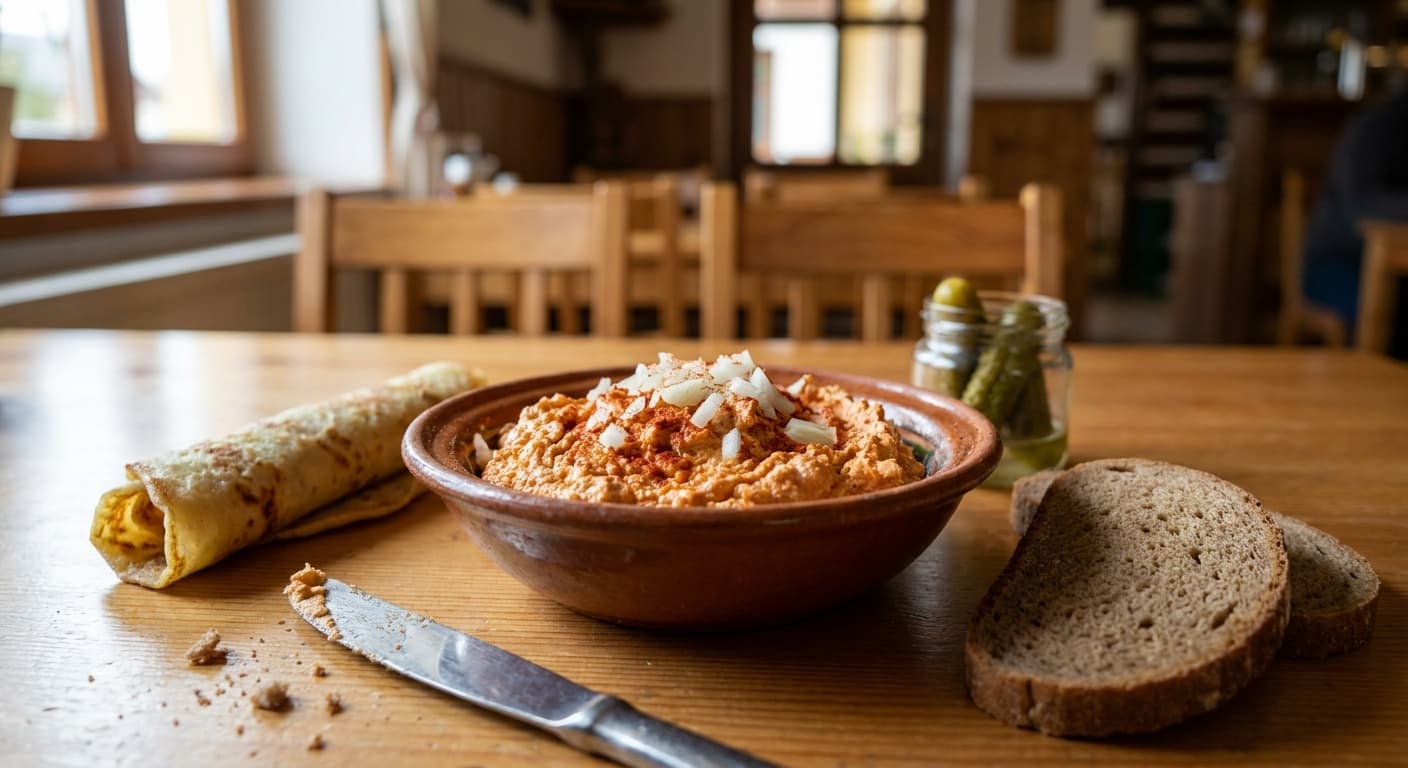
Liptauer Bryndza Cheese Spread (Bryndzová nátierka) — Paprika-spiced Slovak appetizer
Slovak · Appetizers · 20 min
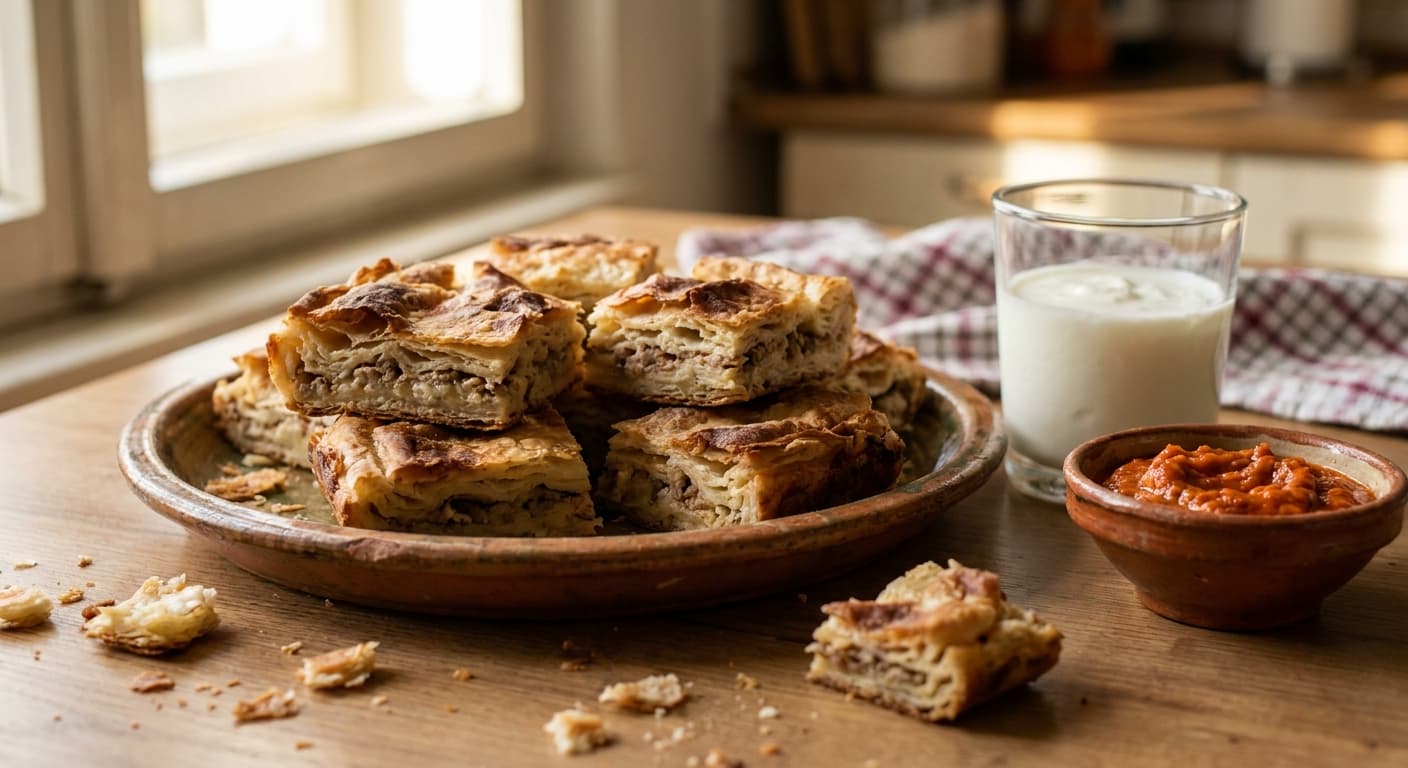
Serbian Cheese Gibanica (Гибаница) — Crumpled Filo Pie with White Cheese
Serbian · Appetizers · 65 min
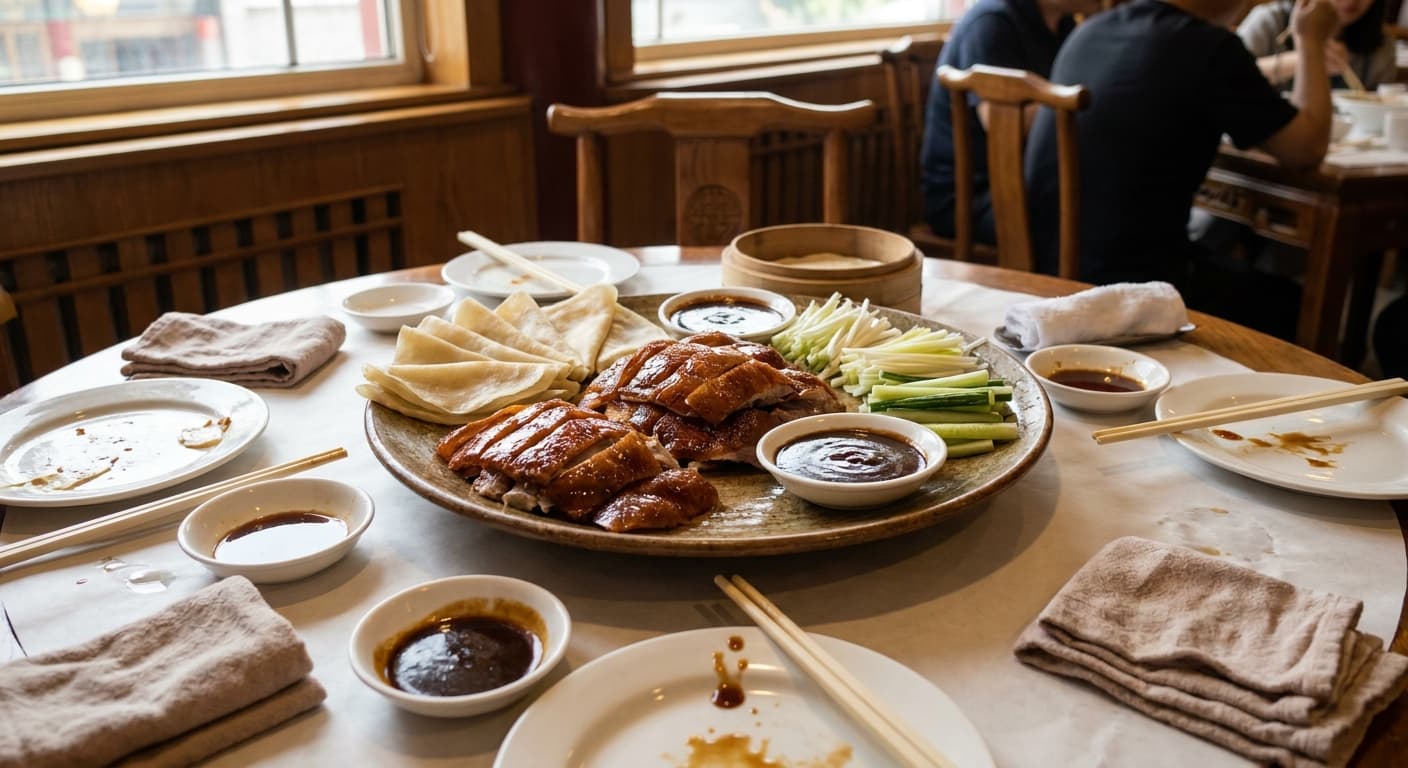
Peking Duck (北京烤鸭) — Crisp-Skinned Beijing Roast Duck
Chinese · Main Courses · 180 min
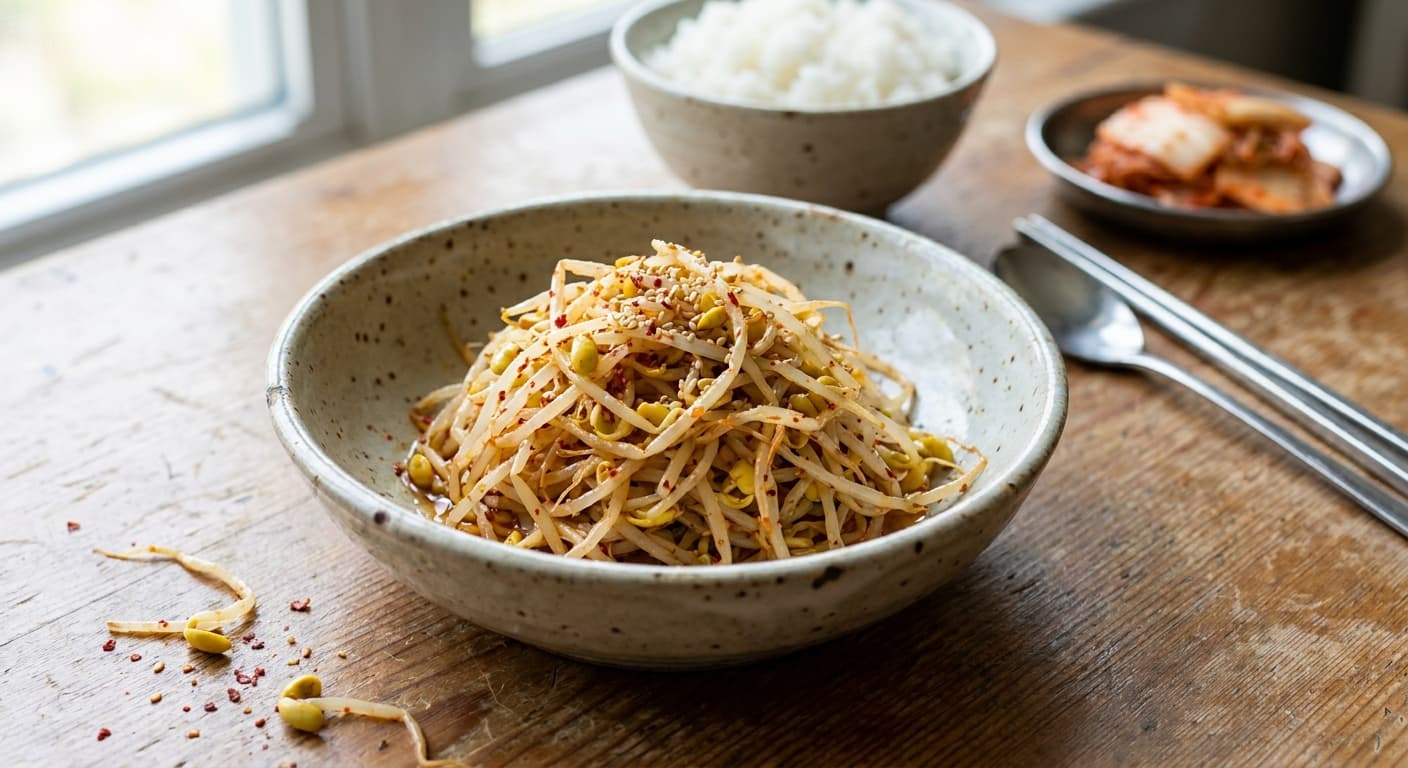
Kongnamul Muchim (콩나물무침) — Korean Seasoned Soybean Sprout Banchan
Korean · Side Dishes · 16 min
Orromo (Оромо) — Kyrgyz Steamed Rolled Dumpling with Lamb and Pumpkin
Kyrgyz · Main Courses · 105 min
Reviews
Cooked this recipe?
Tap the stars to rate it — that's all it takes. A few words are welcome but optional.
No ratings yet. Cooked this one? Be the first to rate it — it takes one tap.