Japanese Karaage (唐揚げ) — Crisp Ginger-Soy Fried Chicken
Karaage is Japan’s beloved ginger-soy marinated fried chicken, served at home, izakaya counters, festivals, and in bento boxes. Potato starch gives the nuggets a light, craggy crust while the thigh meat stays juicy.
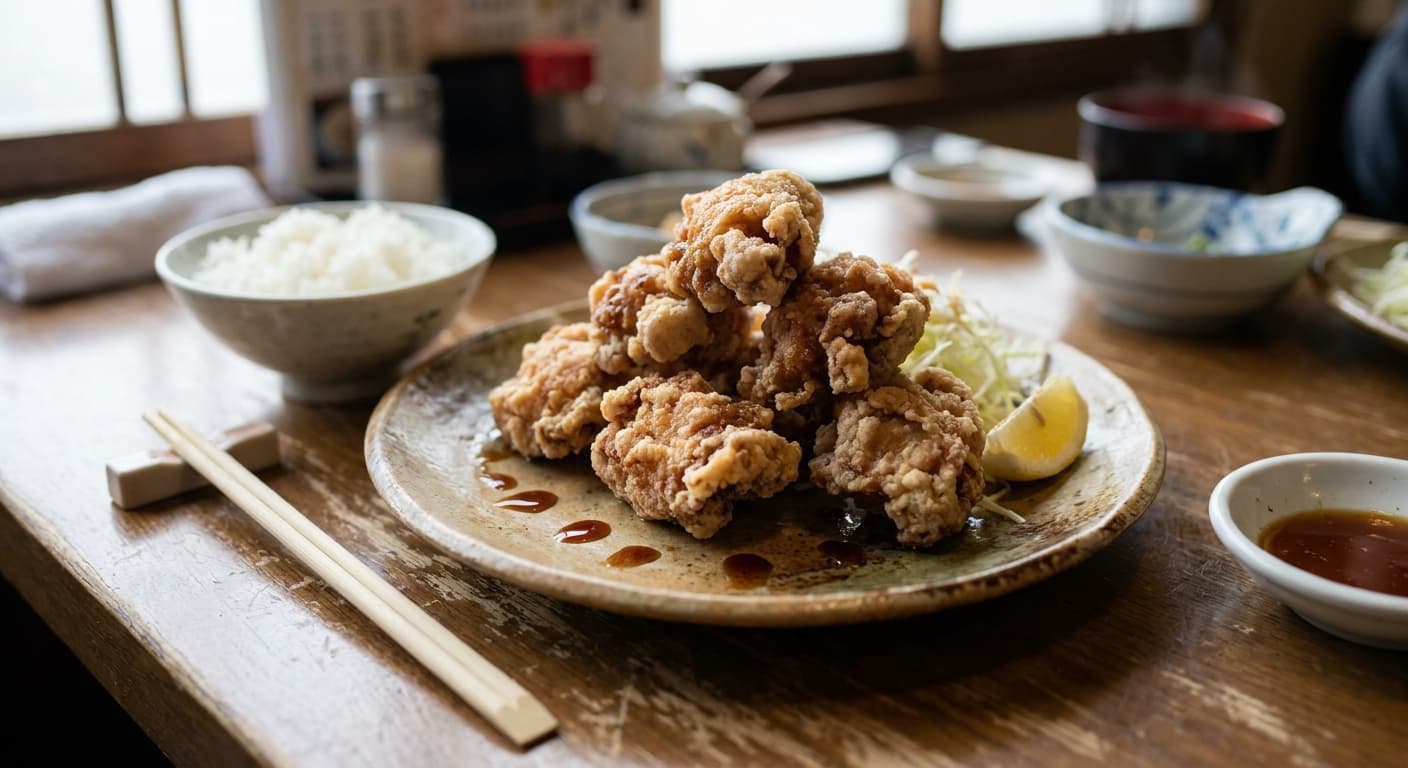
Printable Recipe Card
Servings: 4 · Total: 38 min · Difficulty: medium
Ingredients (quick list)
- 800 g boneless skin-on chicken thighs (cut into 4 cm bite-size pieces)
- 45 ml Japanese soy sauce
- 30 ml sake
- 15 ml mirin
- 1 inch fresh ginger (peeled and finely grated)
- 2 clove garlic (finely grated)
- 2 g fine sea salt
- 0.5 tsp ground white pepper
- 120 g potato starch
- 1.5 l neutral frying oil (rice bran, canola, or sunflower oil)
- 1 lemon (cut into wedges)
- 200 g green cabbage (finely shredded)
+ 1 more in the full ingredients section below.
Steps (summary)
- Trim any large pieces of cartilage from the chicken thighs, but keep the skin attached because it fries into a crisp, savory la…
- In a medium bowl, combine the soy sauce, sake, mirin, grated ginger, grated garlic, sea salt, and white pepper. Stir until the…
- Cover the bowl and refrigerate the chicken for 30 minutes. Do not marinate it for more than 2 hours, because the soy sauce can…
- Set a wire rack over a tray and place the potato starch in a wide shallow bowl. Lift each chicken piece from the marinade, let…
- Press the starch into all crevices of the chicken, then shake off loose powder and place the coated pieces on the rack. Let the…
- Pour the oil into a heavy pot so it is at least 5 cm deep and heat it to 160°C. Fry the chicken in 2 or 3 batches for 3 minutes…
+ 2 more steps in the full instructions section below.
Cultural Background
Karaage became a postwar staple of Japanese home cooking, school lunches, convenience stores, and izakaya menus. It reflects the Japanese technique of marinating small pieces before frying for maximum flavor and portability.
Equipment
💡 Tips
- Use chicken thighs rather than breast meat for the most authentic juicy texture.
- Potato starch gives a lighter, crunchier crust than wheat flour and is the classic choice for many karaage styles.
- Resting between the first and second fry lets carryover heat finish the center while the second fry crisps the coating.
⚠️ Common Mistakes
❌ Frying too many pieces at once
✅ Fix: Cook in small batches so the oil temperature stays stable and the coating crisps instead of steaming.
❌ Leaving wet marinade on the chicken
✅ Fix: Let excess marinade drip off before coating, because too much liquid makes the starch gummy.
❌ Skipping the second fry
✅ Fix: Use a brief hotter second fry to drive off surface moisture and create the signature crunchy crust.
🧊 How to Store
Refrigerate leftover karaage in an airtight container for up to 3 days. Reheat on a rack in a 200°C oven or air fryer for 6 to 8 minutes; avoid microwaving because it softens the crust.
📅 Make Ahead
Cut and marinate the chicken up to 2 hours ahead, then coat it shortly before frying. Shredded cabbage can be prepared 1 day ahead and kept chilled in cold water, then drained well.
🍽️ Pairs Well With
- Steamed Japanese rice
- shredded cabbage
- lemon wedges
- Japanese mayonnaise
- miso soup
- cucumber sunomono.
Regional Variations
- Hokkaido zangi is often seasoned more boldly and may include egg or a thicker marinade.
- Tatsuta-age is a close relative commonly associated with soy-based marinade and a potato-starch coating.
- Nagoya-style tebasaki uses chicken wings with a sweet-savory glaze and pepper after frying.
Ingredients
- 800 gboneless skin-on chicken thighs (cut into 4 cm bite-size pieces)
- 45 mlJapanese soy sauce
- 30 mlsake
- 15 mlmirin
- 1 inchfresh ginger (peeled and finely grated)
- 2 clovegarlic (finely grated)
- 2 gfine sea salt
- 0.5 tspground white pepper
- 120 gpotato starch
- 1.5 lneutral frying oil (rice bran, canola, or sunflower oil)
- 1lemon (cut into wedges)
- 200 ggreen cabbage (finely shredded)
- 60 mlJapanese mayonnaise (optional but common for izakaya-style serving)
🔄 Substitutions
- potato starch→ cornstarch
- sake→ water
- Japanese soy sauce→ gluten-free tamari
Instructions
- 1
Trim any large pieces of cartilage from the chicken thighs, but keep the skin attached because it fries into a crisp, savory layer. Cut the chicken into roughly 4 cm pieces so every piece cooks at the same rate and remains juicy.
- 2
In a medium bowl, combine the soy sauce, sake, mirin, grated ginger, grated garlic, sea salt, and white pepper. Stir until the salt dissolves, then add the chicken and massage the marinade into the meat for 1 minute.
- 3
Cover the bowl and refrigerate the chicken for 30 minutes. Do not marinate it for more than 2 hours, because the soy sauce can make the exterior too salty and slightly firm.
- 4
Set a wire rack over a tray and place the potato starch in a wide shallow bowl. Lift each chicken piece from the marinade, let excess liquid drip off for 3 seconds, and coat it thoroughly in potato starch.
- 5
Press the starch into all crevices of the chicken, then shake off loose powder and place the coated pieces on the rack. Let them stand for 8 minutes so the starch hydrates lightly and forms a better crust.
- 6
Pour the oil into a heavy pot so it is at least 5 cm deep and heat it to 160°C. Fry the chicken in 2 or 3 batches for 3 minutes per batch, turning occasionally, until the exterior is pale golden and the center is mostly cooked.
- 7
Transfer the first-fried chicken to the wire rack and rest it for 4 minutes while you finish the remaining batches. Increase the oil temperature to 180°C for the second fry, which makes the coating crisp and craggy.
- 8
Return the chicken to the hot oil in batches and fry for 60 to 90 seconds, until deeply golden and crisp. Drain well on the rack, check that the thickest piece reaches 74°C internally, and serve immediately with shredded cabbage, lemon wedges, and Japanese mayonnaise.
🪪 Recipe Passport
Cultural Background
Karaage became a postwar staple of Japanese home cooking, school lunches, convenience stores, and izakaya menus. It reflects the Japanese technique of marinating small pieces before frying for maximum flavor and portability.
Regional Variations
Researched from multiple sources and validated by the Zaffaron editorial team. Every recipe is tested for accuracy, measurements, and cultural authenticity.
📚 Sources & Cultural References
- Shizuo Tsuji — Japanese Cooking: A Simple Art — (1980)
- Elizabeth Andoh — Washoku: Recipes from the Japanese Home Kitchen — (2005)
Sources cited by the Zaffaron editorial team during recipe research. Cultural and culinary references supporting authenticity claims.
Nutrition per serving
Pairs well with
If you enjoyed this recipe, here are a few related Zaffaron recipes to try next.
Does your family make this differently?
Every family has their own version. Maybe your grandmother adds a secret ingredient, or your aunt has a completely different technique. Preserve your family's version — with their name on it, forever.
You Might Also Like
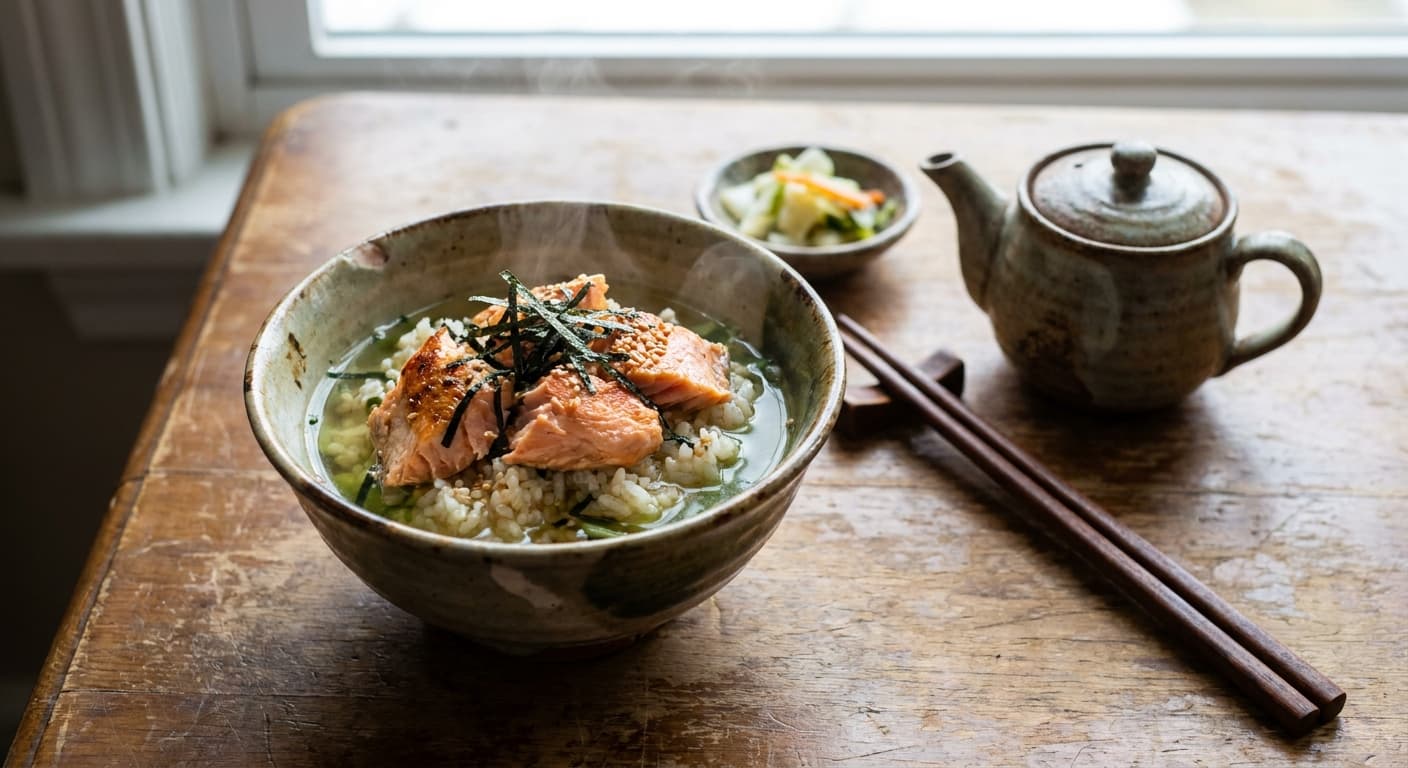
Chazuke (茶漬け) — Japanese Tea-Poured Rice with Grilled Salmon
Japanese · Rice Dishes · 35 min
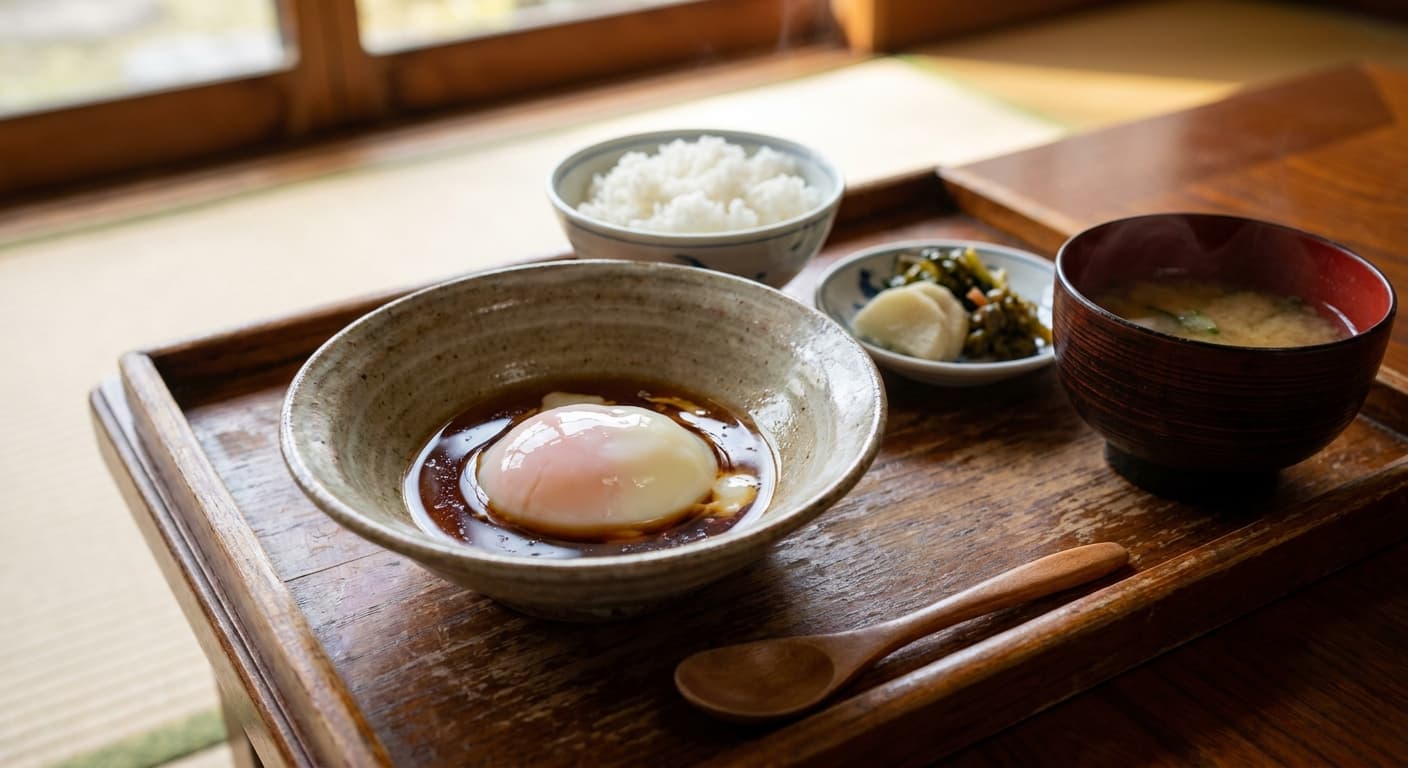
Onsen Tamago (温泉卵) — Silky Japanese Hot-Spring Egg
Japanese · Side Dishes · 40 min
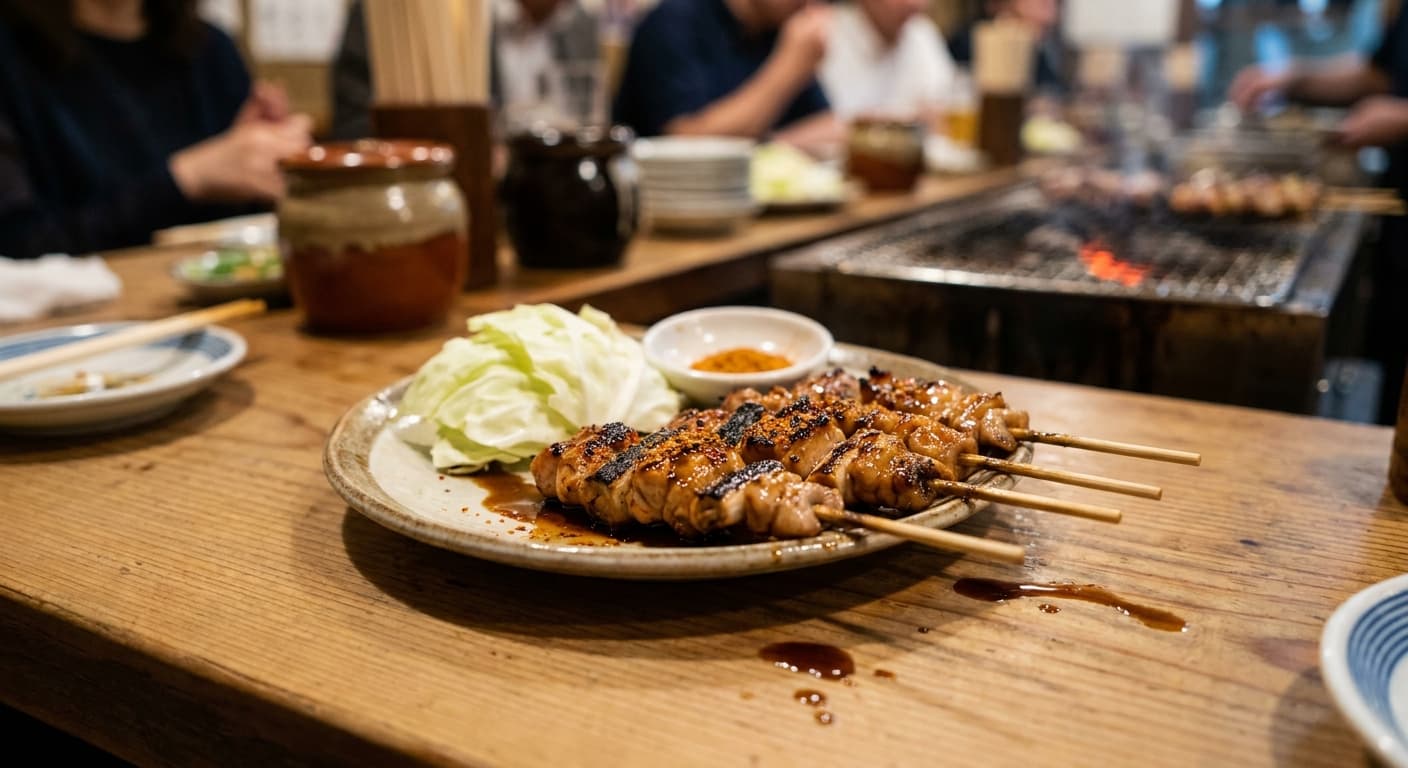
Yakitori (焼き鳥) — Japanese Grilled Chicken Skewers
Japanese · Kebabs · 55 min
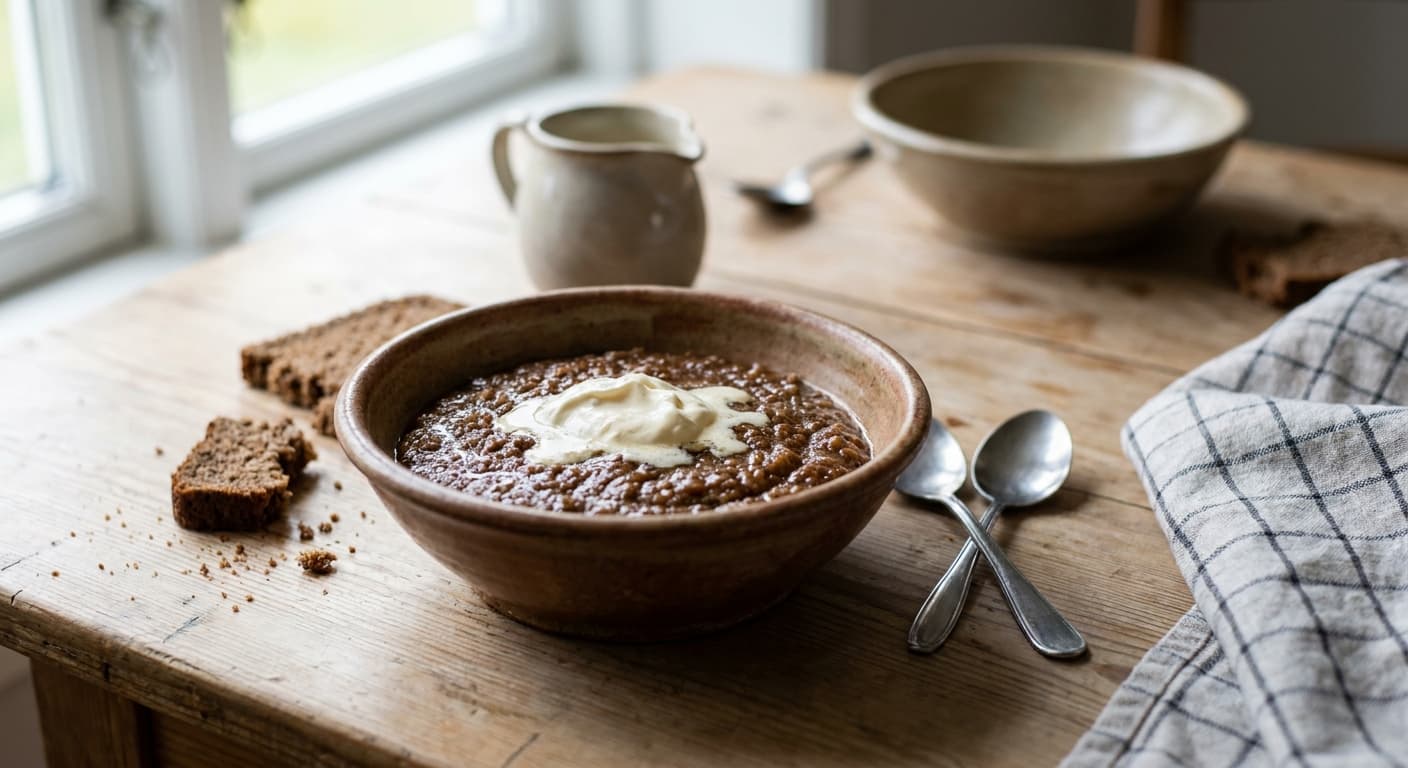
Rye Bread and Beer Porridge (Øllebrød) — Traditional Danish Breakfast
Danish · Main Courses · 65 min
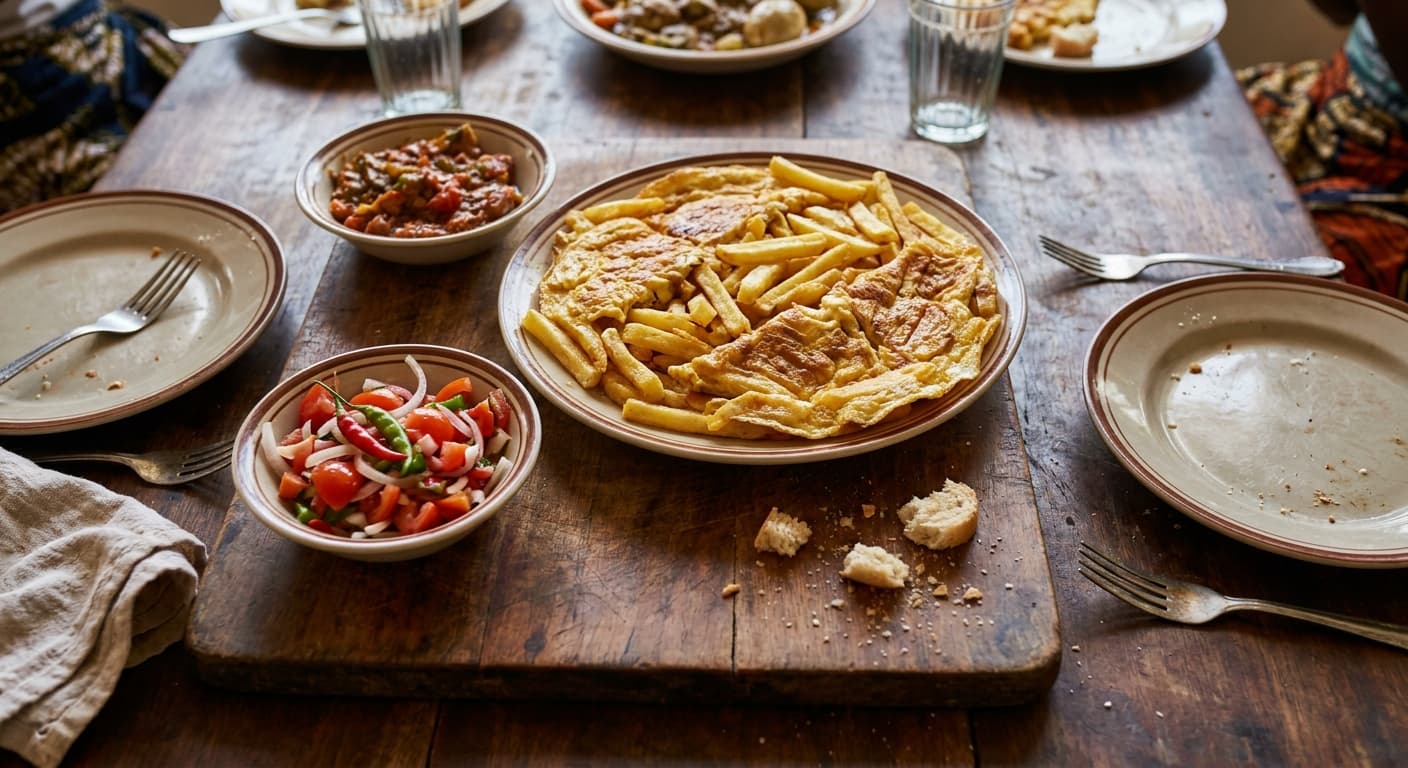
Chips and Egg Omelet (Chipsi Mayai) — Tanzanian Street-Food Classic
Tanzanian · Main Courses · 50 min
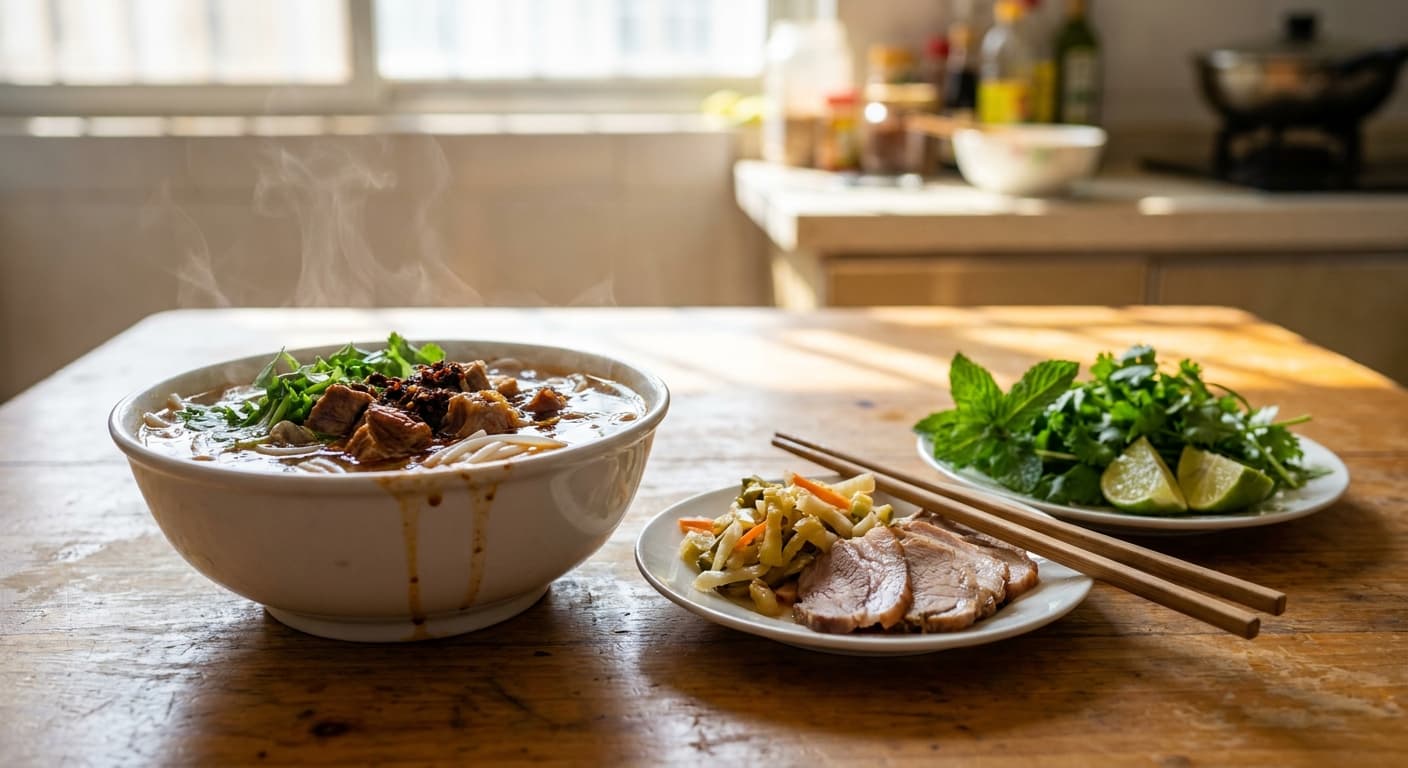
Crossing-the-Bridge Rice Noodles (过桥米线) — Yunnan Hot Broth Noodle Soup
Chinese · Soups · 195 min
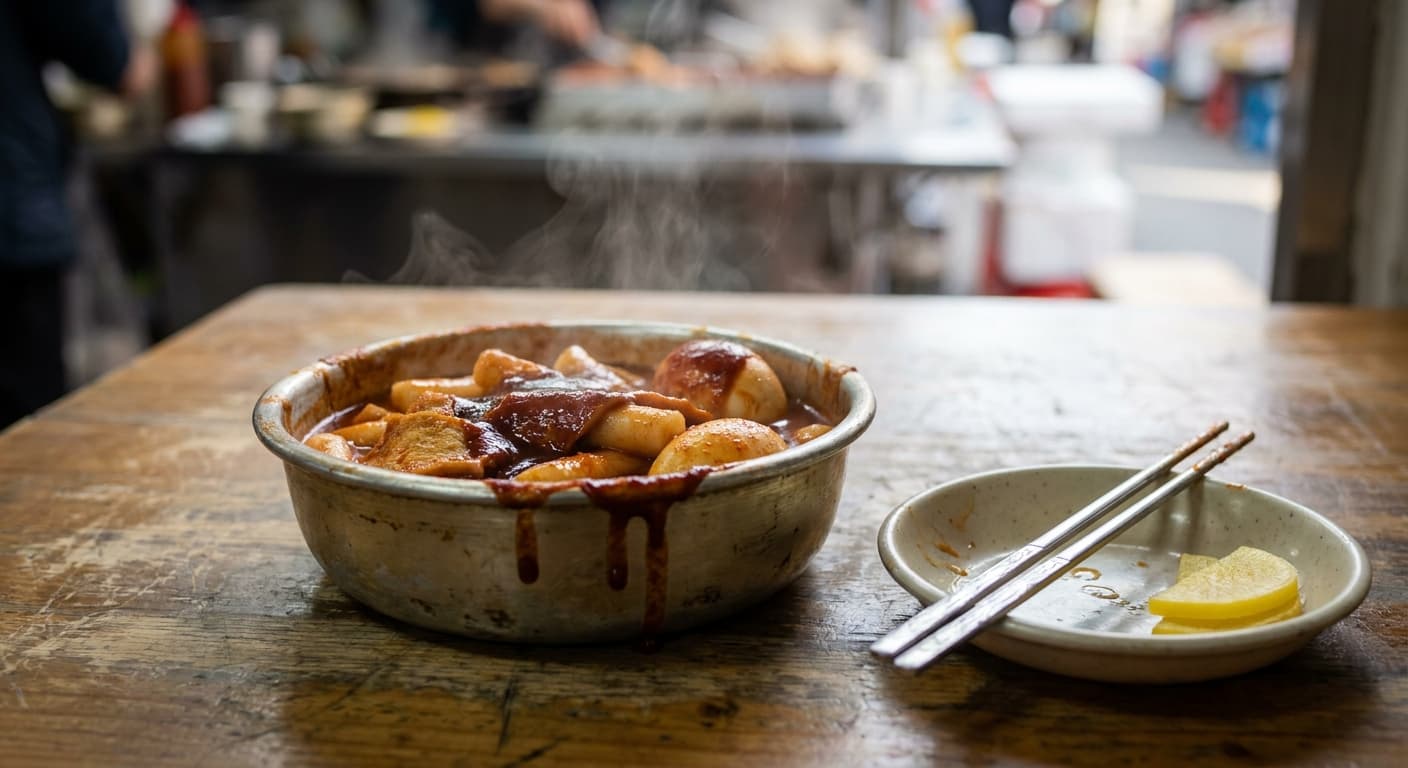
Tteokbokki (떡볶이) — Spicy Korean Rice Cakes
Korean · Main Courses · 45 min
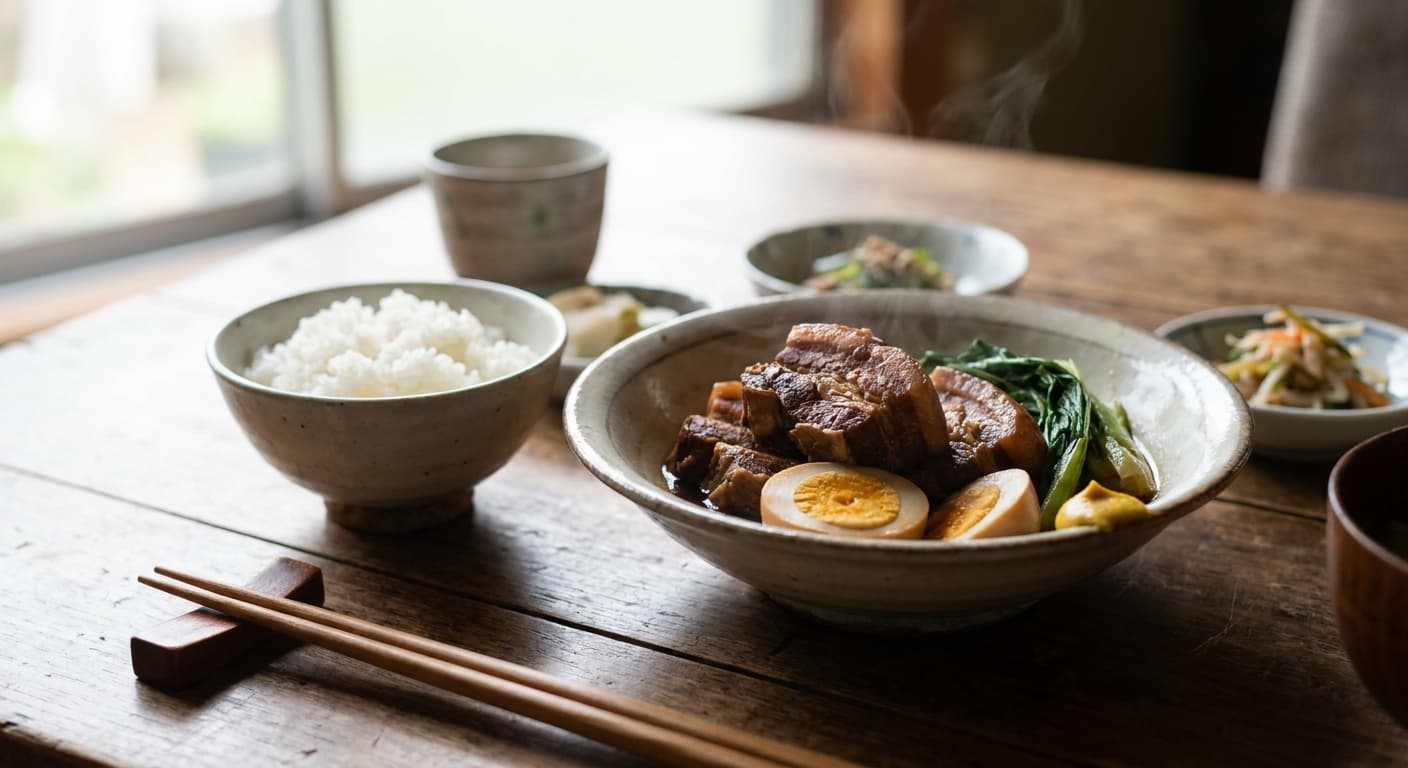
Buta no Kakuni (豚の角煮) — Japanese Soy-Braised Pork Belly
Japanese · Main Courses · 190 min
Reviews
Cooked this recipe?
Tap the stars to rate it — that's all it takes. A few words are welcome but optional.
No ratings yet. Cooked this one? Be the first to rate it — it takes one tap.