Chimaki (粽) — Bamboo-Wrapped Sticky Rice Dumplings
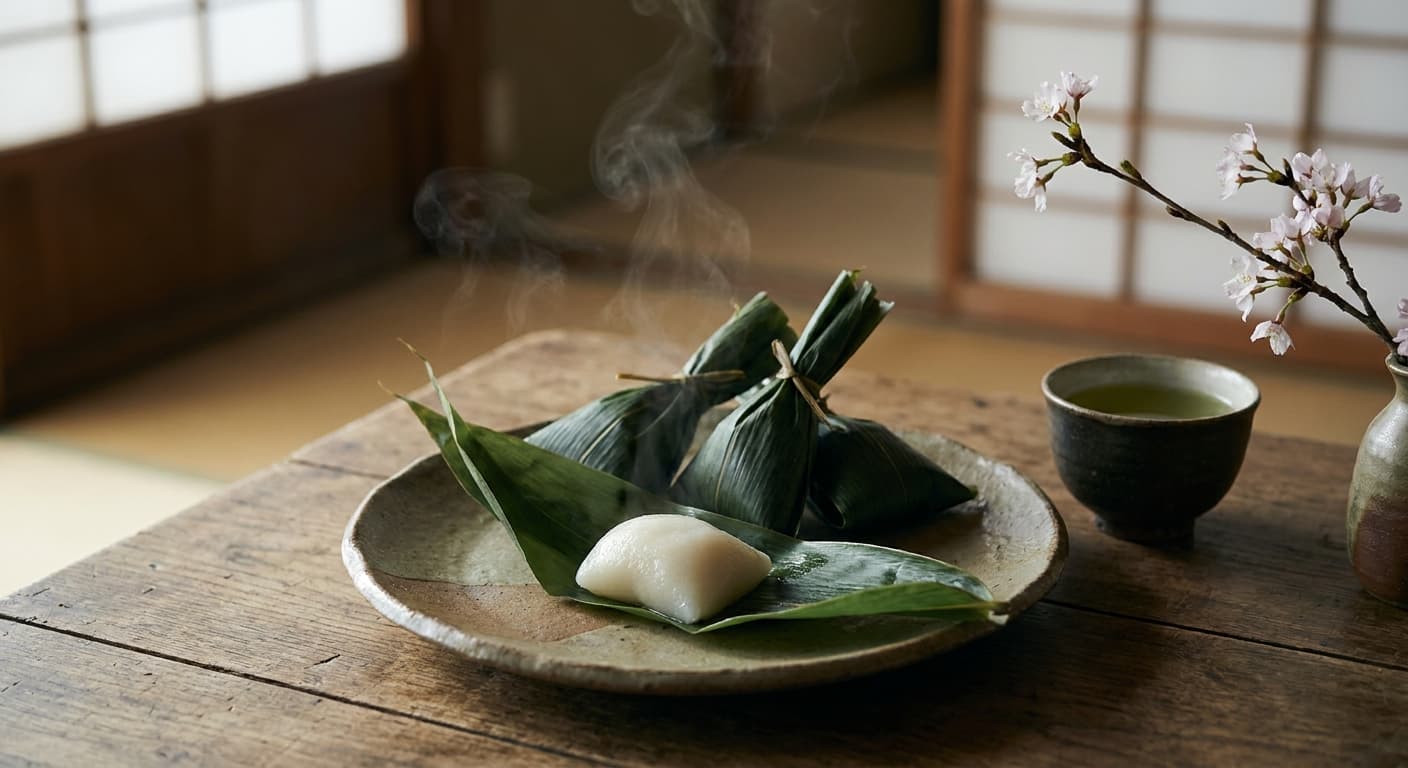
Chimaki are Japanese bamboo-leaf-wrapped rice dumplings traditionally enjoyed around Tango-no-Sekku and Children’s Day. This sweet wagashi-style version has a supple mochi texture and a clean bamboo aroma.
Printable Recipe Card
Servings: 8 · Total: 95 min · Difficulty: medium
Ingredients (quick list)
- 16 dried bamboo leaves (about 25 to 30 cm long each)
- 180 g mochiko sweet rice flour
- 60 g joshinko rice flour
- 60 g granulated sugar
- 2 g fine sea salt
- 190 ml water (freshly boiled)
- 1 tsp neutral oil (for lightly oiling hands)
Steps (summary)
- Place the dried bamboo leaves in a wide bowl and cover them with hot water by at least 2 cm. Soak for 30 minutes, then simmer t…
- Drain the bamboo leaves and wipe both sides with a clean damp towel. Keep them covered with another damp towel while you prepar…
- In a heatproof bowl, whisk together the mochiko, joshinko, sugar, and salt until the mixture is evenly blended. Pour in 190 ml…
- Line a steamer tray with a parchment sheet and spread the dough into a rough 2 cm thick slab. Steam over actively simmering wat…
- Transfer the hot steamed dough to a lightly oiled work surface or a sturdy bowl. Knead it with a damp silicone spatula or glove…
- Divide the dough into 8 equal portions of about 61 g each. Lightly oil your hands with the measured neutral oil and shape each…
+ 3 more steps in the full instructions section below.
Cultural Background
In Japan, chimaki are closely associated with Tango-no-Sekku and modern Children’s Day, where wrapped rice sweets symbolize protection and good fortune. The bamboo leaf fragrance is part of the seasonal identity of the dish.
Equipment
💡 Tips
- Use bamboo leaves that are flexible after soaking; brittle leaves will tear and expose the dough during steaming.
- Knead the steamed dough while it is still hot, because the texture becomes smoother and more elastic before the starches cool.
- Tie the parcels firmly enough to hold their shape but not so tightly that the mochi bulges out during the second steaming.
⚠️ Common Mistakes
❌ Using dry or stiff bamboo leaves
✅ Fix: Soak and briefly simmer the leaves, then keep them under a damp towel until wrapping.
❌ Skipping the kneading after the first steaming
✅ Fix: Knead the hot dough for several minutes so the starches align and the dumplings become smooth and elastic.
❌ Wrapping the parcels too loosely
✅ Fix: Overlap the leaves and tie each dumpling securely so it keeps a neat tapered shape during steaming.
🧊 How to Store
Keep cooled chimaki wrapped in their bamboo leaves in an airtight container at room temperature for 12 hours, or refrigerate for up to 2 days. Re-steam for 6 to 8 minutes to restore the soft mochi texture.
📅 Make Ahead
The bamboo leaves can be soaked, simmered, wiped, and refrigerated under a damp towel 1 day ahead. The dumplings are best wrapped and steamed the day they are served.
🍽️ Pairs Well With
- Sencha
- hojicha
- matcha
- fresh seasonal fruit.
Regional Variations
- Kansai-style sweet chimaki may be made as a plain rice-flour wagashi for seasonal celebrations.
- Some regions prepare savory chimaki with glutinous rice, soy sauce, vegetables, and meat, reflecting Chinese zongzi influence.
- Certain households serve chimaki with a light dusting of kinako, though the leaf-fragranced plain version remains especially elegant.
Ingredients
- 16dried bamboo leaves (about 25 to 30 cm long each)
- 180 gmochiko sweet rice flour
- 60 gjoshinko rice flour
- 60 ggranulated sugar
- 2 gfine sea salt
- 190 mlwater (freshly boiled)
- 1 tspneutral oil (for lightly oiling hands)
🔄 Substitutions
- mochiko sweet rice flour→ finely milled glutinous rice flour
- joshinko rice flour→ finely milled non-glutinous white rice flour
- dried bamboo leaves→ dried corn husks
Instructions
- 1
Place the dried bamboo leaves in a wide bowl and cover them with hot water by at least 2 cm. Soak for 30 minutes, then simmer them in fresh water for 5 minutes to soften and remove any dusty aroma.
- 2
Drain the bamboo leaves and wipe both sides with a clean damp towel. Keep them covered with another damp towel while you prepare the dough, because dry leaves crack when folded.
- 3
In a heatproof bowl, whisk together the mochiko, joshinko, sugar, and salt until the mixture is evenly blended. Pour in 190 ml freshly boiled water and stir firmly with a wooden spoon until no dry flour remains and the dough looks thick and sticky.
- 4
Line a steamer tray with a parchment sheet and spread the dough into a rough 2 cm thick slab. Steam over actively simmering water for 20 minutes, checking once that the steamer has enough water and that condensation does not drip directly onto the dough.
- 5
Transfer the hot steamed dough to a lightly oiled work surface or a sturdy bowl. Knead it with a damp silicone spatula or gloved hands for 3 to 4 minutes until it becomes glossy, elastic, and evenly smooth.
- 6
Divide the dough into 8 equal portions of about 61 g each. Lightly oil your hands with the measured neutral oil and shape each portion into a tapered cylinder about 9 cm long, making one end slightly narrower for the classic chimaki silhouette.
- 7
Lay 2 bamboo leaves slightly overlapping with their tips pointing in the same direction. Place one dough piece near the base, fold the sides over snugly, roll toward the leaf tips, and tie the parcel with kitchen twine so it stays compact but is not compressed.
- 8
Return the wrapped chimaki to the steamer and steam for 15 minutes over medium-high heat. This second steaming perfumes the dumplings with bamboo and sets the surface so the parcels unwrap cleanly.
- 9
Let the chimaki rest at room temperature for at least 15 minutes before serving. Serve them still wrapped, then untie and peel back the bamboo leaves at the table so the fragrance is released just before eating.
🪪 Recipe Passport
Cultural Background
In Japan, chimaki are closely associated with Tango-no-Sekku and modern Children’s Day, where wrapped rice sweets symbolize protection and good fortune. The bamboo leaf fragrance is part of the seasonal identity of the dish.
Regional Variations
Researched from multiple sources and validated by the Zaffaron editorial team. Every recipe is tested for accuracy, measurements, and cultural authenticity.
📚 Sources & Cultural References
- NHK WORLD-JAPAN — Dining with the Chef
- Japan National Tourism Organization — Children's Day cultural food guidance
Sources cited by the Zaffaron editorial team during recipe research. Cultural and culinary references supporting authenticity claims.
Nutrition per serving
Pairs well with
If you enjoyed this recipe, here are a few related Zaffaron recipes to try next.
Does your family make this differently?
Every family has their own version. Maybe your grandmother adds a secret ingredient, or your aunt has a completely different technique. Preserve your family's version — with their name on it, forever.
You Might Also Like
Obon Dango (お盆団子) — Plain Rice Dumplings for Ancestral Offerings
Japanese · Desserts · 37 min
Hamaguri Ushio-jiru (蛤潮汁) — Japanese Clear Clam Soup
Japanese · Soups · 62 min
Okonomiyaki (お好み焼き) — Osaka-Style Savory Cabbage Pancake
Japanese · Main Courses · 49 min
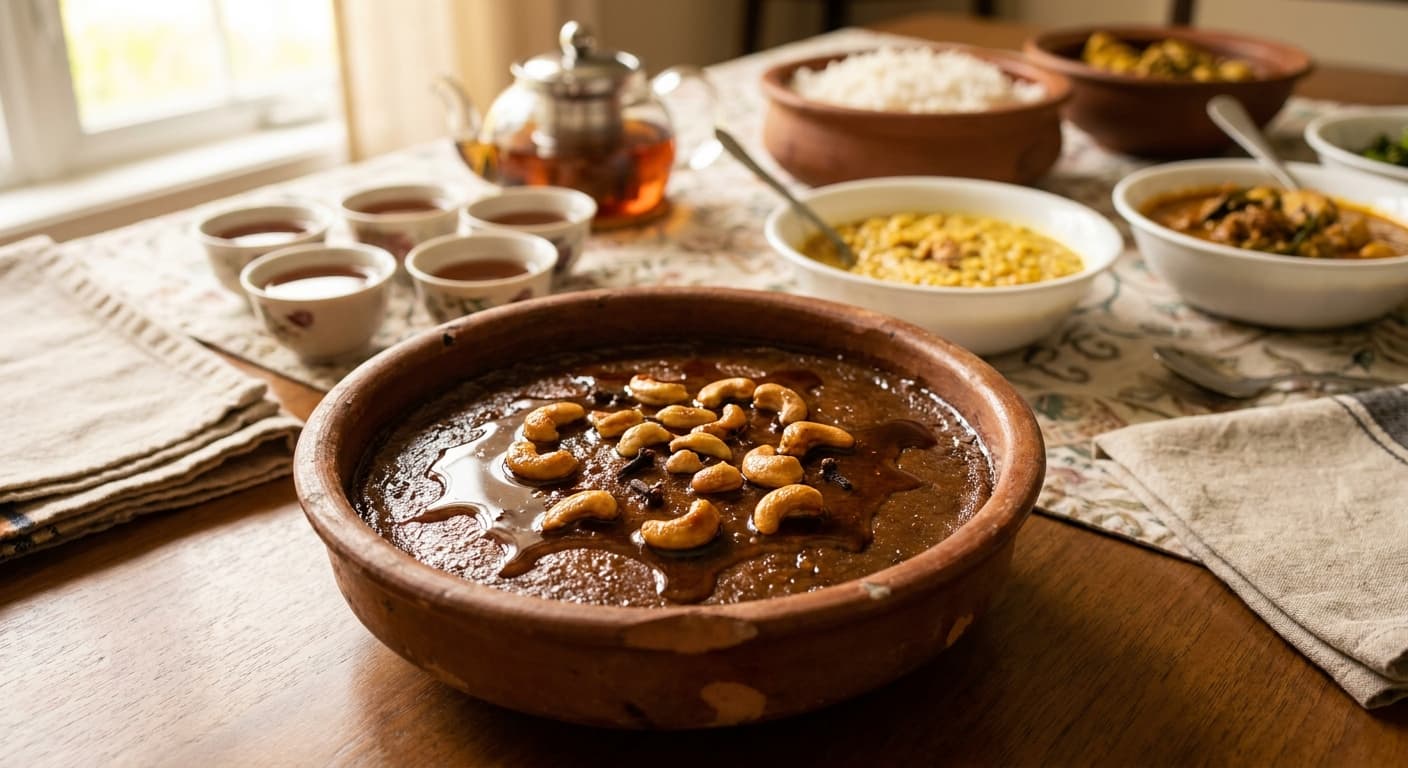
Watalappan (වටලප්පන්) — Sri Lankan Coconut Jaggery Custard
Sri lankan · Desserts · 70 min
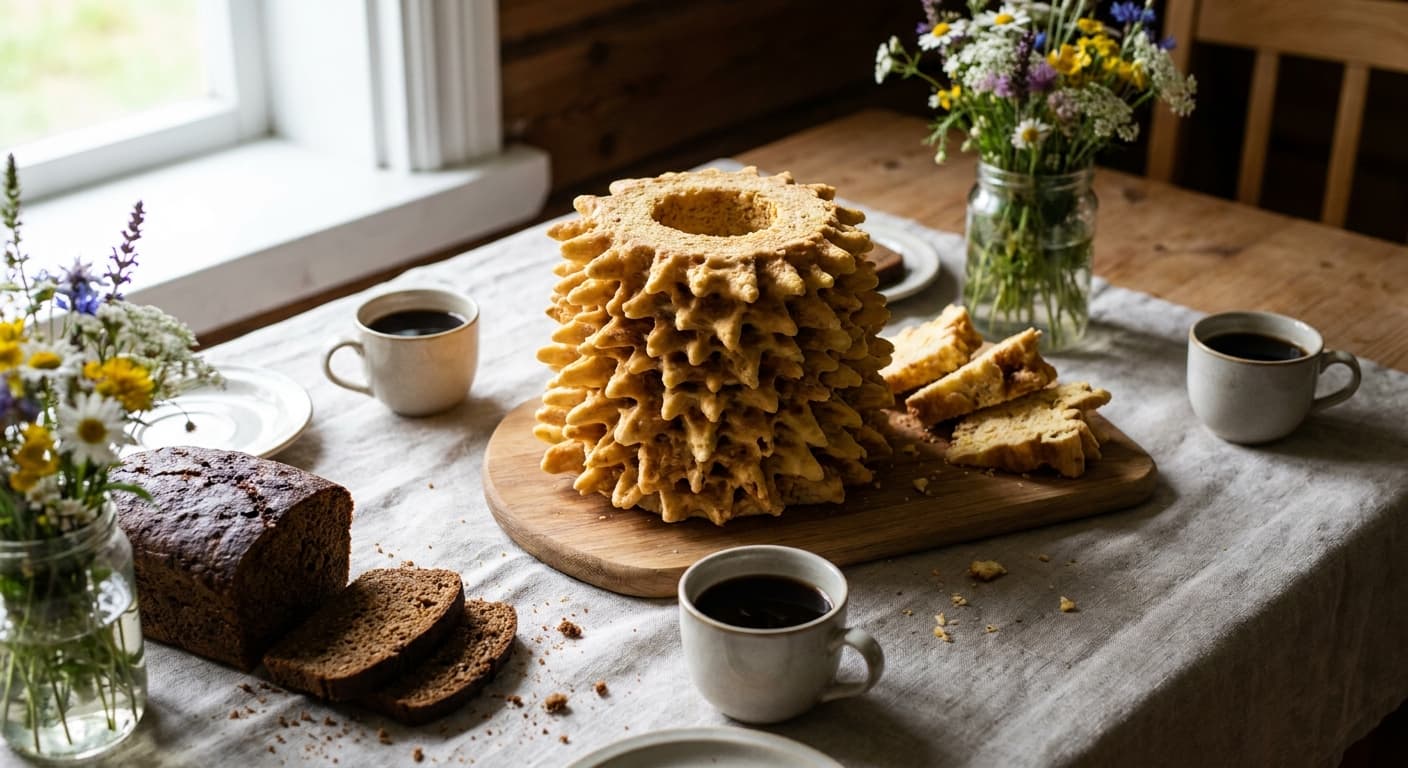
Lithuanian Tree Cake (Šakotis) — Spit-Baked Celebration Cake
Lithuanian · Desserts · 230 min
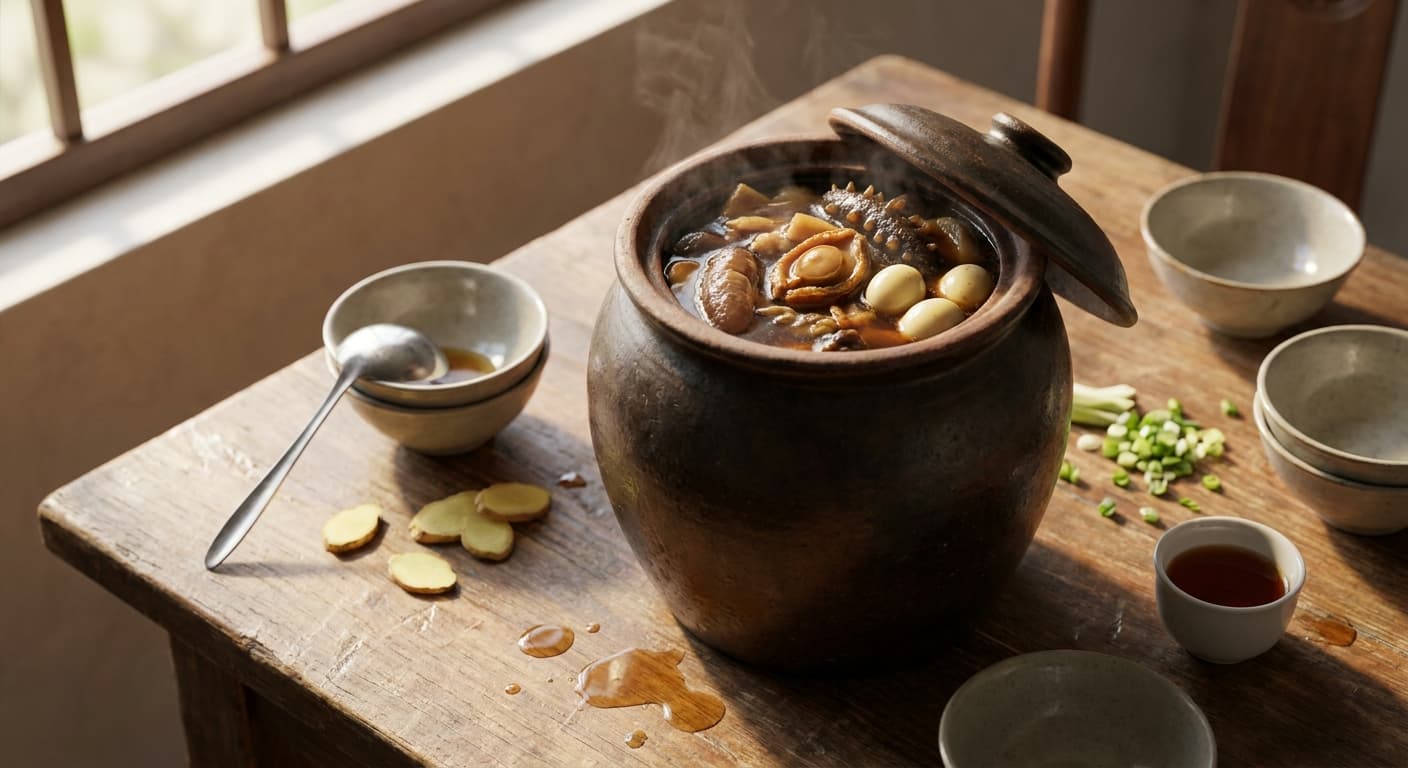
Buddha Jumps Over the Wall (佛跳墙) — Fujian Banquet Treasure Soup
Chinese · Soups · 540 min
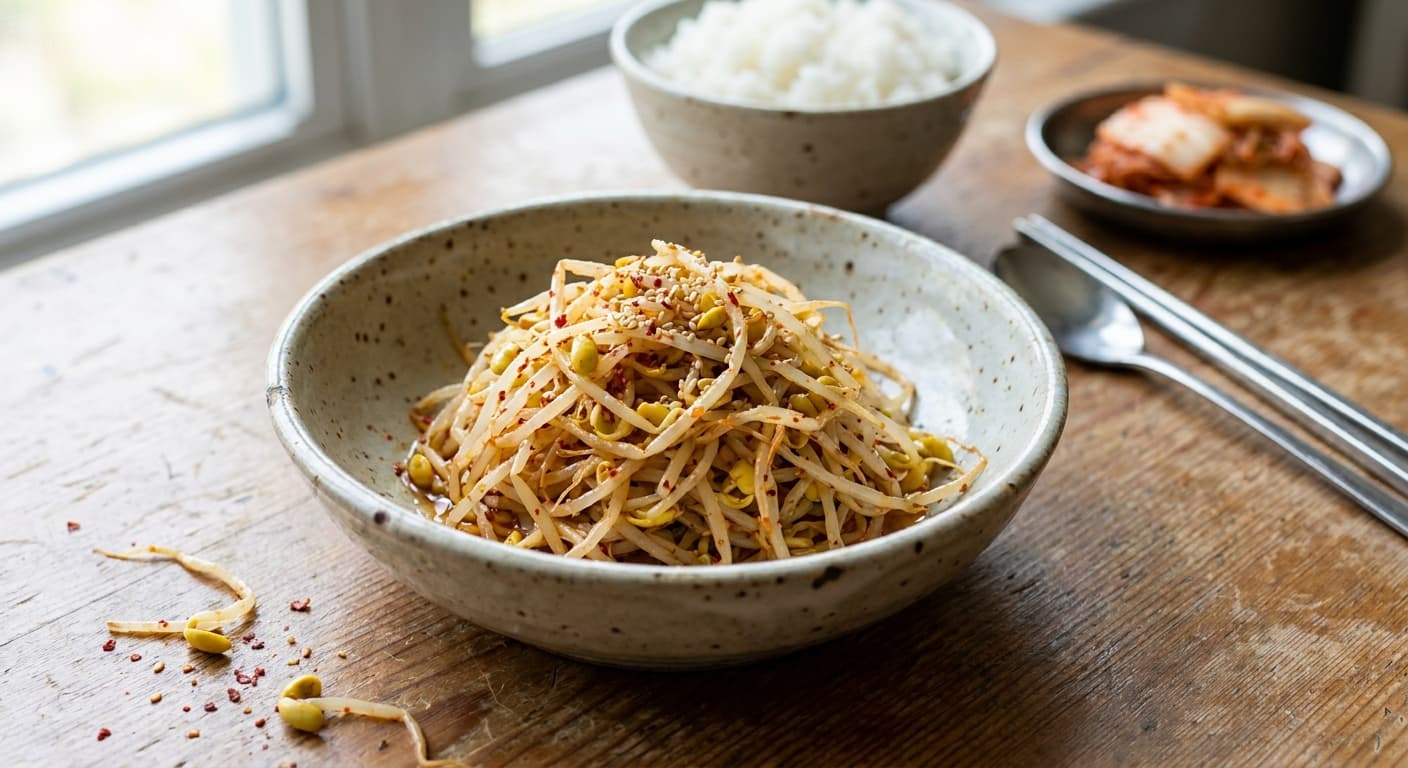
Kongnamul Muchim (콩나물무침) — Korean Seasoned Soybean Sprout Banchan
Korean · Side Dishes · 16 min
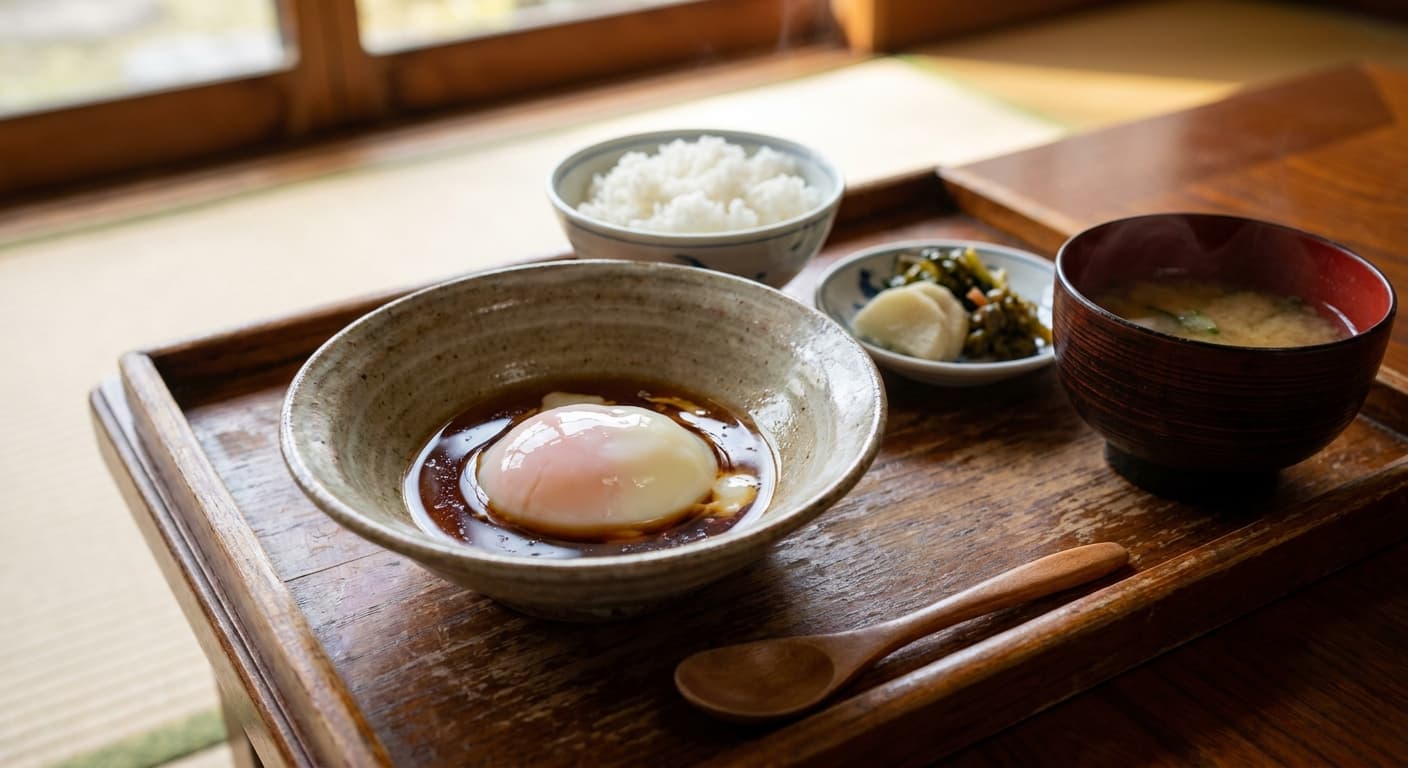
Onsen Tamago (温泉卵) — Silky Japanese Hot-Spring Egg
Japanese · Side Dishes · 40 min
Reviews
Cooked this recipe?
Tap the stars to rate it — that's all it takes. A few words are welcome but optional.
No ratings yet. Cooked this one? Be the first to rate it — it takes one tap.