Fukumame (福豆) — Roasted Soybeans for Setsubun
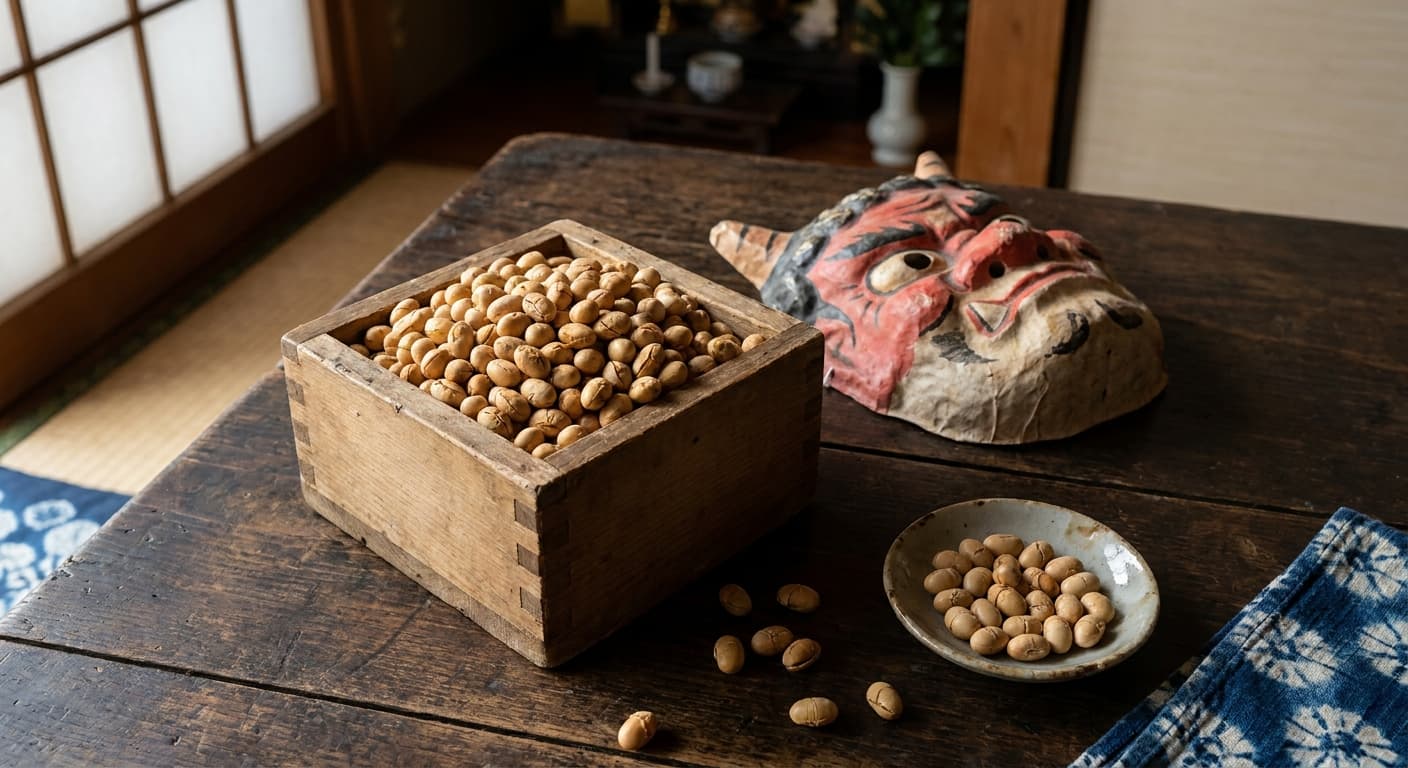
Fukumame are crisp roasted soybeans used in Japan's Setsubun bean-throwing ritual and eaten for good fortune. This simple preparation highlights the nutty sweetness of soybeans without oil or seasoning.
Printable Recipe Card
Servings: 8 · Total: 85 min · Difficulty: easy
Ingredients (quick list)
- 200 g dried yellow soybeans
- 1 l cold water
Steps (summary)
- Sort through the dried soybeans and discard any cracked, shriveled, or darkened beans. Rinse them under cold running water for…
- Place the rinsed soybeans in a bowl and add 1 l cold water. Soak for 8 hours at room temperature, or refrigerate for up to 12 h…
- Drain the soybeans thoroughly in a colander and spread them on a clean kitchen towel. Pat them dry for 5 minutes, because exces…
- Heat the oven to 160 C and line a rimmed baking sheet with 1 sheet of parchment paper. Spread the soybeans in a single layer wi…
- Roast the soybeans for 45 minutes, stirring every 15 minutes with a heatproof spatula. The beans should turn pale golden, smell…
- Reduce the oven temperature to 140 C and continue roasting for 20 to 30 minutes more. Check every 10 minutes and remove the tra…
+ 2 more steps in the full instructions section below.
Cultural Background
Fukumame are closely tied to Setsubun, when roasted soybeans are scattered to drive away misfortune and invite good luck. Eating them afterward turns a household ritual into a simple seasonal food.
Equipment
💡 Tips
- Use fresh dried soybeans from a store with good turnover, because old beans roast unevenly and can stay hard inside.
- Keep the roasting temperature moderate; high heat browns the outside before the center becomes crisp.
- For ceremonial Setsubun use, leave the beans completely unseasoned so they remain clean, dry, and easy to scatter.
⚠️ Common Mistakes
❌ Roasting wet beans straight from the colander
✅ Fix: Dry the soaked soybeans thoroughly with a towel before roasting so they crisp instead of steam.
❌ Using an oven that is too hot
✅ Fix: Roast at 160 C first, then finish at 140 C to dry the center without scorching the skins.
❌ Sealing the beans while warm
✅ Fix: Cool them completely before storage to prevent condensation and loss of crunch.
🧊 How to Store
Store cooled fukumame in an airtight jar at room temperature for up to 2 weeks. If they soften, re-crisp them on a baking sheet at 140 C for 8 minutes, then cool fully before storing again.
📅 Make Ahead
Roast the soybeans up to 1 week before Setsubun and store them airtight once fully cool. Re-crisp briefly in a low oven if the weather is humid.
🍽️ Pairs Well With
- Green tea
- sencha
- roasted barley tea
- Setsubun ehomaki.
Regional Variations
- In many Japanese homes, unseasoned roasted yellow soybeans are used for mame-maki during Setsubun.
- Some households use packaged roasted soybeans still sealed in small packets so the food remains clean when thrown indoors.
- In parts of northern Japan, peanuts in their shells may be used for bean throwing, but soybeans remain the classic fukumame.
Ingredients
- 200 gdried yellow soybeans
- 1 lcold water
🔄 Substitutions
- dried yellow soybeans→ dried black soybeans
Instructions
- 1
Sort through the dried soybeans and discard any cracked, shriveled, or darkened beans. Rinse them under cold running water for 1 minute, rubbing them gently between your palms to remove dust.
- 2
Place the rinsed soybeans in a bowl and add 1 l cold water. Soak for 8 hours at room temperature, or refrigerate for up to 12 hours if your kitchen is warmer than 22 C.
- 3
Drain the soybeans thoroughly in a colander and spread them on a clean kitchen towel. Pat them dry for 5 minutes, because excess surface moisture will make the beans steam instead of roast.
- 4
Heat the oven to 160 C and line a rimmed baking sheet with 1 sheet of parchment paper. Spread the soybeans in a single layer with space between them so hot air can circulate evenly.
- 5
Roast the soybeans for 45 minutes, stirring every 15 minutes with a heatproof spatula. The beans should turn pale golden, smell nutty, and begin to sound dry when moved across the tray.
- 6
Reduce the oven temperature to 140 C and continue roasting for 20 to 30 minutes more. Check every 10 minutes and remove the tray when the beans are crisp through the center but not deeply browned.
- 7
Cool the roasted soybeans completely on the baking sheet for at least 30 minutes. They will become crisper as they cool, so do not seal them in a container while they are still warm.
- 8
Serve the fukumame at room temperature in a small bowl or use them for Setsubun mame-maki. For the traditional custom, each person may eat the number of beans equal to their age, often with 1 extra bean for good luck.
🪪 Recipe Passport
Cultural Background
Fukumame are closely tied to Setsubun, when roasted soybeans are scattered to drive away misfortune and invite good luck. Eating them afterward turns a household ritual into a simple seasonal food.
Regional Variations
Researched from multiple sources and validated by the Zaffaron editorial team. Every recipe is tested for accuracy, measurements, and cultural authenticity.
📚 Sources & Cultural References
- Japan National Tourism Organization — Setsubun: Japan's Bean-Throwing Festival
- Shizuo Tsuji — Japanese Cooking: A Simple Art — (1980)
Sources cited by the Zaffaron editorial team during recipe research. Cultural and culinary references supporting authenticity claims.
Nutrition per serving
Pairs well with
If you enjoyed this recipe, here are a few related Zaffaron recipes to try next.
Does your family make this differently?
Every family has their own version. Maybe your grandmother adds a secret ingredient, or your aunt has a completely different technique. Preserve your family's version — with their name on it, forever.
You Might Also Like
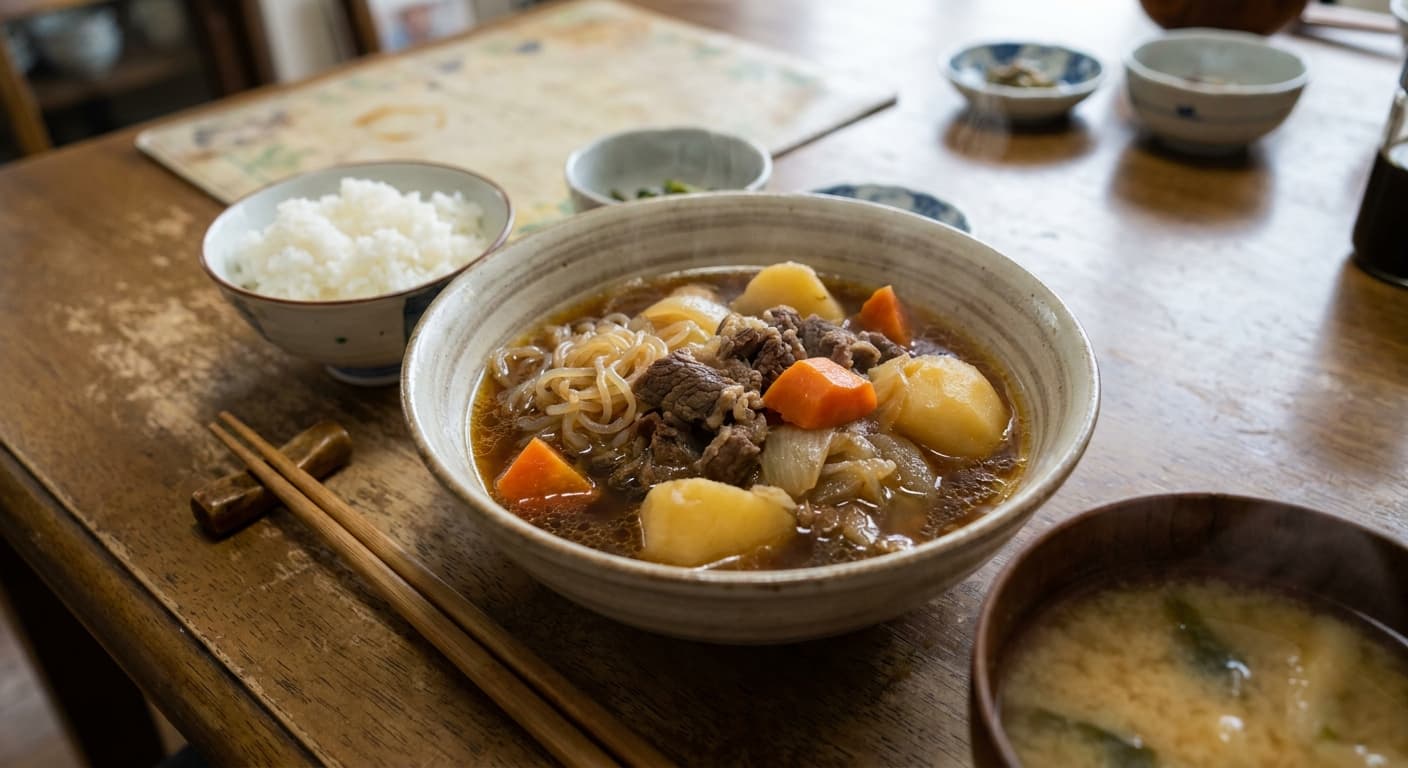
Nikujaga (肉じゃが) — Japanese Beef and Potato Stew
Japanese · Stews · 55 min
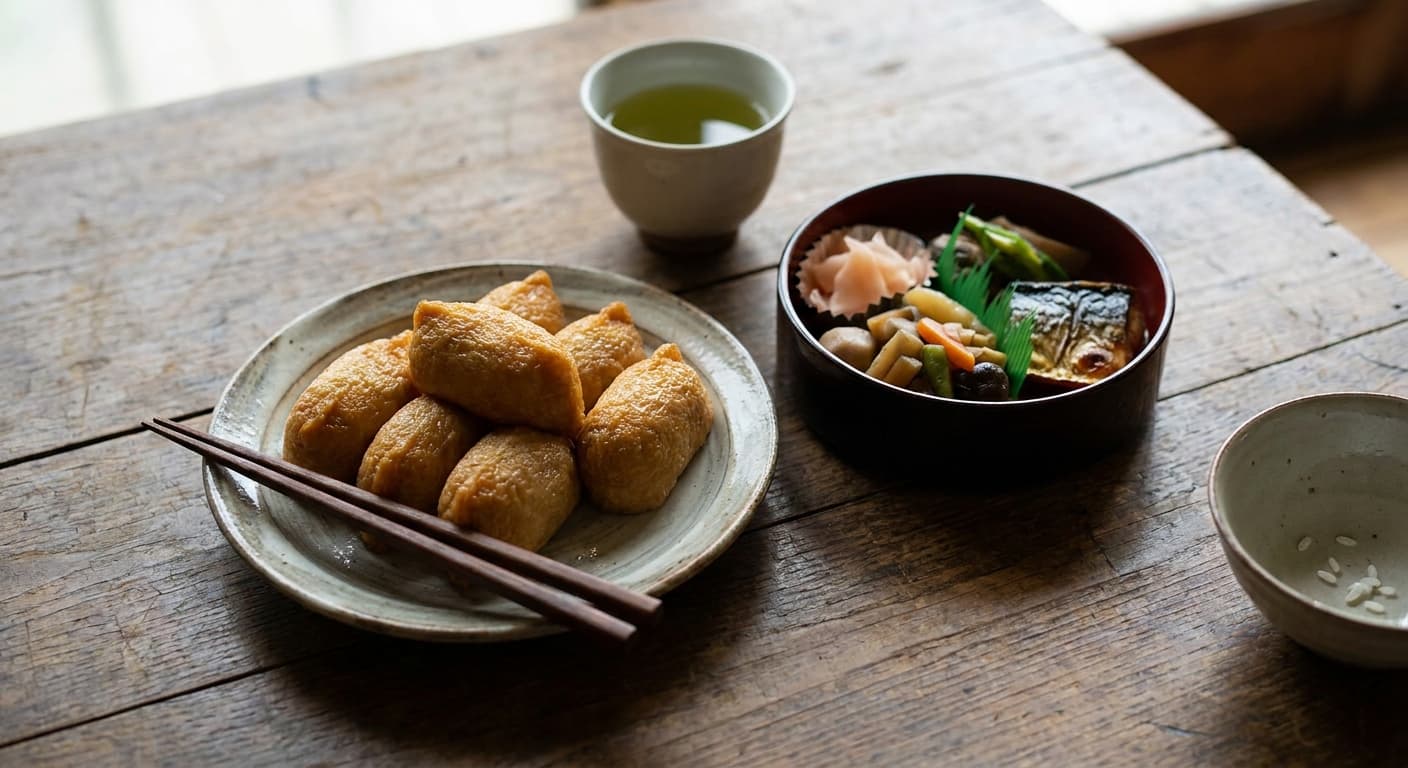
Inarizushi (稲荷寿司) — Sweet Tofu-Pocket Sushi
Japanese · Rice Dishes · 80 min
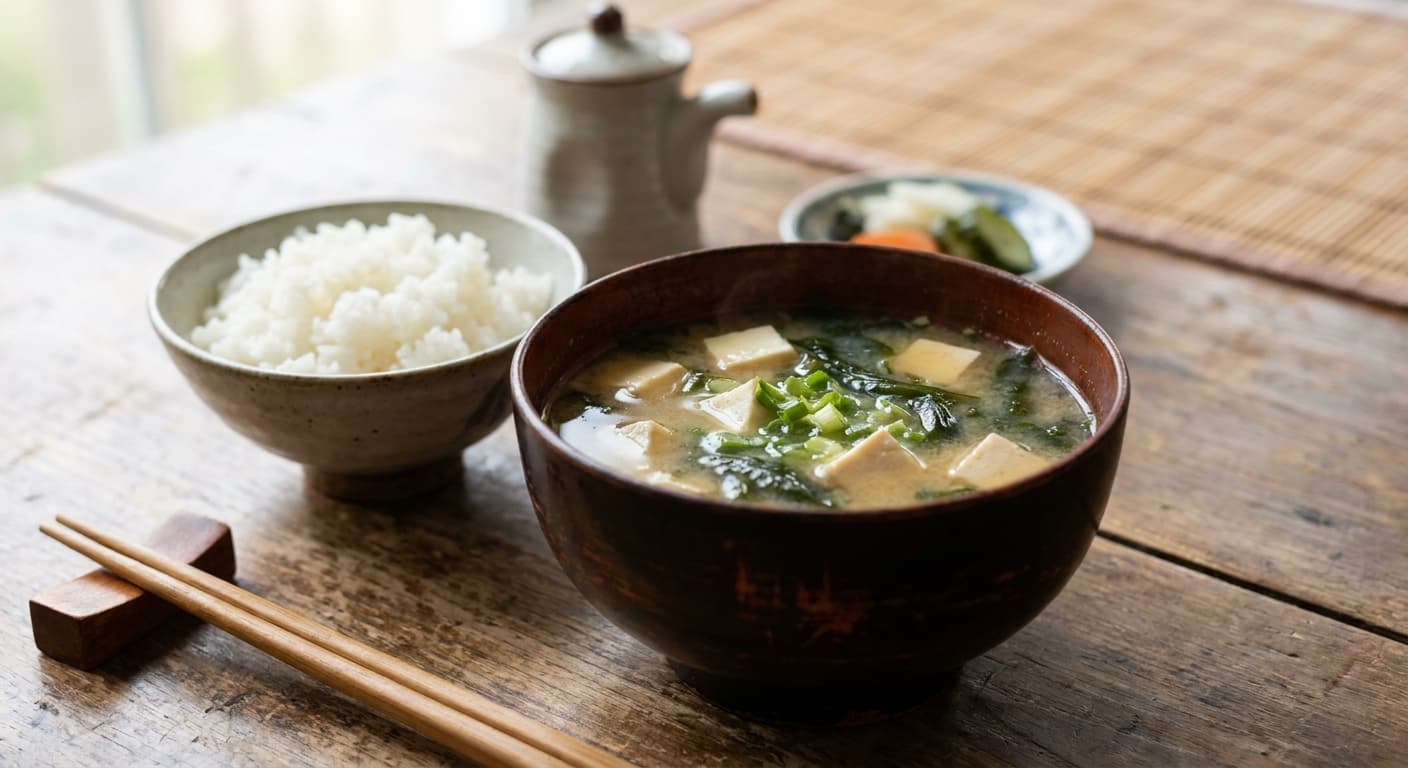
Misoshiru (味噌汁) — Classic Japanese Miso Soup with Tofu and Wakame
Japanese · Soups · 25 min
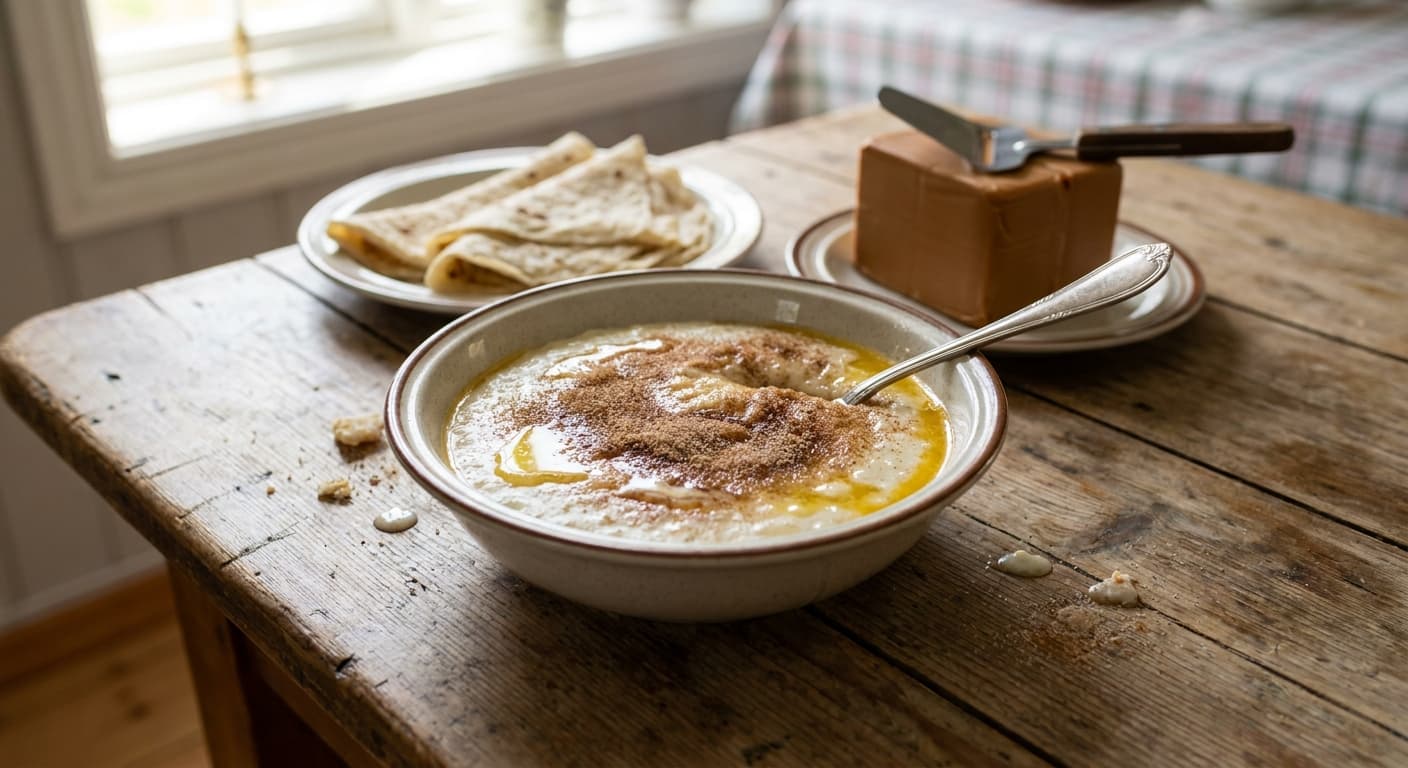
Norwegian Sour Cream Porridge (Rømmegrøt) — Festive Dairy Porridge with Cinnamon Sugar
Norwegian · Side Dishes · 35 min
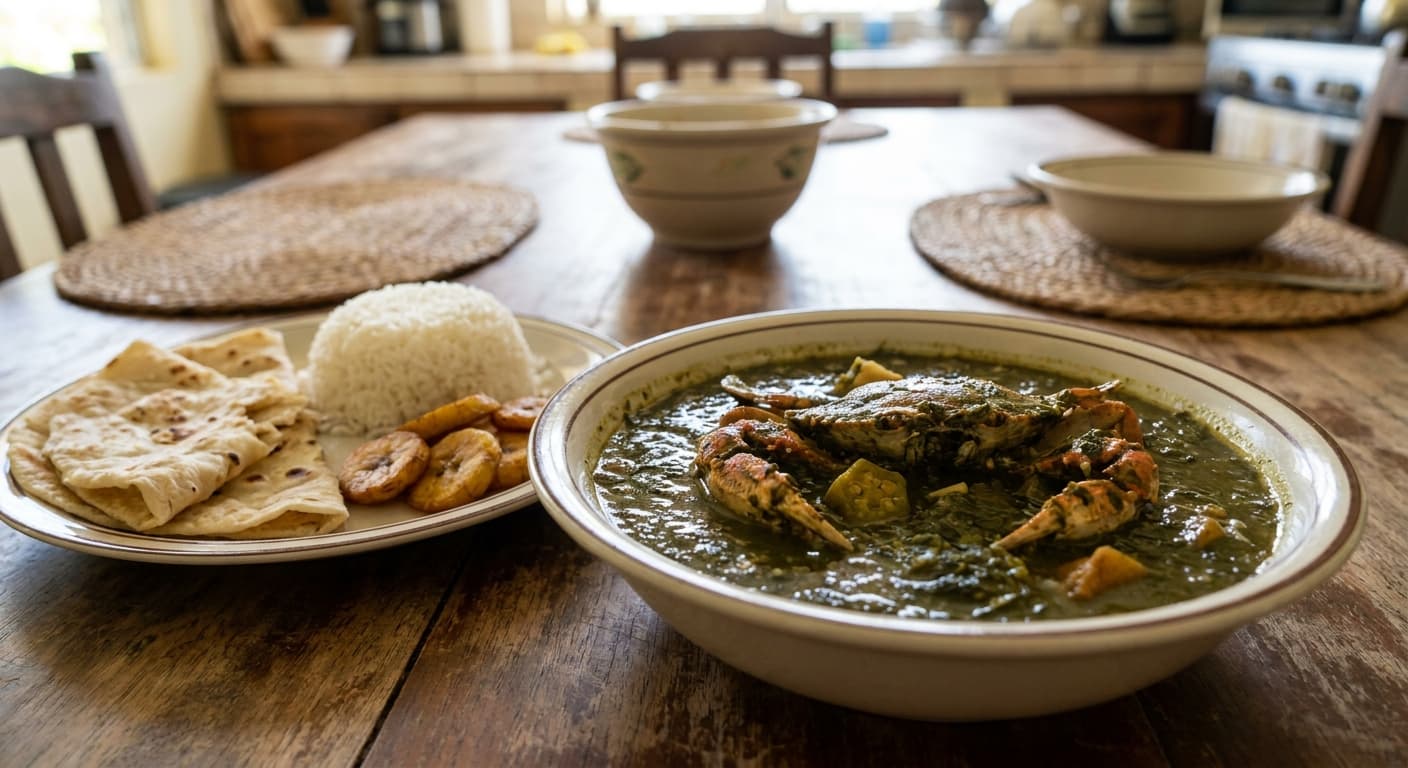
Callaloo (Callaloo) — Trinidadian Coconut Greens with Crab
Trinidadian · Side Dishes · 75 min
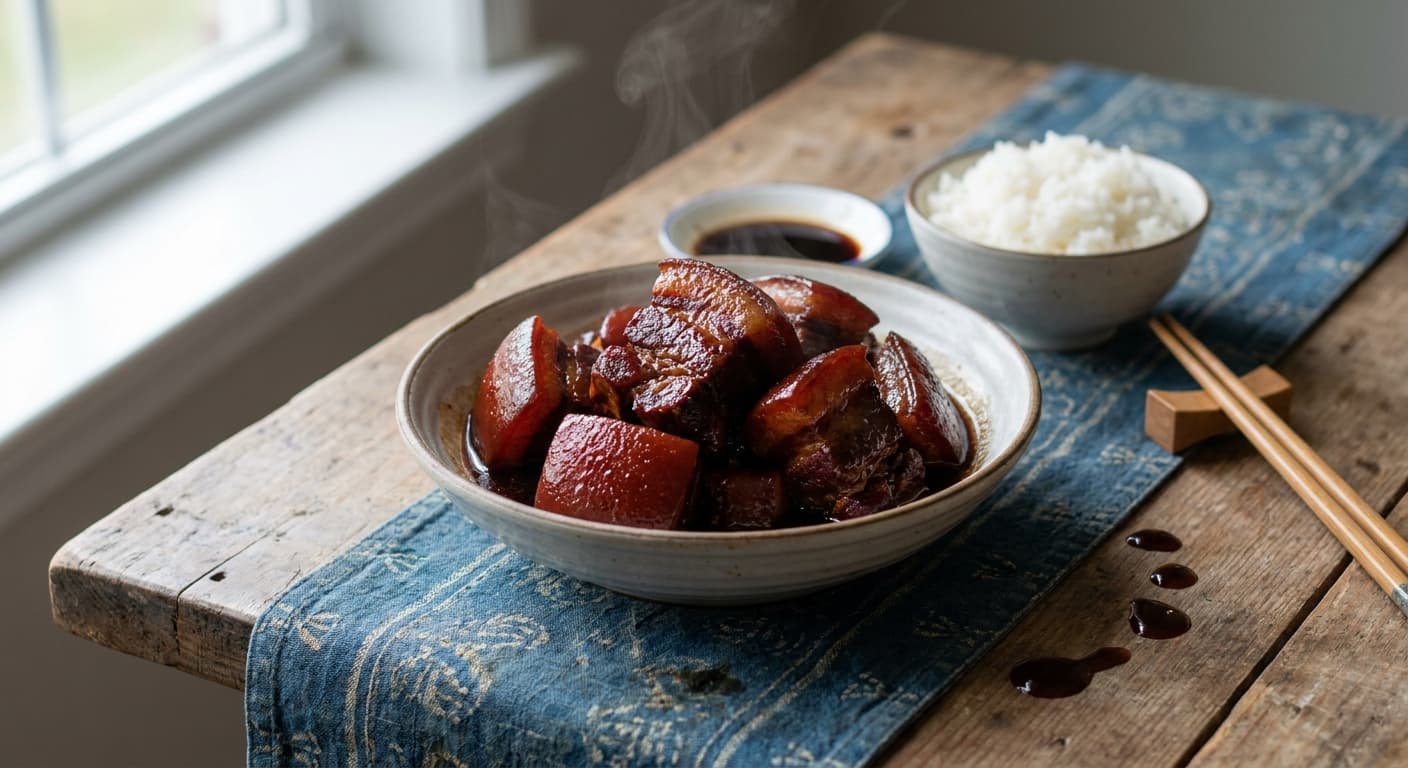
Dongpo Pork (东坡肉) — Hangzhou Red-Braised Pork Belly
Chinese · Main Courses · 205 min
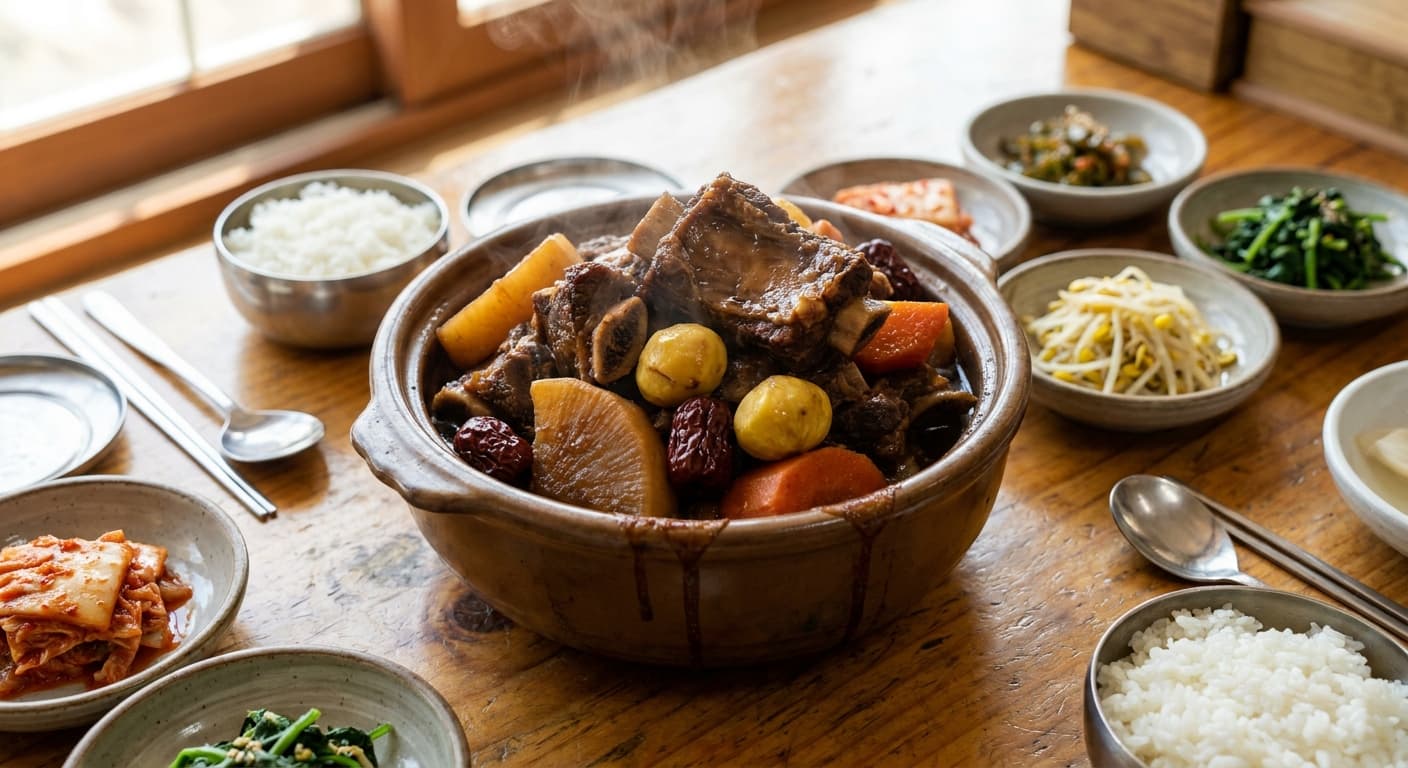
Galbi Jjim (갈비찜) — Korean Braised Short Ribs
Korean · Main Courses · 175 min
Besso (በሶ) — Ethiopian Roasted Barley Bites
Ethiopian · Appetizers · 20 min
Reviews
Cooked this recipe?
Tap the stars to rate it — that's all it takes. A few words are welcome but optional.
No ratings yet. Cooked this one? Be the first to rate it — it takes one tap.