Hiyashi Chuka (冷やし中華) — Chilled Ramen Salad with Soy-Vinegar Dressing
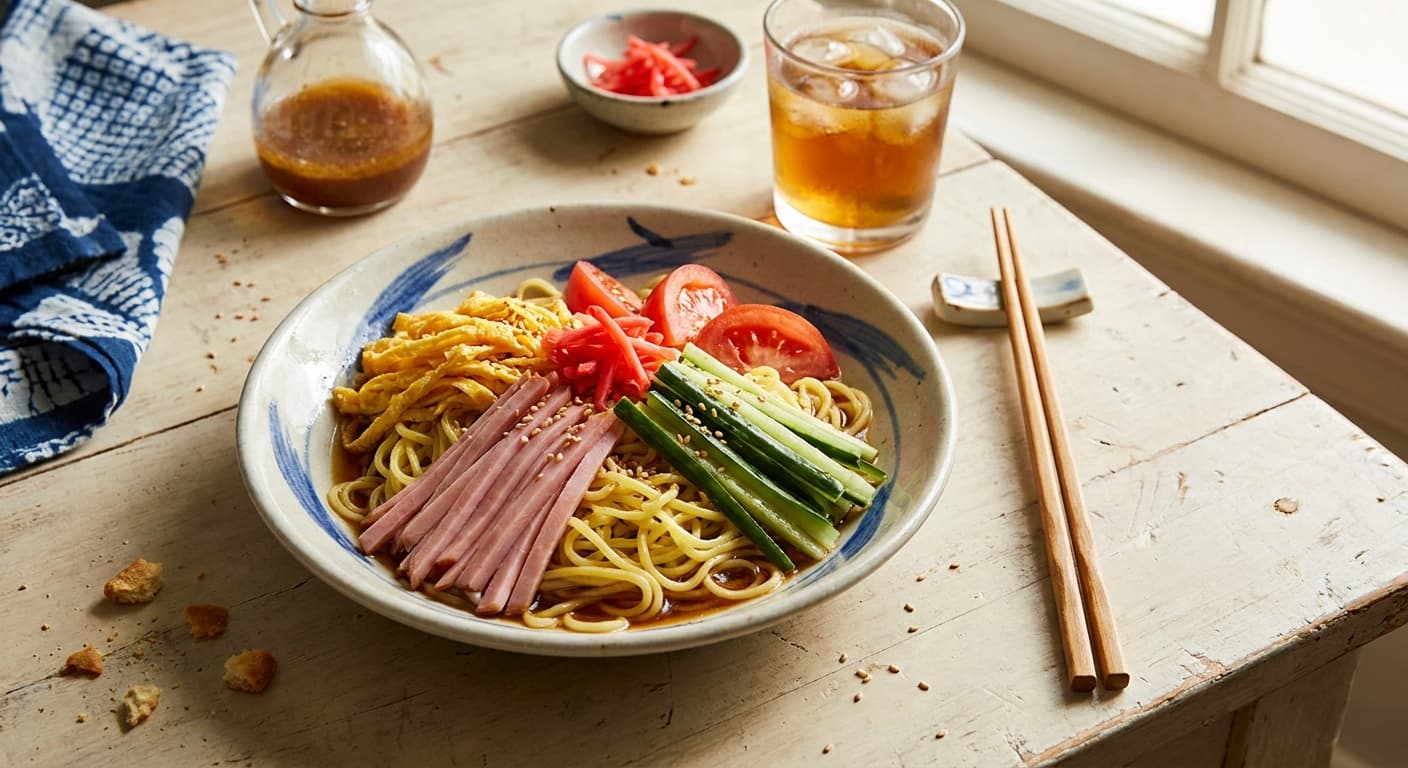
Hiyashi chuka is a Japanese summer noodle dish of chilled ramen topped with colorful strips of egg, ham, cucumber, and tomato. Its bright soy-vinegar dressing makes it a refreshing home-style lunch in hot weather.
Printable Recipe Card
Servings: 4 · Total: 40 min · Difficulty: medium
Ingredients (quick list)
- 440 g fresh ramen noodles (non-fried fresh chuka-style noodles)
- 2 eggs
- 2 tsp water (for thinning the egg)
- 1 g fine sea salt (for the egg crepe)
- 2 tsp neutral oil (for cooking the egg crepes)
- 2 Japanese cucumbers (julienned)
- 2 medium tomatoes (cut into thin wedges)
- 160 g cooked ham (cut into thin strips)
- 120 g carrot (peeled and julienned)
- 40 g beni shoga pickled ginger
- 2 tsp toasted sesame seeds
- 2 sheet nori (cut into fine shreds)
+ 8 more in the full ingredients section below.
Steps (summary)
- Make the dressing first so the sugar fully dissolves and the flavors settle. Whisk the soy sauce, rice vinegar, cold water, sug…
- Prepare the egg crepes by beating the eggs with the water and fine sea salt until the mixture is completely uniform. Heat a sma…
- Transfer the egg crepes to a cutting board and let them cool for 5 minutes before slicing. Roll each crepe loosely, cut it into…
- Cut the cucumber, ham, and carrot into neat matchsticks of similar thickness, and cut the tomatoes into slim wedges. Keep each…
- Bring a large pot of water to a rolling boil and cook the fresh ramen noodles according to the package timing, usually 2 to 3 m…
- Drain the noodles immediately and rinse them under cold running water while rubbing them gently with your hands to remove surfa…
+ 1 more steps in the full instructions section below.
Cultural Background
Hiyashi chuka is strongly associated with the start of hot weather in Japan, when noodle shops often post signs announcing its return. Though inspired by Chinese-style noodles, it became a distinctly Japanese summer standard.
Equipment
💡 Tips
- Rinse the noodles until they feel cool and no longer slippery; this is the key to a clean, refreshing texture.
- Cut the toppings into similar widths so every bite catches a little noodle, dressing, and garnish.
- Chill the serving bowls for 10 minutes before plating if the room is hot, because the dish is best served distinctly cold.
⚠️ Common Mistakes
❌ Leaving too much water on the noodles after rinsing.
✅ Fix: Drain the noodles thoroughly and shake the colander several times so the dressing stays vivid and concentrated.
❌ Overcooking the egg crepe until browned and rubbery.
✅ Fix: Use medium-low heat and remove each crepe as soon as the surface is set and still tender.
❌ Pouring warm dressing over cold noodles.
✅ Fix: Refrigerate the dressing before serving so the whole bowl remains refreshing from the first bite.
🧊 How to Store
Store noodles, toppings, and dressing separately in airtight containers for up to 24 hours. Rinse chilled noodles briefly under cold water to loosen them before serving; do not microwave, because this dish should remain cold.
📅 Make Ahead
The dressing can be made 2 days ahead and refrigerated. Vegetables and ham can be sliced 1 day ahead, but cook and rinse the noodles shortly before serving for the best springy texture.
🍽️ Pairs Well With
- Chilled mugicha
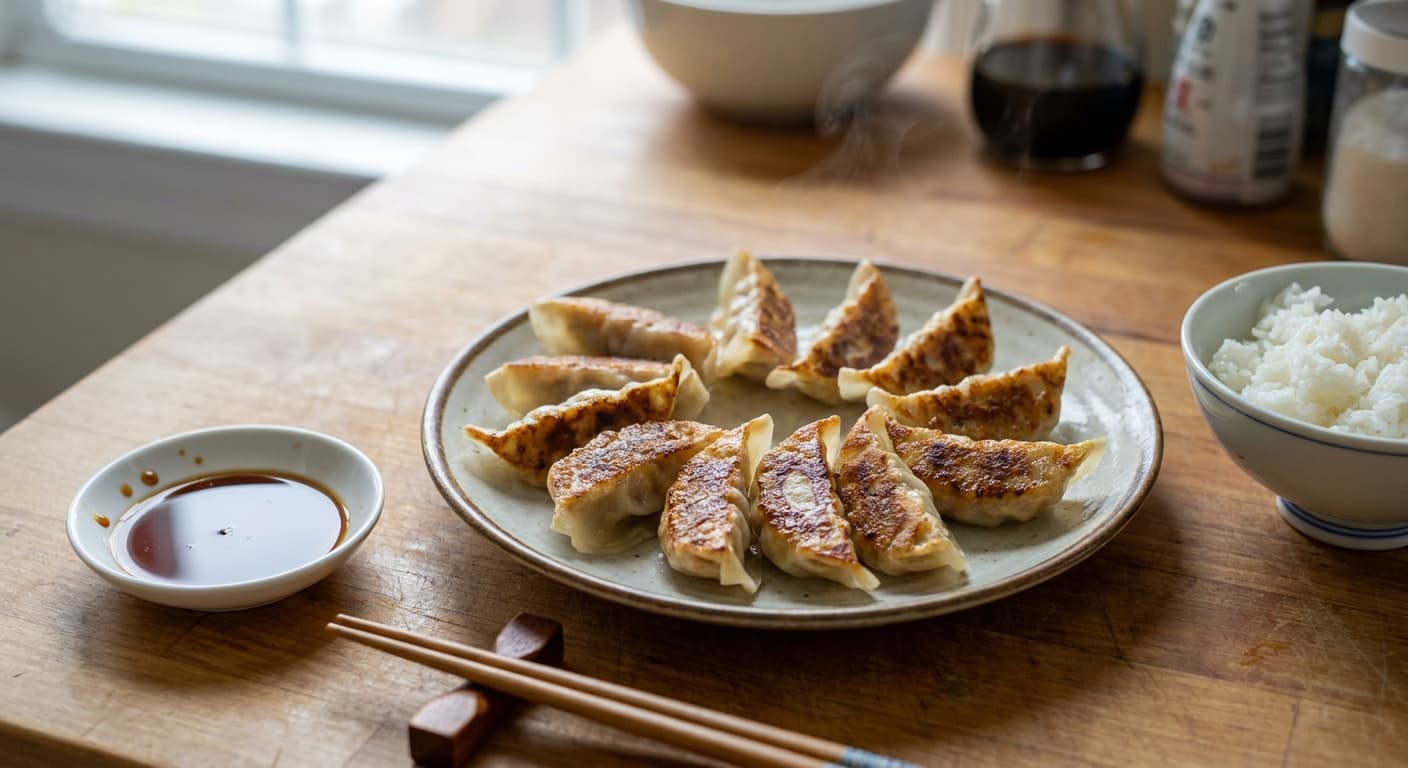
- gyoza
- edamame
- wakame cucumber sunomono.
Regional Variations
- Kansai versions may use a slightly sweeter soy-vinegar dressing with extra sesame aroma.
- Sesame-dare hiyashi chuka uses ground sesame or sesame paste for a creamier, richer sauce.
- Some Tokyo noodle shops top the dish with crab sticks, shrimp, or jellyfish for a more elaborate presentation.
Ingredients
- 440 gfresh ramen noodles (non-fried fresh chuka-style noodles)
- 2eggs
- 2 tspwater (for thinning the egg)
- 1 gfine sea salt (for the egg crepe)
- 2 tspneutral oil (for cooking the egg crepes)
- 2Japanese cucumbers (julienned)
- 2medium tomatoes (cut into thin wedges)
- 160 gcooked ham (cut into thin strips)
- 120 gcarrot (peeled and julienned)
- 40 gbeni shoga pickled ginger
- 2 tsptoasted sesame seeds
- 2 sheetnori (cut into fine shreds)
- 2 tspJapanese karashi mustard (served on the side)
- 90 mlJapanese soy sauce
- 75 mlrice vinegar
- 60 mlcold water
- 36 ggranulated sugar
- 30 mltoasted sesame oil
- 0.5 inchfresh ginger (finely grated)
- 1 clovegarlic (finely grated)
🔄 Substitutions
- cooked ham→ poached chicken breast
- fresh ramen noodles→ dried ramen noodles
- Japanese karashi mustard→ English mustard powder mixed with water
Instructions
- 1
Make the dressing first so the sugar fully dissolves and the flavors settle. Whisk the soy sauce, rice vinegar, cold water, sugar, toasted sesame oil, neutral oil, grated ginger, and grated garlic in a bowl until glossy, then refrigerate it for at least 20 minutes.
- 2
Prepare the egg crepes by beating the eggs with the water and fine sea salt until the mixture is completely uniform. Heat a small nonstick skillet over medium-low heat, brush it with a measured portion of the oil, and cook the egg in 2 thin sheets until just set without browning.
- 3
Transfer the egg crepes to a cutting board and let them cool for 5 minutes before slicing. Roll each crepe loosely, cut it into thin ribbons, and separate the strands with your fingers so they sit lightly on the noodles.
- 4
Cut the cucumber, ham, and carrot into neat matchsticks of similar thickness, and cut the tomatoes into slim wedges. Keep each topping in a separate small pile because hiyashi chuka is traditionally arranged in colorful sections over the noodles.
- 5
Bring a large pot of water to a rolling boil and cook the fresh ramen noodles according to the package timing, usually 2 to 3 minutes. Stir constantly during the first minute so the strands do not clump, and taste a strand before draining because chilled noodles should be cooked through but still springy.
- 6
Drain the noodles immediately and rinse them under cold running water while rubbing them gently with your hands to remove surface starch. Add ice to a bowl of cold water, chill the noodles for 2 minutes, then drain very thoroughly so the dressing does not become diluted.
- 7
Divide the cold noodles among 4 shallow bowls and arrange the egg, cucumber, tomato, ham, carrot, and beni shoga in tidy bands over the top. Spoon the chilled dressing evenly over each bowl, then finish with sesame seeds, shredded nori, and a small dab of karashi mustard on the side.
🪪 Recipe Passport
Cultural Background
Hiyashi chuka is strongly associated with the start of hot weather in Japan, when noodle shops often post signs announcing its return. Though inspired by Chinese-style noodles, it became a distinctly Japanese summer standard.
Regional Variations
Researched from multiple sources and validated by the Zaffaron editorial team. Every recipe is tested for accuracy, measurements, and cultural authenticity.
📚 Sources & Cultural References
- Shizuo Tsuji — Japanese Cooking: A Simple Art — (1980)
- Japan National Tourism Organization — Japanese Food Guide and Regional Culinary Culture Resources
Sources cited by the Zaffaron editorial team during recipe research. Cultural and culinary references supporting authenticity claims.
Nutrition per serving
Pairs well with
If you enjoyed this recipe, here are a few related Zaffaron recipes to try next.
Does your family make this differently?
Every family has their own version. Maybe your grandmother adds a secret ingredient, or your aunt has a completely different technique. Preserve your family's version — with their name on it, forever.
You Might Also Like
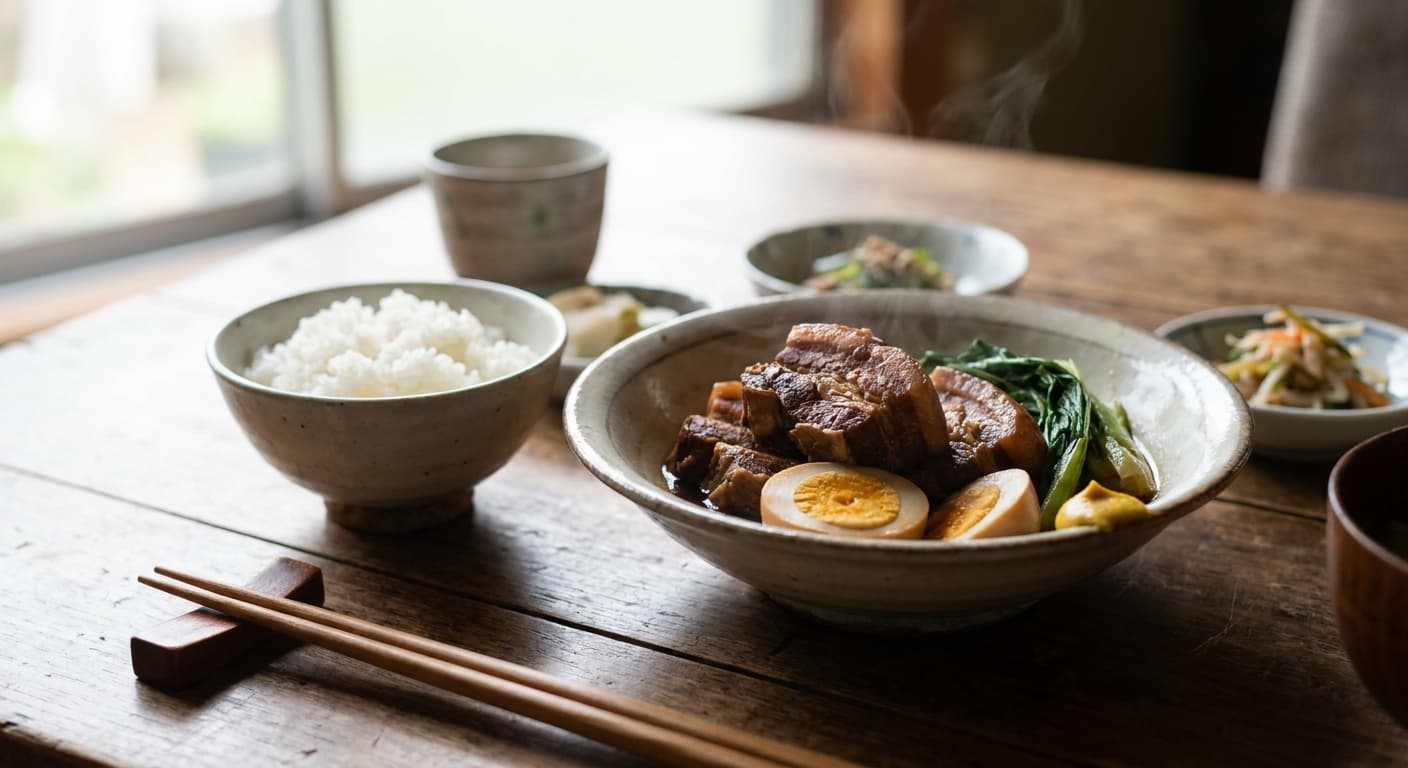
Buta no Kakuni (豚の角煮) — Japanese Soy-Braised Pork Belly
Japanese · Main Courses · 190 min
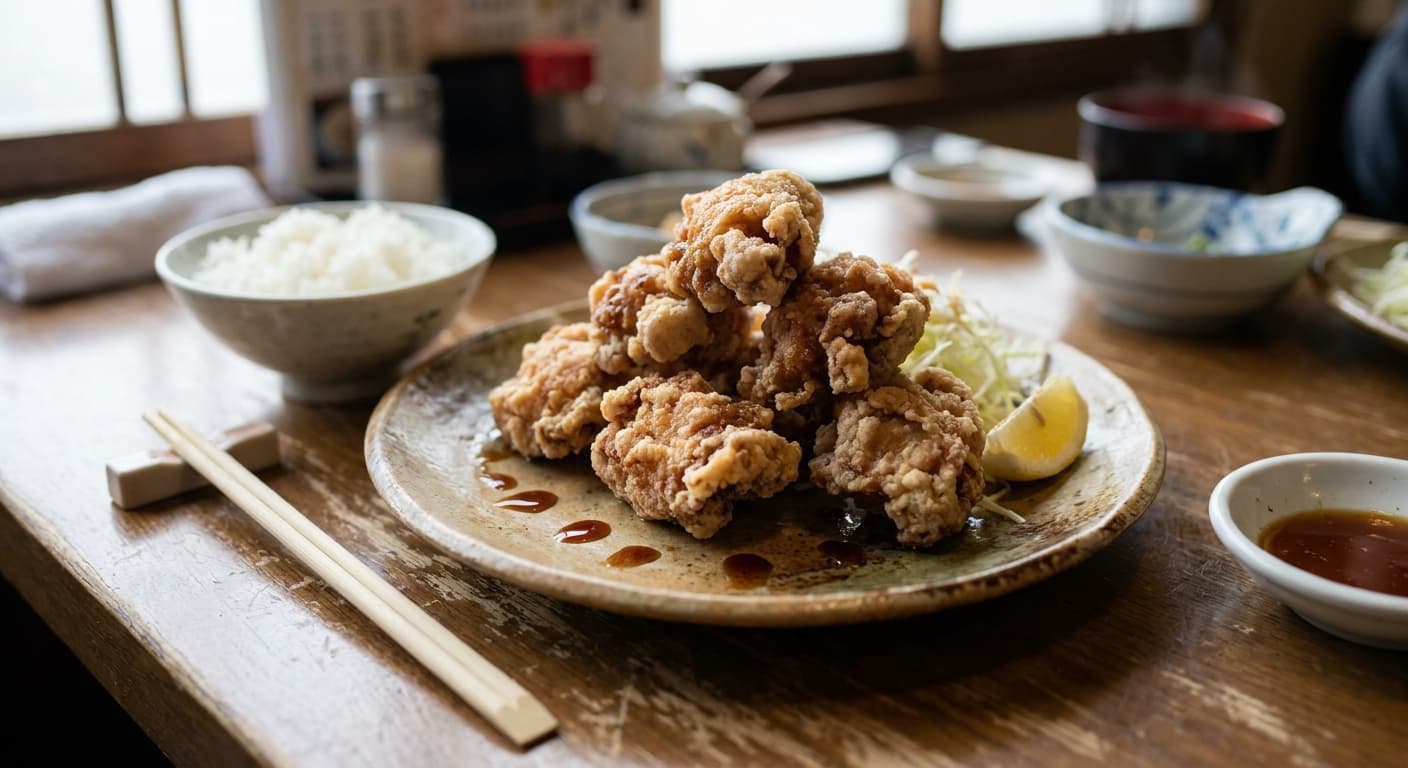
Japanese Karaage (唐揚げ) — Crisp Ginger-Soy Fried Chicken
Japanese · Main Courses · 38 min
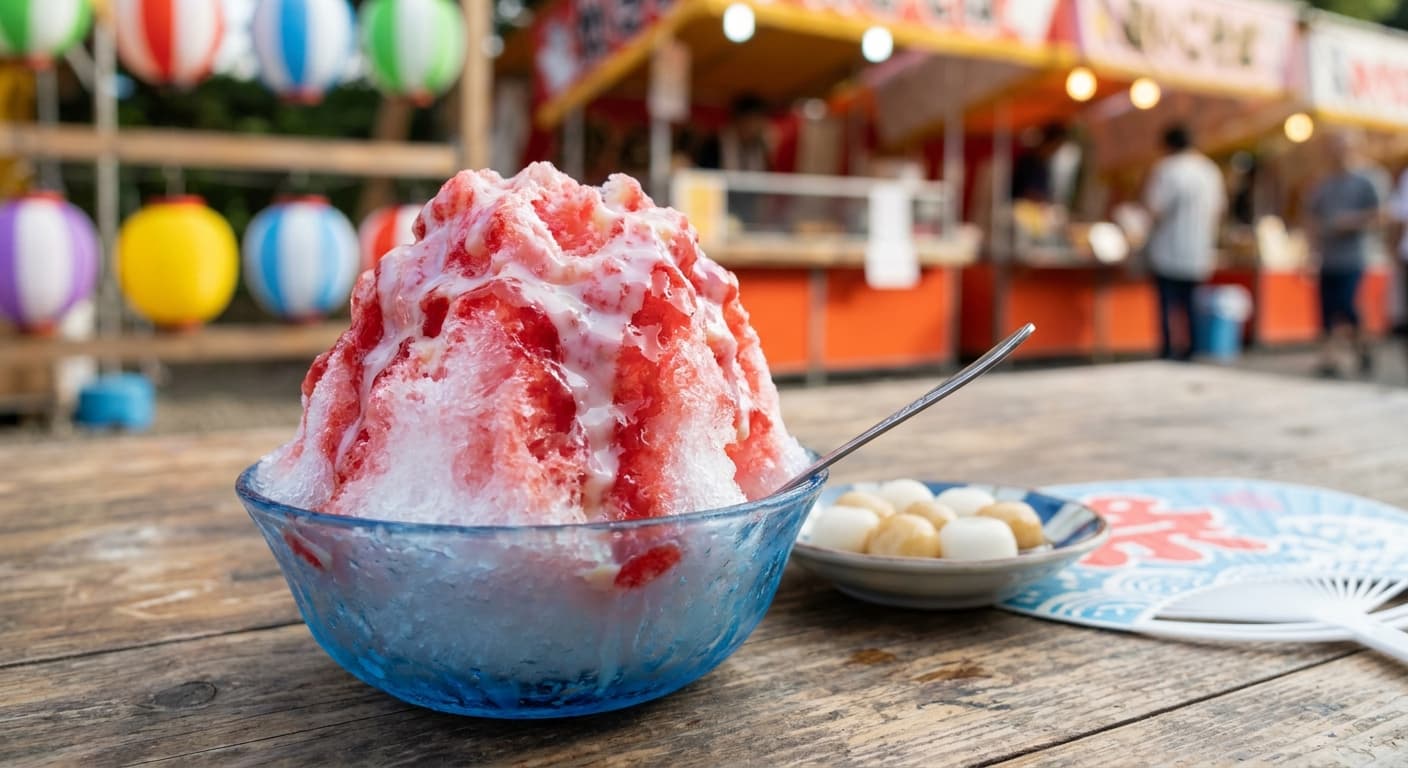
Kakigori (かき氷) — Japanese Shaved Ice with Strawberry Syrup
Japanese · Desserts · 50 min
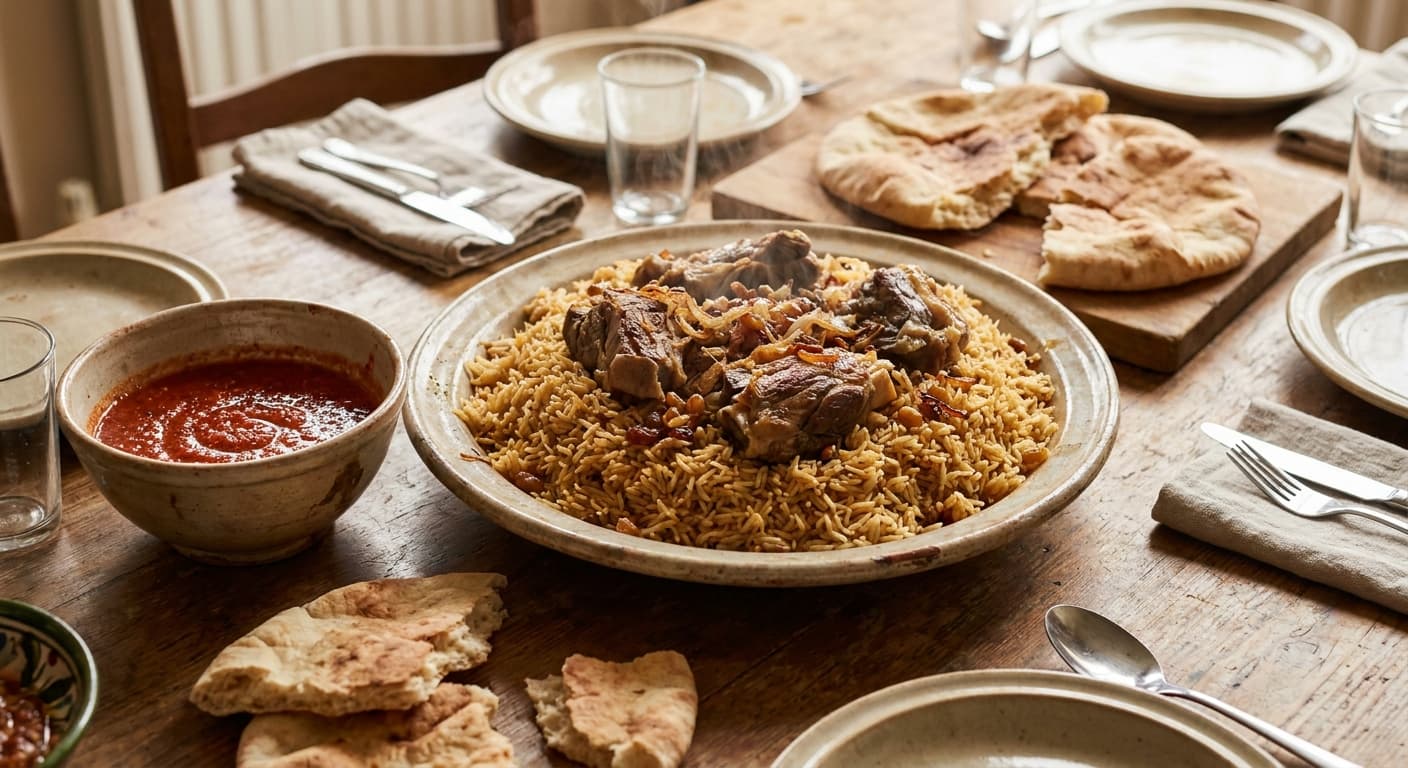
Yemeni Mandi (مندي) — Smoke-Scented Spiced Rice and Lamb
Yemeni · Main Courses · 170 min
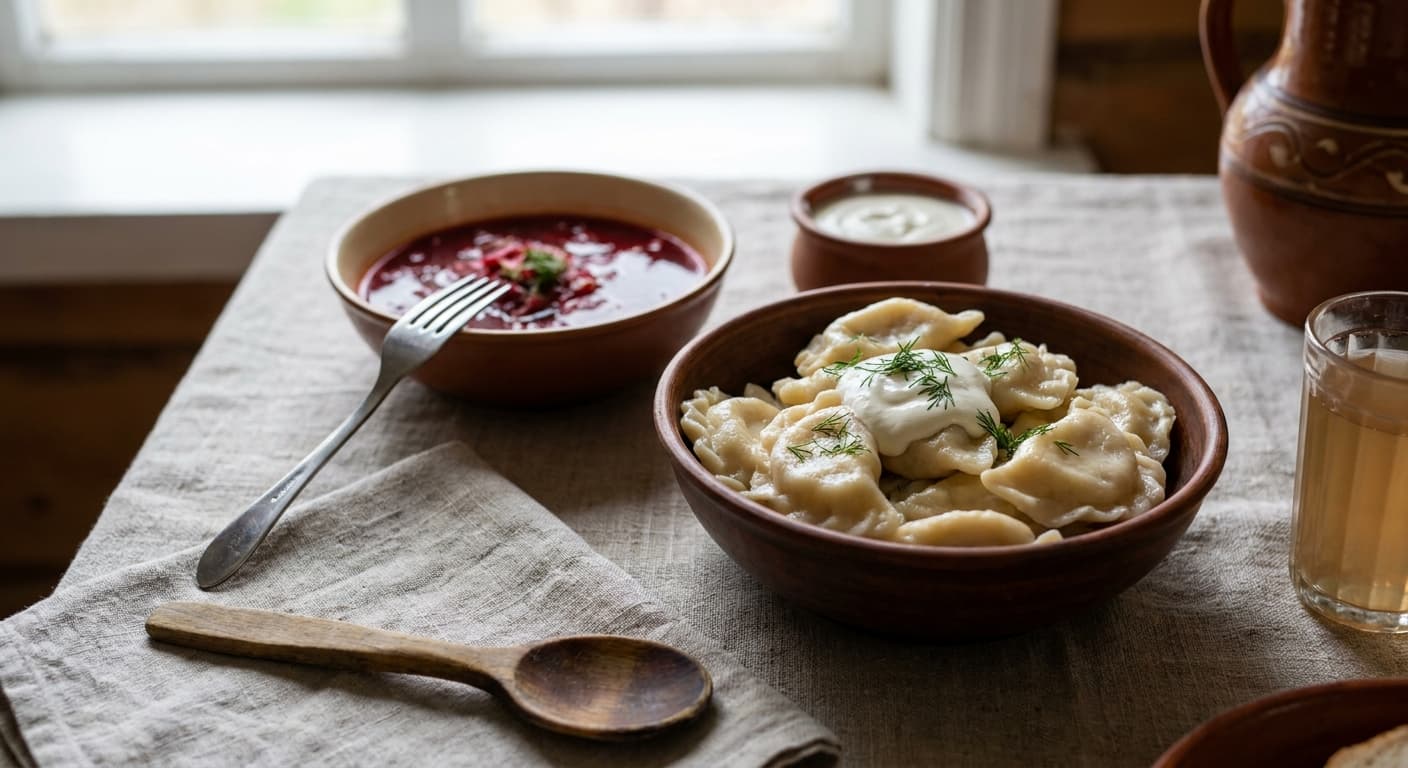
Varenyky (Вареники) — Ukrainian Potato-Cheese Dumplings
Ukrainian · Main Courses · 95 min
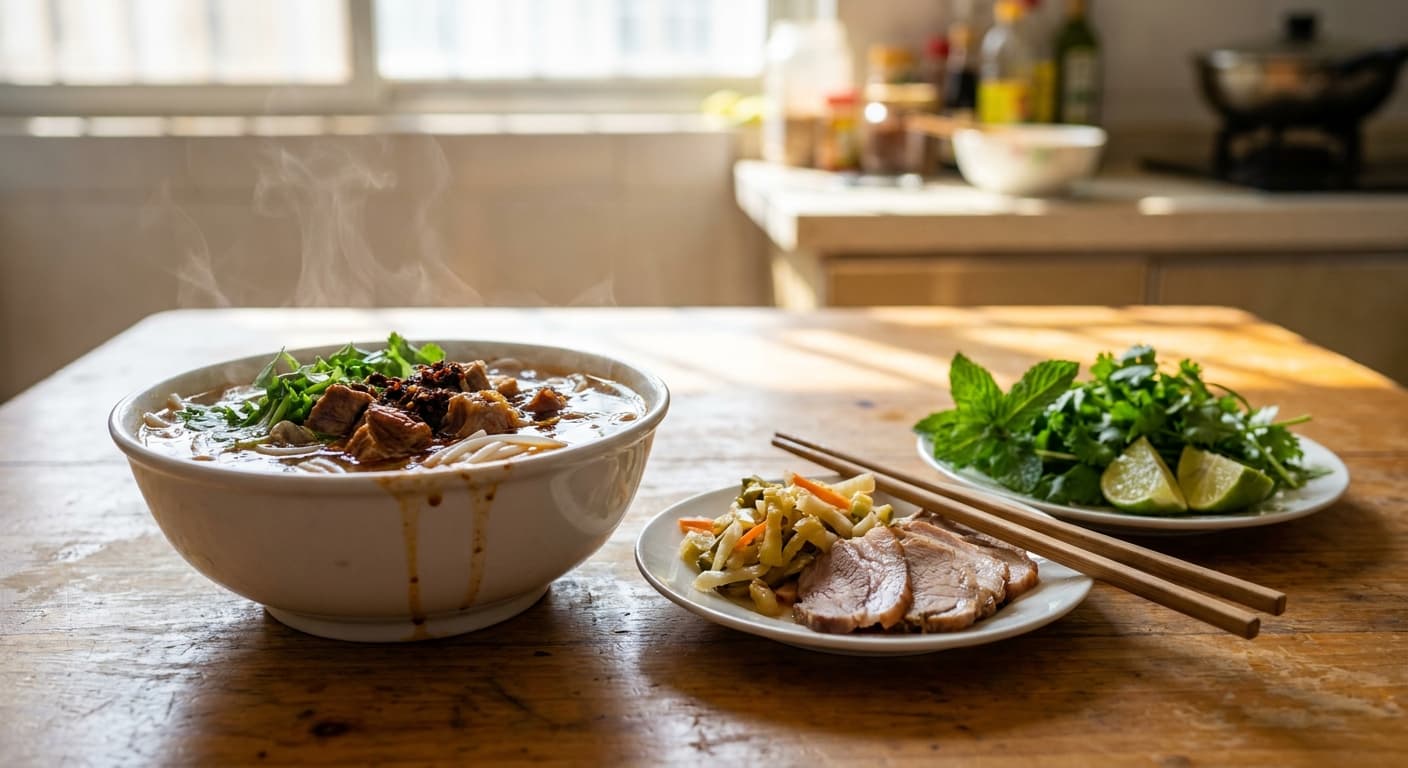
Crossing-the-Bridge Rice Noodles (过桥米线) — Yunnan Hot Broth Noodle Soup
Chinese · Soups · 195 min
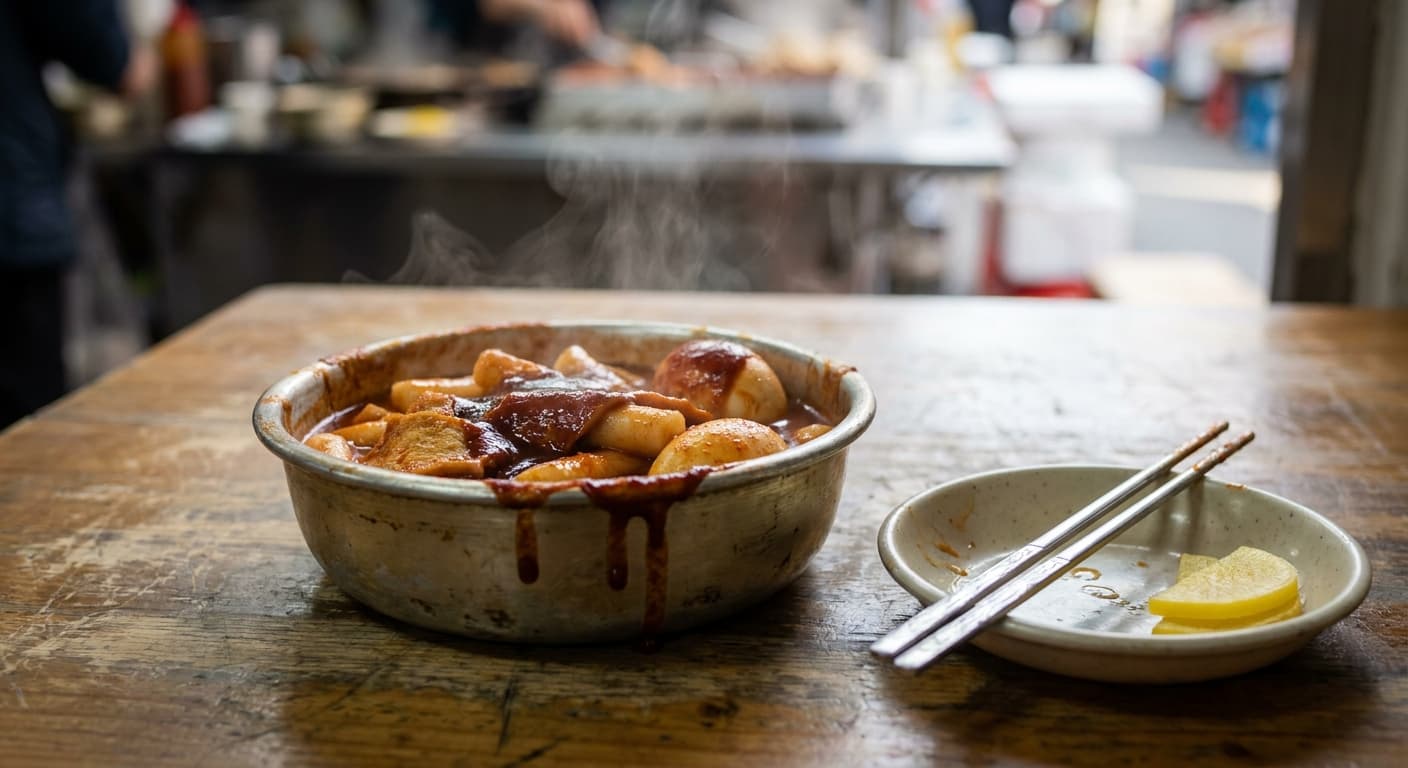
Tteokbokki (떡볶이) — Spicy Korean Rice Cakes
Korean · Main Courses · 45 min
Gyoza (餃子) — Japanese Pan-Fried Dumplings
Japanese · Appetizers · 63 min
Reviews
Cooked this recipe?
Tap the stars to rate it — that's all it takes. A few words are welcome but optional.
No ratings yet. Cooked this one? Be the first to rate it — it takes one tap.