Sunomono (酢の物) — Japanese Vinegared Cucumber and Wakame Salad
Sunomono is a classic Japanese vinegared side dish served as a palate-cleansing salad in home meals, bento, and multi-course settings. This version pairs crisp salted cucumber with tender wakame in a balanced sweet-sour dressing.
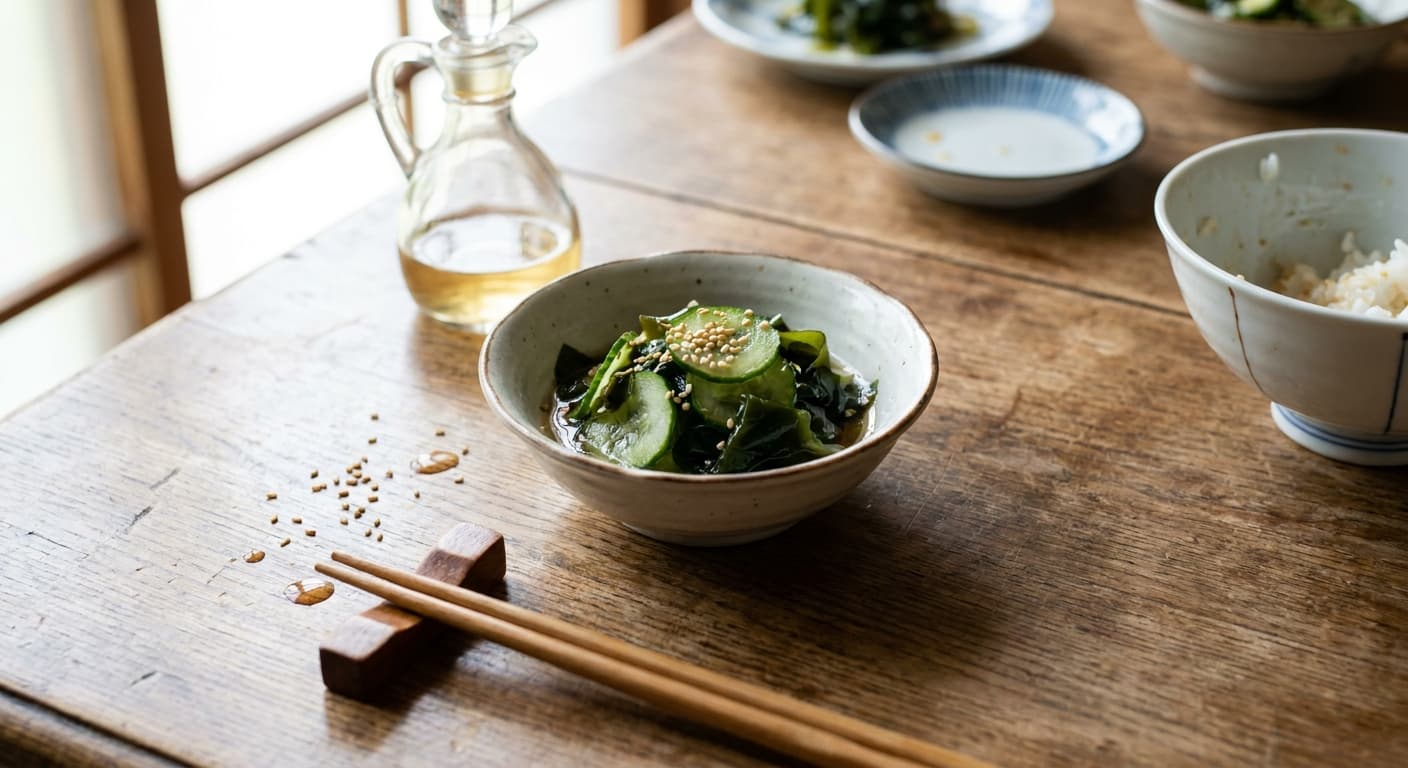
Printable Recipe Card
Servings: 4 · Total: 20 min · Difficulty: easy
Ingredients (quick list)
- 4 Japanese cucumbers (about 600 g total, thin-skinned preferred)
- 6 g fine sea salt (for drawing moisture from the cucumbers)
- 8 g dried cut wakame
- 120 ml rice vinegar
- 24 g granulated sugar
- 0.5 inch fresh ginger (peeled and finely grated)
- 6 g toasted white sesame seeds
Steps (summary)
- Place the dried wakame in a bowl and cover it with 500 ml cold water. Let it soak for 8 to 10 minutes, until fully expanded and…
- Trim the cucumber ends and slice the cucumbers into very thin rounds, ideally 2 mm thick. Put the slices in a bowl, sprinkle wi…
- Rinse the salted cucumber slices briefly under cold running water to remove surface salt. Gather them in your hands and squeeze…
- In a separate mixing bowl, whisk together the rice vinegar, sugar, 2 g fine sea salt, and grated ginger until the sugar is comp…
- Add the squeezed cucumber and drained wakame to the dressing and toss carefully with chopsticks or tongs. Let the salad rest fo…
- Transfer the sunomono to small individual bowls, spooning a little dressing over each portion. Sprinkle with toasted white sesa…
Cultural Background
Vinegared dishes are an important part of Japanese home cooking, bringing acidity and contrast to a meal built around rice, soup, and small side dishes. Sunomono is especially valued in warm months for its cooling clarity.
Equipment
💡 Tips
- Use slender, thin-skinned cucumbers for the best crunch; if using thick-skinned cucumbers, peel alternating strips before slicing.
- Do not skip squeezing the salted cucumber, because excess water will weaken the vinegar dressing.
- Serve sunomono lightly chilled or at cool room temperature rather than icy cold, which can mute the balance of vinegar and ginger.
⚠️ Common Mistakes
❌ Leaving too much water in the cucumbers.
✅ Fix: Salt the slices for the full 10 minutes, rinse briefly, and squeeze them until no liquid drips freely.
❌ Oversoaking the wakame until it becomes limp.
✅ Fix: Soak only until expanded and tender, then drain and squeeze it gently before mixing.
❌ Adding sesame seeds too early.
✅ Fix: Sprinkle sesame seeds just before serving so they stay aromatic and lightly crunchy.
🧊 How to Store
Store leftovers in an airtight container in the refrigerator for up to 24 hours. Drain off excess liquid before serving again, and do not heat; sunomono is meant to be served chilled or cool.
📅 Make Ahead
The dressing can be mixed 2 days ahead and refrigerated. Cucumbers may be sliced and salted 2 hours ahead, but combine everything no more than 30 minutes before serving for the best crunch.
🍽️ Pairs Well With
- Steamed Japanese rice
- grilled fish
- miso soup
- tamagoyaki
- chicken teriyaki.
Regional Variations
- Some Kansai-style versions are slightly sweeter, with a softer vinegar edge.
- Seafood variations may include cooked shrimp, crab, or octopus for a more substantial side dish.
- Home cooks sometimes add thinly sliced myoga or shiso for a more aromatic summer version.
Ingredients
- 4Japanese cucumbers (about 600 g total, thin-skinned preferred)
- 6 gfine sea salt (for drawing moisture from the cucumbers)
- 8 gdried cut wakame
- 120 mlrice vinegar
- 24 ggranulated sugar
- 0.5 inchfresh ginger (peeled and finely grated)
- 6 gtoasted white sesame seeds
🔄 Substitutions
- Japanese cucumbers→ Persian cucumbers
- dried cut wakame→ fresh salted wakame
- rice vinegar→ mild white wine vinegar
Instructions
- 1
Place the dried wakame in a bowl and cover it with 500 ml cold water. Let it soak for 8 to 10 minutes, until fully expanded and tender, then drain it well and gently squeeze out excess water.
- 2
Trim the cucumber ends and slice the cucumbers into very thin rounds, ideally 2 mm thick. Put the slices in a bowl, sprinkle with 6 g fine sea salt, toss evenly, and let them stand for 10 minutes so the salt draws out excess water.
- 3
Rinse the salted cucumber slices briefly under cold running water to remove surface salt. Gather them in your hands and squeeze firmly but gently until they feel crisp rather than watery, because this step keeps the finished sunomono bright and not diluted.
- 4
In a separate mixing bowl, whisk together the rice vinegar, sugar, 2 g fine sea salt, and grated ginger until the sugar is completely dissolved. Taste the dressing before adding the vegetables; it should be cleanly tart with enough sweetness to round the vinegar.
- 5
Add the squeezed cucumber and drained wakame to the dressing and toss carefully with chopsticks or tongs. Let the salad rest for 5 minutes at room temperature so the cucumber and seaweed absorb the seasoning without losing their texture.
- 6
Transfer the sunomono to small individual bowls, spooning a little dressing over each portion. Sprinkle with toasted white sesame seeds just before serving so they keep their aroma and slight crunch.
🪪 Recipe Passport
Cultural Background
Vinegared dishes are an important part of Japanese home cooking, bringing acidity and contrast to a meal built around rice, soup, and small side dishes. Sunomono is especially valued in warm months for its cooling clarity.
Regional Variations
Researched from multiple sources and validated by the Zaffaron editorial team. Every recipe is tested for accuracy, measurements, and cultural authenticity.
📚 Sources & Cultural References
- Shizuo Tsuji — Japanese Cooking: A Simple Art — (1980)
- Elizabeth Andoh — Washoku: Recipes from the Japanese Home Kitchen — (2005)
Sources cited by the Zaffaron editorial team during recipe research. Cultural and culinary references supporting authenticity claims.
Nutrition per serving
Pairs well with
If you enjoyed this recipe, here are a few related Zaffaron recipes to try next.
Does your family make this differently?
Every family has their own version. Maybe your grandmother adds a secret ingredient, or your aunt has a completely different technique. Preserve your family's version — with their name on it, forever.
You Might Also Like
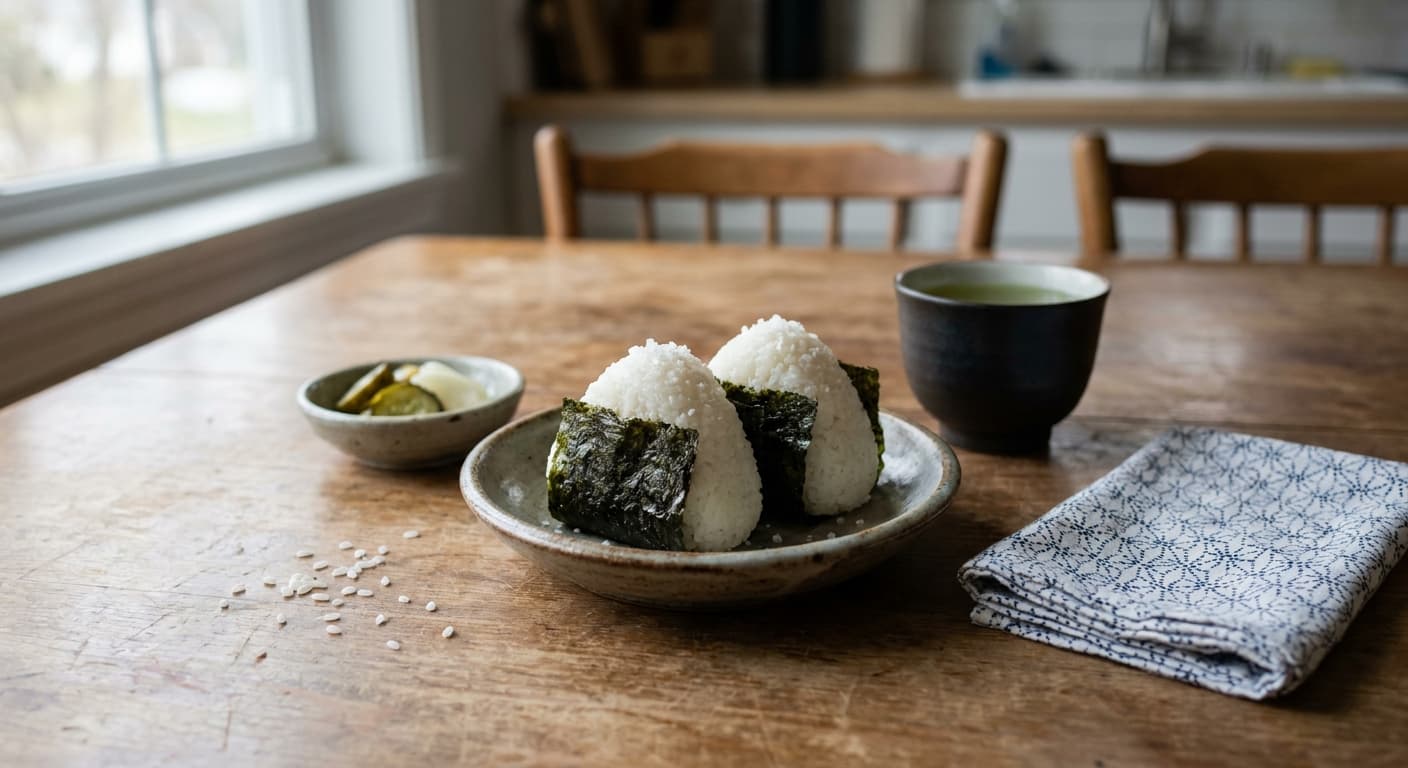
Salted Rice Balls (塩おにぎり) — Simple Japanese Hand-Pressed Rice
Japanese · Rice Dishes · 65 min
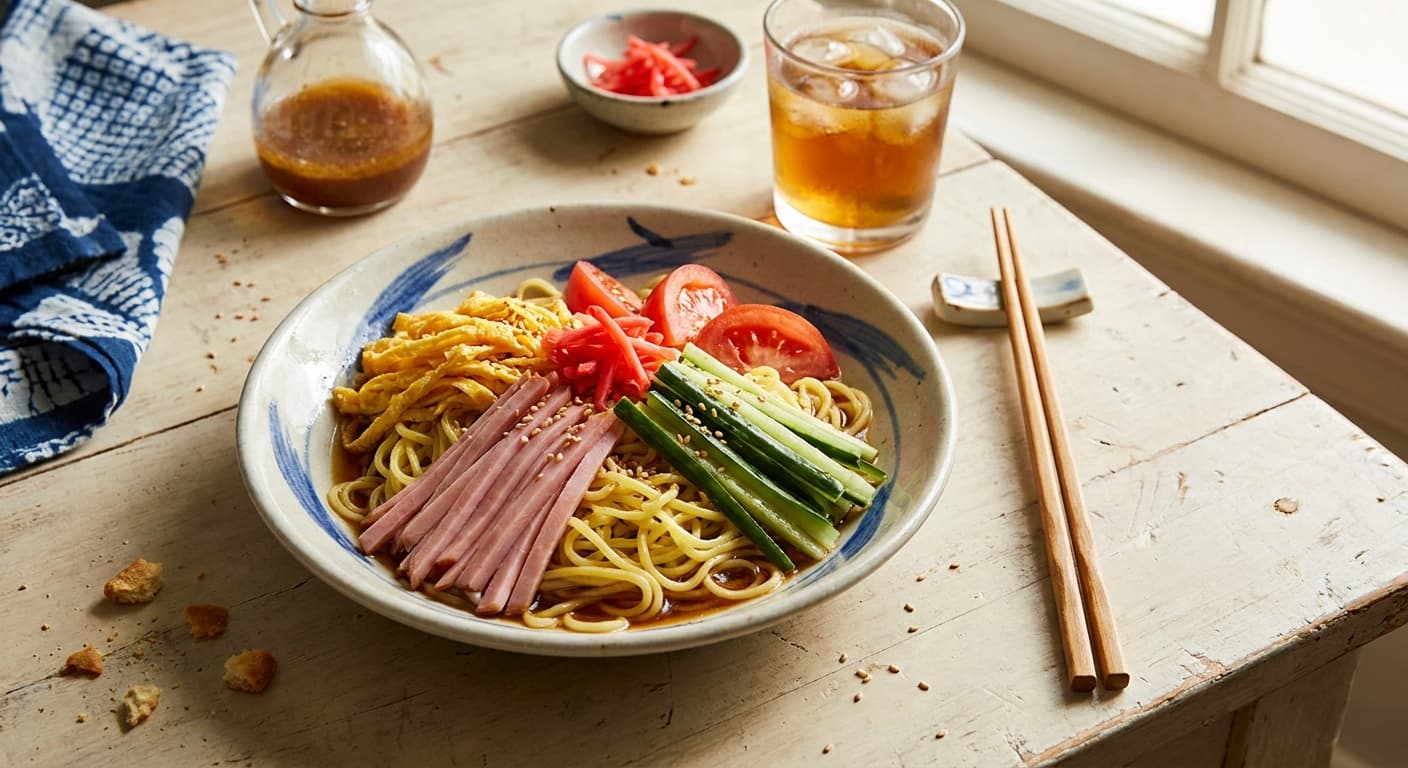
Hiyashi Chuka (冷やし中華) — Chilled Ramen Salad with Soy-Vinegar Dressing
Japanese · Main Courses · 40 min
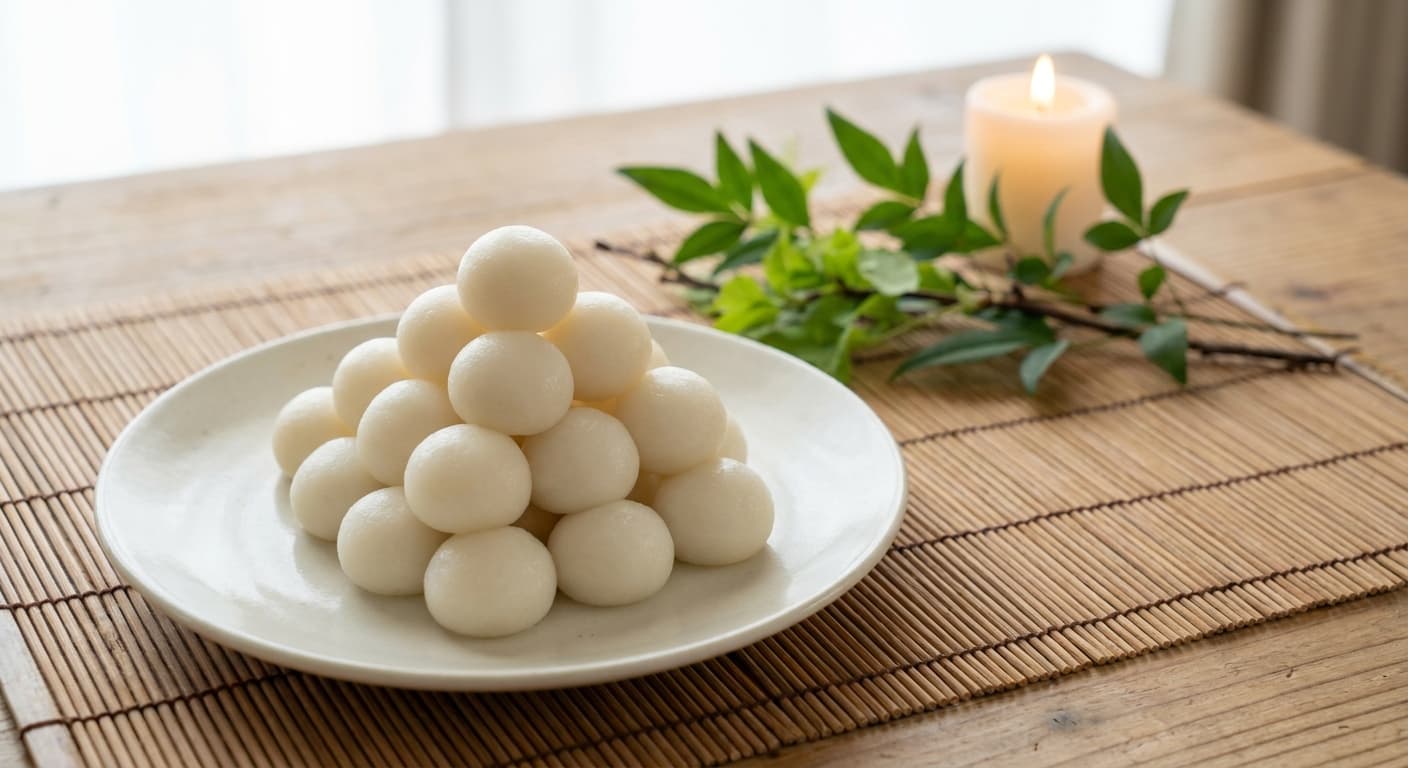
Obon Dango (お盆団子) — Plain Rice Dumplings for Ancestral Offerings
Japanese · Desserts · 37 min
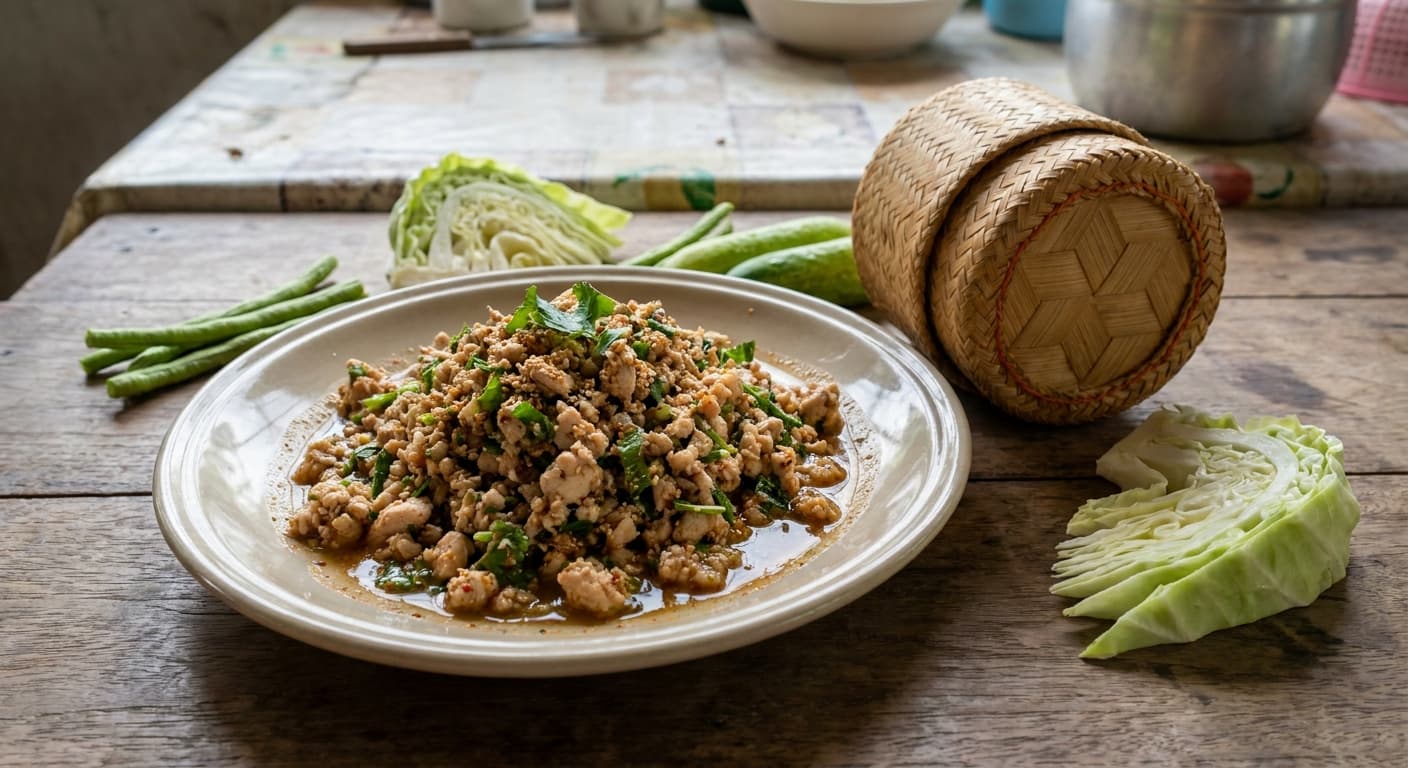
Larb Gai (ลาบไก่) — Thai Minced Chicken Herb Salad
Thai · Salads · 30 min
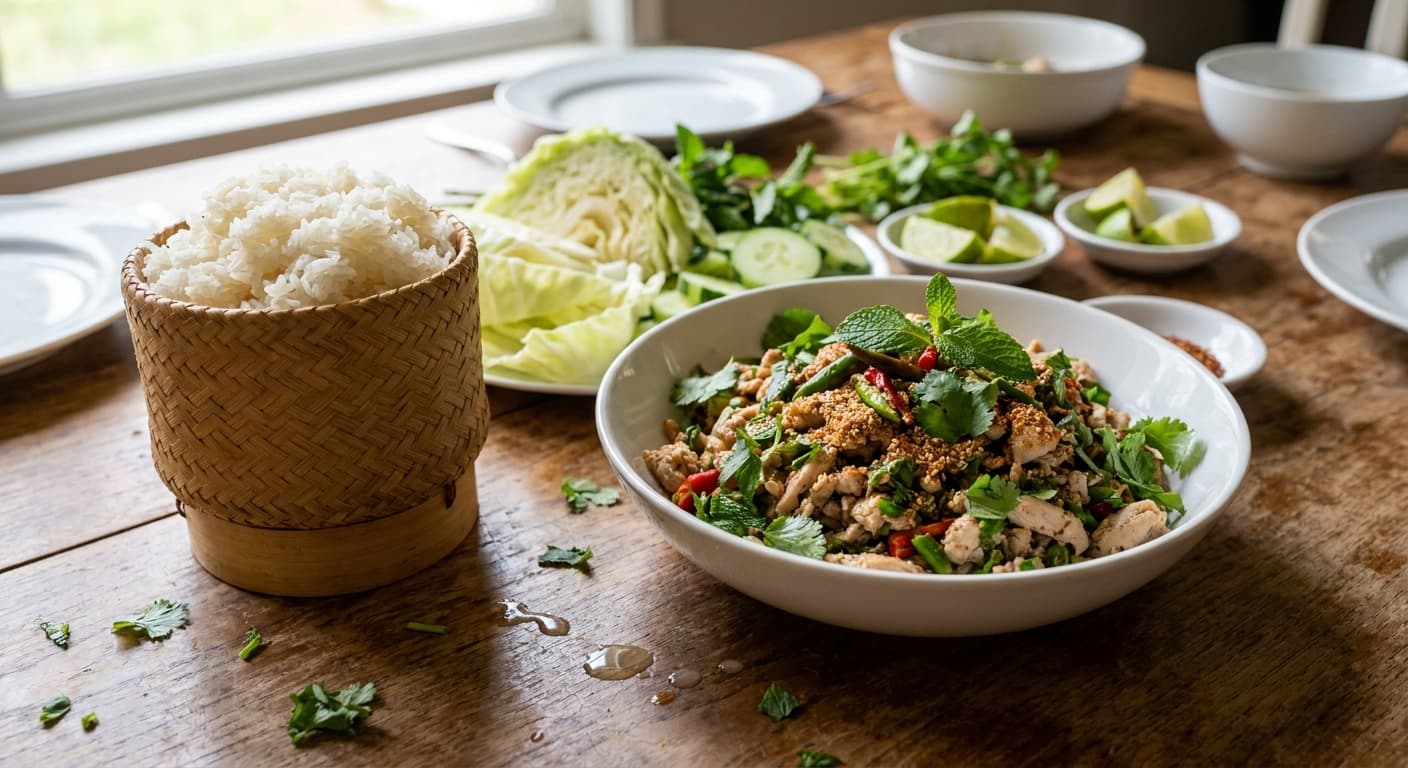
Laotian Larb (ລາບ) — Bright Minced Chicken Herb Salad
Laotian · Salads · 33 min
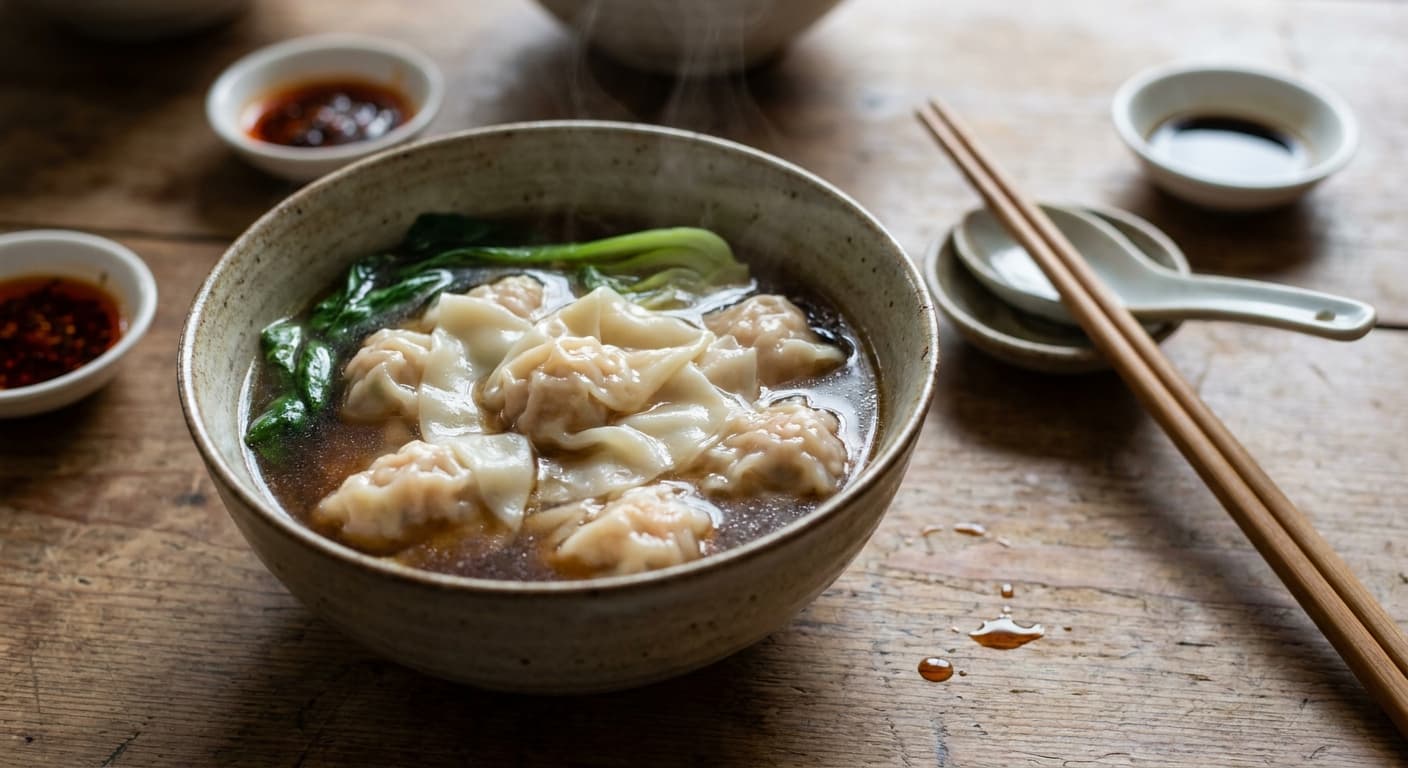
Wonton Soup (雲吞湯) — Cantonese Pork and Shrimp Dumpling Broth
Chinese · Soups · 70 min
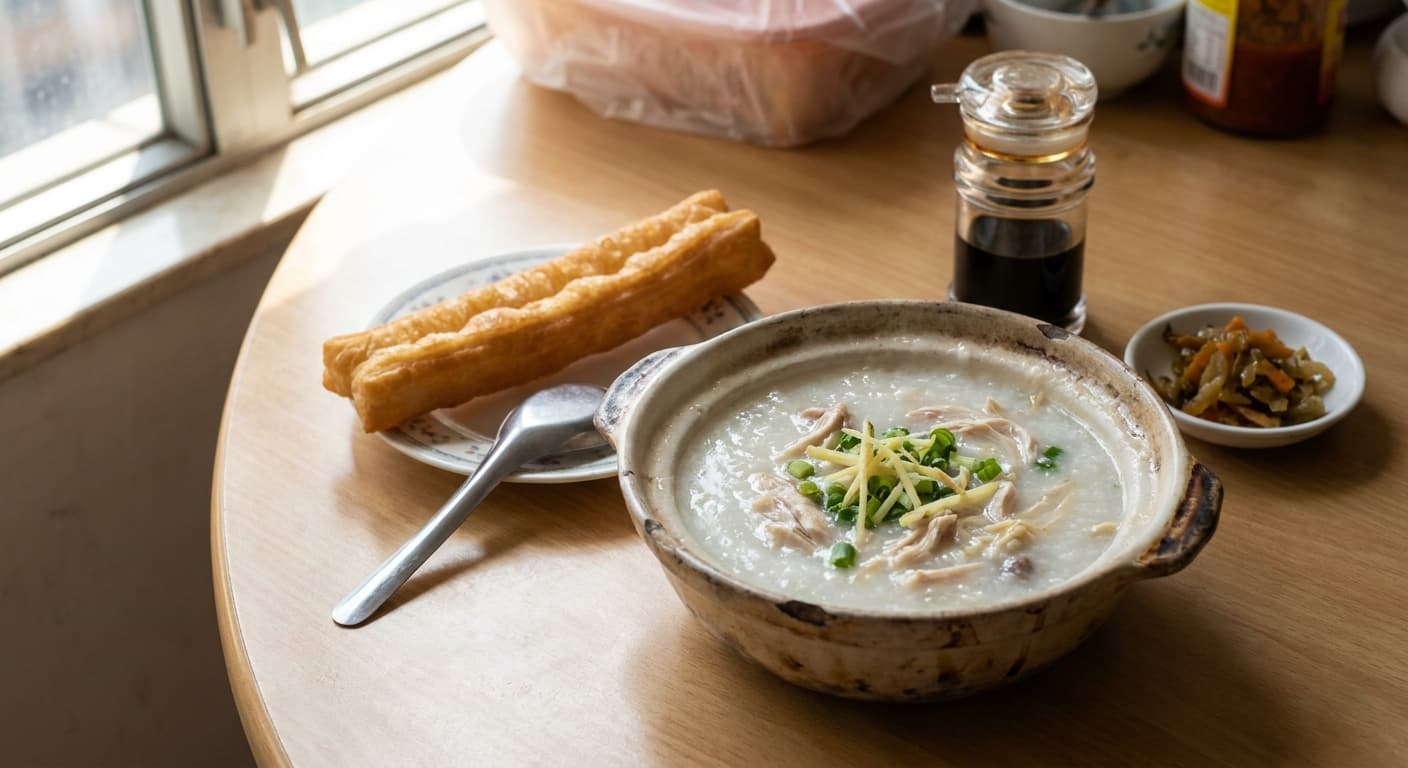
Cantonese Chicken Congee (粵式雞粥) — Silky Rice Porridge with Ginger
Chinese · Rice Dishes · 95 min
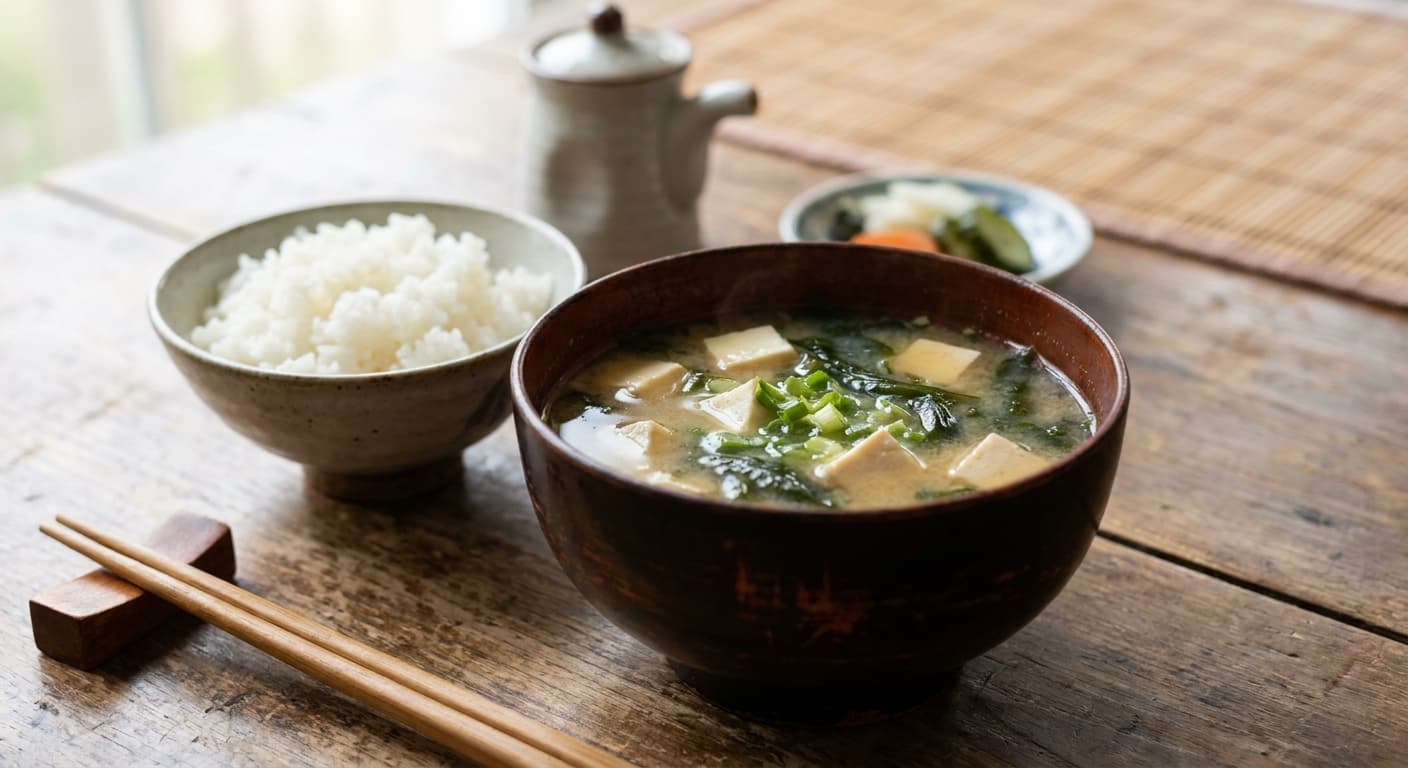
Misoshiru (味噌汁) — Classic Japanese Miso Soup with Tofu and Wakame
Japanese · Soups · 25 min
Reviews
Cooked this recipe?
Tap the stars to rate it — that's all it takes. A few words are welcome but optional.
No ratings yet. Cooked this one? Be the first to rate it — it takes one tap.