Saba Shioyaki (鯖の塩焼き) — Japanese Salt-Grilled Mackerel
Saba shioyaki is a classic Japanese home dish of mackerel cured briefly with salt, then grilled until the skin blisters and the flesh stays juicy. It is often served with grated daikon, rice, miso soup, and pickles.
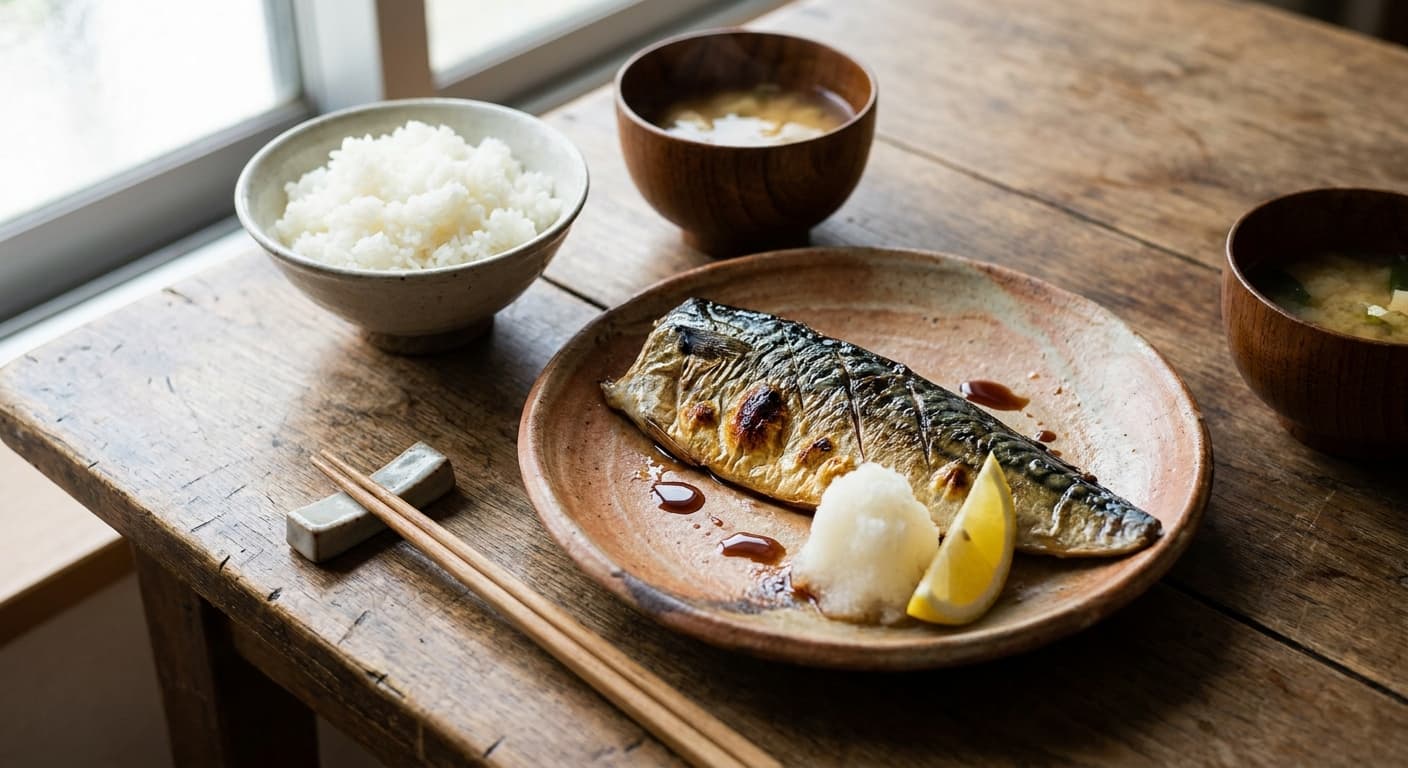
Printable Recipe Card
Servings: 4 · Total: 35 min · Difficulty: easy
Ingredients (quick list)
- 4 skin-on mackerel fillets (about 150 g each, pin bones removed)
- 10 g fine sea salt
- 5 ml neutral oil (for the rack or grate)
- 300 g daikon radish (peeled and finely grated)
- 1 lemon (cut into 4 wedges)
- 20 ml Japanese soy sauce
Steps (summary)
- Check the mackerel fillets carefully and remove any remaining pin bones with tweezers. Pat the fish very dry with paper towels…
- Sprinkle the 10 g fine sea salt evenly over both sides of the fillets, using slightly more on the flesh side than on the skin s…
- While the fish rests, grate the daikon finely and drain it in a small sieve for 5 minutes. It should remain moist but not water…
- Heat a broiler, fish grill, or grill pan to high heat and lightly brush the rack or grate with 5 ml neutral oil. Wipe the macke…
- Place the fillets skin side up under the broiler or on the hot fish grill, leaving space between each fillet. Cook for 6 to 8 m…
- If using a grill pan rather than an overhead broiler, cook the fillets skin side down for 4 minutes, then turn them once and co…
+ 1 more steps in the full instructions section below.
Cultural Background
Salt-grilled fish is a pillar of Japanese home cooking and the ichiju-sansai meal pattern. Saba shioyaki highlights restraint: good fish, measured salt, hot grilling, rice, and simple seasonal accompaniments.
Equipment
💡 Tips
- Choose very fresh mackerel with shiny skin, firm flesh, and a clean sea aroma because the recipe uses only salt and heat.
- Letting the salted fish rest on a rack is important because it prevents the fillets from sitting in their own moisture.
- Serve the fish as soon as it comes off the grill because the skin loses crispness quickly as the natural oils cool.
⚠️ Common Mistakes
❌ Skipping the salting rest.
✅ Fix: Rest the salted mackerel for 20 minutes so moisture is drawn out and the flesh seasons evenly.
❌ Rinsing the fish after salting.
✅ Fix: Wipe the fish dry with paper towels instead, which removes excess moisture without washing away flavor.
❌ Cooking over gentle heat.
✅ Fix: Use high heat so the oily skin blisters before the flesh dries out.
🧊 How to Store
Refrigerate leftover cooked mackerel in an airtight container within 2 hours and keep for up to 2 days. Reheat under a hot broiler for 3 to 4 minutes to refresh the skin; microwaving is faster but softens the texture.
📅 Make Ahead
The mackerel can be checked for bones, patted dry, and refrigerated uncovered on a rack for up to 6 hours. Salt it only 20 minutes before cooking for the best texture.
🍽️ Pairs Well With
- Steamed Japanese rice
- miso soup
- cucumber sunomono
- takuan pickles
- spinach goma-ae.
Regional Variations
- Some Kansai households serve the grilled mackerel with grated daikon and a squeeze of sudachi instead of lemon.
- Bento versions are often salted a little more firmly and cooked until drier so the fish travels well.
- In many home kitchens, the same shioyaki method is used for sanma, horse mackerel, or salmon when mackerel is not available.
Ingredients
- 4skin-on mackerel fillets (about 150 g each, pin bones removed)
- 10 gfine sea salt
- 5 mlneutral oil (for the rack or grate)
- 300 gdaikon radish (peeled and finely grated)
- 1lemon (cut into 4 wedges)
- 20 mlJapanese soy sauce
🔄 Substitutions
- skin-on mackerel fillets→ skin-on Spanish mackerel fillets
- lemon→ sudachi or yuzu wedge
- Japanese soy sauce→ gluten-free tamari
Instructions
- 1
Check the mackerel fillets carefully and remove any remaining pin bones with tweezers. Pat the fish very dry with paper towels because surface moisture prevents the skin from blistering properly.
- 2
Sprinkle the 10 g fine sea salt evenly over both sides of the fillets, using slightly more on the flesh side than on the skin side. Place the fish on a rack set over a tray and let it stand at room temperature for 20 minutes so the salt firms the flesh and draws out excess moisture.
- 3
While the fish rests, grate the daikon finely and drain it in a small sieve for 5 minutes. It should remain moist but not watery, so press it only lightly rather than squeezing it completely dry.
- 4
Heat a broiler, fish grill, or grill pan to high heat and lightly brush the rack or grate with 5 ml neutral oil. Wipe the mackerel with paper towels to remove drawn-out moisture and excess surface salt, but do not rinse the fish because rinsing weakens the clean salted flavor.
- 5
Place the fillets skin side up under the broiler or on the hot fish grill, leaving space between each fillet. Cook for 6 to 8 minutes, until the skin is blistered and browned in spots and the thickest part of the fish reaches 63 C.
- 6
If using a grill pan rather than an overhead broiler, cook the fillets skin side down for 4 minutes, then turn them once and cook the flesh side for 3 to 4 minutes. Avoid moving the fish repeatedly because mackerel is delicate and can break once the fat begins to render.
- 7
Transfer each fillet to a plate with the skin side facing up so it stays crisp. Serve immediately with grated daikon, a lemon wedge, and 5 ml soy sauce per serving to drizzle over the daikon rather than directly over the crisp skin.
🪪 Recipe Passport
Cultural Background
Salt-grilled fish is a pillar of Japanese home cooking and the ichiju-sansai meal pattern. Saba shioyaki highlights restraint: good fish, measured salt, hot grilling, rice, and simple seasonal accompaniments.
Regional Variations
Researched from multiple sources and validated by the Zaffaron editorial team. Every recipe is tested for accuracy, measurements, and cultural authenticity.
📚 Sources & Cultural References
- Shizuo Tsuji — Japanese Cooking: A Simple Art — (1980)
- Elizabeth Andoh — Washoku: Recipes from the Japanese Home Kitchen — (2005)
Sources cited by the Zaffaron editorial team during recipe research. Cultural and culinary references supporting authenticity claims.
Nutrition per serving
Pairs well with
If you enjoyed this recipe, here are a few related Zaffaron recipes to try next.
Does your family make this differently?
Every family has their own version. Maybe your grandmother adds a secret ingredient, or your aunt has a completely different technique. Preserve your family's version — with their name on it, forever.
You Might Also Like
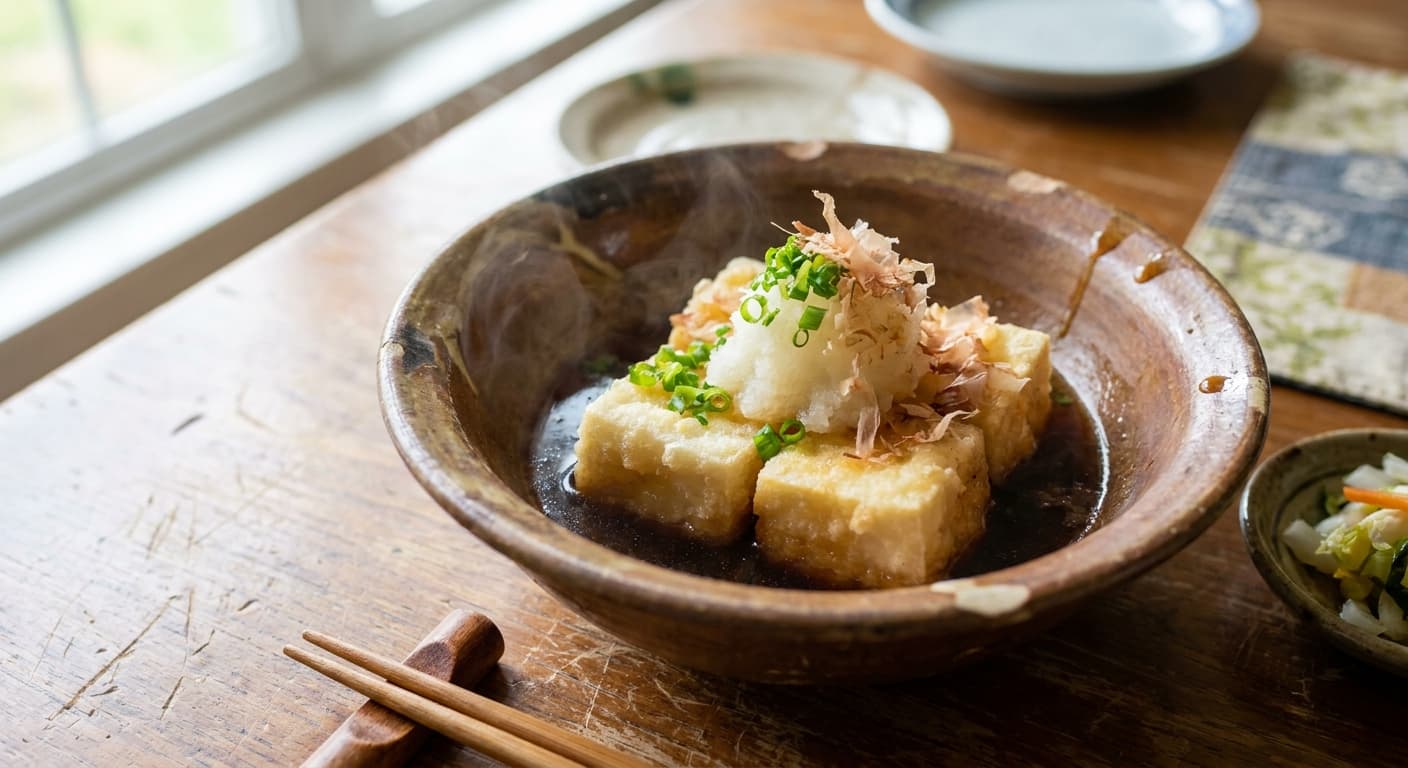
Agedashi Tofu (揚げ出し豆腐) — Crisp Tofu in Savory Broth
Japanese · Appetizers · 40 min

Kitsune Udon (きつねうどん) — Udon Noodles with Sweet Fried Tofu
Japanese · Main Courses · 40 min
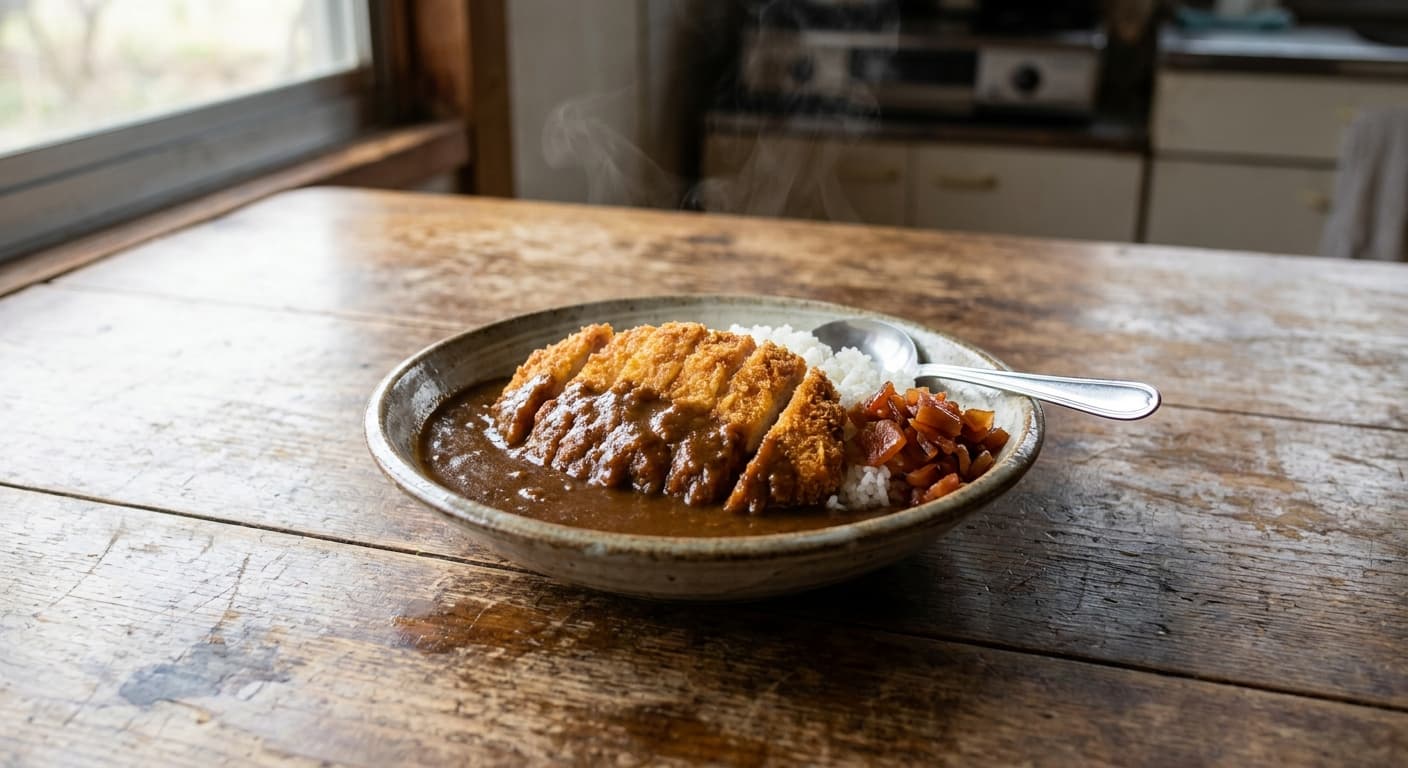
Japanese Chicken Katsu Curry (チキンカツカレー) — Crispy Cutlet with Rich Curry Rice
Japanese · Main Courses · 65 min
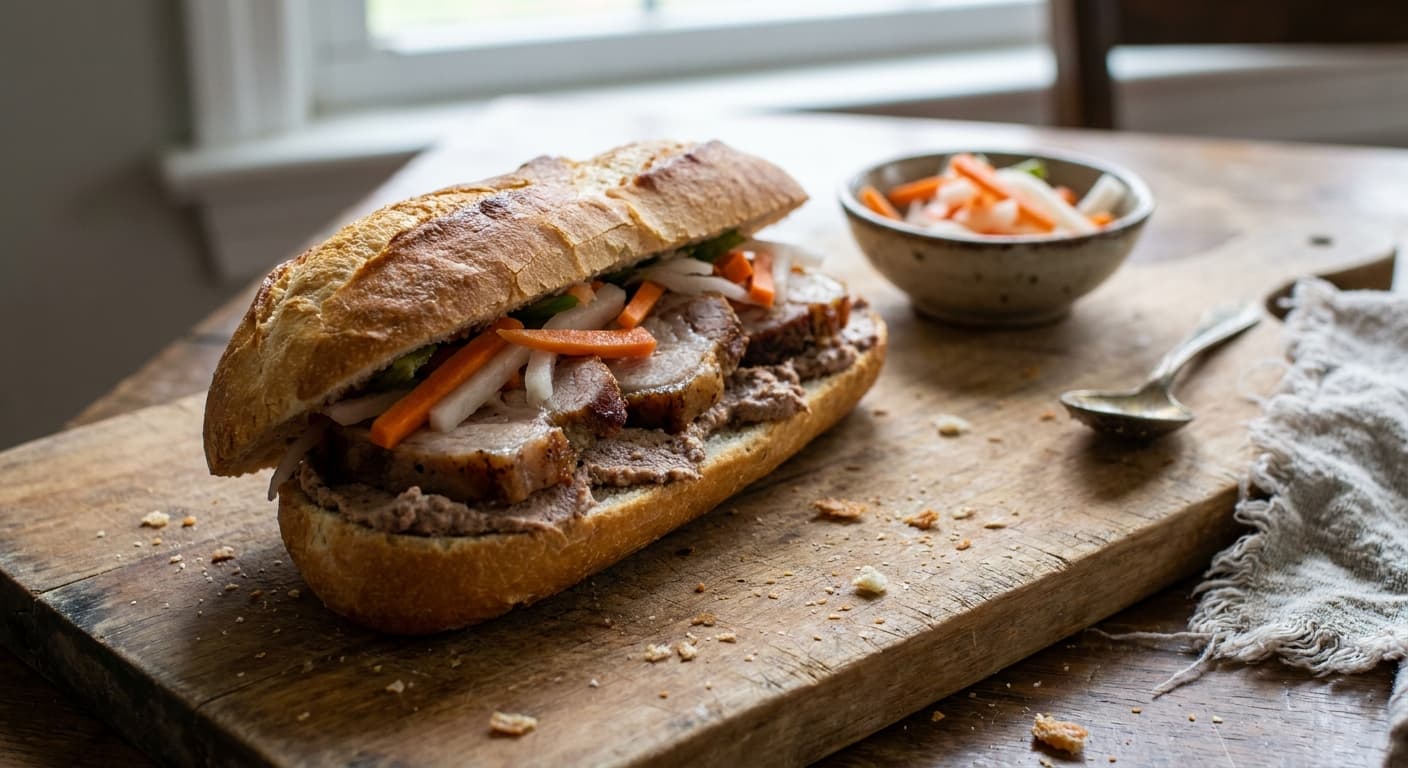
Num Pang Pate (នំប៉័ងប៉ាតេ) — Cambodian Baguette with Pate and Pickles
Cambodian · Main Courses · 60 min
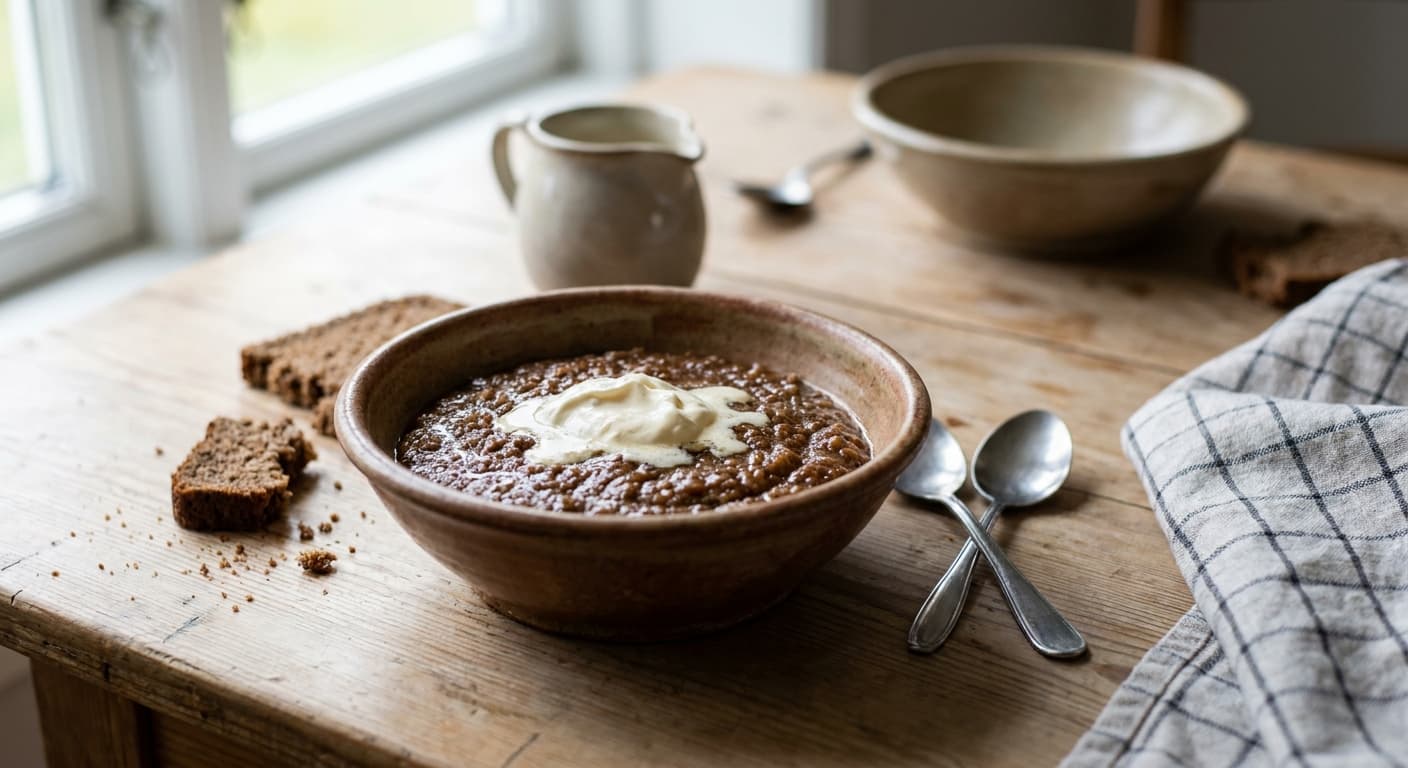
Rye Bread and Beer Porridge (Øllebrød) — Traditional Danish Breakfast
Danish · Main Courses · 65 min
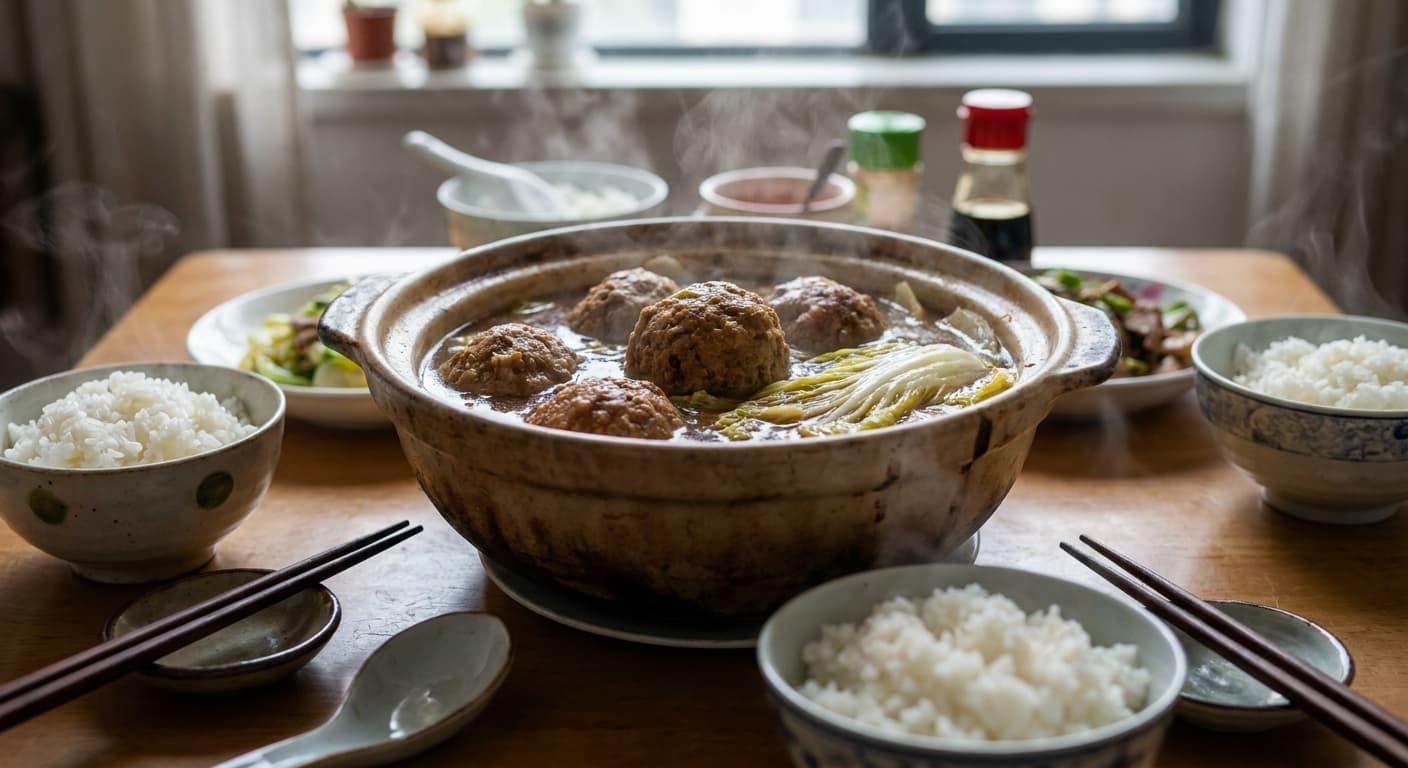
Lion's Head Meatballs (狮子头) — Braised Huaiyang Pork Meatballs
Chinese · Main Courses · 110 min
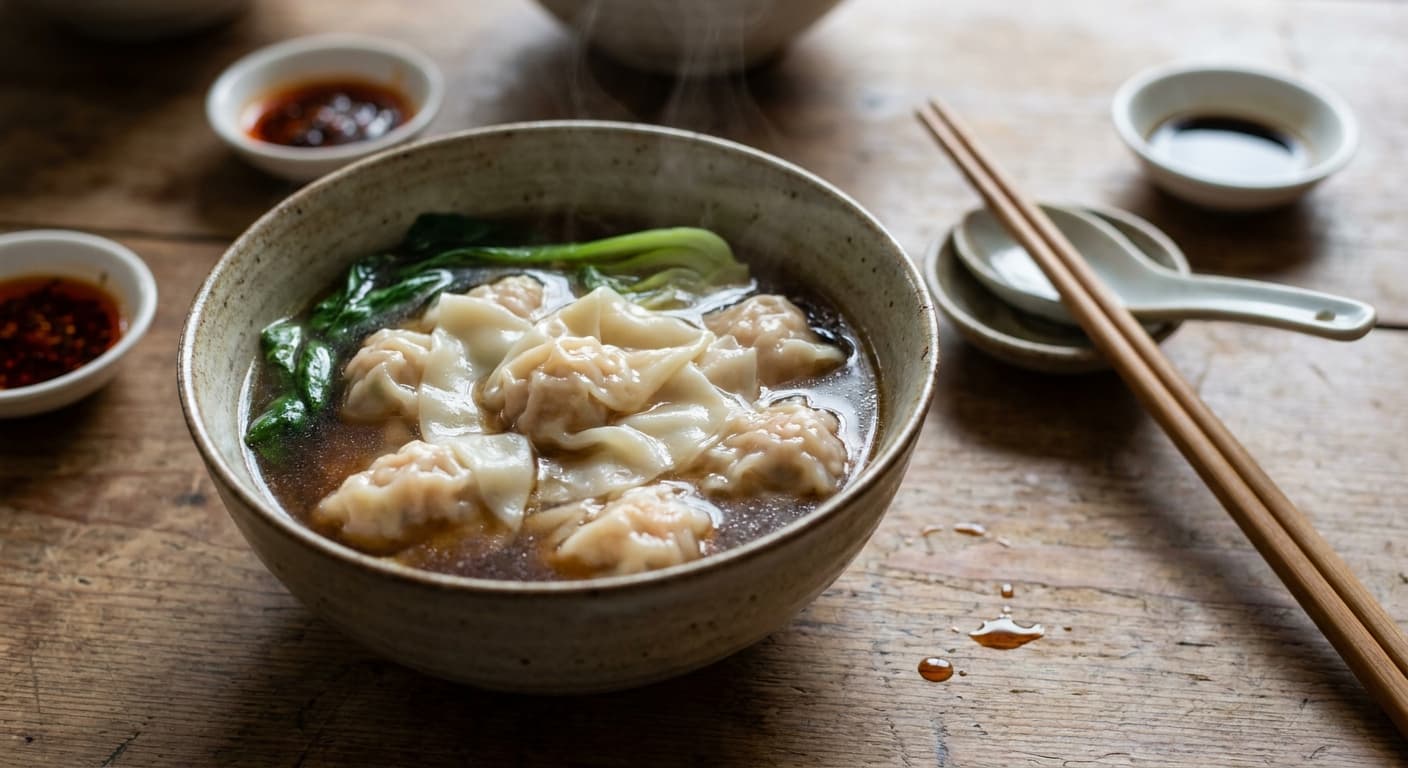
Wonton Soup (雲吞湯) — Cantonese Pork and Shrimp Dumpling Broth
Chinese · Soups · 70 min
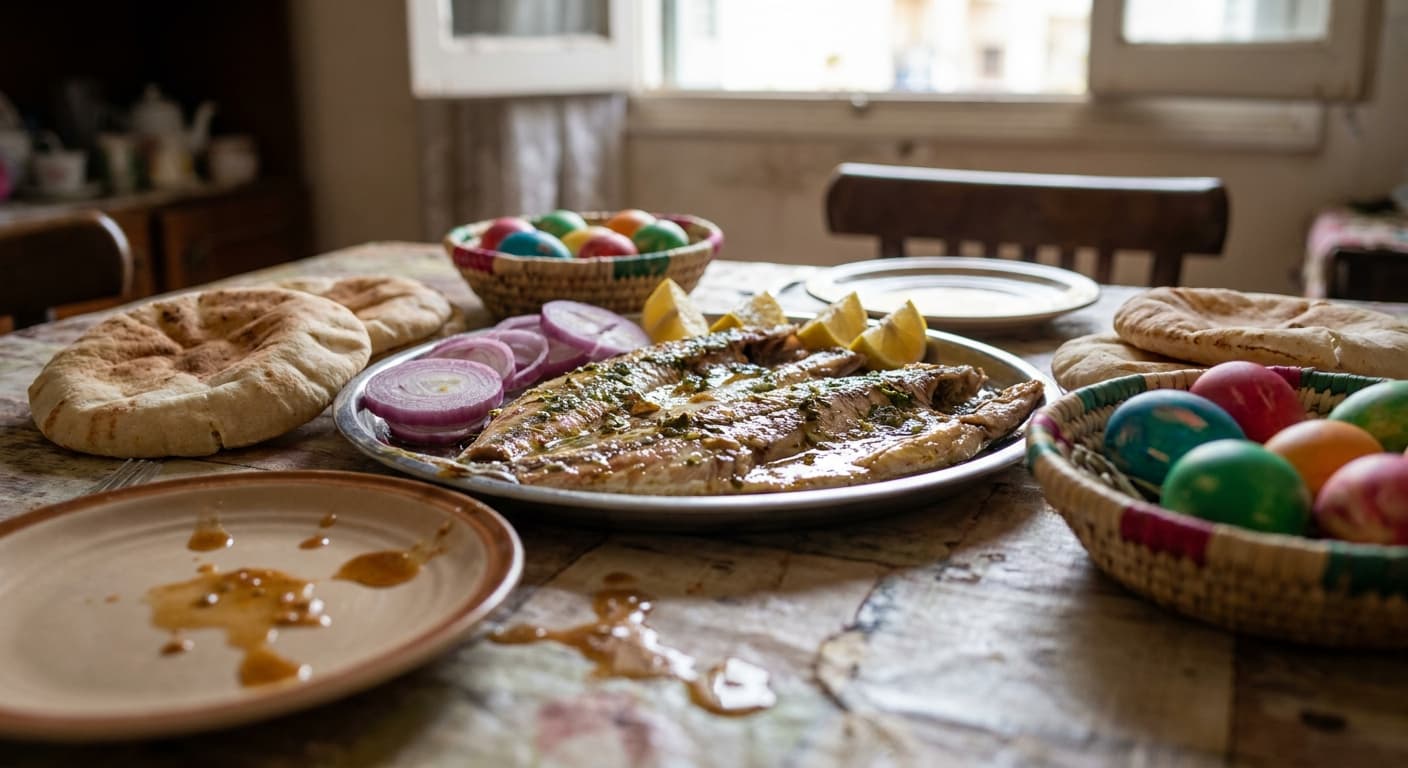
Feseekh (فسيخ) — Egyptian Salt-Cured Mullet for Sham el-Nessim
Egyptian · Main Courses · 30 min
Reviews
Cooked this recipe?
Tap the stars to rate it — that's all it takes. A few words are welcome but optional.
No ratings yet. Cooked this one? Be the first to rate it — it takes one tap.