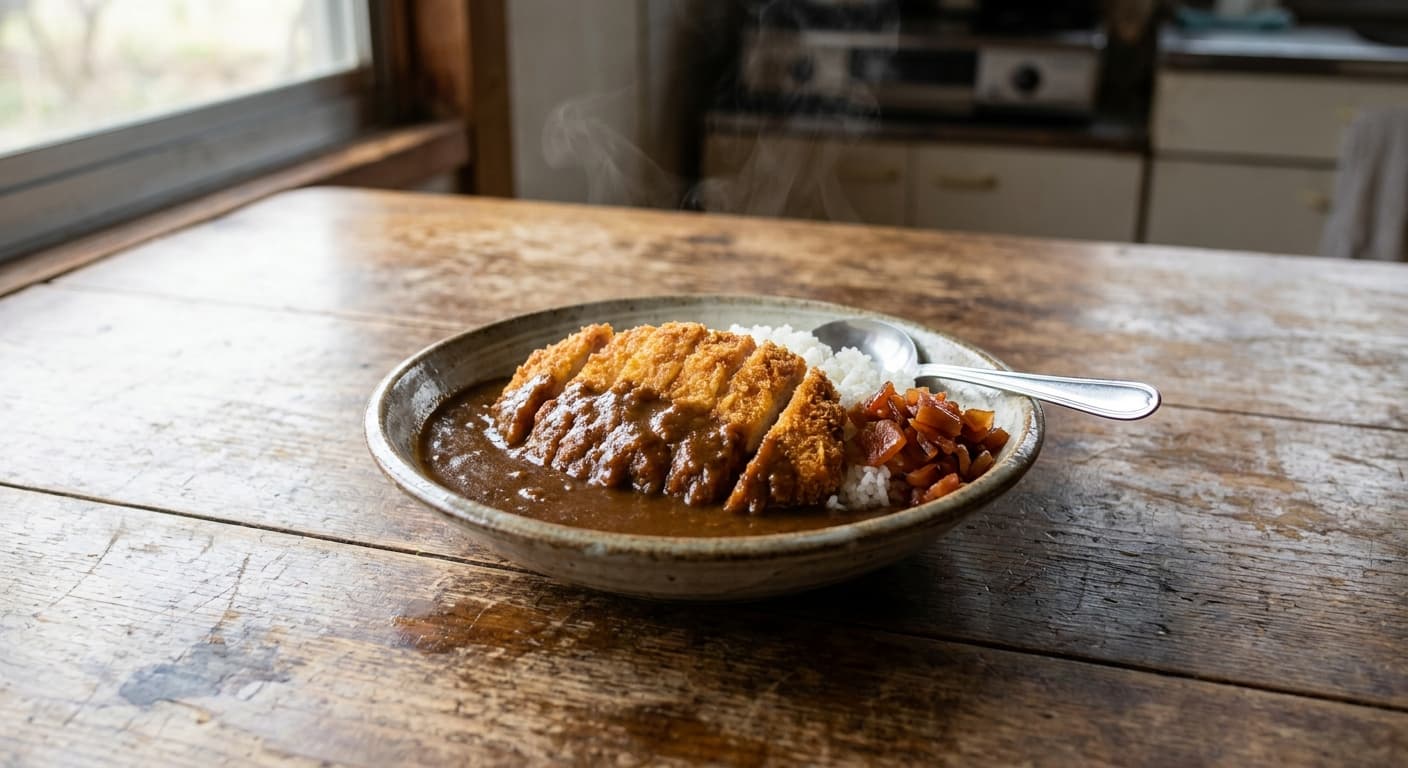
Japanese Chicken Katsu Curry (チキンカツカレー) — Crispy Cutlet with Rich Curry Rice
Chicken katsu curry is a beloved Japanese yoshoku dish: crisp panko-fried chicken served over short-grain rice with a thick, mildly spiced curry sauce. It is a family-table favorite, popular in homes, cafeterias, and casual restaurants across Japan.
Printable Recipe Card
Servings: 4 · Total: 65 min · Difficulty: medium
Ingredients (quick list)
- 800 g cooked Japanese short-grain rice
- 80 g fukujinzuke pickles (optional but traditional)
- 1 tbsp neutral vegetable oil
- 2 large yellow onions (thinly sliced, about 300 g total)
- 2 carrots (cut into 2 cm chunks, about 180 g total)
- 300 g waxy potato (peeled and cut into 2 cm chunks)
- 2 clove garlic (finely grated)
- 1 inch fresh ginger (finely grated)
- 700 ml water
- 100 g Japanese curry roux blocks (pork-free if needed)
- 1 tbsp ketchup
- 1 tbsp Worcestershire sauce
+ 6 more in the full ingredients section below.
Steps (summary)
- Start the curry sauce by heating 1 tablespoon neutral oil in a medium heavy saucepan over medium heat. Add the sliced onions an…
- Add the carrots, potato, grated garlic, and grated ginger to the onions, then stir for 2 minutes to coat the vegetables in the…
- Turn the heat to low before adding the Japanese curry roux blocks, because vigorous boiling can make the sauce grainy. Stir slo…
- While the curry simmers, prepare the chicken by cutting the breast meat into 4 equal cutlets of about 150 g each. Place each cu…
- Set up three shallow dishes for breading: flour in the first, eggs beaten with 15 ml water in the second, and panko in the thir…
- Heat 750 ml neutral oil in a deep, wide pan to 170 C, using a thermometer for accuracy. Fry 2 cutlets at a time for 3 to 4 minu…
+ 2 more steps in the full instructions section below.
Cultural Background
Katsu curry belongs to Japanese yoshoku, a category of Western-influenced dishes adapted into local taste. The pairing of curry rice and breaded cutlet became a practical, filling comfort meal associated with home kitchens, school cafeterias, and casual restaurants.
Equipment
💡 Tips
- Keep the curry sauce just below a boil after adding the roux so the starch and fat emulsify smoothly.
- Use coarse Japanese panko rather than fine dry breadcrumbs for the light, craggy crust associated with katsu.
- Slice the chicken only after a short rest; cutting immediately releases juices and softens the crust.
⚠️ Common Mistakes
❌ Adding curry roux while the sauce is boiling hard.
✅ Fix: Lower the heat first and stir slowly until the blocks fully dissolve, then simmer gently to finish the sauce.
❌ Frying the katsu in oil that is too cool.
✅ Fix: Use a thermometer and keep the oil near 170 C so the panko crisps quickly without absorbing excess oil.
❌ Letting the fried cutlet sit on a flat plate.
✅ Fix: Rest it on a wire rack so steam can escape and the underside remains crisp.
🧊 How to Store
Store curry sauce, rice, and sliced katsu separately in airtight containers for up to 3 days. Reheat curry gently with 30 ml water if thickened, steam or microwave rice, and re-crisp katsu in a 190 C oven for 8 minutes.
📅 Make Ahead
The curry sauce can be cooked 2 days ahead and refrigerated; its flavor often deepens overnight. Bread the chicken up to 2 hours ahead and keep it uncovered in the refrigerator so the coating sets before frying.
🍽️ Pairs Well With
- Fukujinzuke pickles
- shredded cabbage
- miso soup
- rakkyo pickled scallions
- iced barley tea.
Regional Variations
- In some Tokyo-style casual shops, the curry is poured over part of the sliced cutlet so the crust softens slightly at the edges.
- Hokkaido versions may include sweeter onions, butter-enriched curry, or larger potato pieces.
- Home cooks often use chicken thighs instead of breast for a juicier cutlet.
Ingredients
- 800 gcooked Japanese short-grain rice
- 80 gfukujinzuke pickles (optional but traditional)
- 1 tbspneutral vegetable oil
- 2large yellow onions (thinly sliced, about 300 g total)
- 2carrots (cut into 2 cm chunks, about 180 g total)
- 300 gwaxy potato (peeled and cut into 2 cm chunks)
- 2 clovegarlic (finely grated)
- 1 inchfresh ginger (finely grated)
- 700 mlwater
- 100 gJapanese curry roux blocks (pork-free if needed)
- 1 tbspketchup
- 1 tbspWorcestershire sauce
- 600 gboneless skinless chicken breast
- 6 gkosher salt
- 1 tspground black pepper
- 60 gplain flour
- 2eggs
- 100 gJapanese panko breadcrumbs
🔄 Substitutions
- boneless skinless chicken breast→ boneless skinless chicken thighs
- Japanese curry roux blocks→ homemade Japanese-style curry roux
- fukujinzuke pickles→ rakkyo pickled scallions
Instructions
- 1
Start the curry sauce by heating 1 tablespoon neutral oil in a medium heavy saucepan over medium heat. Add the sliced onions and cook for 10 minutes, stirring often, until they soften, shrink, and begin to turn light golden at the edges.
- 2
Add the carrots, potato, grated garlic, and grated ginger to the onions, then stir for 2 minutes to coat the vegetables in the aromatic oil. Pour in 700 ml water, bring to a boil, then reduce the heat and simmer uncovered for 15 minutes, or until the potato is tender when pierced with a skewer.
- 3
Turn the heat to low before adding the Japanese curry roux blocks, because vigorous boiling can make the sauce grainy. Stir slowly until the roux dissolves completely, then add the ketchup and Worcestershire sauce and simmer for 5 minutes until glossy and thick enough to coat the back of a spoon.
- 4
While the curry simmers, prepare the chicken by cutting the breast meat into 4 equal cutlets of about 150 g each. Place each cutlet between sheets of parchment paper and pound gently to an even 1.2 cm thickness, then season both sides with the measured salt and black pepper.
- 5
Set up three shallow dishes for breading: flour in the first, eggs beaten with 15 ml water in the second, and panko in the third. Coat each chicken cutlet lightly in flour, dip it fully in egg, then press it firmly into the panko so the crumbs adhere in an even, shaggy layer.
- 6
Heat 750 ml neutral oil in a deep, wide pan to 170 C, using a thermometer for accuracy. Fry 2 cutlets at a time for 3 to 4 minutes per side, adjusting the heat to keep the oil between 165 C and 175 C, until the coating is deep golden and the chicken reaches 74 C at the center.
- 7
Transfer the fried chicken to a wire rack set over a tray, not directly onto paper towels, so the underside stays crisp. Rest the cutlets for 3 minutes, then slice each one crosswise into strips about 2 cm wide.
- 8
Divide the hot short-grain rice among 4 wide plates or shallow bowls, placing it on one side in the common Japanese curry-rice style. Spoon the hot curry sauce beside and partly over the rice, lay a sliced chicken katsu on top, and serve with 20 g fukujinzuke pickles per portion.
🪪 Recipe Passport
Cultural Background
Katsu curry belongs to Japanese yoshoku, a category of Western-influenced dishes adapted into local taste. The pairing of curry rice and breaded cutlet became a practical, filling comfort meal associated with home kitchens, school cafeterias, and casual restaurants.
Regional Variations
Researched from multiple sources and validated by the Zaffaron editorial team. Every recipe is tested for accuracy, measurements, and cultural authenticity.
📚 Sources & Cultural References
- Hiroko Shimbo — The Japanese Kitchen — (2000)
- Nancy Singleton Hachisu — Japan: The Cookbook — (2018)
Sources cited by the Zaffaron editorial team during recipe research. Cultural and culinary references supporting authenticity claims.
Nutrition per serving
Pairs well with
If you enjoyed this recipe, here are a few related Zaffaron recipes to try next.
Does your family make this differently?
Every family has their own version. Maybe your grandmother adds a secret ingredient, or your aunt has a completely different technique. Preserve your family's version — with their name on it, forever.
You Might Also Like
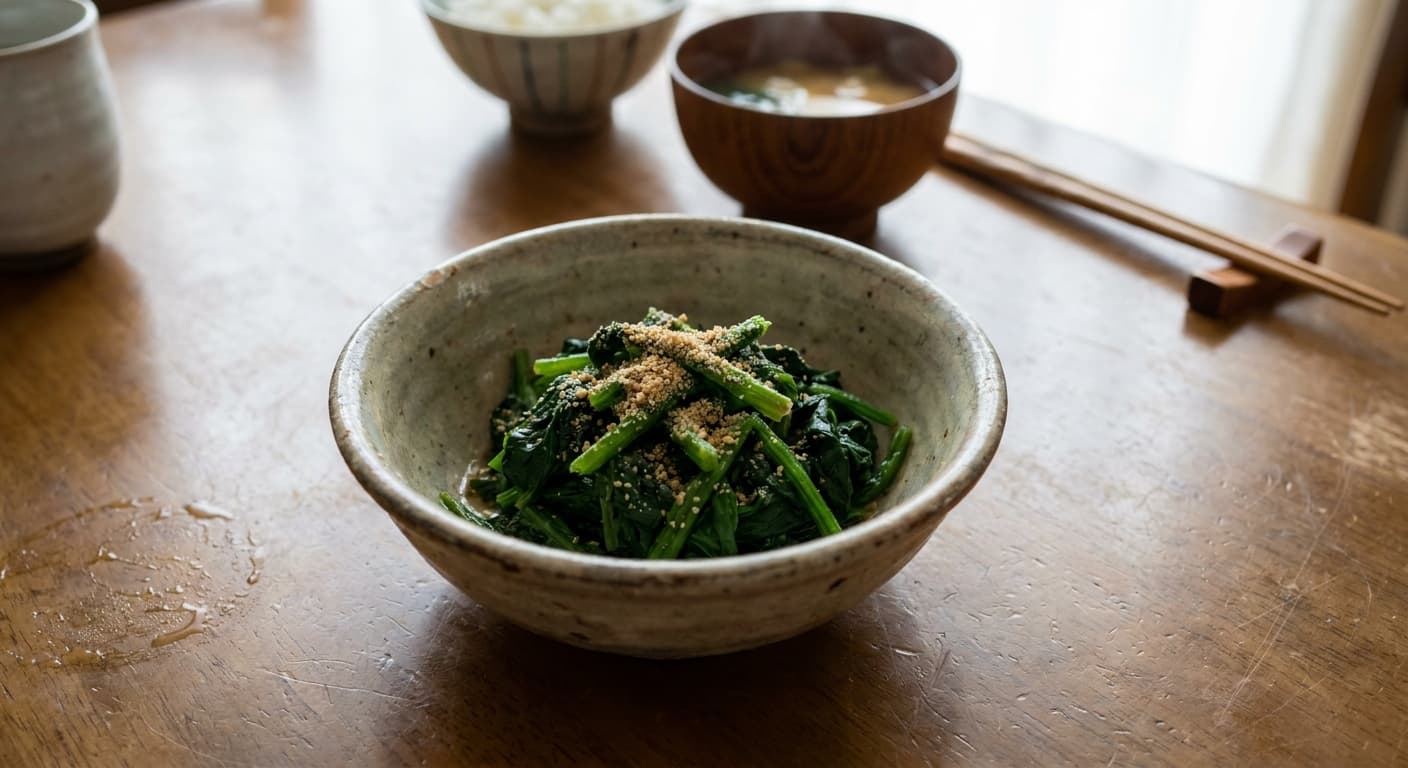
Gomaae (ごまあえ) — Japanese Spinach with Sesame Dressing
Japanese · Side Dishes · 18 min
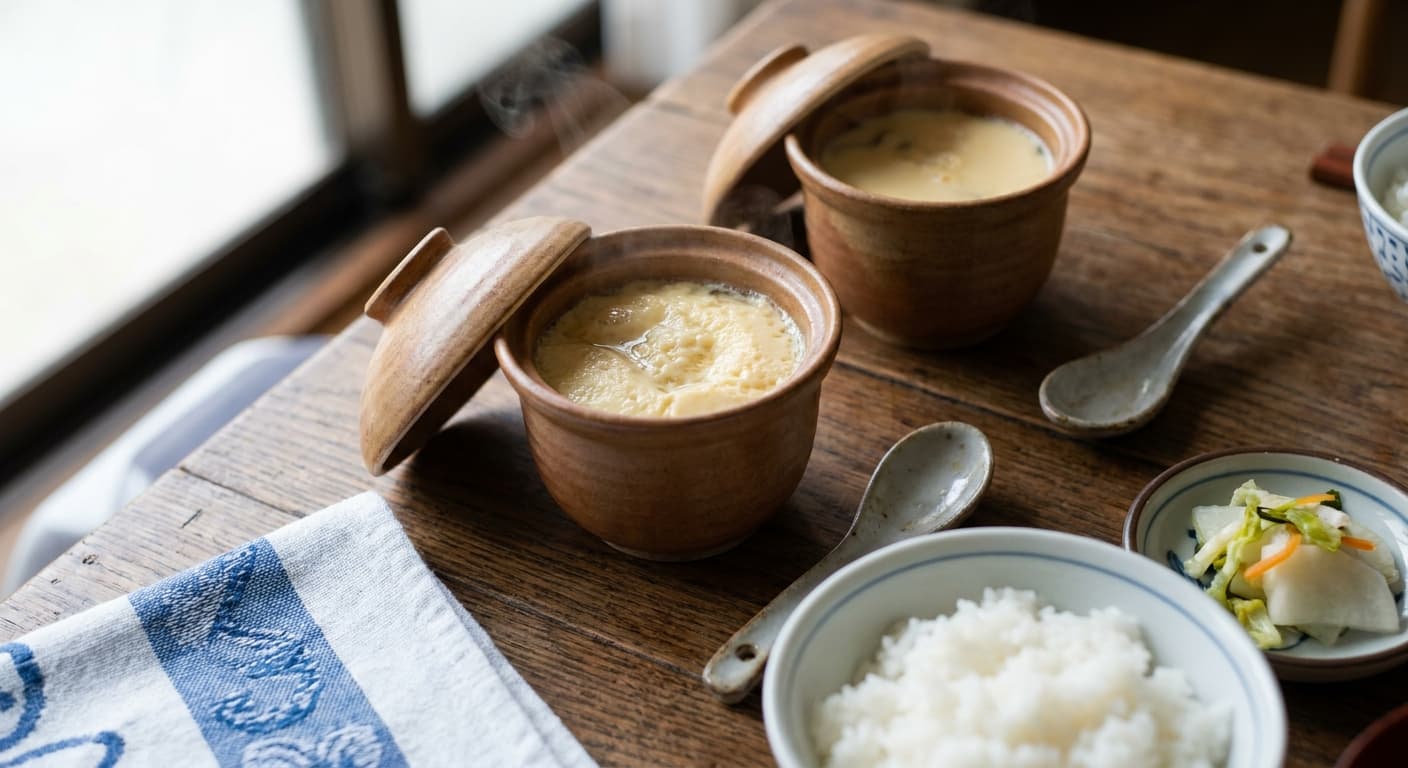
Chawanmushi (茶碗蒸し) — Silky Japanese Savory Egg Custard
Japanese · Appetizers · 43 min
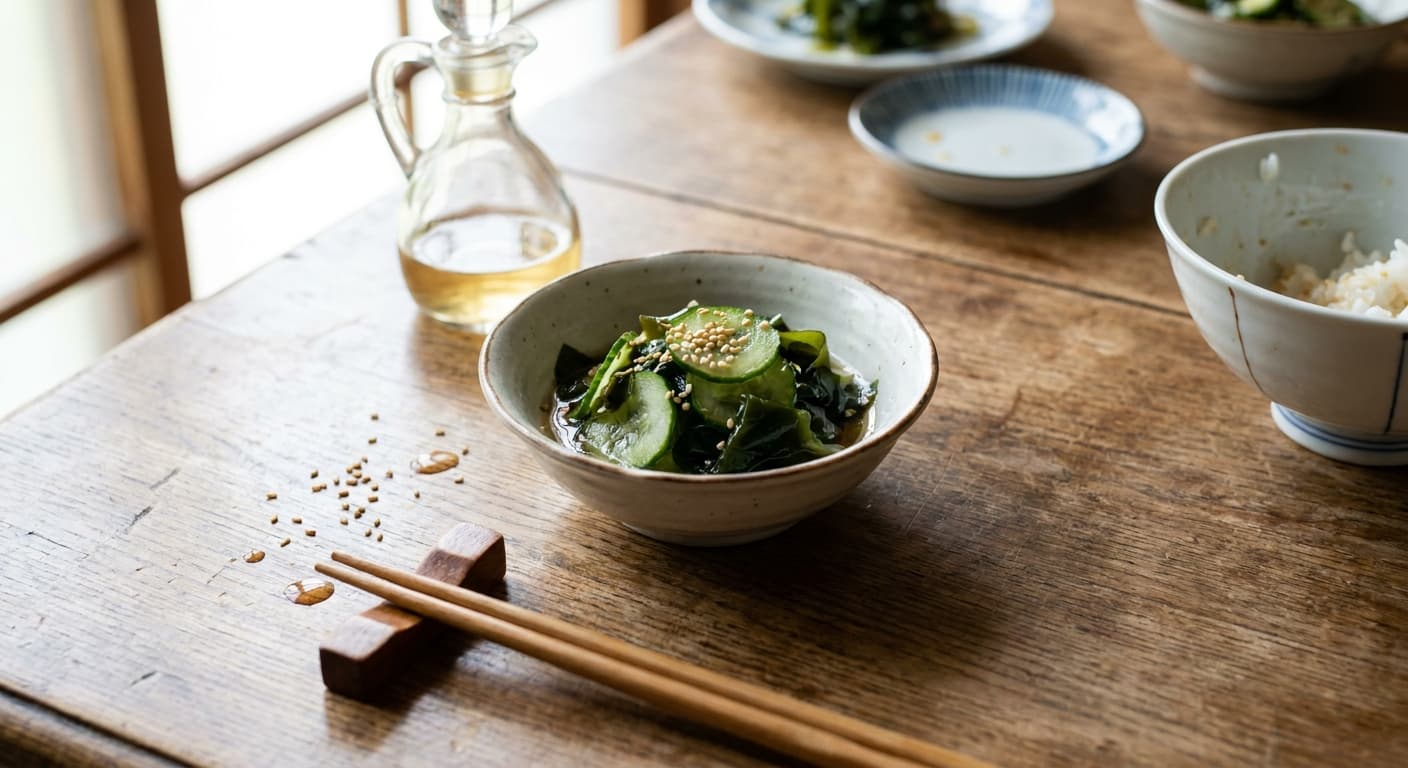
Sunomono (酢の物) — Japanese Vinegared Cucumber and Wakame Salad
Japanese · Salads · 20 min
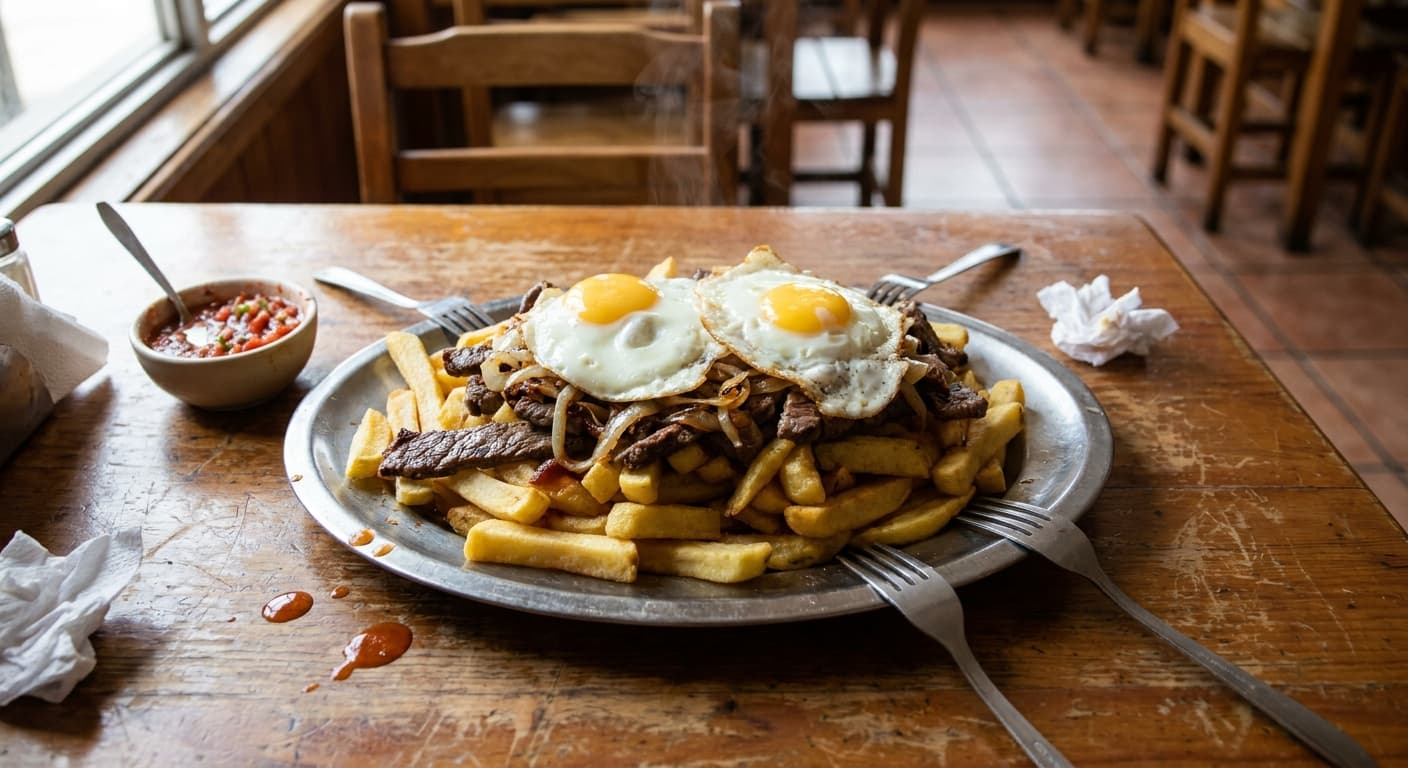
Chorrillana (Chorrillana) — Chilean Loaded Fries with Beef and Eggs
Chilean · Main Courses · 60 min
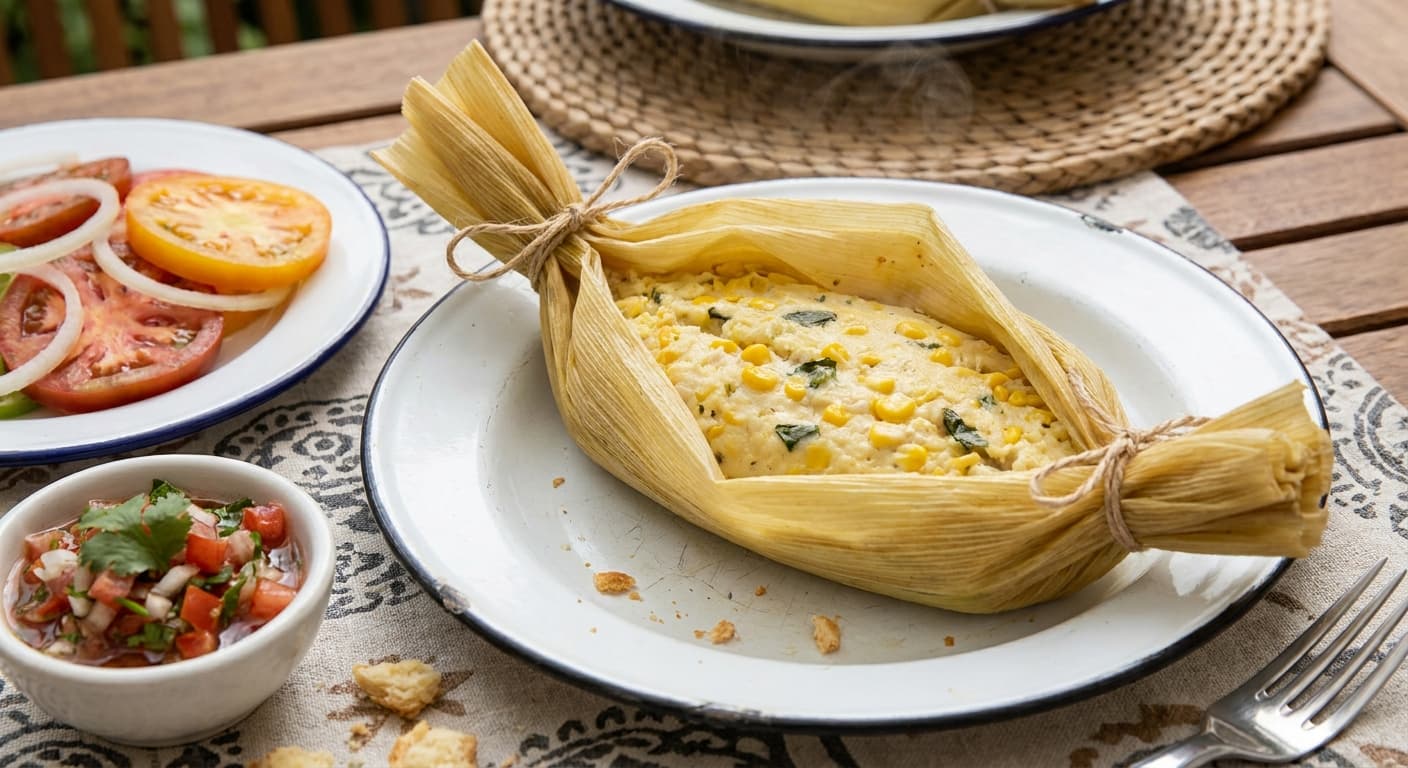
Chilean Humitas (Humitas) — Fresh Corn Parcels with Basil
Chilean · Main Courses · 90 min
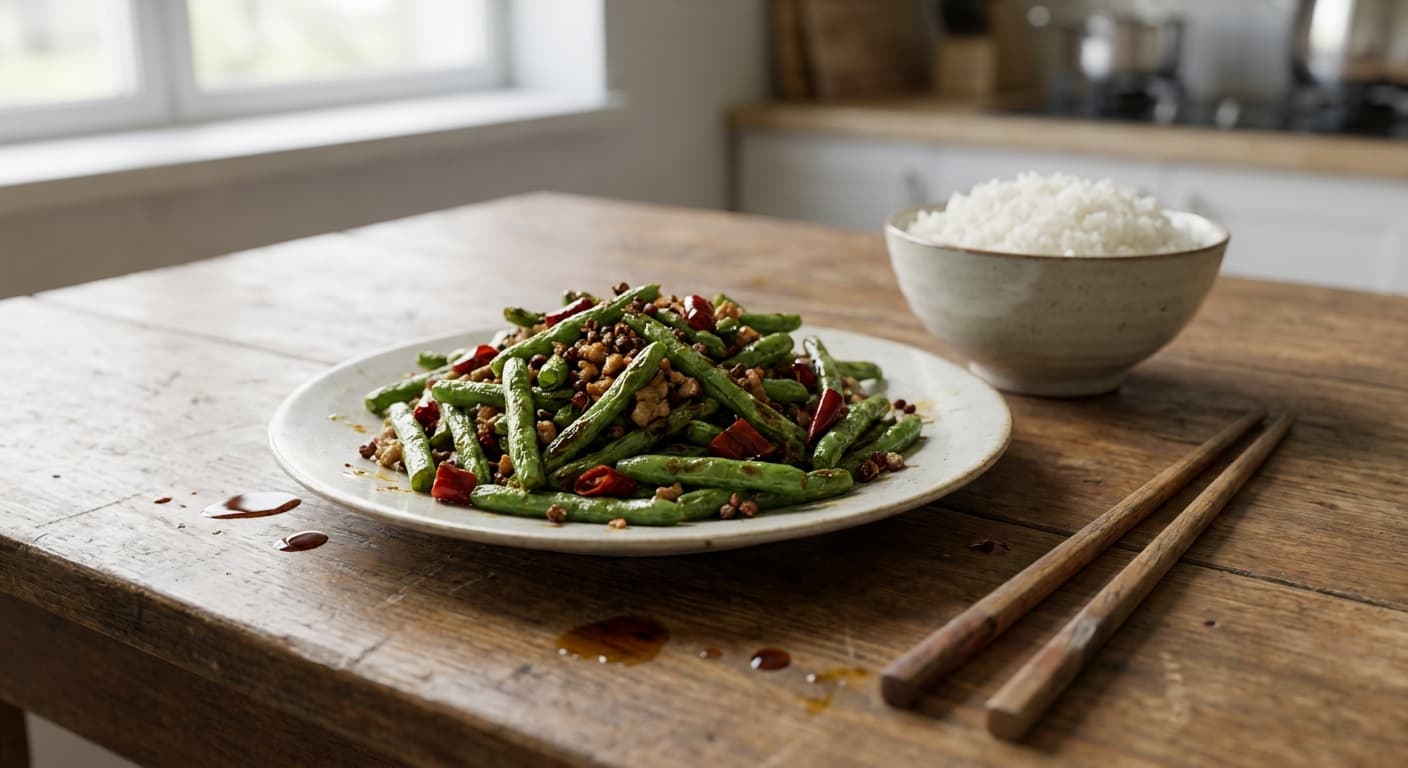
Dry-Fried Green Beans (干煸四季豆) — Sichuan Wok-Blistered Beans with Pork
Chinese · Side Dishes · 27 min
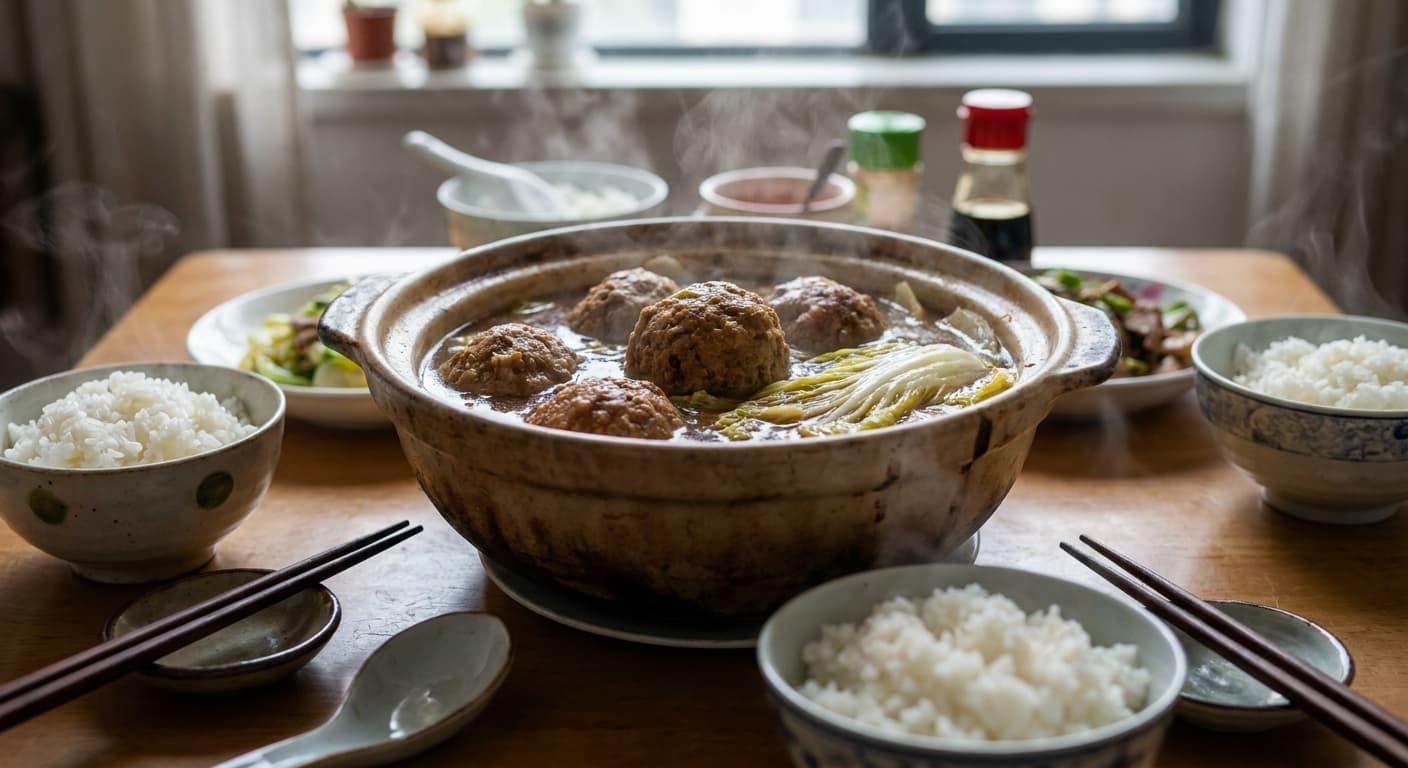
Lion's Head Meatballs (狮子头) — Braised Huaiyang Pork Meatballs
Chinese · Main Courses · 110 min
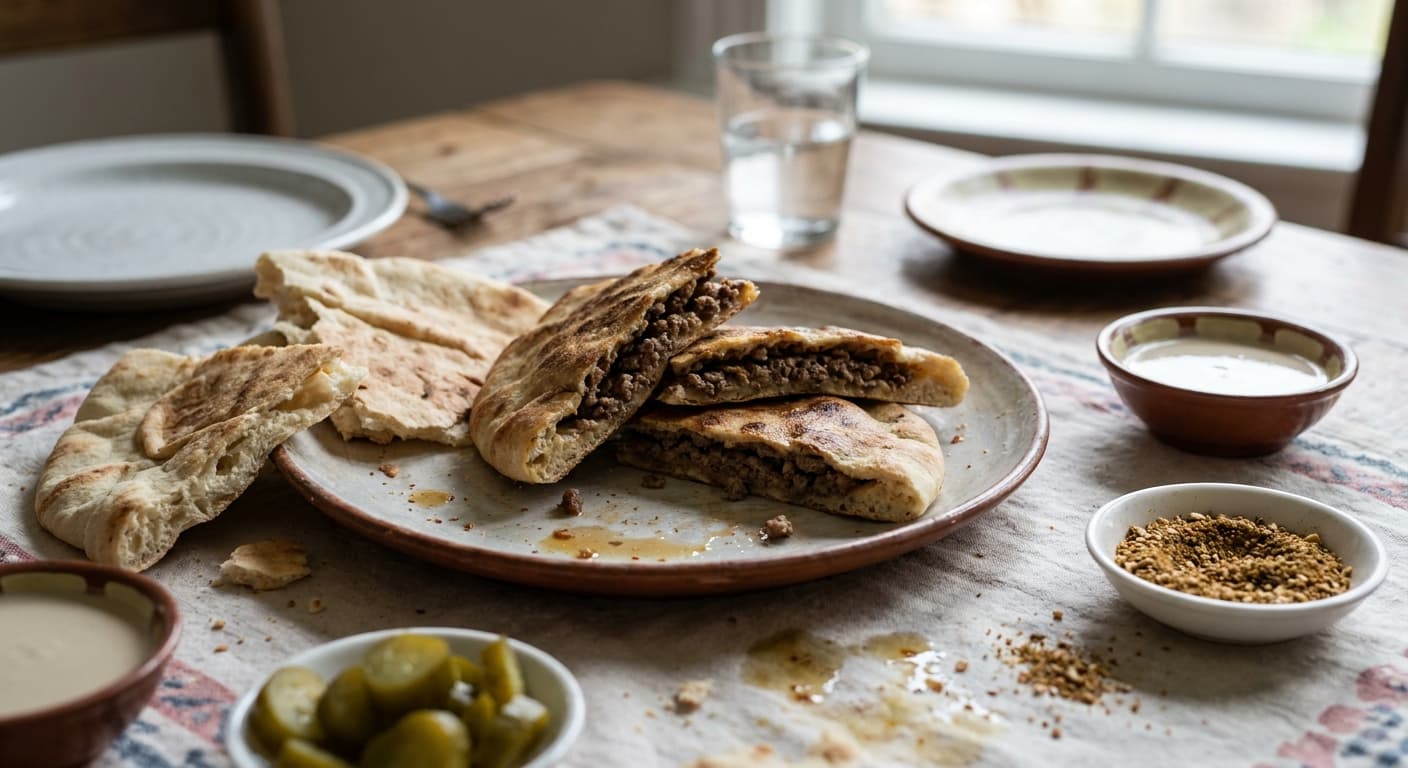
Hawawshi (حواوشي) — Egyptian Spiced Meat-Stuffed Baladi Bread
Egyptian · Main Courses · 55 min
Reviews
Cooked this recipe?
Tap the stars to rate it — that's all it takes. A few words are welcome but optional.
No ratings yet. Cooked this one? Be the first to rate it — it takes one tap.