Shojin Ryori Dashi (精進料理だし) — Buddhist Temple Kombu-Shiitake Stock
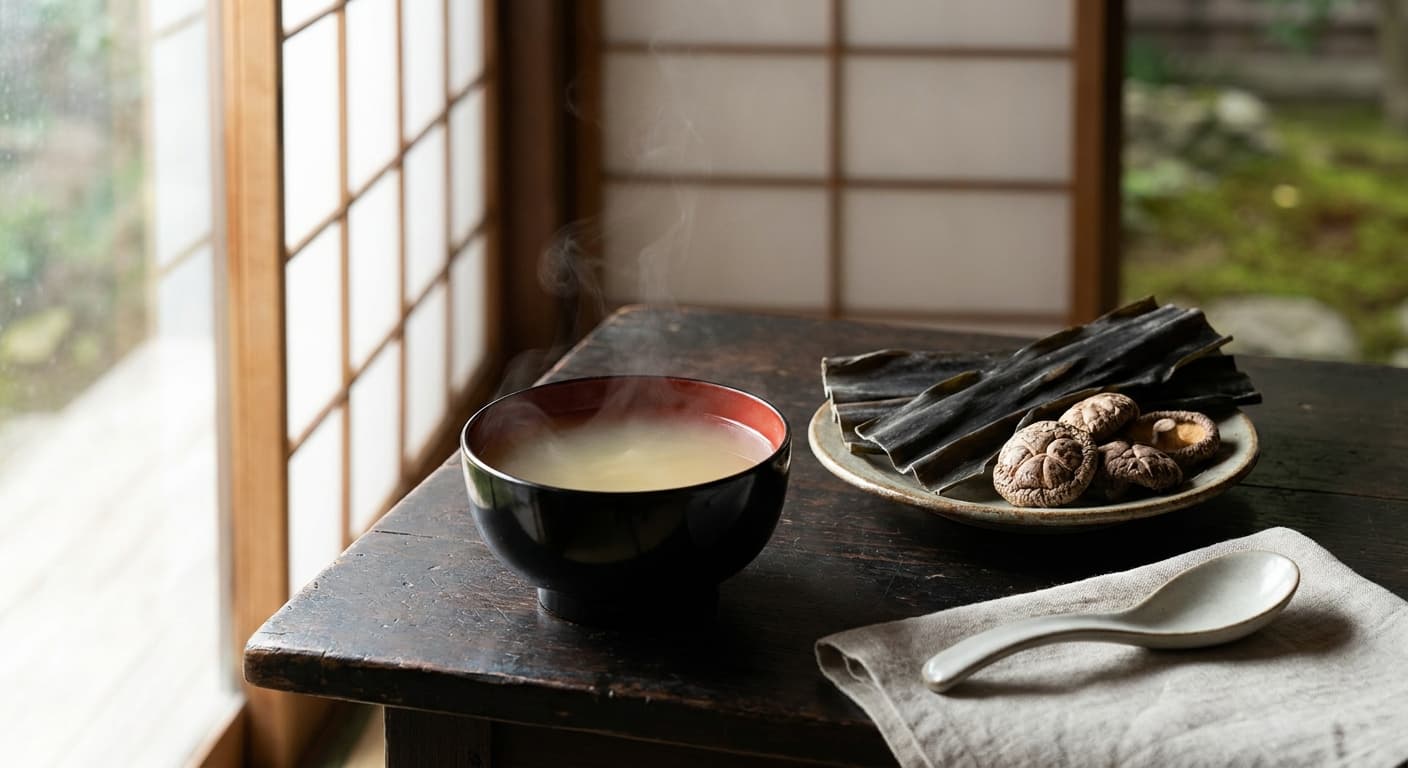
Shojin ryori dashi is the plant-based foundation of Japanese Buddhist temple cooking. Kombu and dried shiitake create a clear, elegant stock rich in natural umami without bonito, meat, or fish.
Printable Recipe Card
Servings: 4 · Total: 25 min · Difficulty: easy
Ingredients (quick list)
- 1000 ml filtered water
- 15 g dried kombu (wipe gently with a dry cloth if gritty, but do not wash off the white umami-rich bloom)
- 20 g dried shiitake mushrooms (prefer thick-capped dried shiitake for deeper aroma)
Steps (summary)
- Place the filtered water in a nonreactive saucepan or bowl, then add the dried kombu and dried shiitake mushrooms. Cover and st…
- After soaking, transfer the water, kombu, and shiitake to a saucepan if they are not already in one. Set the pan over low heat…
- Heat the liquid until small bubbles begin to appear around the edge of the pan and the temperature reaches about 65 to 70°C. Re…
- Continue heating the stock with the shiitake mushrooms until it reaches a gentle simmer, then simmer for 8 minutes. Keep the he…
- Remove the shiitake mushrooms with tongs or a slotted spoon, then strain the dashi through a fine-mesh sieve. Use the clear das…
Cultural Background
Shojin ryori developed in Japanese Buddhist temples as a cuisine of restraint, seasonality, and respect for life. This dashi replaces fish-based stock with kombu and shiitake, preserving depth while remaining fully plant-based.
Equipment
💡 Tips
- For the clearest flavor, use soft filtered water and avoid hard boiling at every stage.
- Save the soaked shiitake mushrooms; slice them for simmered vegetables, rice, or noodle toppings.
- Do not scrub kombu under running water, because the pale surface bloom contains glutamates that give the dashi its depth.
⚠️ Common Mistakes
❌ Boiling the kombu
✅ Fix: Remove the kombu when the liquid is hot and steaming, before it reaches a full simmer.
❌ Rinsing the kombu thoroughly
✅ Fix: Wipe only visible grit with a dry cloth so the natural white umami bloom remains on the surface.
❌ Using too many shiitake mushrooms
✅ Fix: Keep the mushrooms near 20 g per 1000 ml water so the stock stays balanced rather than dark and overpowering.
🧊 How to Store
Cool the dashi within 1 hour, then refrigerate in a sealed glass container for up to 3 days. Reheat gently below a boil to preserve its clean aroma, or freeze in 250 ml portions for up to 1 month.
📅 Make Ahead
Soak the kombu and shiitake overnight in the refrigerator, then finish the dashi in the morning. The strained stock can be made 3 days ahead and kept chilled.
🍽️ Pairs Well With
- Miso soup
- simmered daikon
- soba noodles
- udon noodles
- takikomi gohan
- chawanmushi-style vegan custard.
Regional Variations
- Kyoto temple kitchens often favor a very pale, refined kombu-forward stock for simmered seasonal vegetables.
- Some home-style shojin versions use a longer overnight cold infusion and skip simmering for an especially clean taste.
- Richer versions may add a small amount of dried gourd shavings or vegetable trimmings, though kombu and shiitake remain the classic base.
Ingredients
- 1000 mlfiltered water
- 15 gdried kombu (wipe gently with a dry cloth if gritty, but do not wash off the white umami-rich bloom)
- 20 gdried shiitake mushrooms (prefer thick-capped dried shiitake for deeper aroma)
🔄 Substitutions
- dried shiitake mushrooms→ dried porcini mushrooms
- filtered water→ soft spring water
Instructions
- 1
Place the filtered water in a nonreactive saucepan or bowl, then add the dried kombu and dried shiitake mushrooms. Cover and steep at cool room temperature for 3 hours, or refrigerate for 8 hours for a deeper and cleaner extraction.
- 2
After soaking, transfer the water, kombu, and shiitake to a saucepan if they are not already in one. Set the pan over low heat so the liquid warms gradually, which helps draw out umami without making the kombu taste harsh.
- 3
Heat the liquid until small bubbles begin to appear around the edge of the pan and the temperature reaches about 65 to 70°C. Remove the kombu immediately at this stage, because boiling kombu can make the stock cloudy and slightly slimy.
- 4
Continue heating the stock with the shiitake mushrooms until it reaches a gentle simmer, then simmer for 8 minutes. Keep the heat low and do not boil vigorously, as a hard boil can muddy the aroma and produce a heavier flavor than traditional shojin cooking requires.
- 5
Remove the shiitake mushrooms with tongs or a slotted spoon, then strain the dashi through a fine-mesh sieve. Use the clear dashi immediately, or cool it quickly and refrigerate it for later use in soups, simmered vegetables, rice dishes, and noodle broths.
🪪 Recipe Passport
Cultural Background
Shojin ryori developed in Japanese Buddhist temples as a cuisine of restraint, seasonality, and respect for life. This dashi replaces fish-based stock with kombu and shiitake, preserving depth while remaining fully plant-based.
Regional Variations
Researched from multiple sources and validated by the Zaffaron editorial team. Every recipe is tested for accuracy, measurements, and cultural authenticity.
📚 Sources & Cultural References
- Elizabeth Andoh — Kansha: Celebrating Japan's Vegan and Vegetarian Traditions — (2010)
- Tsuji Shizuo — Japanese Cooking: A Simple Art — (1980)
Sources cited by the Zaffaron editorial team during recipe research. Cultural and culinary references supporting authenticity claims.
Nutrition per serving
Pairs well with
If you enjoyed this recipe, here are a few related Zaffaron recipes to try next.
Does your family make this differently?
Every family has their own version. Maybe your grandmother adds a secret ingredient, or your aunt has a completely different technique. Preserve your family's version — with their name on it, forever.
You Might Also Like
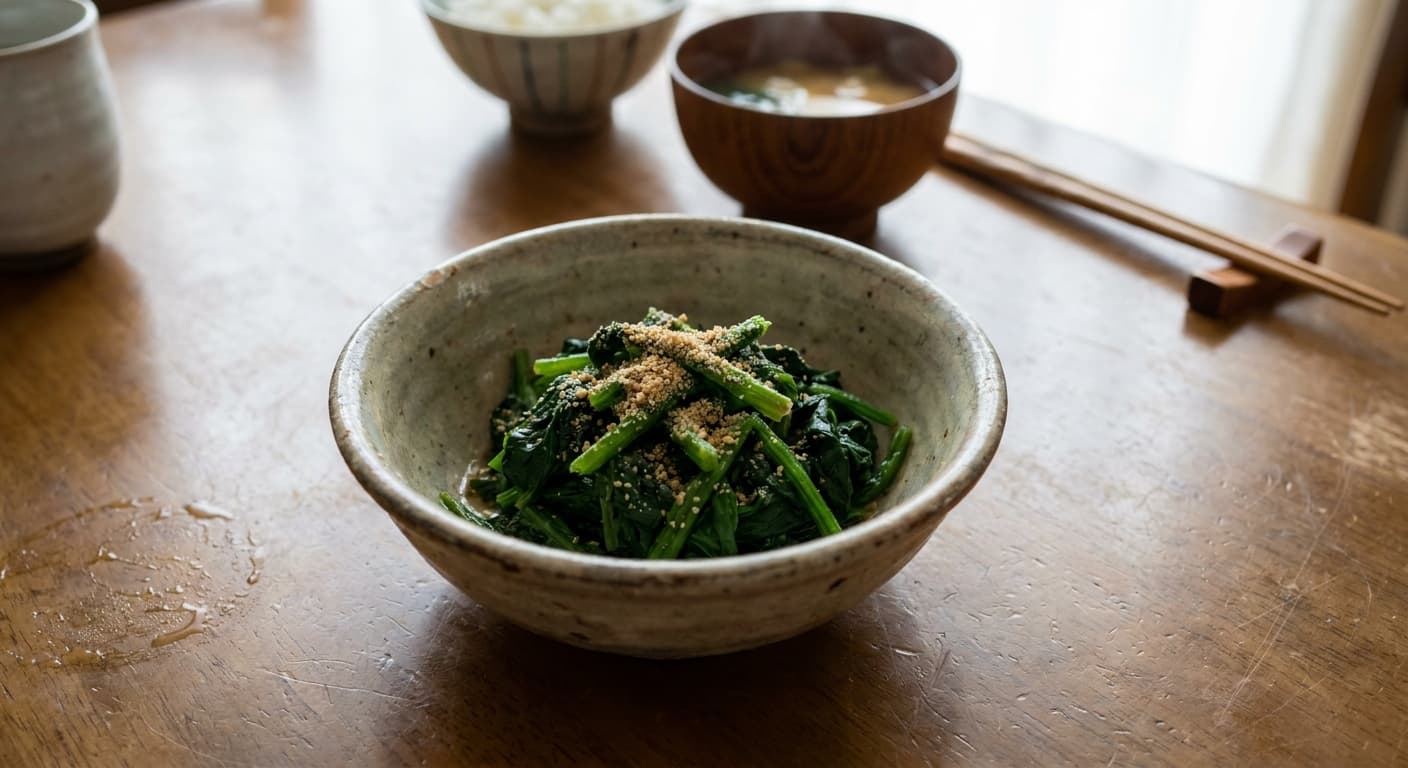
Gomaae (ごまあえ) — Japanese Spinach with Sesame Dressing
Japanese · Side Dishes · 18 min
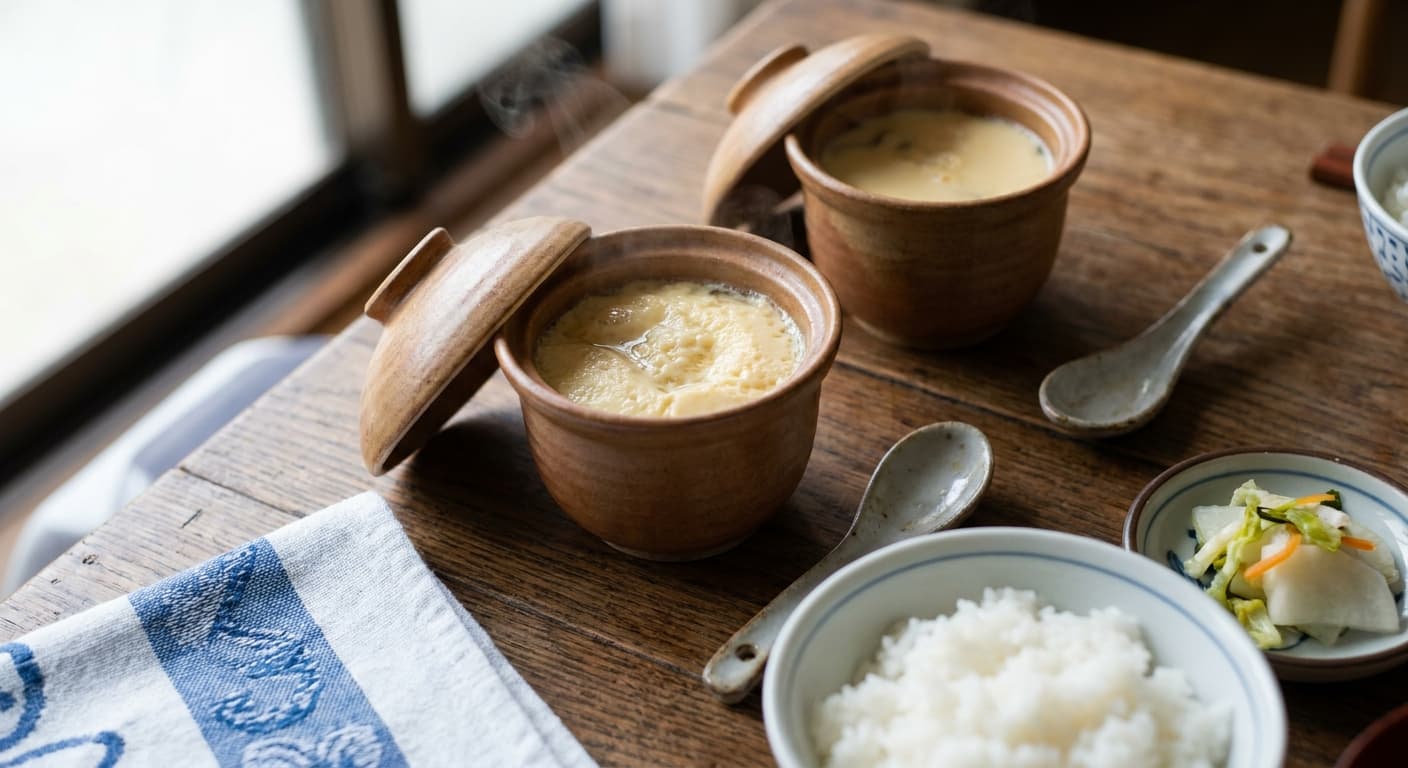
Chawanmushi (茶碗蒸し) — Silky Japanese Savory Egg Custard
Japanese · Appetizers · 43 min
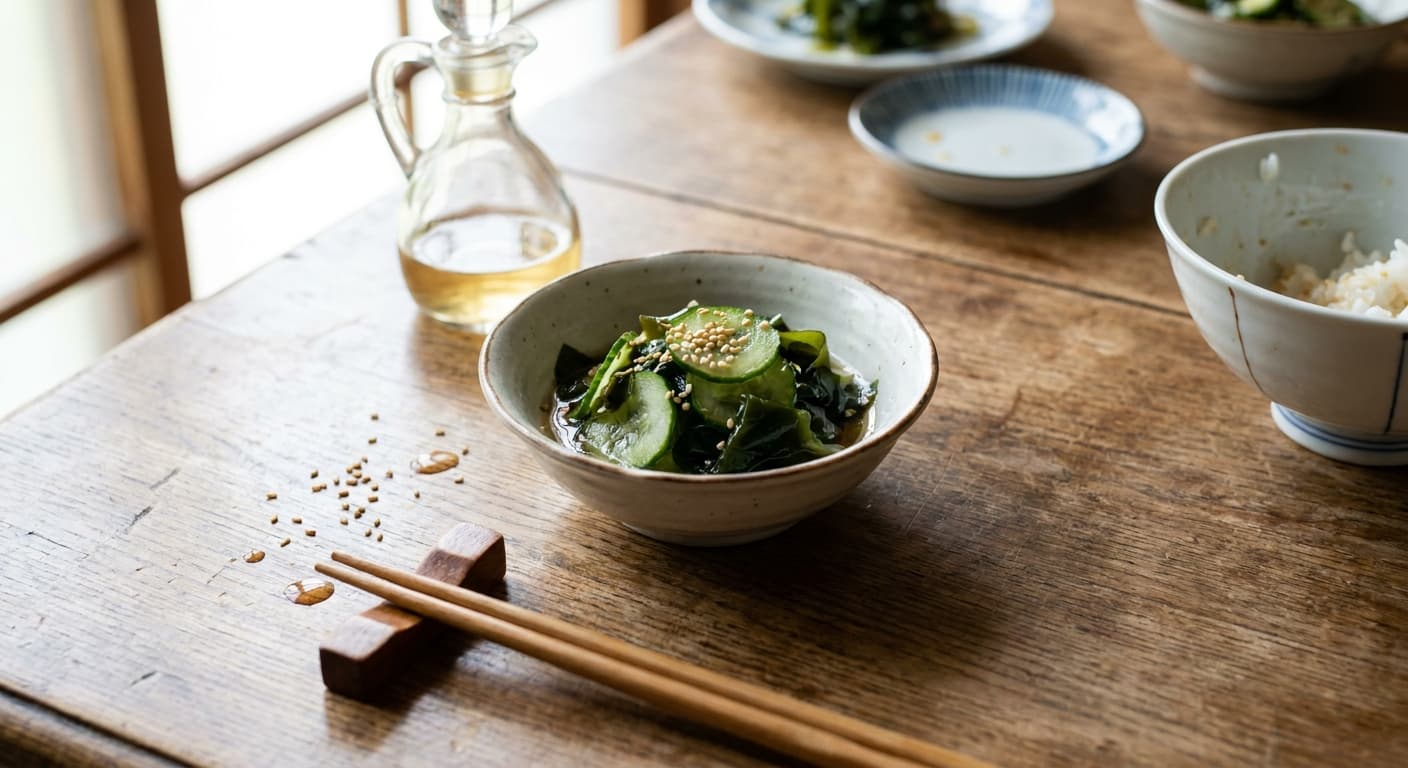
Sunomono (酢の物) — Japanese Vinegared Cucumber and Wakame Salad
Japanese · Salads · 20 min
Begova Corba (Begova čorba) — Bosnian Chicken and Okra Soup
Bosnian · Soups · 110 min
Tinolang Manok (Tinolang Manok) — Filipino Ginger Chicken Soup
Filipino · Soups · 65 min
Lion's Head Meatballs (狮子头) — Braised Huaiyang Pork Meatballs
Chinese · Main Courses · 110 min
Wonton Soup (雲吞湯) — Cantonese Pork and Shrimp Dumpling Broth
Chinese · Soups · 70 min
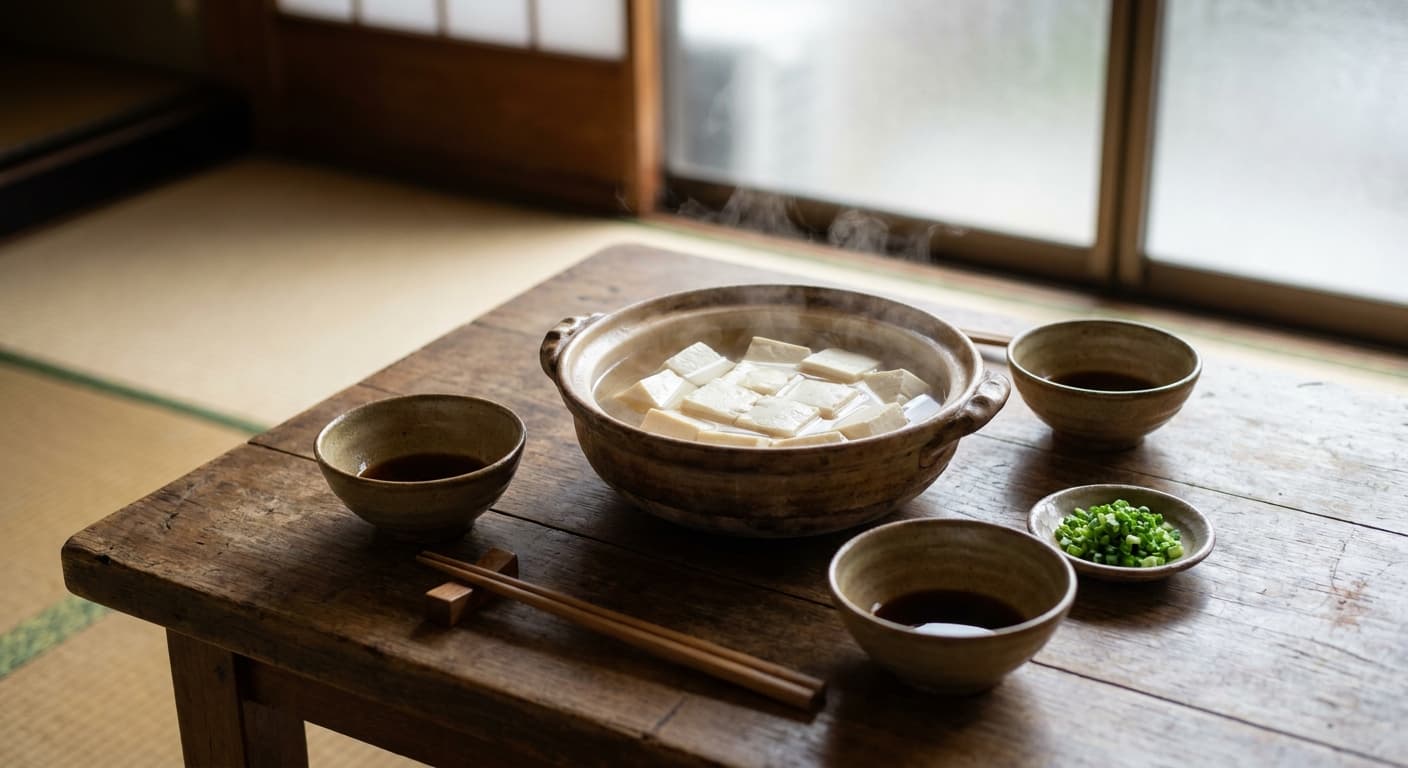
Yudofu (湯豆腐) — Japanese Simmered Tofu Hot Pot
Japanese · Main Courses · 60 min
Reviews
Cooked this recipe?
Tap the stars to rate it — that's all it takes. A few words are welcome but optional.
No ratings yet. Cooked this one? Be the first to rate it — it takes one tap.