Misoshiru (味噌汁) — Classic Japanese Miso Soup with Tofu and Wakame
Misoshiru is the daily Japanese soup built on clear dashi and dissolved miso, often served with rice as part of ichiju-sansai. This version uses kombu, bonito flakes, tofu, wakame, and scallions for a deeply traditional bowl.
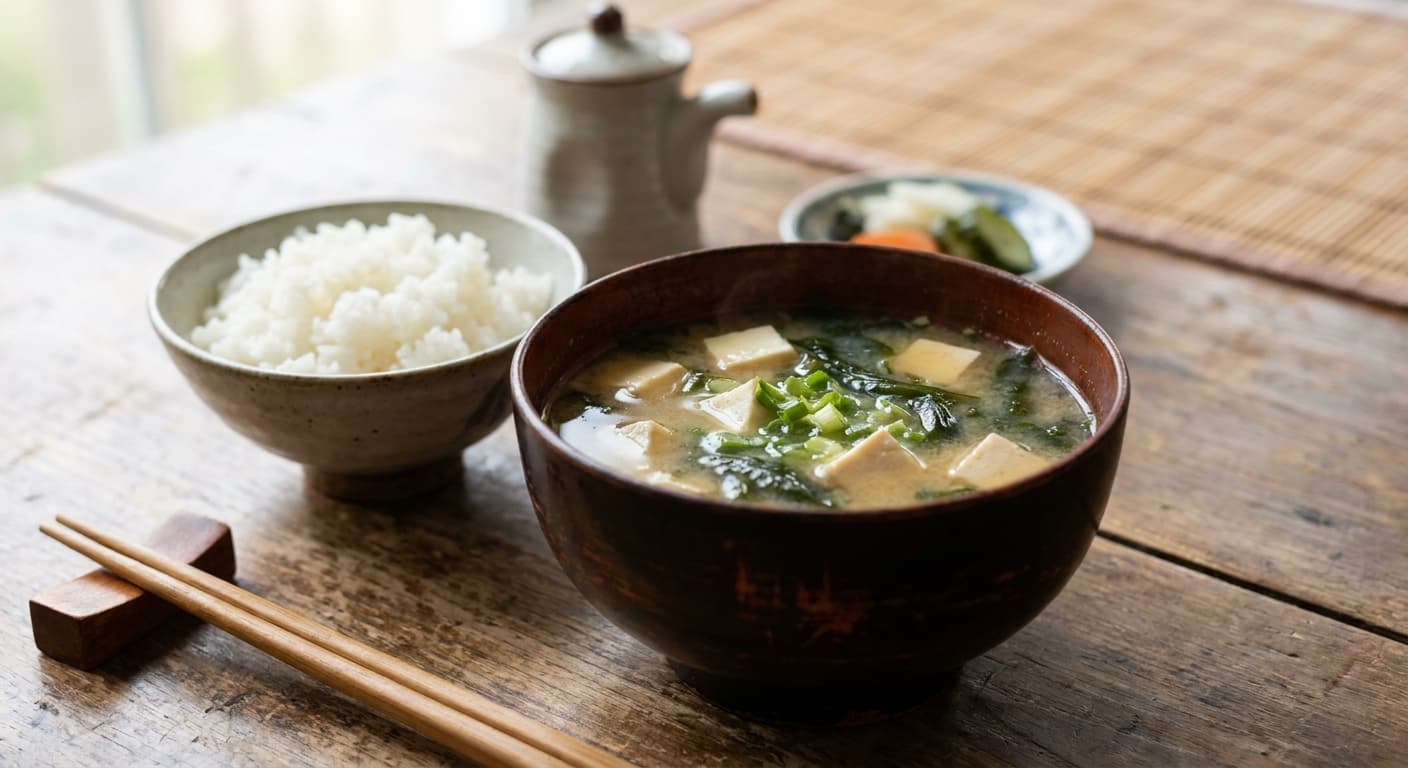
Printable Recipe Card
Servings: 4 · Total: 25 min · Difficulty: easy
Ingredients (quick list)
- 1 l water
- 10 g kombu (wiped gently with a dry cloth, not washed)
- 20 g katsuobushi (dried bonito flakes)
- 80 g gluten-free rice miso (white, red, or mixed miso may be used)
- 300 g silken tofu (cut into 1.5 cm cubes)
- 5 g dried wakame
- 2 scallions (thinly sliced)
Steps (summary)
- Place the water and kombu in a medium saucepan and let it stand for 20 minutes if time allows, which gives the dashi a rounder…
- Remove the kombu just before the liquid reaches a simmer, because boiling kombu can make the stock slippery and bitter. Increas…
- Let the bonito flakes steep for 2 minutes without stirring aggressively, so the stock stays clean and delicate. Strain the dash…
- Return the strained dashi to low heat and add the dried wakame, allowing it to rehydrate directly in the hot broth for 2 minute…
- Place the miso in a small ladle or bowl and loosen it with 120 ml of hot dashi taken from the pot. Stir until smooth, then pass…
- Keep the soup over very low heat for 1 minute after adding the miso, but do not boil it because boiling dulls the aroma and can…
Cultural Background
Misoshiru is a cornerstone of Japanese home cooking and is commonly served with rice for breakfast, lunch, or dinner. Its form changes by region, season, and household, reflecting the Japanese principle of everyday balance.
Equipment
💡 Tips
- Never boil miso after it is added; gentle heat preserves its fragrance and rounded savoriness.
- For a lighter morning soup, use mostly white miso; for a deeper dinner version, use mixed miso or a small proportion of red miso.
- Cut tofu evenly so it warms at the same rate and does not break apart while serving.
⚠️ Common Mistakes
❌ Boiling the soup after adding miso.
✅ Fix: Dissolve the miso off direct high heat and keep the soup below a simmer to preserve aroma and prevent harshness.
❌ Washing kombu under running water.
✅ Fix: Wipe kombu gently with a dry cloth so you keep the natural white umami-rich surface while removing any grit.
❌ Adding miso directly in one lump.
✅ Fix: Loosen miso with hot dashi in a ladle or small bowl before returning it to the pot for an even, smooth soup.
🧊 How to Store
Store leftover soup in an airtight container in the refrigerator for up to 2 days. Reheat gently over low heat without boiling, and add fresh scallions after reheating for the best aroma and texture.
📅 Make Ahead
Prepare the dashi up to 2 days ahead and refrigerate it in a covered container. Add tofu, wakame, and miso only just before serving so the soup tastes fresh.
🍽️ Pairs Well With
- Steamed Japanese short-grain rice
- grilled salmon
- tamagoyaki
- tsukemono
- nori.
Regional Variations
- Kansai-style misoshiru often leans lighter and sweeter, using more white miso and delicate seasonal vegetables.
- Eastern Japanese versions commonly use darker red or mixed miso for a deeper, saltier profile.
- Coastal households may add clams, nameko mushrooms, daikon, or seasonal greens depending on local produce and the meal.
Ingredients
- 1 lwater
- 10 gkombu (wiped gently with a dry cloth, not washed)
- 20 gkatsuobushi (dried bonito flakes)
- 80 ggluten-free rice miso (white, red, or mixed miso may be used)
- 300 gsilken tofu (cut into 1.5 cm cubes)
- 5 gdried wakame
- 2scallions (thinly sliced)
🔄 Substitutions
- katsuobushi→ dried shiitake mushrooms
- silken tofu→ medium-firm tofu
- dried wakame→ thinly sliced spinach
Instructions
- 1
Place the water and kombu in a medium saucepan and let it stand for 20 minutes if time allows, which gives the dashi a rounder flavor. Set the pan over medium-low heat and warm it slowly until small bubbles appear around the kombu, but do not let it boil.
- 2
Remove the kombu just before the liquid reaches a simmer, because boiling kombu can make the stock slippery and bitter. Increase the heat briefly, bring the liquid just to a boil, then turn off the heat and immediately add the katsuobushi.
- 3
Let the bonito flakes steep for 2 minutes without stirring aggressively, so the stock stays clean and delicate. Strain the dashi through a fine-mesh sieve into a clean saucepan, pressing only very lightly because heavy pressing can cloud the broth.
- 4
Return the strained dashi to low heat and add the dried wakame, allowing it to rehydrate directly in the hot broth for 2 minutes. Add the cubed tofu gently and warm it for 2 minutes, keeping the soup below a boil so the tofu remains smooth.
- 5
Place the miso in a small ladle or bowl and loosen it with 120 ml of hot dashi taken from the pot. Stir until smooth, then pass the loosened miso back into the soup so there are no salty clumps.
- 6
Keep the soup over very low heat for 1 minute after adding the miso, but do not boil it because boiling dulls the aroma and can make the miso taste harsh. Taste the soup and serve it immediately in warm bowls, garnished with the sliced scallions.
🪪 Recipe Passport
Cultural Background
Misoshiru is a cornerstone of Japanese home cooking and is commonly served with rice for breakfast, lunch, or dinner. Its form changes by region, season, and household, reflecting the Japanese principle of everyday balance.
Regional Variations
Researched from multiple sources and validated by the Zaffaron editorial team. Every recipe is tested for accuracy, measurements, and cultural authenticity.
📚 Sources & Cultural References
- Shizuo Tsuji — Japanese Cooking: A Simple Art — (1980)
- Elizabeth Andoh — Washoku: Recipes from the Japanese Home Kitchen — (2005)
Sources cited by the Zaffaron editorial team during recipe research. Cultural and culinary references supporting authenticity claims.
Nutrition per serving
Pairs well with
If you enjoyed this recipe, here are a few related Zaffaron recipes to try next.
Does your family make this differently?
Every family has their own version. Maybe your grandmother adds a secret ingredient, or your aunt has a completely different technique. Preserve your family's version — with their name on it, forever.
You Might Also Like
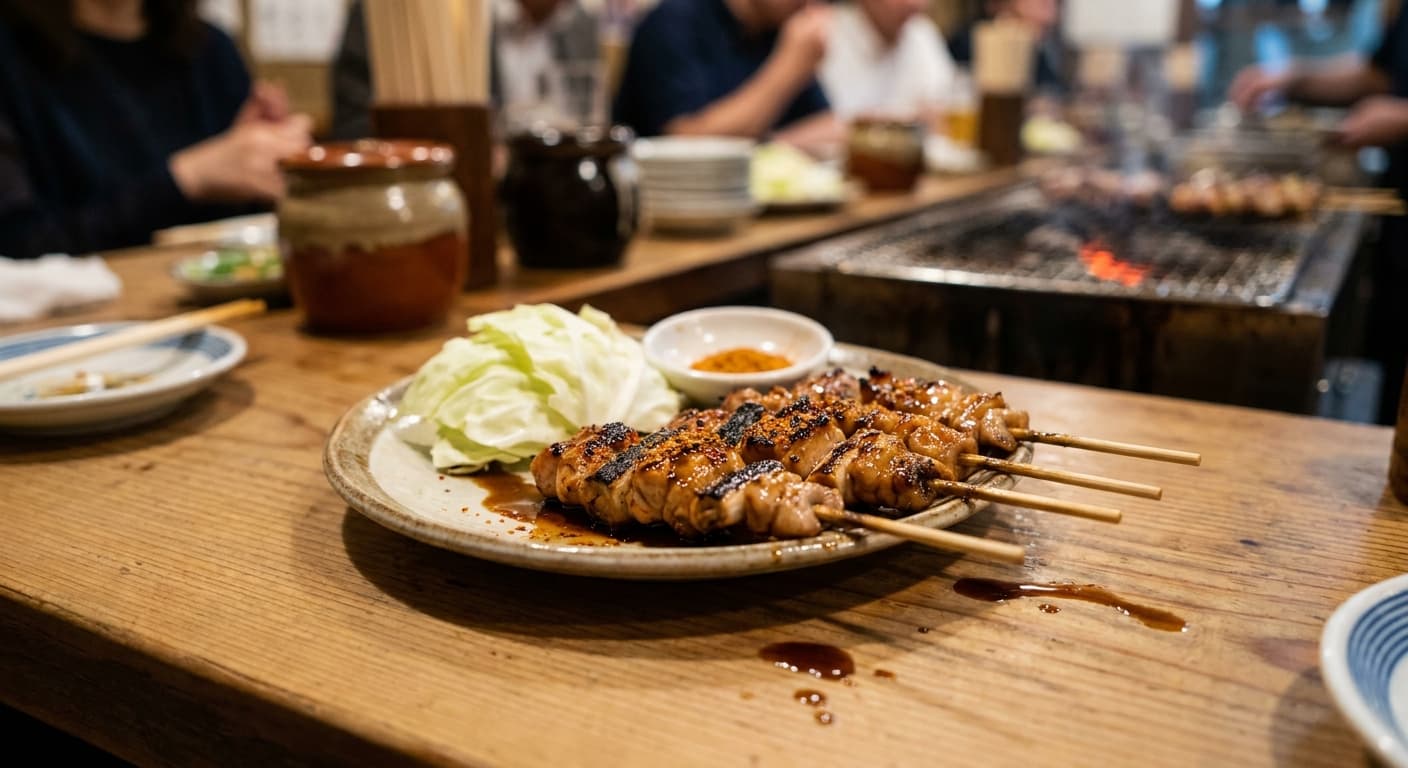
Yakitori (焼き鳥) — Japanese Grilled Chicken Skewers
Japanese · Kebabs · 55 min
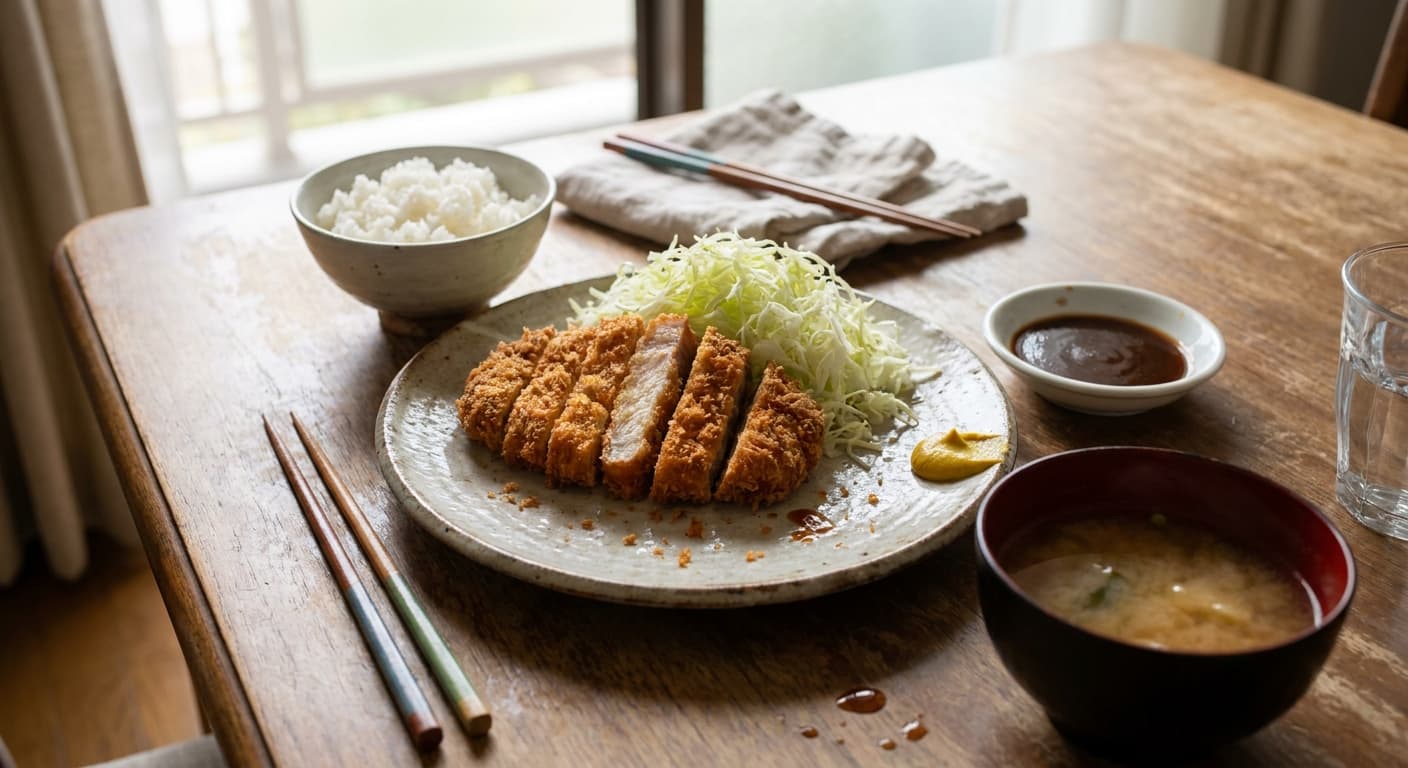
Tonkatsu (豚カツ) — Crisp Japanese Pork Cutlet
Japanese · Main Courses · 43 min
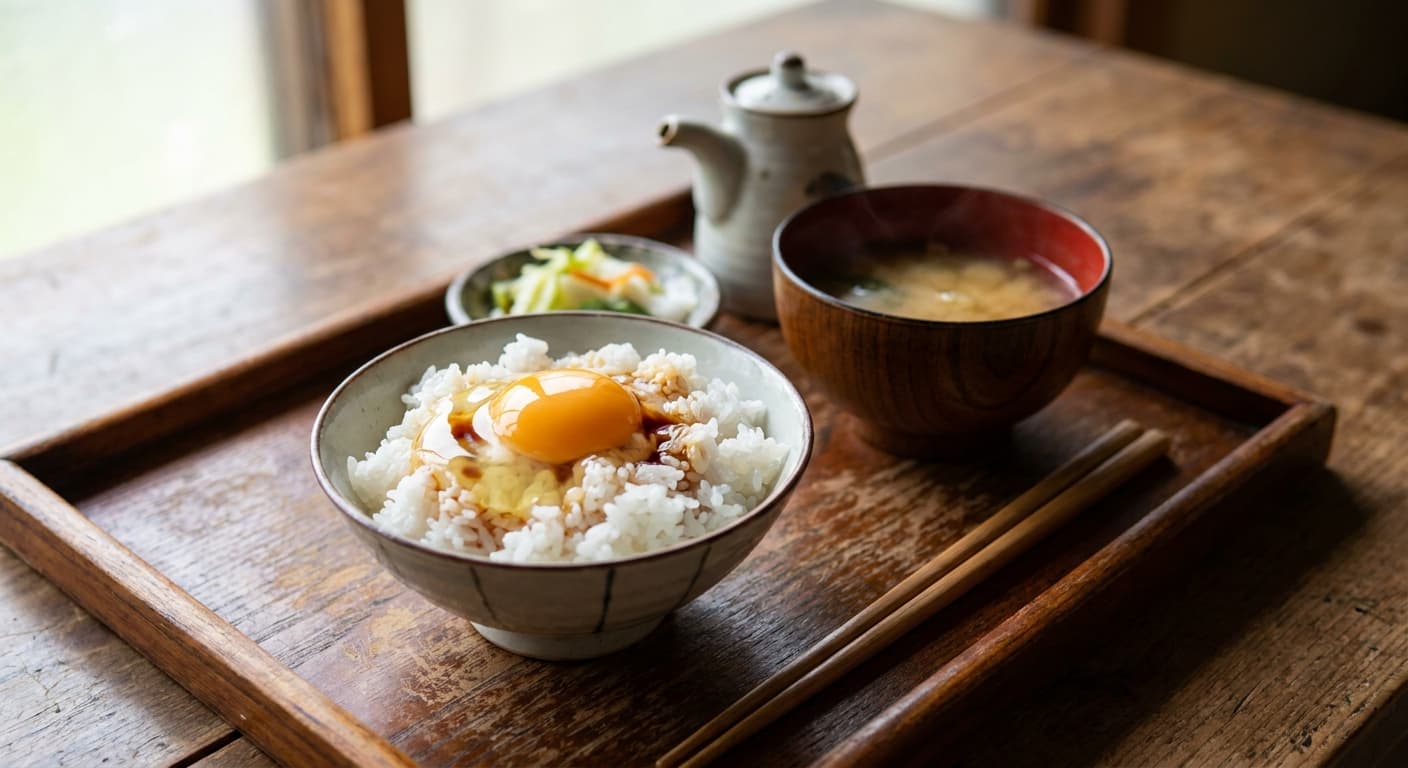
Tamago Kake Gohan (卵かけご飯) — Japanese Raw Egg Rice Breakfast
Japanese · Rice Dishes · 40 min
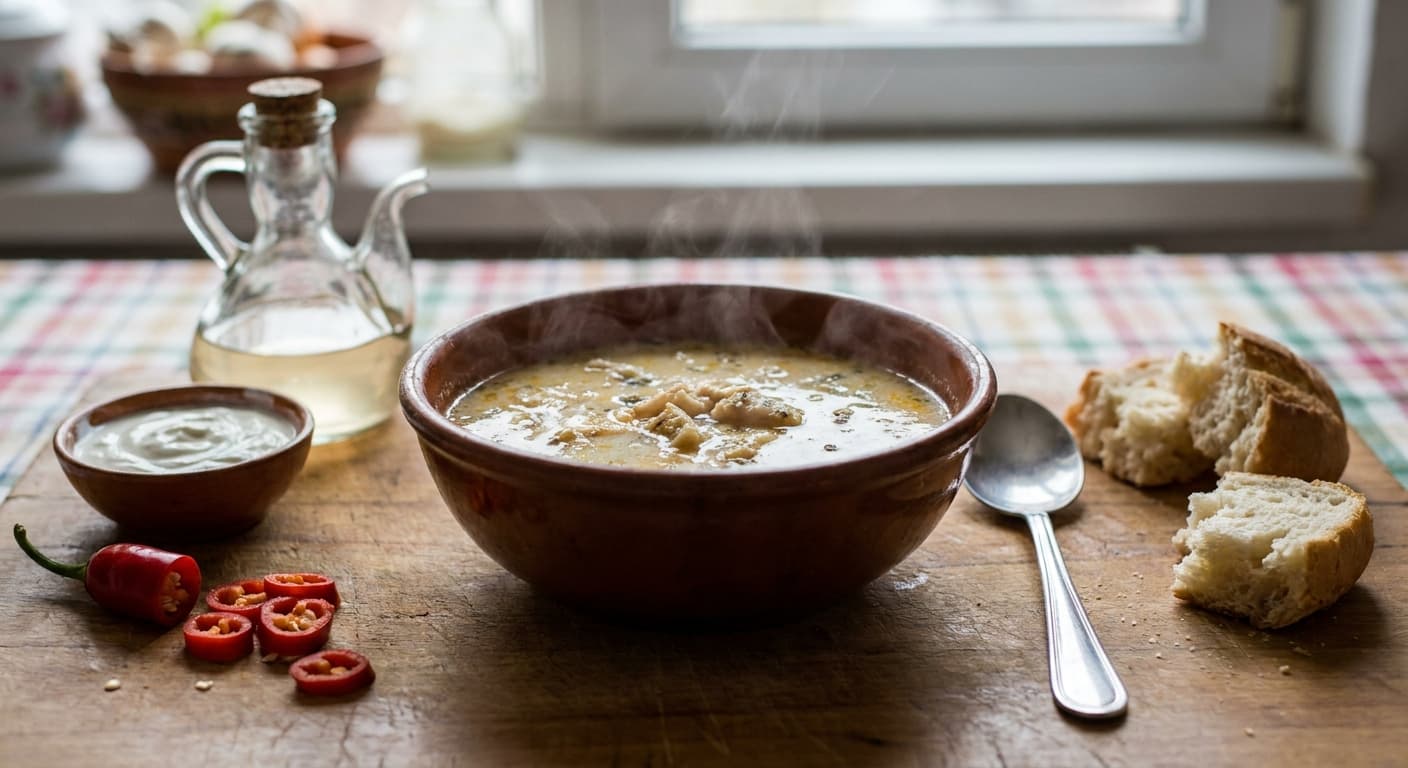
Romanian Tripe Soup (Ciorbă de burtă) — Creamy Sour Beef Tripe Soup
Romanian · Soups · 270 min
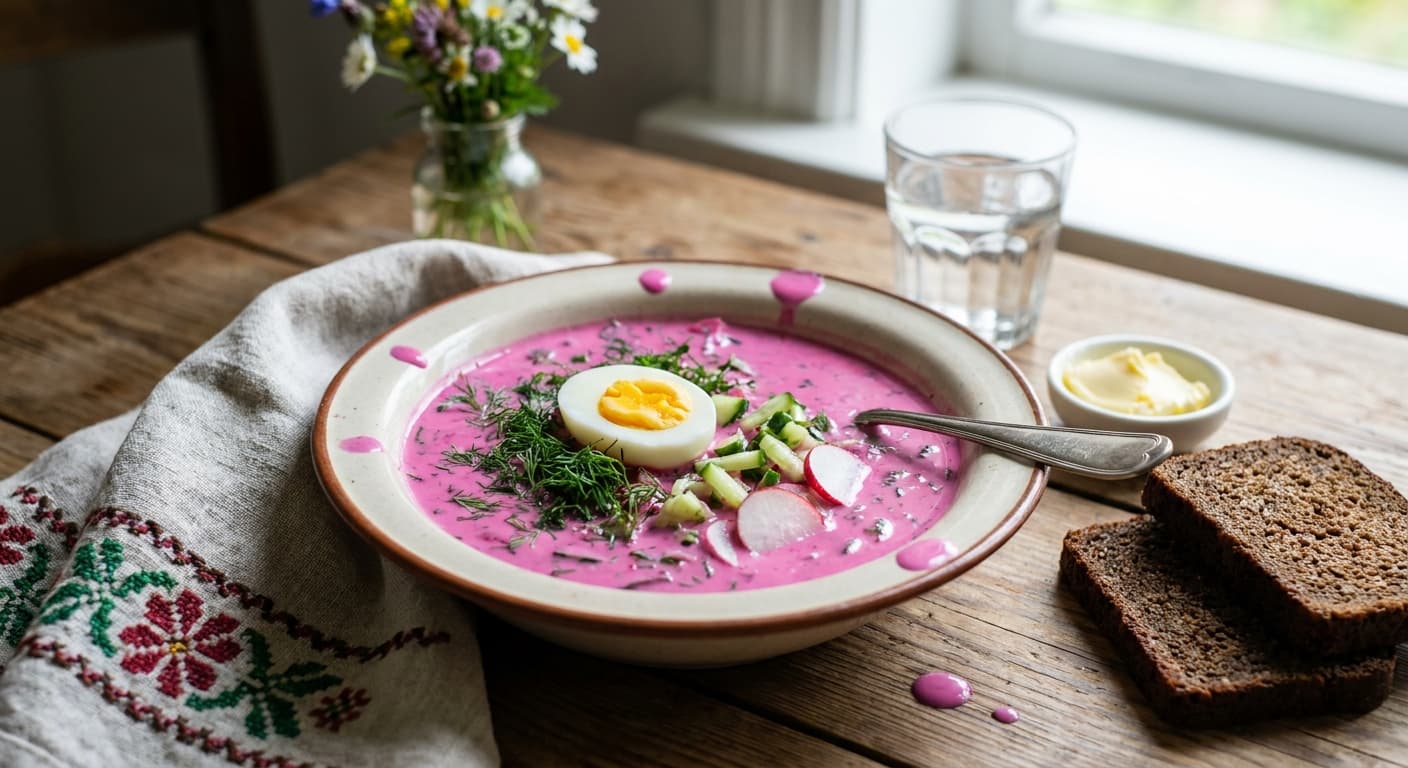
Cold Beet Soup (Aukstā zupa) — Latvian Kefir Beet Summer Soup
Latvian · Soups · 45 min
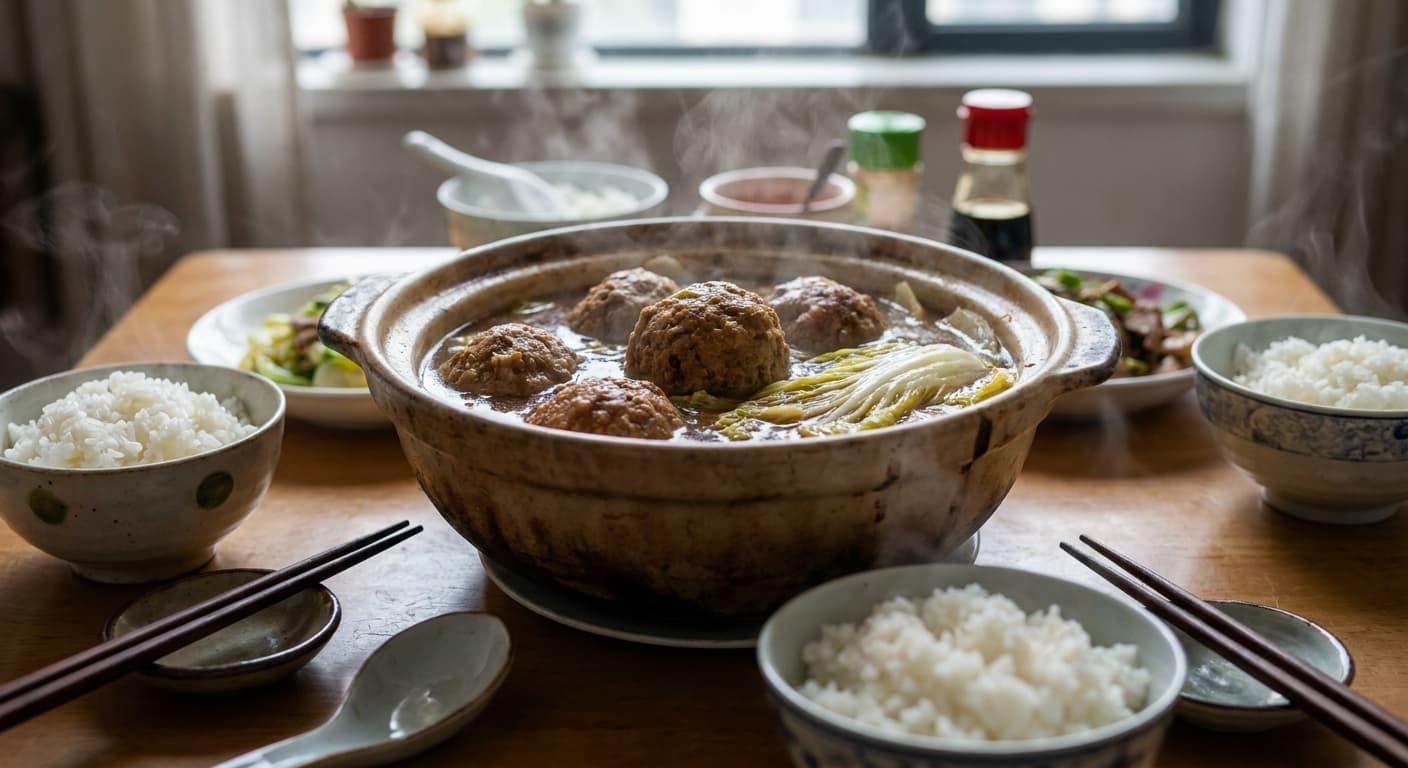
Lion's Head Meatballs (狮子头) — Braised Huaiyang Pork Meatballs
Chinese · Main Courses · 110 min
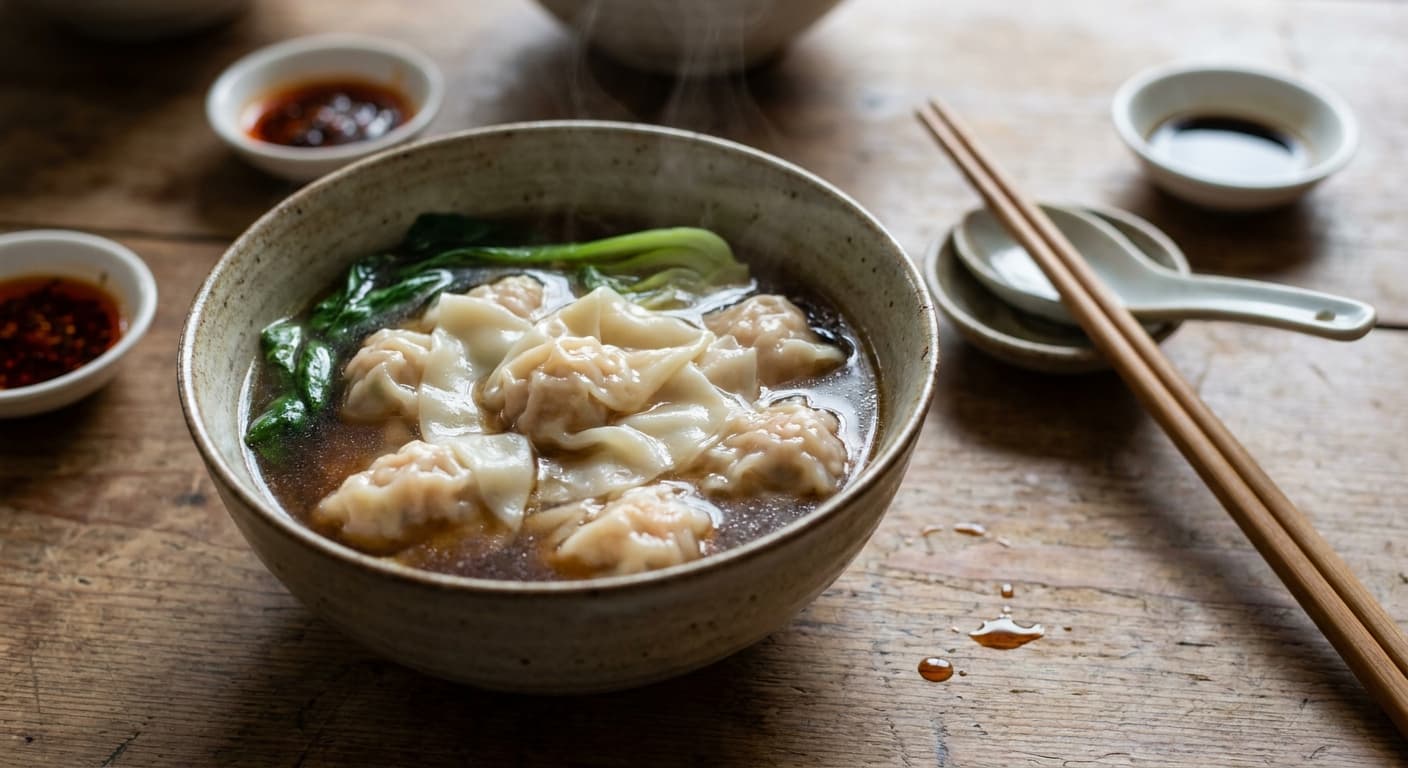
Wonton Soup (雲吞湯) — Cantonese Pork and Shrimp Dumpling Broth
Chinese · Soups · 70 min
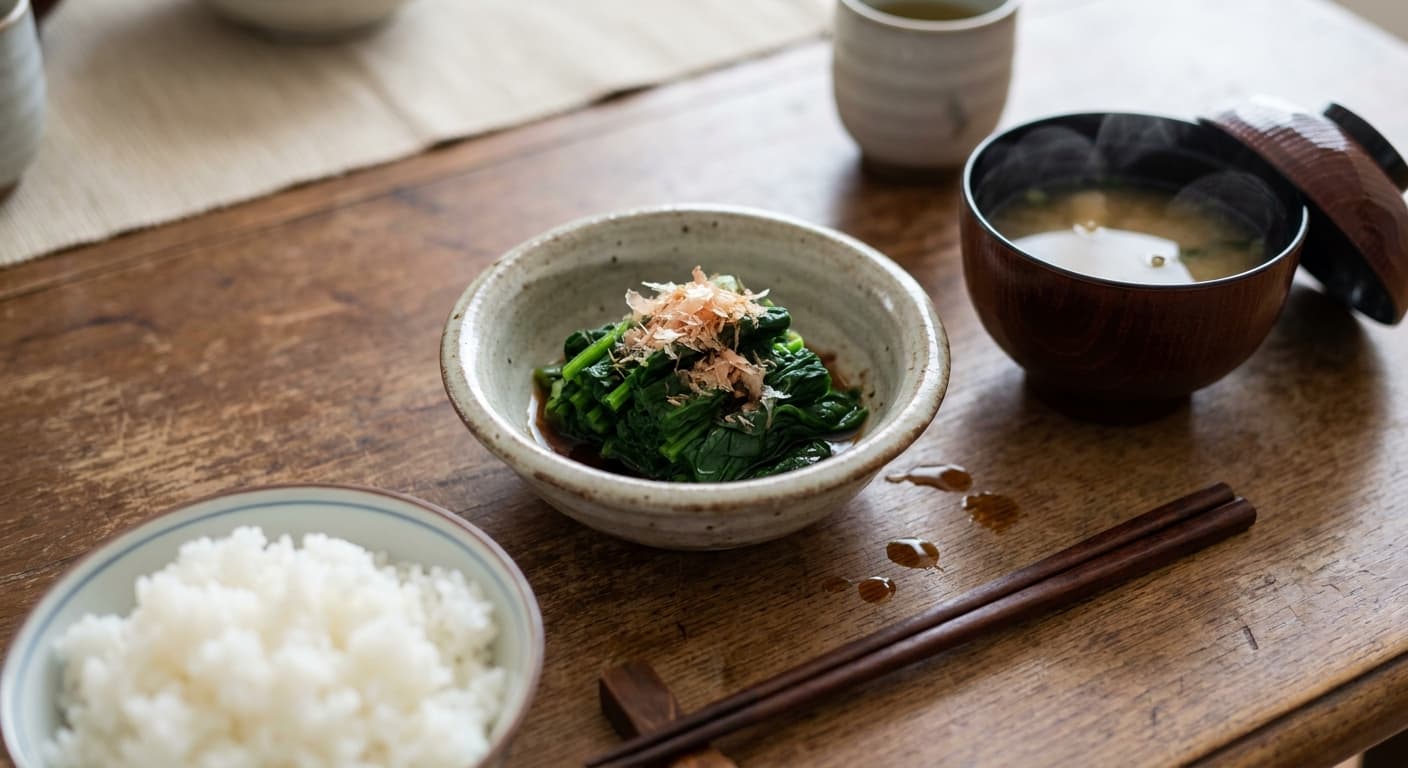
Ohitashi (お浸し) — Japanese Blanched Spinach with Bonito Dashi and Soy
Japanese · Side Dishes · 20 min
Reviews
Cooked this recipe?
Tap the stars to rate it — that's all it takes. A few words are welcome but optional.
No ratings yet. Cooked this one? Be the first to rate it — it takes one tap.