Hijiki no Nimono (ひじきの煮物) — Savory Simmered Hijiki Seaweed
Hijiki no Nimono is a classic Japanese home-style side dish of rehydrated hijiki seaweed simmered with carrot, fried tofu, and soy-seasoned dashi. It is commonly served in small portions with rice, miso soup, and other everyday dishes.
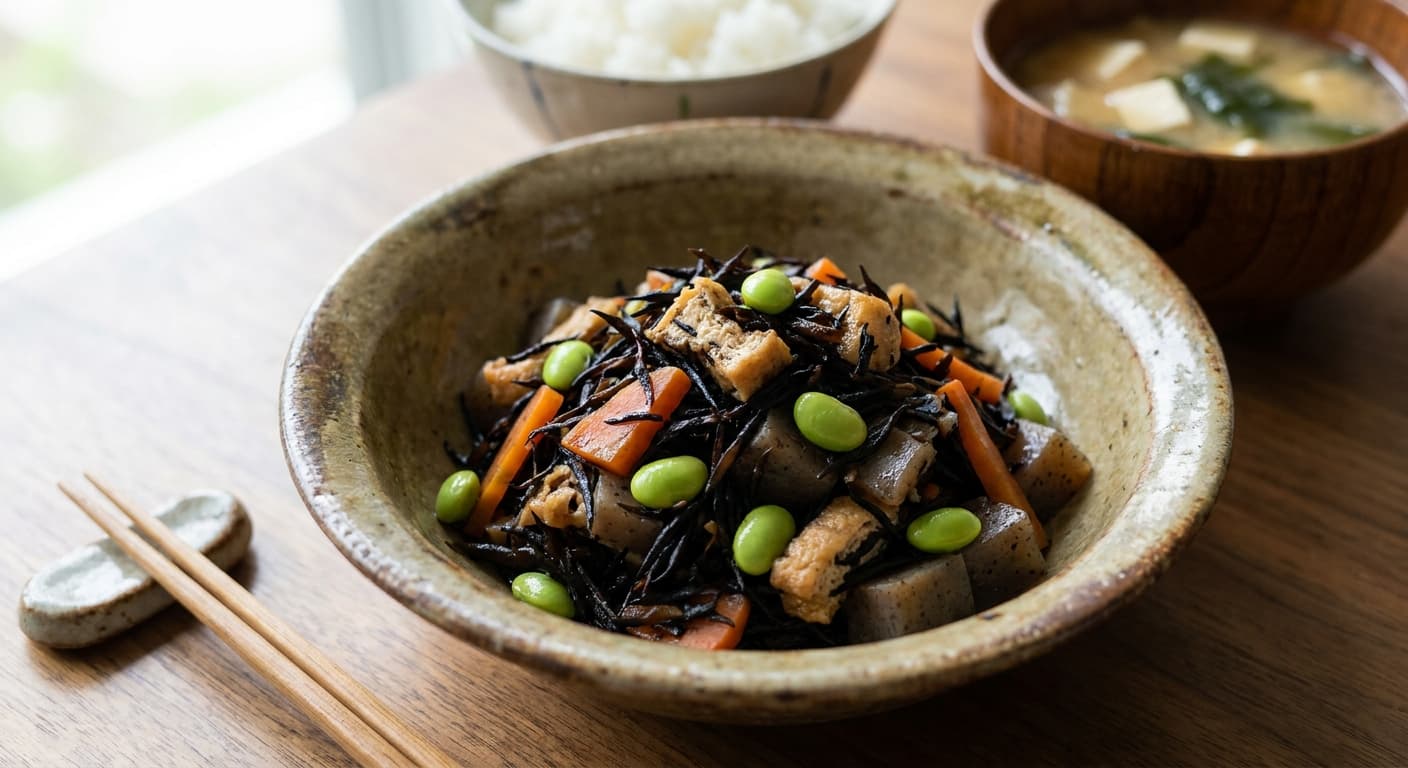
Printable Recipe Card
Servings: 4 · Total: 43 min · Difficulty: easy
Ingredients (quick list)
- 30 g dried hijiki seaweed (long or bud hijiki)
- 80 g carrot (peeled and cut into thin matchsticks)
- 1 aburaage fried tofu pouch (blanched and sliced into thin strips)
- 80 g shelled edamame (thawed if frozen)
- 1 tbsp neutral vegetable oil
- 240 ml kombu-shiitake dashi (vegetarian kelp and dried shiitake stock)
- 2 tbsp Japanese soy sauce
- 2 tbsp mirin
- 1 tbsp sake
- 2 tsp granulated sugar
Steps (summary)
- Place the dried hijiki in a large bowl and cover it with at least 1 l of cold water. Soak for 20 minutes, then drain through a…
- Bring 500 ml of water to a boil in a small saucepan and pour it over the aburaage fried tofu pouch to remove excess surface oil…
- Warm the neutral vegetable oil in a medium saucepan over medium heat. Add the drained hijiki and carrot, then stir-fry for 2 mi…
- Add the sliced aburaage, kombu-shiitake dashi, soy sauce, mirin, sake, and sugar to the saucepan. Stir thoroughly, bring the mi…
- Simmer uncovered for 12 to 14 minutes, stirring every few minutes, until the carrot is tender and most of the liquid has reduce…
- Remove the pan from the heat when the hijiki is glossy and only a small amount of seasoned liquid remains at the bottom. Let th…
Cultural Background
This dish belongs to everyday Japanese home cooking, where small simmered sides balance rice, soup, and a main dish. It is valued for its make-ahead quality and is often tucked into obento because the flavor improves after resting.
Equipment
💡 Tips
- Use a large bowl for soaking because dried hijiki expands dramatically as it rehydrates.
- Do not skip rinsing the soaked hijiki, as this removes grit and any harsh ocean aroma.
- Let the finished dish cool slightly before serving; the flavor becomes rounder as the simmered liquid is absorbed.
⚠️ Common Mistakes
❌ Cooking dried hijiki without fully soaking and rinsing it.
✅ Fix: Soak it for 20 minutes in plenty of cold water, then rinse well to remove grit and concentrate the flavor cleanly.
❌ Boiling the simmering liquid too aggressively.
✅ Fix: Keep the heat at a steady simmer so the seaweed absorbs seasoning without the soy sauce becoming harsh.
❌ Adding edamame too early.
✅ Fix: Add edamame only at the end so the beans remain bright green and lightly firm.
🧊 How to Store
Cool completely, then refrigerate in an airtight container for up to 4 days. Reheat gently in a small saucepan with 1 tbsp water, or serve chilled or at room temperature as a bento-style side dish.
📅 Make Ahead
Hijiki no nimono is ideal made 1 day ahead because the seaweed and tofu absorb the seasoning as they rest. Add edamame after reheating if you want the brightest color.
🍽️ Pairs Well With
- Steamed Japanese rice
- miso soup
- grilled fish
- tamagoyaki
- cucumber sunomono.
Regional Variations
- Some home cooks add thinly sliced lotus root for crunch and a more substantial side dish.
- In many Kansai-style versions, the seasoning is kept lighter and slightly sweeter.
- For a richer non-vegetarian version, chicken thigh strips or chikuwa fish cake may be simmered with the hijiki.
Ingredients
- 30 gdried hijiki seaweed (long or bud hijiki)
- 80 gcarrot (peeled and cut into thin matchsticks)
- 1aburaage fried tofu pouch (blanched and sliced into thin strips)
- 80 gshelled edamame (thawed if frozen)
- 1 tbspneutral vegetable oil
- 240 mlkombu-shiitake dashi (vegetarian kelp and dried shiitake stock)
- 2 tbspJapanese soy sauce
- 2 tbspmirin
- 1 tbspsake
- 2 tspgranulated sugar
🔄 Substitutions
- kombu-shiitake dashi→ awase dashi
- Japanese soy sauce→ tamari
- aburaage fried tofu pouch→ firm tofu
Instructions
- 1
Place the dried hijiki in a large bowl and cover it with at least 1 l of cold water. Soak for 20 minutes, then drain through a fine-mesh sieve and rinse under running water until the water runs mostly clear.
- 2
Bring 500 ml of water to a boil in a small saucepan and pour it over the aburaage fried tofu pouch to remove excess surface oil. Drain it well, press gently with paper towels, and slice it into thin strips about 5 mm wide.
- 3
Warm the neutral vegetable oil in a medium saucepan over medium heat. Add the drained hijiki and carrot, then stir-fry for 2 minutes so the seaweed smells clean and slightly toasted rather than watery.
- 4
Add the sliced aburaage, kombu-shiitake dashi, soy sauce, mirin, sake, and sugar to the saucepan. Stir thoroughly, bring the mixture to a gentle boil, then reduce the heat to medium-low so it simmers steadily without scorching.
- 5
Simmer uncovered for 12 to 14 minutes, stirring every few minutes, until the carrot is tender and most of the liquid has reduced. Add the shelled edamame during the final 3 minutes so they stay green and firm.
- 6
Remove the pan from the heat when the hijiki is glossy and only a small amount of seasoned liquid remains at the bottom. Let the dish rest for 10 minutes before serving, because hijiki no nimono tastes best after the seaweed absorbs the seasoning.
🪪 Recipe Passport
Cultural Background
This dish belongs to everyday Japanese home cooking, where small simmered sides balance rice, soup, and a main dish. It is valued for its make-ahead quality and is often tucked into obento because the flavor improves after resting.
Regional Variations
Researched from multiple sources and validated by the Zaffaron editorial team. Every recipe is tested for accuracy, measurements, and cultural authenticity.
📚 Sources & Cultural References
- Elizabeth Andoh — Washoku: Recipes from the Japanese Home Kitchen — (2005)
- Shizuo Tsuji — Japanese Cooking: A Simple Art — (1980)
Sources cited by the Zaffaron editorial team during recipe research. Cultural and culinary references supporting authenticity claims.
Nutrition per serving
Pairs well with
If you enjoyed this recipe, here are a few related Zaffaron recipes to try next.
Does your family make this differently?
Every family has their own version. Maybe your grandmother adds a secret ingredient, or your aunt has a completely different technique. Preserve your family's version — with their name on it, forever.
You Might Also Like
Goma-dofu (胡麻豆腐) — Shojin Sesame Kuzu Tofu
Japanese · Side Dishes · 28 min
Gyoza (餃子) — Japanese Pan-Fried Dumplings
Japanese · Appetizers · 63 min
Edamame (枝豆) — Boiled Salted Soybeans, Japanese Izakaya Snack
Japanese · Appetizers · 15 min
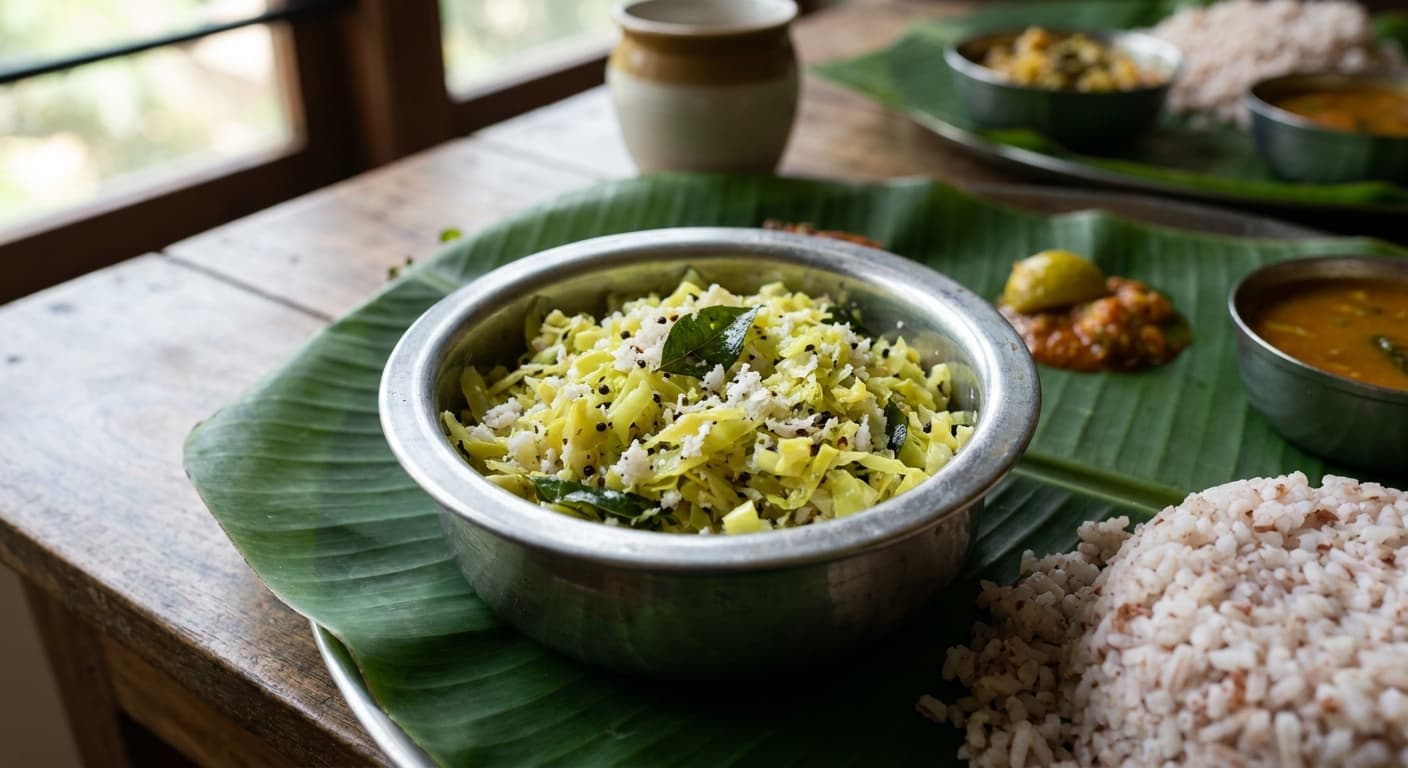
Thoran (തോരൻ) — Kerala Coconut Vegetable Stir-Fry
Indian · Side Dishes · 35 min
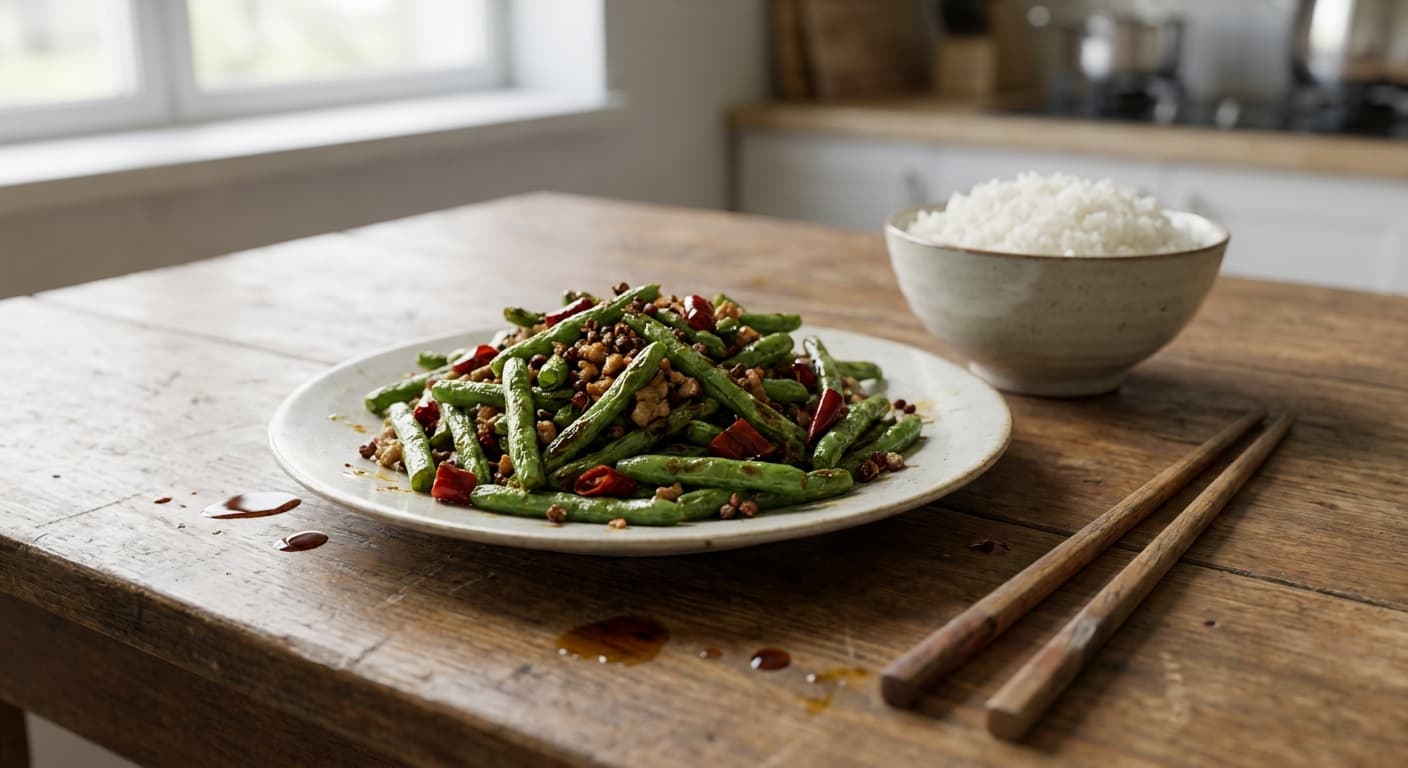
Dry-Fried Green Beans (干煸四季豆) — Sichuan Wok-Blistered Beans with Pork
Chinese · Side Dishes · 27 min
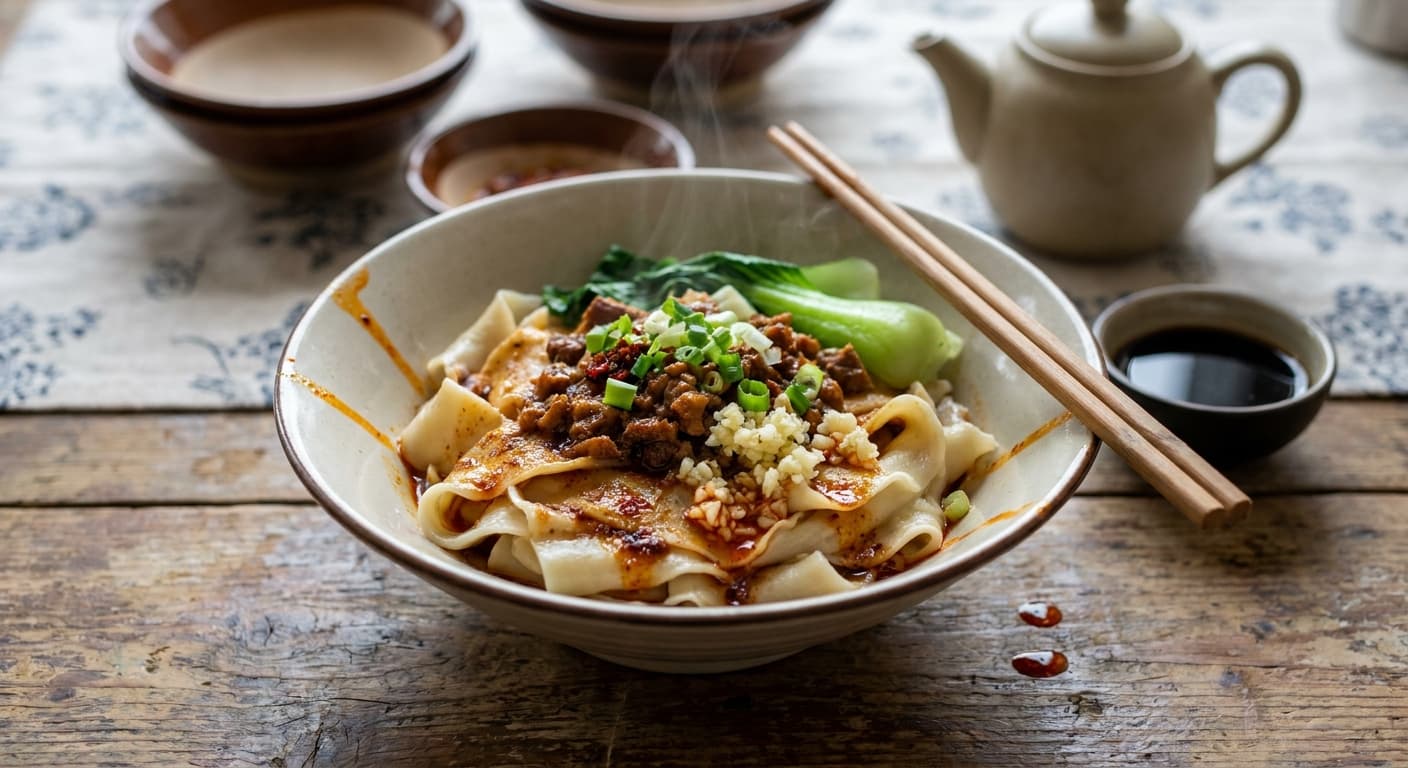
Biangbiang Noodles (油泼扯面) — Xi'an Hand-Pulled Belt Noodles
Chinese · Main Courses · 65 min
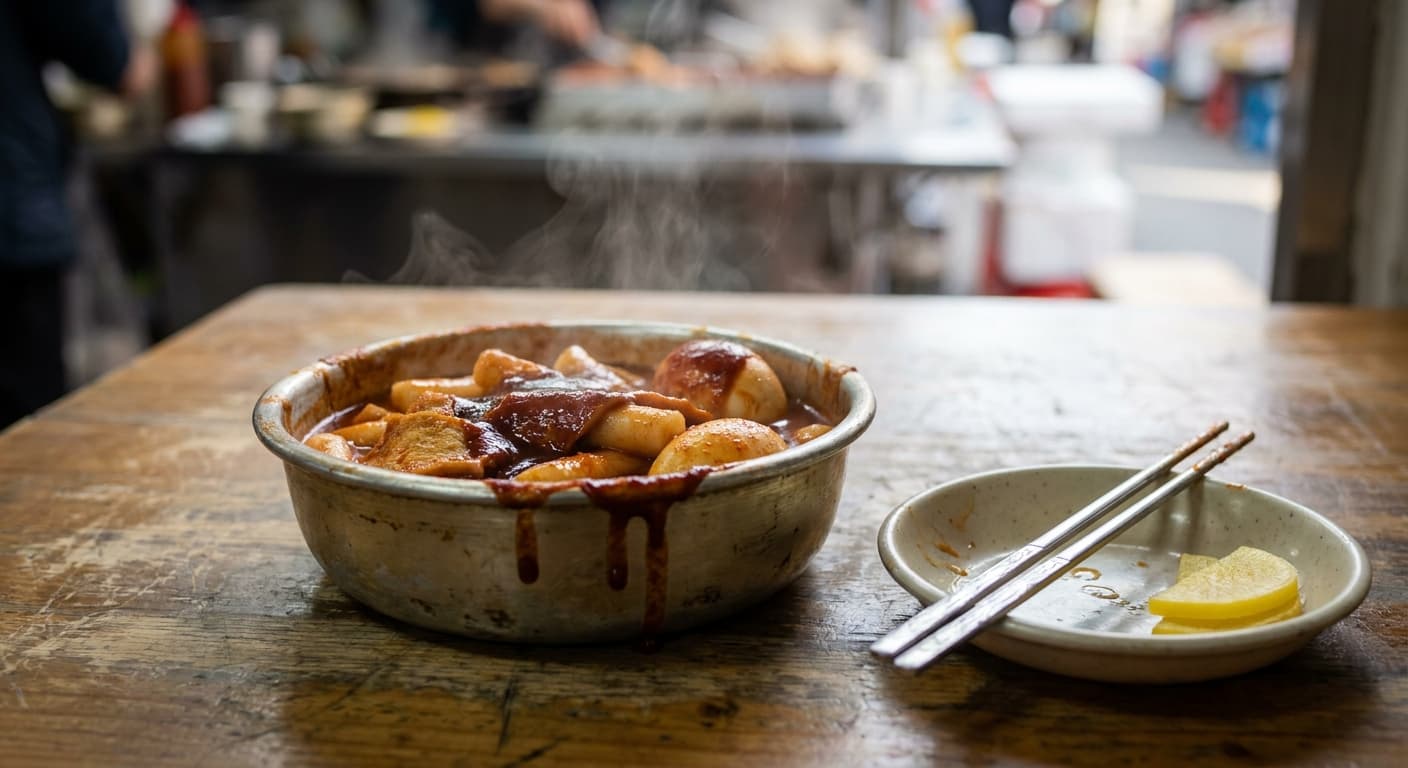
Tteokbokki (떡볶이) — Spicy Korean Rice Cakes
Korean · Main Courses · 45 min
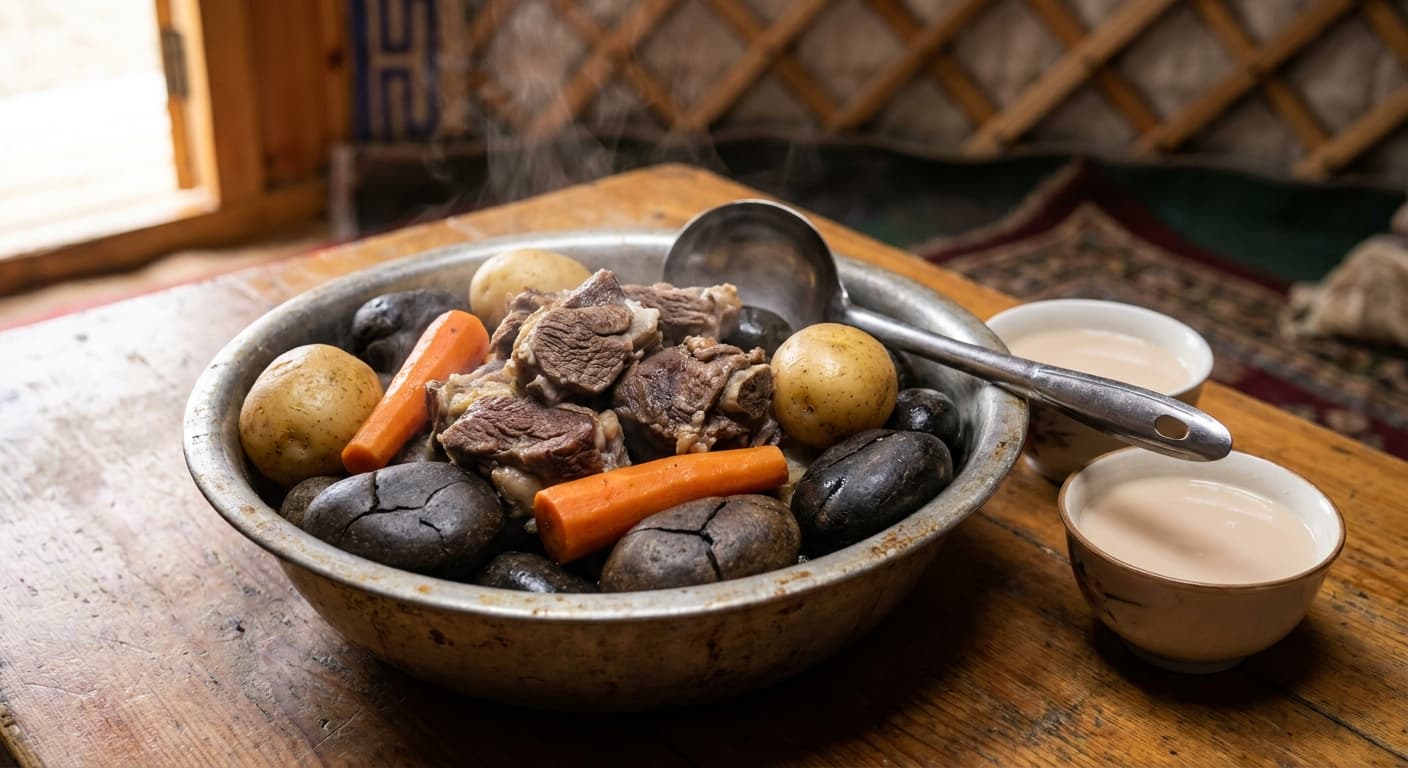
Khorkhog (Хорхог) — Mongolian Hot-Stone Lamb Stew
Mongolian · Main Courses · 130 min
Reviews
Cooked this recipe?
Tap the stars to rate it — that's all it takes. A few words are welcome but optional.
No ratings yet. Cooked this one? Be the first to rate it — it takes one tap.