Kombu no Tsukudani (昆布の佃煮) — Soy-Simmered Kelp Relish
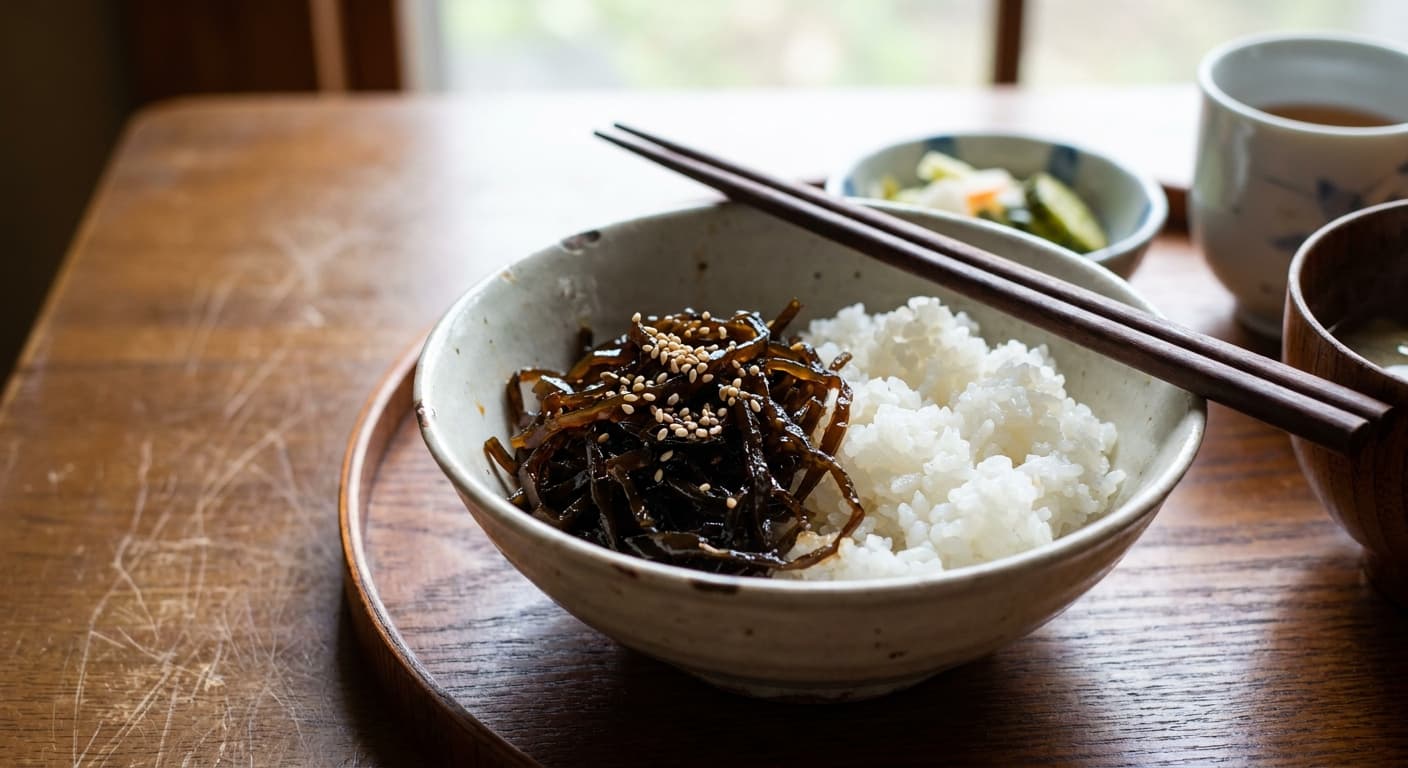
Kombu no tsukudani is a classic Japanese preserved side dish made by slowly simmering kelp in soy sauce, mirin, sake, and sugar. It is served in small amounts with rice, tucked into bento, or used as an onigiri filling.
Printable Recipe Card
Servings: 8 · Total: 65 min · Difficulty: easy
Ingredients (quick list)
- 60 g dried kombu (or 160 g hydrated kombu left from making kombu dashi)
- 600 ml water
- 60 ml Japanese soy sauce
- 45 ml mirin
- 45 ml sake
- 24 g granulated sugar
- 15 ml rice vinegar (helps tenderize the kombu)
- 9 g toasted white sesame seeds
Steps (summary)
- Wipe the dried kombu lightly with a clean damp cloth to remove grit, but do not scrub away the natural white surface bloom beca…
- Lift the kombu from the soaking water and reserve 120 ml of the soaking liquid for simmering. Cut the softened kombu into strip…
- Put the cut kombu, reserved 120 ml soaking liquid, soy sauce, mirin, sake, sugar, and rice vinegar into a small heavy saucepan.…
- Reduce the heat to low and simmer uncovered for 35 to 45 minutes, stirring every 8 minutes so the kombu cooks evenly. The liqui…
- When only about 1 tablespoon of syrupy liquid remains in the pan, stir more frequently for 2 to 3 minutes to coat every piece o…
- Fold in the toasted white sesame seeds while the kombu is still warm. Cool to room temperature, then serve in small portions wi…
Cultural Background
Tsukudani reflects Japanese home preservation: small ingredients simmered in soy sauce and sugar until intensely seasoned. Kombu versions honor frugality by turning stock-making kelp into a flavorful companion for plain rice.
Equipment
💡 Tips
- Use a small saucepan so the kombu is mostly covered by liquid at the start of cooking.
- Cut the kombu across the grain into narrow strips for a tender, easy-to-chew texture.
- Let the finished tsukudani rest overnight in the refrigerator for a deeper soy-sweet flavor.
⚠️ Common Mistakes
❌ Boiling the kombu hard from start to finish.
✅ Fix: Keep the pan at a low simmer so the kelp tenderizes before the soy glaze becomes concentrated.
❌ Reducing the sauce until completely dry in the pan.
✅ Fix: Stop cooking when about 1 tablespoon of glossy liquid remains, because it thickens further as it cools.
❌ Scrubbing the kombu until the surface is bare.
✅ Fix: Wipe only visible grit with a damp cloth and preserve the natural savory bloom on the surface.
🧊 How to Store
Store cooled kombu no tsukudani in a clean airtight container in the refrigerator for up to 7 days. Serve chilled or at room temperature, or warm gently in a small pan with 15 ml water if the glaze has tightened.
📅 Make Ahead
Kombu no tsukudani improves after 12 hours in the refrigerator as the soy-sweet glaze penetrates the kelp. It can be cooked up to 3 days before serving and portioned directly into bento.
🍽️ Pairs Well With
- Steamed Japanese rice
- ochazuke
- onigiri
- tamagoyaki
- grilled fish
- miso soup.
Regional Variations
- In Osaka-style home cooking, kombu tsukudani is often cut into fine shreds and simmered until very glossy for rice balls.
- Some Tokyo households add a small amount of sliced fresh ginger for a sharper aroma.
- A bento-style version may include sesame seeds or finely sliced dried chile for contrast.
Ingredients
- 60 gdried kombu (or 160 g hydrated kombu left from making kombu dashi)
- 600 mlwater
- 60 mlJapanese soy sauce
- 45 mlmirin
- 45 mlsake
- 24 ggranulated sugar
- 15 mlrice vinegar (helps tenderize the kombu)
- 9 gtoasted white sesame seeds
🔄 Substitutions
- Japanese soy sauce→ tamari
- sake→ water
- mirin→ 45 ml water plus 12 g sugar
Instructions
- 1
Wipe the dried kombu lightly with a clean damp cloth to remove grit, but do not scrub away the natural white surface bloom because it contains savory compounds. Place the kombu in a bowl with 600 ml water and soak for 15 minutes, or use 160 g already hydrated kombu if it has just been used for kombu dashi.
- 2
Lift the kombu from the soaking water and reserve 120 ml of the soaking liquid for simmering. Cut the softened kombu into strips about 3 cm long and 5 mm wide, or into small squares if you prefer a rice-topping texture.
- 3
Put the cut kombu, reserved 120 ml soaking liquid, soy sauce, mirin, sake, sugar, and rice vinegar into a small heavy saucepan. Stir once to dissolve the sugar, then bring the mixture to a gentle simmer over medium heat.
- 4
Reduce the heat to low and simmer uncovered for 35 to 45 minutes, stirring every 8 minutes so the kombu cooks evenly. The liquid should reduce slowly to a glossy glaze, not boil aggressively, because hard boiling can make the kelp tough and salty before it becomes tender.
- 5
When only about 1 tablespoon of syrupy liquid remains in the pan, stir more frequently for 2 to 3 minutes to coat every piece of kombu. Remove the pan from the heat before the glaze dries completely, because the residual heat will continue thickening the sauce.
- 6
Fold in the toasted white sesame seeds while the kombu is still warm. Cool to room temperature, then serve in small portions with steamed rice or transfer to a clean container for refrigerated storage.
🪪 Recipe Passport
Cultural Background
Tsukudani reflects Japanese home preservation: small ingredients simmered in soy sauce and sugar until intensely seasoned. Kombu versions honor frugality by turning stock-making kelp into a flavorful companion for plain rice.
Regional Variations
Researched from multiple sources and validated by the Zaffaron editorial team. Every recipe is tested for accuracy, measurements, and cultural authenticity.
📚 Sources & Cultural References
- Shizuo Tsuji — Japanese Cooking: A Simple Art — (1980)
- Elizabeth Andoh — Kansha: Celebrating Japan's Vegan and Vegetarian Traditions — (2010)
Sources cited by the Zaffaron editorial team during recipe research. Cultural and culinary references supporting authenticity claims.
Nutrition per serving
Pairs well with
If you enjoyed this recipe, here are a few related Zaffaron recipes to try next.
Does your family make this differently?
Every family has their own version. Maybe your grandmother adds a secret ingredient, or your aunt has a completely different technique. Preserve your family's version — with their name on it, forever.
You Might Also Like
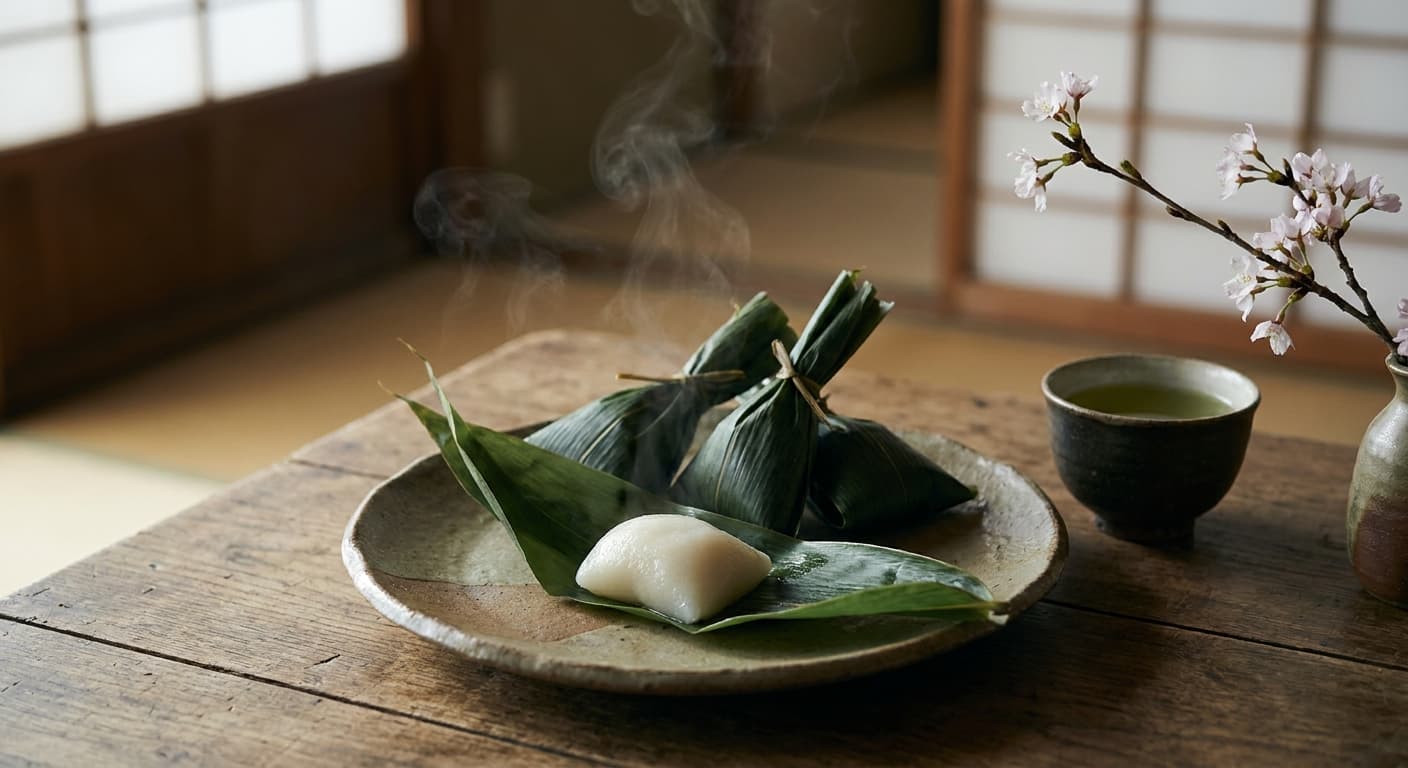
Chimaki (粽) — Bamboo-Wrapped Sticky Rice Dumplings
Japanese · Desserts · 95 min
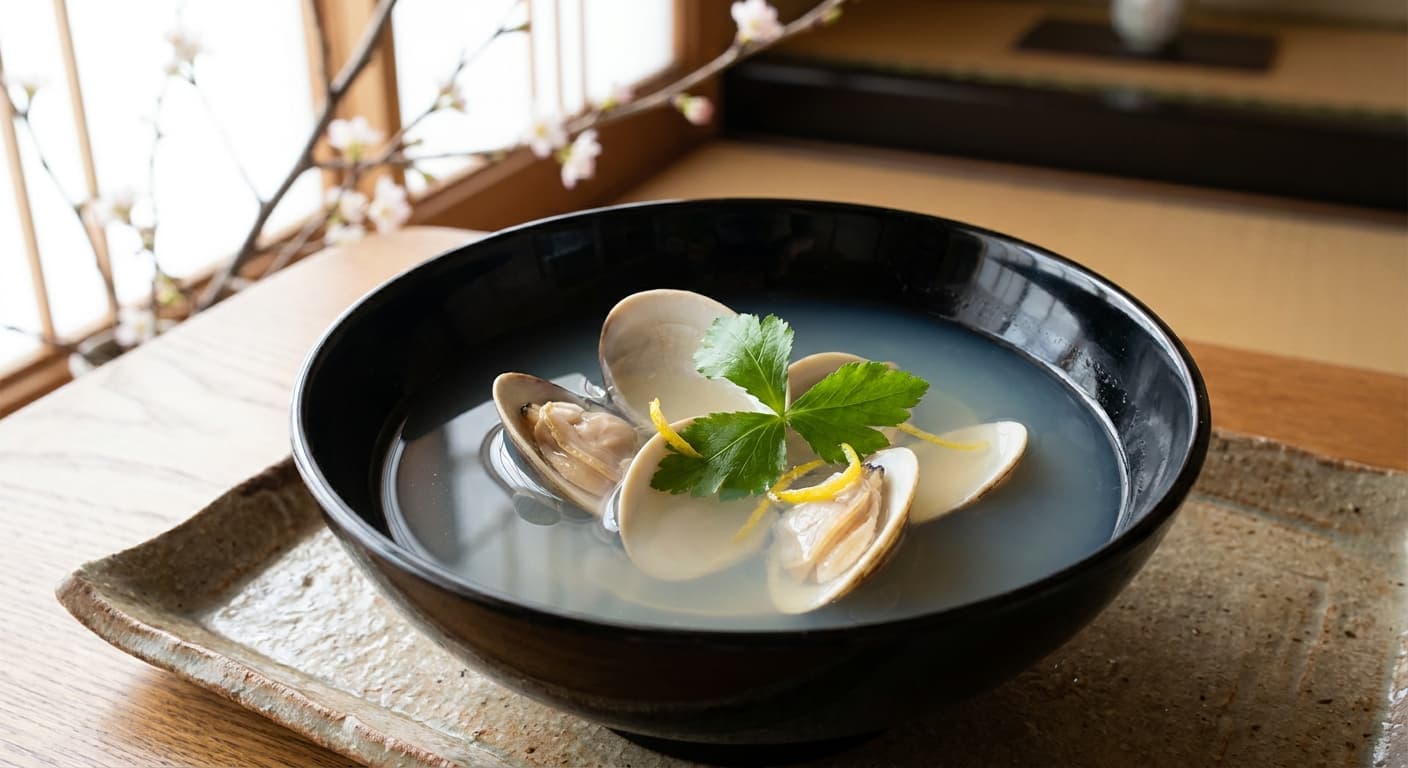
Hamaguri Ushio-jiru (蛤潮汁) — Japanese Clear Clam Soup
Japanese · Soups · 62 min
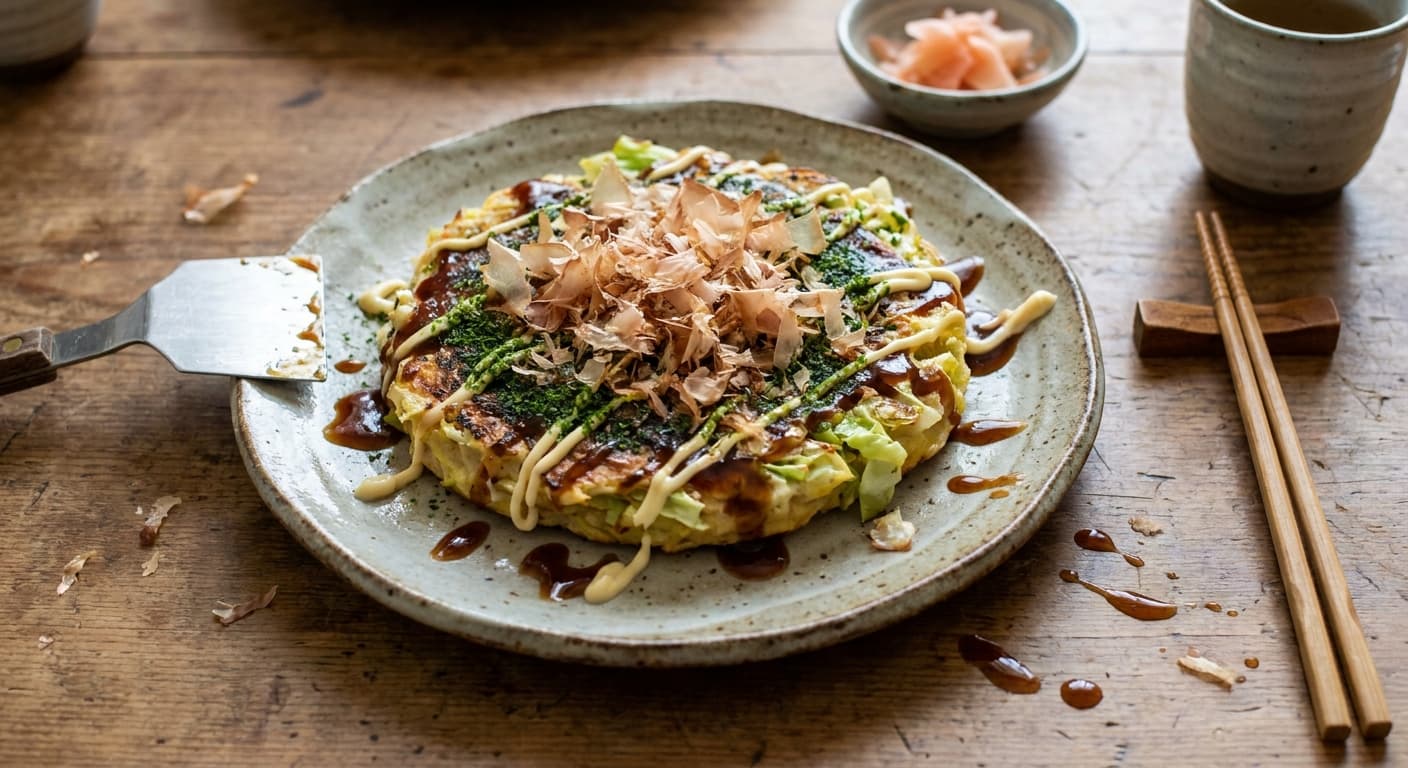
Okonomiyaki (お好み焼き) — Osaka-Style Savory Cabbage Pancake
Japanese · Main Courses · 49 min

Calentica (كالنتيكا) — Moroccan Chickpea Flan Street Food, Peppery and Warm
Moroccan · Side Dishes · 60 min
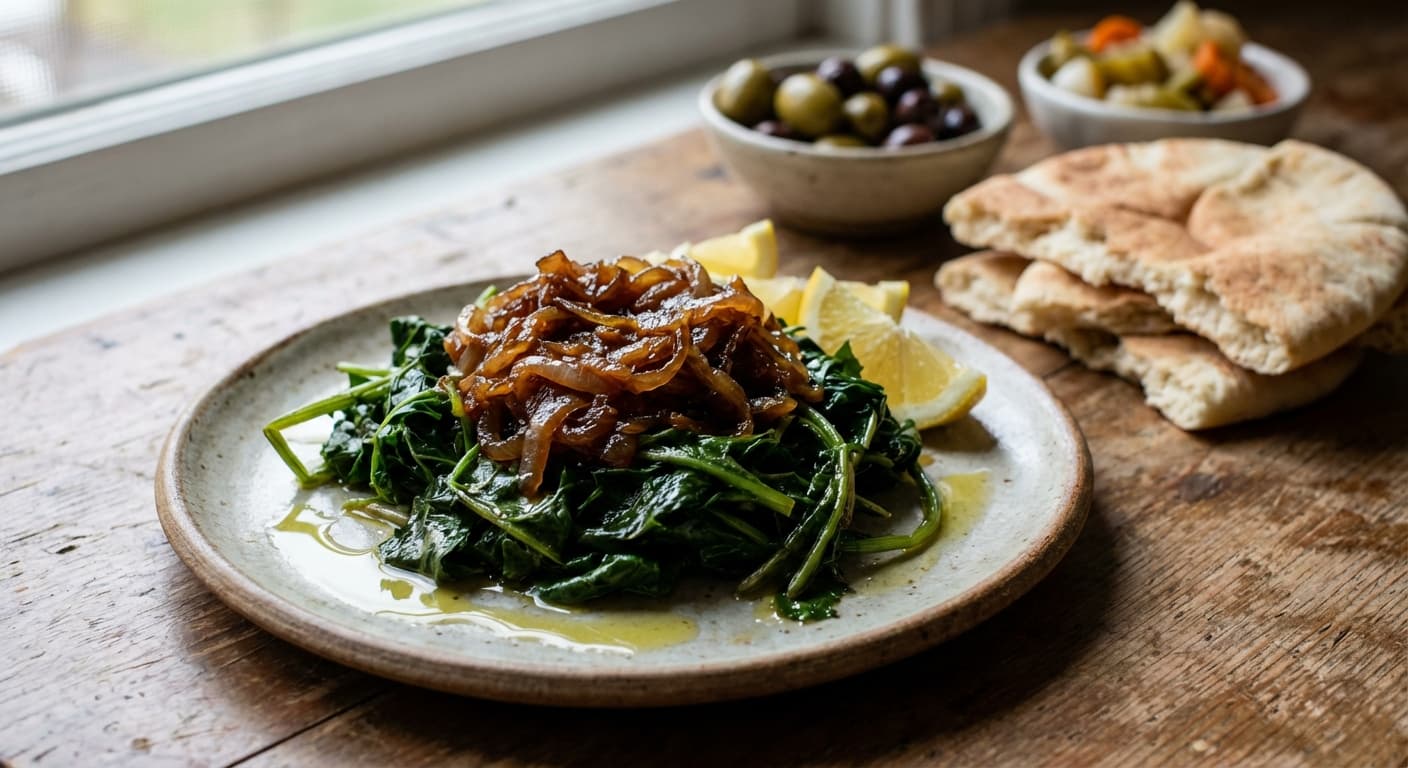
Hindbeh b Zeit (هندبة بزيت) — Lebanese dandelion greens with onions and olive oil
Lebanese · Side Dishes · 55 min
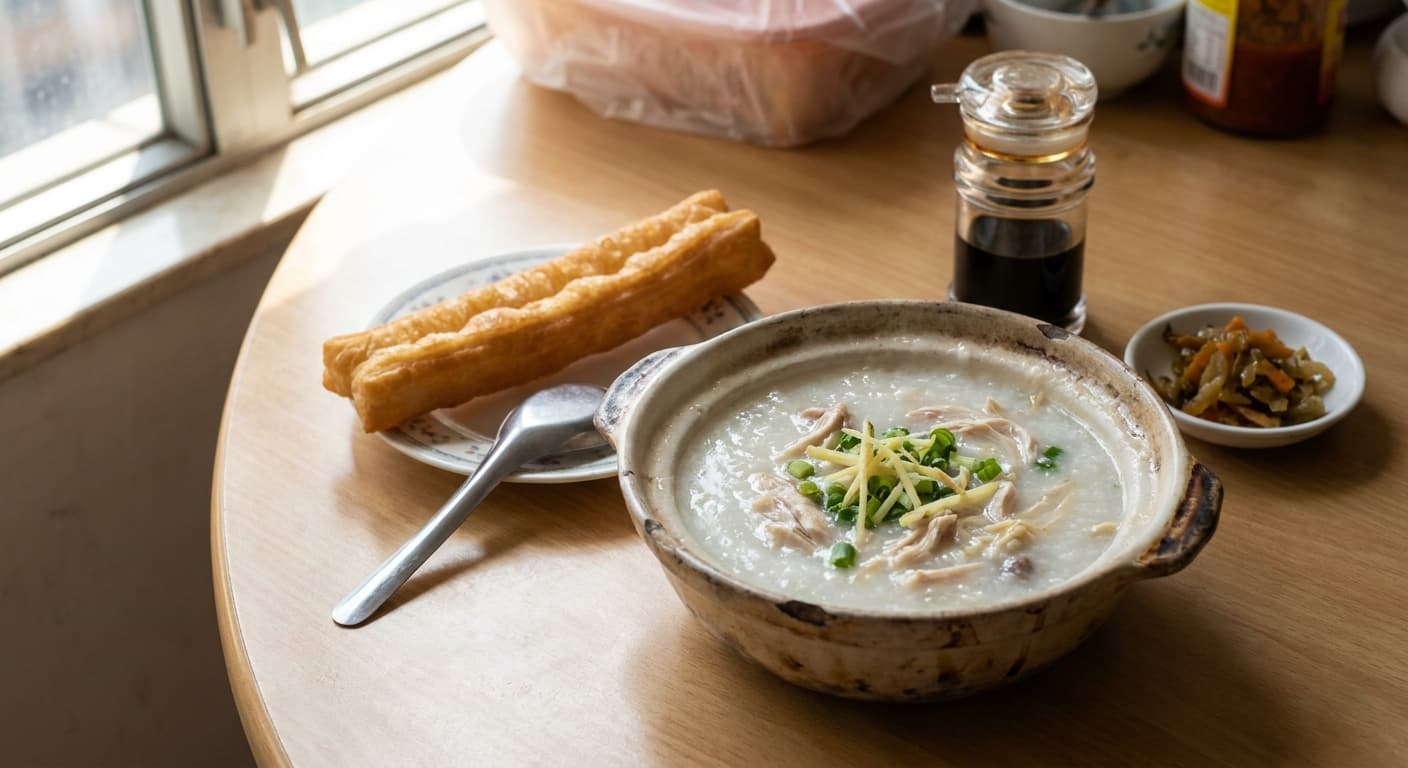
Cantonese Chicken Congee (粵式雞粥) — Silky Rice Porridge with Ginger
Chinese · Rice Dishes · 95 min
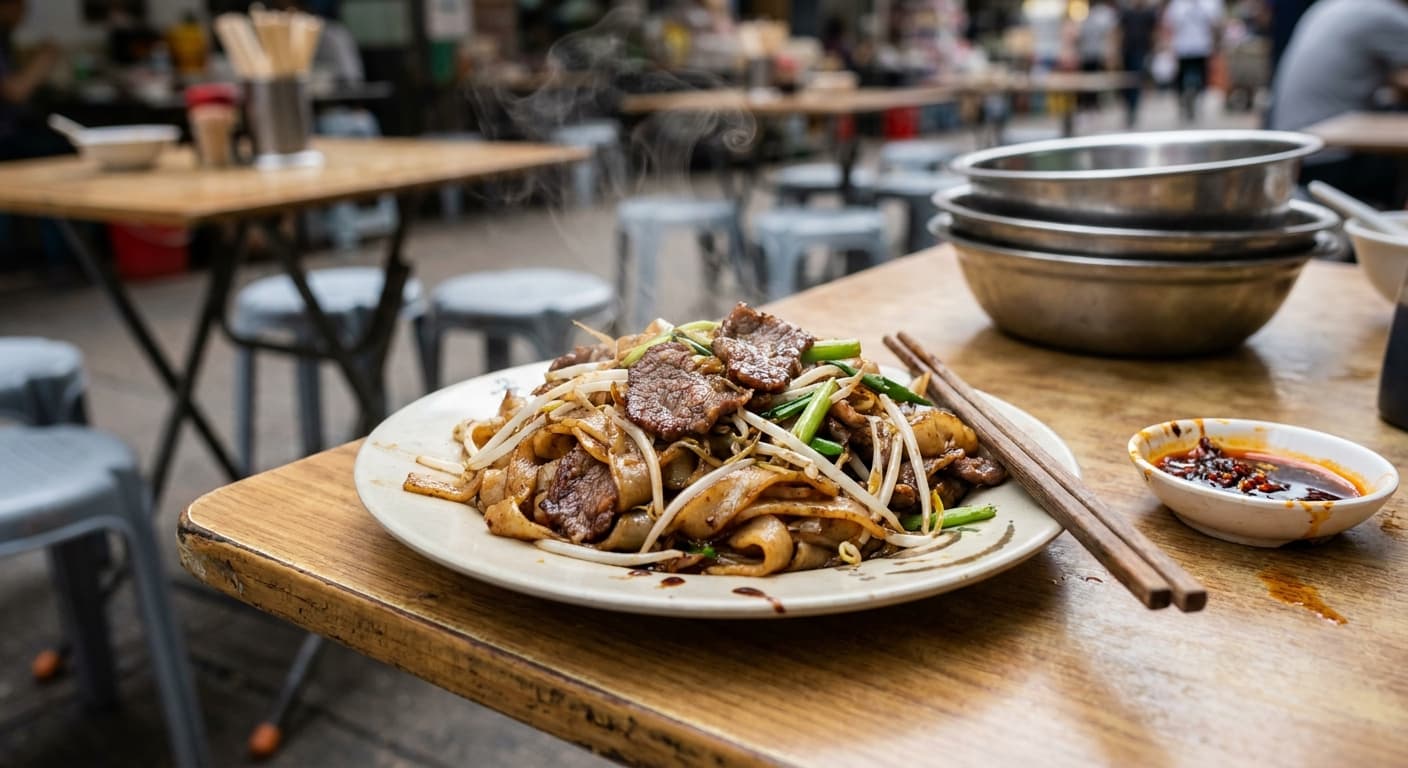
Beef Chow Fun (干炒牛河) — Cantonese Wok-Fried Rice Noodles with Beef
Chinese · Main Courses · 33 min
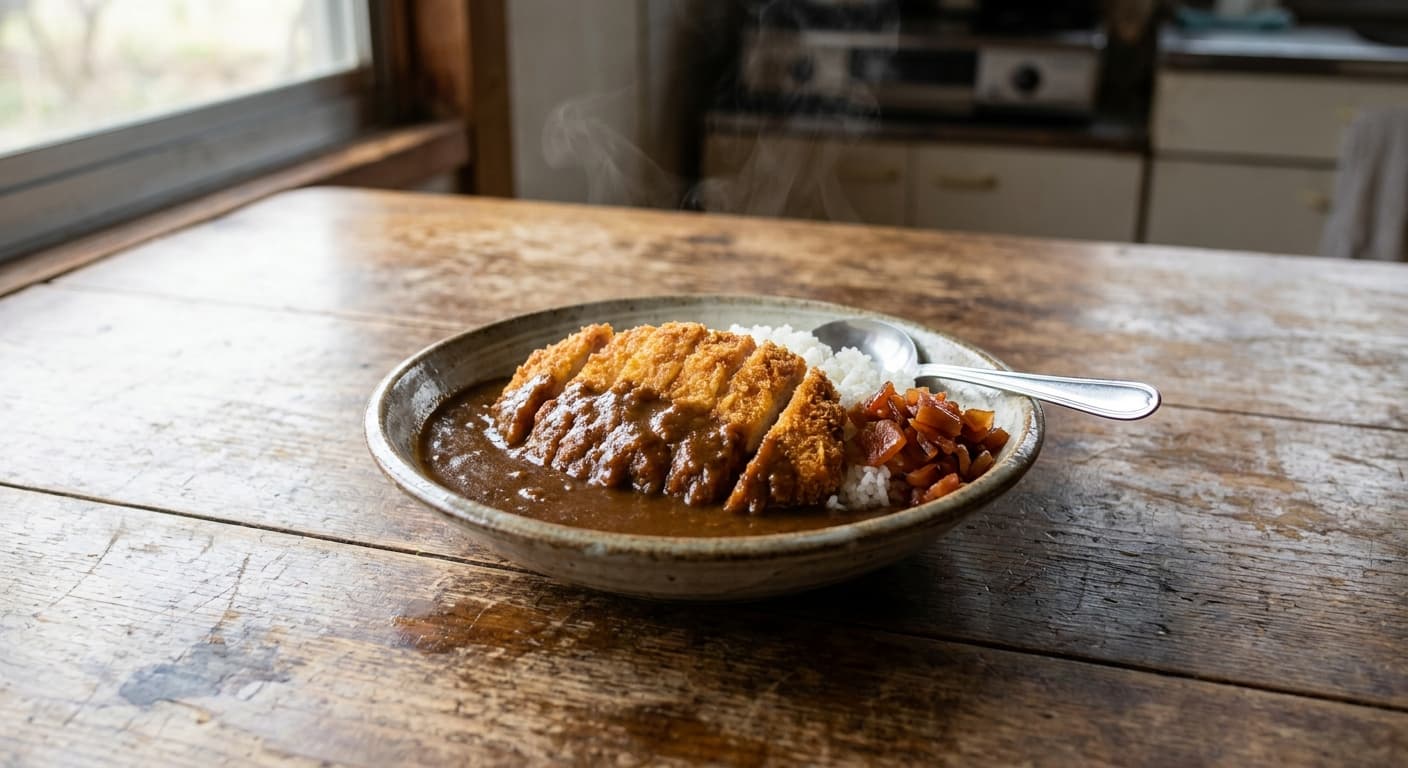
Japanese Chicken Katsu Curry (チキンカツカレー) — Crispy Cutlet with Rich Curry Rice
Japanese · Main Courses · 65 min
Reviews
Cooked this recipe?
Tap the stars to rate it — that's all it takes. A few words are welcome but optional.
No ratings yet. Cooked this one? Be the first to rate it — it takes one tap.