Khoresh-e Gheimeh (خورش قیمه) – Classic Persian Split Pea Stew with Crispy Potatoes
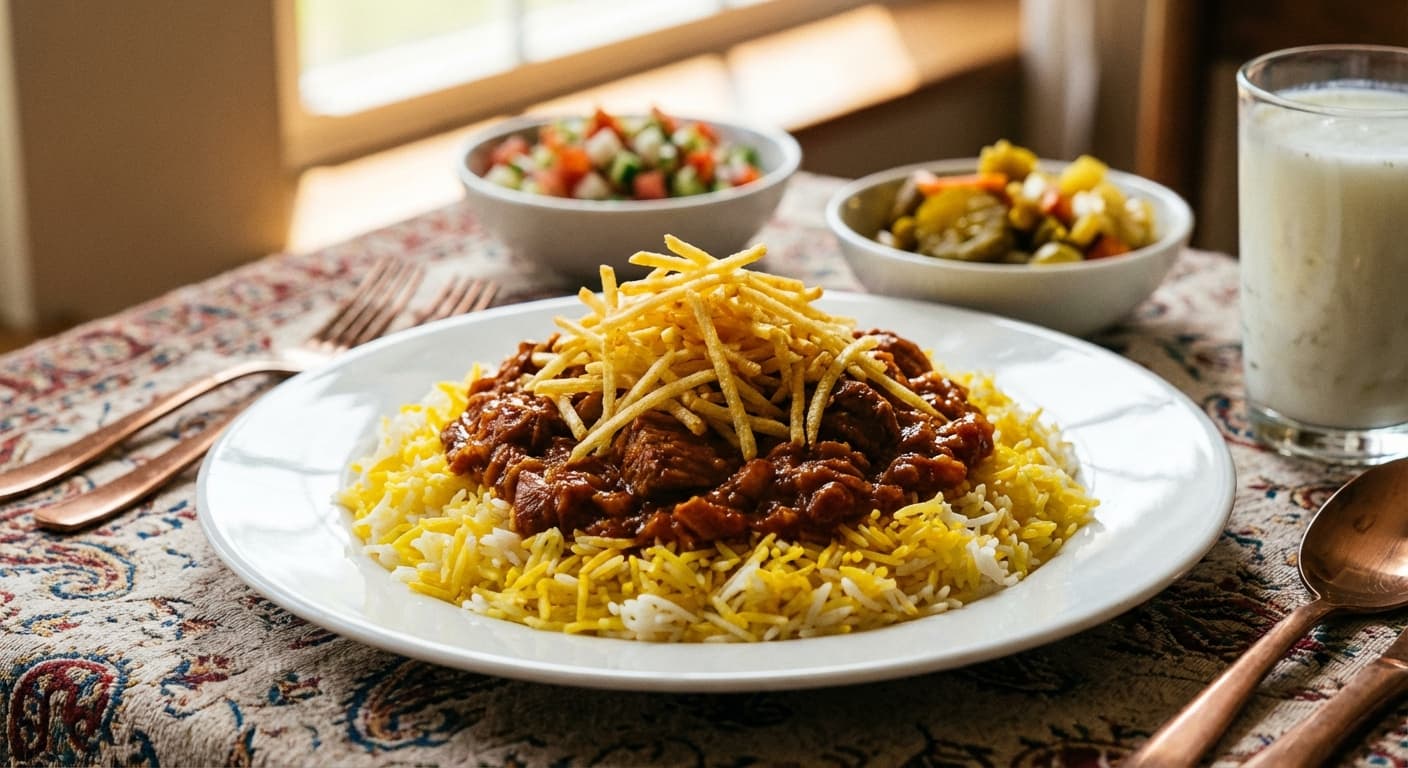
Khoresh-e Gheimeh is a classic Persian stew of ground meat and yellow split peas simmered with tomato, saffron, and tangy dried lime. Topped with crisp fried potatoes and served with fluffy basmati rice, it’s beloved for ceremonies and family gatherings.
Printable Recipe Card
Servings: 6 · Total: 180 min · Difficulty: medium
Ingredients (quick list)
- 450 g Basmati rice (rinsed until water runs mostly clear)
- 24 g Fine sea salt (for soaking and boiling rice water)
- 2500 ml Water (for parboiling rice (plus more as needed))
- 40 g Unsalted butter (melted; for finishing rice)
- 0.25 tsp Saffron threads (ground and bloomed in hot water)
- 45 ml Hot water (for blooming saffron)
- 120 g Plain yogurt (for tahdig base (optional but traditional))
- 30 ml Vegetable oil (for tahdig base (or use butter))
- 500 g Ground lamb (or ground beef (80–85% lean))
- 300 g Yellow onions (finely diced)
- 2 tsp Turmeric (Persian-style stew base spice)
- 0.5 tsp Ground cinnamon (optional but traditional warmth)
+ 6 more in the full ingredients section below.
Steps (summary)
- Soak the yellow split peas in cool water for 30 minutes, then drain and rinse again. Meanwhile, rinse the basmati rice until th…
- Bloom saffron twice: grind 0.25 tsp saffron and mix with 45 ml hot water for the rice; grind another 0.25 tsp and mix with 30 m…
- Start the stew base: heat 30 g butter with 30 ml oil in a heavy pot over medium heat. Add diced onions and cook 12–15 minutes,…
- Add ground lamb (or beef) and raise heat to medium-high. Break it up with a wooden spoon and cook 8–10 minutes until no pink re…
- Add grated Roma tomatoes and cook 8 minutes over medium heat until the mixture thickens and the oil lightly separates. Stir in…
- Pierce each dried lime 6–8 times with a skewer (and remove loose seeds if accessible) to prevent bitterness. Add the limes to t…
+ 6 more steps in the full instructions section below.
Cultural Background
Khoresh-e Gheimeh is one of Iran’s most iconic stews, commonly served with rice at family meals and large gatherings. It is especially associated with nazri (charity meals) during Muharram and other religious ceremonies, where its familiar aroma signals hospitality and communal care.
Equipment
💡 Tips
- For balanced tang, taste the stew after 45 minutes with the dried limes; if it becomes too sharp, remove one lime and continue simmering.
- If using very lean beef, add 15 ml extra oil when browning to prevent a dry, grainy texture.
- For brighter color, sauté tomato paste until it darkens; undercooked paste tastes raw and looks pale.
- To keep split peas intact, simmer gently; a rolling boil will break them down and make the stew muddy.
⚠️ Common Mistakes
❌ Adding dried limes too early without piercing them
💡 Why: Whole limes release flavor slowly and can trap bitterness; unpierced limes often under-season the stew until late, then suddenly turn sharp.
✅ Fix: Pierce each lime 6–8 times and add after the stew has started simmering; taste at 45 minutes and remove one lime if tang becomes too intense.
❌ Boiling the stew hard
💡 Why: A rolling boil breaks split peas and emulsifies fat into the liquid, making the stew cloudy and pasty instead of glossy.
✅ Fix: Maintain a gentle simmer with small bubbles; stir every 15 minutes and adjust heat so the surface barely trembles.
❌ Frying potatoes while wet or overcrowding the pot
💡 Why: Moisture drops oil temperature and creates steam, leading to limp fries and oil splatter; overcrowding prevents crisping.
✅ Fix: Dry potatoes thoroughly and fry in small batches at 175°C; keep cooked fries uncovered on a rack and salt immediately.
❌ Under-cooking tomato paste
💡 Why: Raw paste tastes metallic and looks pale, preventing the stew from developing its signature deep red-brown color.
✅ Fix: Cook paste 3–4 minutes in the fat with constant stirring until it darkens and smells sweet, then add tomatoes.
🧊 How to Store
Refrigerate stew (without fries) in an airtight container up to 4 days. Reheat gently on the stovetop with 60–120 ml water to loosen. Rice keeps 3 days refrigerated; re-steam with 2 tbsp water. Fries are best fresh; re-crisp 8–10 minutes at 220°C.
📅 Make Ahead
The stew tastes better the next day. Cook it up to 2 days ahead, cool quickly, and refrigerate; reheat gently and adjust thickness with hot water. Parboil rice earlier in the day, then steam 45–50 minutes before serving. Fry potatoes just before serving for best crunch.
🍽️ Pairs Well With
- Shirazi salad (cucumber
- tomato
- onion
- lime)
- Plain yogurt or mast-o-khiar
- Torshi (Persian pickles)
- Fresh herbs (sabzi khordan) and radishes
Regional Variations
- Tehran (Central Iran)Often made with small cubes of lamb rather than ground meat, and finished with a touch more saffron for a brighter aroma; potato matchsticks are kept thin and very crisp.
- Southwestern Iran (Khuzestan)Sometimes sharpened with additional sour elements such as more limoo omani or a spoon of sour plum paste, giving a bolder tang that stands up to richer meats.
Ingredients
- 450 gBasmati rice (rinsed until water runs mostly clear)
- 24 gFine sea salt (for soaking and boiling rice water)
- 2500 mlWater (for parboiling rice (plus more as needed))
- 40 gUnsalted butter (melted; for finishing rice)
- 0.25 tspSaffron threads (ground and bloomed in hot water)
- 45 mlHot water (for blooming saffron)
- 120 gPlain yogurt (for tahdig base (optional but traditional))
- 30 mlVegetable oil (for tahdig base (or use butter))
- 500 gGround lamb (or ground beef (80–85% lean))
- 300 gYellow onions (finely diced)
- 2 tspTurmeric (Persian-style stew base spice)
- 0.5 tspGround cinnamon (optional but traditional warmth)
- 1 tspGround black pepper
- 450 gRoma tomatoes (grated or finely chopped (about 4 medium))
- 60 gTomato paste (about 4 tbsp; sauté until brick-red)
- 200 gYellow split peas (rinsed; soaked 30 minutes, then drained)
- 3Dried limes (Limoo Omani) (pierced with a skewer; remove seeds if possible)
- 600 gRusset potatoes (peeled and cut into 6 mm matchsticks)
🔄 Substitutions
- Dried limes (Limoo Omani)→ Sour plum sauce (lavashak or aloocheh sauce), 30 ml
- Ground lamb→ Ground beef
- Deep-fried potato matchsticks→ Oven-baked potato matchsticks
Instructions
- 1
Soak the yellow split peas in cool water for 30 minutes, then drain and rinse again. Meanwhile, rinse the basmati rice until the water is mostly clear, then soak it in 1.5 liters water mixed with 18 g of the salt for 30 minutes. This prep improves texture and reduces breakage during cooking.
- 2
Bloom saffron twice: grind 0.25 tsp saffron and mix with 45 ml hot water for the rice; grind another 0.25 tsp and mix with 30 ml hot water for the stew. Cover both and steep 10 minutes. Keep warm near the stove so the color and aroma fully develop before use.
- 3
Start the stew base: heat 30 g butter with 30 ml oil in a heavy pot over medium heat. Add diced onions and cook 12–15 minutes, stirring often, until deeply golden. Add turmeric, black pepper, and cinnamon; cook 45 seconds to toast the spices without scorching.
- 4
Add ground lamb (or beef) and raise heat to medium-high. Break it up with a wooden spoon and cook 8–10 minutes until no pink remains and the meat begins to brown. Stir in tomato paste and cook 3–4 minutes, scraping the bottom, until the paste darkens to a brick-red color.
- 5
Add grated Roma tomatoes and cook 8 minutes over medium heat until the mixture thickens and the oil lightly separates. Stir in the soaked split peas, then add 1200 ml hot water. Bring to a gentle boil, skim any foam for 2 minutes, then reduce to low for a steady simmer.
- 6
Pierce each dried lime 6–8 times with a skewer (and remove loose seeds if accessible) to prevent bitterness. Add the limes to the pot. Cover partially and simmer 75–90 minutes on low, stirring every 15 minutes, until peas are tender and the stew is glossy and spoon-coating.
- 7
Season and finish the stew: add 6 g salt at minute 60 of simmering, then adjust with the remaining 4 g near the end. Stir in the bloomed saffron for the stew during the last 10 minutes. If the stew thickens too much, add 60–120 ml hot water and simmer 5 minutes.
- 8
Prepare crispy potatoes: soak the cut russet matchsticks in 1000 ml cold water for 20 minutes to remove surface starch. Drain well, then dry thoroughly with a clean towel for 3 minutes. Heat 750 ml oil to 175°C in a deep pot; fry in batches 6–8 minutes until golden.
- 9
Transfer fries to a rack or paper-lined tray and immediately season with 4 g salt while hot. Keep them crisp in a 110°C oven if needed, up to 30 minutes. Avoid covering, which traps steam and softens them.
- 10
Cook saffron rice with tahdig: bring 2500 ml water to a boil and add the remaining 6 g salt. Drain soaked rice and parboil 6–7 minutes until the grains are pliable with a firm center. Drain, rinse quickly with warm water, then return pot with 30 ml oil mixed with yogurt for tahdig.
- 11
Pile rice into the pot in a mound, poke 5–6 steam holes, and drizzle melted butter plus 2 tbsp bloomed saffron water over the top. Cover lid with a towel and steam on medium 10 minutes, then low 35–40 minutes. For a deeper crust, keep low heat for an extra 10 minutes.
- 12
Serve: remove dried limes from the stew if you prefer a cleaner taste, or leave them for diners to squeeze. Spoon khoresh over rice and top generously with crispy potatoes. Finish with a final drizzle of saffron water on the rice for aroma. Serve immediately while fries are crunchy.
🪪 Recipe Passport
Cultural Background
Khoresh-e Gheimeh is one of Iran’s most iconic stews, commonly served with rice at family meals and large gatherings. It is especially associated with nazri (charity meals) during Muharram and other religious ceremonies, where its familiar aroma signals hospitality and communal care.
Regional Variations
Researched from multiple sources and validated by the Zaffaron editorial team. Every recipe is tested for accuracy, measurements, and cultural authenticity.
Nutrition per serving
Pairs well with
If you enjoyed this recipe, here are a few related Zaffaron recipes to try next.
Does your family make this differently?
Every family has their own version. Maybe your grandmother adds a secret ingredient, or your aunt has a completely different technique. Preserve your family's version — with their name on it, forever.
You Might Also Like
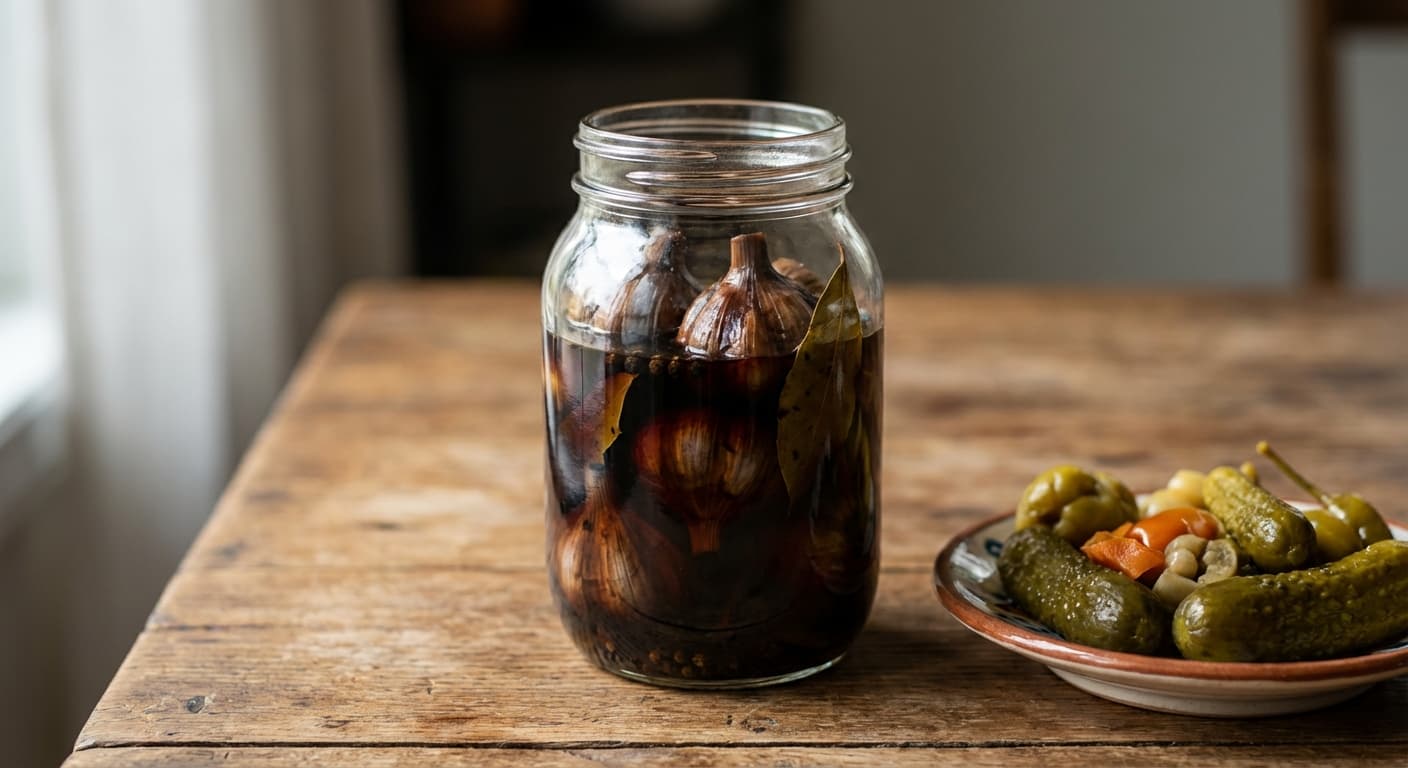
Aged Garlic Pickle (سیر ترشی) — Gilan’s seven-year-style black garlic torshi
Persian · Side Dishes · 45 min
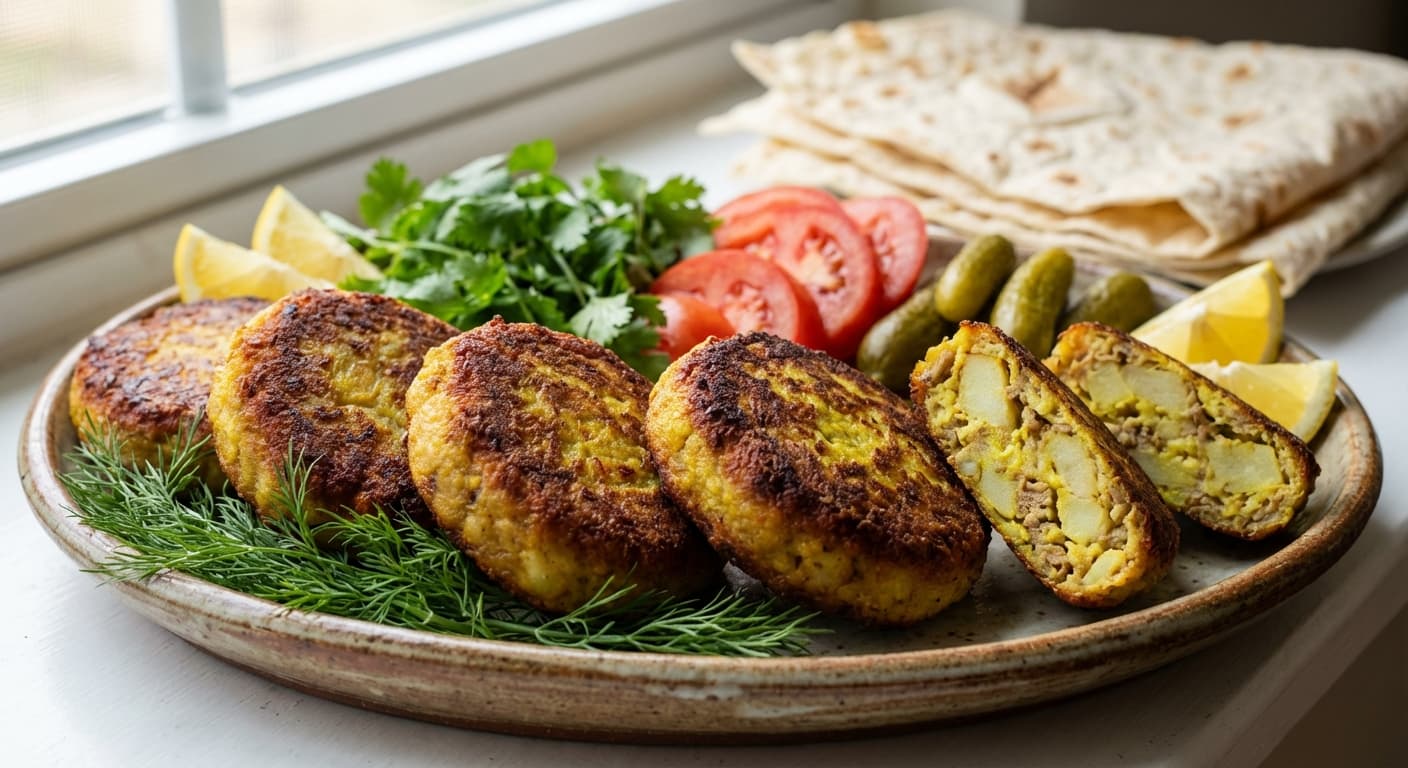
Persian Kotlet (کتلت) — Saffron-Infused Meat & Potato Patties
Persian · Main Courses · 55 min
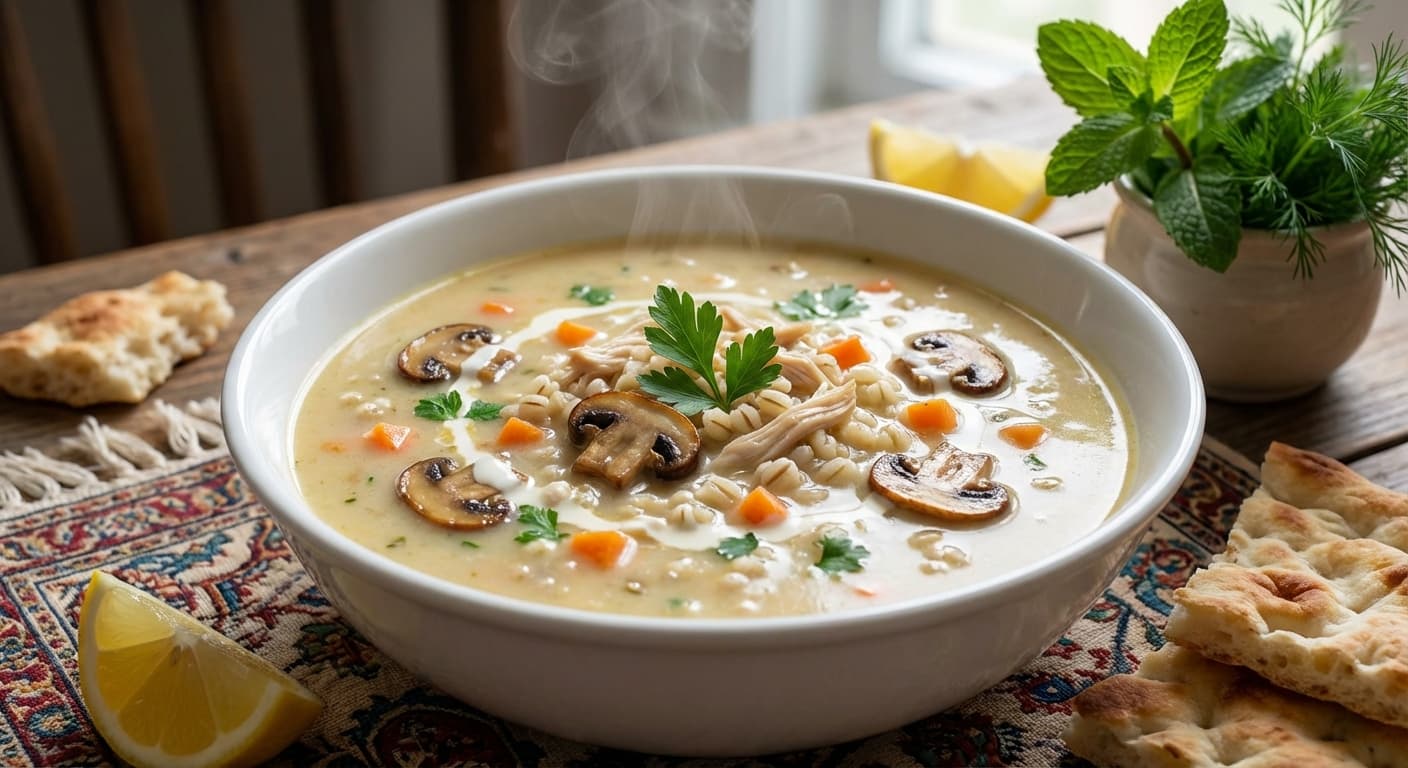
Soup-e Jo (سوپ جو) — Persian Creamy Barley Soup
Persian · Soups · 90 min
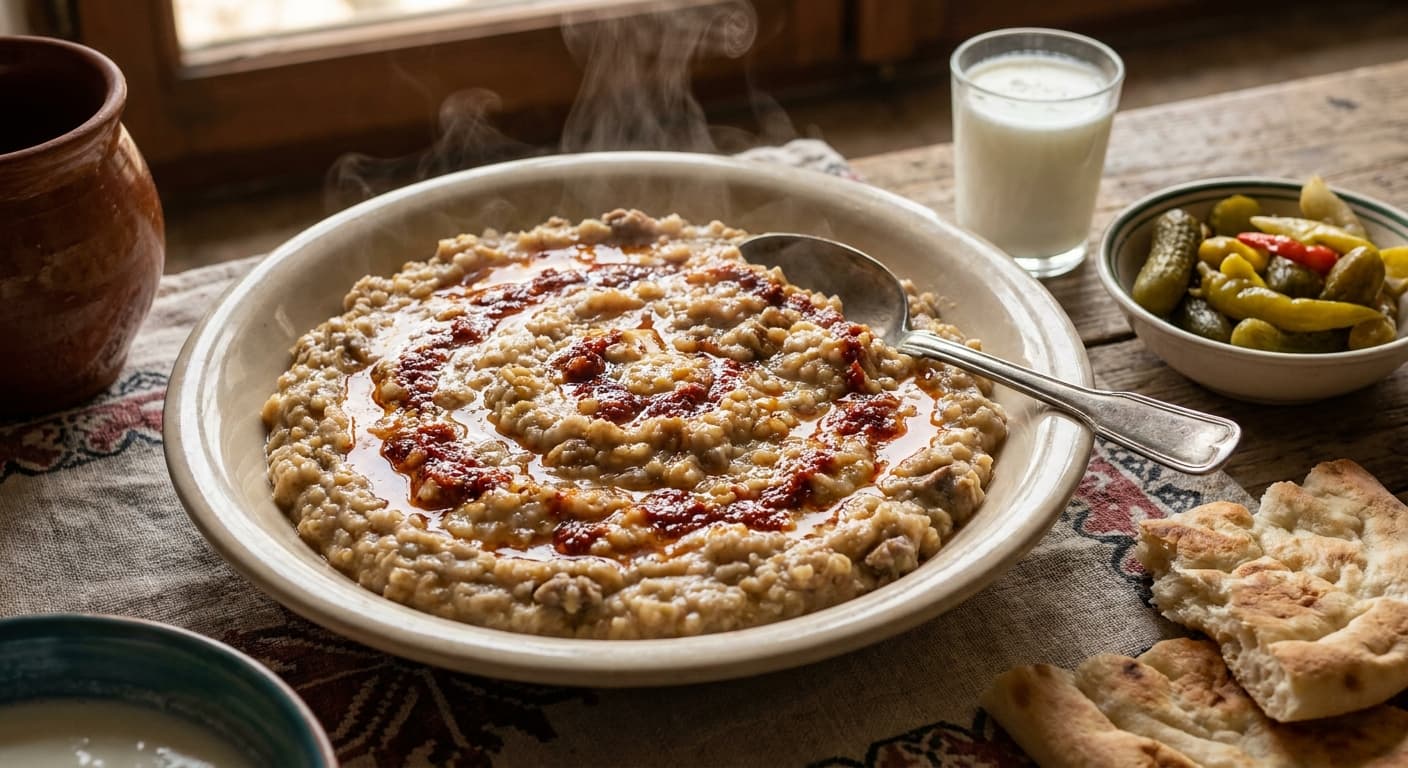
Keshkek (Keşkek) — Creamy Ceremonial Wheat and Lamb Stew
Turkish · Stews · 240 min
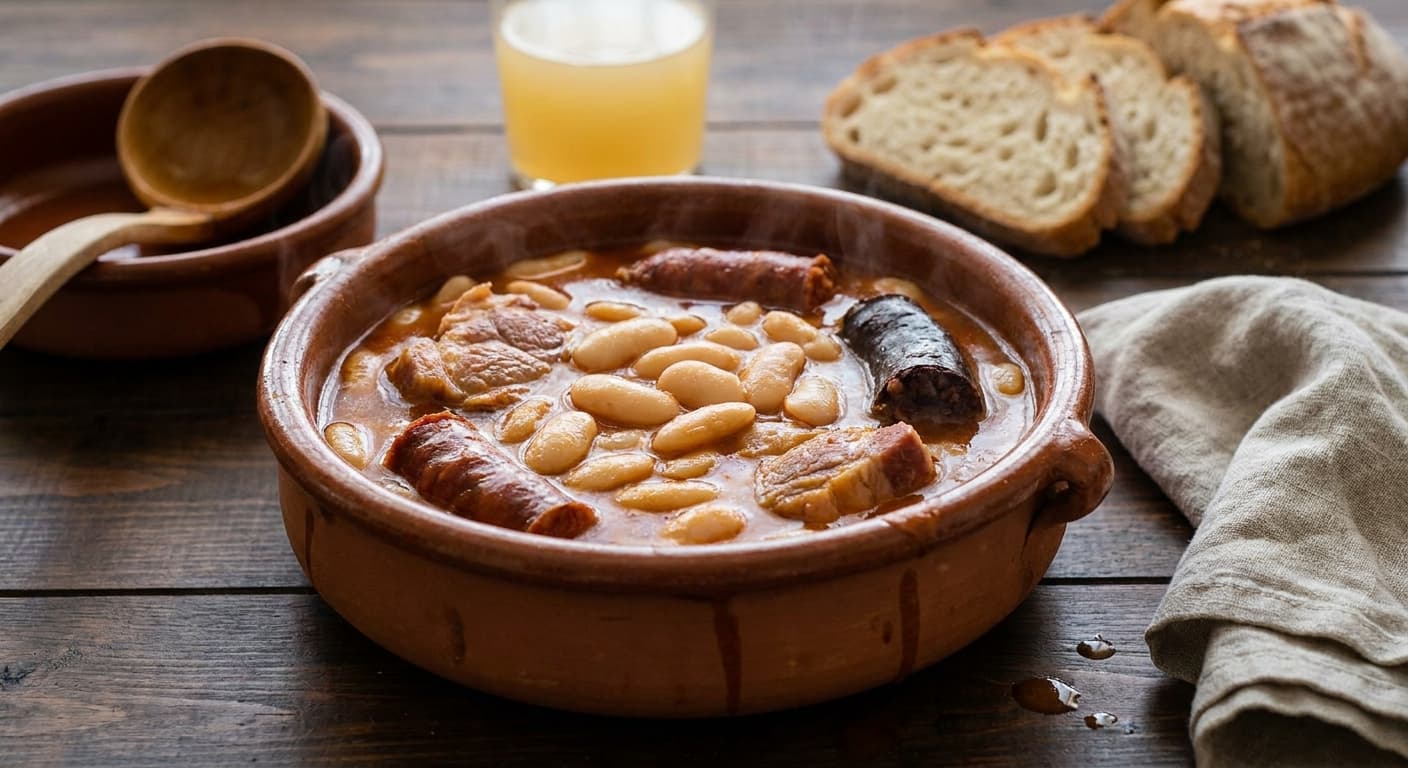
Asturian Bean Stew (Fabada Asturiana) — Smoky Spanish Bean and Pork Stew
Spanish · Stews · 210 min
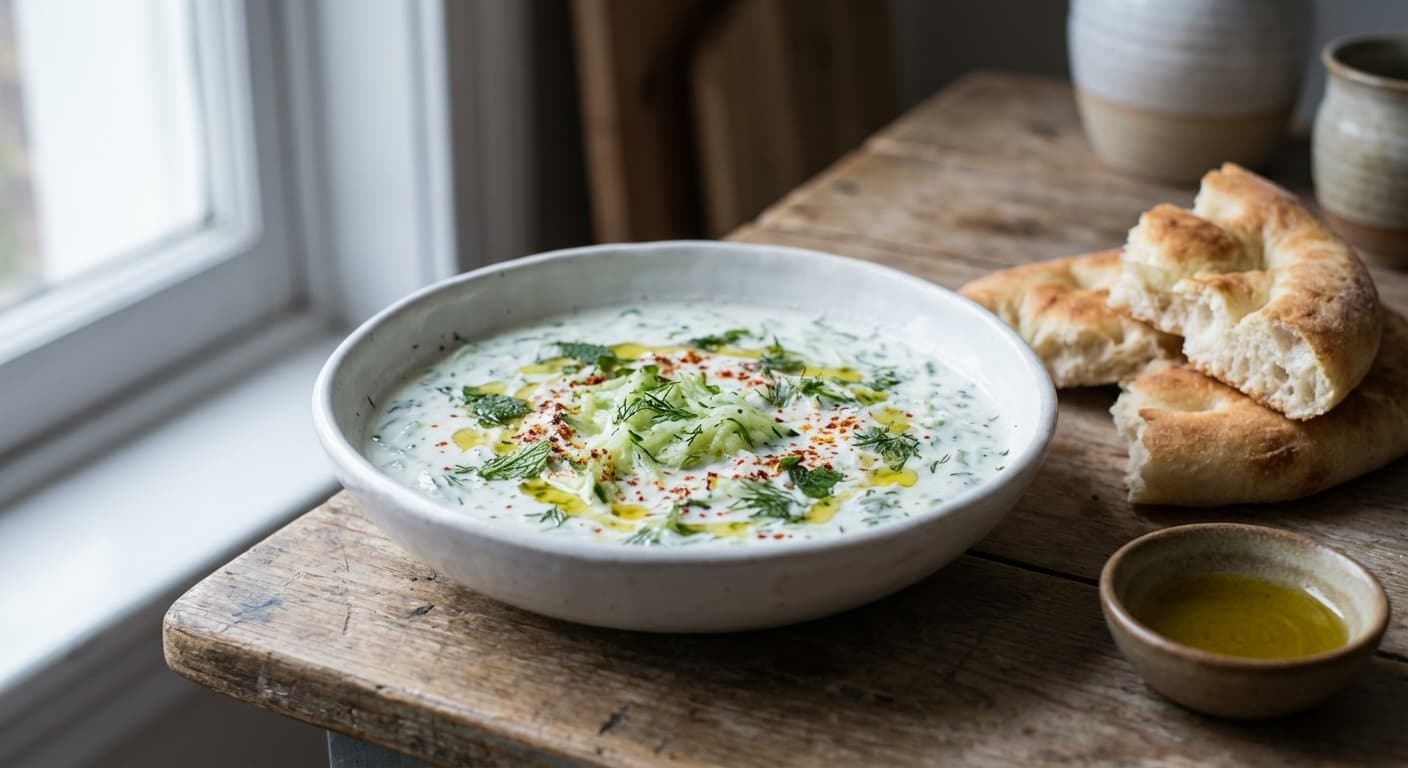
Cacık (Yoğurtlu Salatalık Mezesi) — Chilled Turkish Yogurt, Cucumber & Mint Dip
Turkish · Appetizers · 15 min
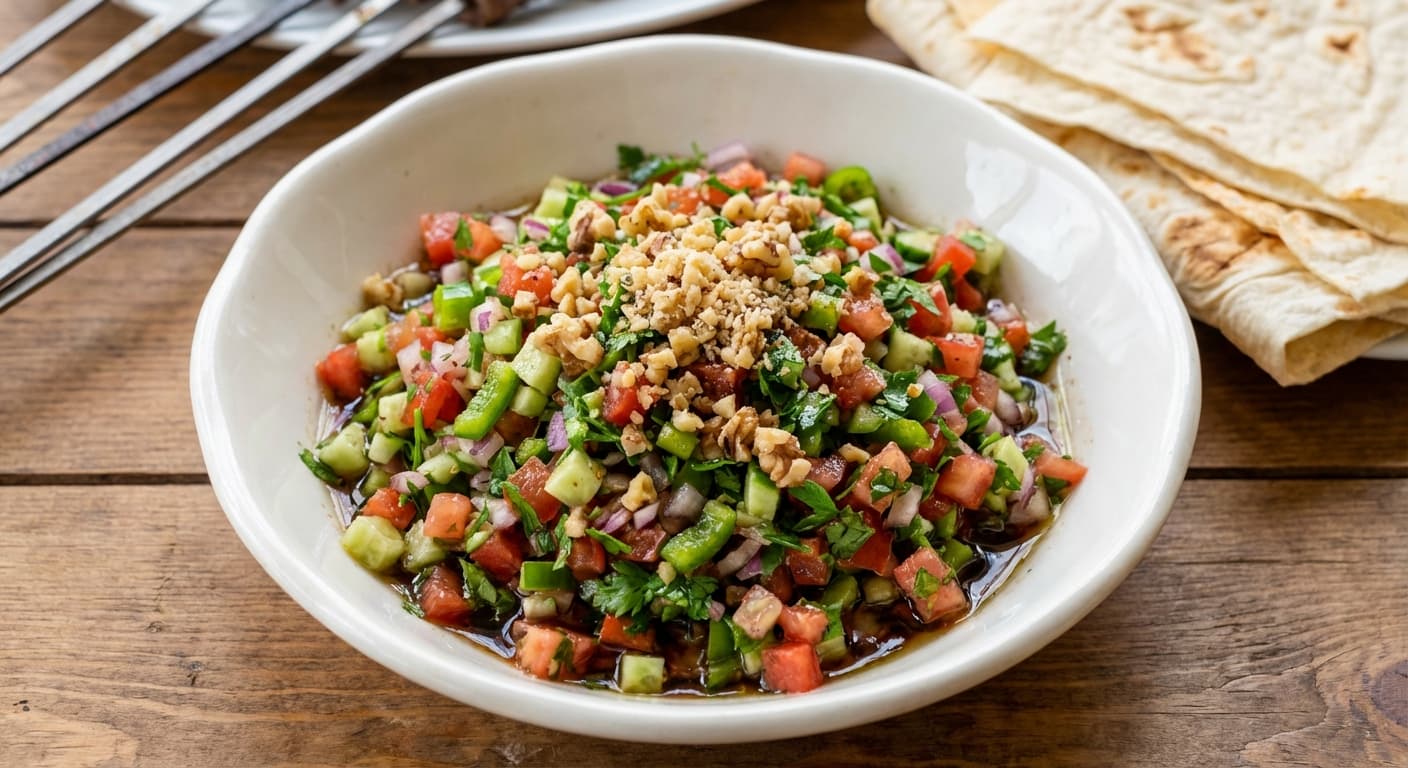
Gavurdağı Salad (Gavurdağı Salatası) — Finely Chopped Walnut & Pomegranate Salad
Turkish · Salads · 20 min
Beggar's Chicken (叫化鸡) — Lotus-Wrapped Clay-Baked Jiangnan Chicken
Chinese · Main Courses · 240 min
Reviews
Cooked this recipe?
Tap the stars to rate it — that's all it takes. A few words are welcome but optional.
No ratings yet. Cooked this one? Be the first to rate it — it takes one tap.