Khoresht Gazaneh (خورش گزنه) — Caspian Stinging Nettle Stew with Garlic and Eggs
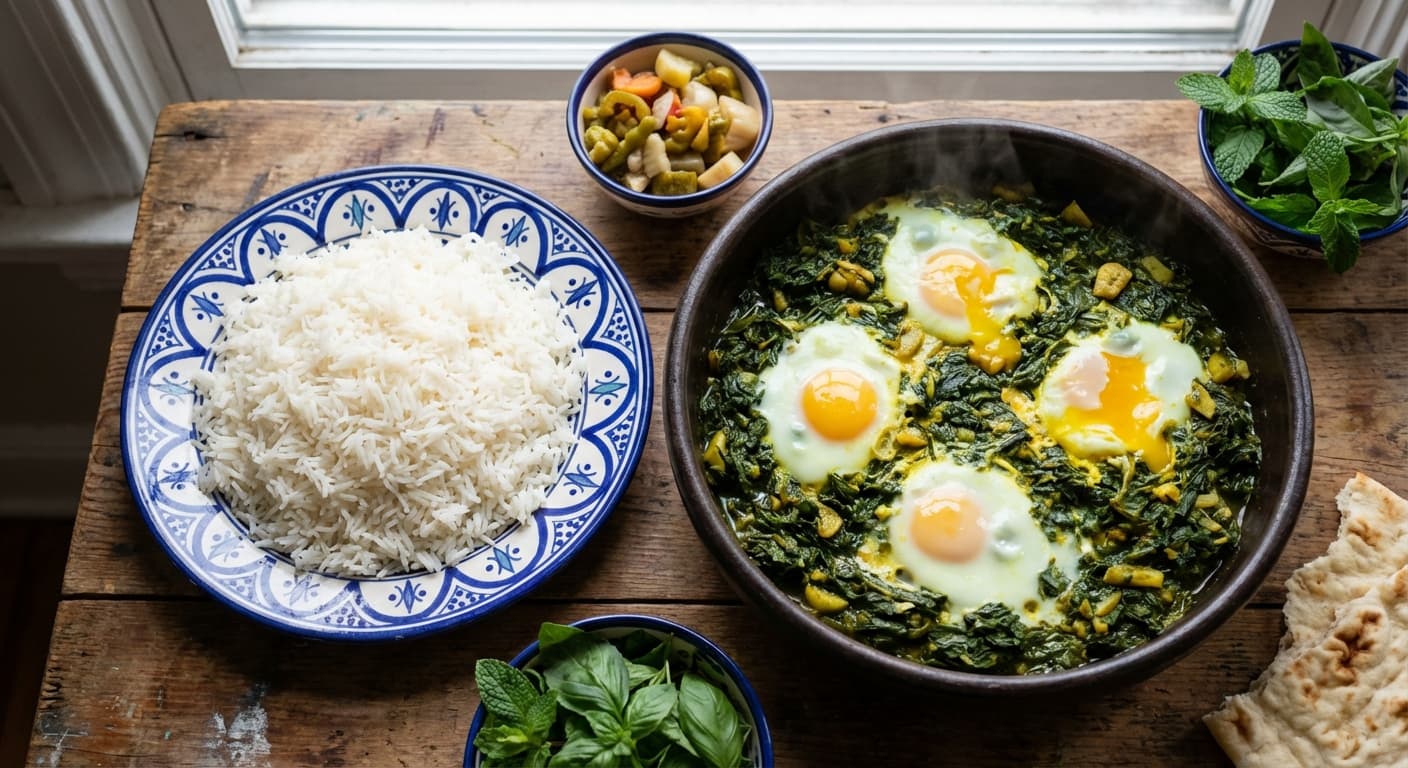
From Iran’s rain-soaked Caspian provinces, Khoresht Gazaneh is a springtime nettle stew prized for its deep green color and restorative feel. Nettles are blanched, sautéed with garlic, then gently set with eggs and served over fragrant rice.
Printable Recipe Card
Servings: 4 · Total: 60 min · Difficulty: medium
Ingredients (quick list)
- 300 g Stinging nettle leaves, cleaned (young tops preferred) (Wear gloves while handling raw nettles)
- 1500 ml Water (For blanching)
- 2 tsp Sea salt (Divided)
- 20 g Garlic cloves, finely minced (About 6 large cloves)
- 2 tbsp Cooking oil (neutral, or light olive oil)
- 1 tsp Black pepper, freshly ground
- 1 tsp Turmeric (Common in Northern Iranian home cooking)
- 4 Eggs (Large eggs)
- 300 g Basmati rice, dry (Cook separately as steamed rice)
Steps (summary)
- Put on kitchen gloves and sort the nettles, discarding any tough stems and bruised leaves. Rinse the leaves in several changes…
- Bring 1500 ml water to a full boil in a pot and add 1 tsp of the sea salt. Add the nettles and blanch for 2 minutes until they…
- Drain the blanched nettles immediately and rinse briefly with cool water to stop the cooking and preserve color. Squeeze the ne…
- Heat 2 tbsp oil in a wide pan over medium heat and add the minced garlic. Cook for 60–90 seconds, stirring constantly, until fr…
- Add the chopped nettles to the pan along with turmeric, black pepper, and the remaining 1 tsp sea salt. Sauté for 6–8 minutes,…
- Pour in 300 ml water and bring to a gentle simmer, then partially cover and cook for 12–15 minutes. The stew should thicken sli…
+ 3 more steps in the full instructions section below.
Cultural Background
In Northern Iran’s Caspian belt, foraged spring greens are central to home cooking, and nettles are valued as a cleansing, seasonal ingredient. Khoresht Gazaneh reflects that tradition: simple pantry spices, plenty of garlic, and eggs for hearty comfort over rice.
Equipment
💡 Tips
- Use young nettle tops for the most tender texture; if the leaves are mature, blanch for 3 minutes instead of 2 minutes.
- For a thicker, more rustic consistency, chop the blanched nettles very finely and sauté an extra 2 minutes before adding simmering water.
- Keep the heat low after adding eggs; a gentle simmer prevents rubbery whites and keeps yolks creamy.
⚠️ Common Mistakes
❌ Skipping blanching or under-blanching the nettles
✅ Fix: Blanch in fully boiling salted water for 2 minutes (3 minutes for mature leaves) to neutralize the sting and soften the fibers.
❌ Browning the garlic
✅ Fix: Cook garlic over medium heat for 60–90 seconds and stir constantly; if it starts to darken, lower the heat and add nettles immediately.
❌ Boiling hard after adding eggs
✅ Fix: Keep the stew at a gentle simmer and cover; low heat sets whites without toughening them.
🧊 How to Store
Cool leftovers within 1 hour, then refrigerate in an airtight container for up to 2 days. Reheat gently in a covered pan with 30 ml water over low heat; for best texture, store eggs separately if possible and warm them briefly at the end.
📅 Make Ahead
Blanch, squeeze, and chop the nettles up to 24 hours ahead and refrigerate them tightly covered. You can also sauté the garlic-and-nettle base in advance; add simmering water and cook the eggs just before serving.
🍽️ Pairs Well With
- Steamed basmati rice (chelow)
- torshi (pickles)
- fresh herbs (sabzi khordan)
- yogurt with cucumber.
Regional Variations
- Gilan-style: add 30 ml verjuice (ab-ghooreh) near the end for a brighter, tangier finish.
- Mazandaran-style: sauté 80 g finely chopped onion before garlic for a sweeter base and slightly thicker body.
- Herb-enriched: mix in 20 g chopped dill or 15 g chopped mint with the nettles for a more aromatic green profile.
Ingredients
- 300 gStinging nettle leaves, cleaned (young tops preferred) (Wear gloves while handling raw nettles)
- 1500 mlWater (For blanching)
- 2 tspSea salt (Divided)
- 20 gGarlic cloves, finely minced (About 6 large cloves)
- 2 tbspCooking oil (neutral, or light olive oil)
- 1 tspBlack pepper, freshly ground
- 1 tspTurmeric (Common in Northern Iranian home cooking)
- 4Eggs (Large eggs)
- 300 gBasmati rice, dry (Cook separately as steamed rice)
🔄 Substitutions
- Stinging nettle leaves→ Spinach (300 g) plus chopped chives (10 g)
- Cooking oil (neutral)→ Light olive oil
Instructions
- 1
Put on kitchen gloves and sort the nettles, discarding any tough stems and bruised leaves. Rinse the leaves in several changes of cool water, then drain well so you do not dilute the stew later.
- 2
Bring 1500 ml water to a full boil in a pot and add 1 tsp of the sea salt. Add the nettles and blanch for 2 minutes until they turn a deep, vivid green and the sting is neutralized.
- 3
Drain the blanched nettles immediately and rinse briefly with cool water to stop the cooking and preserve color. Squeeze the nettles firmly to remove excess water, then chop them finely for a cohesive, spoonable stew.
- 4
Heat 2 tbsp oil in a wide pan over medium heat and add the minced garlic. Cook for 60–90 seconds, stirring constantly, until fragrant and just turning pale gold; do not let it brown, or it will taste bitter in the finished khoresht.
- 5
Add the chopped nettles to the pan along with turmeric, black pepper, and the remaining 1 tsp sea salt. Sauté for 6–8 minutes, stirring and pressing the greens into the oil, until the mixture looks glossy and aromatic.
- 6
Pour in 300 ml water and bring to a gentle simmer, then partially cover and cook for 12–15 minutes. The stew should thicken slightly and the flavors should mellow, while still staying bright and green.
- 7
Make four small wells in the simmering nettle mixture with the back of a spoon. Crack one egg into each well, then cover and cook on low for 6–8 minutes until the whites are set and the yolks are softly jammy.
- 8
Turn off the heat and rest the stew, covered, for 3 minutes so the eggs finish gently from residual heat. Taste and adjust with an additional 0.25 tsp salt if needed, then serve immediately so the eggs stay tender.
- 9
Cook the basmati rice separately using your preferred steamed method, salting the water with 1.5 tsp sea salt for balanced flavor. Spoon the nettle stew over hot rice, ensuring each portion gets one egg and plenty of garlicky greens.
🪪 Recipe Passport
Cultural Background
In Northern Iran’s Caspian belt, foraged spring greens are central to home cooking, and nettles are valued as a cleansing, seasonal ingredient. Khoresht Gazaneh reflects that tradition: simple pantry spices, plenty of garlic, and eggs for hearty comfort over rice.
Regional Variations
Researched from multiple sources and validated by the Zaffaron editorial team. Every recipe is tested for accuracy, measurements, and cultural authenticity.
Nutrition per serving
Pairs well with
If you enjoyed this recipe, here are a few related Zaffaron recipes to try next.
- Khoresht Nana Jafari va Gojeh Sabz (خورش نعنا جعفری و گوجه سبز) — Persian Mint, Parsley, and Green Plum Stew
- Khuzestani Falafel (فلافل آبادانی) — The Spicy, Ultra-Crispy Soul of Abadan
- Khoresht Gheymeh (خورش قیمه) — Persian Split Pea and Lamb Stew
- Khoresht Karafs (خورش کرفس) — Persian Celery and Saffron Stew
Does your family make this differently?
Every family has their own version. Maybe your grandmother adds a secret ingredient, or your aunt has a completely different technique. Preserve your family's version — with their name on it, forever.
You Might Also Like
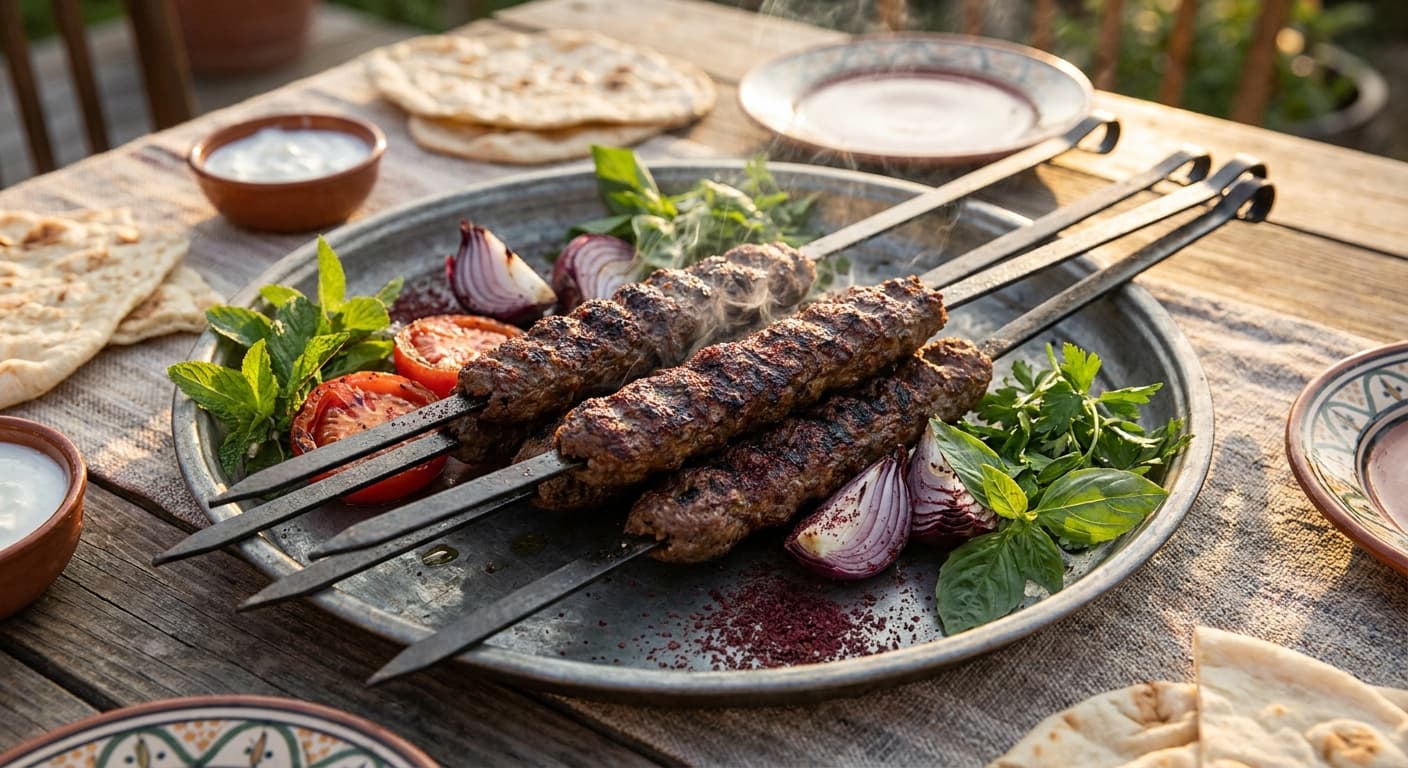
Authentic Kabab Koobideh (کباب کوبیده) — Persian Minced Lamb Skewers
Persian · Kebabs · 40 min
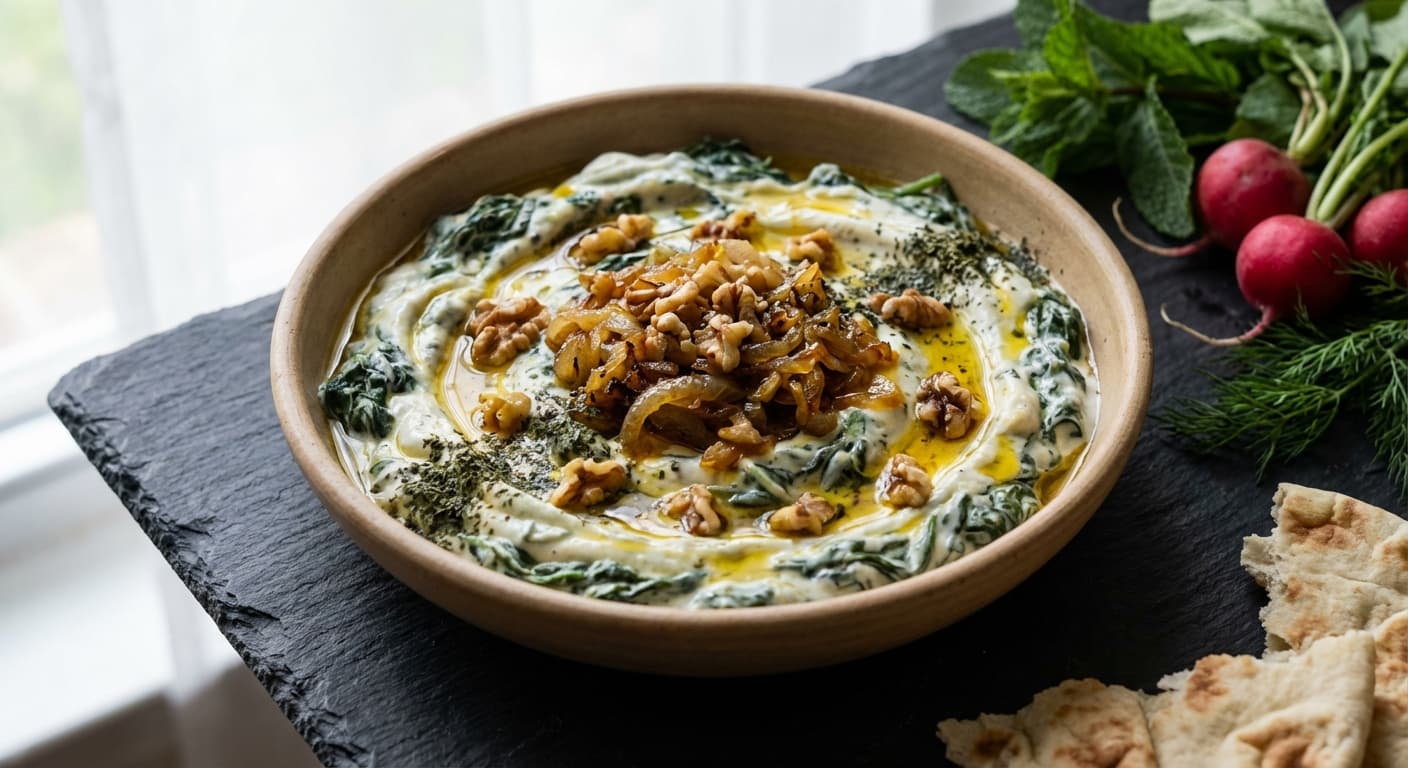
Borani Esfenaj (بورانی اسفناج) — Persian Spinach and Yogurt Dip with Saffron and Walnuts
Persian · Appetizers · 40 min
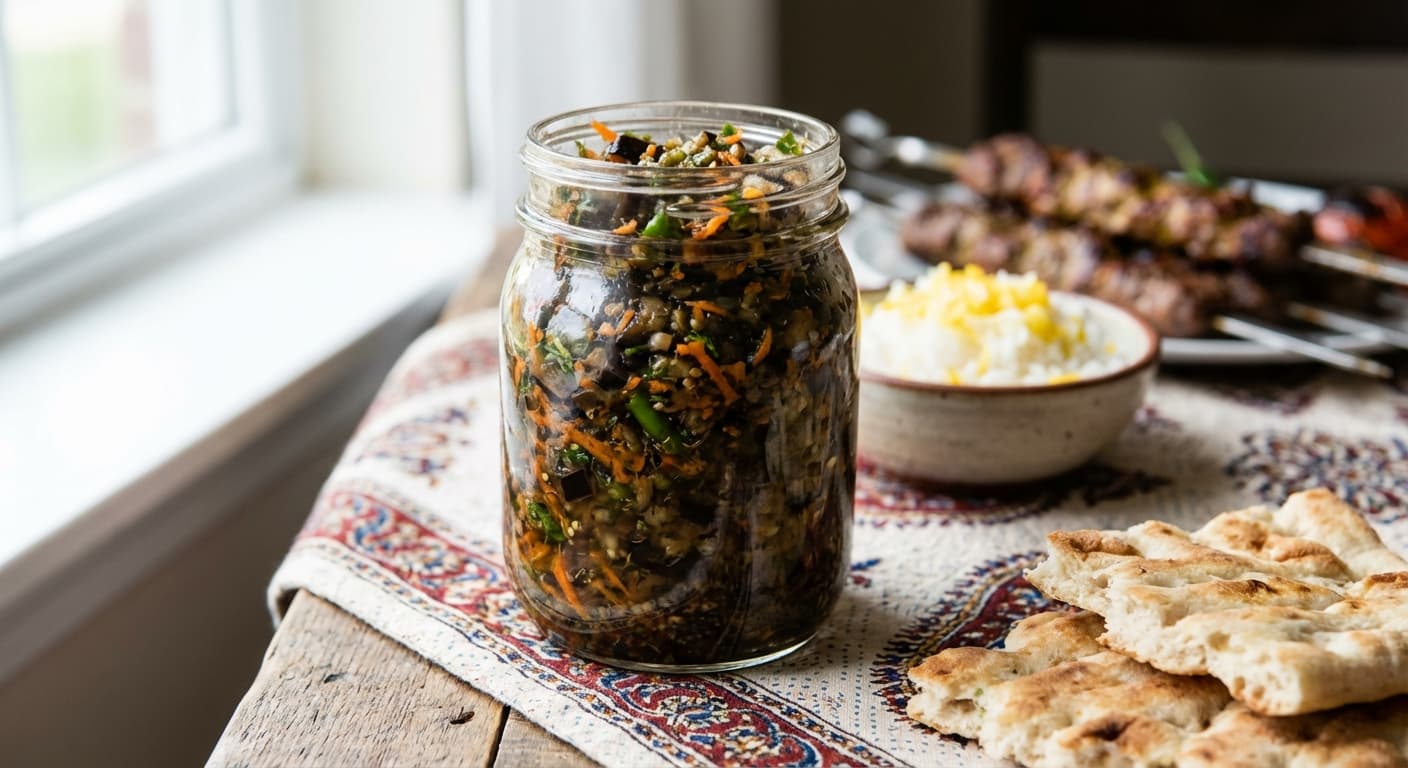
Persian Smoked Torshi Liteh (ترشی لیته) — Caspian-style smoky mixed vegetable pickle
Persian · Side Dishes · 60 min
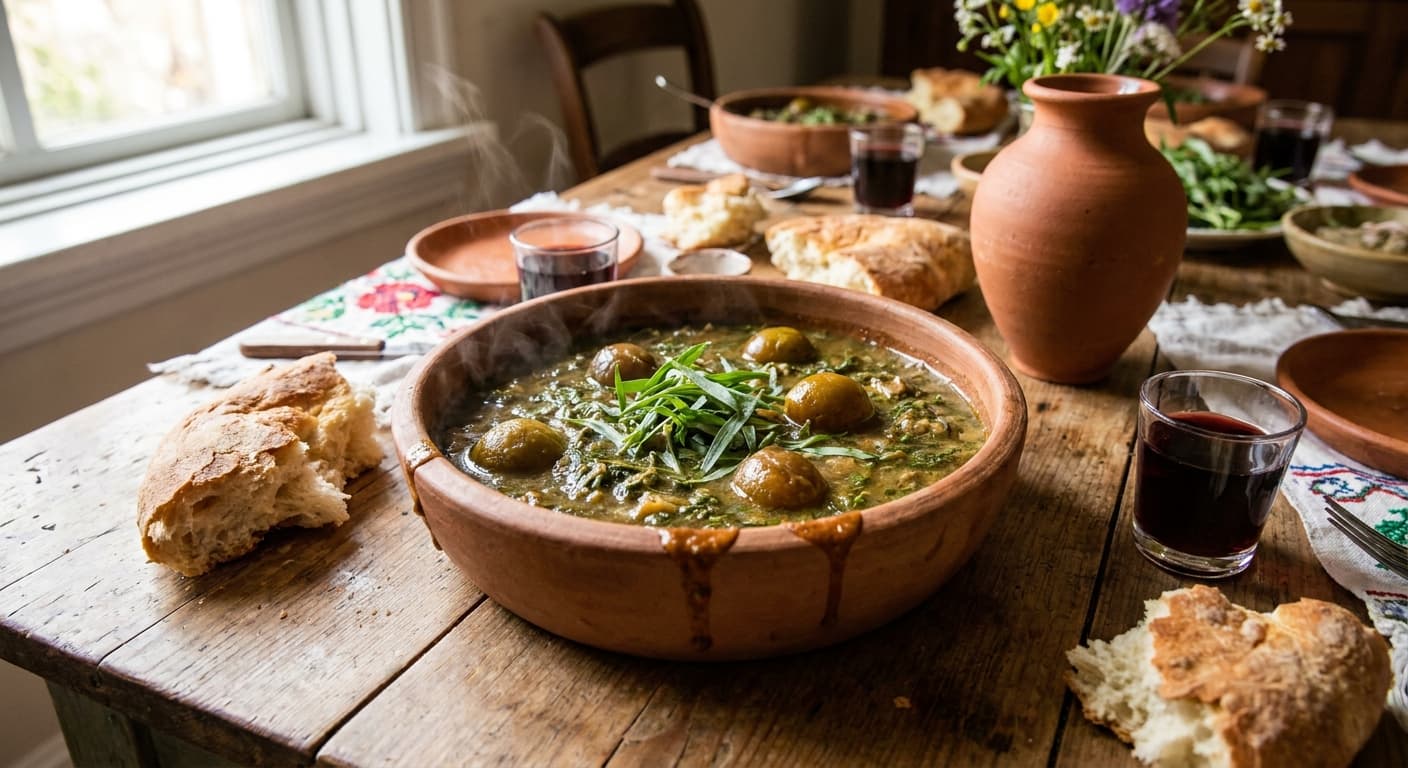
Chakapuli (ჩაქაფული) — Georgian Spring Lamb, Tarragon, and Sour Plum Stew
Georgian · Stews · 135 min
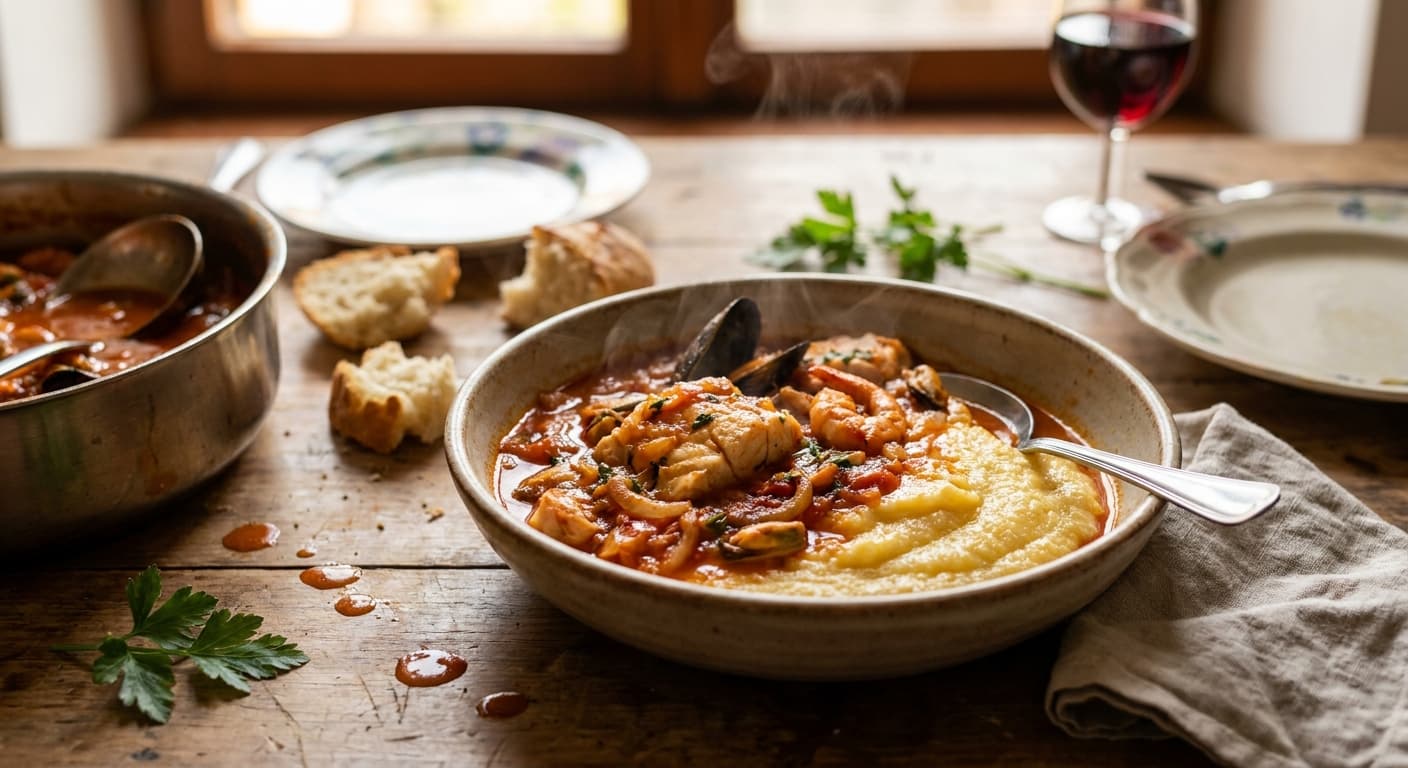
Brodet (Brodet) — Croatian Adriatic Fish Stew with Tomato and White Wine
Croatian · Stews · 70 min
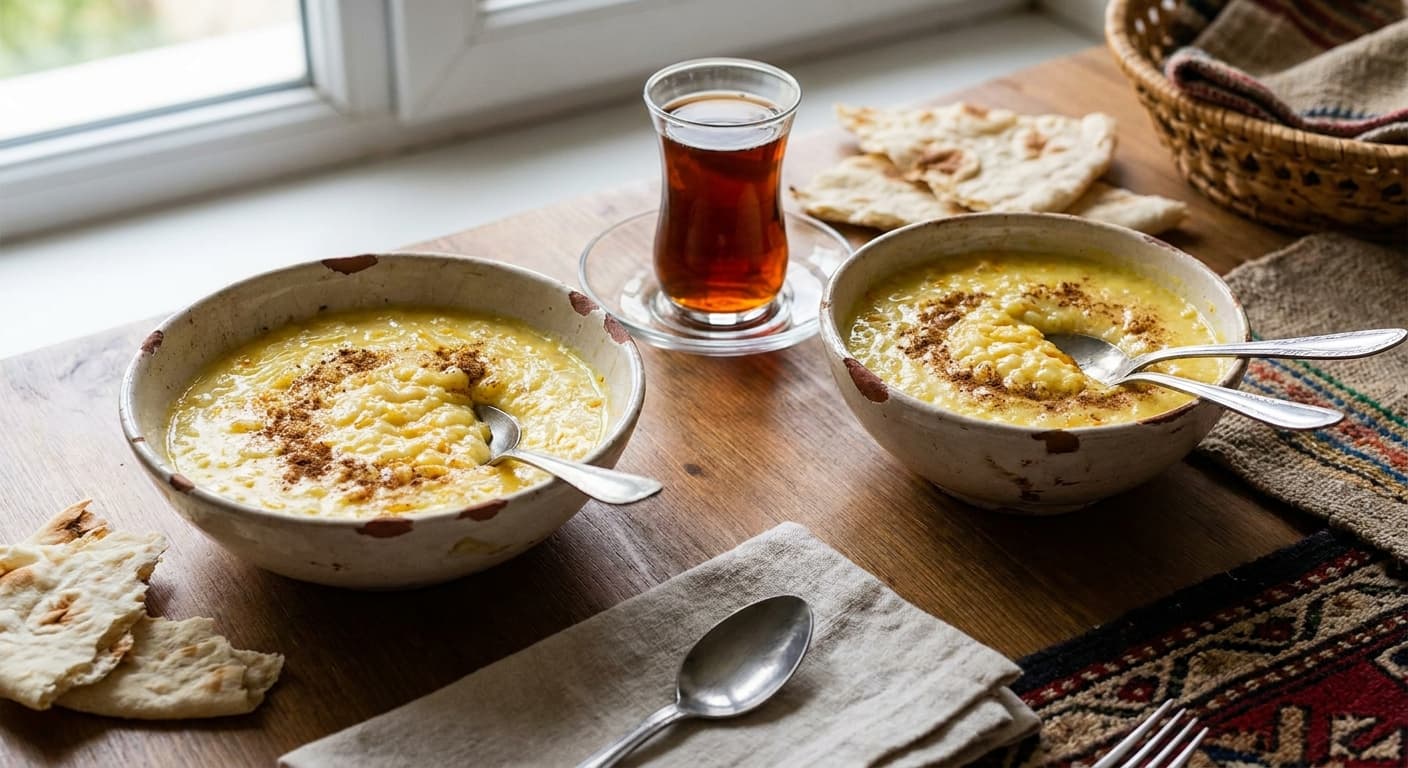
Azerbaijani Milk-Rice Porridge (Südlü Sıyıq) — Creamy Breakfast Rice with Saffron
Azerbaijani · Rice Dishes · 50 min
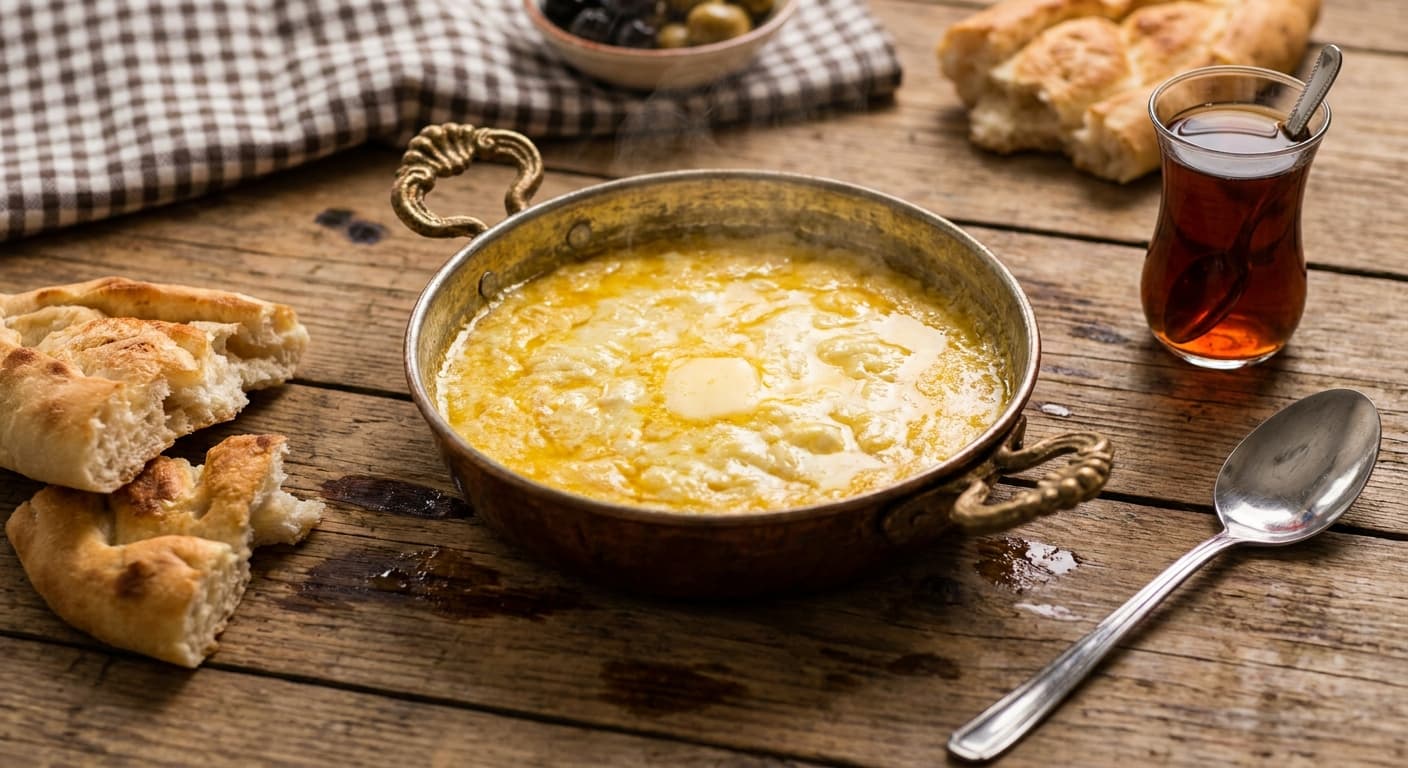
Mıhlama (Mıhlama) — Black Sea Cornmeal and Cheese Skillet
Turkish · Main Courses · 25 min
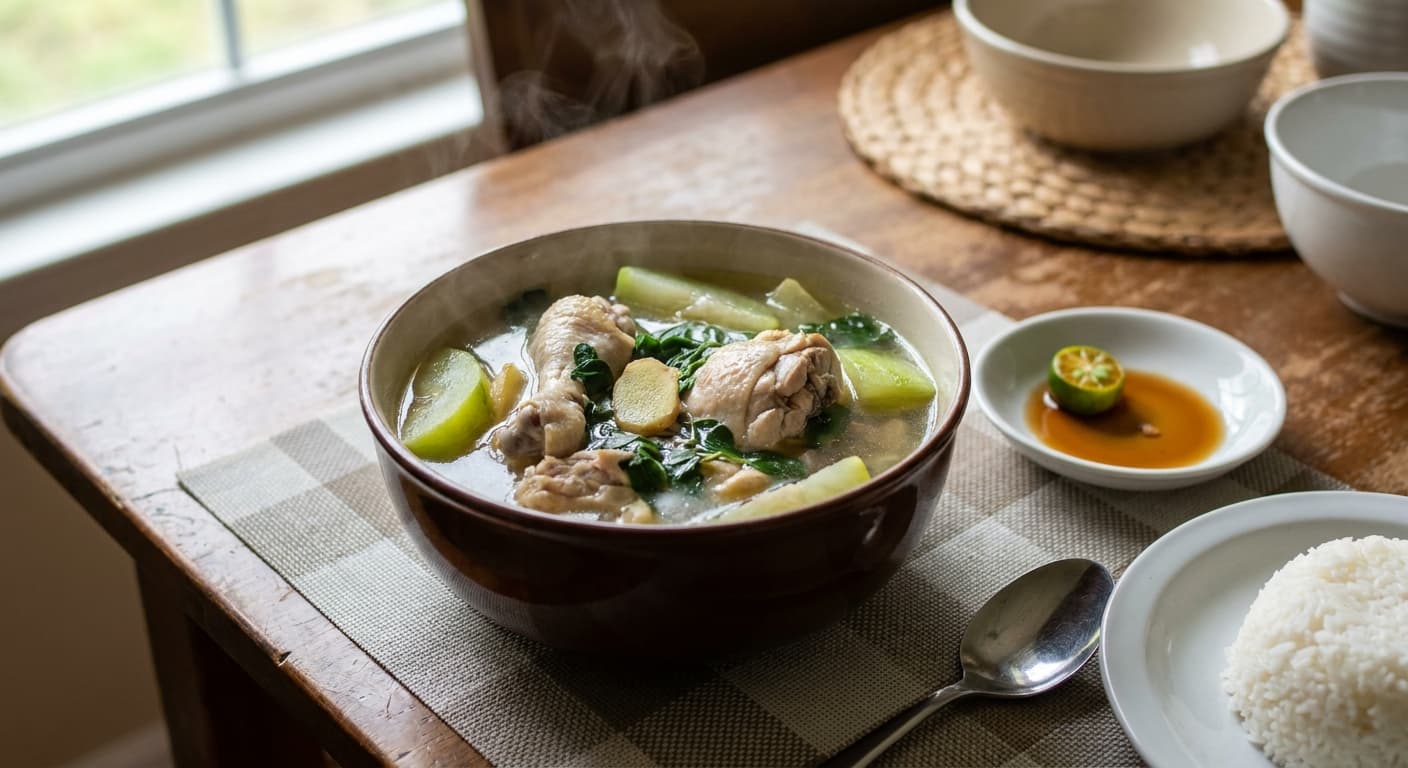
Tinolang Manok (Tinolang Manok) — Filipino Ginger Chicken Soup
Filipino · Soups · 65 min
Reviews
Cooked this recipe?
Tap the stars to rate it — that's all it takes. A few words are welcome but optional.
No ratings yet. Cooked this one? Be the first to rate it — it takes one tap.