Galbi Jjim (갈비찜) — Korean Braised Short Ribs
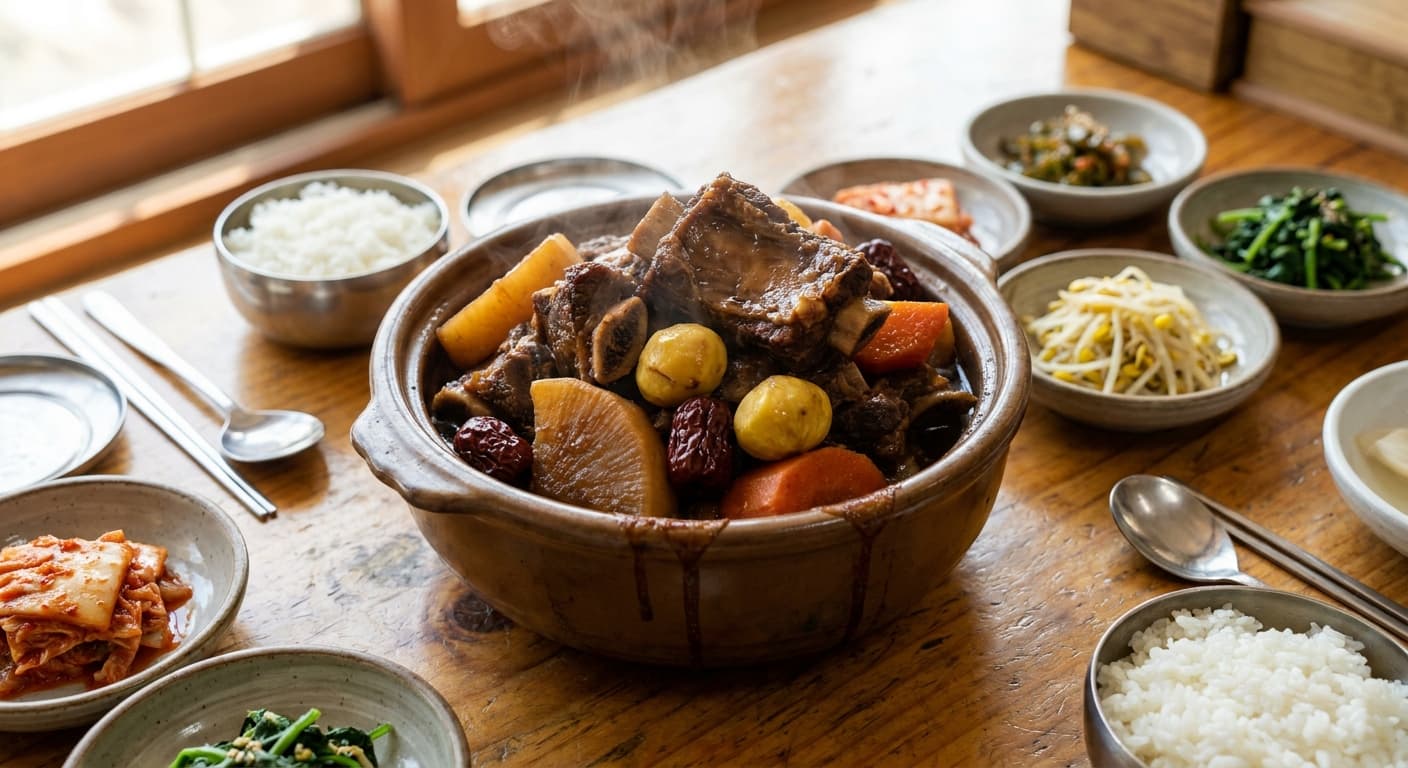
Galbi Jjim is a Korean celebration braise of beef short ribs simmered in soy sauce, pear, garlic, sesame, and aromatics until glossy and tender. It is especially loved for Chuseok, Seollal, and family gatherings.
Printable Recipe Card
Servings: 6 · Total: 175 min · Difficulty: medium
Ingredients (quick list)
- 1.8 kg bone-in beef short ribs (English-cut, about 5 cm thick)
- 2 l cold water (for soaking the ribs)
- 2.5 l water (for blanching)
- 180 ml Korean soy sauce
- 120 ml Korean rice wine (cheongju or mirin-style cooking rice wine)
- 1 Asian pear (peeled, cored, and chopped)
- 1 yellow onion (peeled and chopped)
- 8 clove garlic
- 1 inch fresh ginger (peeled)
- 35 g dark brown sugar
- 60 ml Korean rice syrup
- 1 tbsp toasted sesame oil
+ 8 more in the full ingredients section below.
Steps (summary)
- Place the short ribs in a large bowl with 2 l cold water and soak for 30 minutes, changing the water once after 15 minutes. Thi…
- Drain the ribs, transfer them to a large pot, and cover with 2.5 l fresh water. Bring to a boil over high heat and boil for 8 m…
- In a blender, combine the soy sauce, rice wine, Asian pear, onion, garlic, ginger, brown sugar, rice syrup, 1 tbsp sesame oil,…
- Return the cleaned ribs to the clean pot and add the blended sauce plus 1.1 l water. Bring to a boil, reduce to a steady gentle…
- Add the Korean radish, carrots, shiitake mushrooms, chestnuts, and jujubes to the pot. Continue simmering uncovered for 35 to 4…
- When the ribs are tender enough for a chopstick or fork to slide in easily, raise the heat to medium-high and reduce the sauce…
+ 1 more steps in the full instructions section below.
Cultural Background
Galbi Jjim is a prestige Korean braise for Chuseok, Seollal, birthdays, and family gatherings, when costly short ribs signal care and abundance. Maangchi documents the home-cooking logic of blanching, rinsing, and slow braising for clean flavor.
Equipment
💡 Tips
- Choose meaty English-cut short ribs with visible bone and moderate marbling; extremely fatty ribs can make the sauce greasy.
- Do not skip blanching and rinsing, because this step is central to the clear, polished flavor of a proper Korean braise.
- For a neater holiday presentation, trim sharp vegetable corners before braising so the radish and carrots stay rounded and intact.
⚠️ Common Mistakes
❌ Skipping the soak and blanch steps.
✅ Fix: Soak the ribs for 30 minutes, blanch them briefly, and rinse thoroughly so the sauce stays clean and glossy.
❌ Boiling hard for the whole cooking time.
✅ Fix: Keep the pot at a gentle simmer so the meat tenderizes without shredding and the vegetables remain intact.
❌ Adding vegetables at the beginning.
✅ Fix: Add radish, carrots, mushrooms, chestnuts, and jujubes after the ribs have softened for about 1 hour.
🧊 How to Store
Cool leftovers within 2 hours and refrigerate in an airtight container for up to 4 days. Reheat gently in a covered pot with 60 ml water until hot, skimming any firmed fat from the surface first.
📅 Make Ahead
Galbi Jjim can be cooked 1 day ahead, chilled, and reheated gently. The overnight rest firms the fat for easy removal and allows the soy sauce, garlic, pear, and sesame flavors to deepen.
🍽️ Pairs Well With
- Steamed rice
- kimchi
- spinach namul
- cucumber muchim
- baechu kimchi
- clear radish soup.
Regional Variations
- Many Seoul-style family versions are mild and glossy, emphasizing soy sauce, pear, garlic, sesame, chestnuts, and jujubes.
- Spicy modern versions add gochugaru or gochujang, but the classic holiday braise is usually not fiery.
- Some home cooks add soaked tteok near the end for a chewy rice-cake element that absorbs the braising sauce.
Ingredients
- 1.8 kgbone-in beef short ribs (English-cut, about 5 cm thick)
- 2 lcold water (for soaking the ribs)
- 2.5 lwater (for blanching)
- 180 mlKorean soy sauce
- 120 mlKorean rice wine (cheongju or mirin-style cooking rice wine)
- 1Asian pear (peeled, cored, and chopped)
- 1yellow onion (peeled and chopped)
- 8 clovegarlic
- 1 inchfresh ginger (peeled)
- 35 gdark brown sugar
- 60 mlKorean rice syrup
- 1 tbsptoasted sesame oil
- 1 tspground black pepper
- 350 gKorean radish (peeled and cut into 4 cm chunks)
- 250 gcarrots (peeled and cut into 4 cm chunks)
- 8fresh shiitake mushrooms (stems removed)
- 12peeled chestnuts
- 8dried jujubes (rinsed)
- 4scallions (cut into 5 cm lengths)
- 1 tbsptoasted sesame seeds
🔄 Substitutions
- Asian pear→ Bosc pear
- Korean rice wine→ 120 ml unsalted beef stock plus 1 tbsp rice vinegar
- Korean soy sauce→ gluten-free tamari
Instructions
- 1
Place the short ribs in a large bowl with 2 l cold water and soak for 30 minutes, changing the water once after 15 minutes. This draws out excess blood and helps the finished Galbi Jjim taste clean rather than muddy.
- 2
Drain the ribs, transfer them to a large pot, and cover with 2.5 l fresh water. Bring to a boil over high heat and boil for 8 minutes, then drain, rinse each rib under warm running water, and scrub the pot to remove any gray foam or bone residue.
- 3
In a blender, combine the soy sauce, rice wine, Asian pear, onion, garlic, ginger, brown sugar, rice syrup, 1 tbsp sesame oil, and black pepper. Blend until completely smooth, because the pear and onion should become part of the braising liquid rather than remain chunky.
- 4
Return the cleaned ribs to the clean pot and add the blended sauce plus 1.1 l water. Bring to a boil, reduce to a steady gentle simmer, cover partially, and cook for 60 minutes while turning the ribs every 20 minutes.
- 5
Add the Korean radish, carrots, shiitake mushrooms, chestnuts, and jujubes to the pot. Continue simmering uncovered for 35 to 45 minutes, turning the vegetables gently so they absorb the soy sauce braise without breaking apart.
- 6
When the ribs are tender enough for a chopstick or fork to slide in easily, raise the heat to medium-high and reduce the sauce for 8 to 12 minutes. Spoon the bubbling sauce over the ribs repeatedly until the surface looks glossy and lightly lacquered.
- 7
Stir in the scallions and the remaining 1 tbsp toasted sesame oil, then simmer for 2 minutes. Transfer to a deep serving bowl, sprinkle with toasted sesame seeds, and serve hot with steamed rice, kimchi, and banchan.
🪪 Recipe Passport
Cultural Background
Galbi Jjim is a prestige Korean braise for Chuseok, Seollal, birthdays, and family gatherings, when costly short ribs signal care and abundance. Maangchi documents the home-cooking logic of blanching, rinsing, and slow braising for clean flavor.
Regional Variations
Researched from multiple sources and validated by the Zaffaron editorial team. Every recipe is tested for accuracy, measurements, and cultural authenticity.
📚 Sources & Cultural References
- Maangchi — Maangchi's Real Korean Cooking — (2015)
- Hooni Kim — My Korea — (2020)
Sources cited by the Zaffaron editorial team during recipe research. Cultural and culinary references supporting authenticity claims.
Nutrition per serving
Pairs well with
If you enjoyed this recipe, here are a few related Zaffaron recipes to try next.
Does your family make this differently?
Every family has their own version. Maybe your grandmother adds a secret ingredient, or your aunt has a completely different technique. Preserve your family's version — with their name on it, forever.
You Might Also Like
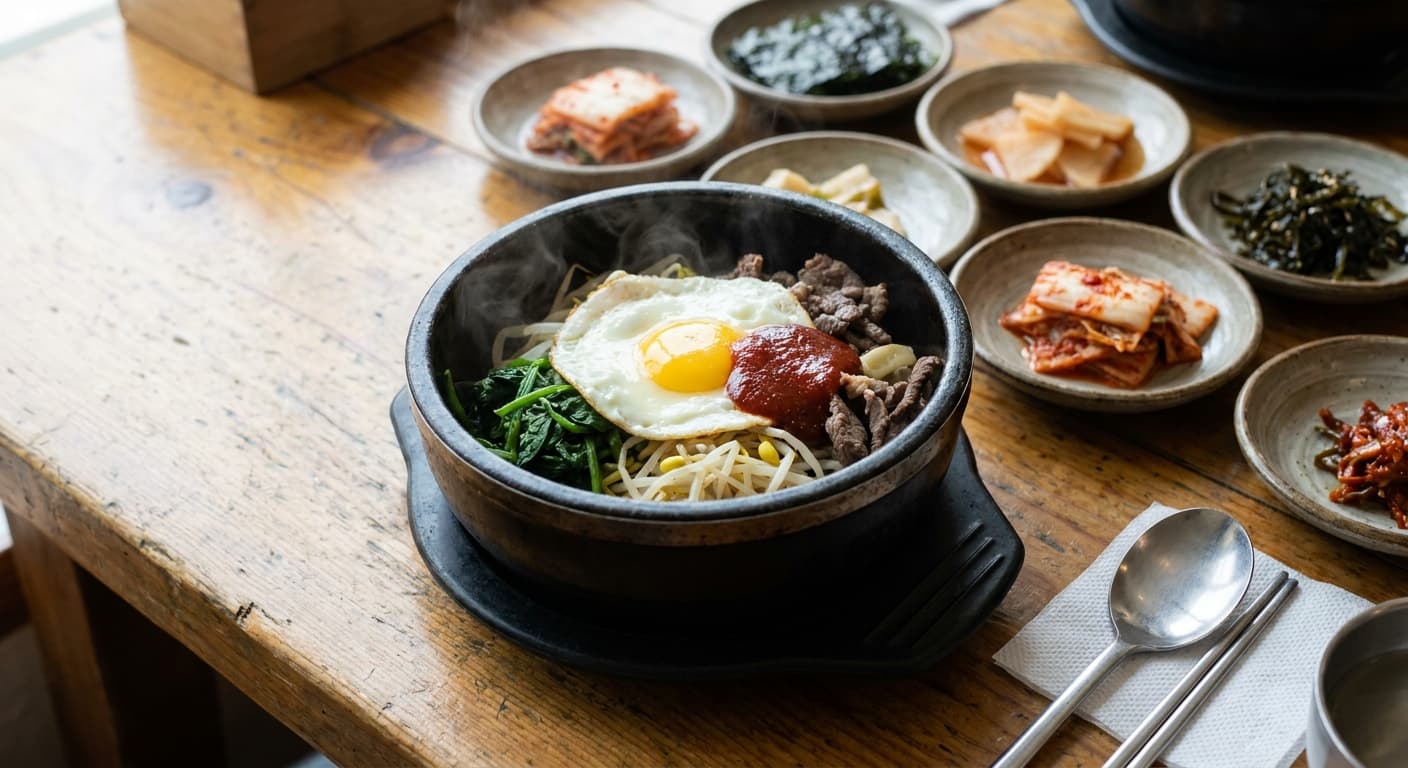
Bibimbap (비빔밥) — Korean Mixed Rice Bowl
Korean · Rice Dishes · 80 min
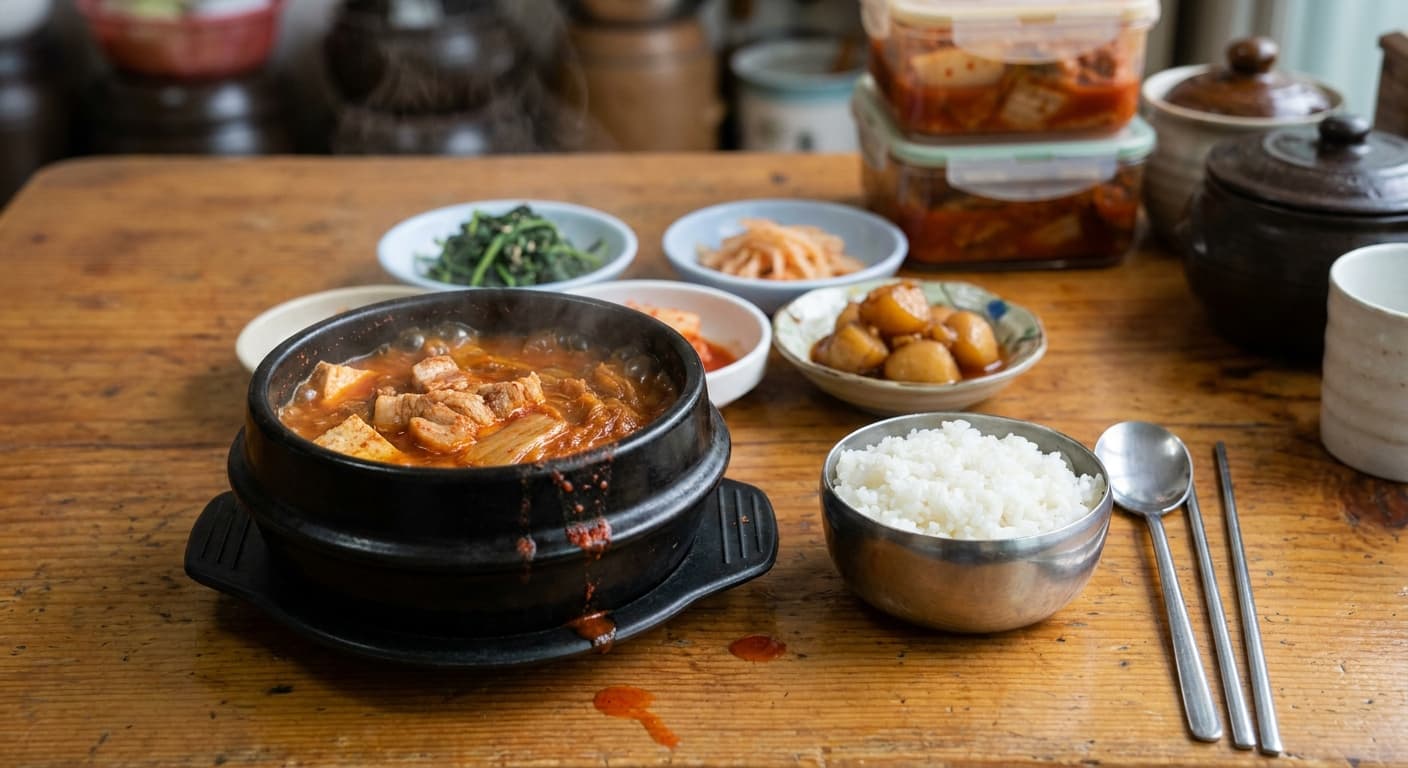
Kimchi Jjigae (김치찌개) — Korean Kimchi Stew
Korean · Stews · 60 min
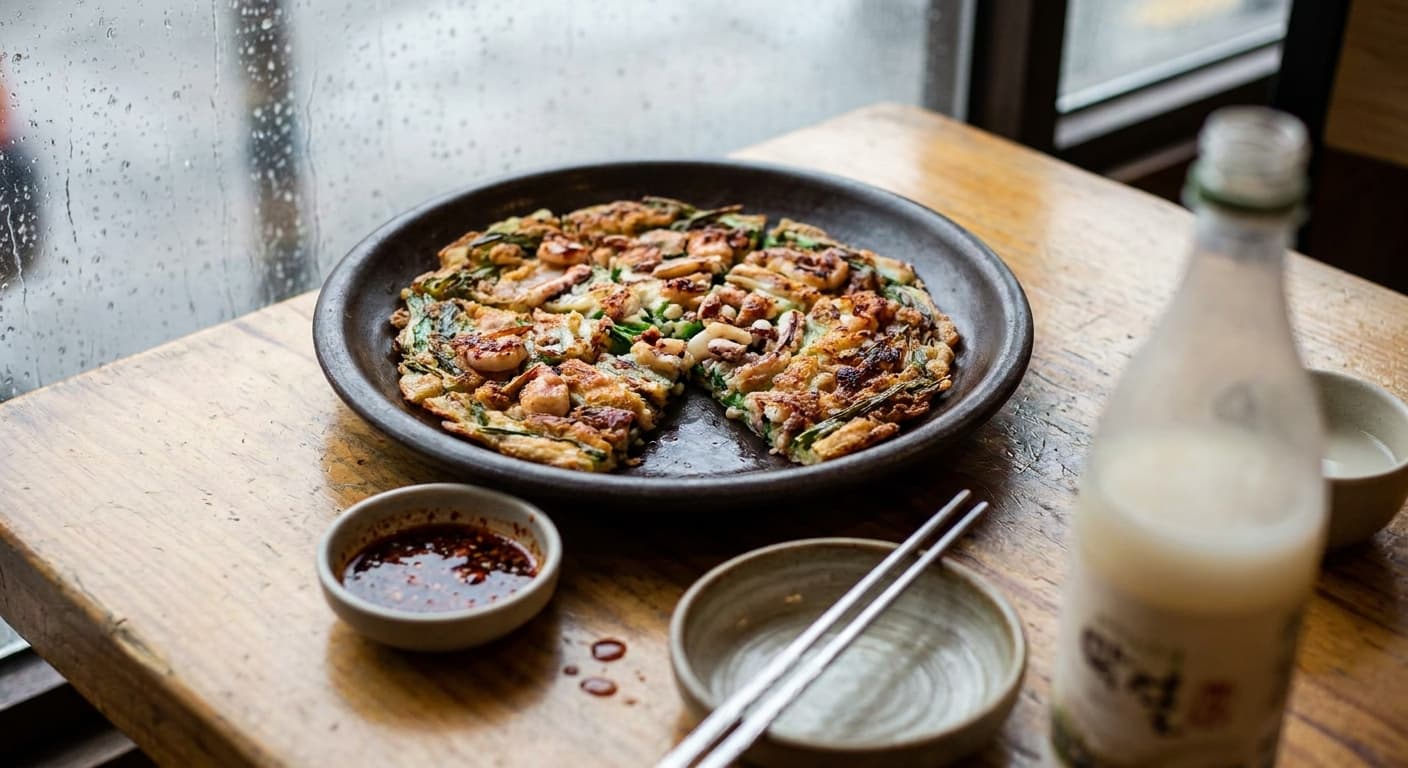
Haemul Pajeon (해물파전) — Korean Seafood Scallion Pancake
Korean · Appetizers · 41 min
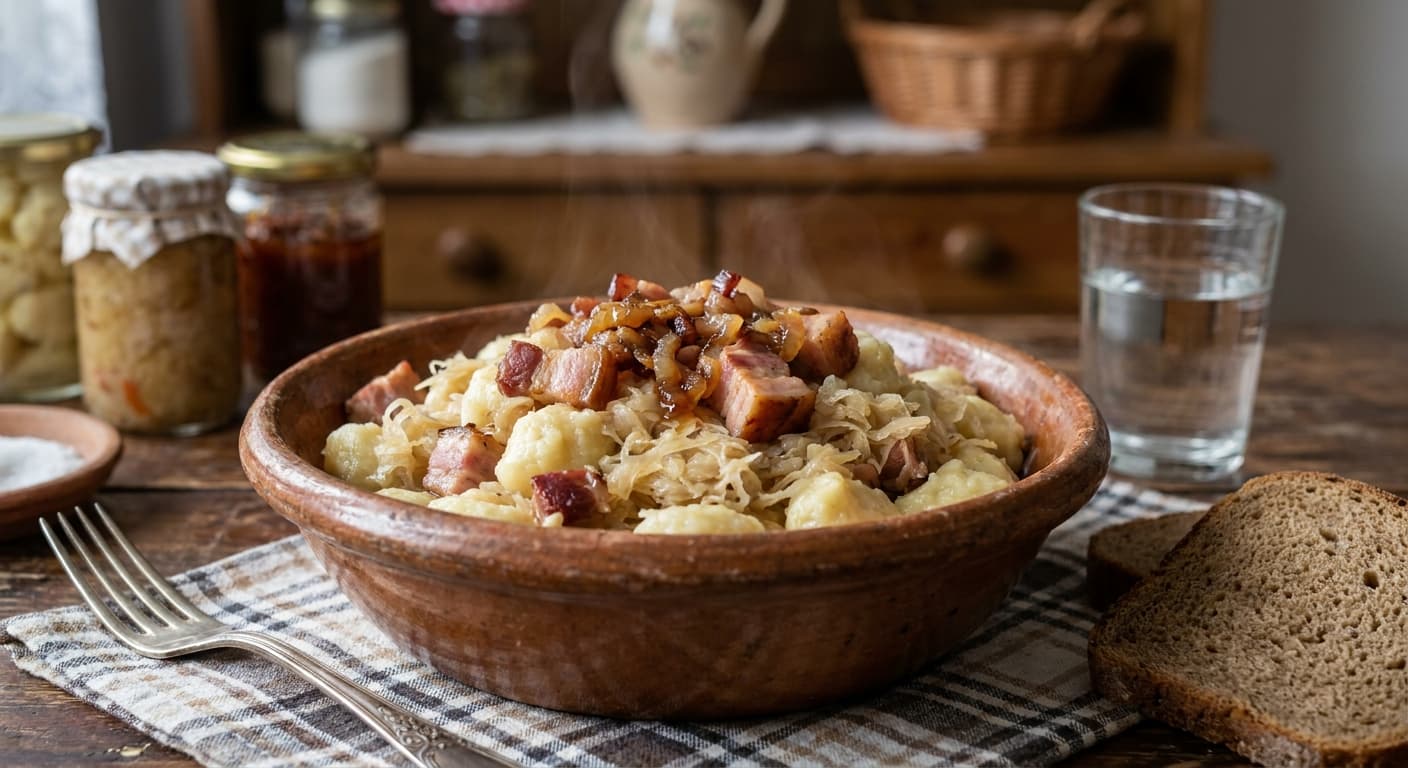
Potato Dumplings with Smoked Meat (Strapačky s údeným mäsom) — Rustic Slovak Halušky with Sauerkraut
Slovak · Main Courses · 70 min
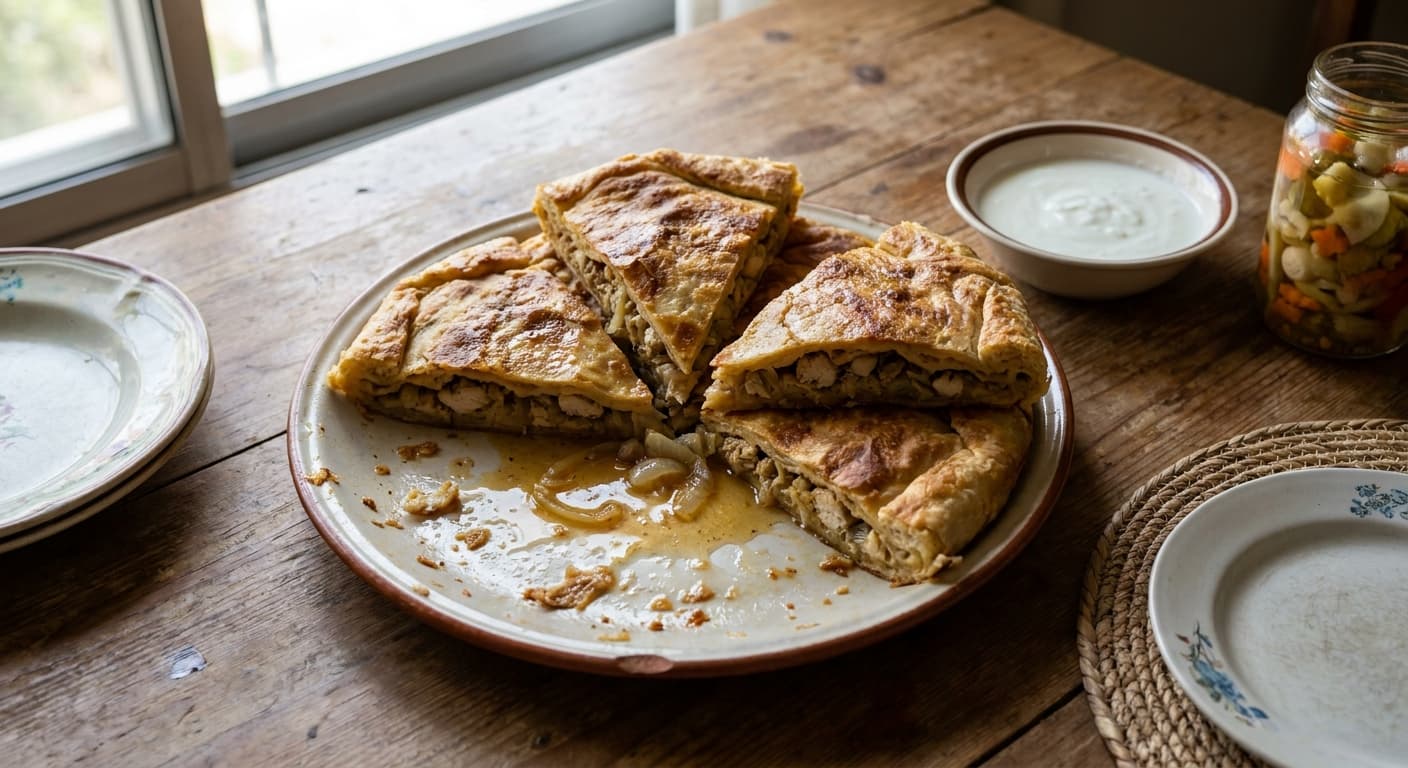
Makmoura (مكمورة) — Jordanian Layered Chicken Bread Pie
Jordanian · Main Courses · 185 min
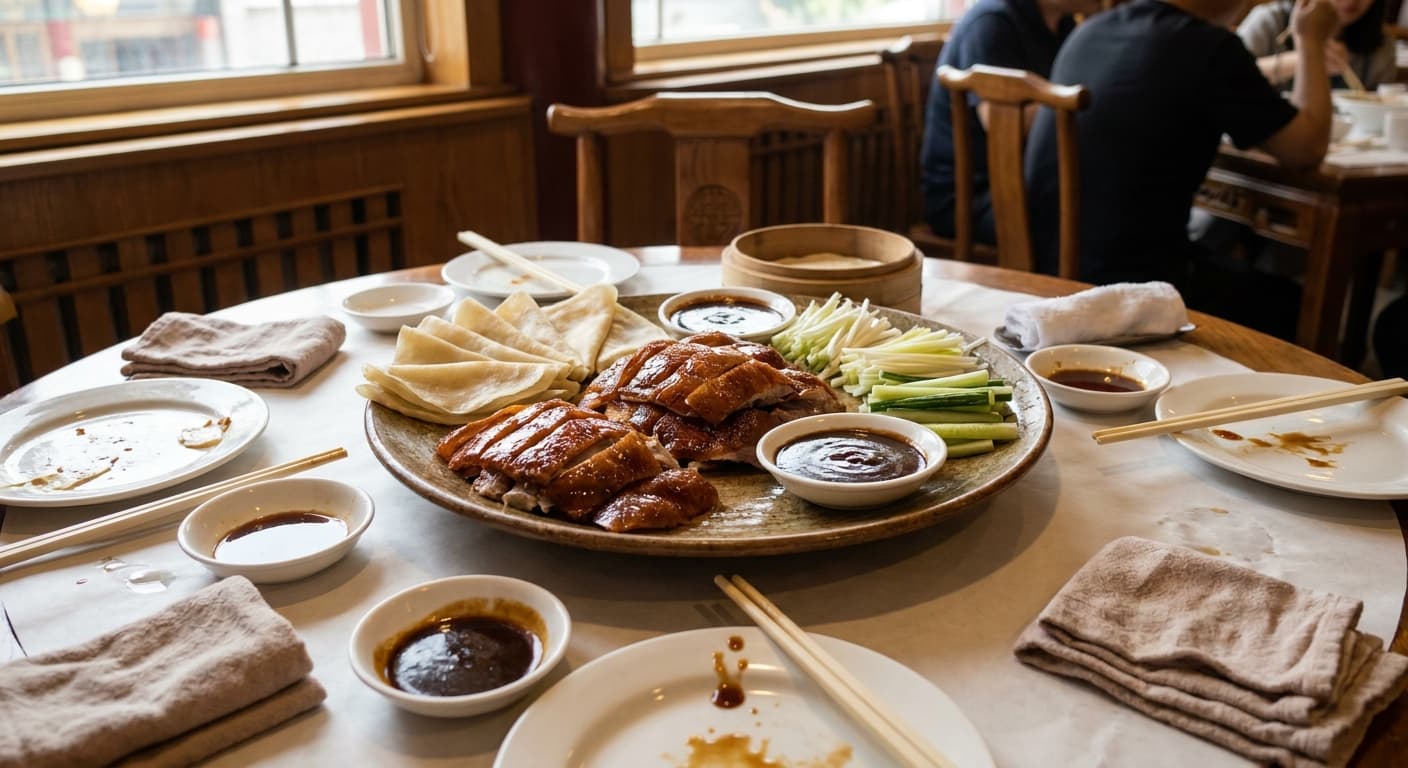
Peking Duck (北京烤鸭) — Crisp-Skinned Beijing Roast Duck
Chinese · Main Courses · 180 min
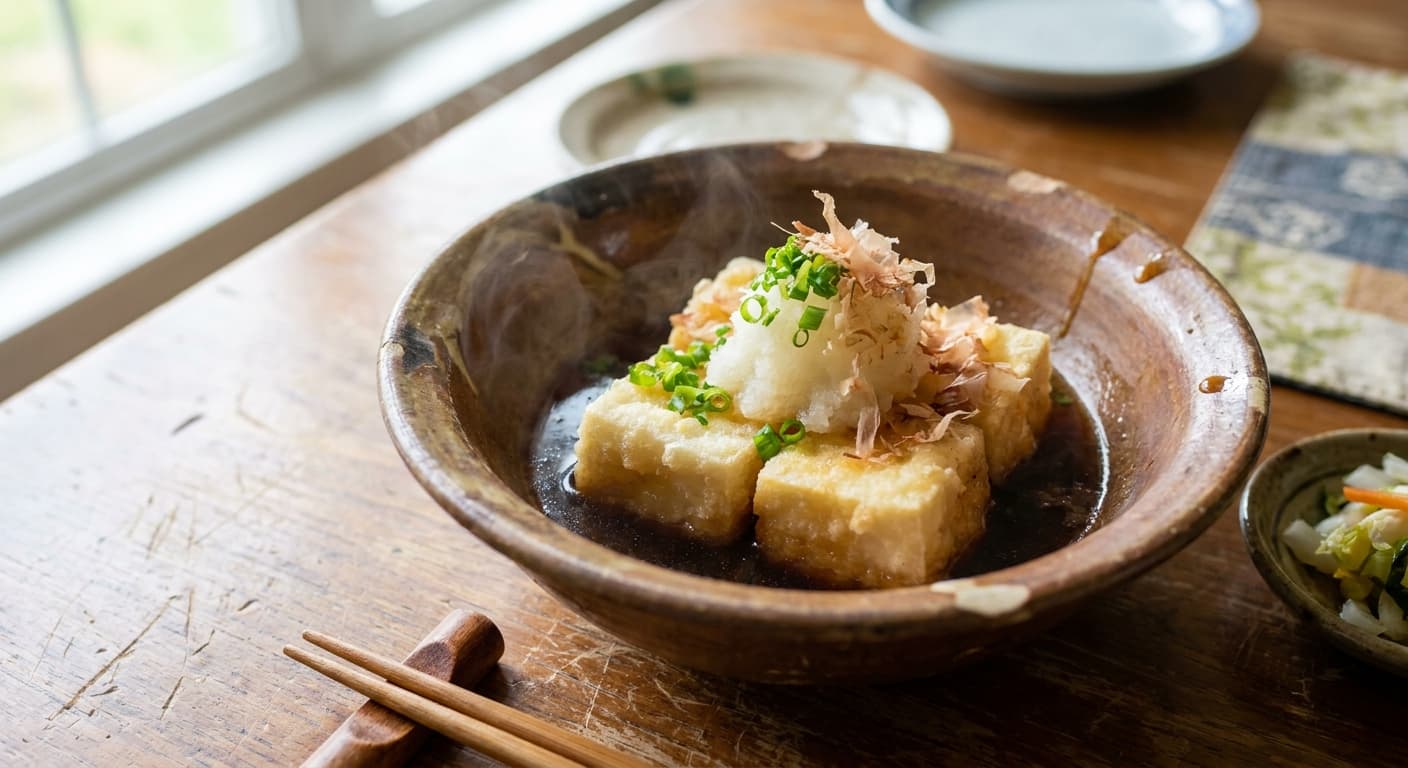
Agedashi Tofu (揚げ出し豆腐) — Crisp Tofu in Savory Broth
Japanese · Appetizers · 40 min

Bulgogi (불고기) — Korean Soy-Marinated Grilled Beef
Korean · Main Courses · 37 min
Reviews
Cooked this recipe?
Tap the stars to rate it — that's all it takes. A few words are welcome but optional.
No ratings yet. Cooked this one? Be the first to rate it — it takes one tap.