Kimchi Jjigae (김치찌개) — Korean Kimchi Stew
Kimchi jjigae is a beloved Korean home stew built around well-fermented kimchi, pork, tofu, and anchovy-kelp broth. It is bold, tangy, warming, and often served bubbling hot with rice and small side dishes.
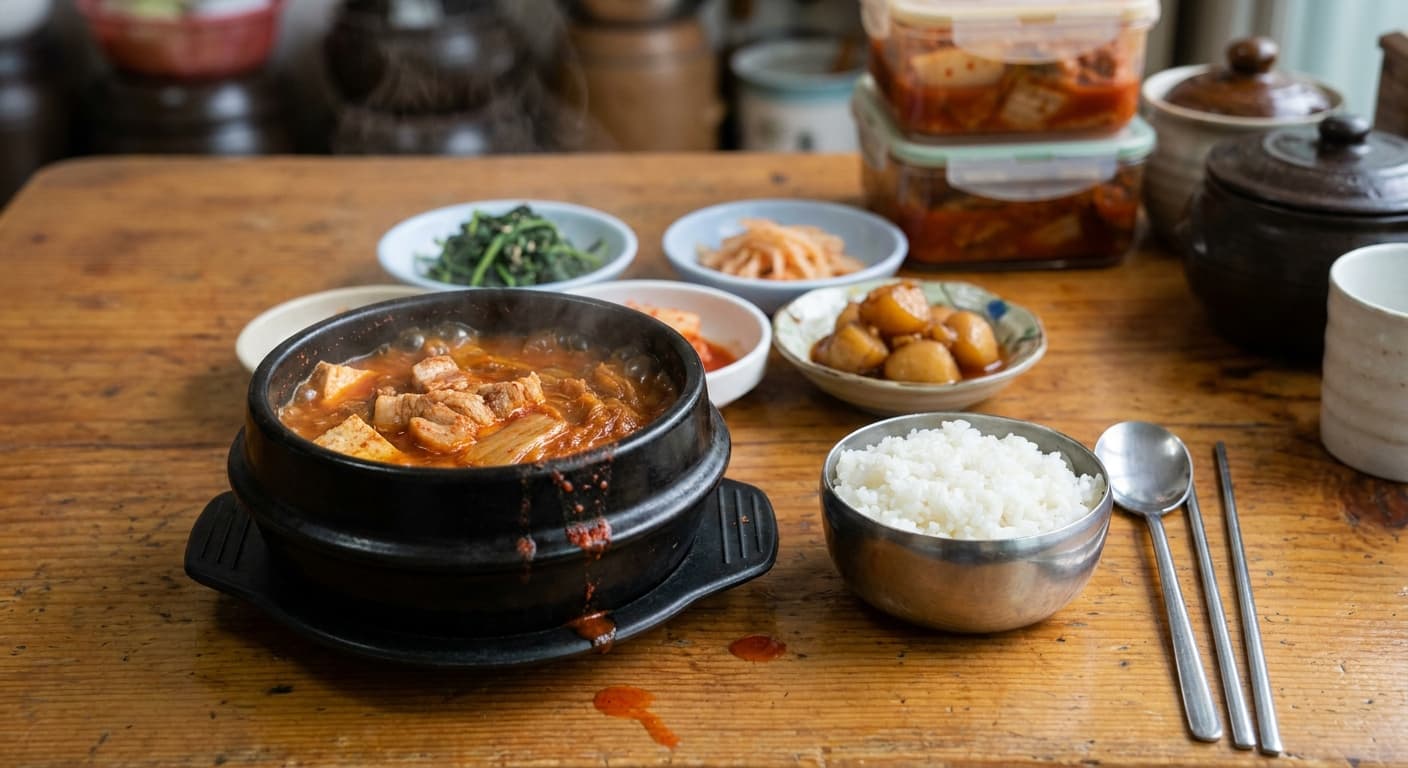
Printable Recipe Card
Servings: 4 · Total: 60 min · Difficulty: medium
Ingredients (quick list)
- 1000 ml water
- 20 g large dried anchovies (heads and guts removed)
- 10 g dashima kelp
- 300 g pork belly (sliced 5 mm thick)
- 600 g well-fermented napa cabbage kimchi (cut into bite-size pieces)
- 120 ml kimchi brine
- 300 g firm tofu (cut into 2 cm slabs)
- 150 g yellow onion (thinly sliced)
- 3 scallions (cut on the diagonal into 4 cm lengths)
- 4 clove garlic (minced)
- 1 tbsp toasted sesame oil
- 2 tbsp gochugaru (Korean red pepper flakes)
+ 5 more in the full ingredients section below.
Steps (summary)
- Make the anchovy-kelp broth first. Combine the water, dried anchovies, and dashima kelp in a medium pot, bring to a gentle simm…
- Heat a heavy 2.5 l pot or Korean earthenware ttukbaegi over medium heat and add the toasted sesame oil. Add the pork belly and…
- Add the chopped kimchi, onion, garlic, gochugaru, and gochujang to the pork. Stir-fry for 6 minutes, scraping the bottom of the…
- Pour in 850 ml of the strained anchovy-kelp broth, the kimchi brine, soup soy sauce, fish sauce, sugar, and black pepper. Bring…
- Lay the tofu slabs on top of the stew and spoon some broth over them without breaking them apart. Simmer for 6 minutes, then ad…
- Taste the finished stew and adjust only by simmering 2 to 3 minutes longer if the broth needs more concentration. Serve it very…
Cultural Background
Kimchi jjigae is one of Korea's defining everyday stews, especially valued after kimjang season when kimchi has matured. It reflects the Korean home table: rice, bubbling stew, and shared side dishes.
Equipment
💡 Tips
- Use older, sour kimchi rather than fresh kimchi; the stew depends on fermented acidity and depth.
- Stir-frying the kimchi before adding broth concentrates its flavor and gives the jjigae a deeper red color.
- If your kimchi is very salty, use 90 ml kimchi brine instead of 120 ml and keep the broth amount the same.
⚠️ Common Mistakes
❌ Using fresh, crisp kimchi that has not fermented enough.
✅ Fix: Use sour, well-fermented kimchi, or leave fresh kimchi refrigerated for several more days before making the stew.
❌ Boiling tofu aggressively until it breaks apart.
✅ Fix: Add tofu near the end and simmer gently so the slabs absorb broth while keeping their shape.
❌ Adding too much plain water and diluting the flavor.
✅ Fix: Use anchovy-kelp broth and kimchi brine as the main liquids so the stew stays savory and tangy.
🧊 How to Store
Cool leftovers within 1 hour, refrigerate in an airtight container for up to 3 days, and reheat gently in a small pot until bubbling. Add 30 ml water if the broth has thickened too much.
📅 Make Ahead
Prepare the anchovy-kelp broth up to 2 days ahead and refrigerate it. Kimchi, onion, garlic, and pork can be cut 1 day ahead and stored separately for fast cooking.
🍽️ Pairs Well With
- Steamed short-grain rice
- rolled omelet
- seasoned spinach
- roasted seaweed
- cucumber kimchi.
Regional Variations
- Tuna kimchi jjigae uses canned tuna instead of pork and is common in quick home cooking.
- Mackerel kimchi jjigae simmers oily fish with aged kimchi for a stronger coastal flavor.
- Some Seoul-style home versions add a small amount of gochujang, while many simpler family versions rely only on gochugaru and kimchi brine.
Ingredients
- 1000 mlwater
- 20 glarge dried anchovies (heads and guts removed)
- 10 gdashima kelp
- 300 gpork belly (sliced 5 mm thick)
- 600 gwell-fermented napa cabbage kimchi (cut into bite-size pieces)
- 120 mlkimchi brine
- 300 gfirm tofu (cut into 2 cm slabs)
- 150 gyellow onion (thinly sliced)
- 3scallions (cut on the diagonal into 4 cm lengths)
- 4 clovegarlic (minced)
- 1 tbsptoasted sesame oil
- 2 tbspgochugaru (Korean red pepper flakes)
- 1 tbspgochujang (Korean fermented red pepper paste)
- 1 tbspKorean soup soy sauce
- 2 tspfish sauce
- 1 tspgranulated sugar
- 0.5 tspground black pepper
🔄 Substitutions
- pork belly→ pork shoulder
- large dried anchovies→ 600 ml bottled anchovy broth plus 250 ml water
- fish sauce→ salted shrimp
Instructions
- 1
Make the anchovy-kelp broth first. Combine the water, dried anchovies, and dashima kelp in a medium pot, bring to a gentle simmer, remove the kelp after 10 minutes, then simmer the anchovies for 10 more minutes and strain the broth.
- 2
Heat a heavy 2.5 l pot or Korean earthenware ttukbaegi over medium heat and add the toasted sesame oil. Add the pork belly and cook for 5 minutes, stirring often, until the edges lose their raw color and a small amount of fat has rendered.
- 3
Add the chopped kimchi, onion, garlic, gochugaru, and gochujang to the pork. Stir-fry for 6 minutes, scraping the bottom of the pot, until the kimchi darkens slightly and smells deeply fermented rather than raw.
- 4
Pour in 850 ml of the strained anchovy-kelp broth, the kimchi brine, soup soy sauce, fish sauce, sugar, and black pepper. Bring the stew to a boil, then reduce the heat to medium-low and simmer uncovered for 20 minutes so the pork becomes tender and the broth turns red and rounded.
- 5
Lay the tofu slabs on top of the stew and spoon some broth over them without breaking them apart. Simmer for 6 minutes, then add the scallions and cook for 2 more minutes until the scallions soften but remain bright.
- 6
Taste the finished stew and adjust only by simmering 2 to 3 minutes longer if the broth needs more concentration. Serve it very hot, ideally still bubbling, with steamed short-grain rice and simple banchan.
🪪 Recipe Passport
Cultural Background
Kimchi jjigae is one of Korea's defining everyday stews, especially valued after kimjang season when kimchi has matured. It reflects the Korean home table: rice, bubbling stew, and shared side dishes.
Regional Variations
Researched from multiple sources and validated by the Zaffaron editorial team. Every recipe is tested for accuracy, measurements, and cultural authenticity.
📚 Sources & Cultural References
- Maangchi — Maangchi's Real Korean Cooking — (2015)
- Copeland Marks — The Korean Kitchen: Classic Recipes from the Land of the Morning Calm — (1993)
Sources cited by the Zaffaron editorial team during recipe research. Cultural and culinary references supporting authenticity claims.
Nutrition per serving
Pairs well with
If you enjoyed this recipe, here are a few related Zaffaron recipes to try next.
Does your family make this differently?
Every family has their own version. Maybe your grandmother adds a secret ingredient, or your aunt has a completely different technique. Preserve your family's version — with their name on it, forever.
You Might Also Like
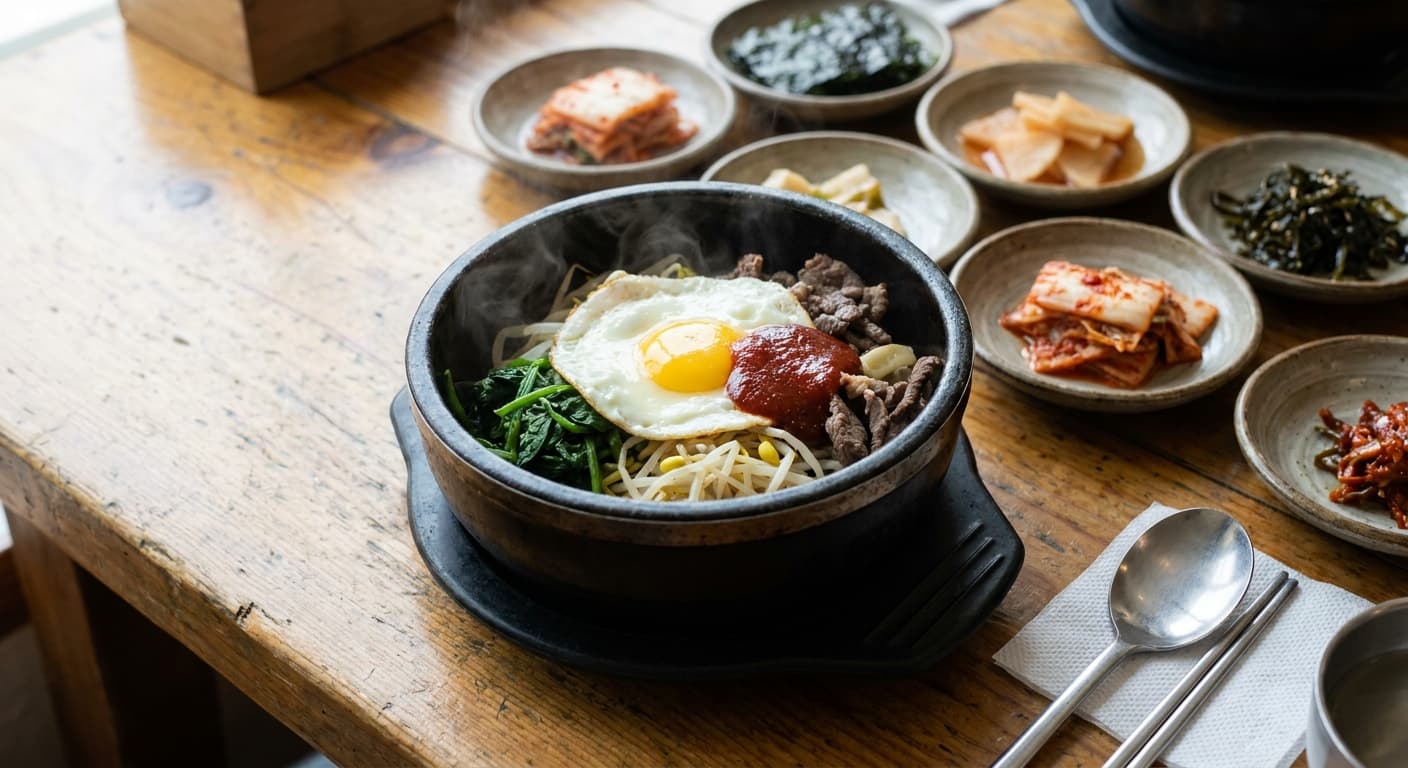
Bibimbap (비빔밥) — Korean Mixed Rice Bowl
Korean · Rice Dishes · 80 min
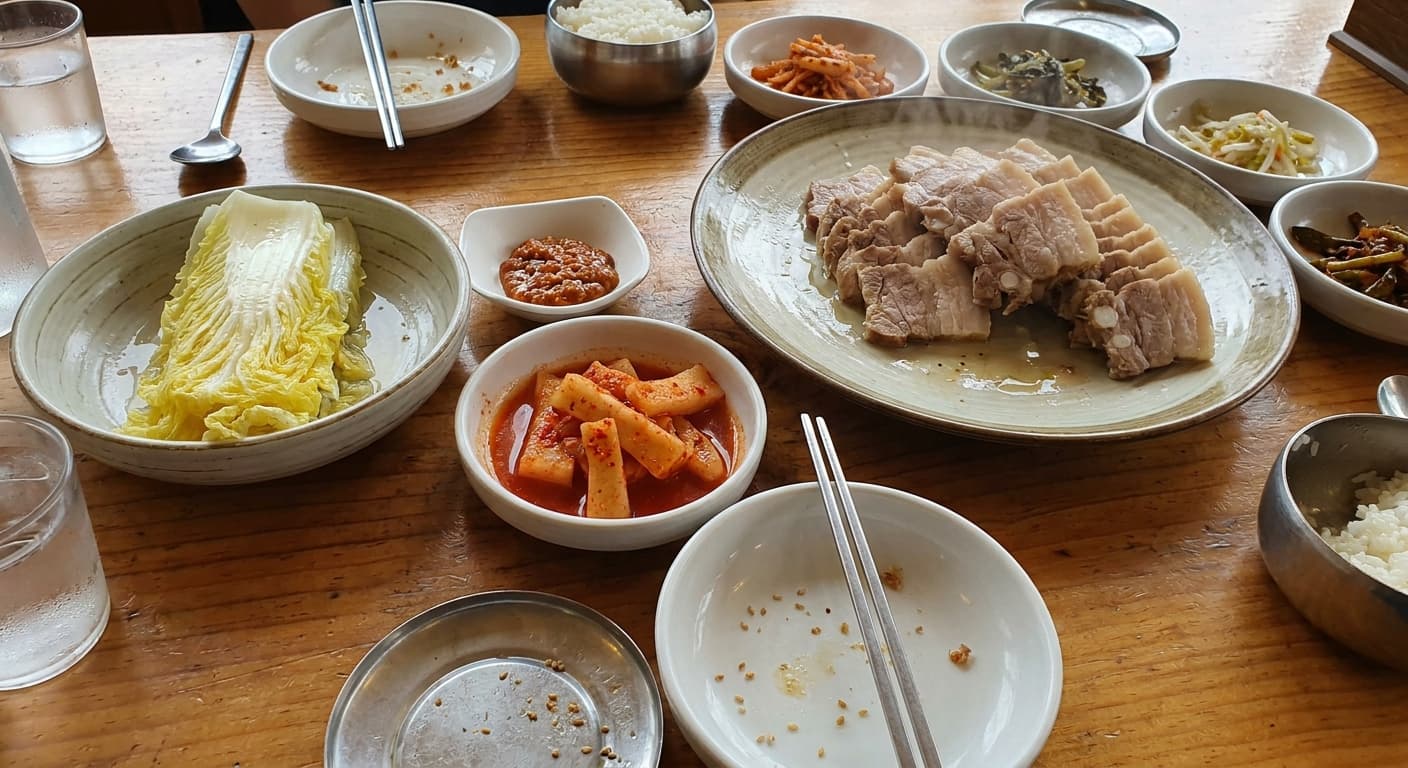
Bossam (보쌈) — Korean Boiled Pork Lettuce Wraps
Korean · Main Courses · 135 min
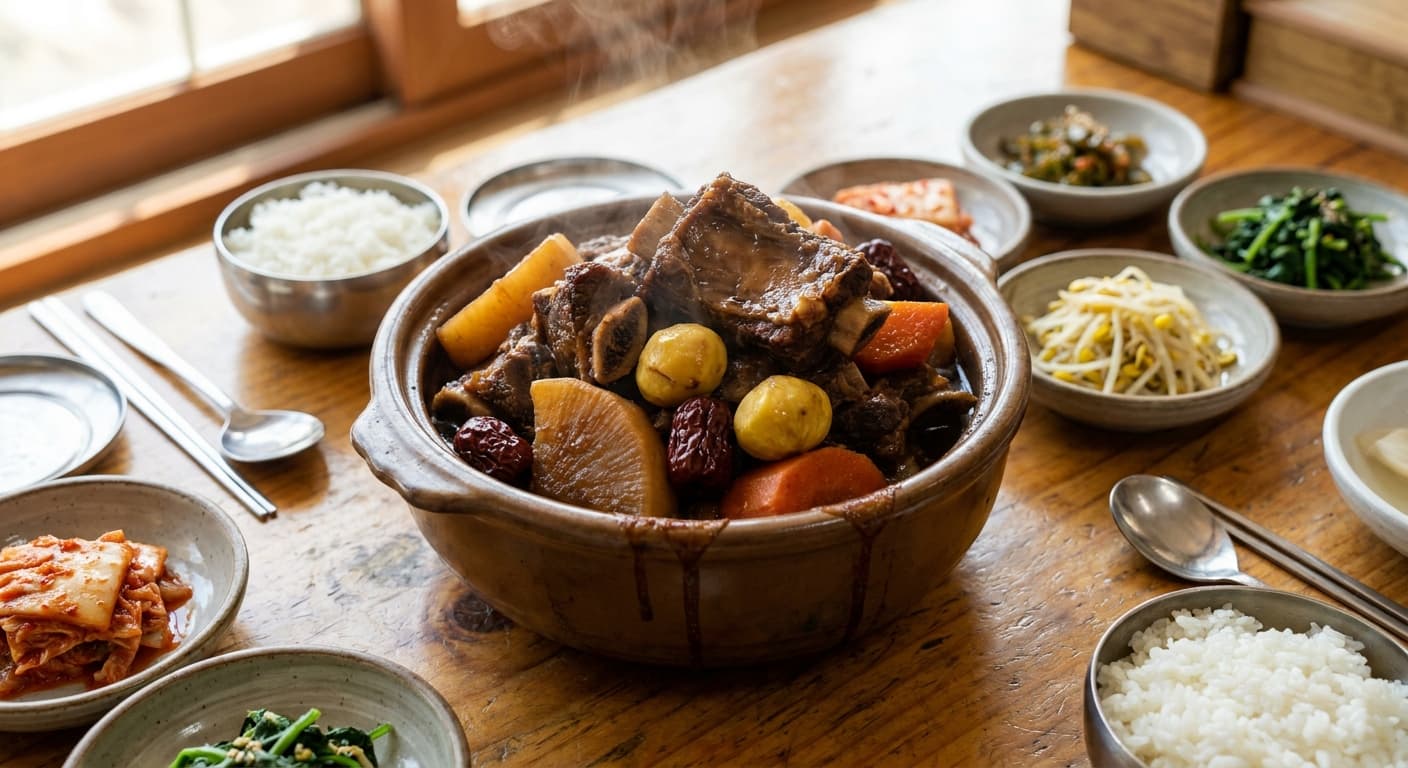
Galbi Jjim (갈비찜) — Korean Braised Short Ribs
Korean · Main Courses · 175 min
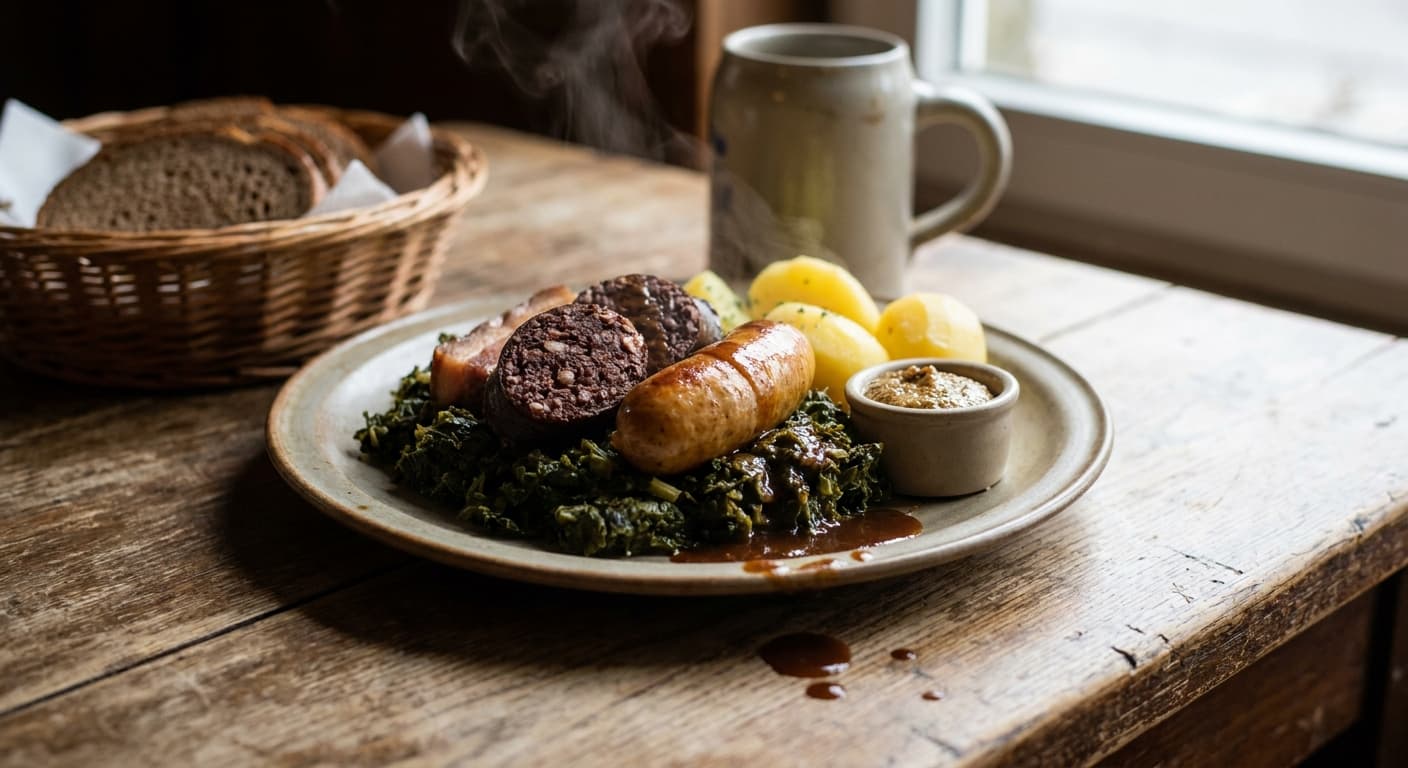
Kale with Pinkel Sausage (Grünkohl mit Pinkel) — North German Winter Stew
German · Stews · 130 min
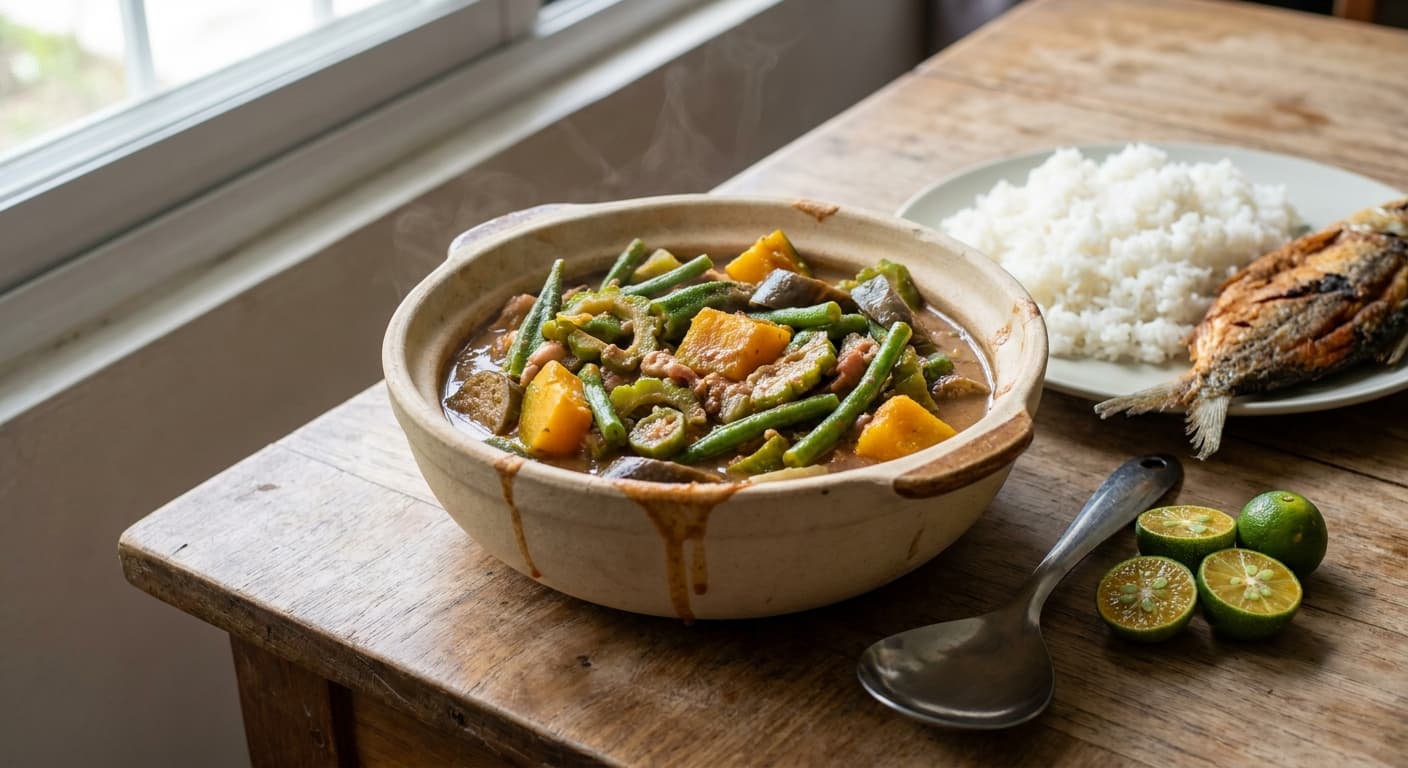
Pinakbet (Pinakbet) — Ilocano Vegetable Stew with Bagoong
Filipino · Stews · 60 min
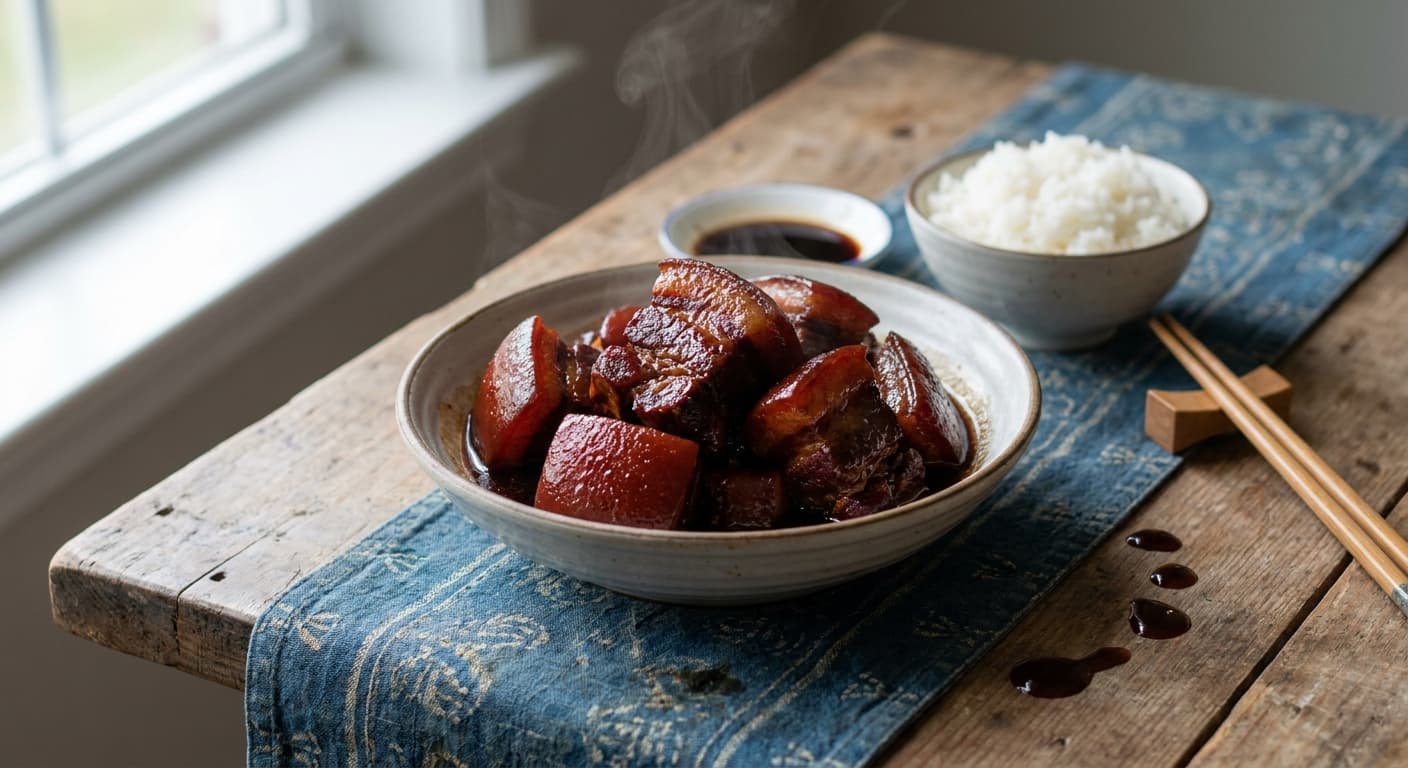
Dongpo Pork (东坡肉) — Hangzhou Red-Braised Pork Belly
Chinese · Main Courses · 205 min
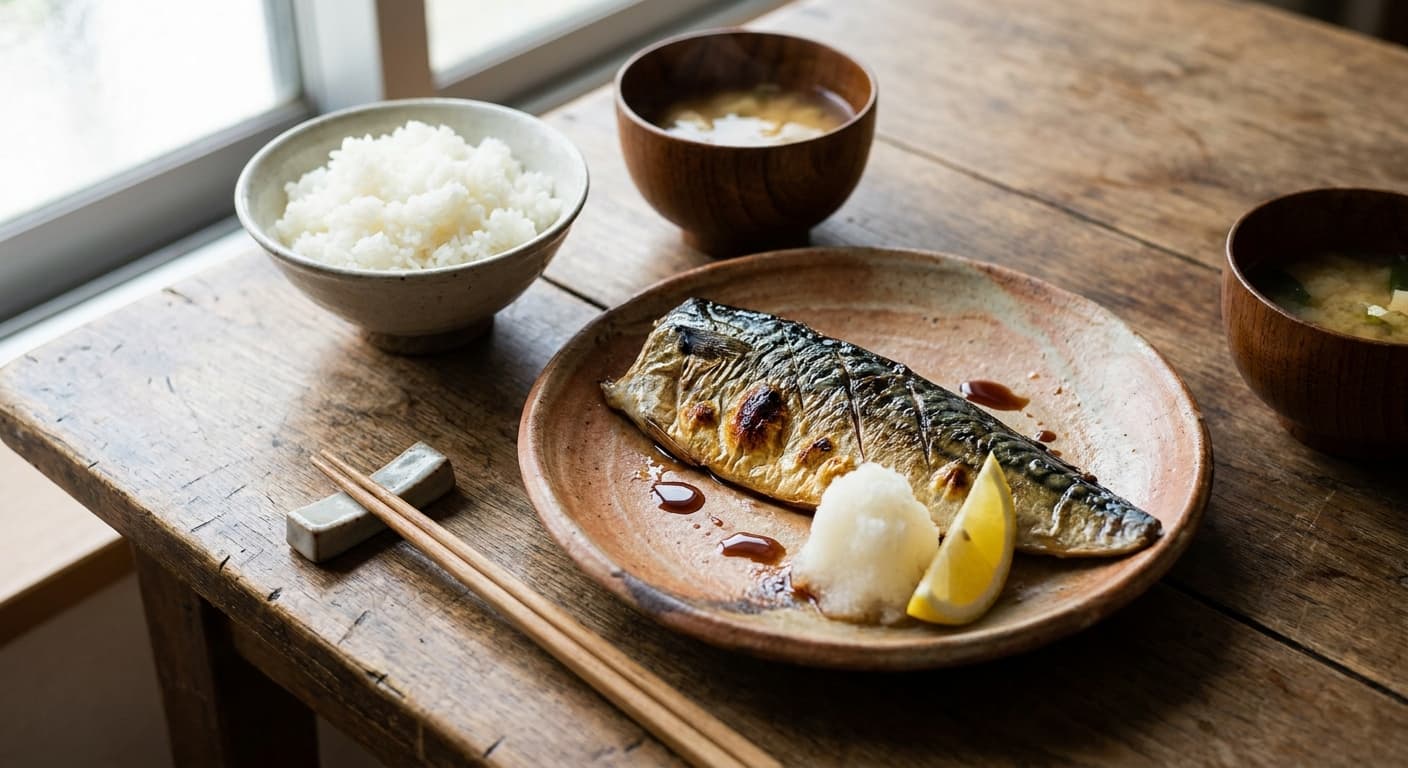
Saba Shioyaki (鯖の塩焼き) — Japanese Salt-Grilled Mackerel
Japanese · Main Courses · 35 min
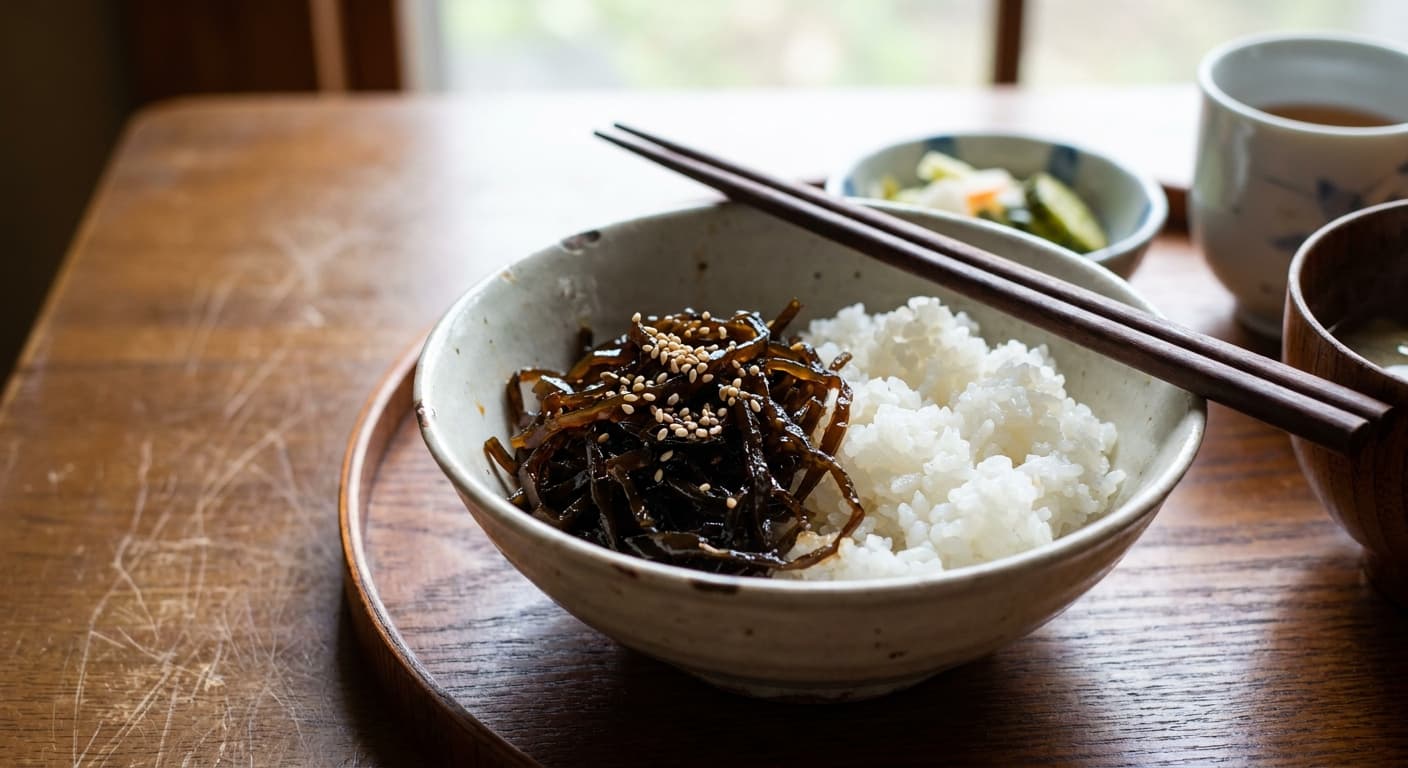
Kombu no Tsukudani (昆布の佃煮) — Soy-Simmered Kelp Relish
Japanese · Side Dishes · 65 min
Reviews
Cooked this recipe?
Tap the stars to rate it — that's all it takes. A few words are welcome but optional.
No ratings yet. Cooked this one? Be the first to rate it — it takes one tap.