Kuku-ye Sibzamini (کوکو سیبزمینی) — Persian Baked Potato Frittata
Kuku-ye Sibzamini is a classic Persian potato frittata, prized for its fluffy interior and golden turmeric aroma. Often served for a light lunch or as a side, it’s a comforting staple in Iranian home cooking.
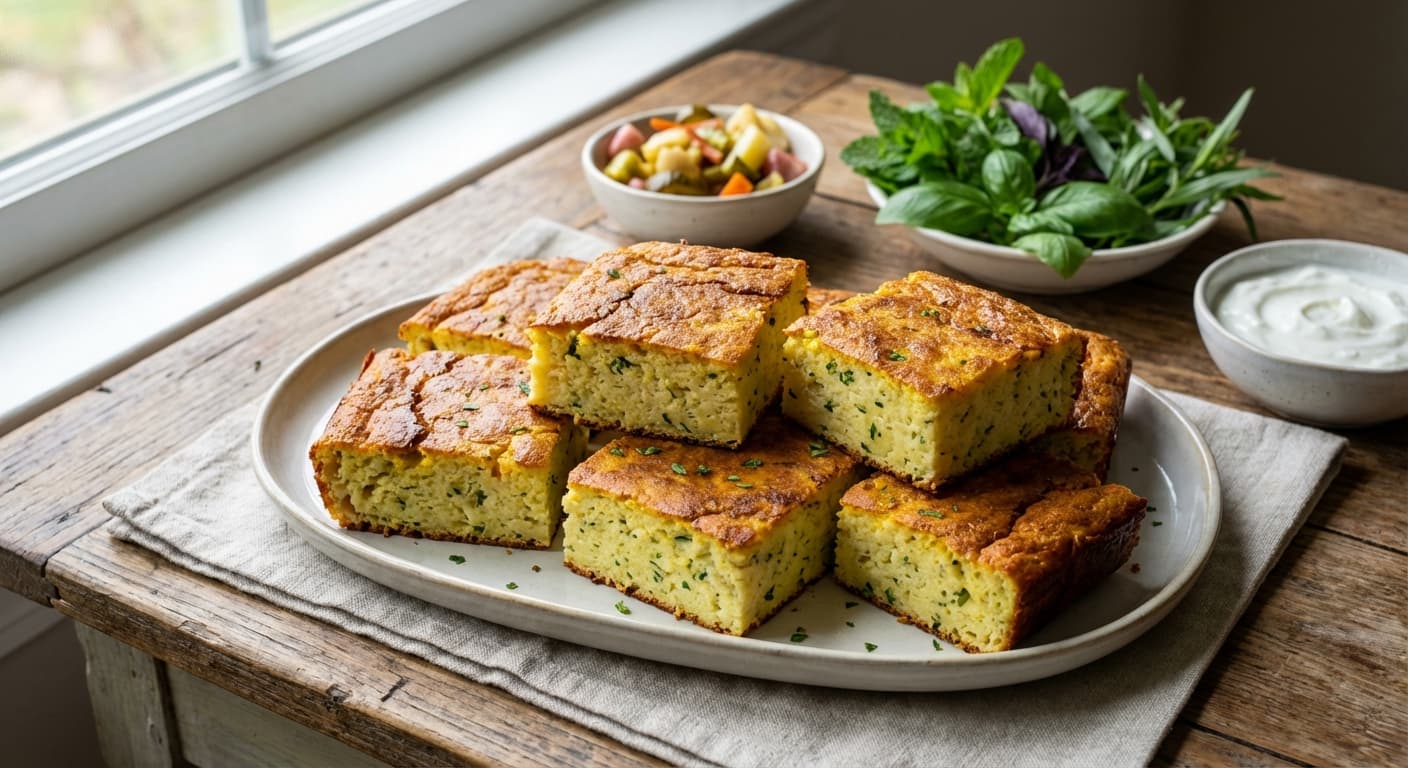
Printable Recipe Card
Servings: 6 · Total: 55 min · Difficulty: easy
Ingredients (quick list)
- 600 g Russet potatoes, peeled (About 3 medium; peel and grate on large holes)
- 150 g Yellow onion, peeled (About 1 medium; finely grated or very finely chopped)
- 20 g Fresh parsley (Finely chopped (about 1/2 cup loosely packed))
- 5 Eggs
- 1 tsp Baking powder (For a lighter, fluffier kuku)
- 1.5 tsp Ground turmeric
- 1.25 tsp Fine sea salt
- 0.5 tsp Black pepper, freshly ground
- 60 g Cheddar cheese, grated (Adds richness; not traditional but popular in modern versions)
- 30 ml Vegetable oil (Plus 5 ml to grease the pan if needed)
Steps (summary)
- Preheat the oven to 190°C (375°F) and place a rack in the middle. Lightly grease an 20 cm (8-inch) square baking dish or a simi…
- Grate the potatoes on the large holes of a box grater and transfer them to a clean kitchen towel. Squeeze firmly over the sink…
- Add the squeezed potatoes to a mixing bowl and stir in the grated onion and chopped parsley. Mix well so the onion and herbs di…
- In a separate bowl, whisk the eggs for 30–45 seconds until cohesive and slightly frothy. Whisk in the turmeric, salt, black pep…
- Pour the seasoned egg mixture over the potato mixture and fold until everything is coated and no dry pockets remain. Add the gr…
- Scrape the mixture into the prepared baking dish and press it into an even layer, smoothing the top with the back of a spoon. B…
+ 1 more steps in the full instructions section below.
Cultural Background
Kuku is a beloved category of Persian egg dishes often served at room temperature for picnics, lunches, and family gatherings. Kuku-ye Sibzamini is especially common because potatoes are affordable and filling, making it a reliable home-cooking favorite.
Equipment
💡 Tips
- Squeeze the grated potatoes very dry; aim to remove at least 120 ml liquid to prevent a gummy texture.
- For a crisper top, switch to broil for 1–2 minutes at the end, keeping the pan 15–20 cm from the heat source.
- Let the kuku rest 10 minutes before slicing so the eggs finish setting and the pieces hold their shape.
⚠️ Common Mistakes
❌ Skipping the potato squeeze, leading to a wet, dense kuku.
✅ Fix: Squeeze grated potatoes in a towel until they feel dry and crumbly, then mix immediately so they do not oxidize.
❌ Baking in a pan that is too deep, causing an undercooked center.
✅ Fix: Use a wider dish for a 2–3 cm thick layer, or extend baking by 8–12 minutes and cover loosely with foil if browning too fast.
❌ Cutting immediately after baking, making slices fall apart.
✅ Fix: Rest 10 minutes so the eggs set and steam redistributes, then slice with a sharp knife.
🧊 How to Store
Cool completely, then refrigerate in an airtight container for up to 4 days. Reheat on a sheet pan at 175°C (350°F) for 8–10 minutes to restore crisp edges, or microwave 60–90 seconds for a softer texture.
📅 Make Ahead
Grate and squeeze the potatoes up to 6 hours ahead and refrigerate tightly covered. You can also bake the kuku a day in advance; reheat in the oven to re-crisp, or serve at room temperature for a traditional presentation.
🍽️ Pairs Well With
- Sabzi khordan
- torshi
- yogurt
- pickled cucumbers
- lavash
- tomato-cucumber salad (Shirazi salad).
Regional Variations
- Herb-heavy style: increase parsley to 40 g and add 10 g chopped dill for a greener, kuku-sabzi-inspired profile.
- Pan-fried style: cook in a 24 cm nonstick skillet with 45 ml oil, 8–10 minutes per side over medium-low heat for a thicker crust.
- Spiced style: add 0.5 tsp ground cumin for a deeper, earthier potato flavor common in some home kitchens.
Ingredients
- 600 gRusset potatoes, peeled (About 3 medium; peel and grate on large holes)
- 150 gYellow onion, peeled (About 1 medium; finely grated or very finely chopped)
- 20 gFresh parsley (Finely chopped (about 1/2 cup loosely packed))
- 5Eggs
- 1 tspBaking powder (For a lighter, fluffier kuku)
- 1.5 tspGround turmeric
- 1.25 tspFine sea salt
- 0.5 tspBlack pepper, freshly ground
- 60 gCheddar cheese, grated (Adds richness; not traditional but popular in modern versions)
- 30 mlVegetable oil (Plus 5 ml to grease the pan if needed)
🔄 Substitutions
- Cheddar cheese→ Kashkaval or mozzarella
- Russet potatoes→ Yukon Gold potatoes
- Fresh parsley→ Fresh dill
Instructions
- 1
Preheat the oven to 190°C (375°F) and place a rack in the middle. Lightly grease an 20 cm (8-inch) square baking dish or a similar 1.5–2 L baking pan, then add 30 ml vegetable oil and tilt to coat the bottom evenly.
- 2
Grate the potatoes on the large holes of a box grater and transfer them to a clean kitchen towel. Squeeze firmly over the sink to remove as much liquid as possible, because excess moisture makes the kuku dense and watery.
- 3
Add the squeezed potatoes to a mixing bowl and stir in the grated onion and chopped parsley. Mix well so the onion and herbs distribute evenly, which helps the kuku bake uniformly and taste balanced in every slice.
- 4
In a separate bowl, whisk the eggs for 30–45 seconds until cohesive and slightly frothy. Whisk in the turmeric, salt, black pepper, and baking powder so the seasoning is fully dissolved and the leavening is evenly dispersed.
- 5
Pour the seasoned egg mixture over the potato mixture and fold until everything is coated and no dry pockets remain. Add the grated cheddar and fold again, keeping the mixture thick and spoonable rather than soupy.
- 6
Scrape the mixture into the prepared baking dish and press it into an even layer, smoothing the top with the back of a spoon. Bake for 30–35 minutes, until the center is set and the top is deeply golden with crisp edges.
- 7
Rest the kuku in the pan for 10 minutes to let it firm up for clean slicing. Cut into 6 pieces and serve warm or at room temperature, as is common for Persian kuku dishes.
🪪 Recipe Passport
Cultural Background
Kuku is a beloved category of Persian egg dishes often served at room temperature for picnics, lunches, and family gatherings. Kuku-ye Sibzamini is especially common because potatoes are affordable and filling, making it a reliable home-cooking favorite.
Regional Variations
Researched from multiple sources and validated by the Zaffaron editorial team. Every recipe is tested for accuracy, measurements, and cultural authenticity.
Nutrition per serving
Pairs well with
If you enjoyed this recipe, here are a few related Zaffaron recipes to try next.
- Makaroni ba Sos-e Baghela (ماکارونی با سس باقلا) — Spiral Pasta with Creamy Broad Bean & Leek Sauce
- Kuku-ye Zorrat (کوکو ذرت) — Persian Corn Frittata
- Loobia Polo ba Sabzi (لوبیا پلو با سبزی) — Persian Green Bean and Herb Rice
- Macaroni ba Loobia Sabz (ماکارونی با لوبیا سبز) — Persian-Style Pasta with Green Beans
Does your family make this differently?
Every family has their own version. Maybe your grandmother adds a secret ingredient, or your aunt has a completely different technique. Preserve your family's version — with their name on it, forever.
You Might Also Like
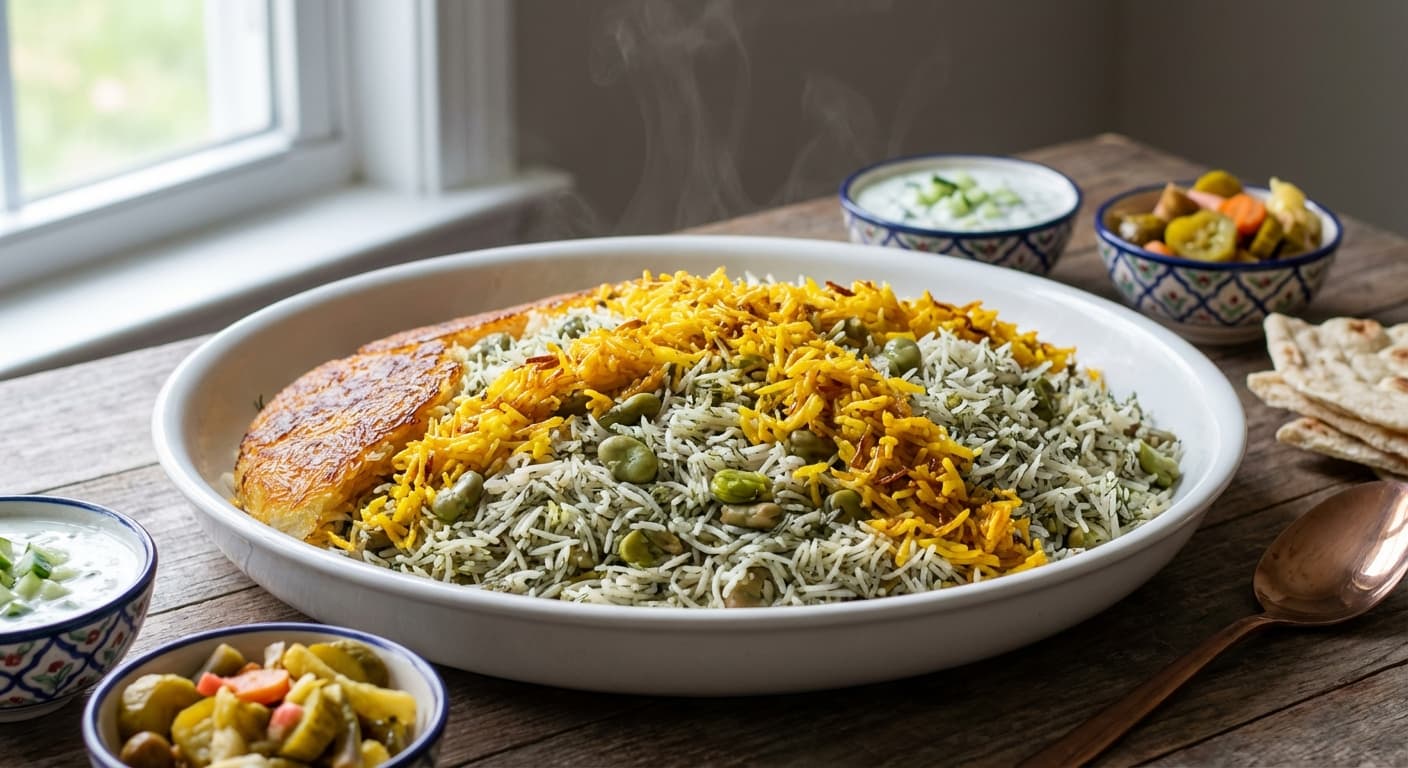
Baghali Polo (باقالی پلو) — Persian Dill and Fava Bean Rice with Saffron
Persian · Rice Dishes · 95 min
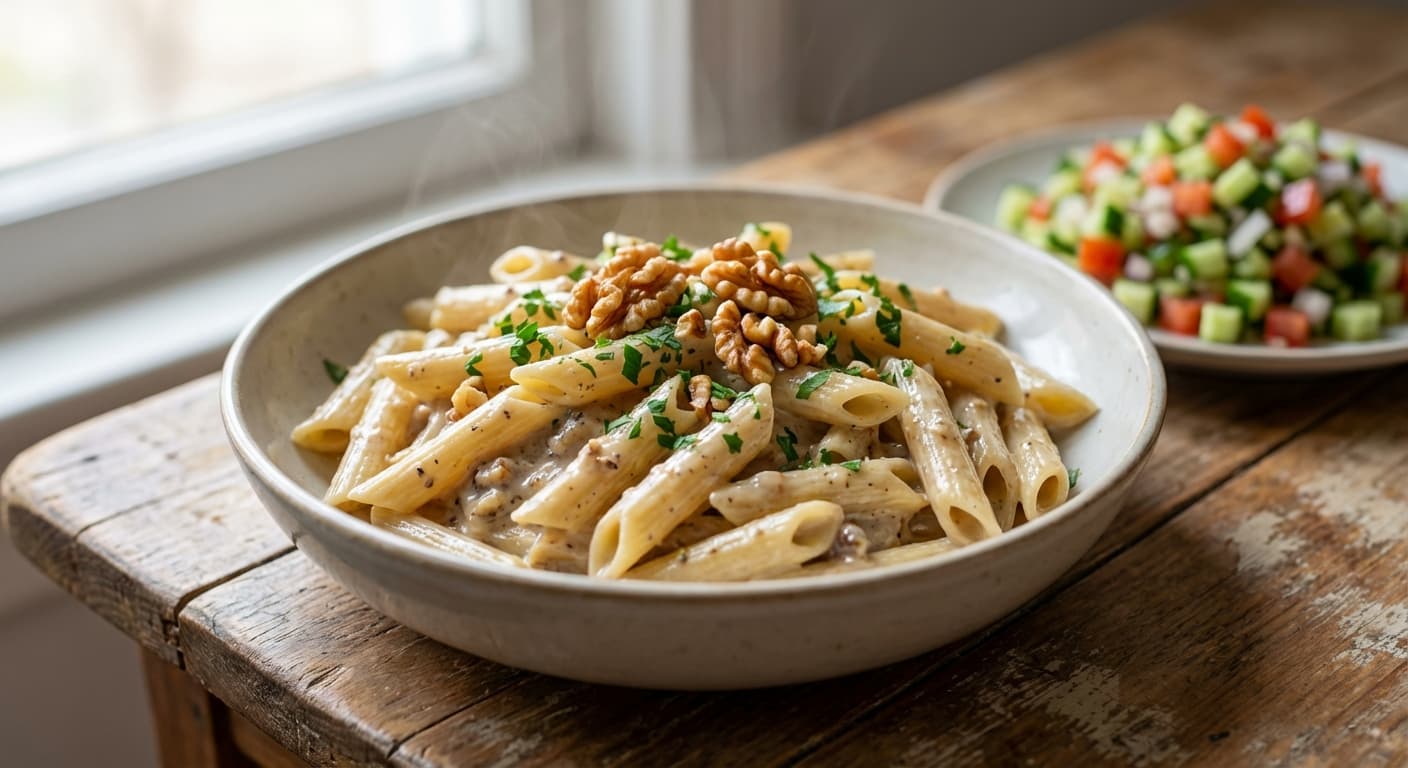
Pasta with Walnut Sauce (پاستا با سس گردو) — Creamy Persian Walnut-Yogurt Pasta
Persian · Main Courses · 35 min
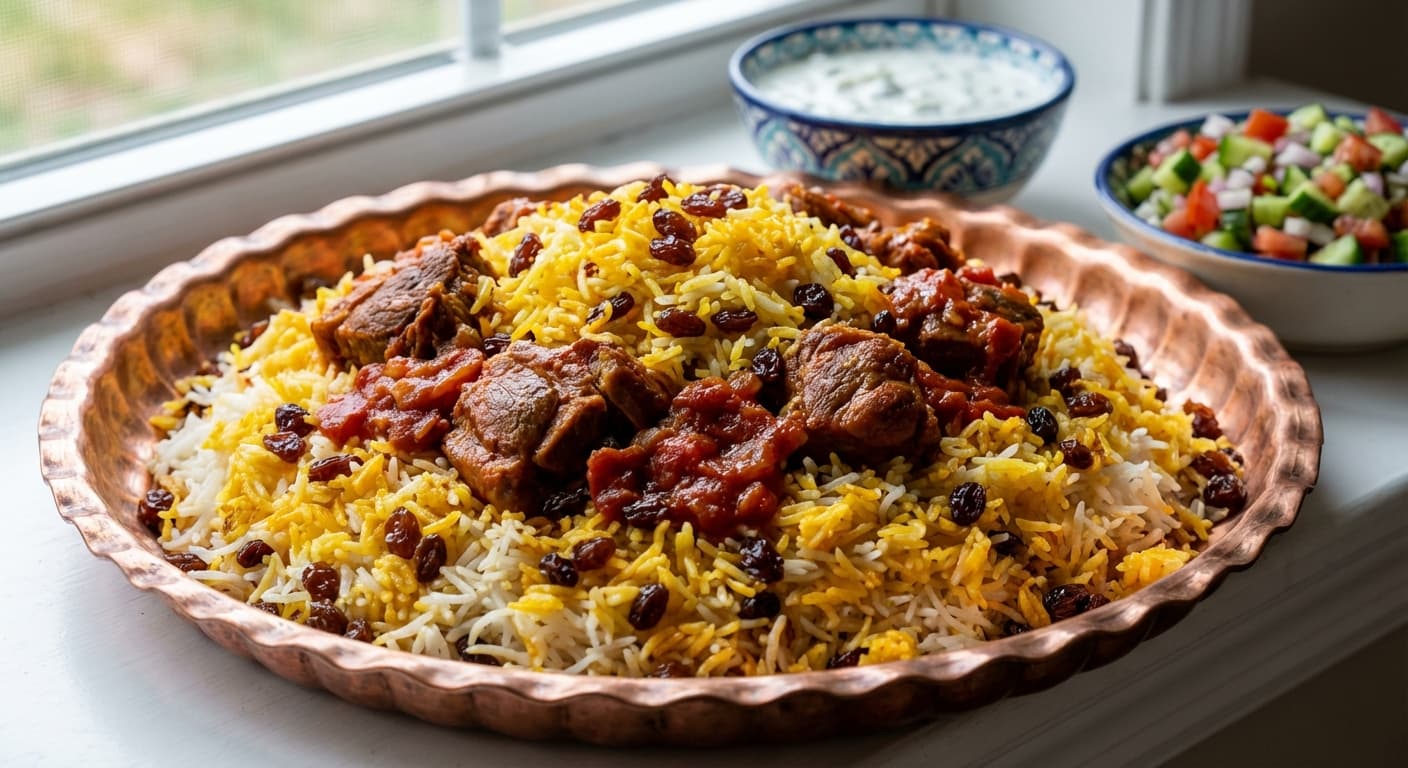
Kashmish Polow (کشمش پلو) — Persian Raisin Rice with Slow-Cooked Lamb
Persian · Rice Dishes · 155 min
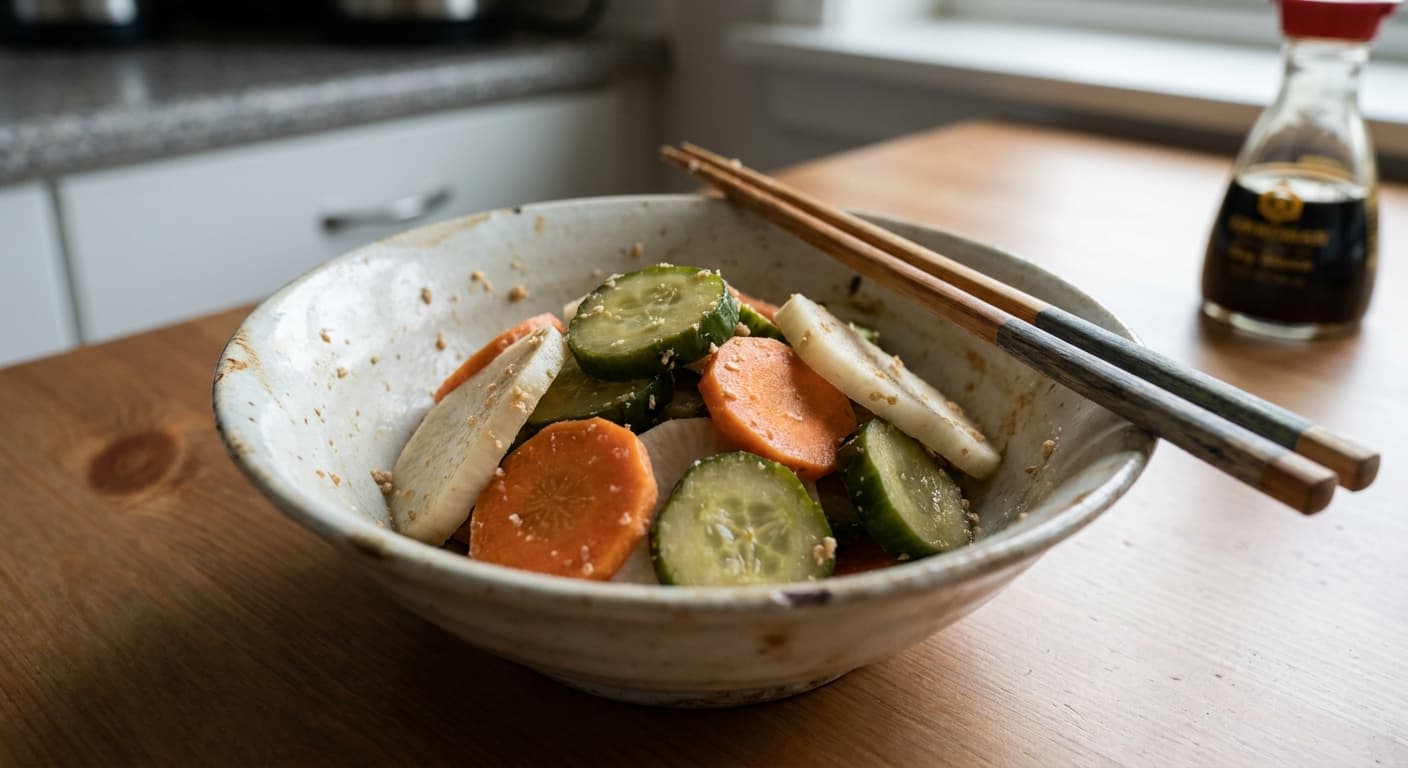
Nukazuke (糠漬け) — Japanese Rice Bran Pickles
Japanese · Side Dishes · 40 min
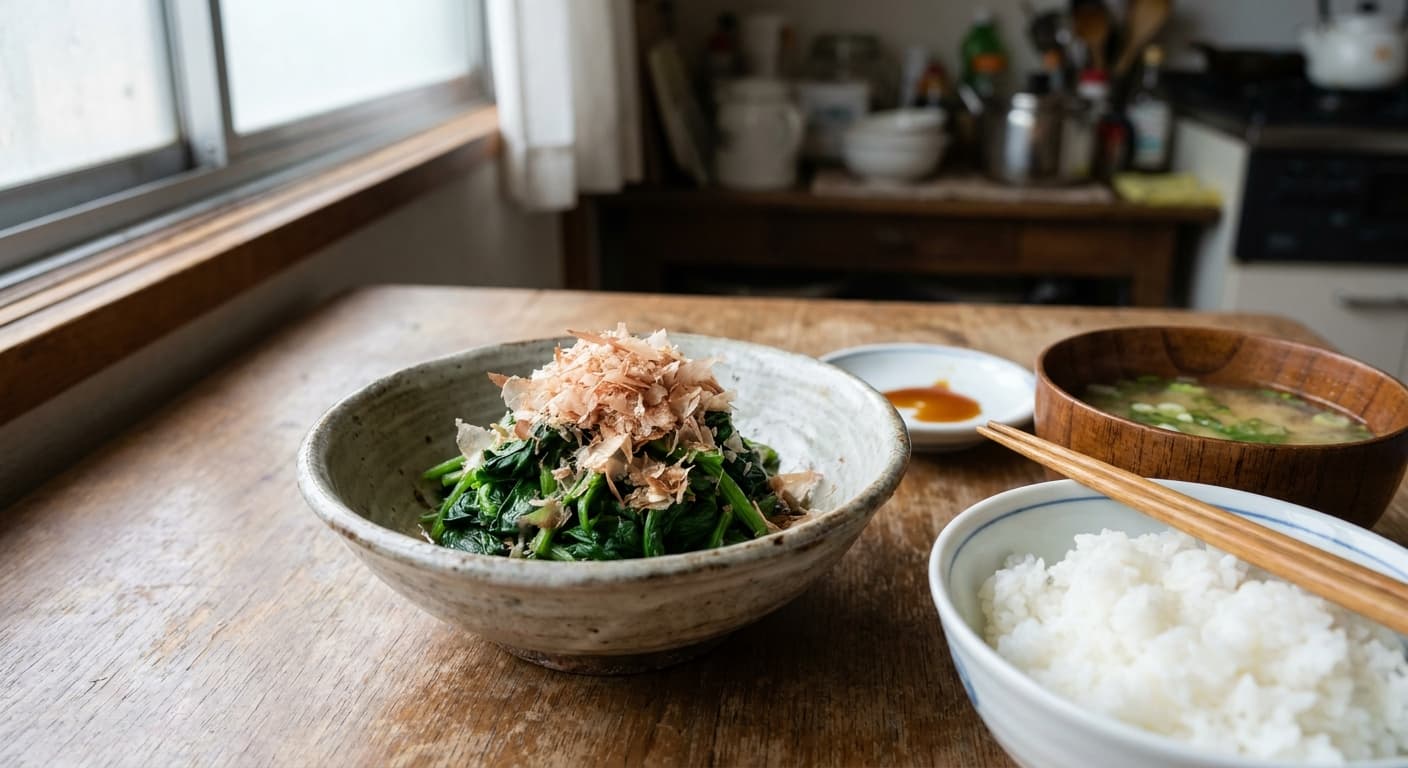
Ohitashi (お浸し) — Japanese Dashi-Soaked Greens
Japanese · Side Dishes · 20 min
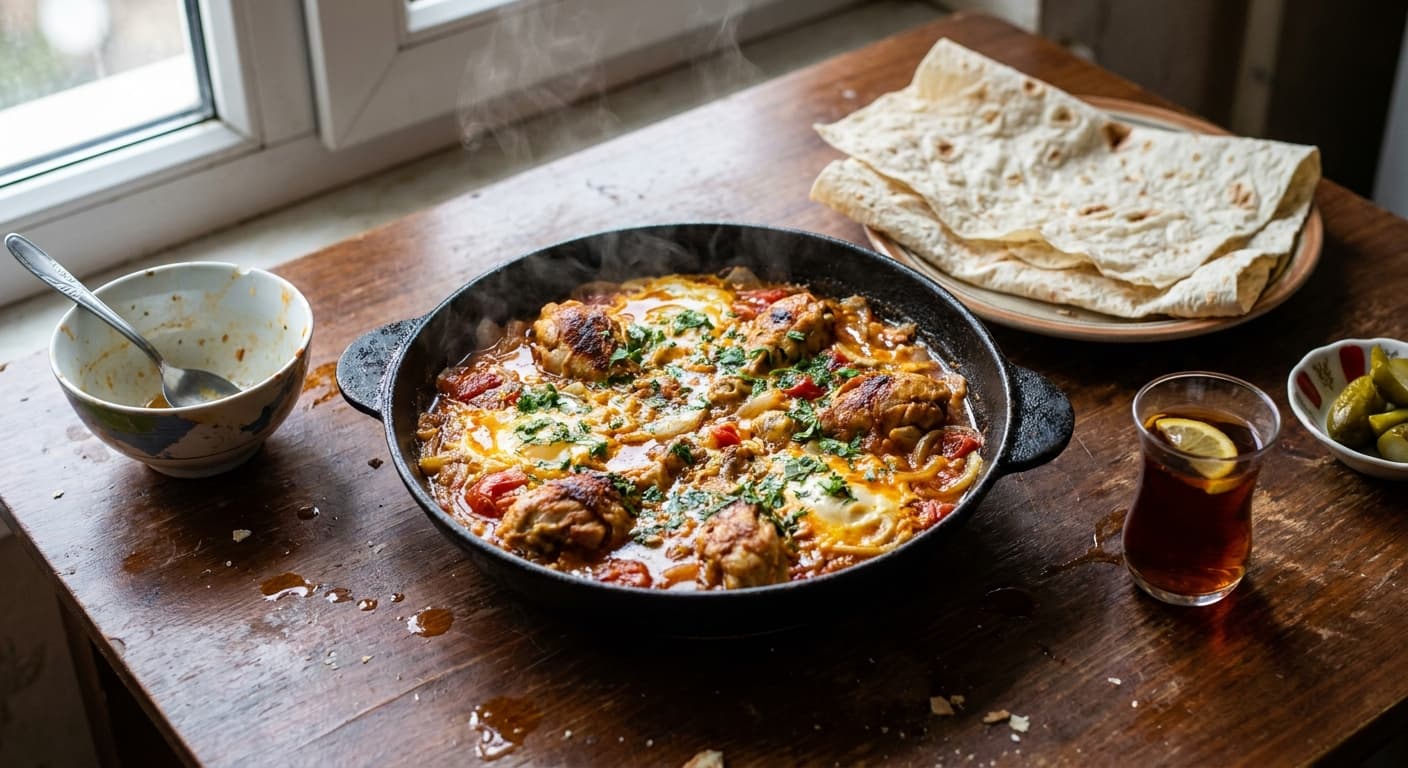
Chicken Chygyrtma (Toyuq Çığırtması) — Azerbaijani Chicken with Eggs and Tomatoes
Azerbaijani · Main Courses · 65 min
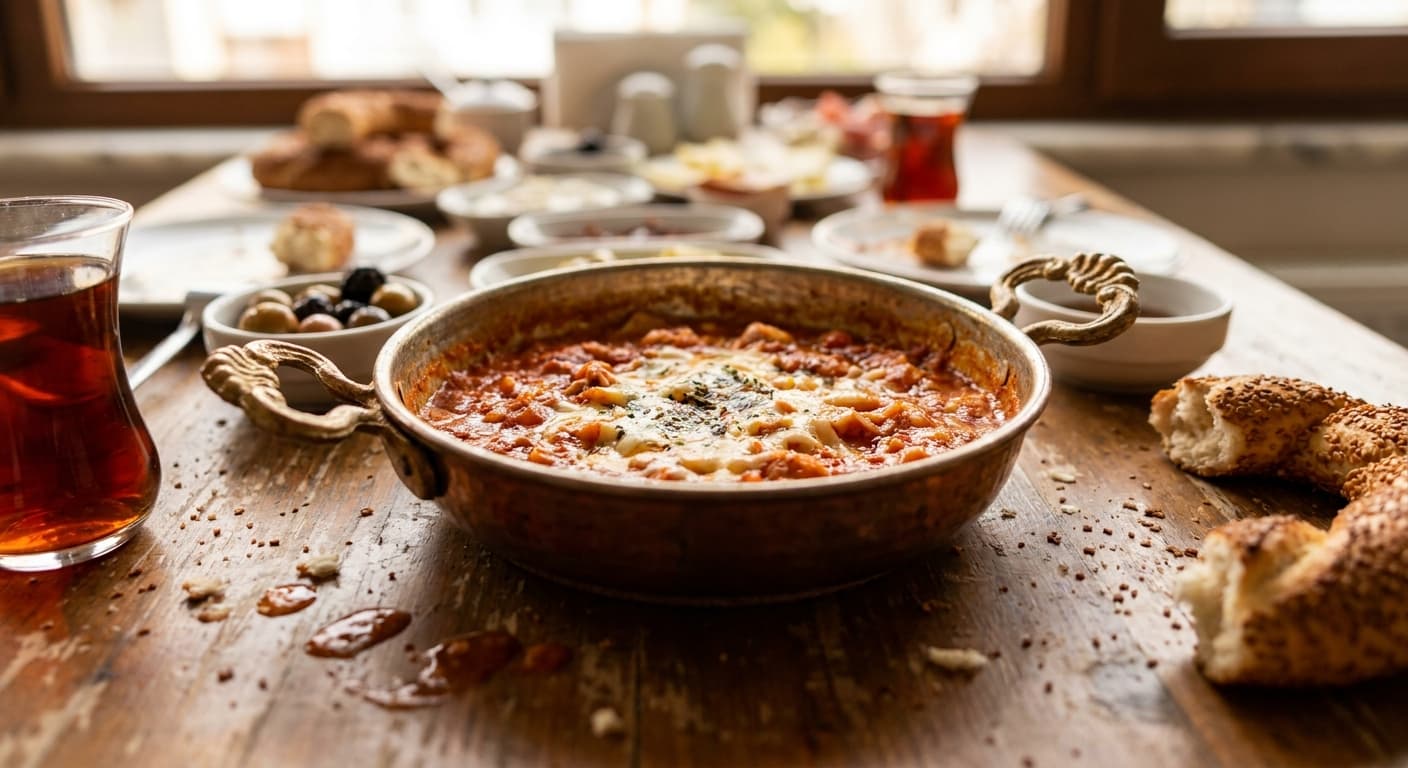
Turkish Menemen (Menemen) — Soft Eggs with Tomatoes and Peppers
Turkish · Main Courses · 37 min
Orromo (Оромо) — Kyrgyz Steamed Rolled Dumpling with Lamb and Pumpkin
Kyrgyz · Main Courses · 105 min
Reviews
Cooked this recipe?
Tap the stars to rate it — that's all it takes. A few words are welcome but optional.
No ratings yet. Cooked this one? Be the first to rate it — it takes one tap.