Nan-e Sangak (نان سنگک)
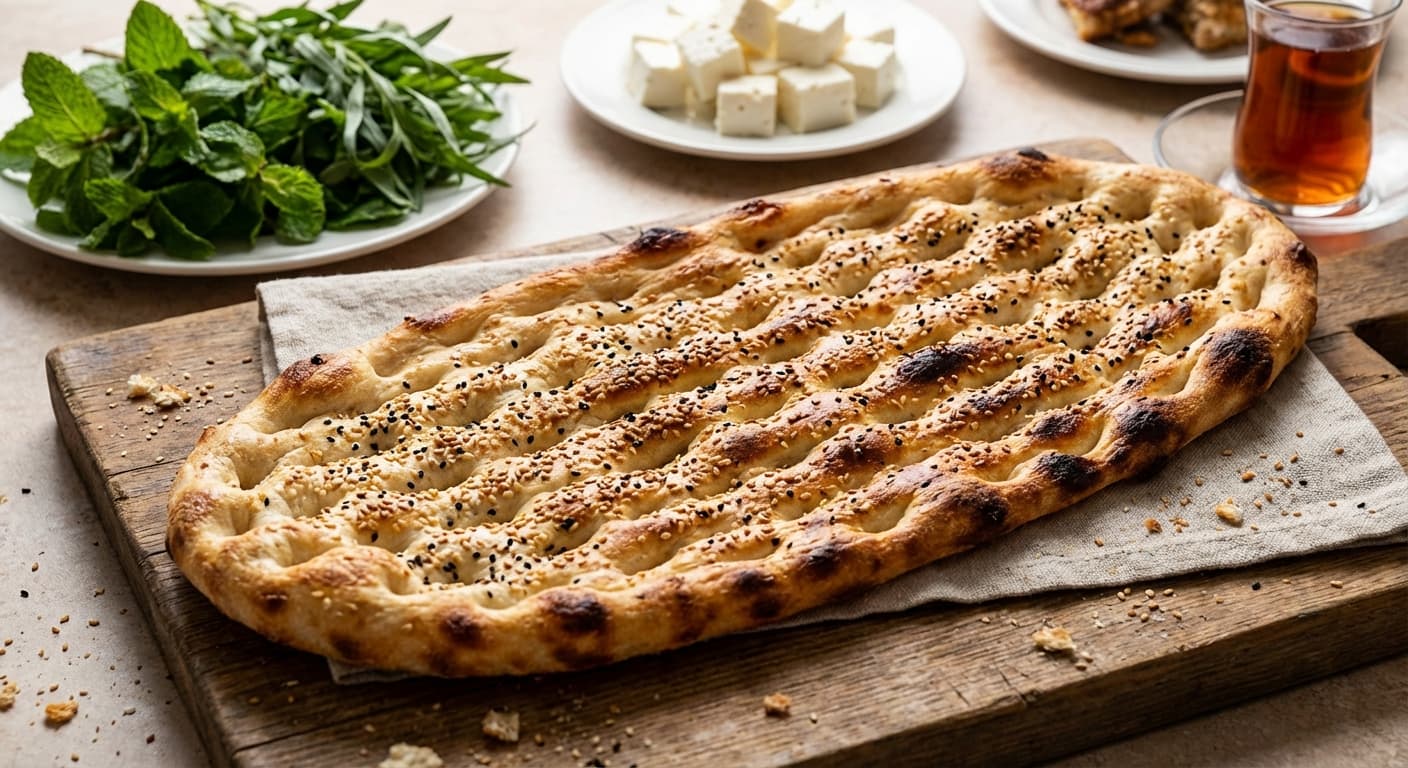
Nan-e Sangak is Iran’s iconic whole-wheat flatbread, traditionally stretched and baked on hot pebbles for a dimpled, crisp-edged crust and chewy center. This home method recreates the signature texture with a preheated stone/steel and a seeded dough.
Printable Recipe Card
Servings: 6 · Total: 200 min · Difficulty: hard
Ingredients (quick list)
- 450 g Whole wheat flour (fine whole wheat, preferably stone-ground)
- 150 g Bread flour (for strength and chew)
- 450 g Warm water (38–40°C / 100–104°F)
- 5 g Instant yeast (about 1 1/2 tsp)
- 12 g Fine sea salt (about 2 tsp)
- 10 g Honey (about 1 1/2 tsp)
- 15 g Olive oil (about 1 tbsp)
- 40 g All-purpose flour (for bench dusting; use as needed up to this amount)
- 18 g Toasted sesame seeds (about 2 tbsp)
- 6 g Black cumin (nigella) seeds (about 2 tsp)
- 30 g Water (to help seeds adhere; about 2 tbsp)
Steps (summary)
- In a large bowl, whisk whole wheat flour (450 g) and bread flour (150 g) until evenly blended. Add instant yeast (5 g) and whis…
- Cover the bowl and rest the dough 20 minutes at room temperature (autolyse). Then, with wet hands, perform 3 rounds of stretch-…
- Cover and let the dough rise 60–75 minutes at 24–27°C, until increased about 70–90% and visibly bubbly. If your kitchen is cool…
- Place a baking steel or thick pizza stone on the middle rack. If you have clean, food-safe ceramic stones (unglazed) you may ad…
- Turn the risen dough onto a lightly floured surface using up to 40 g all-purpose flour total for dusting. Divide into 6 equal p…
- Mix toasted sesame (18 g) and nigella (6 g) with water (30 g) to form a loose, wet seed slurry. Working with one dough piece at…
+ 3 more steps in the full instructions section below.
Cultural Background
Sangak is one of Iran’s most beloved daily breads, traditionally baked in neighborhood bakeries on a bed of hot pebbles that imprint its signature dimples. It’s commonly eaten at breakfast with panir and sabzi, and also used to scoop stews and wrap kebab at family meals.
Equipment
💡 Tips
- For the most authentic Sangak-like texture, use a baking steel or a very thick stone and fully preheat at least 45 minutes; insufficient heat is the main cause of pale, tough bread.
- Keep hands wet (not floured) when stretching; extra flour in the dough surface reduces adhesion of seeds and can make the crumb dry.
- If you don’t have food-safe ceramic stones, deep dimpling plus a very hot stone/steel still creates the signature look and prevents large bubbles.
⚠️ Common Mistakes
❌ Underheating the stone/steel or shortening the preheat
💡 Why: Sangak needs intense bottom heat to set quickly; otherwise it bakes up pale, dense, and dries out before browning.
✅ Fix: Preheat at 260°C / 500°F for a full 45 minutes; use an oven thermometer and keep the stone/steel on the middle rack.
❌ Adding a lot of flour during mixing to reduce stickiness
💡 Why: A stiff dough won’t stretch long and thin, and it bakes into a tight crumb instead of Sangak’s chewy, open interior.
✅ Fix: Keep the dough sticky; use wet hands for folds and shaping, and reserve flour only for light bench dusting.
❌ Letting the shaped dough sit too long before loading the oven
💡 Why: Overproofed, stretched dough can tear, stick to the peel, or collapse, leading to uneven thickness and poor oven spring.
✅ Fix: Stretch, dimple, seed, and load immediately; if delayed, re-dust the peel and gently re-stretch right before baking.
🧊 How to Store
Cool completely, then store in a paper bag for up to 1 day at room temperature. For longer storage, wrap tightly and freeze up to 2 months. Reheat from frozen at 200°C / 392°F for 6–8 minutes directly on the rack or stone until warm and crisp.
📅 Make Ahead
After the first rise, cover and refrigerate the dough 8–16 hours for deeper flavor. The next day, let it sit at room temperature 45–60 minutes, then divide, rest 15 minutes, and bake as written. You can also par-bake each bread 3 minutes, cool, freeze, then finish at 230°C / 446°F for 4–5 minutes.
🍽️ Pairs Well With
- Serve with feta (panir)
- fresh herbs (sabzi khordan)
- walnuts
- and tea; or alongside Ash Reshteh
- Abgoosht
- or a simple omelet (nimeroo). It’s also excellent for wrapping kebab or kotlet.
Regional Variations
- Tehran (urban sangaki bakeries)Often baked very long and thin with pronounced dimples; commonly topped with sesame or a sesame-nigella mix and baked to crisp, well-browned edges for quick street-side service.
- KhorasanSangak may be slightly thicker and softer, sometimes baked with fewer seeds and a more pronounced wheat aroma; it’s frequently served alongside hearty soups and stews, favoring a tender bite for dipping.
Ingredients
- 450 gWhole wheat flour (fine whole wheat, preferably stone-ground)
- 150 gBread flour (for strength and chew)
- 450 gWarm water (38–40°C / 100–104°F)
- 5 gInstant yeast (about 1 1/2 tsp)
- 12 gFine sea salt (about 2 tsp)
- 10 gHoney (about 1 1/2 tsp)
- 15 gOlive oil (about 1 tbsp)
- 40 gAll-purpose flour (for bench dusting; use as needed up to this amount)
- 18 gToasted sesame seeds (about 2 tbsp)
- 6 gBlack cumin (nigella) seeds (about 2 tsp)
- 30 gWater (to help seeds adhere; about 2 tbsp)
🔄 Substitutions
- Bread flour→ All-purpose flour (same amount)
- Honey→ Granulated sugar (10 g)
- Instant yeast→ Active dry yeast (6 g)
- honey→ maple syrup, agave, or date syrup
Instructions
- 1
In a large bowl, whisk whole wheat flour (450 g) and bread flour (150 g) until evenly blended. Add instant yeast (5 g) and whisk again. In a separate container, dissolve honey (10 g) and salt (12 g) into warm water (450 g, 38–40°C). Pour the water mixture into the flour, add olive oil (15 g), and mix with a sturdy spoon until no dry flour remains.
- 2
Cover the bowl and rest the dough 20 minutes at room temperature (autolyse). Then, with wet hands, perform 3 rounds of stretch-and-folds: pull up one side, fold over, rotate the bowl, and repeat 8–10 folds per round. Rest 10 minutes between rounds. The dough should feel sticky but elastic; avoid adding extra flour inside the dough to keep Sangak’s open, chewy crumb.
- 3
Cover and let the dough rise 60–75 minutes at 24–27°C, until increased about 70–90% and visibly bubbly. If your kitchen is cool, extend to 90 minutes. While it rises, prepare a proofing area: lightly oil a tray or large plate and keep a small bowl of water nearby for wetting hands during shaping, which prevents sticking without toughening the bread.
- 4
Place a baking steel or thick pizza stone on the middle rack. If you have clean, food-safe ceramic stones (unglazed) you may add them on top of the stone/steel in a single layer. Preheat the oven to 260°C / 500°F for 45 minutes. For best top heat, switch to broil/grill for the final 5 minutes of preheat, then return to bake before loading.
- 5
Turn the risen dough onto a lightly floured surface using up to 40 g all-purpose flour total for dusting. Divide into 6 equal pieces (about 180 g each). Shape each into a loose ball by tucking edges under, then place on the oiled tray. Cover and rest 15 minutes to relax gluten; this makes stretching easier and helps create the characteristic elongated, dimpled shape.
- 6
Mix toasted sesame (18 g) and nigella (6 g) with water (30 g) to form a loose, wet seed slurry. Working with one dough piece at a time, wet your hands, gently press the dough into an oval, then stretch it into a long strip about 35–40 cm by 12–14 cm. Avoid tearing; if it resists, rest it 5 minutes and continue.
- 7
Place the stretched dough on a floured peel or an upside-down baking sheet lined with parchment. Using fingertips, press deep dimples across the surface (this mimics pebble impressions and controls bubbling). Brush or spoon the seed slurry over the top so seeds adhere. Immediately slide the dough onto the preheated stone/steel (or ceramic stones), keeping it elongated rather than round.
- 8
Bake 5–7 minutes at 260°C / 500°F until the bread is deeply golden at the edges with browned blisters and the center is set. If the top needs more color, switch to broil/grill for 30–60 seconds while watching closely. Remove with tongs or a peel and cool 5 minutes on a rack before cutting to preserve chew.
- 9
Repeat shaping and baking with the remaining dough pieces, keeping the oven hot between batches. If using parchment, pull it out after 2 minutes once the dough firms up to improve bottom browning. Serve warm for crisp edges and a tender interior; for a softer crust, stack breads under a clean towel for 10 minutes after baking.
🪪 Recipe Passport
Cultural Background
Sangak is one of Iran’s most beloved daily breads, traditionally baked in neighborhood bakeries on a bed of hot pebbles that imprint its signature dimples. It’s commonly eaten at breakfast with panir and sabzi, and also used to scoop stews and wrap kebab at family meals.
Regional Variations
Researched from multiple sources and validated by the Zaffaron editorial team. Every recipe is tested for accuracy, measurements, and cultural authenticity.
Nutrition per serving
Pairs well with
If you enjoyed this recipe, here are a few related Zaffaron recipes to try next.
Does your family make this differently?
Every family has their own version. Maybe your grandmother adds a secret ingredient, or your aunt has a completely different technique. Preserve your family's version — with their name on it, forever.
You Might Also Like
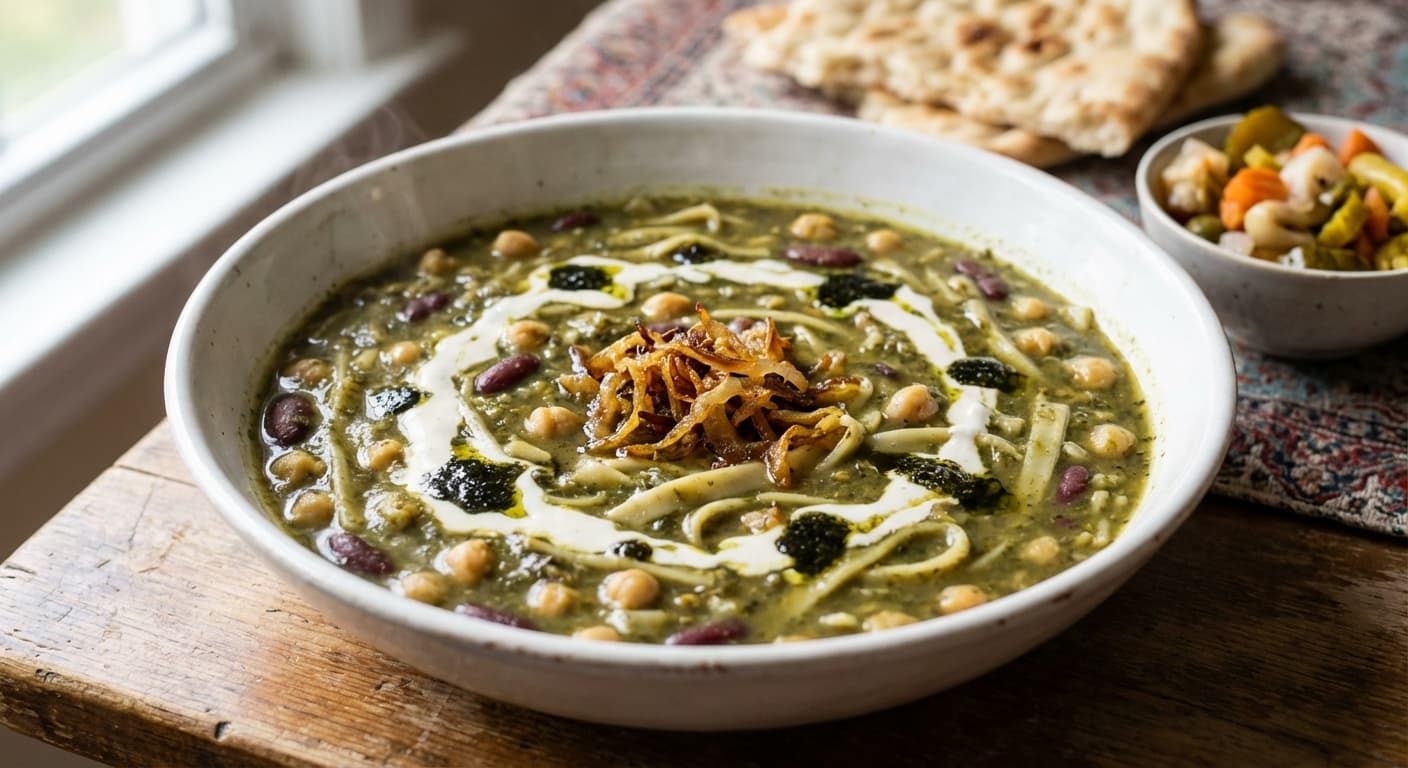
Ash Reshteh (آش رشته) — Persian Herb, Bean, and Noodle Soup
Persian · Soups · 145 min
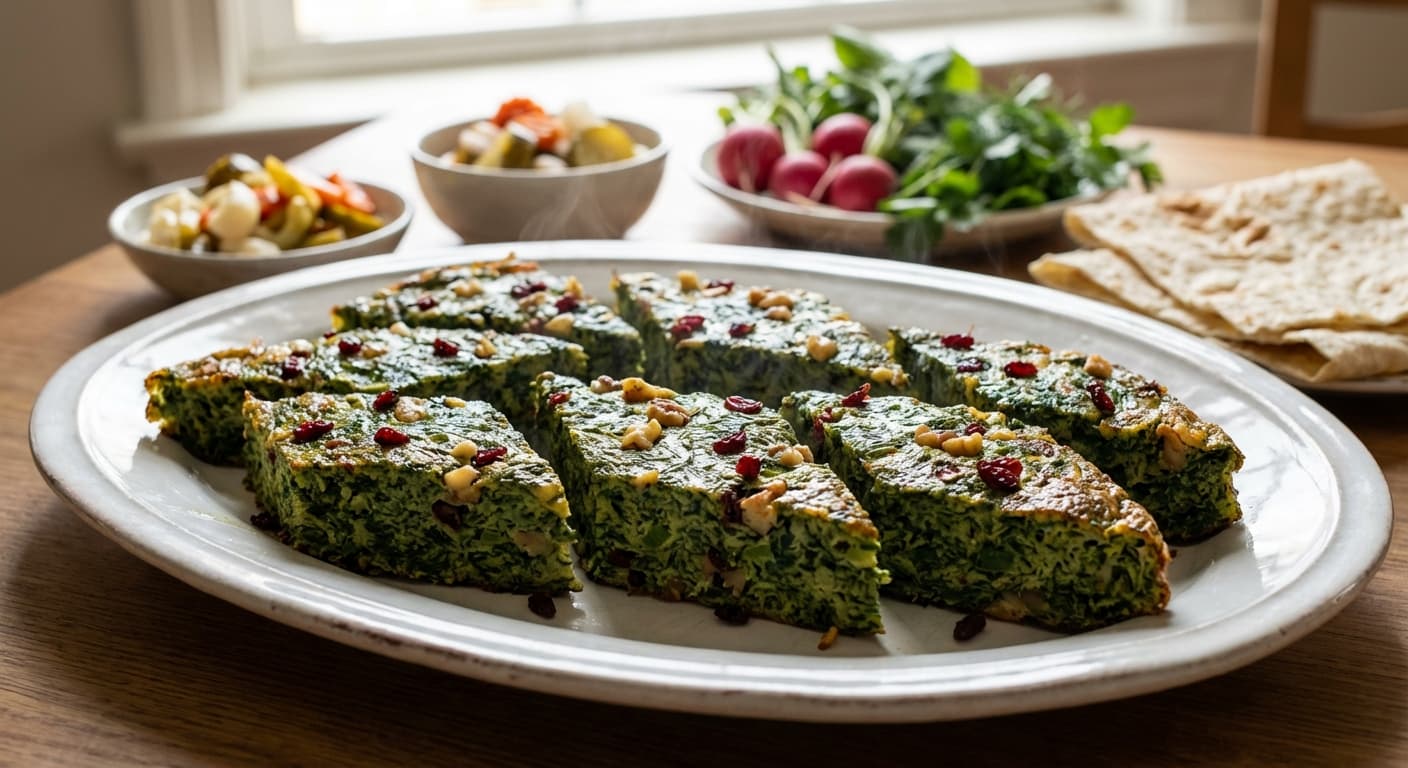
Kuku Sabzi (کوکو سبزی) — Emerald Persian Herb Frittata
Persian · Main Courses · 38 min
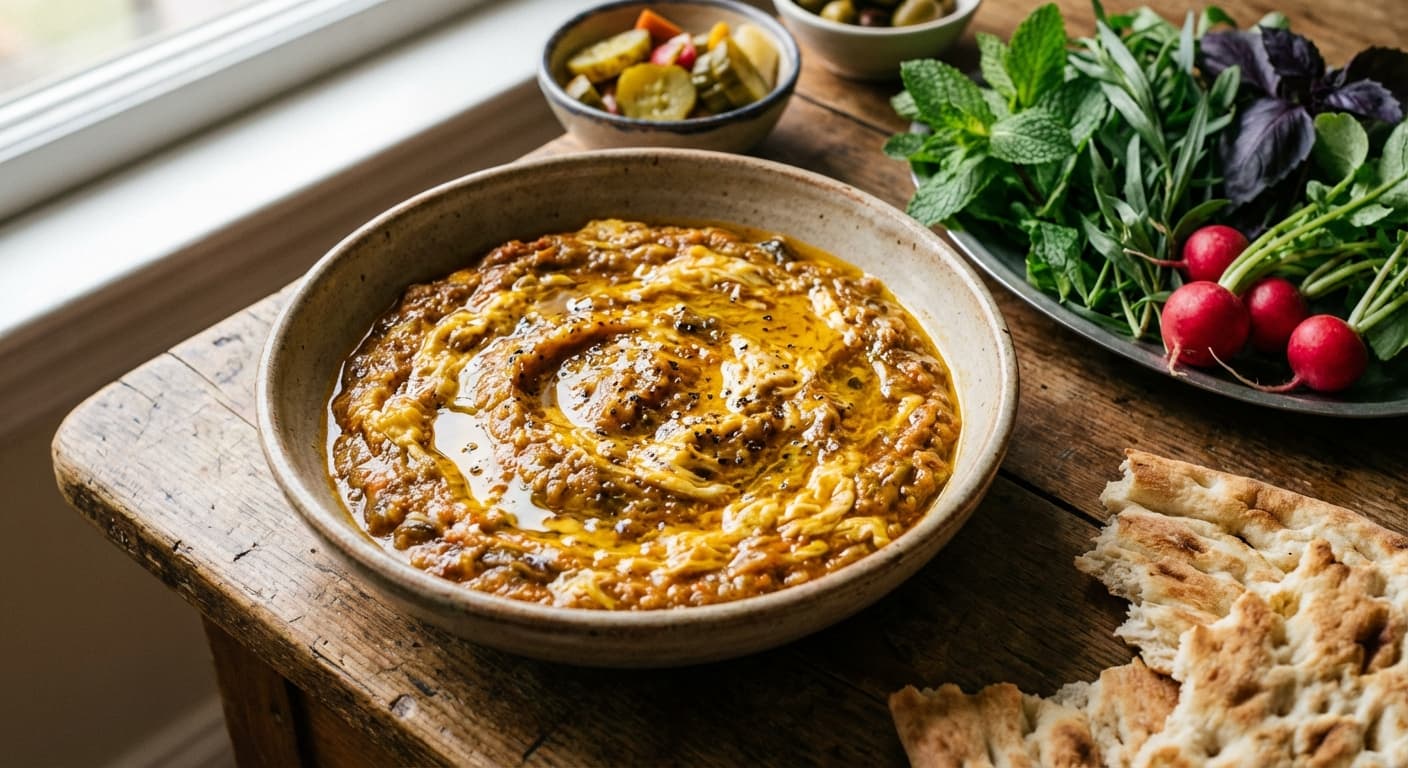
Smoked Silk Mirza Ghasemi (میرزا قاسمی) — Silky smoked eggplant with tomato, garlic, and eggs
Persian · Appetizers · 60 min
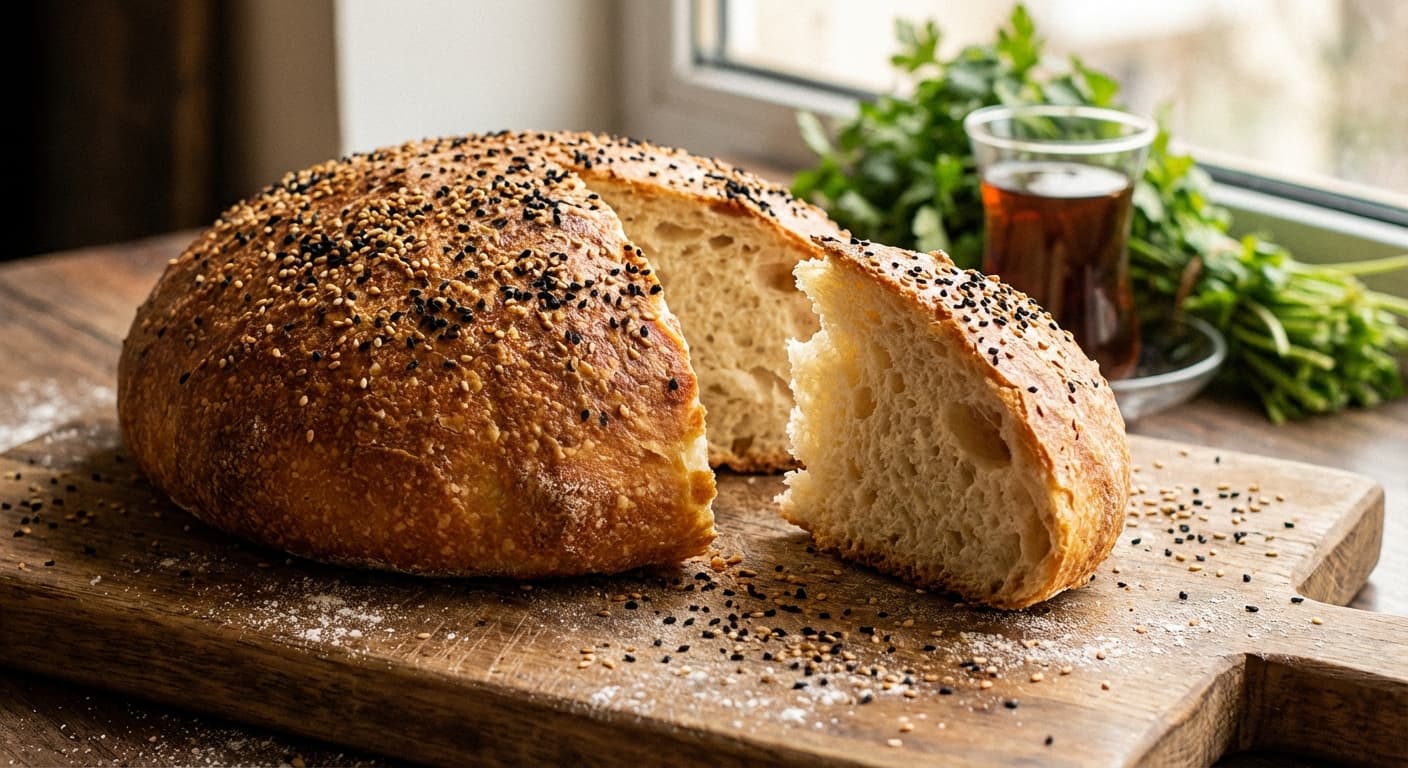
Baku Bread (Bakı Çörəyi) — Fragrant thick-crusted Azerbaijani oven bread
Azerbaijani · Breads · 43 min
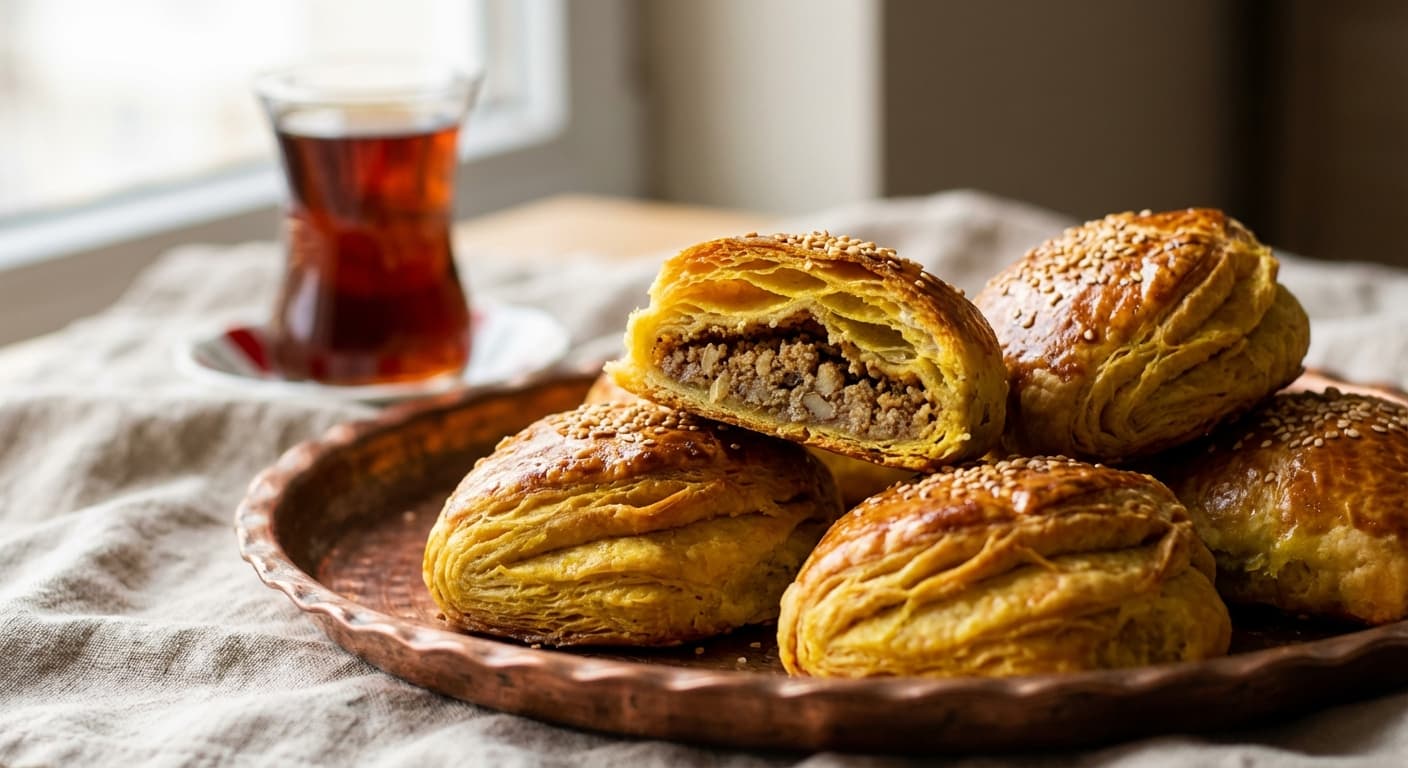
Shor Gogal (Şorqoğal) — Azerbaijani turmeric-layered pastry with spiced filling
Azerbaijani · Breads · 105 min
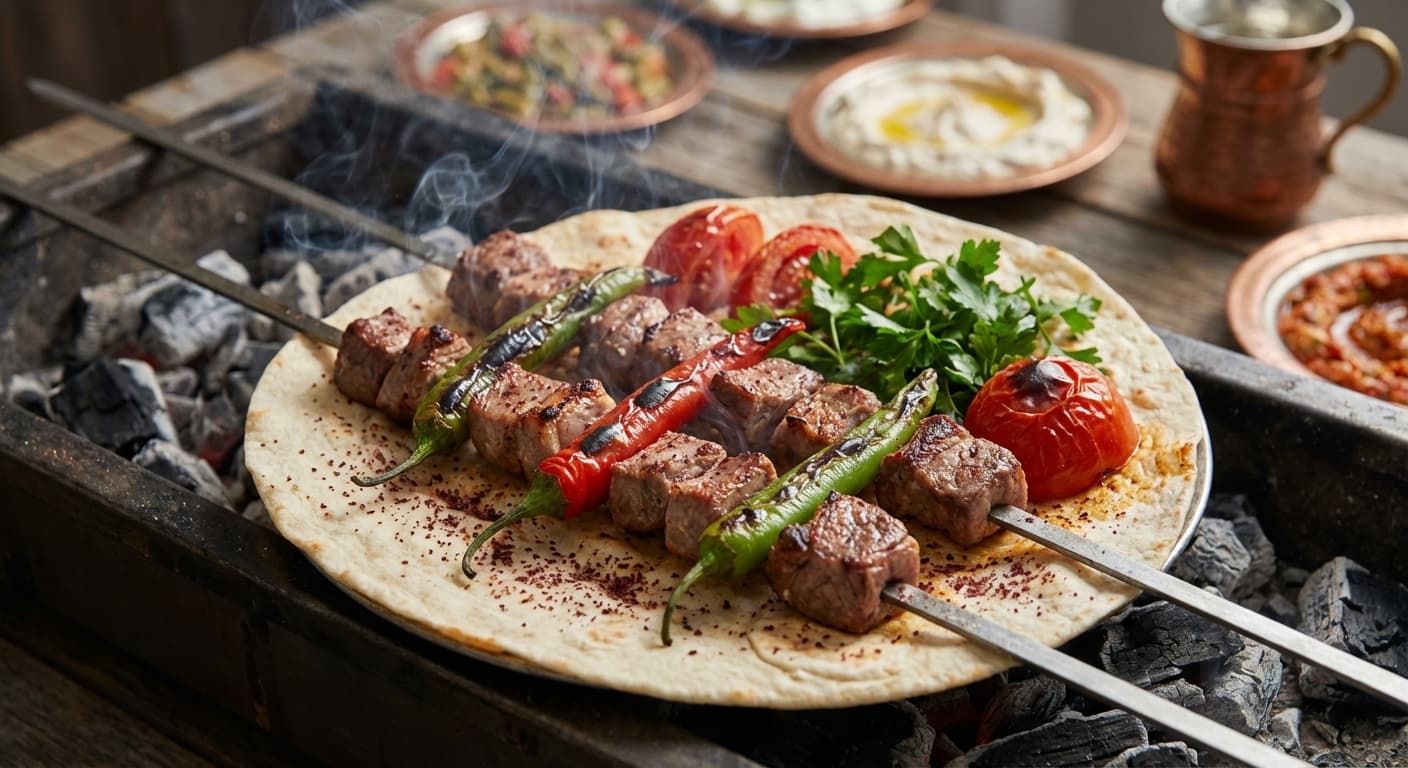
Turkish Shish Kebab (Şiş Kebap) — Charcoal-Grilled Marinated Lamb Skewers
Turkish · Kebabs · 37 min
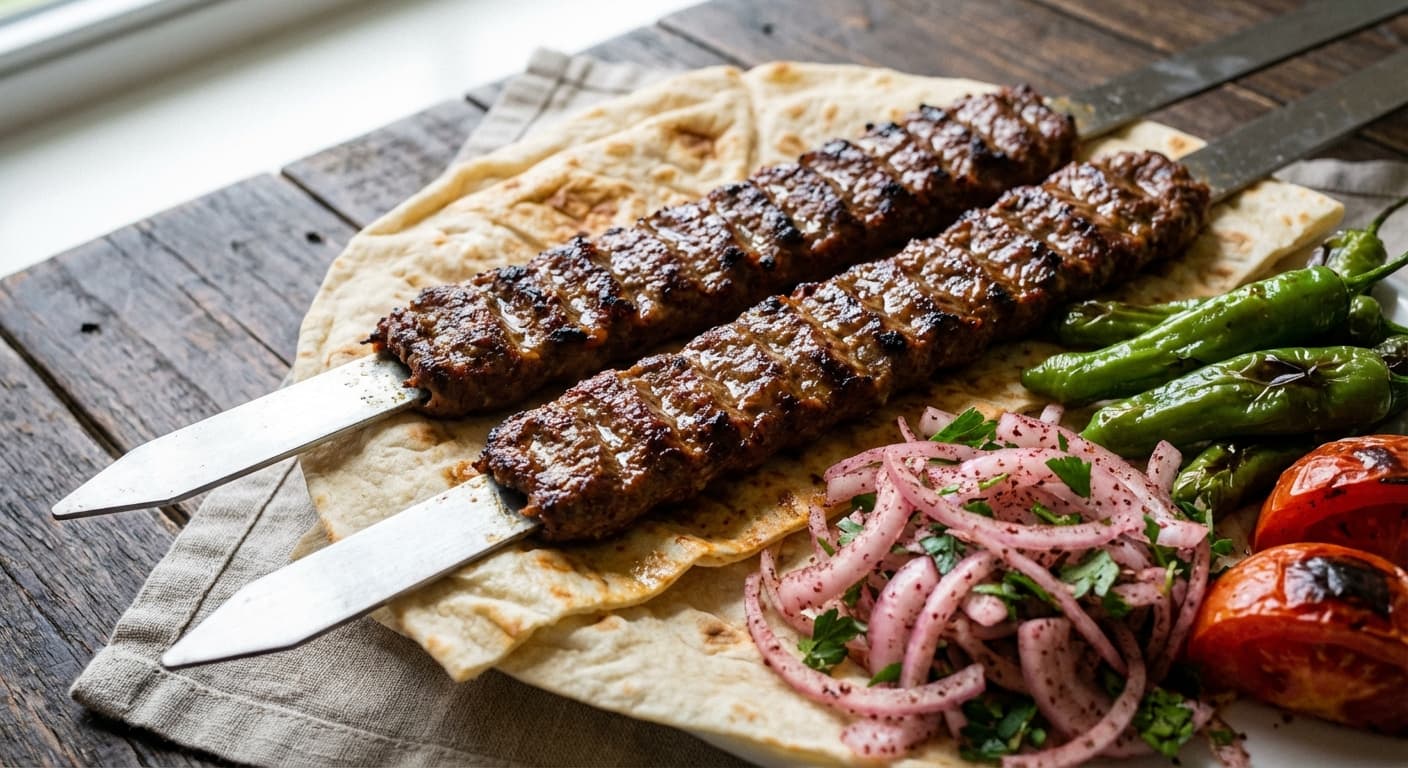
Urfa Kebab (اورفا کباب) — Mild Turkish minced skewer with sumac onions
Turkish · Kebabs · 37 min
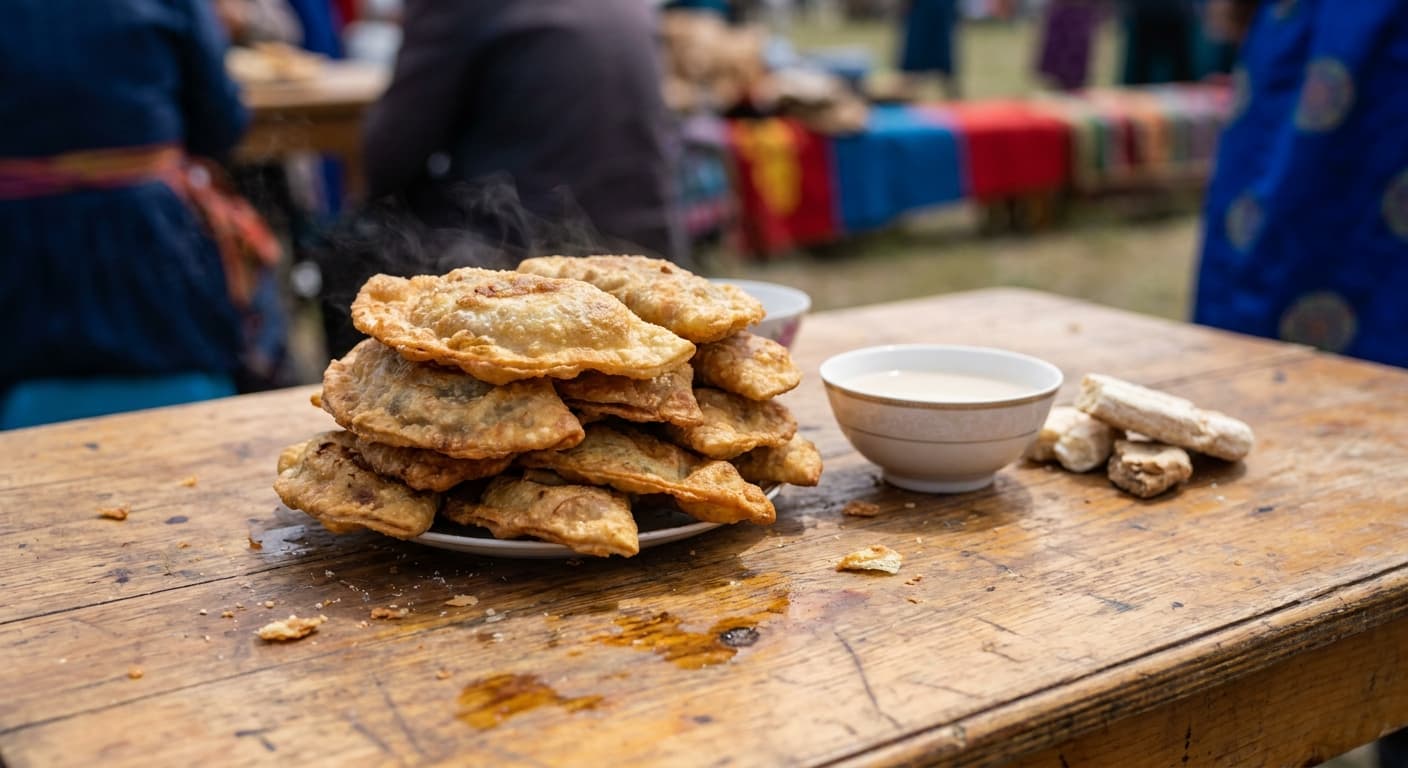
Khuushuur (Хуушуур) — Crisp Mongolian Fried Meat Pockets
Mongolian · Main Courses · 70 min
Reviews
Cooked this recipe?
Tap the stars to rate it — that's all it takes. A few words are welcome but optional.
No ratings yet. Cooked this one? Be the first to rate it — it takes one tap.