Persian Winter Leek and Spinach Kuku Sabzi (کوکو سبزی) — Herb Frittata with Leeks and Spinach
Kuku Sabzi is a beloved Persian herb frittata often served in cooler months when greens are abundant. This winter version highlights sweet leeks and earthy spinach, brightened with basil and parsley and warmed with cumin.
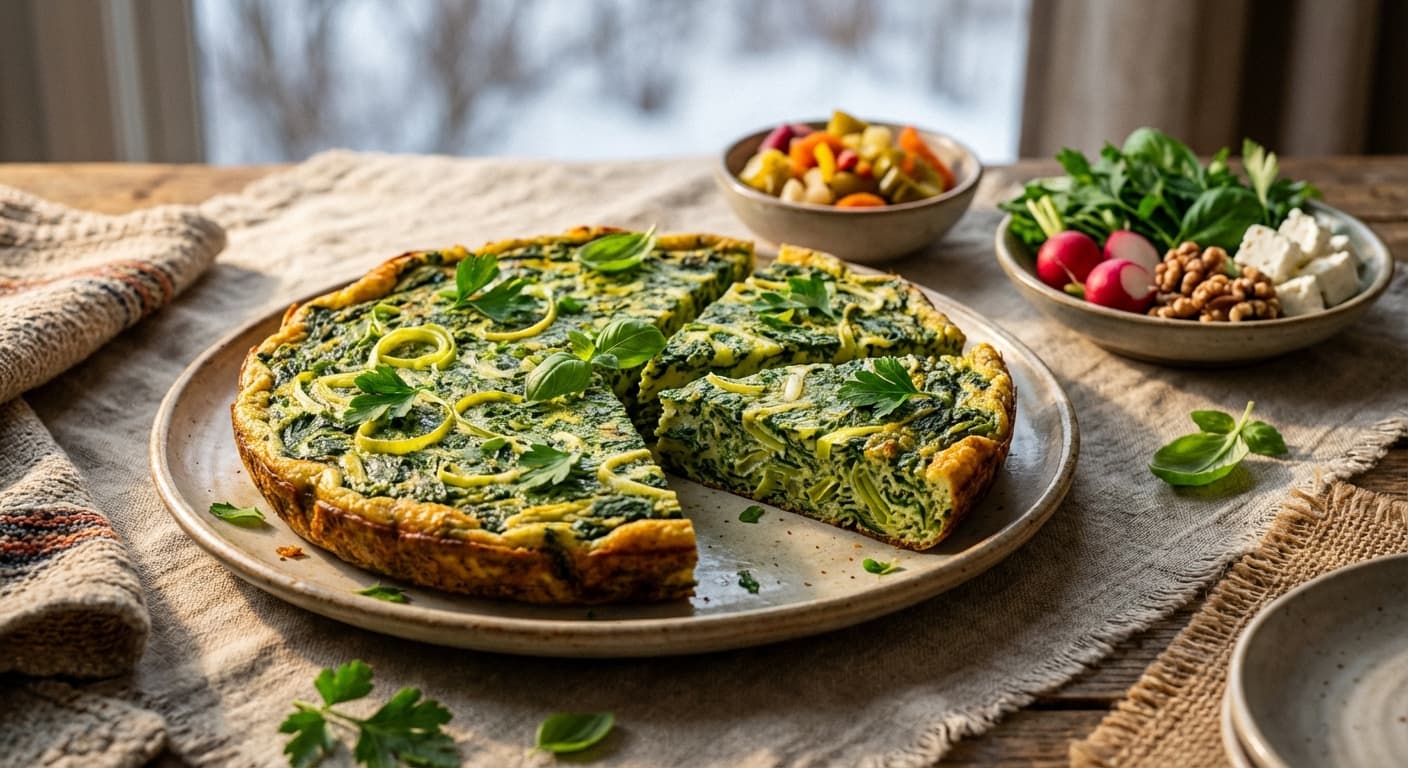
Printable Recipe Card
Servings: 4 · Total: 38 min · Difficulty: medium
Ingredients (quick list)
- 300 g Leeks, white and light-green parts only, thinly julienned
- 200 g Fresh spinach leaves, roughly chopped
- 120 g Red bell pepper, finely diced
- 30 g Fresh parsley, finely chopped
- 20 g Fresh basil, finely chopped
- 6 Eggs, large
- 30 ml Olive oil
- 2 tsp Ground cumin
- 1.25 tsp Fine salt
- 0.5 tsp Black pepper, freshly ground
Steps (summary)
- Wash the leeks thoroughly to remove any grit, then drain well and pat dry so they do not steam in the pan. Chop the spinach, pa…
- Heat 15 ml olive oil in a 24 cm nonstick skillet over medium heat. Add the leeks and cook for 6 minutes, stirring often, until…
- Add the diced red bell pepper and cook for 2 minutes to take off the raw edge. Add the spinach and cook for 2–3 minutes, stirri…
- Transfer the cooked vegetables to a bowl and let them cool for 5 minutes so the eggs will not scramble on contact. If you see l…
- In a separate large bowl, whisk the eggs for 30 seconds until the whites and yolks are fully combined. Whisk in the ground cumi…
- Fold the cooled leek-spinach-pepper mixture into the egg-herb base until everything is evenly coated. The mixture should look v…
+ 4 more steps in the full instructions section below.
Cultural Background
Kuku Sabzi is a cornerstone of Persian home cooking and a frequent presence at gatherings, prized for its herb-forward character and make-ahead ease. Versions shift with the seasons, and winter greens like leeks and spinach make it especially comforting in colder months.
Equipment
💡 Tips
- Dry the cooked greens well before mixing to prevent a watery, fragile kuku; aim for no visible liquid in the bowl.
- Keep the heat medium-low once the mixture is in the pan so the inside sets before the outside over-browns.
- For cleaner wedges, cool 10 minutes, then slice with a lightly oiled knife.
⚠️ Common Mistakes
❌ Mixing hot greens directly into the eggs, causing curds and a tough texture.
✅ Fix: Cool the cooked vegetables for 5 minutes before folding them into the egg mixture.
❌ Watery kuku that breaks when flipping.
✅ Fix: Cook off spinach moisture in the pan and discard any pooled liquid before adding eggs.
❌ Burnt bottom with an undercooked center.
✅ Fix: Lower to medium-low after pouring the mixture and keep the pan covered to set gently.
🧊 How to Store
Cool leftovers to room temperature within 1 hour, then refrigerate in an airtight container for up to 3 days. Reheat slices in a covered skillet over low heat for 3–4 minutes per side, or warm in a 160°C oven for 8–10 minutes to avoid drying.
📅 Make Ahead
Chop herbs and vegetables up to 24 hours ahead and refrigerate separately, well wrapped and dry. You can also cook the leek-spinach mixture a day ahead, cool it, and mix with eggs right before frying.
🍽️ Pairs Well With
- Sabzi khordan
- torshi
- yogurt with cucumber
- lavash
- pickled garlic
Regional Variations
- Northern-style: add more leeks and herbs for a greener, sweeter profile and cook slightly thicker.
- Tehran-style party wedges: cook thinner for a crisper edge, then cut small diamonds for serving with pickles.
- Oven-finish method: start on the stove for 5 minutes, then bake at 180°C for 10–12 minutes to avoid flipping.
Ingredients
- 300 gLeeks, white and light-green parts only, thinly julienned
- 200 gFresh spinach leaves, roughly chopped
- 120 gRed bell pepper, finely diced
- 30 gFresh parsley, finely chopped
- 20 gFresh basil, finely chopped
- 6Eggs, large
- 30 mlOlive oil
- 2 tspGround cumin
- 1.25 tspFine salt
- 0.5 tspBlack pepper, freshly ground
🔄 Substitutions
- Olive oil→ Avocado oil
- Fresh basil→ Fresh dill
- Red bell pepper→ Grated carrot (80 g)
Instructions
- 1
Wash the leeks thoroughly to remove any grit, then drain well and pat dry so they do not steam in the pan. Chop the spinach, parsley, and basil, and dice the red bell pepper to an even small size for a uniform slice.
- 2
Heat 15 ml olive oil in a 24 cm nonstick skillet over medium heat. Add the leeks and cook for 6 minutes, stirring often, until softened and sweet but not browned.
- 3
Add the diced red bell pepper and cook for 2 minutes to take off the raw edge. Add the spinach and cook for 2–3 minutes, stirring, until fully wilted and any released moisture has evaporated.
- 4
Transfer the cooked vegetables to a bowl and let them cool for 5 minutes so the eggs will not scramble on contact. If you see liquid pooling in the bowl, press the greens lightly with a spoon and discard the liquid for a firmer kuku.
- 5
In a separate large bowl, whisk the eggs for 30 seconds until the whites and yolks are fully combined. Whisk in the ground cumin, salt, and black pepper, then fold in the parsley and basil.
- 6
Fold the cooled leek-spinach-pepper mixture into the egg-herb base until everything is evenly coated. The mixture should look very green and thick, with vegetables distributed throughout rather than sinking to the bottom.
- 7
Wipe the skillet clean and return it to medium heat, then add the remaining 15 ml olive oil and swirl to coat. Pour in the kuku mixture and spread it into an even layer, then reduce heat to medium-low and cover with a lid.
- 8
Cook covered for 10–12 minutes until the edges are set and the center is mostly set with only a slight jiggle. Remove the lid and cook 1 minute more to drive off surface steam so the top is not wet.
- 9
Flip the kuku by sliding it onto a plate, then invert it back into the skillet to cook the second side. Cook for 3–4 minutes uncovered until the second side is golden and the center reaches a fully set, springy texture.
- 10
Rest the kuku on a cutting board for 5 minutes so it slices cleanly and the flavors settle. Cut into 8 wedges and serve warm or at room temperature for the most traditional experience.
🪪 Recipe Passport
Cultural Background
Kuku Sabzi is a cornerstone of Persian home cooking and a frequent presence at gatherings, prized for its herb-forward character and make-ahead ease. Versions shift with the seasons, and winter greens like leeks and spinach make it especially comforting in colder months.
Regional Variations
Researched from multiple sources and validated by the Zaffaron editorial team. Every recipe is tested for accuracy, measurements, and cultural authenticity.
Nutrition per serving
Pairs well with
If you enjoyed this recipe, here are a few related Zaffaron recipes to try next.
Does your family make this differently?
Every family has their own version. Maybe your grandmother adds a secret ingredient, or your aunt has a completely different technique. Preserve your family's version — with their name on it, forever.
You Might Also Like
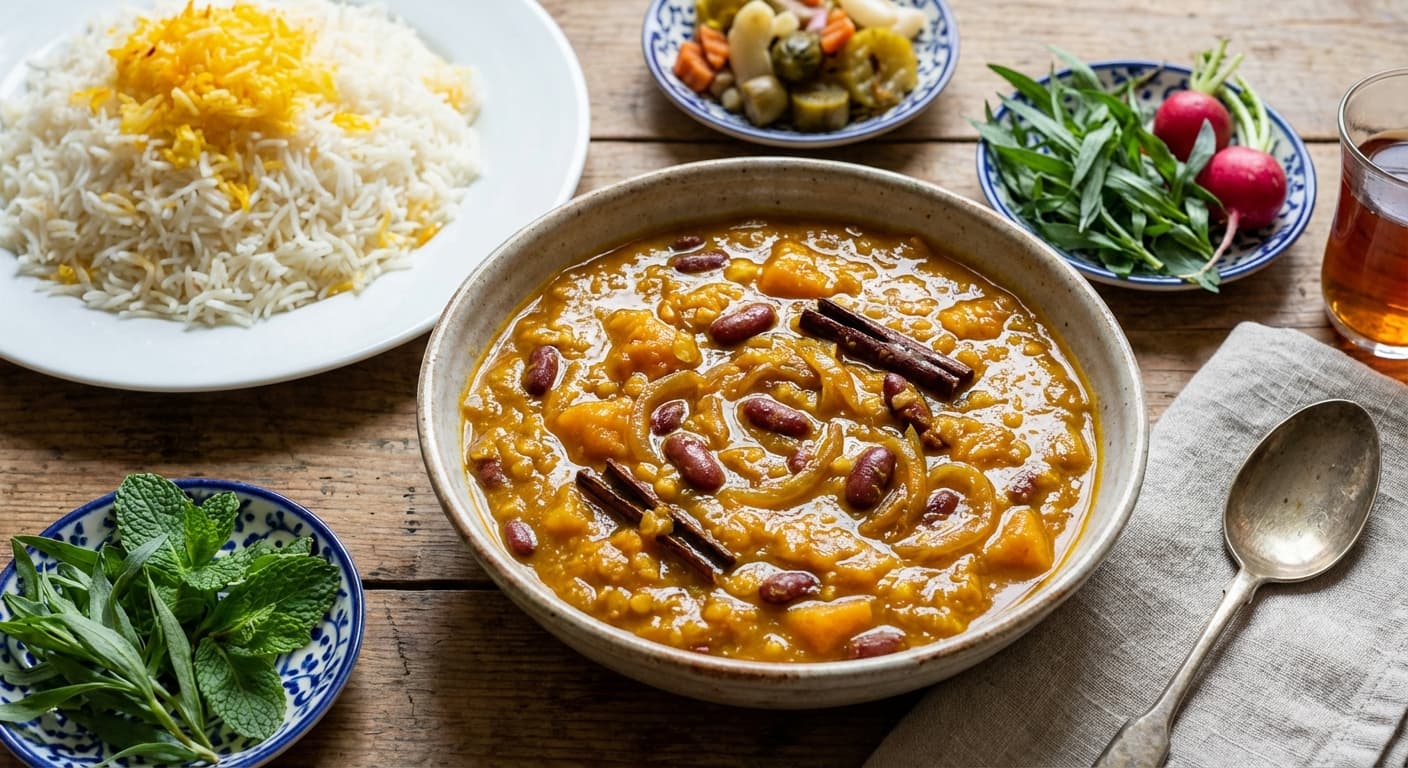
Gheimeh Kadoo Halvai (قیمه کدو حلوایی) — Sweet Pumpkin & Legume Stew
Persian · Stews · 110 min
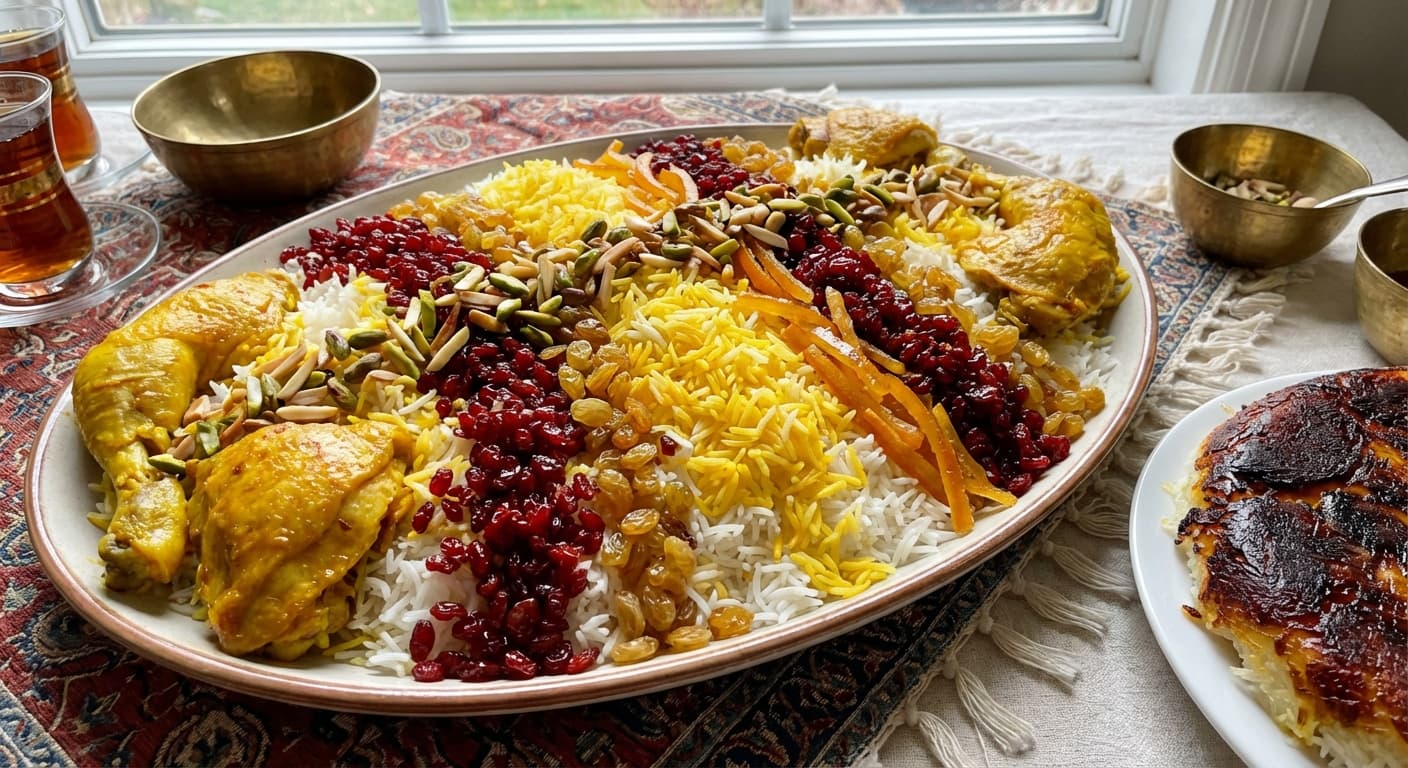
Jeweled Rice (مرصع پلو) — Festive Persian rice with saffron chicken and jeweled fruits
Persian · Rice Dishes · 135 min

Persian-Style Pizza-Chips (خوراک چیپس و پنیر) — Street-Food Chip Bake with Chicken and Mozzarella
Persian · Main Courses · 45 min
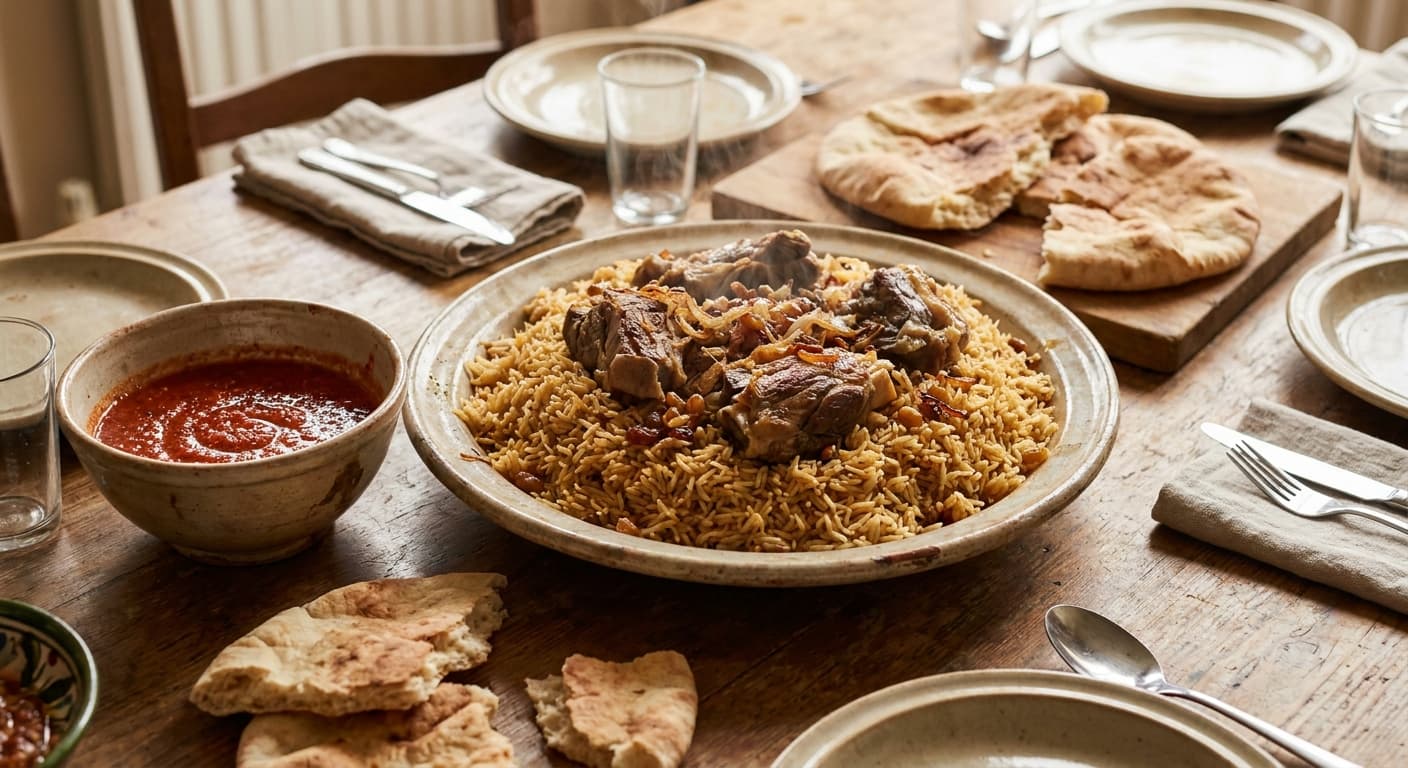
Yemeni Mandi (مندي) — Smoke-Scented Spiced Rice and Lamb
Yemeni · Main Courses · 170 min
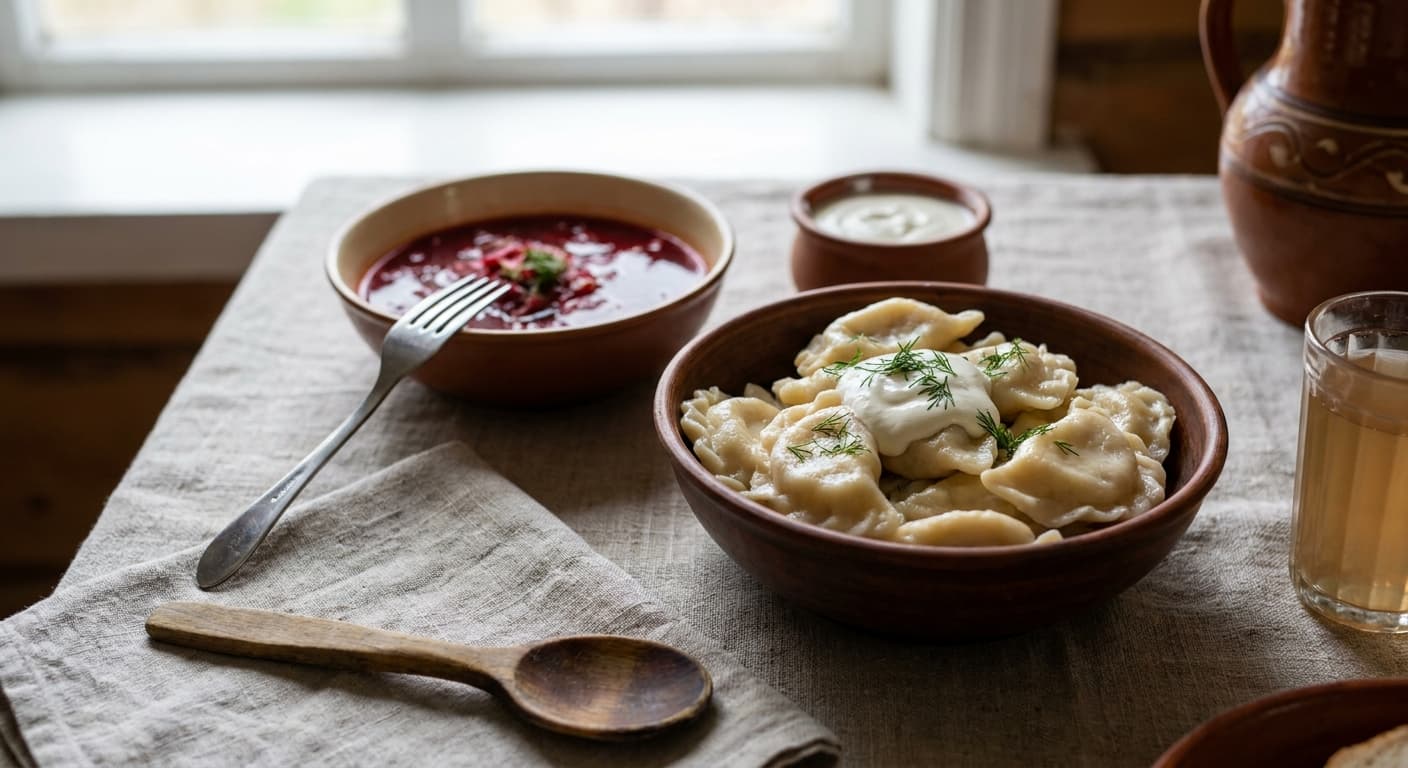
Varenyky (Вареники) — Ukrainian Potato-Cheese Dumplings
Ukrainian · Main Courses · 95 min
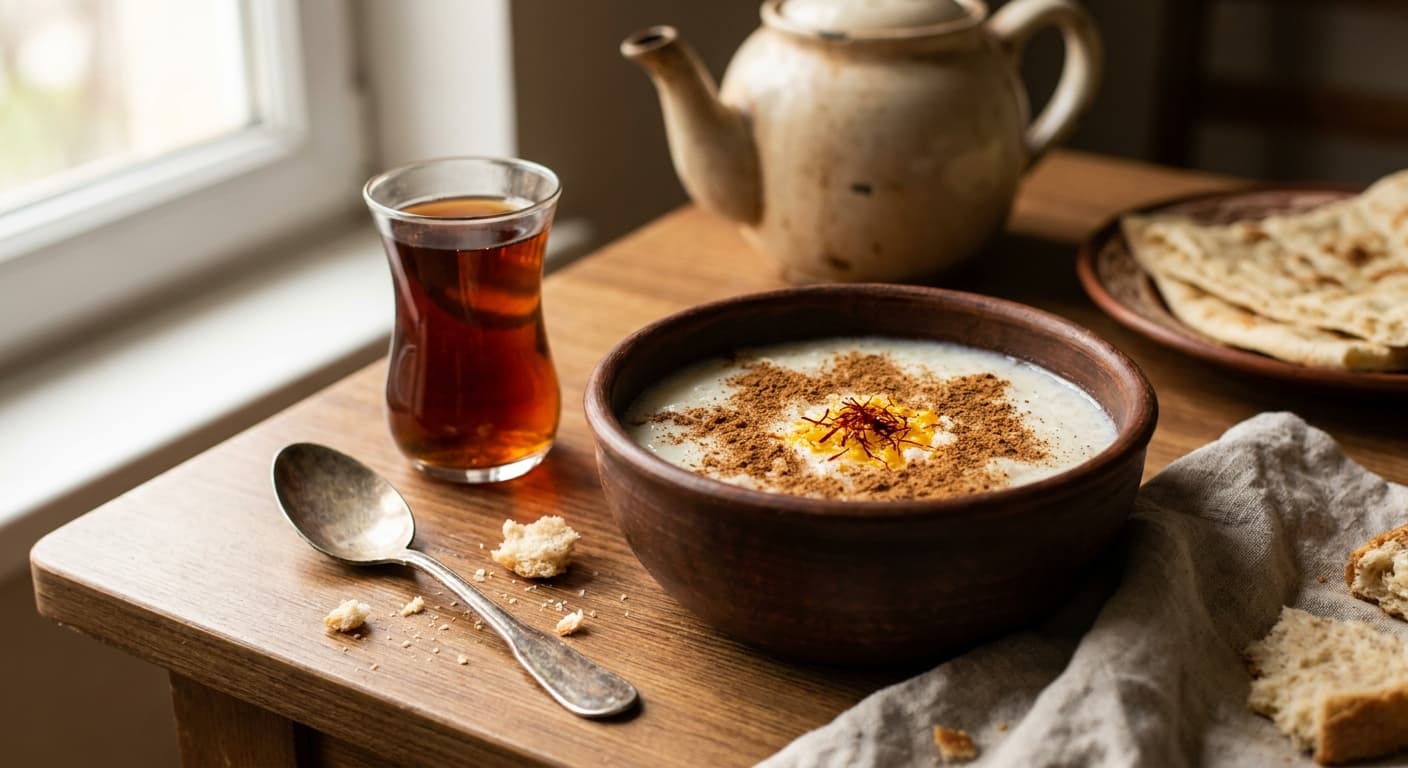
Azerbaijani Milk Rice Porridge (Südlü Sıyıq) — Creamy Breakfast Bowl
Azerbaijani · Rice Dishes · 40 min
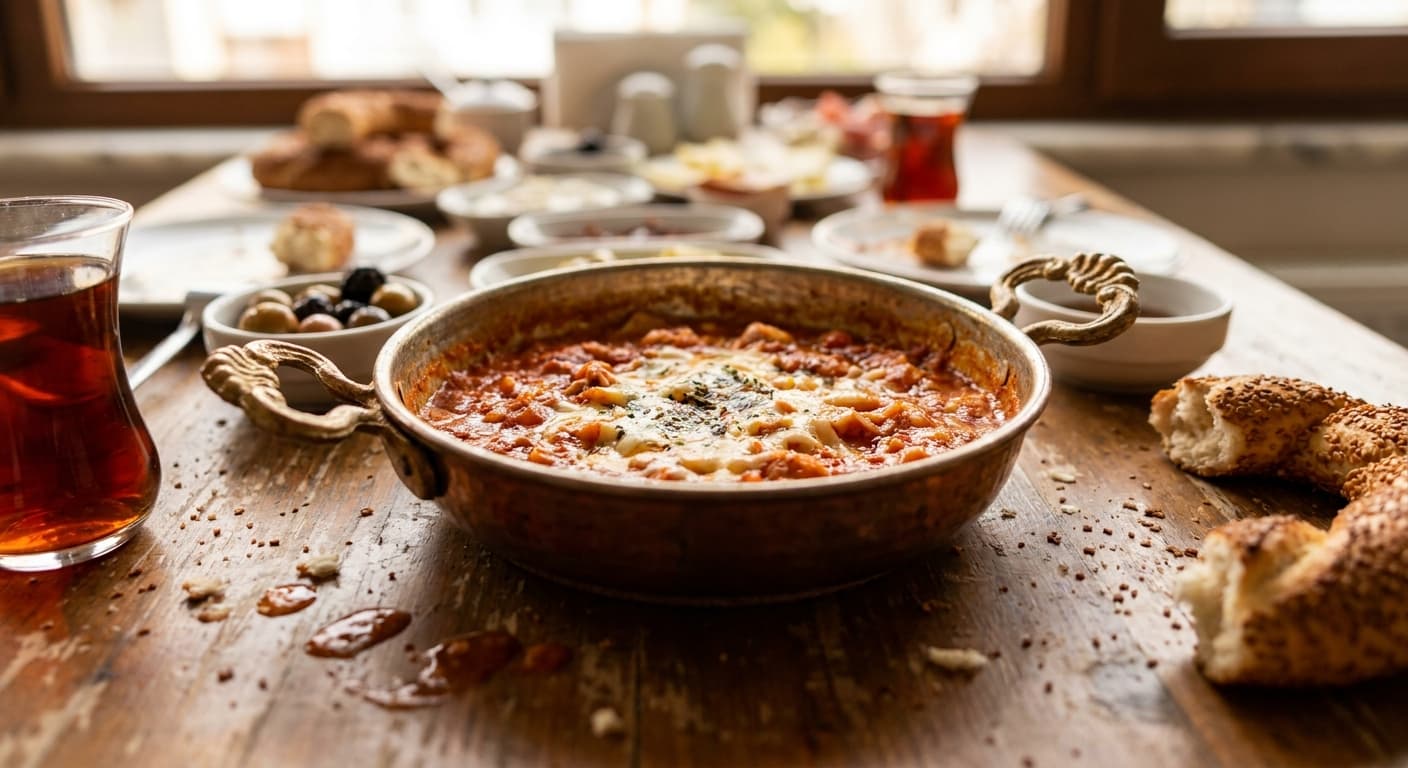
Turkish Menemen (Menemen) — Soft Eggs with Tomatoes and Peppers
Turkish · Main Courses · 37 min
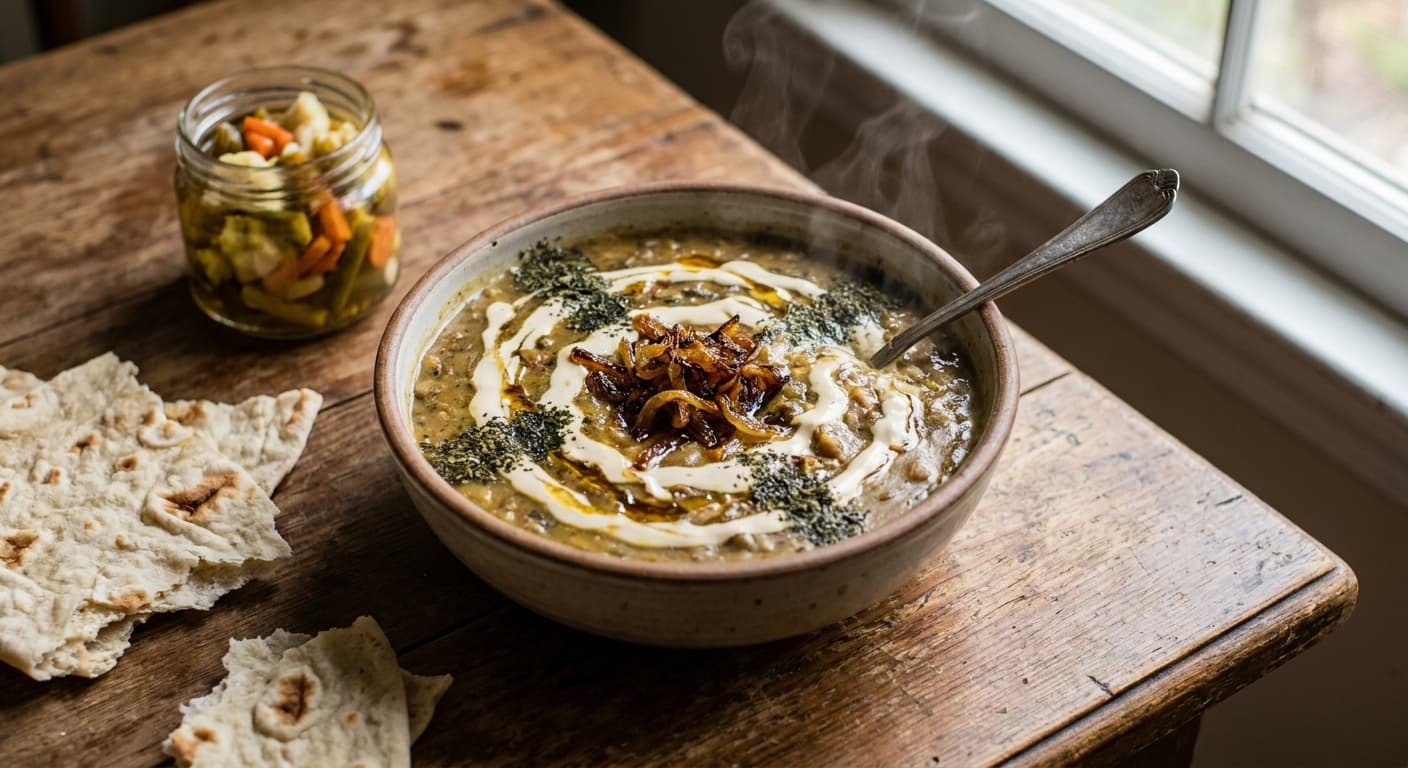
Ash-e Sak (آش ساک) — Gorgani Spinach and Lamb Ash
Persian · Soups · 175 min
Reviews
Cooked this recipe?
Tap the stars to rate it — that's all it takes. A few words are welcome but optional.
No ratings yet. Cooked this one? Be the first to rate it — it takes one tap.