Polo Nokhod Farangi (پلو نخود فرنگی) — Persian Green Pea Rice with Warm Spices
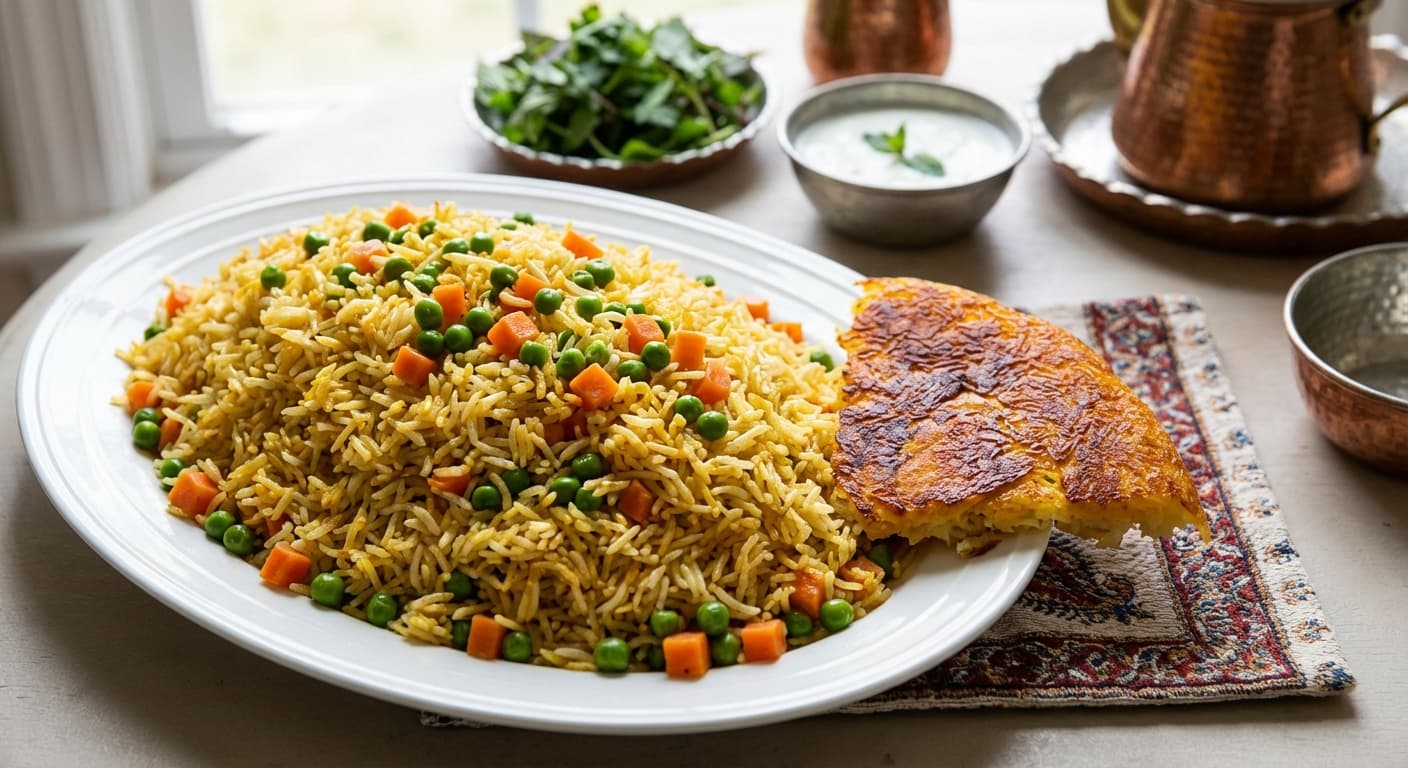
A springtime Persian pilaf, Polo Nokhod Farangi pairs fluffy basmati with sweet green peas, carrots, and aromatic spices. It’s often served as a bright, comforting family dish alongside yogurt and fresh herbs.
Printable Recipe Card
Servings: 6 · Total: 80 min · Difficulty: medium
Ingredients (quick list)
- 450 g Basmati rice (Rinsed until water runs mostly clear)
- 2500 ml Water (For parboiling)
- 18 g Salt (Approx. 3 tsp fine salt, divided)
- 60 ml Vegetable oil (Plus 15 ml if needed for the pot)
- 200 g Onion (Finely diced)
- 12 g Garlic (Minced (about 3 cloves))
- 180 g Carrot (Cut into small dice (about 2 medium))
- 300 g Green peas (Fresh or frozen)
- 2 tsp Turmeric (Ground)
- 1 tsp Black pepper (Freshly ground)
- 0.5 tsp Cardamom (Ground, or seeds from 4 pods finely crushed)
Steps (summary)
- Rinse the basmati rice in several changes of cold water until the water is mostly clear. Soak it in a bowl with 1200 ml cold wa…
- Heat 60 ml vegetable oil in a wide pan over medium heat and add the diced onion. Cook for 8–10 minutes, stirring often, until t…
- Stir in the carrots, green peas, turmeric, black pepper, and cardamom until the vegetables are evenly coated. Add 60 ml water a…
- Bring 2500 ml water to a rolling boil in a large nonstick pot and add 9 g salt. Add the drained rice and boil for 6–8 minutes,…
- Drain the rice in a fine colander and rinse quickly with 250 ml cool water to stop the cooking and wash off excess surface star…
- Return the pot to medium heat and add 15 ml vegetable oil if the pot looks dry. Spoon in a thin layer of rice, then add a layer…
+ 3 more steps in the full instructions section below.
Cultural Background
Polo Nokhod Farangi is a nostalgic Iranian spring pilaf, celebrating the season’s first sweet peas. Served at family tables with yogurt and herbs, it reflects the Persian love of layered rice and gentle, aromatic spicing.
Equipment
💡 Tips
- For the best texture, parboil the rice until it is firm in the center (about 6–8 minutes); overboiling makes the final polo clump.
- Keep the pea-carrot mixture fairly dry; if it looks wet, cook uncovered for 1–2 minutes before layering to evaporate excess moisture.
- A tight lid matters: wrap the lid with a towel to catch condensation so it doesn’t drip back and soften the rice.
⚠️ Common Mistakes
❌ Boiling the rice until fully cooked before steaming
✅ Fix: Parboil only until the grain is soft outside but firm in the center, then finish by steaming so the rice stays fluffy.
❌ Adding watery vegetables into the layers
✅ Fix: Steam-braise the peas and carrots with minimal water and evaporate any extra moisture uncovered before layering.
❌ Lid not sealed, causing dry or unevenly cooked rice
✅ Fix: Wrap the lid with a towel and keep heat low after the initial steam builds to maintain steady, trapped steam.
🧊 How to Store
Cool leftovers within 1 hour, then refrigerate in an airtight container for up to 3 days. Reheat covered with 30 ml water in a pot on low for 10–12 minutes, or microwave covered for 2–3 minutes, stirring once to heat evenly.
📅 Make Ahead
Cook the pea-carrot mixture up to 2 days ahead and refrigerate airtight. Rinse and soak the rice up to 30 minutes ahead, then parboil and steam right before serving for the best texture.
🍽️ Pairs Well With
- Mast-o-khiar
- torshi
- fresh herbs (sabzi khordan)
- Shirazi salad
- grilled chicken or lamb kebab
Regional Variations
- Tehran-style: includes small cubes of cooked chicken mixed into the layers for a heartier main dish.
- Shiraz-style: adds a pinch of cinnamon and a little more black pepper for a warmer spice profile.
- Home-style tahdig: lines the pot with thin potato slices for a crisp potato crust under the rice.
Ingredients
- 450 gBasmati rice (Rinsed until water runs mostly clear)
- 2500 mlWater (For parboiling)
- 18 gSalt (Approx. 3 tsp fine salt, divided)
- 60 mlVegetable oil (Plus 15 ml if needed for the pot)
- 200 gOnion (Finely diced)
- 12 gGarlic (Minced (about 3 cloves))
- 180 gCarrot (Cut into small dice (about 2 medium))
- 300 gGreen peas (Fresh or frozen)
- 2 tspTurmeric (Ground)
- 1 tspBlack pepper (Freshly ground)
- 0.5 tspCardamom (Ground, or seeds from 4 pods finely crushed)
🔄 Substitutions
- Green peas→ Frozen green peas
- Vegetable oil→ Ghee
- Cardamom→ Ground cinnamon
Instructions
- 1
Rinse the basmati rice in several changes of cold water until the water is mostly clear. Soak it in a bowl with 1200 ml cold water and 6 g salt for 20 minutes, then drain well so the grains stay long and separate.
- 2
Heat 60 ml vegetable oil in a wide pan over medium heat and add the diced onion. Cook for 8–10 minutes, stirring often, until the onion turns soft and lightly golden, then add the minced garlic and cook for 60 seconds until fragrant.
- 3
Stir in the carrots, green peas, turmeric, black pepper, and cardamom until the vegetables are evenly coated. Add 60 ml water and 3 g salt, cover, and cook for 6–8 minutes until the carrots are just tender and the peas are bright; the mixture should be moist but not watery.
- 4
Bring 2500 ml water to a rolling boil in a large nonstick pot and add 9 g salt. Add the drained rice and boil for 6–8 minutes, stirring gently once or twice, until the grains are softened on the outside but still firm in the center.
- 5
Drain the rice in a fine colander and rinse quickly with 250 ml cool water to stop the cooking and wash off excess surface starch. Let it drain for 2 minutes so the final polo steams rather than turns soggy.
- 6
Return the pot to medium heat and add 15 ml vegetable oil if the pot looks dry. Spoon in a thin layer of rice, then add a layer of the pea-carrot mixture; repeat to build 3–4 layers, finishing with rice on top so the vegetables stay protected from direct heat.
- 7
Use the handle of a wooden spoon to poke 5–6 holes down to the bottom of the pot to help steam circulate. Wrap the lid with a clean kitchen towel, cover tightly, and steam on medium heat for 10 minutes until you see strong steam.
- 8
Reduce heat to low and continue steaming for 35 minutes to fully cook and perfume the rice. Turn off the heat and rest the pot, covered, for 10 minutes so the grains set and the layers lift cleanly.
- 9
Gently fluff the rice with a wide spatula, lifting from the sides to keep the grains intact. Serve immediately, and if a crust (tahdig) has formed, loosen it carefully and plate it separately for a crisp contrast.
🪪 Recipe Passport
Cultural Background
Polo Nokhod Farangi is a nostalgic Iranian spring pilaf, celebrating the season’s first sweet peas. Served at family tables with yogurt and herbs, it reflects the Persian love of layered rice and gentle, aromatic spicing.
Regional Variations
Researched from multiple sources and validated by the Zaffaron editorial team. Every recipe is tested for accuracy, measurements, and cultural authenticity.
Nutrition per serving
Pairs well with
If you enjoyed this recipe, here are a few related Zaffaron recipes to try next.
Does your family make this differently?
Every family has their own version. Maybe your grandmother adds a secret ingredient, or your aunt has a completely different technique. Preserve your family's version — with their name on it, forever.
You Might Also Like
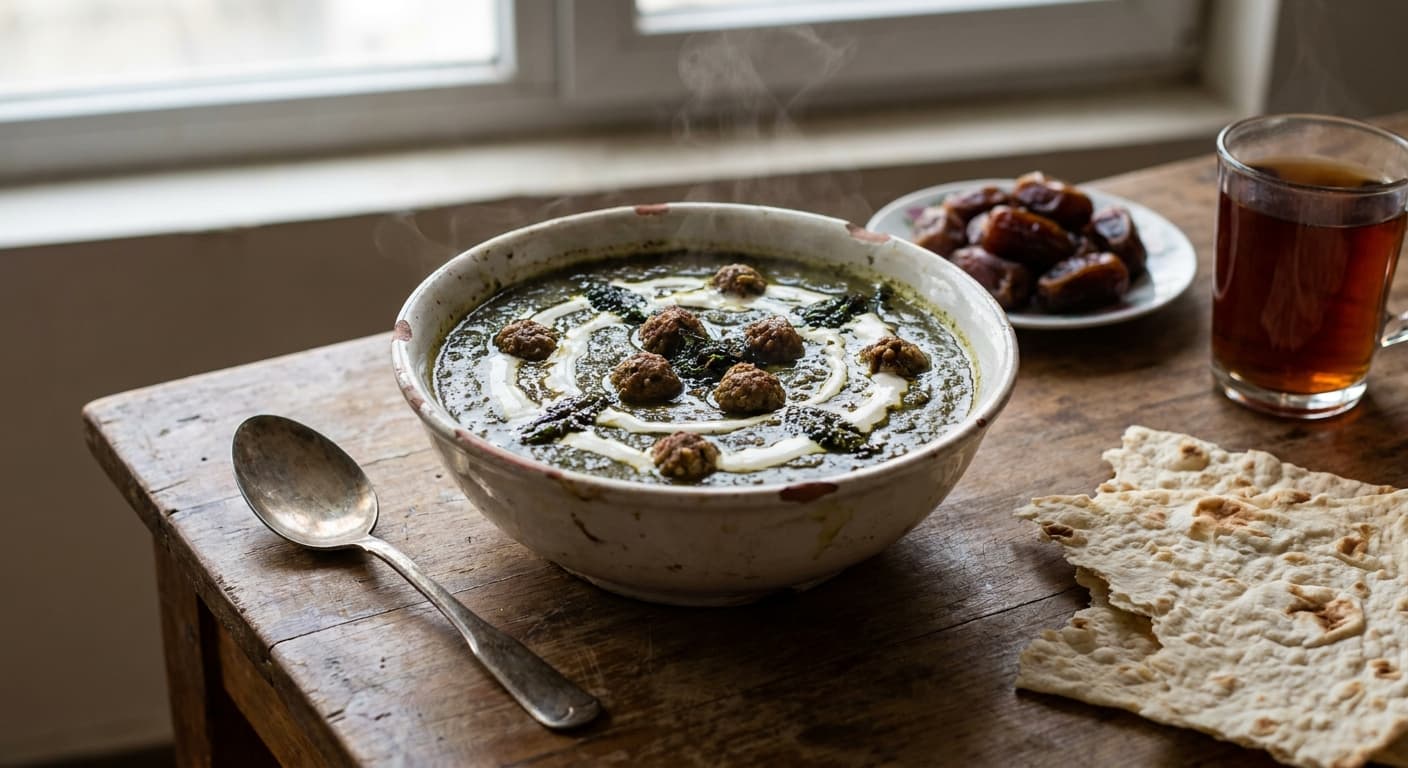
Ash-e Sak (آش ساک) — Golestani Spinach, Legume, and Meatball Soup
Persian · Soups · 175 min
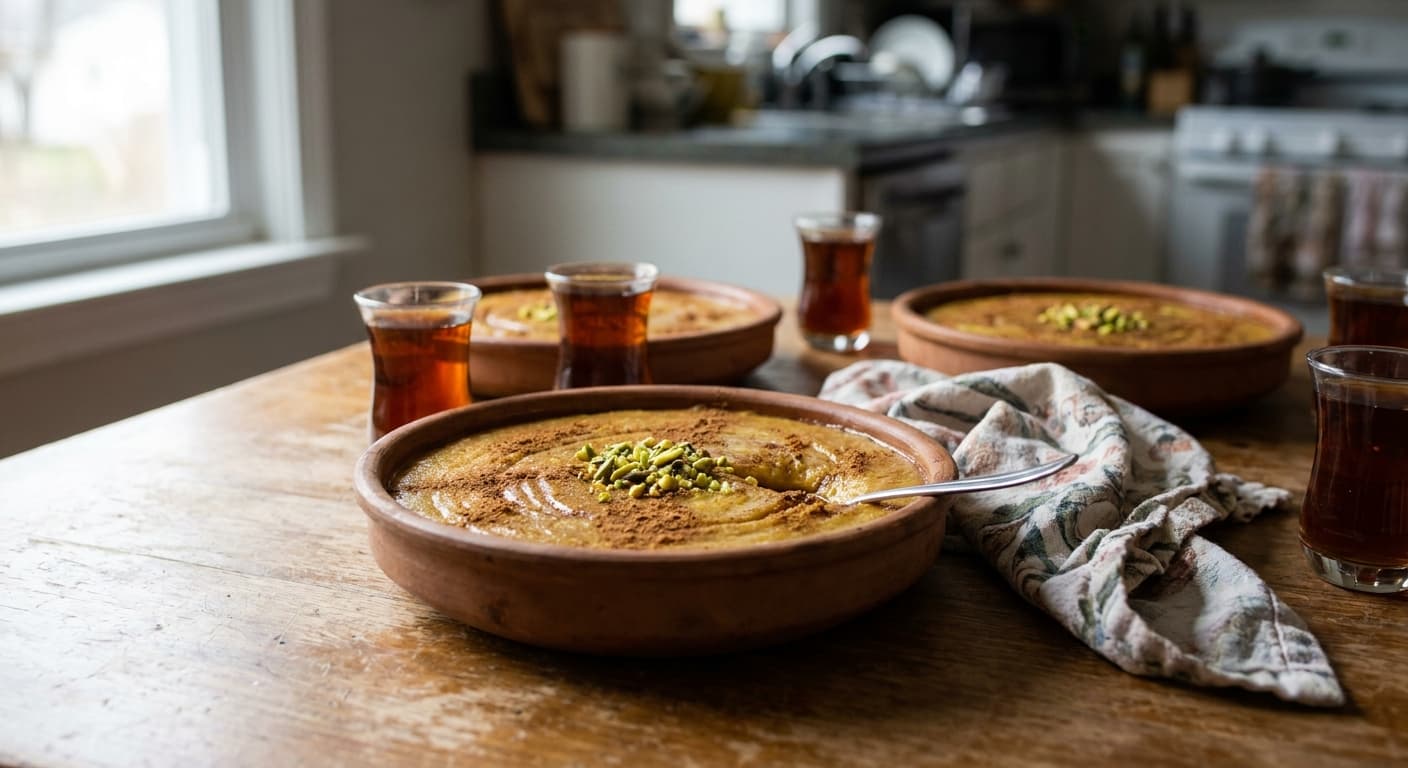
Persian Kachi (کاچی) — Saffron Rosewater Pudding
Persian · Desserts · 45 min
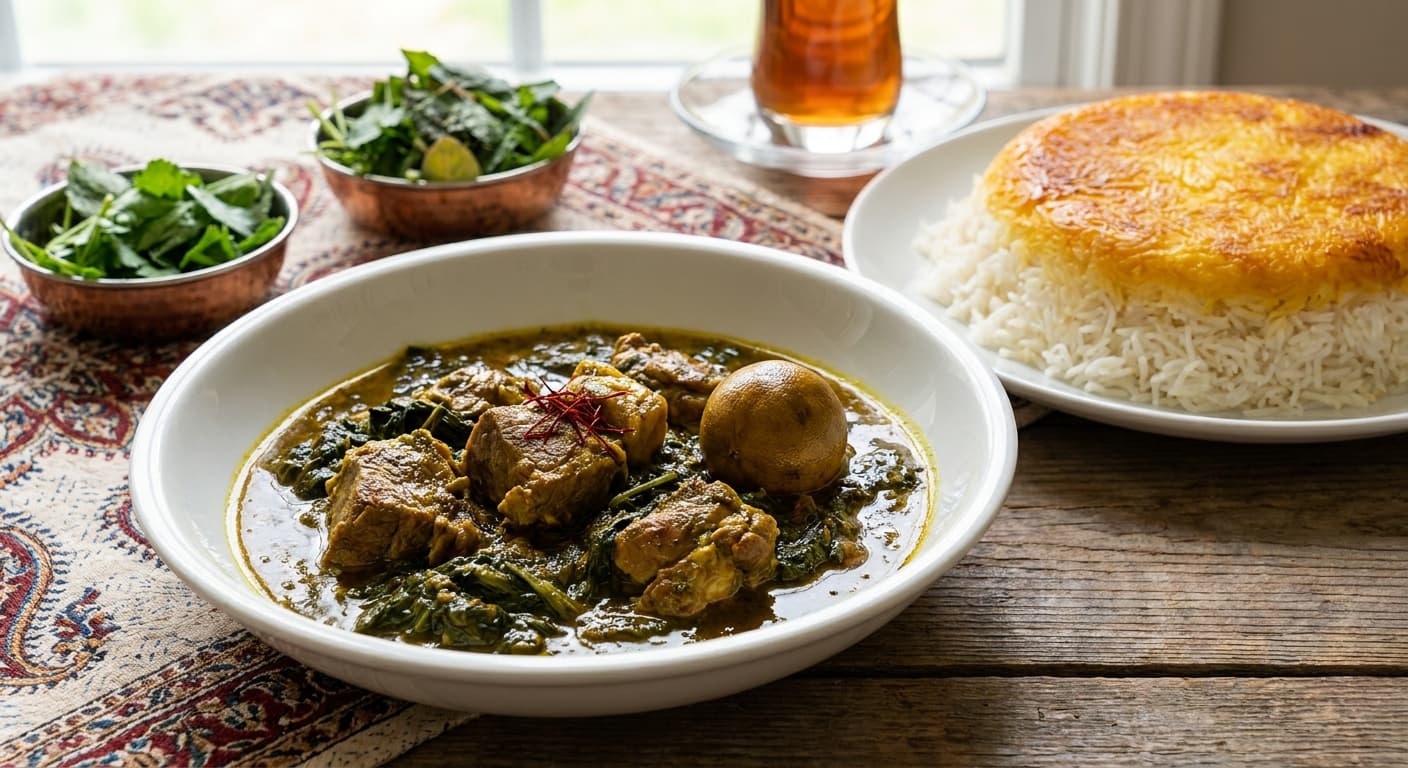
Persian Khoresht Saak (خورش ساک) — Saffron-Cardamom Lamb Stew with Saak Greens
Persian · Stews · 145 min
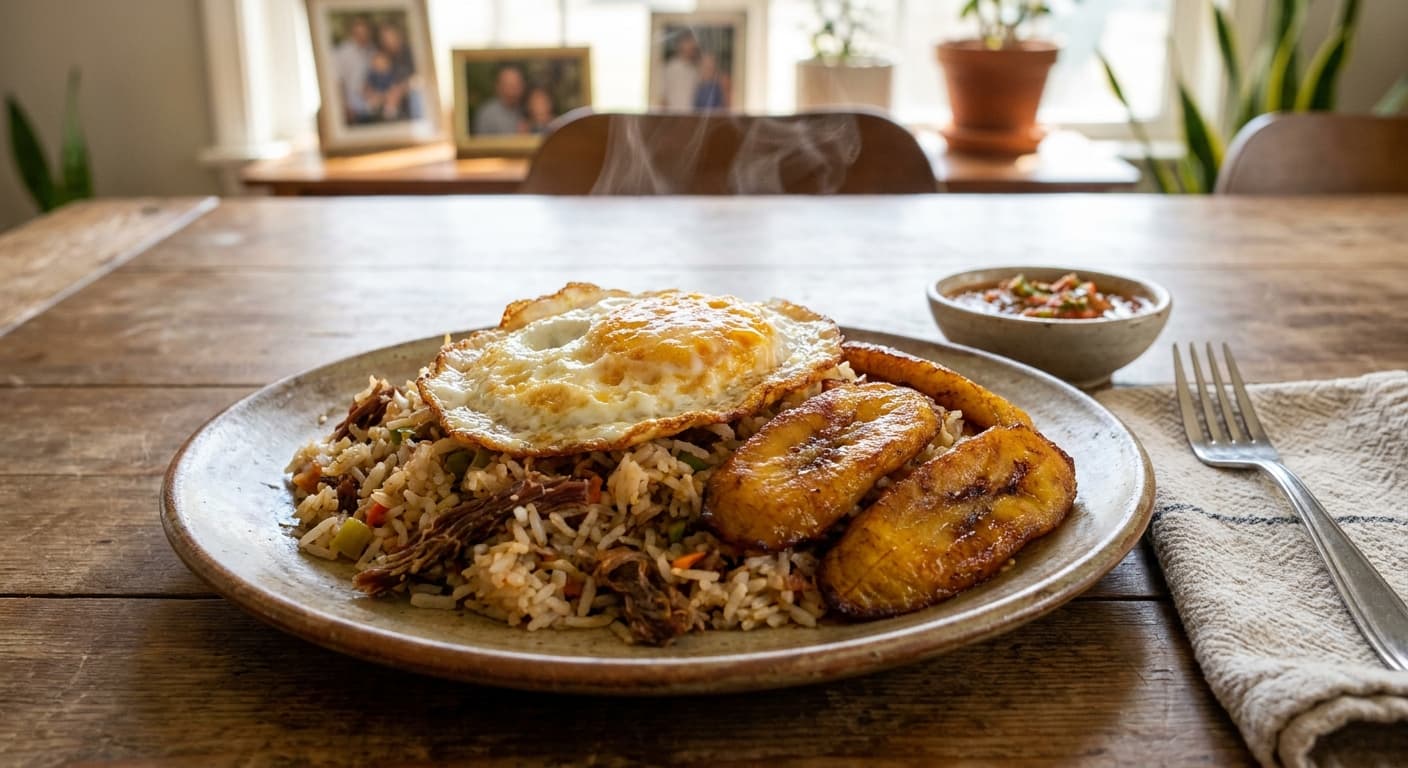
Majadito (Majadito) — Bolivian Rice with Charque and Fried Egg
Bolivian · Rice Dishes · 90 min
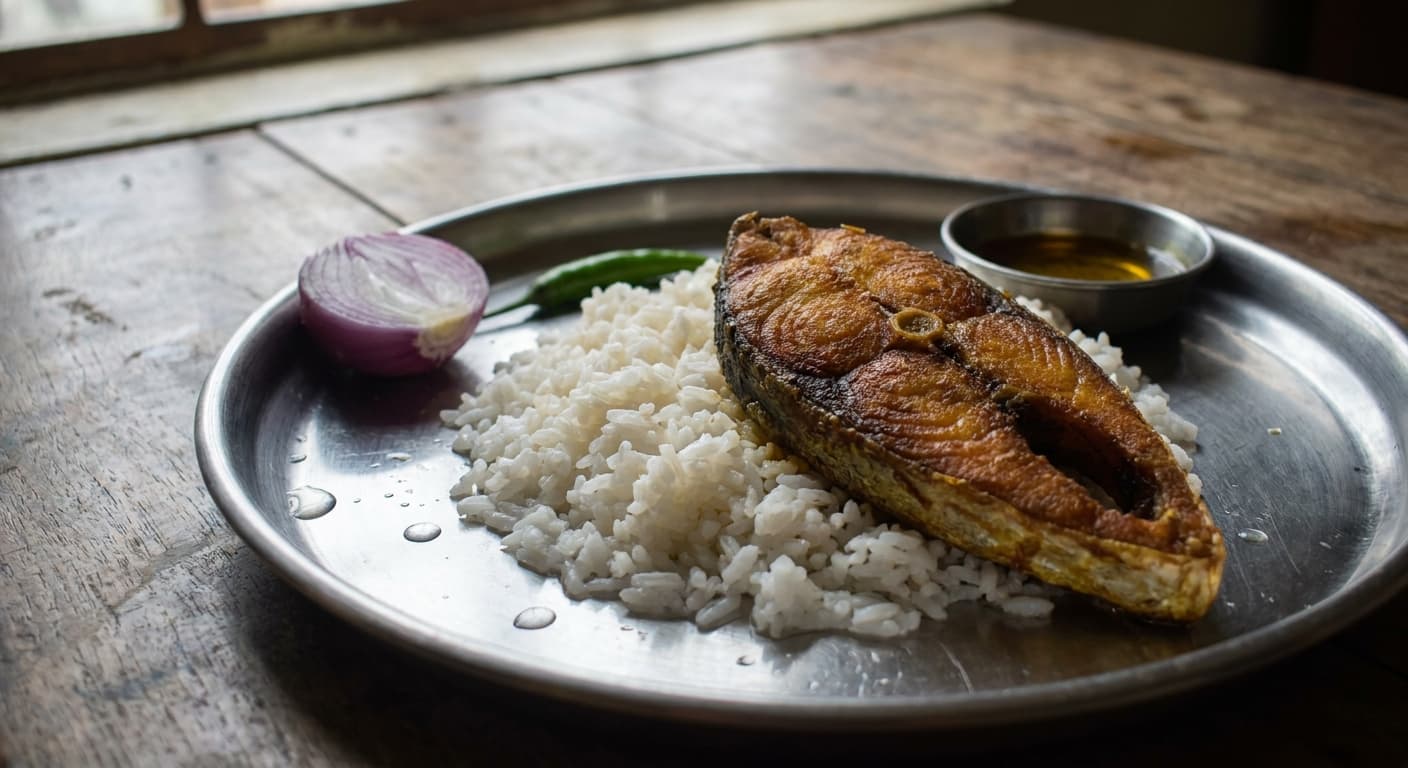
Panta Bhat (পান্তা ভাত) — Overnight Fermented Rice with Fried Ilish
Bangladeshi · Rice Dishes · 35 min
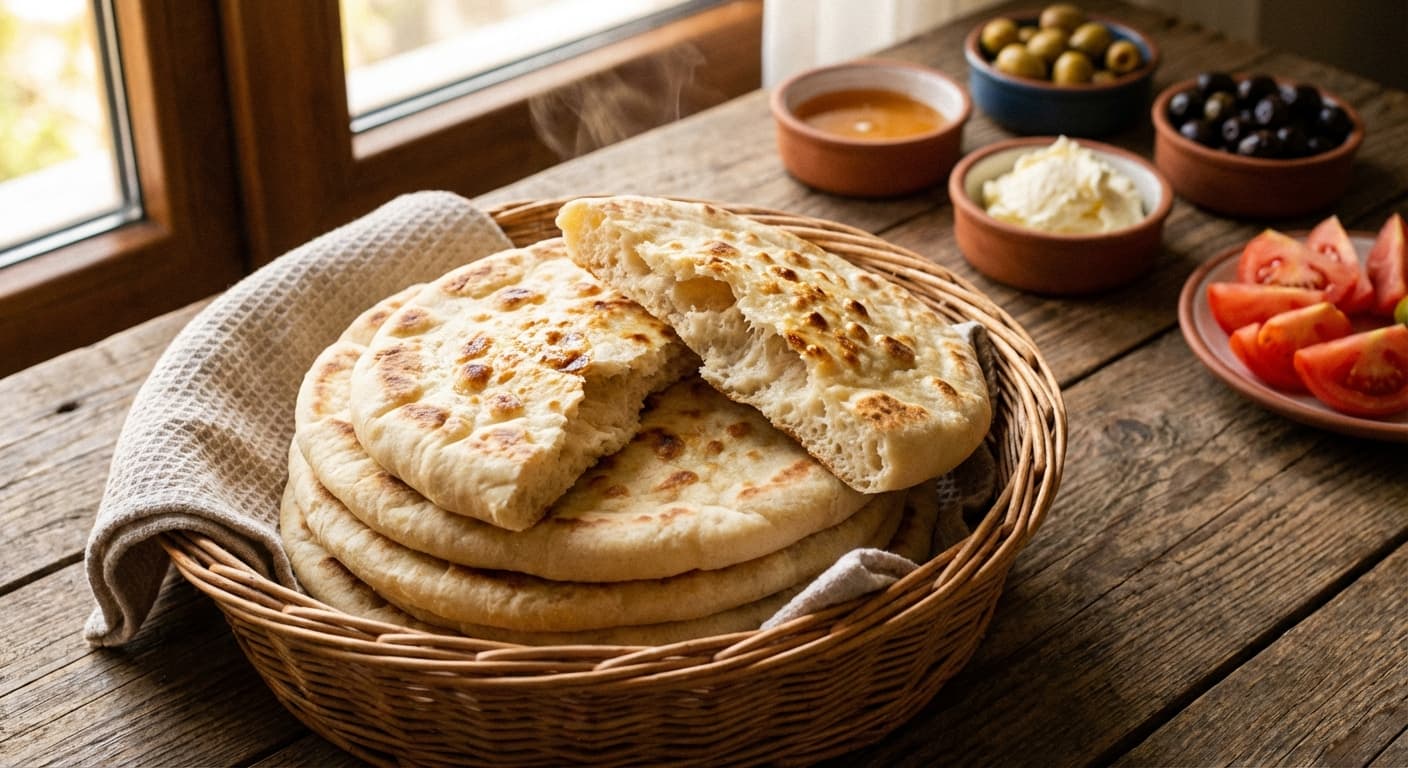
Bazlama (بازلاما) — Puffy Turkish Village Flatbread Cooked on a Saj
Turkish · Breads · 38 min
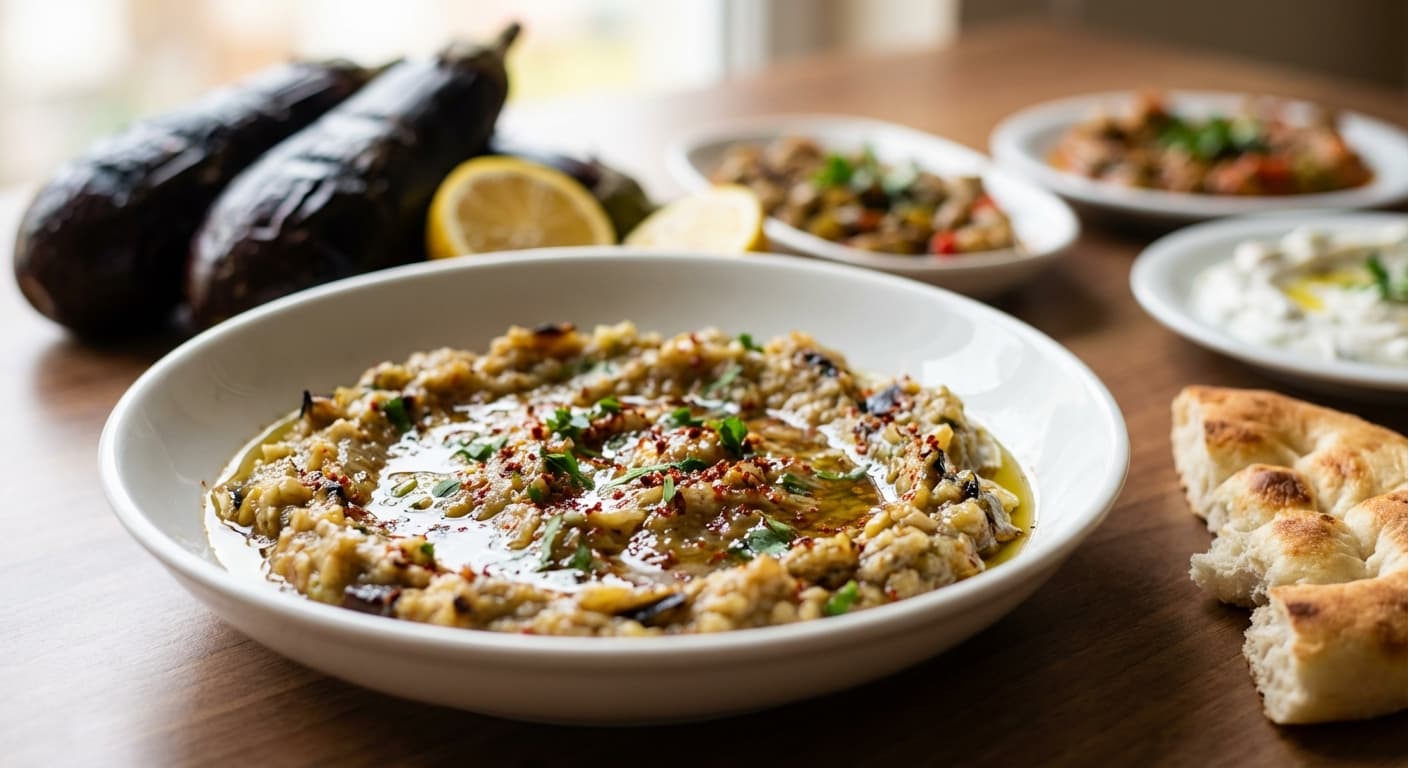
Smoky Eggplant Salad (Patlıcan Salatası) — Turkish charred eggplant with garlic and olive oil
Turkish · Salads · 40 min
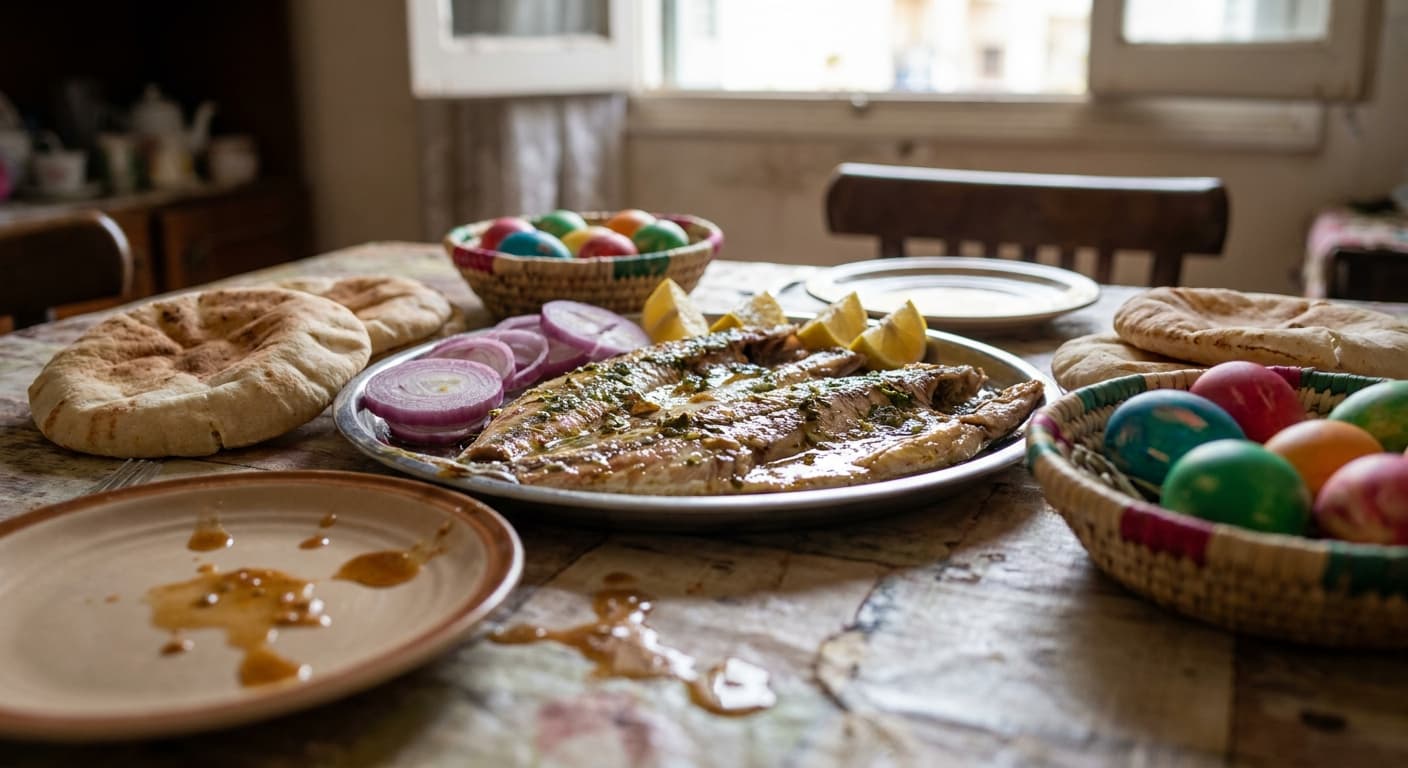
Feseekh (فسيخ) — Egyptian Salt-Cured Mullet for Sham el-Nessim
Egyptian · Main Courses · 30 min
Reviews
Cooked this recipe?
Tap the stars to rate it — that's all it takes. A few words are welcome but optional.
No ratings yet. Cooked this one? Be the first to rate it — it takes one tap.