Pork and Chive Dumplings (猪肉韭菜饺子) — Boiled Jiaozi with Juicy Pork and Garlic Chives
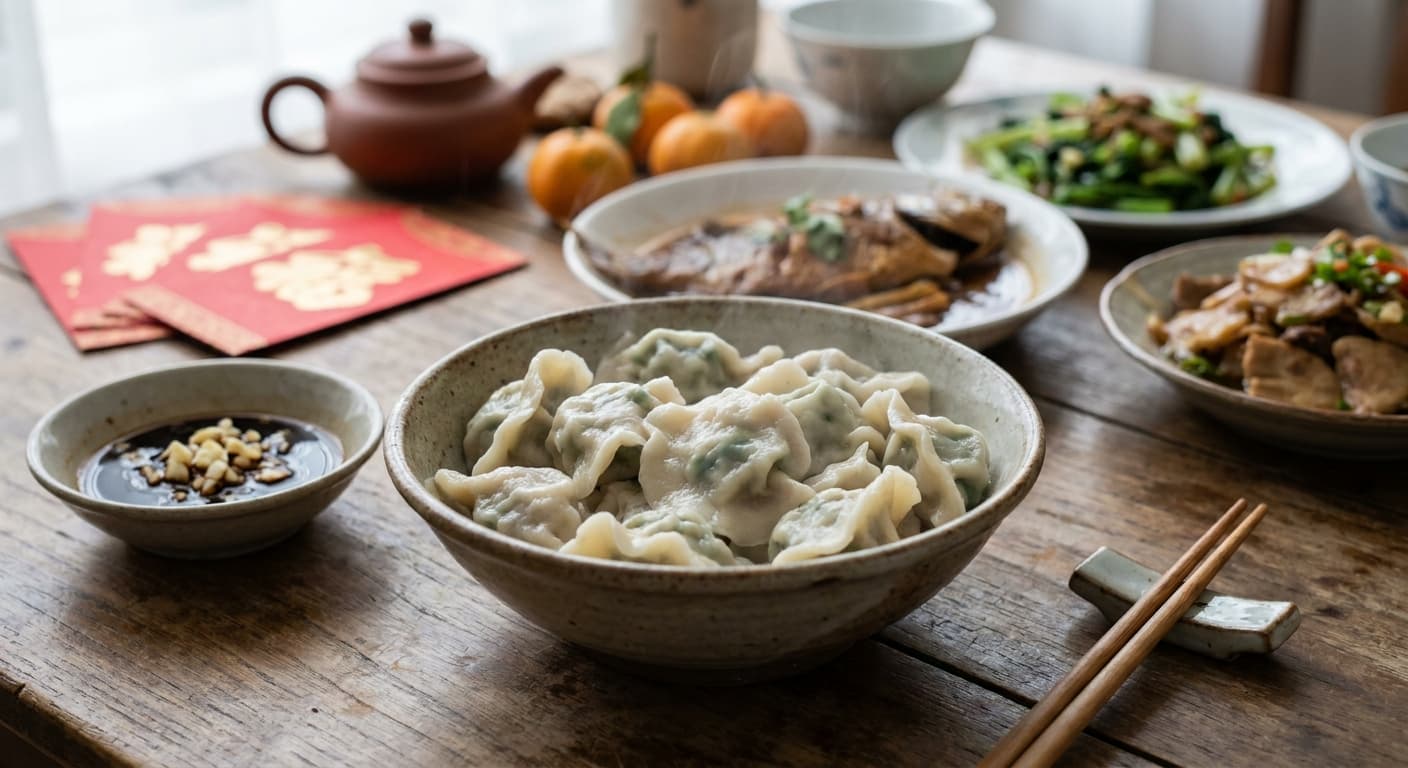
These boiled jiaozi are a northern Chinese home classic, filled with seasoned pork and fragrant garlic chives. They are served year-round and are especially beloved at family gatherings and Lunar New Year tables.
Printable Recipe Card
Servings: 4 · Total: 87 min · Difficulty: medium
Ingredients (quick list)
- 400 g all-purpose flour
- 2 g fine sea salt
- 210 ml cool water
- 20 g cornstarch (for dusting the wrappers)
- 450 g ground pork shoulder (about 20 percent fat for a juicy filling)
- 250 g Chinese garlic chives (washed, dried very well, and finely chopped)
- 30 ml light soy sauce
- 15 ml Shaoxing wine
- 10 ml toasted sesame oil
- 1 inch fresh ginger (peeled and finely grated)
- 4 g granulated sugar
- 1 g ground white pepper
+ 3 more in the full ingredients section below.
Steps (summary)
- Make the dough by mixing the flour and 2 g salt in a large bowl, then drizzle in 210 ml cool water while stirring with chopstic…
- Cover the dough tightly and let it rest at room temperature for 30 minutes while you prepare the filling. This rest hydrates th…
- Combine the ground pork, soy sauce, Shaoxing wine, sesame oil, 60 ml cool water, grated ginger, 4 g salt, sugar, and white pepp…
- Fold the chopped garlic chives into the pork mixture only after the pork has become sticky. Mix gently for 30 seconds so the ch…
- Divide the rested dough into 4 equal pieces and roll each piece into a rope about 2.5 cm thick. Cut the ropes into 40 equal pie…
- Flatten one dough piece with your palm and roll it into a round wrapper about 8 to 9 cm wide, keeping the center slightly thick…
+ 4 more steps in the full instructions section below.
Cultural Background
Boiled jiaozi are closely associated with northern Chinese family cooking and reunion meals. Their plump crescent shape is often linked with prosperity, making them especially meaningful during Lunar New Year celebrations.
Equipment
💡 Tips
- Dry the garlic chives thoroughly after washing, because excess water makes the filling loose and difficult to seal.
- Stir the pork in one direction until sticky before adding chives; this creates the springy, juicy texture expected in boiled jiaozi.
- If the wrappers resist rolling, cover the dough and rest it for 10 more minutes instead of forcing it.
⚠️ Common Mistakes
❌ Adding wet chives to the filling.
✅ Fix: Wash the chives early and dry them completely before chopping so the filling stays cohesive.
❌ Using lean pork.
✅ Fix: Choose ground pork with about 20 percent fat, because boiled dumplings need fat for juiciness.
❌ Overfilling the wrappers.
✅ Fix: Use about 18 g filling per dumpling and leave a clear edge for sealing.
🧊 How to Store
Refrigerate cooked dumplings in a covered container for up to 3 days. Reheat by steaming for 5 minutes or pan-frying with 10 ml oil and 30 ml water until hot. Freeze uncooked dumplings on a tray, then bag for up to 2 months and boil from frozen.
📅 Make Ahead
The dough can be mixed 1 day ahead and refrigerated tightly wrapped. The filling can be seasoned 6 hours ahead, but fold in the chopped garlic chives just before wrapping.
🍽️ Pairs Well With
- Chinese black vinegar
- chili oil
- smashed cucumber salad
- hot and sour soup
- jasmine tea.
Regional Variations
- In parts of northern China, napa cabbage is mixed with pork to make a softer, sweeter filling.
- Some Shandong-style versions include minced shrimp for extra savoriness.
- In northeastern homes, dumplings may be served with raw garlic and black vinegar instead of chili oil.
Ingredients
- 400 gall-purpose flour
- 2 gfine sea salt
- 210 mlcool water
- 20 gcornstarch (for dusting the wrappers)
- 450 gground pork shoulder (about 20 percent fat for a juicy filling)
- 250 gChinese garlic chives (washed, dried very well, and finely chopped)
- 30 mllight soy sauce
- 15 mlShaoxing wine
- 10 mltoasted sesame oil
- 1 inchfresh ginger (peeled and finely grated)
- 4 ggranulated sugar
- 1 gground white pepper
- 3 lwater
- 60 mlChinese black vinegar (preferably Chinkiang vinegar)
- 10 mlchili oil
🔄 Substitutions
- Chinese garlic chives→ regular chives plus 1 finely grated garlic clove
- Shaoxing wine→ dry sherry
- ground pork shoulder→ ground chicken thigh with 15 ml neutral oil
Instructions
- 1
Make the dough by mixing the flour and 2 g salt in a large bowl, then drizzle in 210 ml cool water while stirring with chopsticks or a fork. Knead until a rough dough forms, cover it, rest for 15 minutes, then knead again for 5 minutes until smooth and elastic.
- 2
Cover the dough tightly and let it rest at room temperature for 30 minutes while you prepare the filling. This rest hydrates the flour fully and makes the dough easier to roll into thin wrappers without tearing.
- 3
Combine the ground pork, soy sauce, Shaoxing wine, sesame oil, 60 ml cool water, grated ginger, 4 g salt, sugar, and white pepper in a mixing bowl. Stir firmly in one direction for 3 minutes until the mixture becomes sticky, glossy, and slightly springy.
- 4
Fold the chopped garlic chives into the pork mixture only after the pork has become sticky. Mix gently for 30 seconds so the chives remain fresh and do not release too much liquid before wrapping.
- 5
Divide the rested dough into 4 equal pieces and roll each piece into a rope about 2.5 cm thick. Cut the ropes into 40 equal pieces, dust lightly with cornstarch, and keep the pieces covered so they do not dry out.
- 6
Flatten one dough piece with your palm and roll it into a round wrapper about 8 to 9 cm wide, keeping the center slightly thicker than the edge. Repeat as you work, rolling only a few wrappers at a time so they stay soft and easy to seal.
- 7
Place about 18 g filling in the center of one wrapper and fold it into a half-moon. Press the edges firmly to seal, adding pleats if desired, and set the dumpling on a cornstarch-dusted tray while you finish the remaining dumplings.
- 8
Bring 3 l water and 2 g salt to a rolling boil in a wide pot, then add the dumplings in batches without crowding. Stir gently from the bottom for the first 20 seconds so the dumplings do not stick to the pot.
- 9
When the water returns to a boil, add 200 ml cool water, then let it return to a boil again. Repeat this cold-water addition 2 more times, using 600 ml total, until the wrappers look slightly translucent and the pork filling reaches 71 C in the center.
- 10
Lift the dumplings out with a slotted spoon and drain them briefly before serving. Mix the black vinegar, 15 ml soy sauce, and chili oil in a small bowl, then serve the dumplings hot with the dipping sauce.
🪪 Recipe Passport
Cultural Background
Boiled jiaozi are closely associated with northern Chinese family cooking and reunion meals. Their plump crescent shape is often linked with prosperity, making them especially meaningful during Lunar New Year celebrations.
Regional Variations
Researched from multiple sources and validated by the Zaffaron editorial team. Every recipe is tested for accuracy, measurements, and cultural authenticity.
📚 Sources & Cultural References
- Eileen Yin-Fei Lo — Mastering the Art of Chinese Cooking — (2009)
- Carolyn Phillips — All Under Heaven: Recipes from the 35 Cuisines of China — (2016)
Sources cited by the Zaffaron editorial team during recipe research. Cultural and culinary references supporting authenticity claims.
Nutrition per serving
Pairs well with
If you enjoyed this recipe, here are a few related Zaffaron recipes to try next.
Does your family make this differently?
Every family has their own version. Maybe your grandmother adds a secret ingredient, or your aunt has a completely different technique. Preserve your family's version — with their name on it, forever.
You Might Also Like
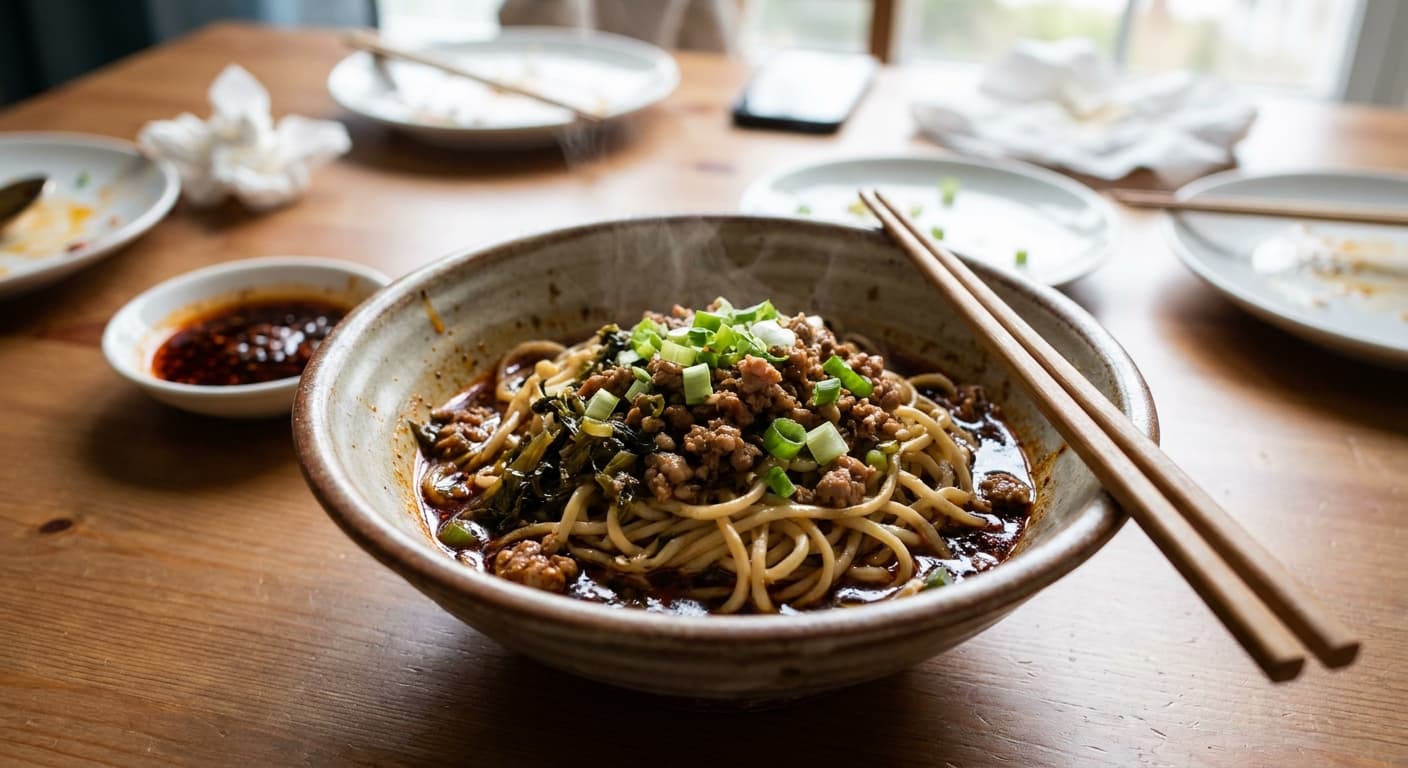
Dan Dan Noodles (担担面) — Sichuan Noodles with Spicy Sesame-Chili Pork Sauce
Chinese · Main Courses · 45 min
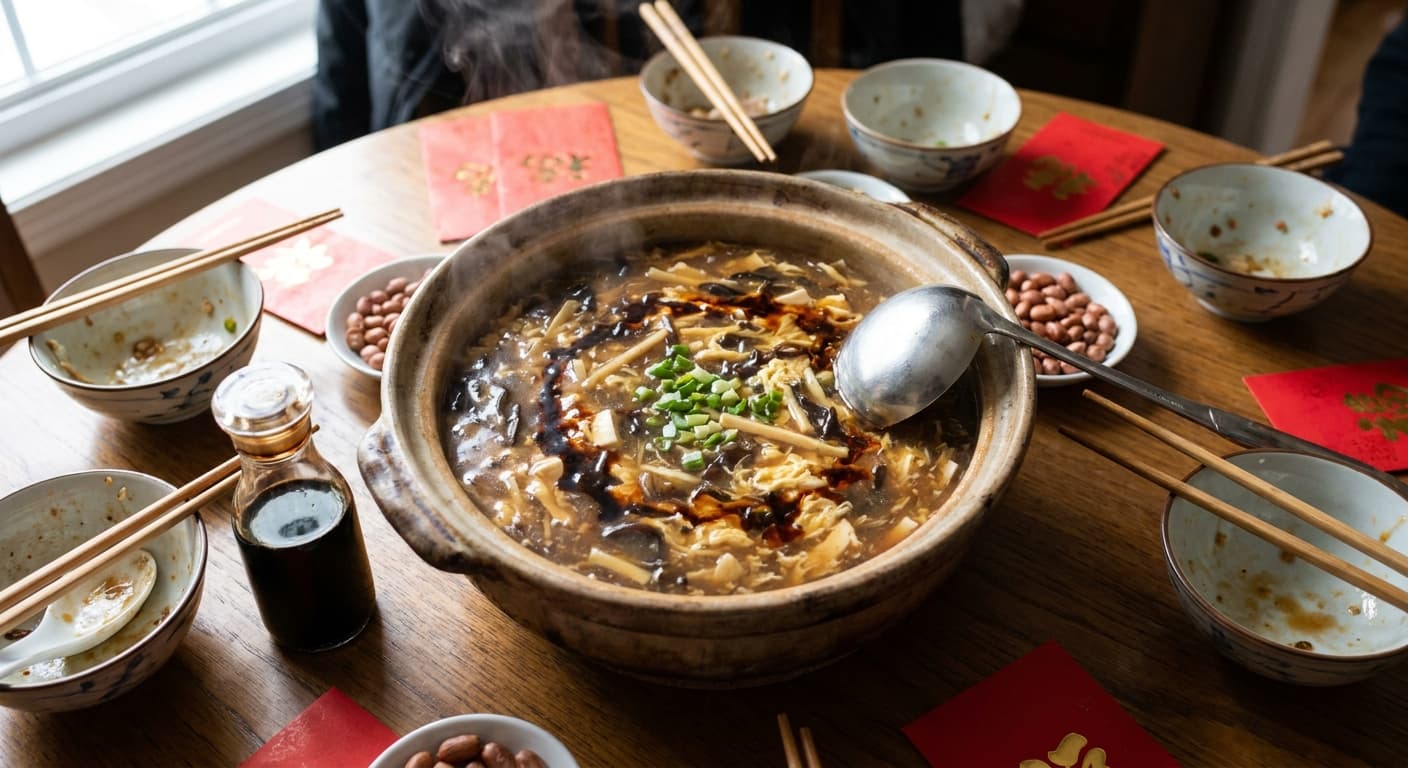
Hot and Sour Soup (酸辣汤) — Northern Chinese Soup with Tofu and Black Vinegar
Chinese · Soups · 45 min
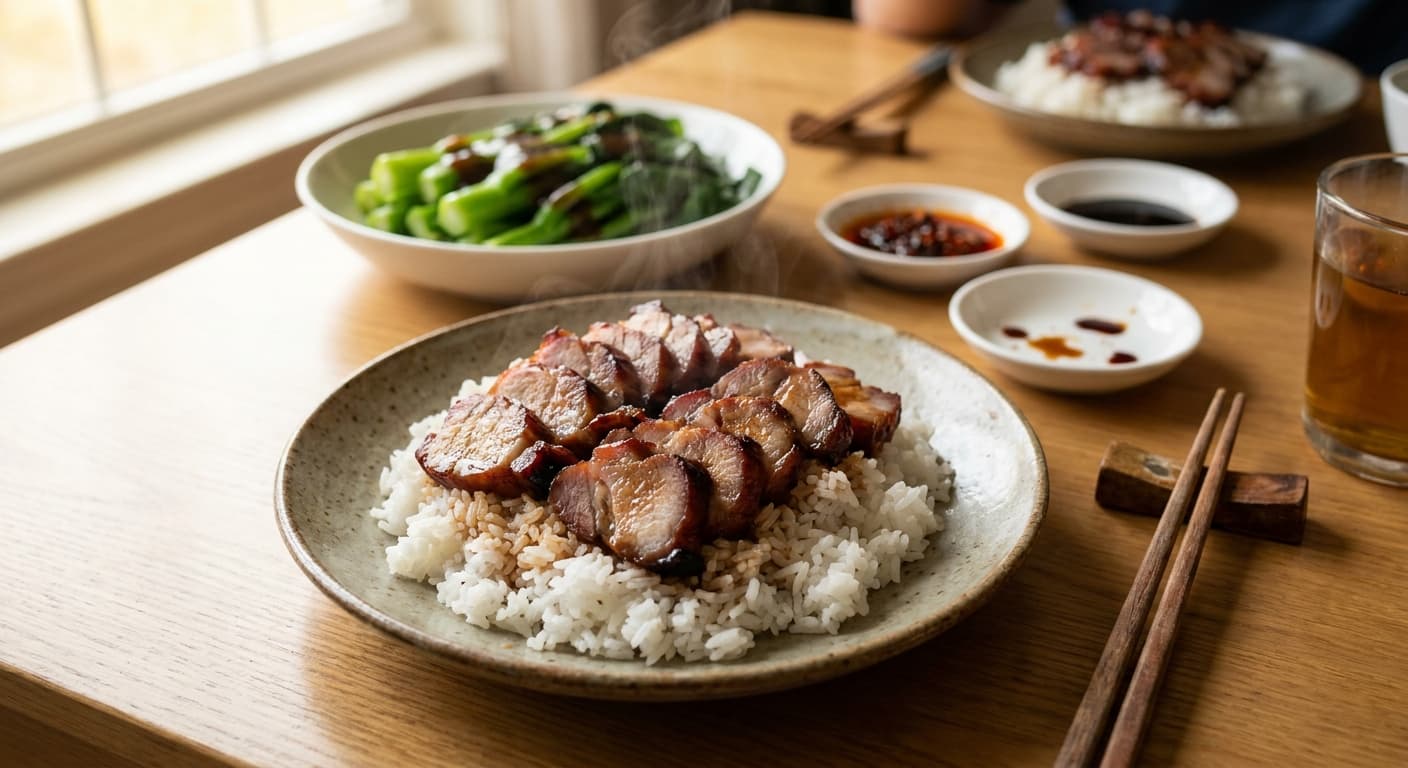
Char Siu (叉燒) — Cantonese Honey-Glazed Barbecue Pork
Chinese · Main Courses · 70 min
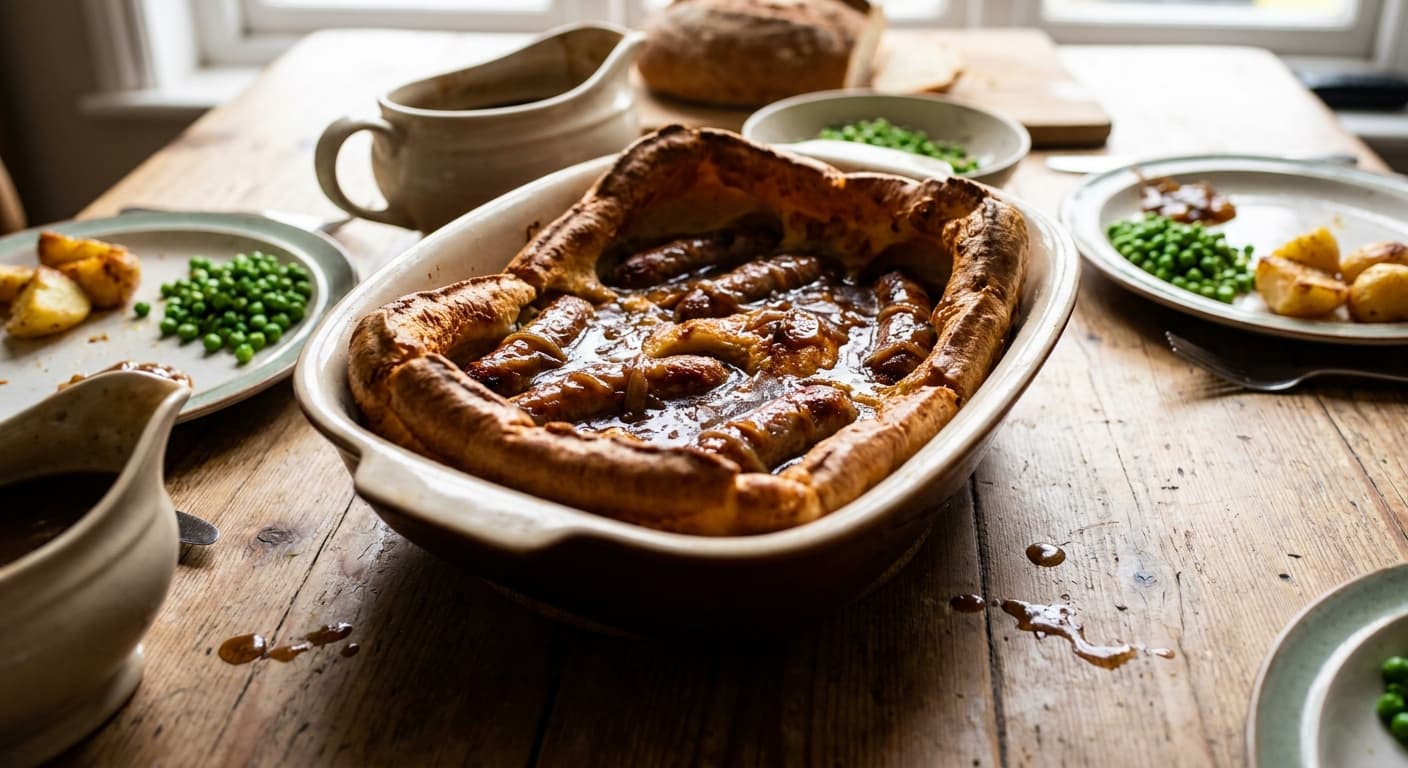
Toad in the Hole (Toad in the Hole) — Sausages Baked in Yorkshire Pudding Batter
British · Main Courses · 65 min
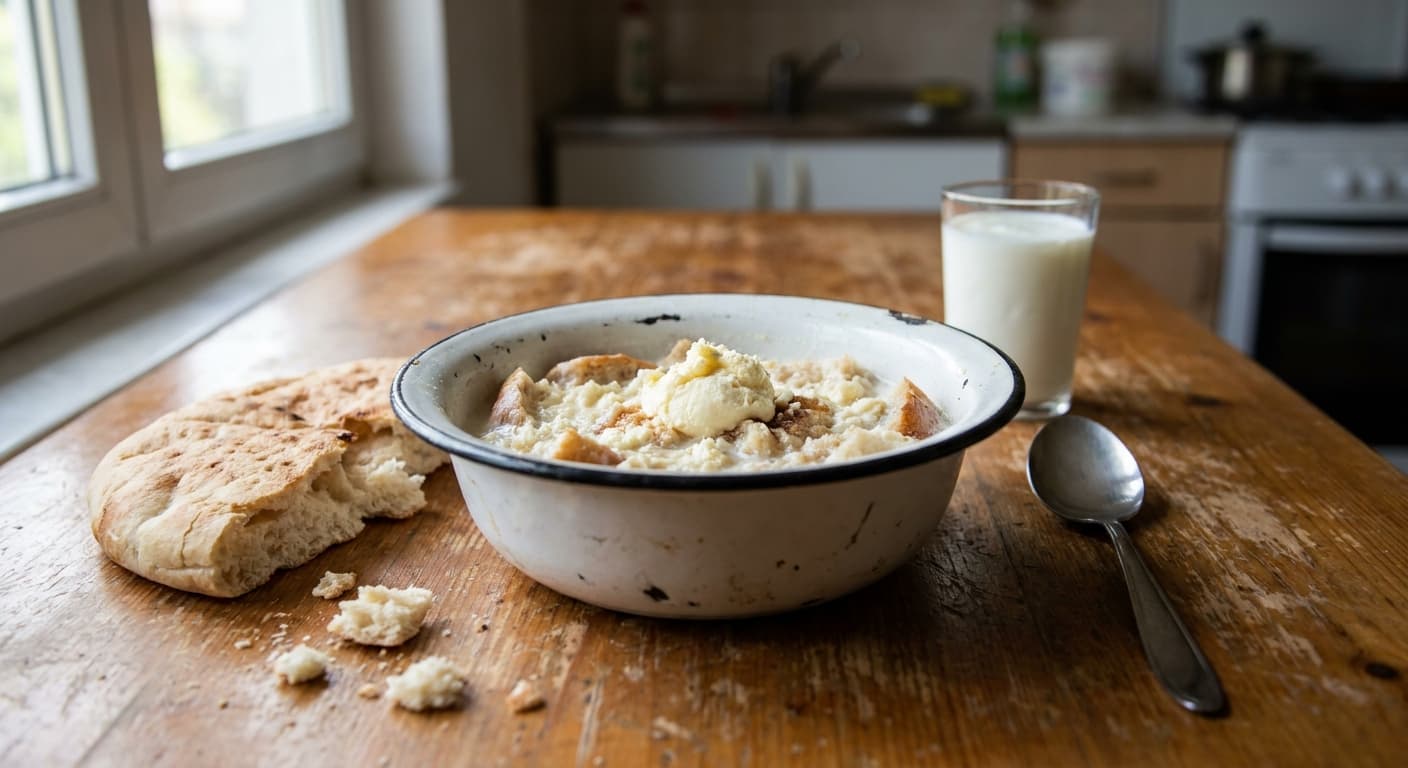
Bosnian Popara (Попара) — Bread Porridge with Kaymak
Bosnian · Main Courses · 22 min
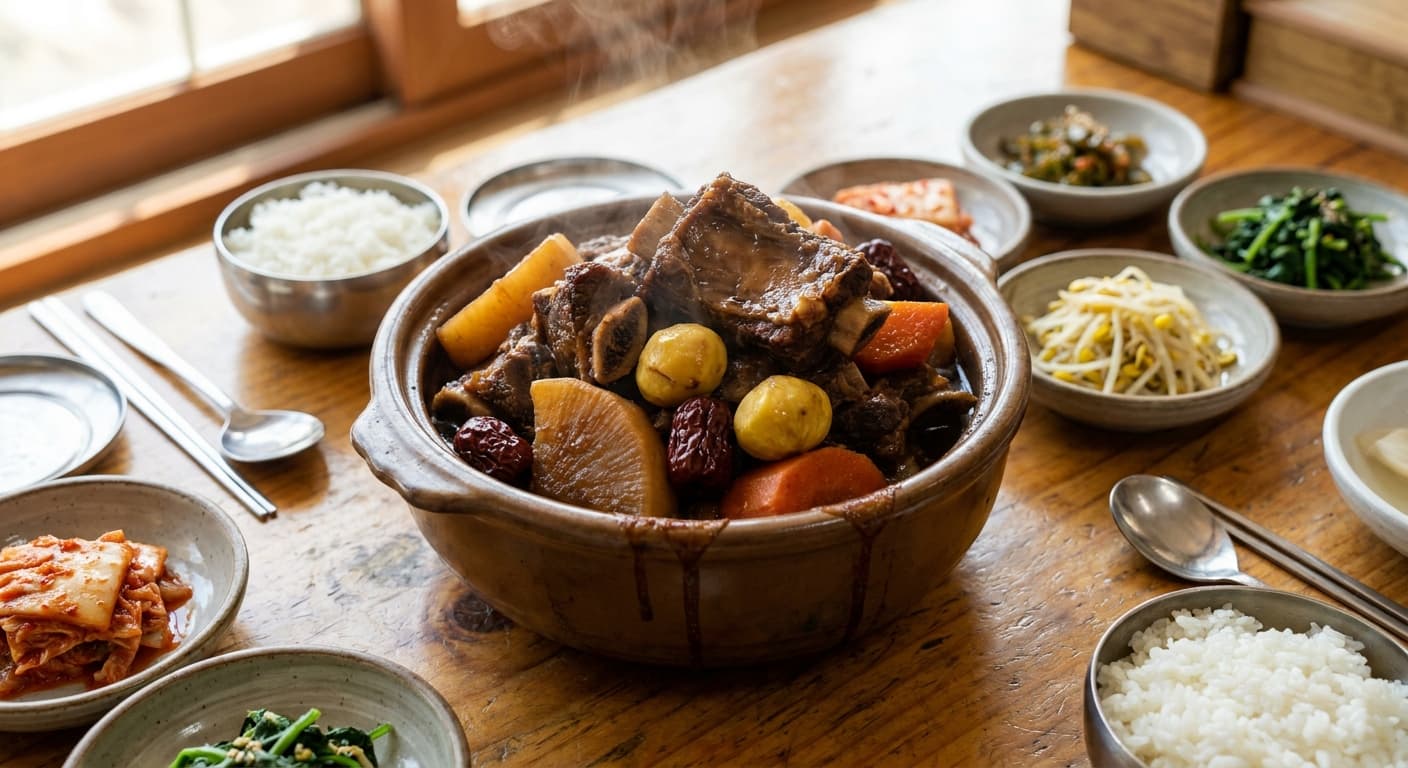
Galbi Jjim (갈비찜) — Korean Braised Short Ribs
Korean · Main Courses · 175 min
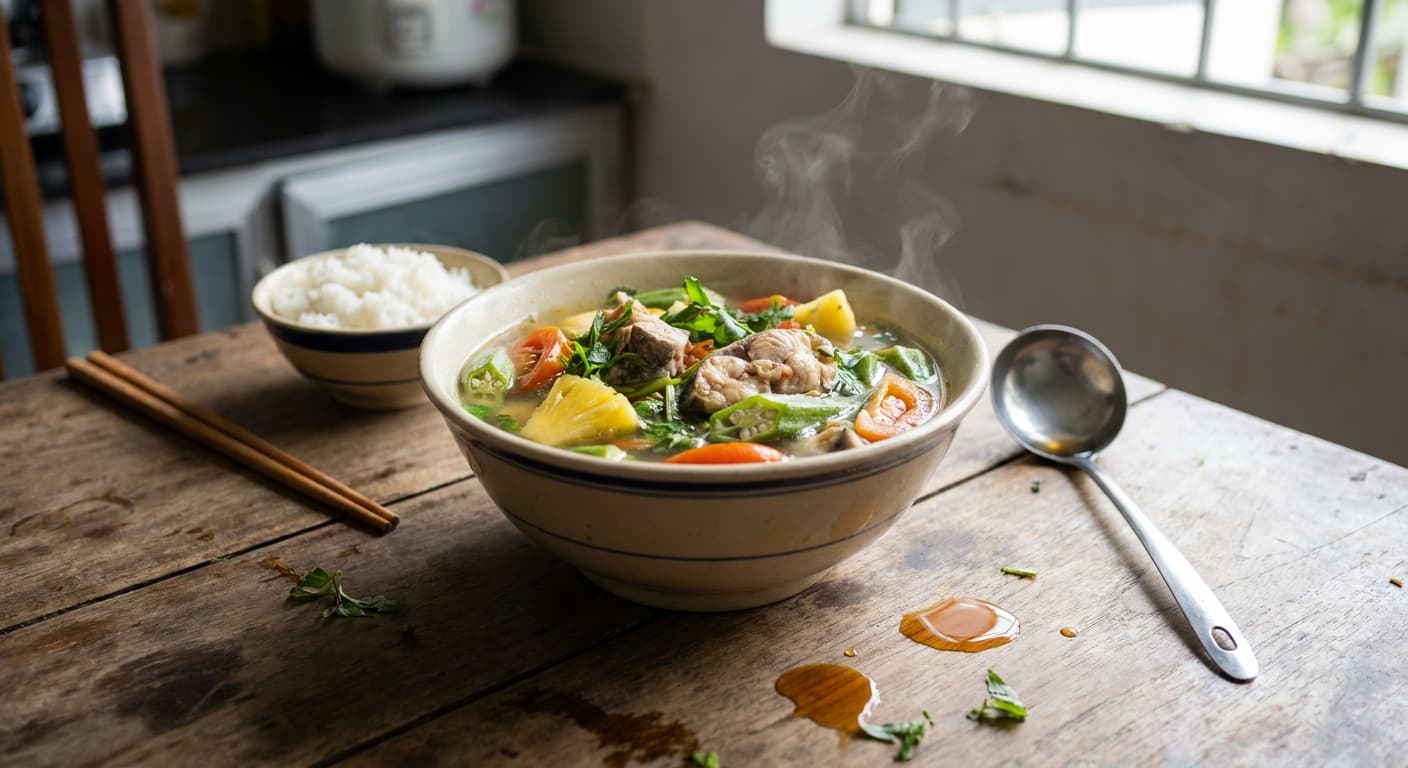
Vietnamese Sour Fish Soup (Canh Chua Cá) — Tamarind-Scented Mekong Soup
Vietnamese · Soups · 45 min
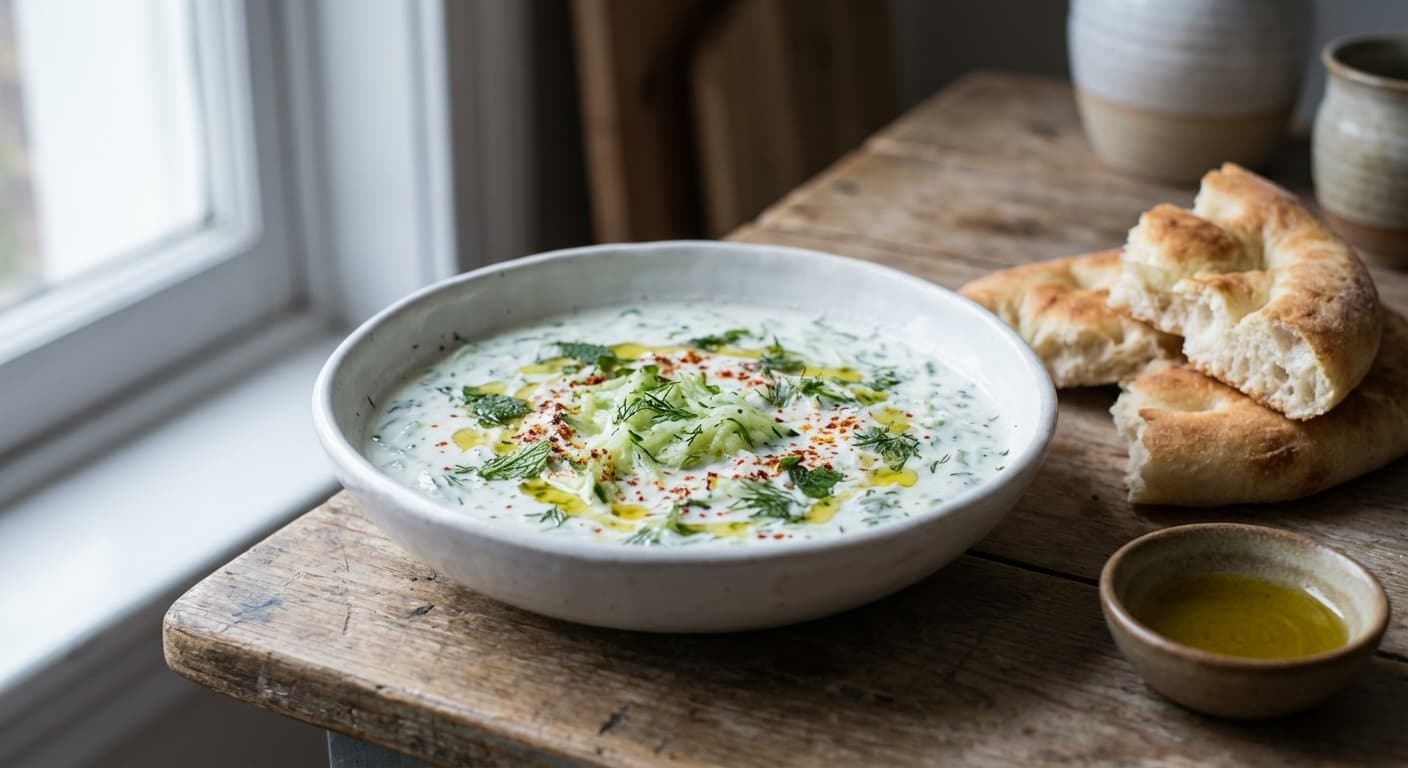
Cacık (Yoğurtlu Salatalık Mezesi) — Chilled Turkish Yogurt, Cucumber & Mint Dip
Turkish · Appetizers · 15 min
Reviews
Cooked this recipe?
Tap the stars to rate it — that's all it takes. A few words are welcome but optional.
No ratings yet. Cooked this one? Be the first to rate it — it takes one tap.