Sekihan (赤飯) — Japanese Red Bean Celebration Rice
Sekihan is a festive Japanese dish of glutinous rice tinted red by azuki beans. Its auspicious color makes it a classic for weddings, birthdays, school milestones, and New Year gatherings.
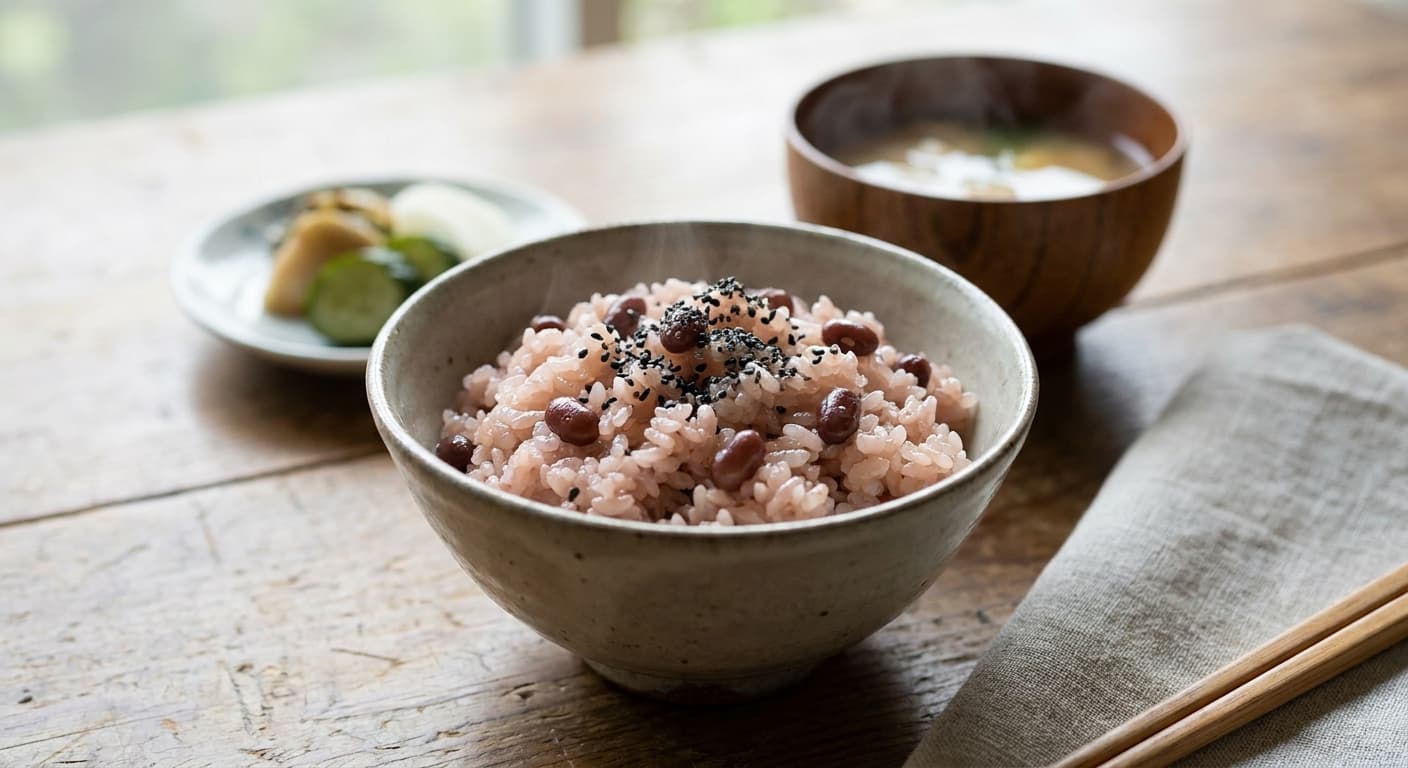
Printable Recipe Card
Servings: 6 · Total: 105 min · Difficulty: medium
Ingredients (quick list)
- 450 g short-grain glutinous rice (also sold as sweet rice or mochigome)
- 80 g dried azuki beans
- 1500 ml water (500 ml for blanching and 1000 ml for simmering)
- 500 ml cooled azuki cooking liquid (reserved from simmering the beans)
- 1 tsp fine sea salt (0.25 tsp for the rice, 0.75 tsp for the sesame salt)
- 2 tbsp black sesame seeds
Steps (summary)
- Rinse the azuki beans in a fine-mesh sieve and place them in a saucepan with 500 ml water. Bring to a boil over medium-high hea…
- Return the drained beans to the saucepan with 1000 ml fresh water. Simmer gently for 25 to 30 minutes, until the beans are tend…
- Spread the cooked beans on a plate so they cool quickly, and let the cooking liquid cool to room temperature. Measure 500 ml of…
- Rinse the glutinous rice in several changes of cold water until the water runs mostly clear. Drain well, transfer the rice to a…
- Drain the soaked rice through a sieve set over a bowl, reserving the soaking liquid. Mix the drained rice with the cooked azuki…
- Line a steamer basket with a damp cotton cloth or a sheet of perforated parchment paper. Spread the rice and bean mixture in an…
+ 4 more steps in the full instructions section below.
Cultural Background
In Japan, sekihan is strongly associated with good fortune because red is considered protective and celebratory. It is served at life milestones, seasonal observances, and happy family announcements.
Equipment
💡 Tips
- Keep the azuki beans intact; split beans make the rice look muddy rather than jewel-toned.
- Use true short-grain glutinous rice, not jasmine sticky rice, for the classic Japanese chewy texture.
- Cool the bean liquid before soaking the rice, because hot liquid can hydrate the outer surface unevenly.
⚠️ Common Mistakes
❌ Cooking the azuki beans until they burst
✅ Fix: Simmer gently and stop when the beans are tender but still hold their shape.
❌ Using regular long-grain rice
✅ Fix: Choose short-grain glutinous rice for the cohesive, chewy texture expected in sekihan.
❌ Adding all the liquid at once during steaming
✅ Fix: Sprinkle measured portions of liquid during steaming so the rice hydrates evenly without becoming pasty.
🧊 How to Store
Cool leftovers quickly, cover tightly, and refrigerate for up to 3 days. Reheat covered with 1 tbsp water per serving in a microwave or steamer until hot and supple; avoid dry reheating, which hardens the grains.
📅 Make Ahead
Cook the azuki beans and reserve the red cooking liquid 1 day ahead. Refrigerate both separately, then bring the liquid to room temperature before soaking the rice.
🍽️ Pairs Well With
- Grilled fish
- miso soup
- Japanese pickles
- simmered vegetables
- tamagoyaki.
Regional Variations
- Some households use sasage beans instead of azuki because they remain firmer and split less.
- In parts of eastern Japan, sekihan may be served with a slightly saltier sesame topping.
- Modern home versions are often prepared in a rice cooker using a sweet-rice setting rather than a steamer.
Ingredients
- 450 gshort-grain glutinous rice (also sold as sweet rice or mochigome)
- 80 gdried azuki beans
- 1500 mlwater (500 ml for blanching and 1000 ml for simmering)
- 500 mlcooled azuki cooking liquid (reserved from simmering the beans)
- 1 tspfine sea salt (0.25 tsp for the rice, 0.75 tsp for the sesame salt)
- 2 tbspblack sesame seeds
🔄 Substitutions
- azuki beans→ sasage beans
- black sesame seeds→ white sesame seeds
- short-grain glutinous rice→ Japanese short-grain rice mixed with glutinous rice
Instructions
- 1
Rinse the azuki beans in a fine-mesh sieve and place them in a saucepan with 500 ml water. Bring to a boil over medium-high heat, boil for 5 minutes, then drain and discard this first cooking water to soften any harsh bean flavor.
- 2
Return the drained beans to the saucepan with 1000 ml fresh water. Simmer gently for 25 to 30 minutes, until the beans are tender enough to bite but still intact, then drain them over a bowl and reserve the red cooking liquid.
- 3
Spread the cooked beans on a plate so they cool quickly, and let the cooking liquid cool to room temperature. Measure 500 ml of the cooled liquid for soaking the rice, using the deepest red portion from the bowl for the best color.
- 4
Rinse the glutinous rice in several changes of cold water until the water runs mostly clear. Drain well, transfer the rice to a bowl, cover it with the 500 ml cooled azuki cooking liquid, and soak for 3 hours to hydrate the grains and tint them evenly.
- 5
Drain the soaked rice through a sieve set over a bowl, reserving the soaking liquid. Mix the drained rice with the cooked azuki beans and 0.25 tsp fine sea salt, folding gently so the beans stay whole.
- 6
Line a steamer basket with a damp cotton cloth or a sheet of perforated parchment paper. Spread the rice and bean mixture in an even layer, set it over vigorously simmering water, cover tightly, and steam for 20 minutes.
- 7
Open the steamer carefully and sprinkle 120 ml of the reserved soaking liquid evenly over the rice. Turn the rice gently with a wet rice paddle, cover again, and steam for another 15 minutes.
- 8
Sprinkle another 120 ml reserved soaking liquid over the rice and turn it once more. Cover and steam for 15 to 20 minutes, until the grains are glossy, chewy, and fully tender with no chalky center.
- 9
While the rice finishes steaming, toast the black sesame seeds in a dry skillet over medium-low heat for 2 to 3 minutes, shaking the pan often. Cool them briefly, then mix with 0.75 tsp fine sea salt to make the sesame salt garnish.
- 10
Transfer the sekihan to a serving bowl or individual rice bowls while hot. Sprinkle with the sesame salt just before serving so the aroma stays fresh and the garnish remains pleasantly crisp.
🪪 Recipe Passport
Cultural Background
In Japan, sekihan is strongly associated with good fortune because red is considered protective and celebratory. It is served at life milestones, seasonal observances, and happy family announcements.
Regional Variations
Researched from multiple sources and validated by the Zaffaron editorial team. Every recipe is tested for accuracy, measurements, and cultural authenticity.
📚 Sources & Cultural References
- Shizuo Tsuji — Japanese Cooking: A Simple Art — (1980)
- Elizabeth Andoh — Washoku: Recipes from the Japanese Home Kitchen — (2005)
Sources cited by the Zaffaron editorial team during recipe research. Cultural and culinary references supporting authenticity claims.
Nutrition per serving
Pairs well with
If you enjoyed this recipe, here are a few related Zaffaron recipes to try next.
Does your family make this differently?
Every family has their own version. Maybe your grandmother adds a secret ingredient, or your aunt has a completely different technique. Preserve your family's version — with their name on it, forever.
You Might Also Like
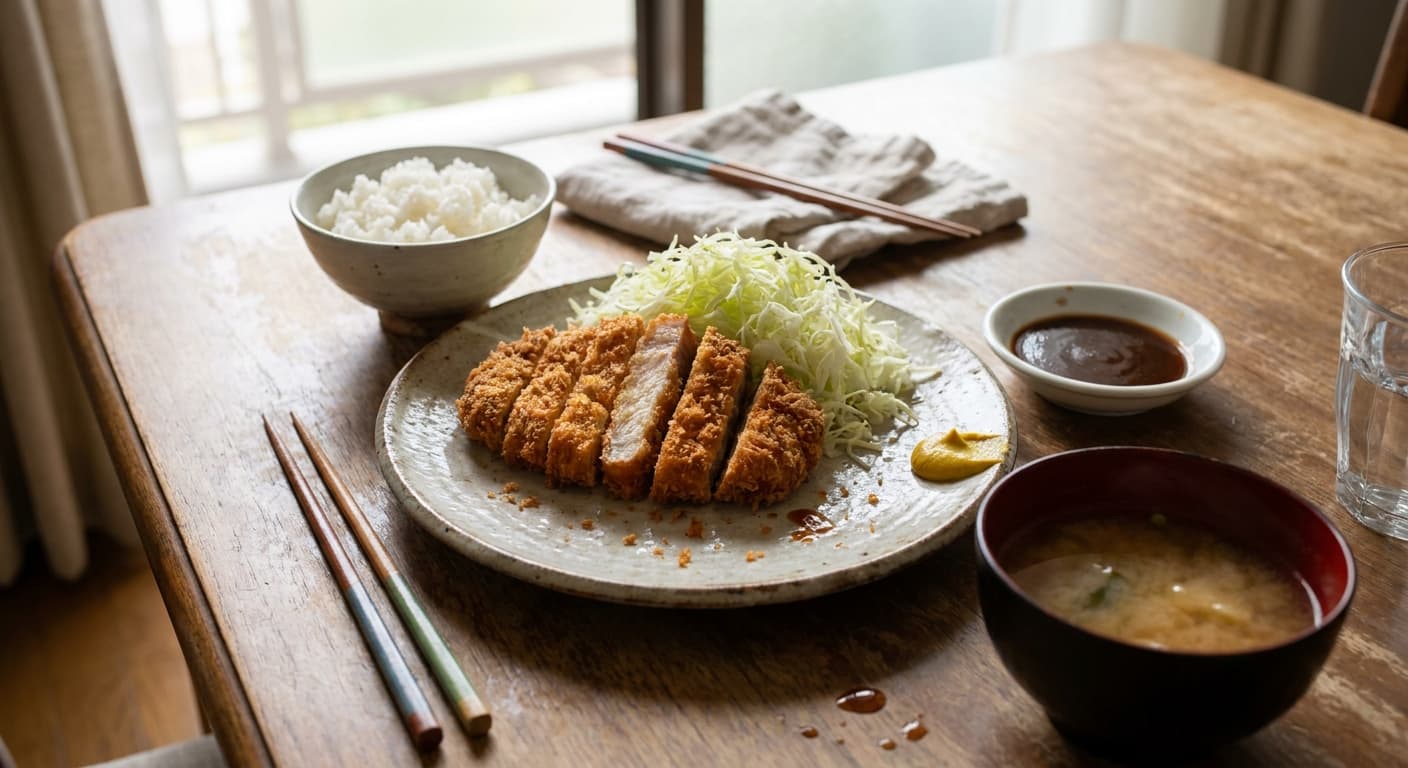
Tonkatsu (豚カツ) — Crisp Japanese Pork Cutlet
Japanese · Main Courses · 43 min
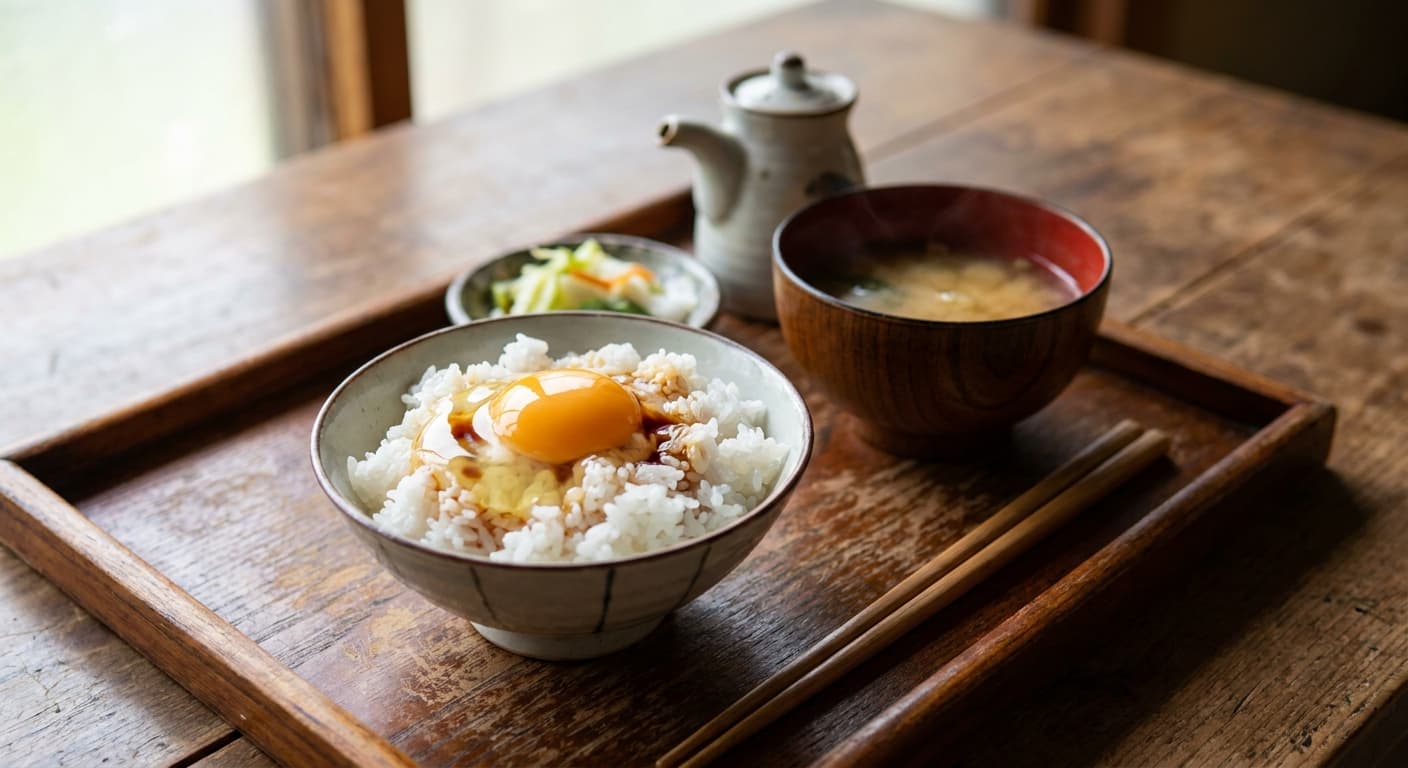
Tamago Kake Gohan (卵かけご飯) — Japanese Raw Egg Rice Breakfast
Japanese · Rice Dishes · 40 min
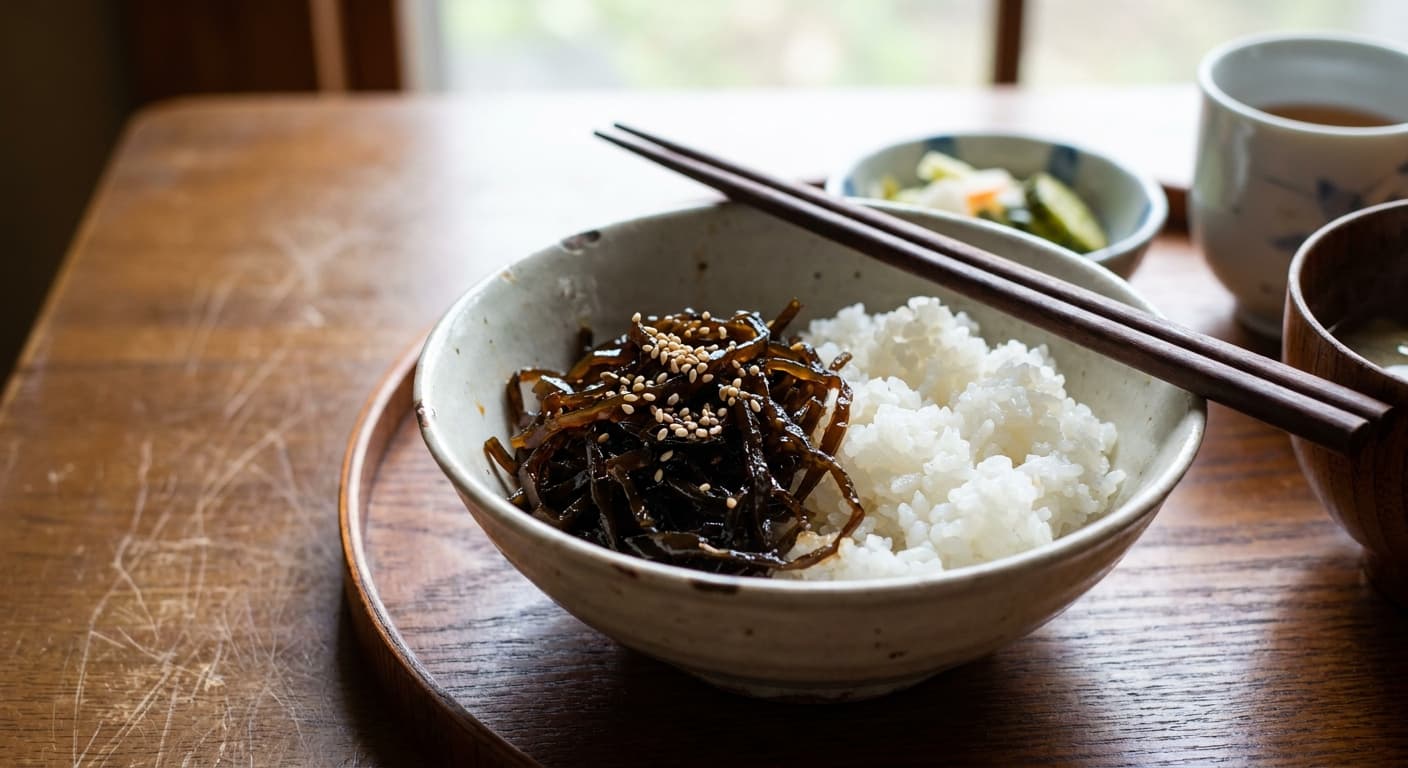
Kombu no Tsukudani (昆布の佃煮) — Soy-Simmered Kelp Relish
Japanese · Side Dishes · 65 min

Valencian Paella (Paella Valenciana) — Saffron Rice with Rabbit, Chicken, and Beans
Spanish · Rice Dishes · 70 min
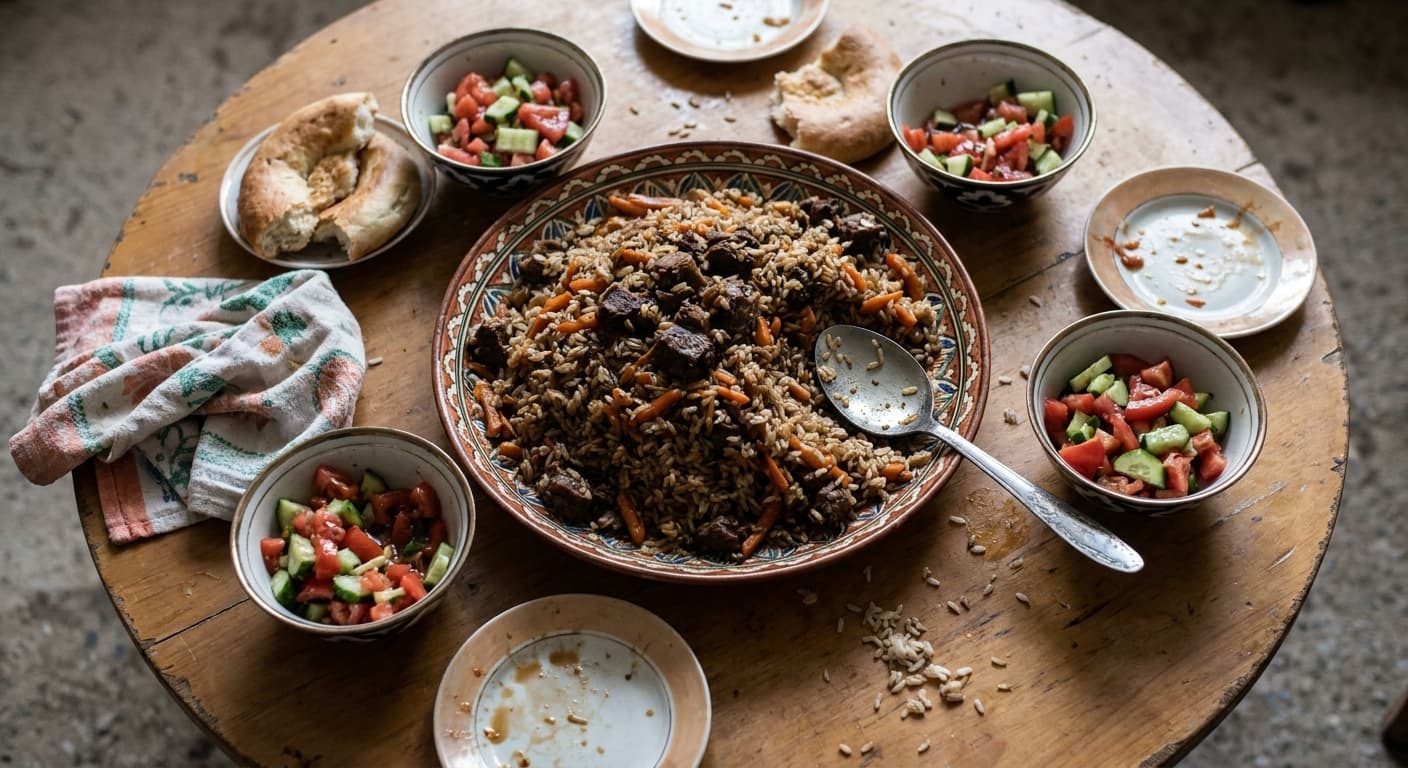
Oshi Siyoh (Оши сиёҳ) — Bukhara-Style Dark Pilaf
Tajik · Rice Dishes · 125 min
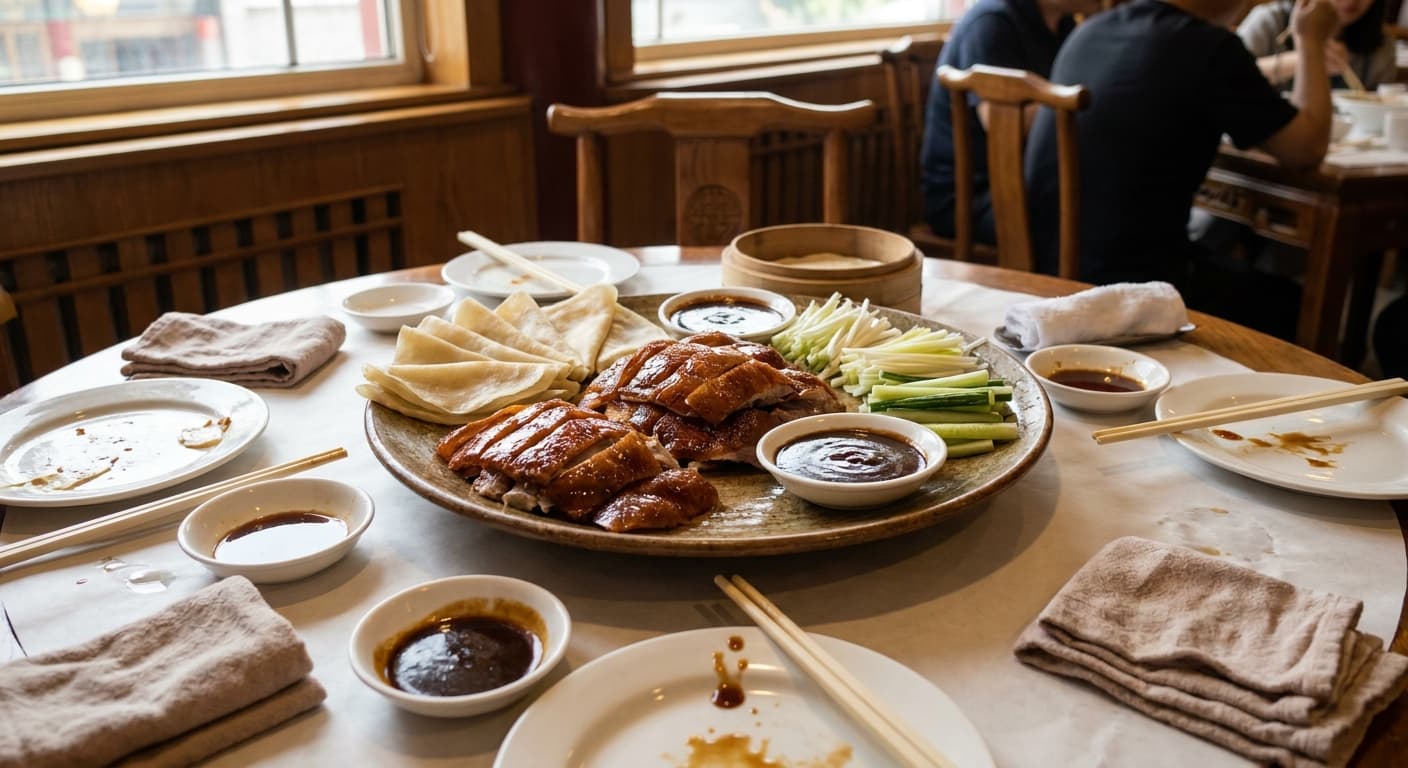
Peking Duck (北京烤鸭) — Crisp-Skinned Beijing Roast Duck
Chinese · Main Courses · 180 min
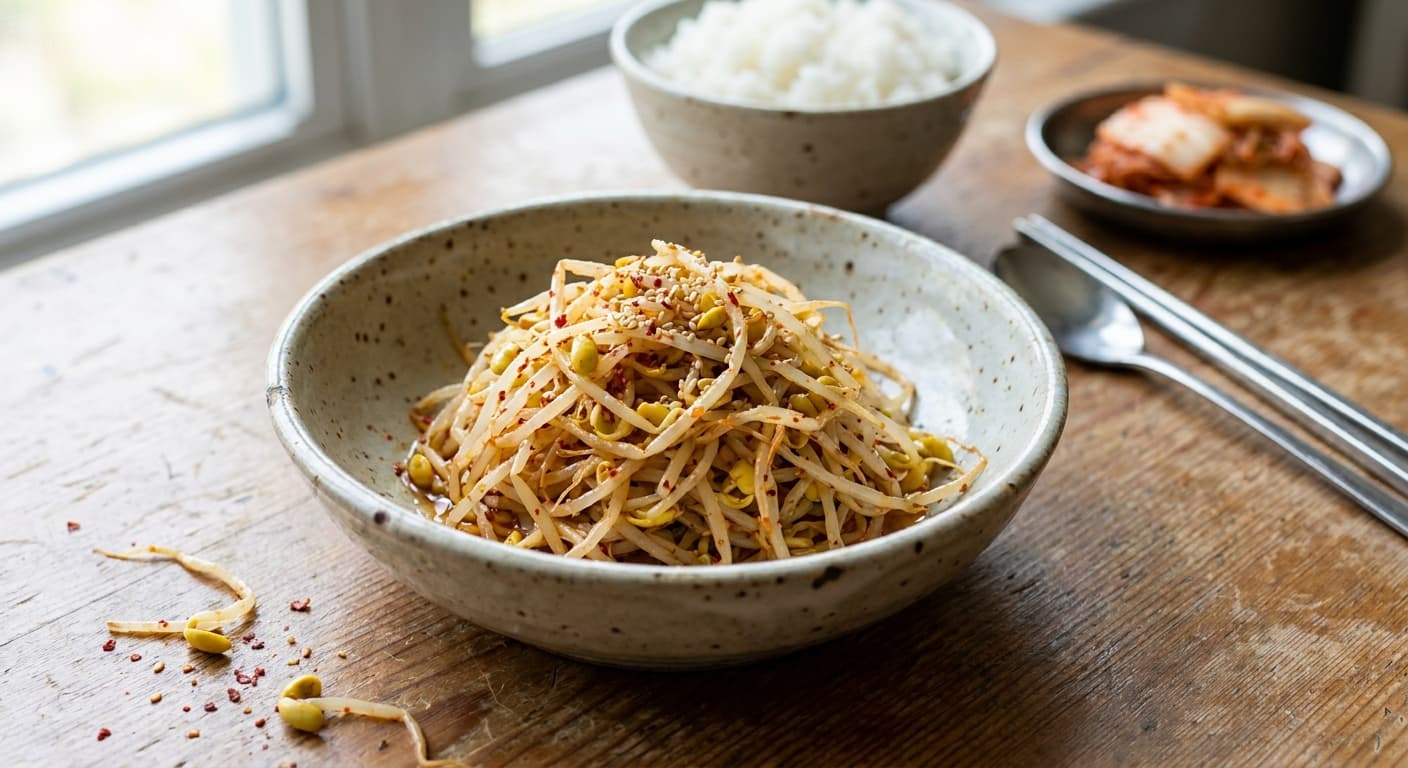
Kongnamul Muchim (콩나물무침) — Korean Seasoned Soybean Sprout Banchan
Korean · Side Dishes · 16 min
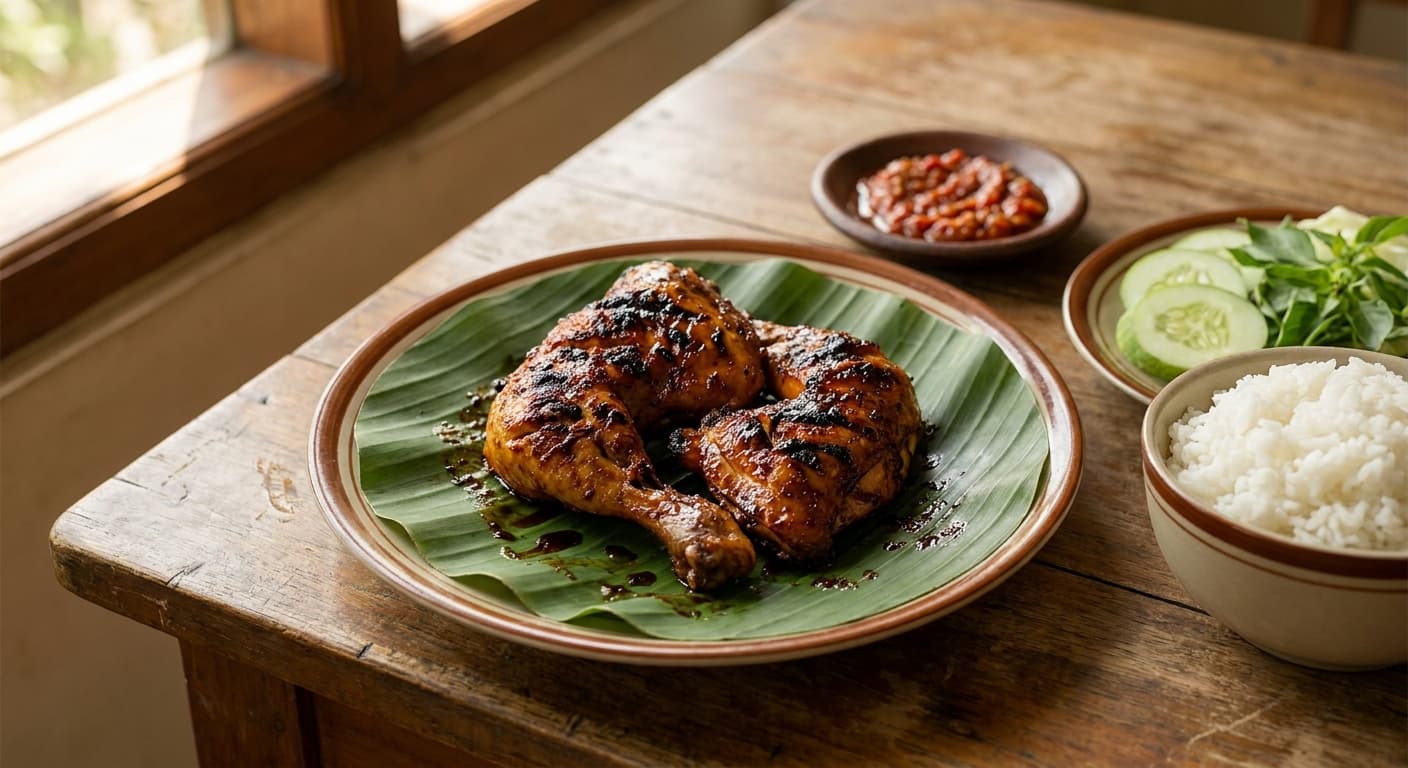
Indonesian Grilled Chicken (Ayam Bakar) — Sweet Soy-Spiced Charred Chicken
Indonesian · Main Courses · 85 min
Reviews
Cooked this recipe?
Tap the stars to rate it — that's all it takes. A few words are welcome but optional.
No ratings yet. Cooked this one? Be the first to rate it — it takes one tap.