Kashiwa Mochi (柏餅) — Oak Leaf-Wrapped Rice Cakes for Children's Day
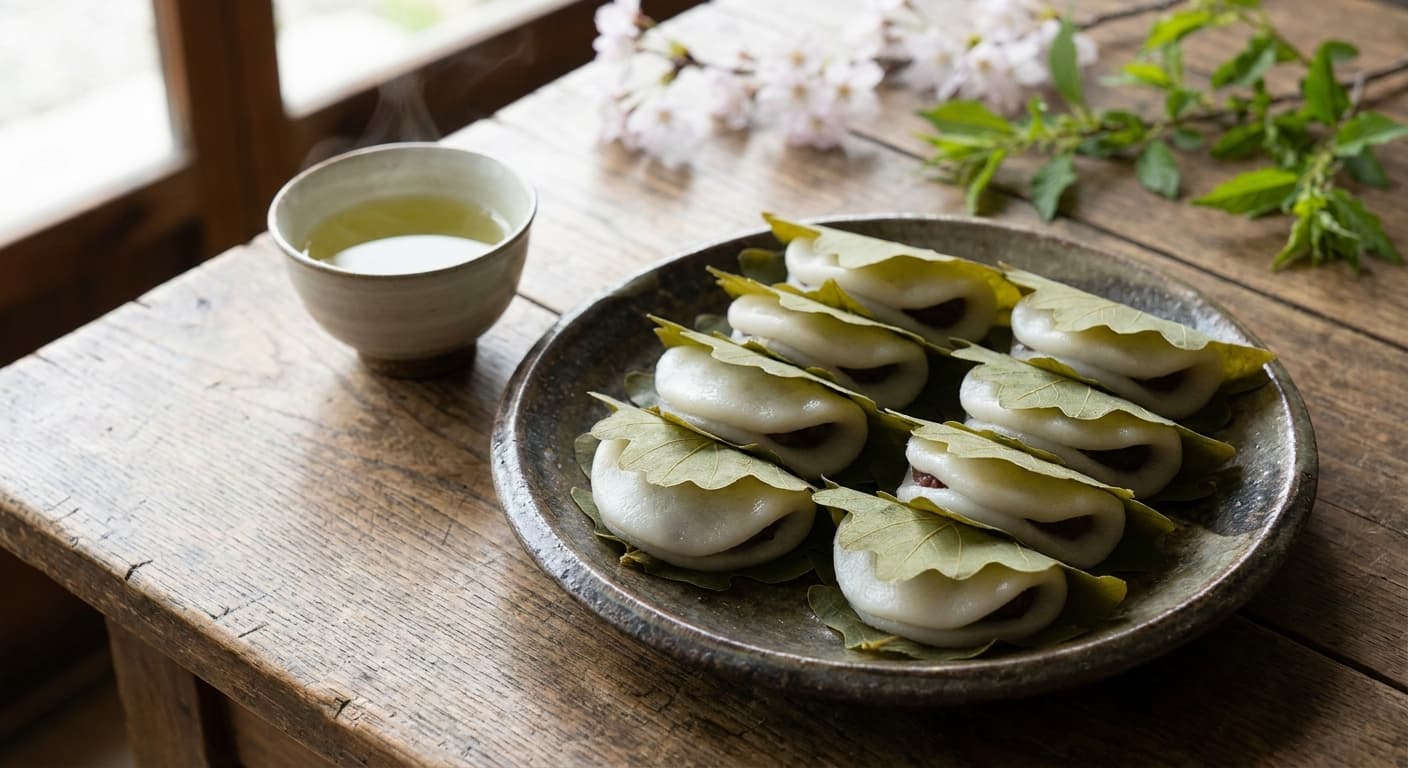
Kashiwa mochi is a Japanese wagashi made from smooth rice dough folded around sweet red bean paste and wrapped in an aromatic oak leaf. It is closely associated with Children's Day in early May.
Printable Recipe Card
Servings: 8 · Total: 60 min · Difficulty: medium
Ingredients (quick list)
- 8 preserved oak leaves (rinsed and soaked if heavily salted; not eaten)
- 200 g joshinko rice flour
- 60 g shiratamako glutinous rice flour
- 30 g caster sugar
- 0.25 tsp fine sea salt
- 270 ml water
- 280 g koshi-an smooth sweet red bean paste (divide into 8 portions of 35 g)
- 10 g potato starch (for dusting hands and work surface)
Steps (summary)
- Rinse the preserved oak leaves gently under cool running water to remove surface brine. Soak them in 500 ml of cool water for 2…
- Divide the koshi-an into 8 equal portions of 35 g each and roll each portion into a short oval. Cover the bean paste with plast…
- Whisk the joshinko, shiratamako, caster sugar, and fine sea salt together in a heatproof bowl until evenly combined. Add the wa…
- Set the bowl in a steamer lined with a clean cloth or parchment with steam holes, and cover the lid with a kitchen towel to pre…
- Transfer the hot dough to a lightly moistened or lightly starched work surface while it is still pliable. Knead it with a sturd…
- Dust your hands very lightly with potato starch and divide the warm dough into 8 equal pieces. Flatten each piece into an oval…
+ 3 more steps in the full instructions section below.
Cultural Background
Kashiwa mochi is eaten around Tango-no-Sekku and modern Children's Day. Oak leaves do not fall until new shoots appear, so they became a symbol of family continuity and the healthy growth of children.
Equipment
💡 Tips
- Use joshinko as the main flour for the traditional firm, smooth bite; too much shiratamako makes the cakes stretchier and less typical.
- Keep the dough warm during shaping, because cooled rice dough cracks more easily and is harder to seal cleanly.
- Do not over-dust with potato starch, as excess starch dulls the surface and can make the finished mochi taste powdery.
⚠️ Common Mistakes
❌ The mochi cracks when folded.
✅ Fix: Shape it while warm, keep your hands lightly moist or barely starched, and make the center of each oval slightly thicker.
❌ The dough tastes gritty or raw.
✅ Fix: Steam for the full 20 minutes over strong steam and stir halfway through so the rice flour hydrates evenly.
❌ The cakes become too salty from the leaves.
✅ Fix: Rinse and soak heavily brined leaves before wrapping, then dry them thoroughly so they perfume without overwhelming the mochi.
🧊 How to Store
Store kashiwa mochi in an airtight container at cool room temperature for up to 12 hours, or refrigerate for 1 day if necessary. To refresh, remove the oak leaf and microwave each mochi for 8 to 10 seconds until just soft.
📅 Make Ahead
The bean paste portions can be rolled 1 day ahead and refrigerated in an airtight container. The mochi dough is best steamed, filled, and wrapped on the day it is served.
🍽️ Pairs Well With
- Sencha
- hojicha
- matcha
- fresh strawberries
- seasonal Japanese sweets.
Regional Variations
- In the Kanto area, kashiwa mochi is commonly filled with smooth koshi-an and wrapped in oak leaves for Children's Day.
- Some shops offer miso-an, a sweet white bean paste seasoned with miso, especially as a seasonal specialty.
- Chunky tsubu-an versions are also common for a heartier adzuki texture.
Ingredients
- 8preserved oak leaves (rinsed and soaked if heavily salted; not eaten)
- 200 gjoshinko rice flour
- 60 gshiratamako glutinous rice flour
- 30 gcaster sugar
- 0.25 tspfine sea salt
- 270 mlwater
- 280 gkoshi-an smooth sweet red bean paste (divide into 8 portions of 35 g)
- 10 gpotato starch (for dusting hands and work surface)
🔄 Substitutions
- koshi-an smooth sweet red bean paste→ tsubu-an chunky sweet red bean paste
- preserved oak leaves→ food-safe dried oak leaves rehydrated in hot water
- potato starch→ cornstarch
Instructions
- 1
Rinse the preserved oak leaves gently under cool running water to remove surface brine. Soak them in 500 ml of cool water for 20 minutes if they taste very salty, then pat them completely dry with a clean towel.
- 2
Divide the koshi-an into 8 equal portions of 35 g each and roll each portion into a short oval. Cover the bean paste with plastic wrap so it does not dry out while you prepare the rice dough.
- 3
Whisk the joshinko, shiratamako, caster sugar, and fine sea salt together in a heatproof bowl until evenly combined. Add the water gradually while stirring with a silicone spatula, pressing out any small lumps of shiratamako until the mixture forms a thick, smooth paste.
- 4
Set the bowl in a steamer lined with a clean cloth or parchment with steam holes, and cover the lid with a kitchen towel to prevent condensation from dripping. Steam over steadily boiling water for 20 minutes, stirring once after 10 minutes so the dough cooks evenly.
- 5
Transfer the hot dough to a lightly moistened or lightly starched work surface while it is still pliable. Knead it with a sturdy spatula or gloved hands for 3 to 4 minutes, folding and pressing until the dough becomes smoother, glossier, and elastic.
- 6
Dust your hands very lightly with potato starch and divide the warm dough into 8 equal pieces. Flatten each piece into an oval about 10 cm long and 7 cm wide, keeping the center slightly thicker than the edges to prevent tearing.
- 7
Place one oval of koshi-an slightly off center on each piece of dough. Fold the dough over the filling like a half-moon, press the edges gently to seal, and smooth the surface without squeezing the bean paste out.
- 8
Lay each filled rice cake on the matte side of an oak leaf with the leaf vein facing outward for a traditional presentation. Wrap the leaf around the mochi loosely so the leaf perfumes and protects it, but remind diners that the oak leaf is removed before eating.
- 9
Let the finished kashiwa mochi rest at room temperature for 15 minutes before serving so the texture settles. Serve the same day for the best tender chew and fresh leaf aroma.
🪪 Recipe Passport
Cultural Background
Kashiwa mochi is eaten around Tango-no-Sekku and modern Children's Day. Oak leaves do not fall until new shoots appear, so they became a symbol of family continuity and the healthy growth of children.
Regional Variations
Researched from multiple sources and validated by the Zaffaron editorial team. Every recipe is tested for accuracy, measurements, and cultural authenticity.
📚 Sources & Cultural References
- Japan National Tourism Organization — Japan Cultural and Seasonal Food Guides
- Alan Davidson — The Oxford Companion to Food — (2014)
Sources cited by the Zaffaron editorial team during recipe research. Cultural and culinary references supporting authenticity claims.
Nutrition per serving
Pairs well with
If you enjoyed this recipe, here are a few related Zaffaron recipes to try next.
Does your family make this differently?
Every family has their own version. Maybe your grandmother adds a secret ingredient, or your aunt has a completely different technique. Preserve your family's version — with their name on it, forever.
You Might Also Like
Misoshiru (味噌汁) — Classic Japanese Miso Soup with Tofu and Wakame
Japanese · Soups · 25 min
Tamagoyaki (卵焼き) — Japanese Rolled Omelette
Japanese · Side Dishes · 22 min
Salted Rice Balls (塩おにぎり) — Simple Japanese Hand-Pressed Rice
Japanese · Rice Dishes · 65 min
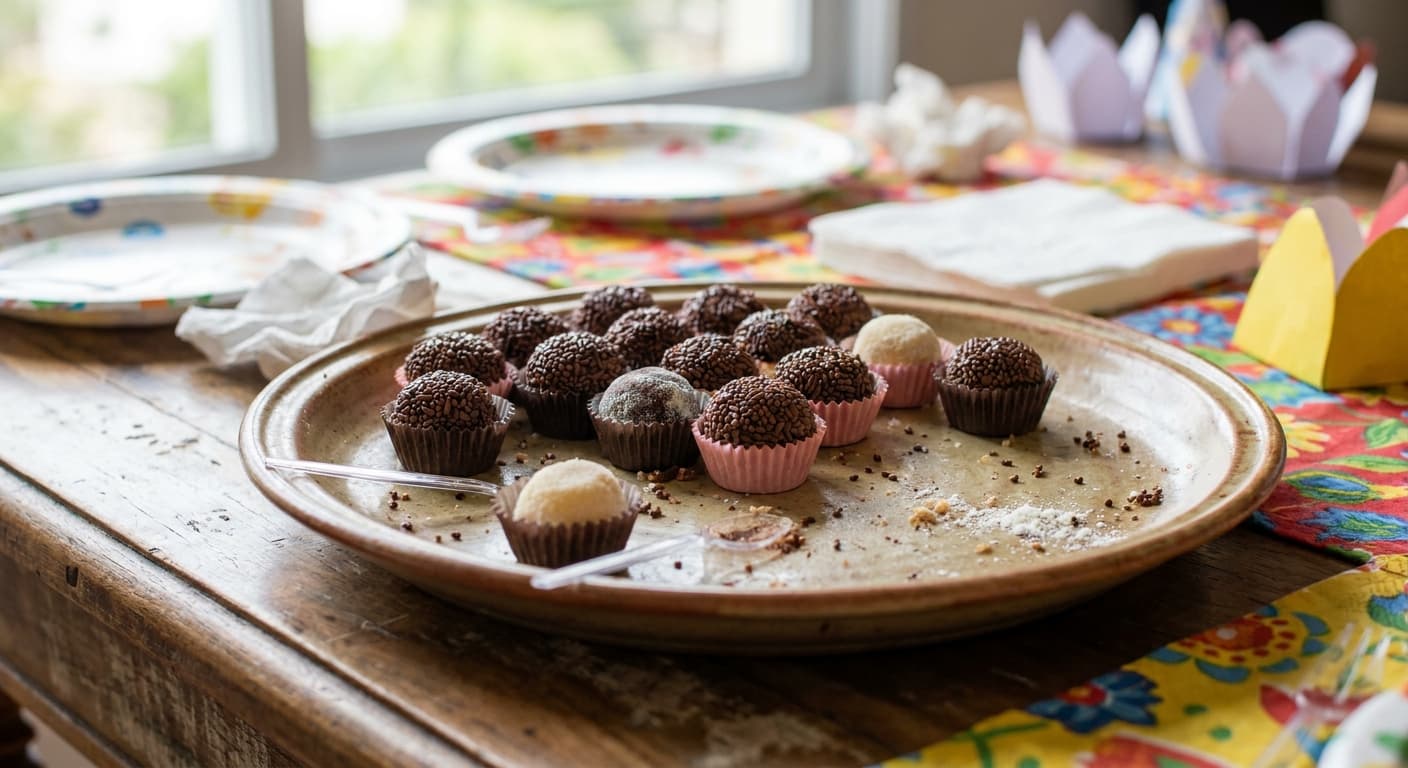
Brigadeiro (Brigadeiro) — Brazilian Chocolate Party Truffles
Brazilian · Desserts · 37 min

Crème Brûlée (Crème brûlée) — Classic Vanilla Custard with Caramelized Sugar
French · Desserts · 60 min
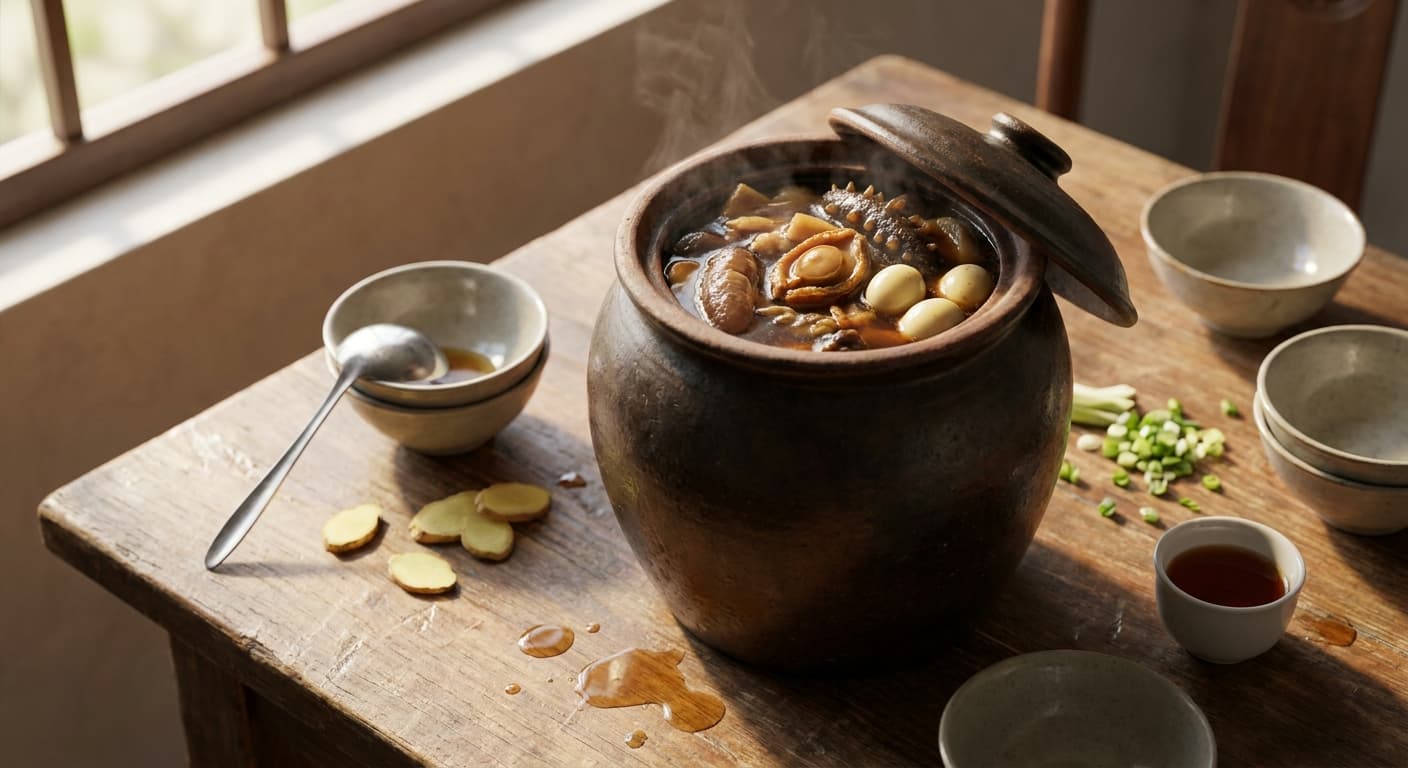
Buddha Jumps Over the Wall (佛跳墙) — Fujian Banquet Treasure Soup
Chinese · Soups · 540 min
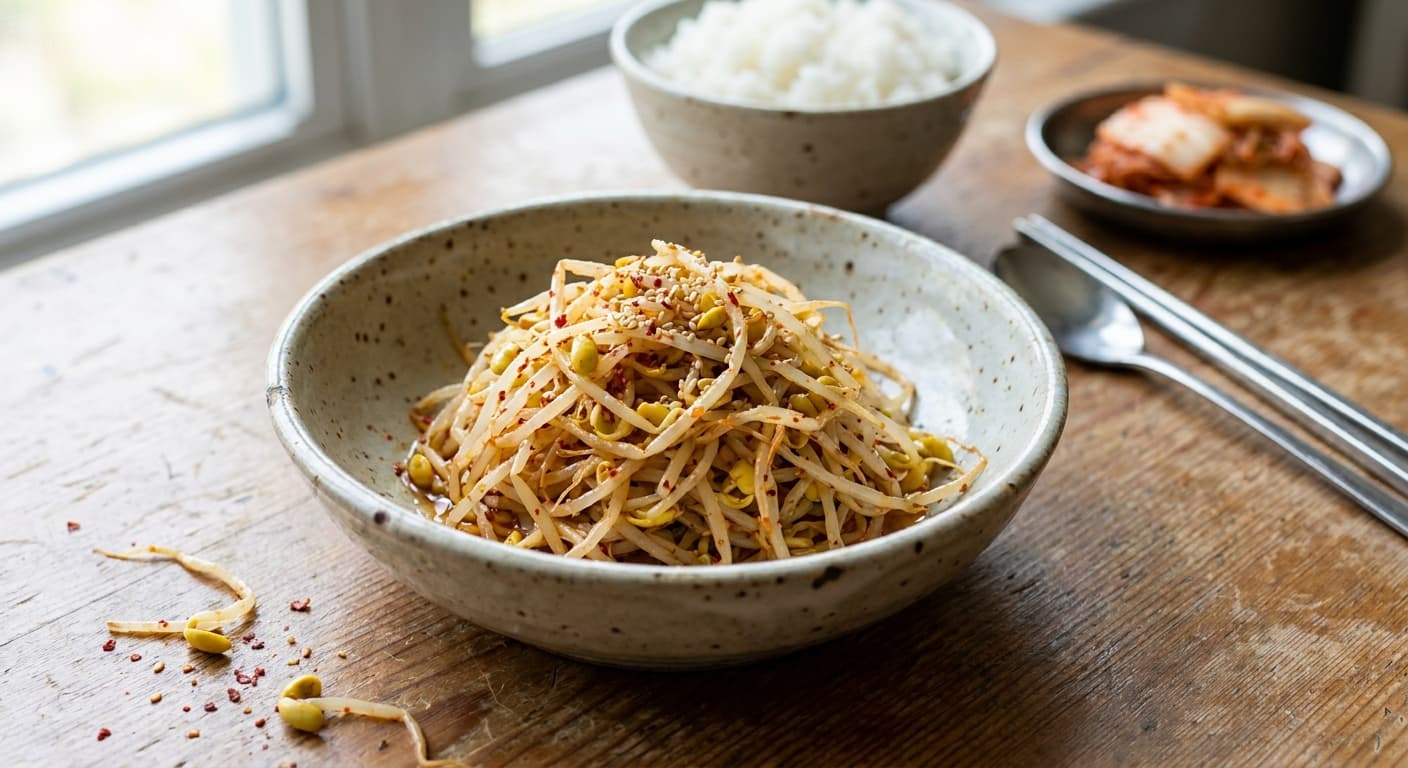
Kongnamul Muchim (콩나물무침) — Korean Seasoned Soybean Sprout Banchan
Korean · Side Dishes · 16 min
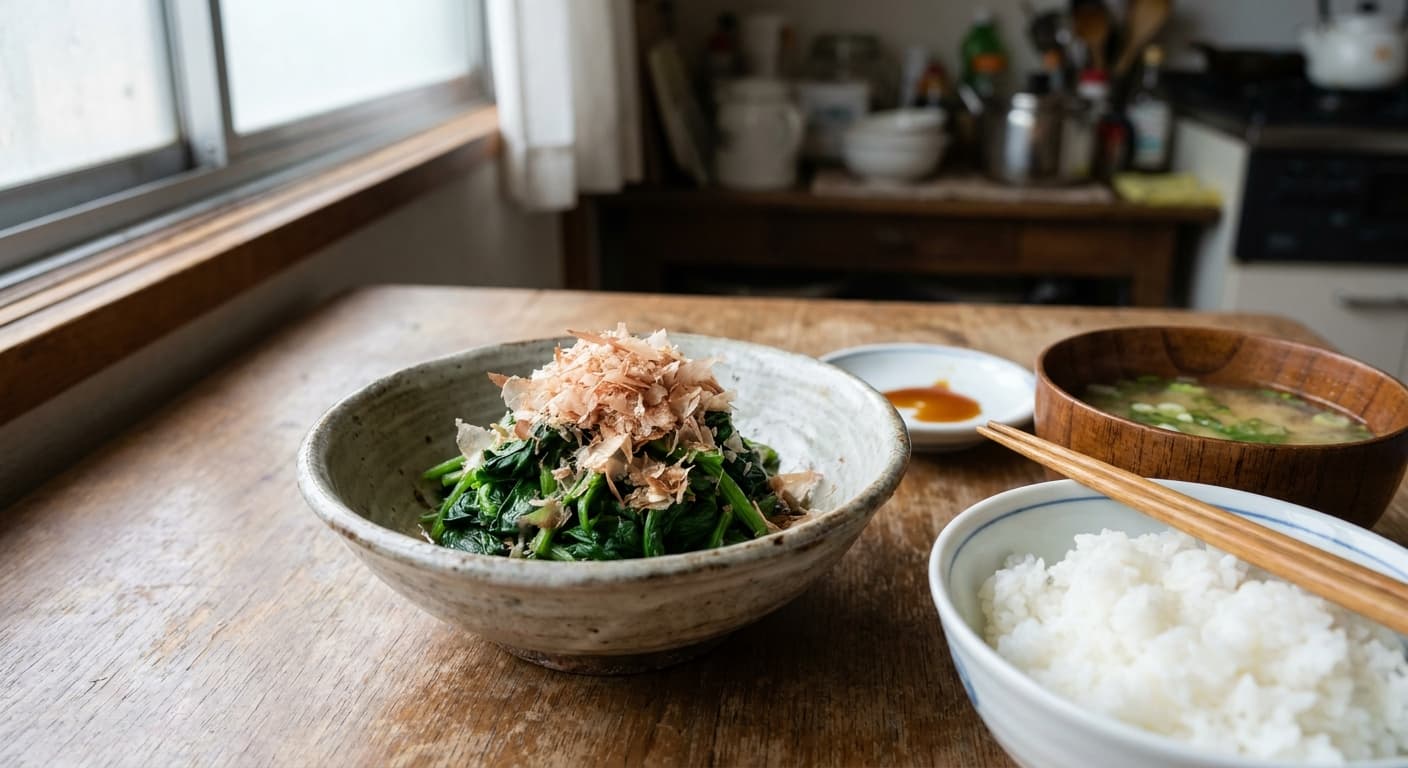
Ohitashi (お浸し) — Japanese Dashi-Soaked Greens
Japanese · Side Dishes · 20 min
Reviews
Cooked this recipe?
Tap the stars to rate it — that's all it takes. A few words are welcome but optional.
No ratings yet. Cooked this one? Be the first to rate it — it takes one tap.