Shang Polo (شنگ پلو) — Persian Wild Herb Rice with Braised Meat
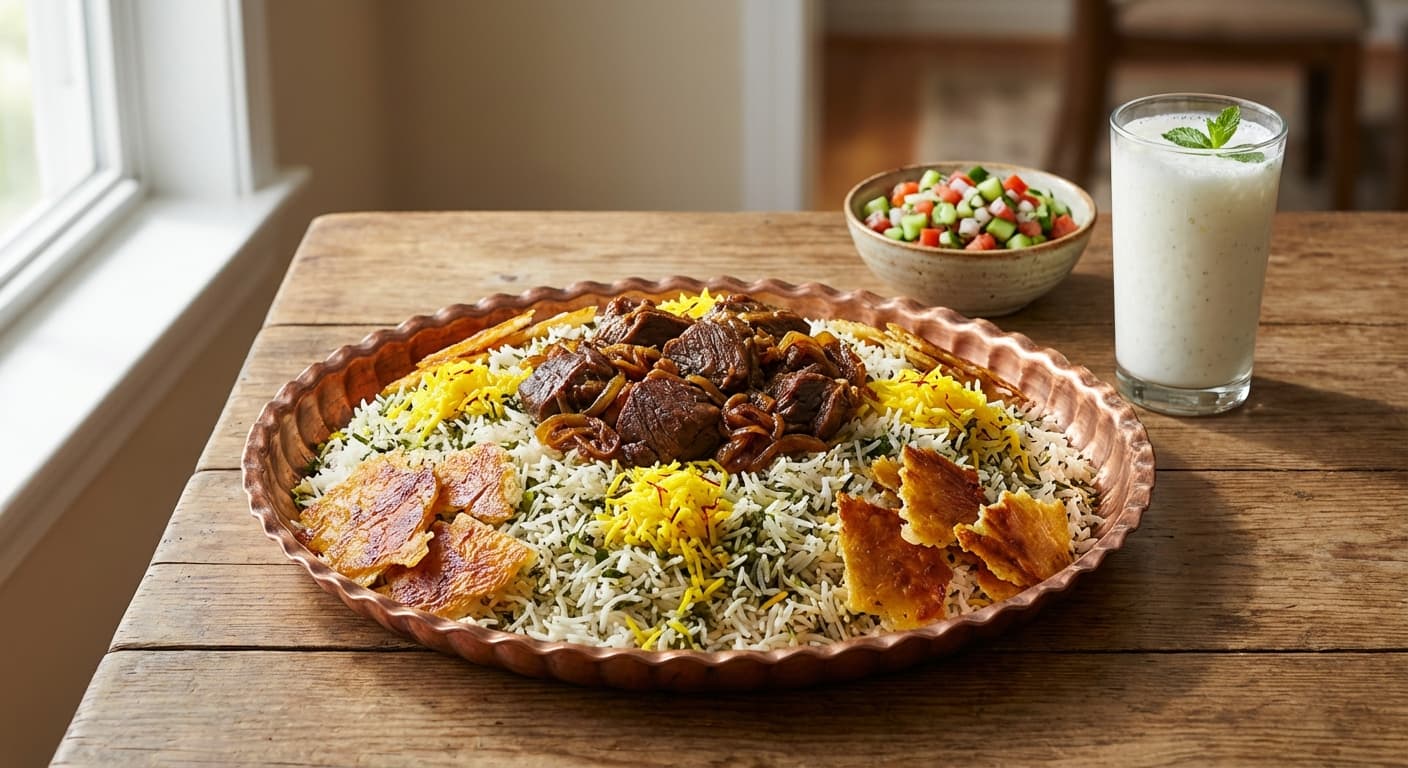
Shang Polo is a springtime Zagros Mountains specialty where wild shang leaves perfume basmati rice with a pleasant earthy bitterness. Traditionally paired with tender braised meat, it’s a rustic dish that feels celebratory when served with saffron and tahdig.
Printable Recipe Card
Servings: 6 · Total: 155 min · Difficulty: medium
Ingredients (quick list)
- 500 g Basmati rice (rinsed until water runs mostly clear)
- 2500 ml Water (for parboiling; plus more for soaking if desired)
- 18 g Sea salt (about 3 tsp, divided)
- 250 g Shang leaves (wild scorzonera), cleaned (finely chopped; tender leaves only)
- 250 g Yellow onion (1 large onion, thinly sliced)
- 900 g Lamb shoulder or beef chuck, boneless (cut into 4–5 cm chunks)
- 60 ml Vegetable oil (4 tbsp, divided)
- 4 g Turmeric powder (about 2 tsp)
- 0.3 g Saffron thread powder (about 1/2 tsp, finely ground)
- 120 g Lavash bread (for tahdig, torn to fit the pot)
Steps (summary)
- Rinse the basmati rice in several changes of cold water until the water is mostly clear. Soak the rice in cold water with 6 g s…
- Heat 30 ml vegetable oil (2 tbsp) in a heavy pot over medium-high heat and add the sliced onion. Cook for 10–12 minutes, stirri…
- Add the lamb or beef chunks and cook for 6–8 minutes, turning to brown on most sides. Stir in the turmeric and 6 g sea salt (ab…
- Pour in 900 ml water, bring to a boil, then reduce to a gentle simmer and cover. Braise for 75–95 minutes until the meat is for…
- While the meat braises, dissolve the ground saffron in 45 ml hot water and let it steep for at least 10 minutes. This blooming…
- Bring 2500 ml water to a rolling boil in a large pot and add 6 g sea salt (about 1 tsp). Add the drained rice and boil for 6–8…
+ 6 more steps in the full instructions section below.
Cultural Background
In the Zagros, spring foraging brings shang to the table as a marker of the season’s first greens. Steaming the wild leaves with rice is a practical mountain tradition that turns a humble harvest into a fragrant, communal centerpiece.
Equipment
💡 Tips
- To tame shang’s bitterness without losing its character, blanch the chopped leaves in 500 ml boiling water for 60 seconds, then drain well before layering.
- For extra-fluffy rice, rest the pot off the heat for 10 minutes after steaming, then gently fluff the top layers with a fork before plating.
- If your tahdig browns too quickly, place a heat diffuser under the pot during the low-heat steaming stage to prevent scorching.
⚠️ Common Mistakes
❌ Boiling the rice until fully cooked before steaming
✅ Fix: Parboil only until the grain has a firm center (6–8 minutes), then finish by steaming so the rice stays long and separate.
❌ Adding shang too early to the meat braise
✅ Fix: Steam shang with the rice instead; long simmering can dull its aroma and make bitterness harsher.
❌ Soggy tahdig
✅ Fix: Use enough oil (30 ml) and keep the heat medium for the first 10 minutes to set the crust before lowering to steam.
🧊 How to Store
Cool rice and meat within 2 hours, then refrigerate in airtight containers for up to 3 days. Reheat rice covered with 30 ml water in a pot over low heat for 12–15 minutes; rewarm meat and sauce gently on the stove until steaming hot. Tahdig is best fresh and will soften in storage.
📅 Make Ahead
Braise the meat and onions up to 2 days ahead and refrigerate in its sauce; rewarm gently before serving. Clean and chop shang up to 24 hours ahead, then store wrapped in a paper towel in a sealed container. Parboil rice just before steaming for best texture.
🍽️ Pairs Well With
- Shirazi salad
- mast-o-khiar
- torshi
- fresh herbs (sabzi khordan)
- doogh.
Regional Variations
- Zagros village style: shang is sometimes blanched first and mixed with a little fried onion before layering for a sweeter, rounder flavor.
- Meatless spring version: the rice is steamed with extra shang (up to 350 g) and served with fried onions and torshi for a lighter seasonal meal.
- Potato tahdig variation: thin potato slices replace lavash for a thicker, crunchier crust that stays crisp longer.
Ingredients
- 500 gBasmati rice (rinsed until water runs mostly clear)
- 2500 mlWater (for parboiling; plus more for soaking if desired)
- 18 gSea salt (about 3 tsp, divided)
- 250 gShang leaves (wild scorzonera), cleaned (finely chopped; tender leaves only)
- 250 gYellow onion (1 large onion, thinly sliced)
- 900 gLamb shoulder or beef chuck, boneless (cut into 4–5 cm chunks)
- 60 mlVegetable oil (4 tbsp, divided)
- 4 gTurmeric powder (about 2 tsp)
- 0.3 gSaffron thread powder (about 1/2 tsp, finely ground)
- 120 gLavash bread (for tahdig, torn to fit the pot)
🔄 Substitutions
- Shang leaves (wild scorzonera)→ Dandelion greens
- Lamb shoulder or beef chuck→ Beef shank
- Lavash bread→ Potato
Instructions
- 1
Rinse the basmati rice in several changes of cold water until the water is mostly clear. Soak the rice in cold water with 6 g sea salt (about 1 tsp) for 20 minutes, then drain well so the grains steam up long and separate.
- 2
Heat 30 ml vegetable oil (2 tbsp) in a heavy pot over medium-high heat and add the sliced onion. Cook for 10–12 minutes, stirring often, until deeply golden; this builds the sweet base that balances shang’s natural bitterness.
- 3
Add the lamb or beef chunks and cook for 6–8 minutes, turning to brown on most sides. Stir in the turmeric and 6 g sea salt (about 1 tsp) and cook 30 seconds to bloom the spice without scorching.
- 4
Pour in 900 ml water, bring to a boil, then reduce to a gentle simmer and cover. Braise for 75–95 minutes until the meat is fork-tender and the liquid is reduced to about 250–300 ml; if it reduces too fast, add 120 ml water at a time to prevent drying.
- 5
While the meat braises, dissolve the ground saffron in 45 ml hot water and let it steep for at least 10 minutes. This blooming step extracts color and aroma so a small amount perfumes the entire dish.
- 6
Bring 2500 ml water to a rolling boil in a large pot and add 6 g sea salt (about 1 tsp). Add the drained rice and boil for 6–8 minutes until the grains are softened on the outside but still firm in the center, then drain in a colander and rinse quickly with 250 ml cold water to stop cooking.
- 7
Return the rice pot to medium heat and add 30 ml vegetable oil (2 tbsp). Lay the lavash pieces in a single layer on the bottom to form tahdig, pressing gently so there are no large gaps.
- 8
Layer one-third of the parboiled rice over the lavash, then sprinkle on half of the chopped shang leaves. Add another third of the rice, scatter the remaining shang, then finish with the last third of rice; drizzle 30 ml of the saffron water over the top and reserve the rest for serving.
- 9
Using the handle of a spoon, poke 5–6 holes down through the rice to help steam circulate. Cover the lid with a clean kitchen towel, place it on the pot, and steam on medium heat for 10 minutes until you see strong steam.
- 10
Reduce the heat to low and continue steaming for 35–45 minutes until the rice is fully tender and fragrant and the shang has mellowed. Keep the lid closed during this phase so the herbs perfume the rice rather than drying out.
- 11
Warm the braised meat and its reduced juices over low heat for 3–5 minutes, then stir in the remaining saffron water for a glossy finish. Taste the sauce and add the final 6 g sea salt (about 1 tsp) only if needed, since the rice and tahdig already carry seasoning.
- 12
To serve, mound the shang rice on a platter and arrange the braised meat and onions alongside or on top. Lift out the lavash tahdig in pieces and serve immediately while crisp, spooning a little of the saffron-tinged meat juices over the meat rather than soaking the rice.
🪪 Recipe Passport
Cultural Background
In the Zagros, spring foraging brings shang to the table as a marker of the season’s first greens. Steaming the wild leaves with rice is a practical mountain tradition that turns a humble harvest into a fragrant, communal centerpiece.
Regional Variations
Researched from multiple sources and validated by the Zaffaron editorial team. Every recipe is tested for accuracy, measurements, and cultural authenticity.
Nutrition per serving
Pairs well with
If you enjoyed this recipe, here are a few related Zaffaron recipes to try next.
Does your family make this differently?
Every family has their own version. Maybe your grandmother adds a secret ingredient, or your aunt has a completely different technique. Preserve your family's version — with their name on it, forever.
You Might Also Like
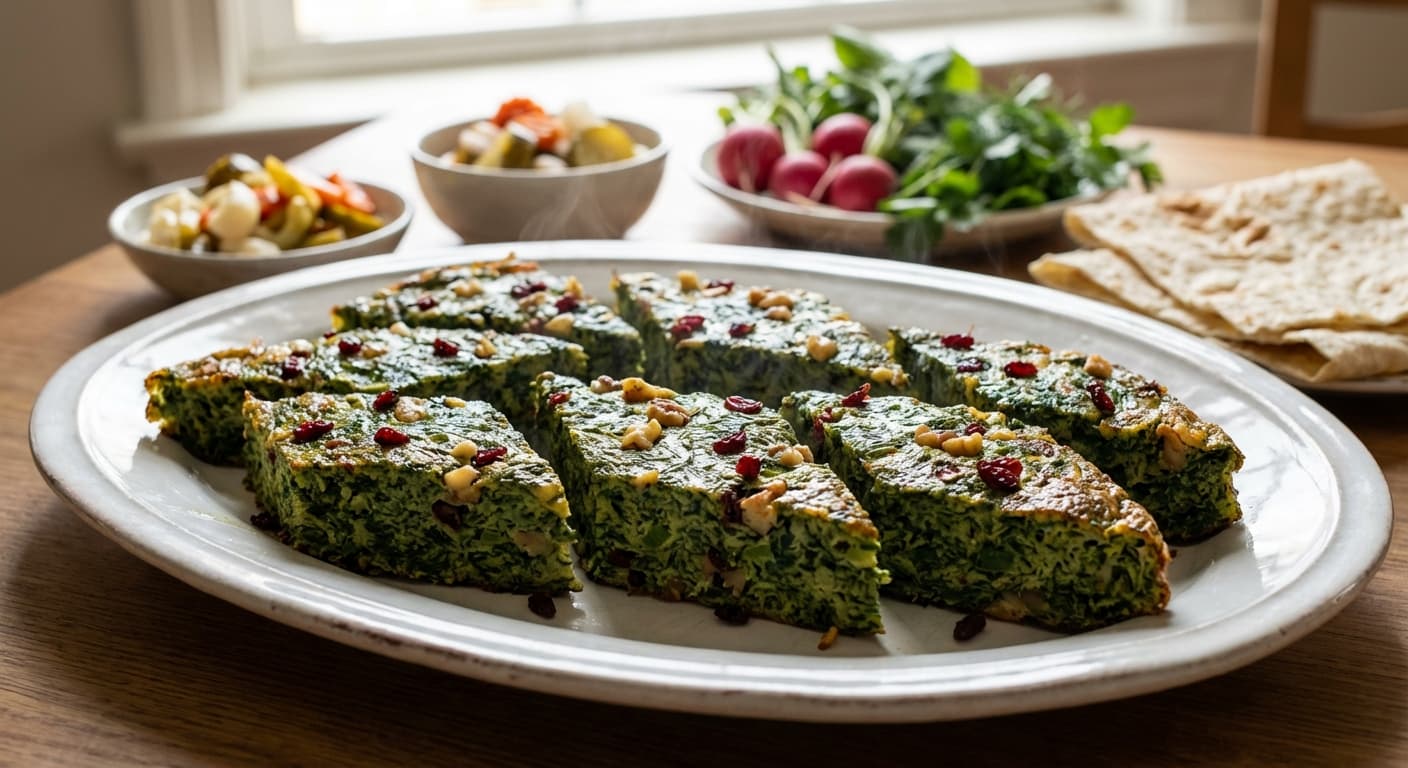
Kuku Sabzi (کوکو سبزی) — Emerald Persian Herb Frittata
Persian · Main Courses · 38 min
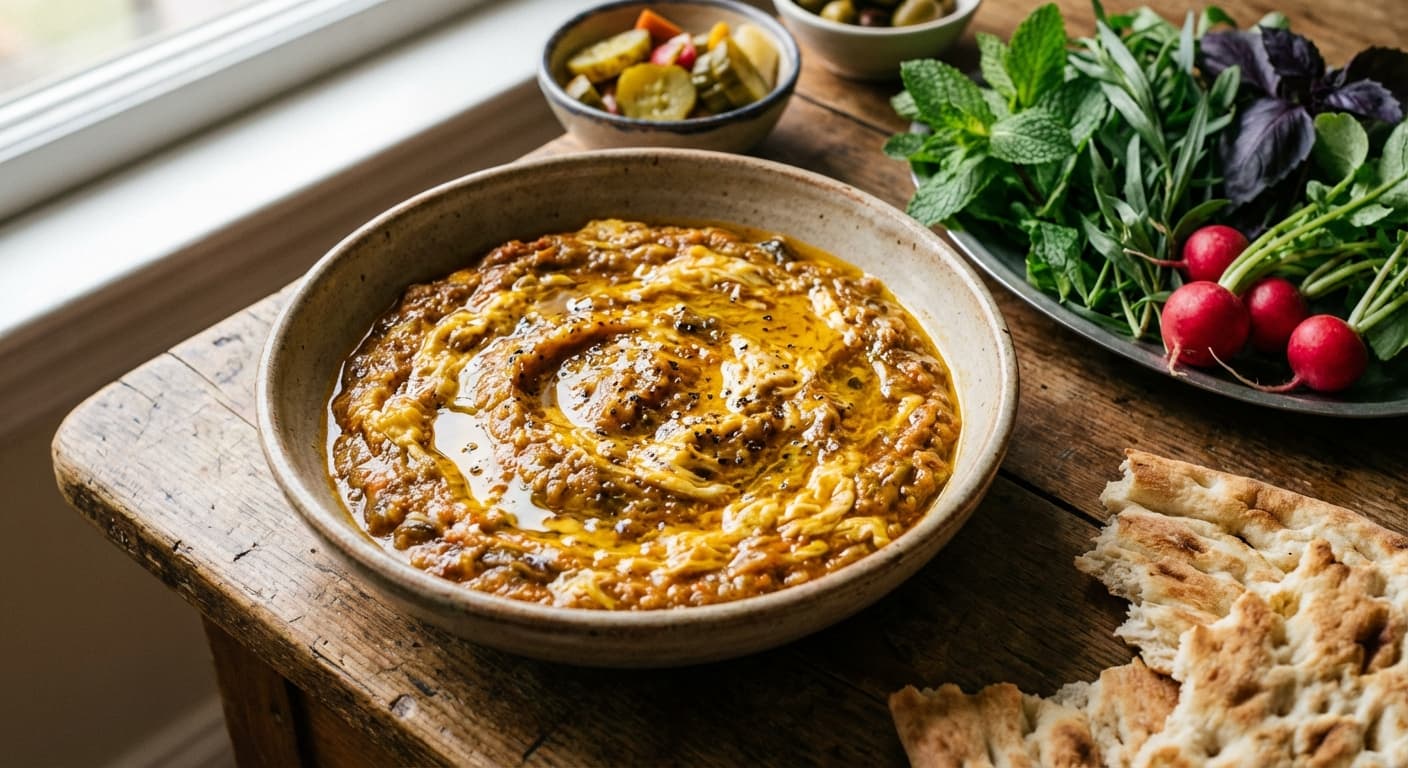
Smoked Silk Mirza Ghasemi (میرزا قاسمی) — Silky smoked eggplant with tomato, garlic, and eggs
Persian · Appetizers · 60 min
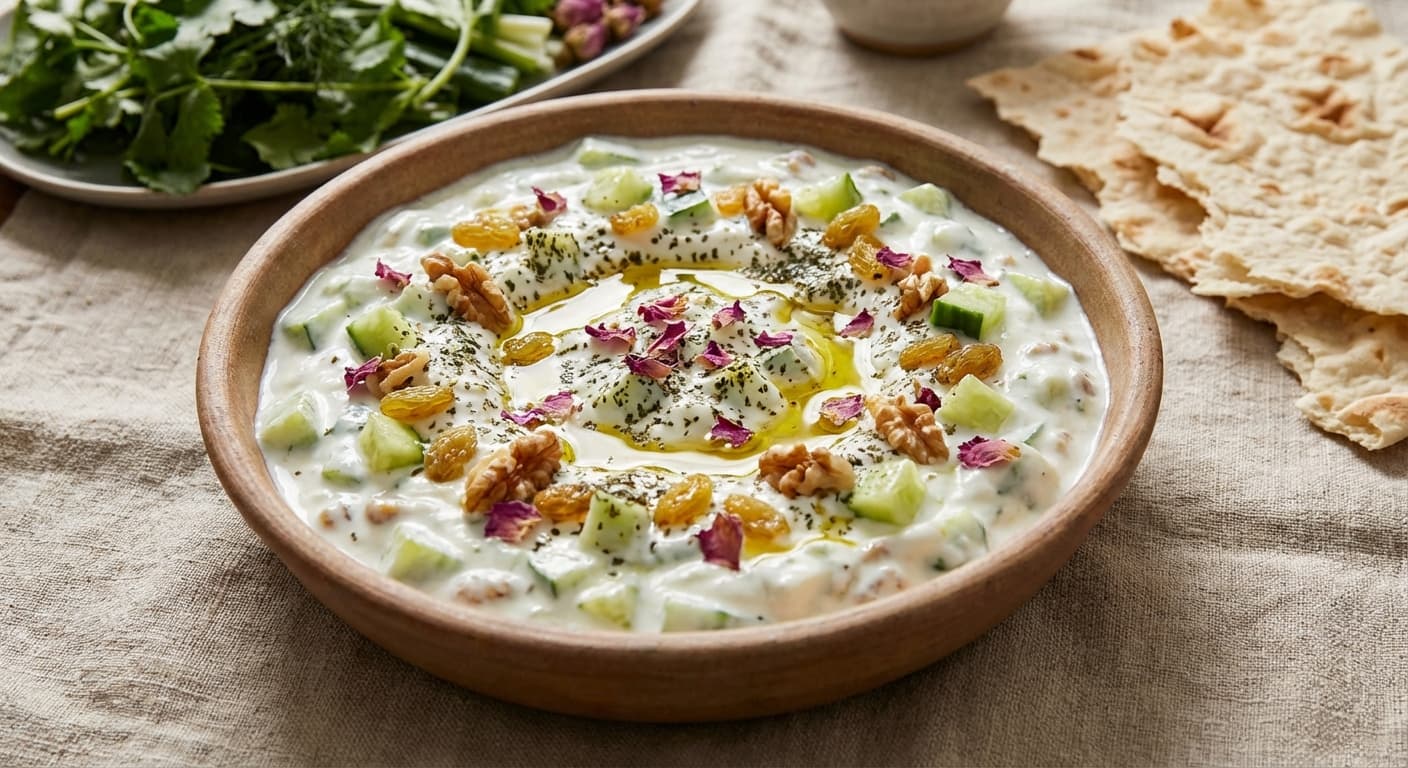
Mast-o-Khiar (ماست و خیار) — Persian Cucumber and Herb Yogurt Dip
Persian · Side Dishes · 25 min
Indonesian Fried Rice (Nasi Goreng) — Sweet Soy Street-Style Rice
Indonesian · Rice Dishes · 35 min
Seafood Rice (Arroz de Marisco) — Saucy Portuguese Shellfish Rice
Portuguese · Rice Dishes · 65 min
Smoky Eggplant Salad (Patlıcan Salatası) — Turkish charred eggplant with garlic and olive oil
Turkish · Salads · 40 min
Cacık (Yoğurtlu Salatalık Mezesi) — Chilled Turkish Yogurt, Cucumber & Mint Dip
Turkish · Appetizers · 15 min
Romanian Polenta (Mămăligă) — Firm Cornmeal Porridge
Romanian · Side Dishes · 30 min
Reviews
Cooked this recipe?
Tap the stars to rate it — that's all it takes. A few words are welcome but optional.
No ratings yet. Cooked this one? Be the first to rate it — it takes one tap.