Salted Rice Balls (塩おにぎり) — Simple Japanese Hand-Pressed Rice
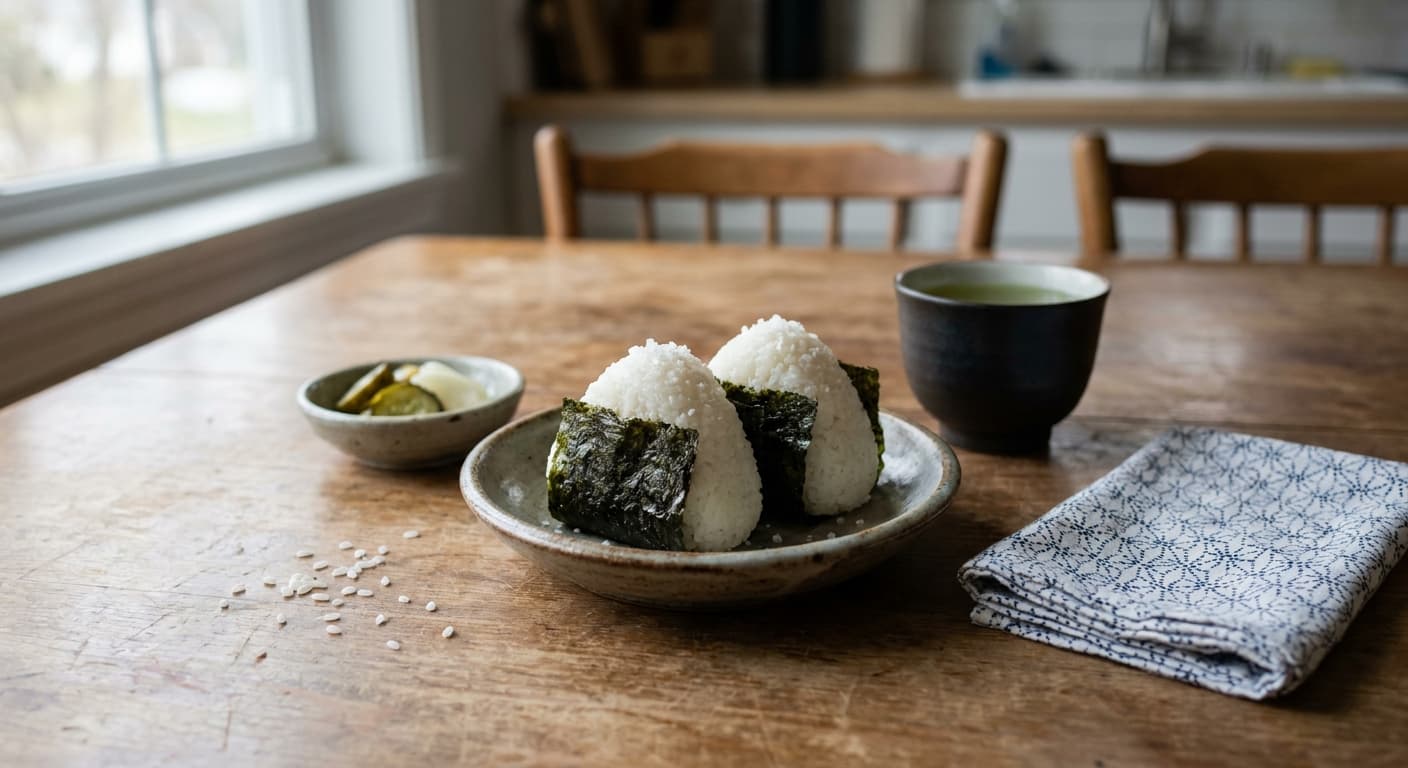
Shio onigiri is the most elemental form of Japanese rice ball: warm short-grain rice shaped by salted hands. It is everyday food for breakfasts, lunches, train trips, and obento, valued for clean rice flavor and careful technique.
Printable Recipe Card
Servings: 4 · Total: 65 min · Difficulty: easy
Ingredients (quick list)
- 360 g Japanese short-grain white rice
- 1 l cold water (for rinsing the rice)
- 8 g fine sea salt
Steps (summary)
- Place the rice in a bowl and add enough of the rinsing water to cover it. Swirl the rice gently with your fingers, pour off the…
- Drain the washed rice in a fine-mesh sieve for 10 minutes so the grains can absorb moisture evenly without becoming waterlogged…
- If using a rice cooker, cook on the standard white-rice setting and let the rice rest for 10 minutes after the cycle ends. If u…
- Fluff the rice with a rice paddle using cutting and folding motions, keeping the grains distinct and glossy. Spread the rice sl…
- Divide the hot rice into 8 equal portions of about 100 g each. Keep a small bowl with 120 ml cold water beside you and place th…
- Moisten both hands lightly with water, then rub about 1 g salt across your palms and fingers. Place one rice portion in your ha…
+ 1 more steps in the full instructions section below.
Cultural Background
Shio onigiri reflects the Japanese preference for disciplined simplicity: good rice, clean water, and salt handled with care. It is a staple of home kitchens, school lunches, train travel, and obento culture.
Equipment
💡 Tips
- Use freshly cooked Japanese short-grain rice, not long-grain rice, because the natural stickiness is essential for holding the shape.
- Do not squeeze the rice hard; firm, even pressure creates a stable onigiri while preserving the tender grain texture.
- Salt your hands rather than mixing salt into the rice, because this seasons the outside and gives shio onigiri its clean, traditional flavor.
⚠️ Common Mistakes
❌ Using rice that is too cool or dry.
✅ Fix: Shape the onigiri while the rice is still warm and pliable, and keep the bowl loosely covered if you are working slowly.
❌ Crushing the rice with too much force.
✅ Fix: Use repeated gentle pressure and turn the rice between presses so the outside firms up while the center stays tender.
❌ Adding too much water to the hands.
✅ Fix: Moisten hands lightly, then shake off excess water before salting, because wet hands can make the surface mushy.
🧊 How to Store
Shio onigiri is best the day it is made. Store cooled rice balls wrapped individually at cool room temperature for up to 6 hours, or refrigerate up to 24 hours and reheat covered with a damp towel in a microwave for 30 to 45 seconds.
📅 Make Ahead
Wash and soak the rice up to 2 hours ahead, then cook and shape close to serving. Onigiri can be formed a few hours before an obento if cooled fully before wrapping.
🍽️ Pairs Well With
- Miso soup
- Japanese pickles
- grilled salmon
- rolled omelet
- green tea.
Regional Variations
- Triangular onigiri is common in many eastern Japanese home and convenience-store styles.
- Round or barrel-shaped onigiri is often seen in western Japanese home cooking and packed meals.
- The same salted rice base may be grilled until crisp for a simple toasted rice ball variation.
Ingredients
- 360 gJapanese short-grain white rice
- 1 lcold water (for rinsing the rice)
- 8 gfine sea salt
🔄 Substitutions
- Japanese short-grain white rice→ medium-grain Calrose rice
- fine sea salt→ fine kosher salt
Instructions
- 1
Place the rice in a bowl and add enough of the rinsing water to cover it. Swirl the rice gently with your fingers, pour off the cloudy water, and repeat 4 to 5 times until the water is only lightly cloudy rather than milky.
- 2
Drain the washed rice in a fine-mesh sieve for 10 minutes so the grains can absorb moisture evenly without becoming waterlogged. Transfer the rice to a heavy saucepan or rice cooker bowl, add 430 ml cold water, and let it soak for 30 minutes before cooking.
- 3
If using a rice cooker, cook on the standard white-rice setting and let the rice rest for 10 minutes after the cycle ends. If using a saucepan, bring the rice and water to a boil over medium heat, cover tightly, reduce the heat to low, cook for 12 minutes, then turn off the heat and rest covered for 10 minutes.
- 4
Fluff the rice with a rice paddle using cutting and folding motions, keeping the grains distinct and glossy. Spread the rice slightly in the cooker bowl or a wide bowl and cool it for 5 minutes, because onigiri shapes best when the rice is hot but comfortable enough to handle.
- 5
Divide the hot rice into 8 equal portions of about 100 g each. Keep a small bowl with 120 ml cold water beside you and place the 8 g fine sea salt in a separate small dish so you can control the seasoning precisely.
- 6
Moisten both hands lightly with water, then rub about 1 g salt across your palms and fingers. Place one rice portion in your hands and press it into a firm triangle, oval, or round shape with 3 to 4 gentle turns, compacting the surface without crushing the grains.
- 7
Repeat with the remaining rice portions, moistening and salting your hands each time so the rice does not stick and each onigiri is evenly seasoned. Serve while still slightly warm, or cool uncovered until room temperature before packing so trapped steam does not make the surface wet.
🪪 Recipe Passport
Cultural Background
Shio onigiri reflects the Japanese preference for disciplined simplicity: good rice, clean water, and salt handled with care. It is a staple of home kitchens, school lunches, train travel, and obento culture.
Regional Variations
Researched from multiple sources and validated by the Zaffaron editorial team. Every recipe is tested for accuracy, measurements, and cultural authenticity.
📚 Sources & Cultural References
- Elizabeth Andoh — Washoku: Recipes from the Japanese Home Kitchen — (2005)
- Shizuo Tsuji — Japanese Cooking: A Simple Art — (1980)
Sources cited by the Zaffaron editorial team during recipe research. Cultural and culinary references supporting authenticity claims.
Nutrition per serving
Pairs well with
If you enjoyed this recipe, here are a few related Zaffaron recipes to try next.
Does your family make this differently?
Every family has their own version. Maybe your grandmother adds a secret ingredient, or your aunt has a completely different technique. Preserve your family's version — with their name on it, forever.
You Might Also Like
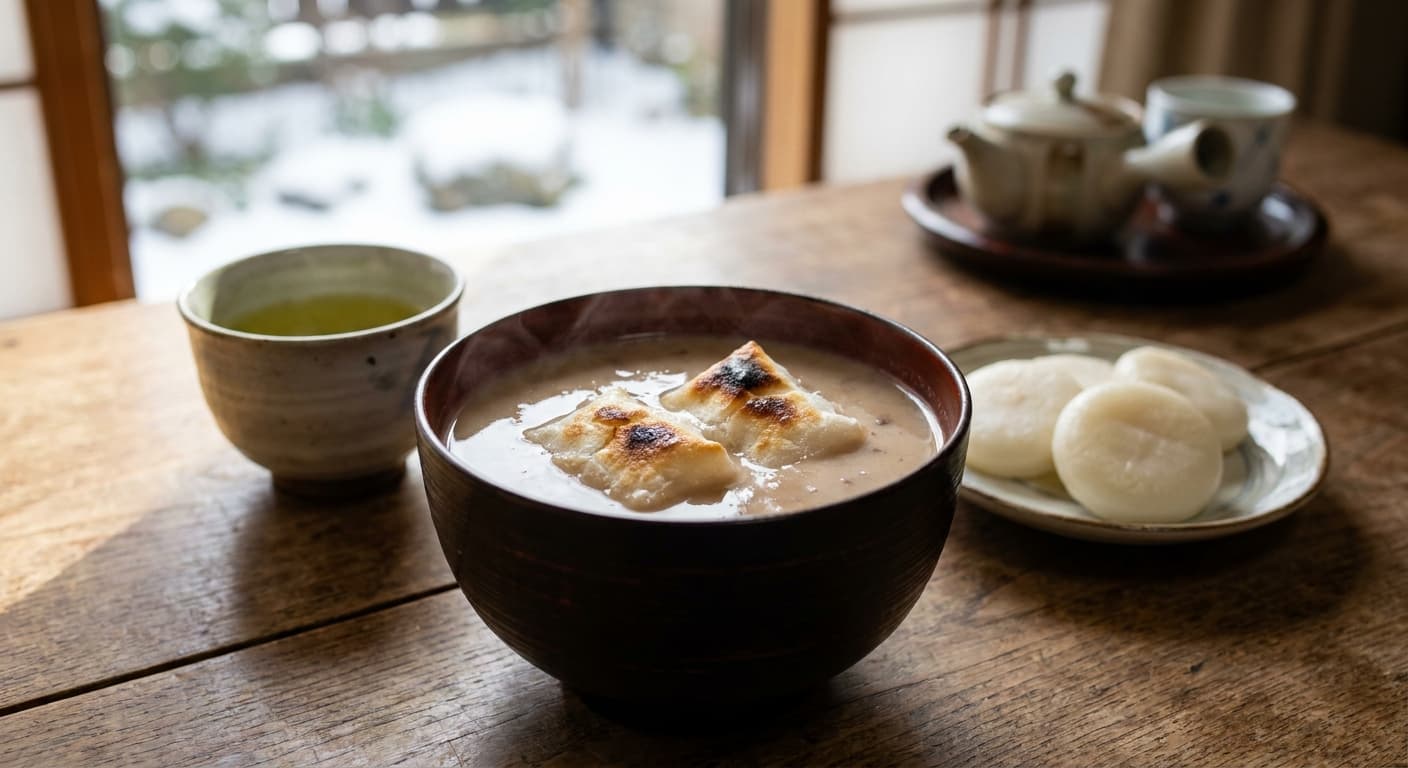
Kurumi Shiruko (くるみ汁粉) — Sendai-Style Sweet Walnut Azuki Soup with Mochi
Japanese · Desserts · 120 min
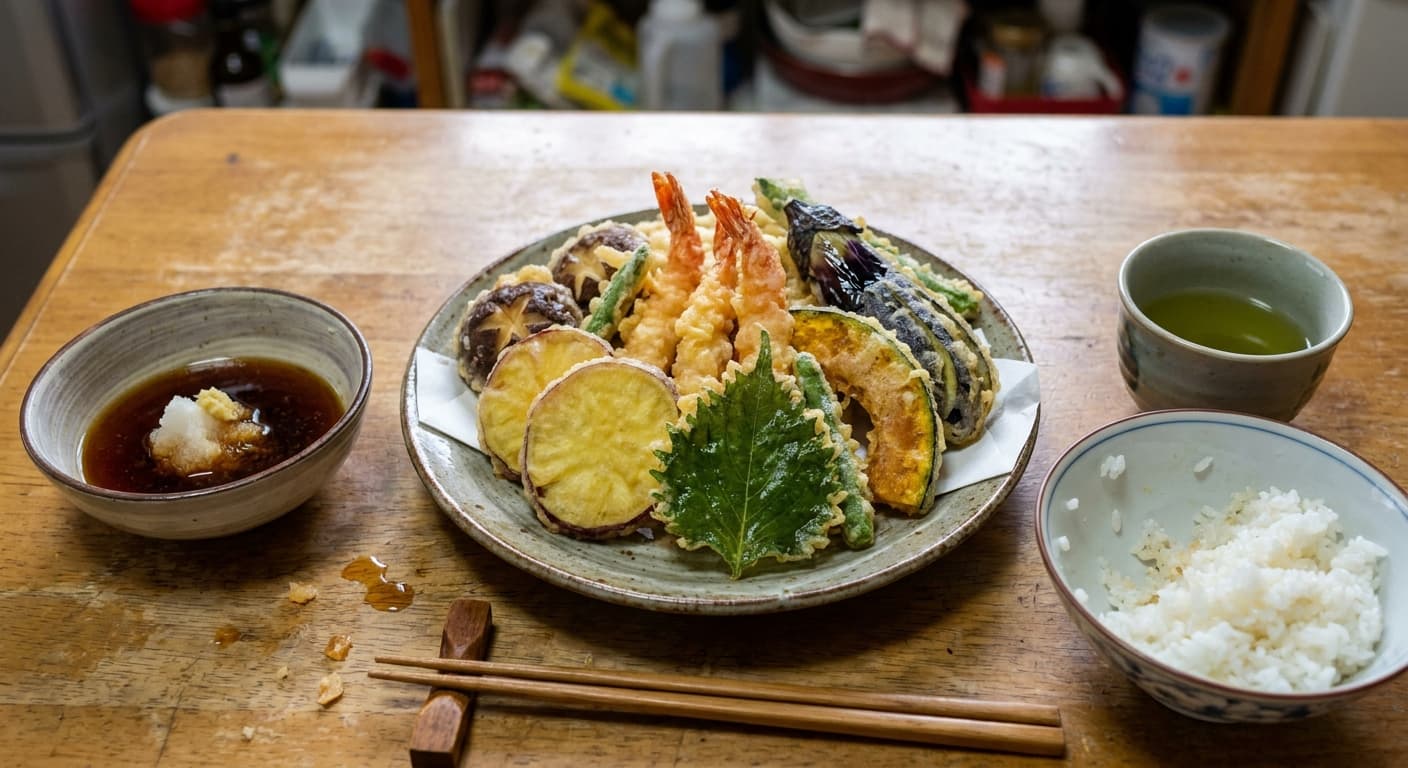
Tempura Moriawase (天ぷら盛り合わせ) — Assorted Shrimp and Vegetable Tempura
Japanese · Main Courses · 60 min
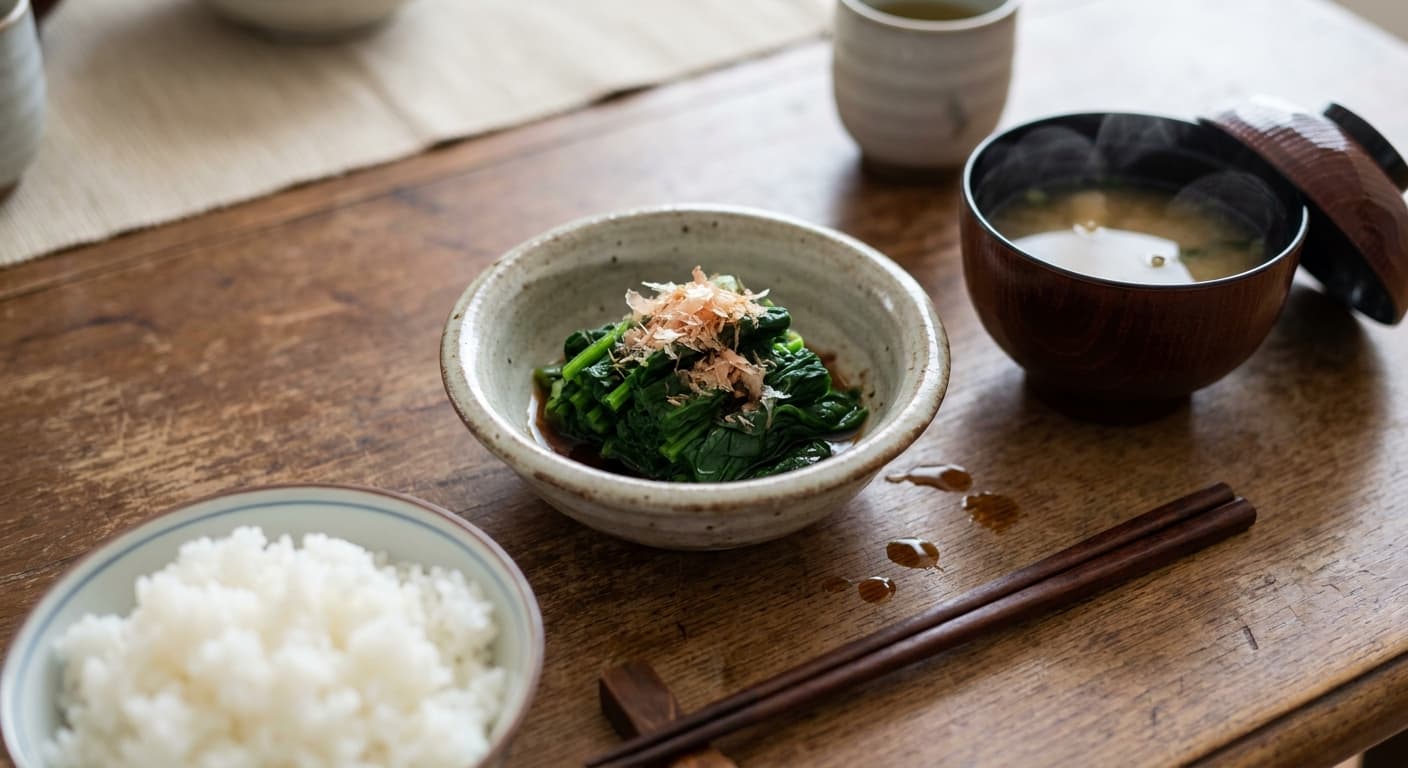
Ohitashi (お浸し) — Japanese Blanched Spinach with Bonito Dashi and Soy
Japanese · Side Dishes · 20 min
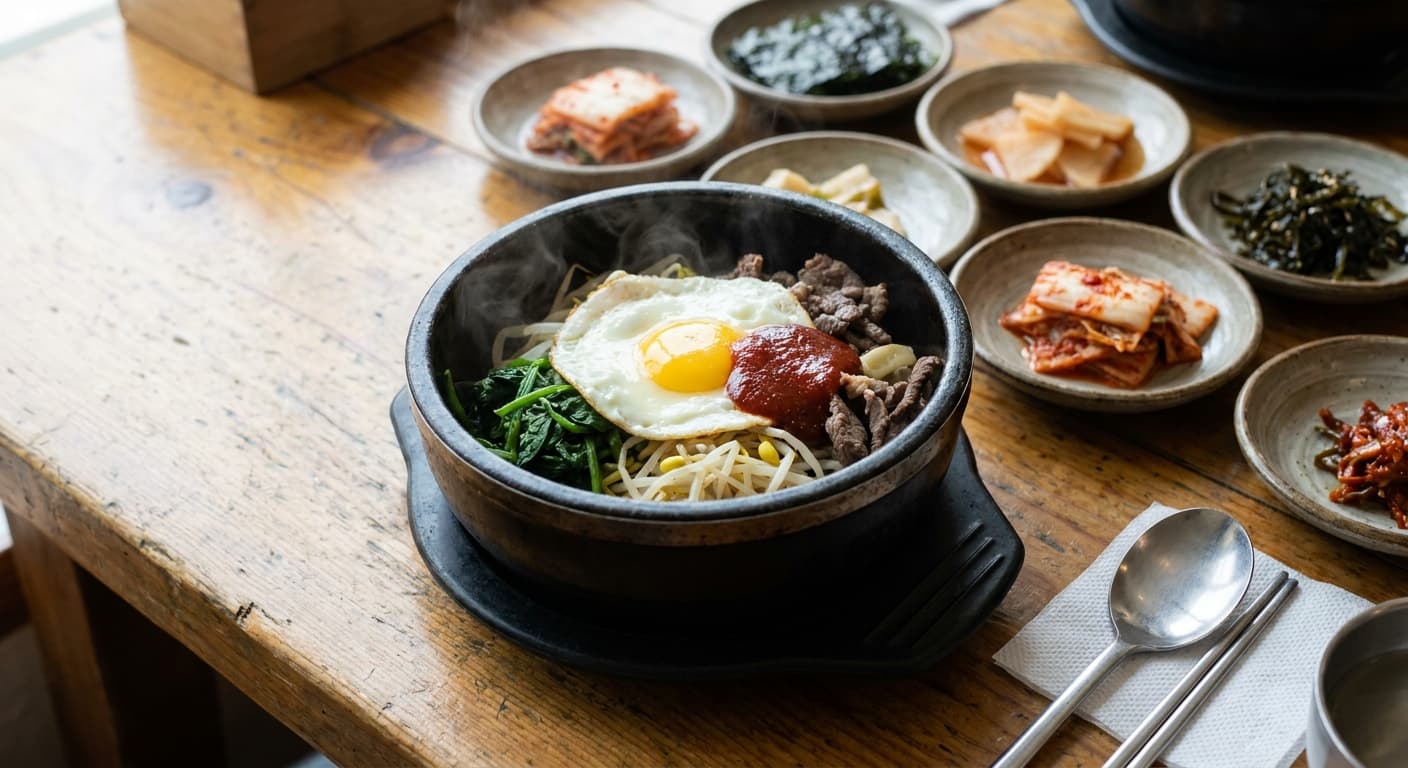
Bibimbap (비빔밥) — Korean Mixed Rice Bowl
Korean · Rice Dishes · 80 min
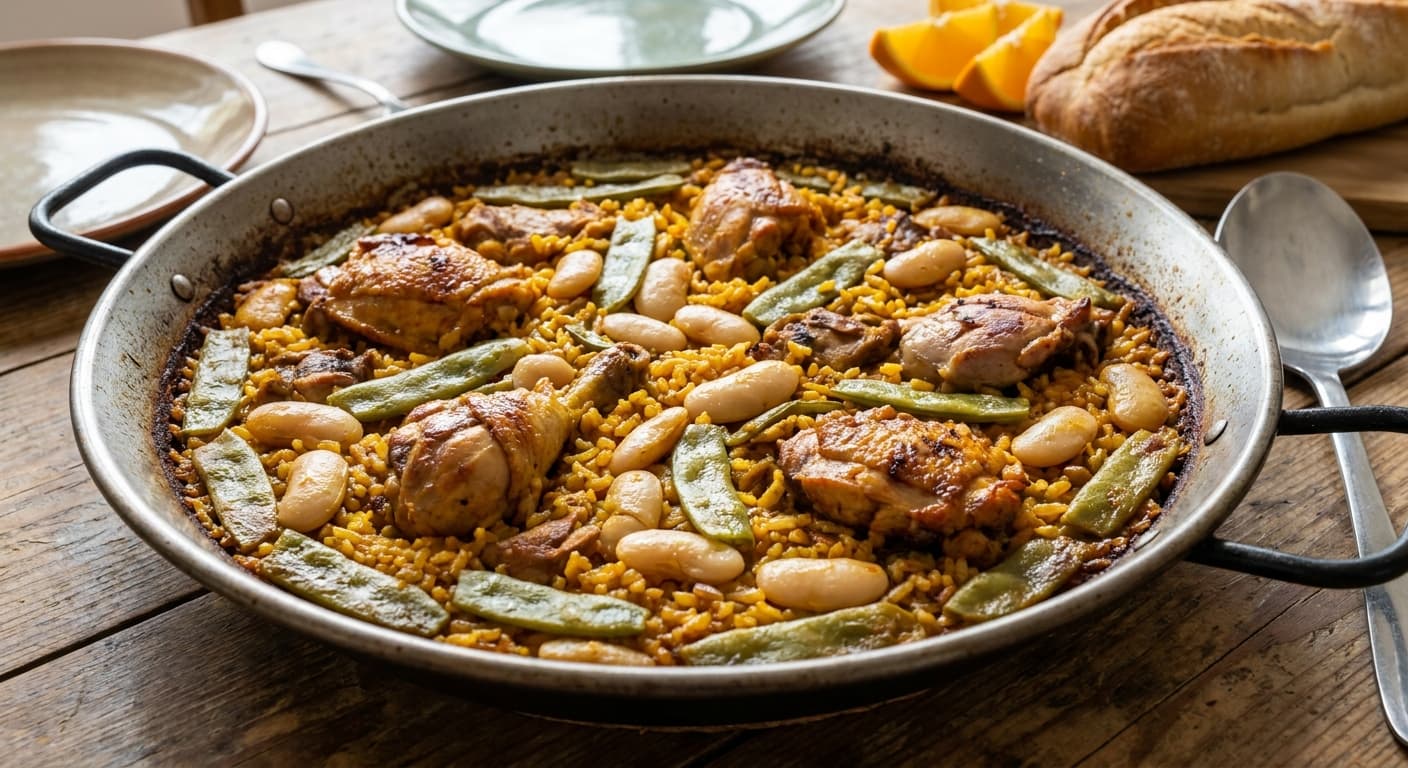
Valencian Paella (Paella Valenciana) — Saffron Rice with Rabbit, Chicken, and Beans
Spanish · Rice Dishes · 70 min
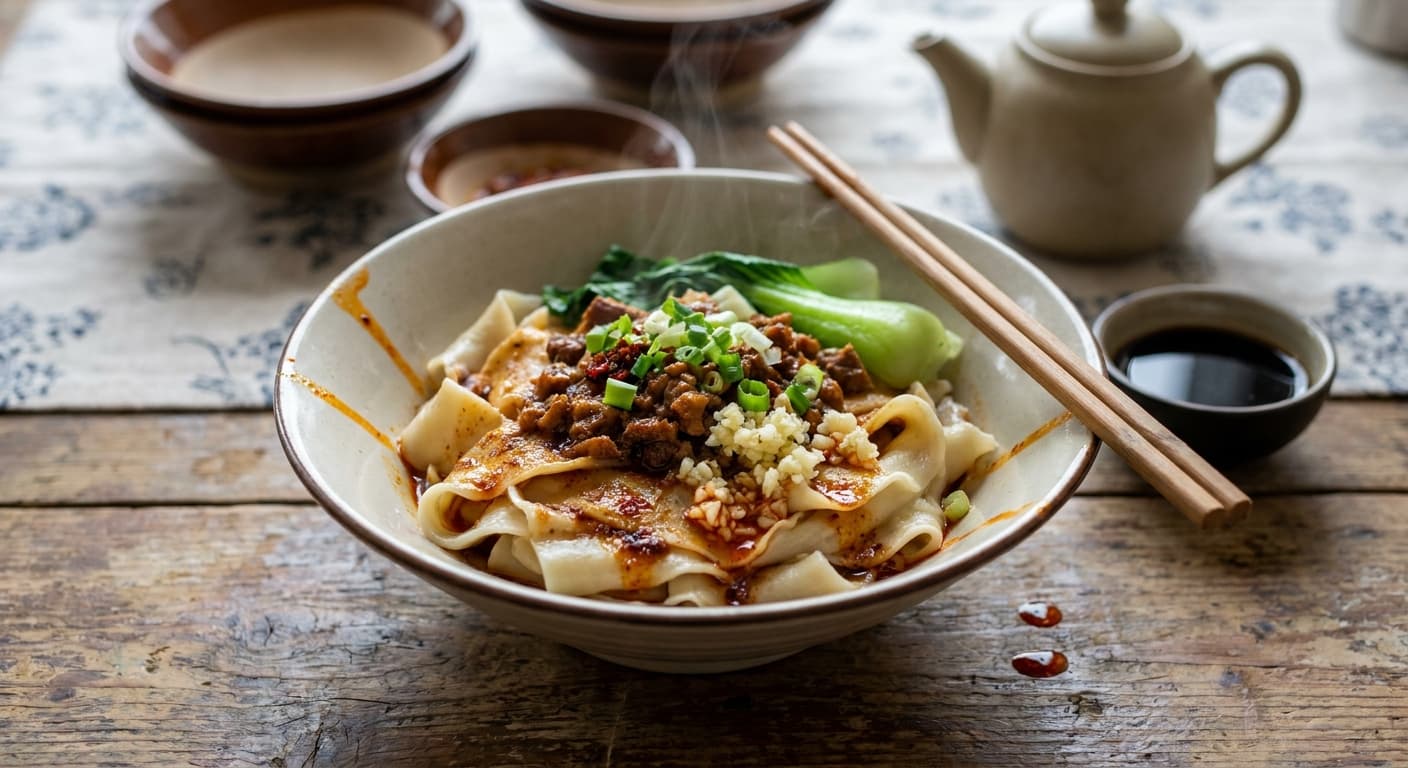
Biangbiang Noodles (油泼扯面) — Xi'an Hand-Pulled Belt Noodles
Chinese · Main Courses · 65 min
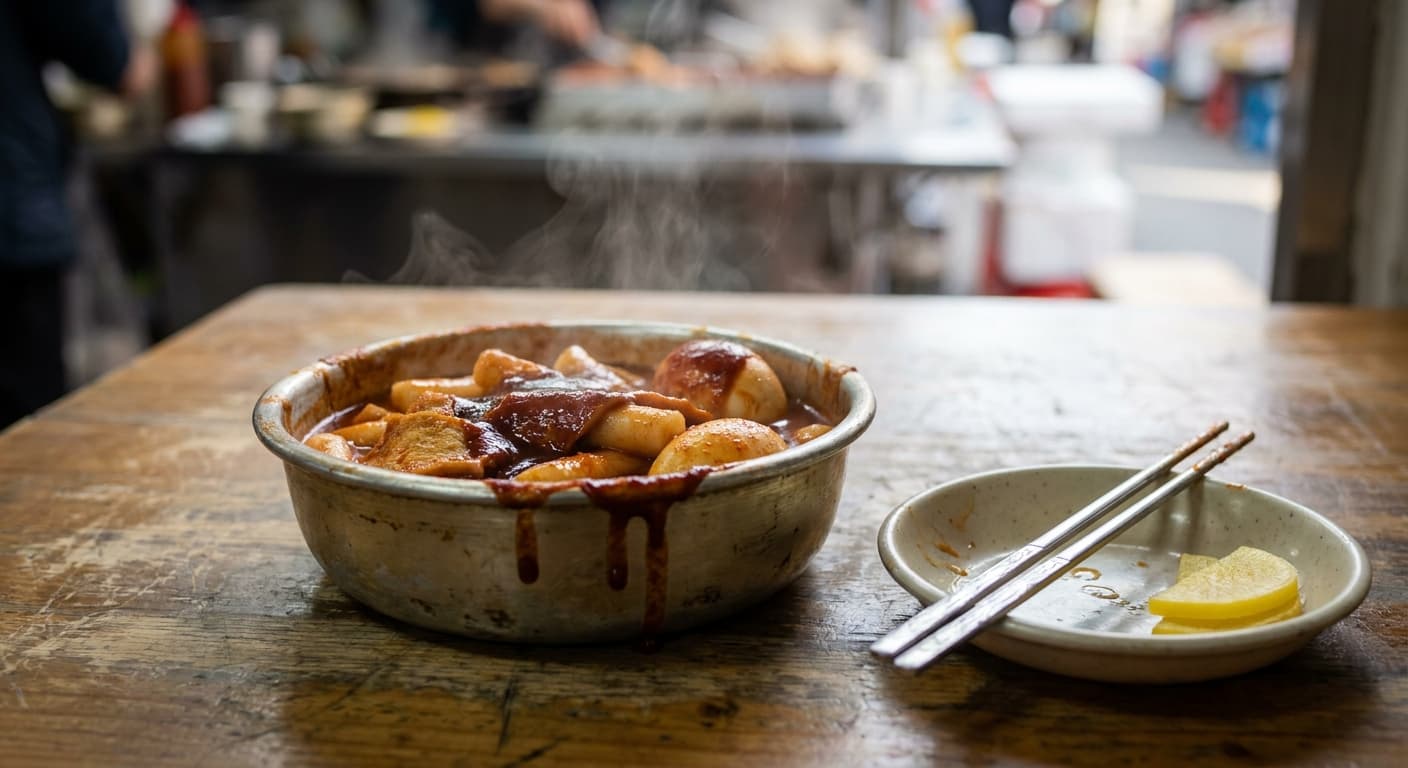
Tteokbokki (떡볶이) — Spicy Korean Rice Cakes
Korean · Main Courses · 45 min
Sprat Sandwich (Kiluvõileib) — Estonian Rye and Baltic Sprat Open-Face
Estonian · Appetizers · 25 min
Reviews
Cooked this recipe?
Tap the stars to rate it — that's all it takes. A few words are welcome but optional.
No ratings yet. Cooked this one? Be the first to rate it — it takes one tap.