Yudofu (湯豆腐) — Japanese Simmered Tofu Hot Pot
Yudofu is a quiet Japanese hot pot associated with Kyoto temple cooking and cold-weather home meals. Tofu is gently warmed in kombu dashi, then eaten with bright ponzu and simple grated garnishes.
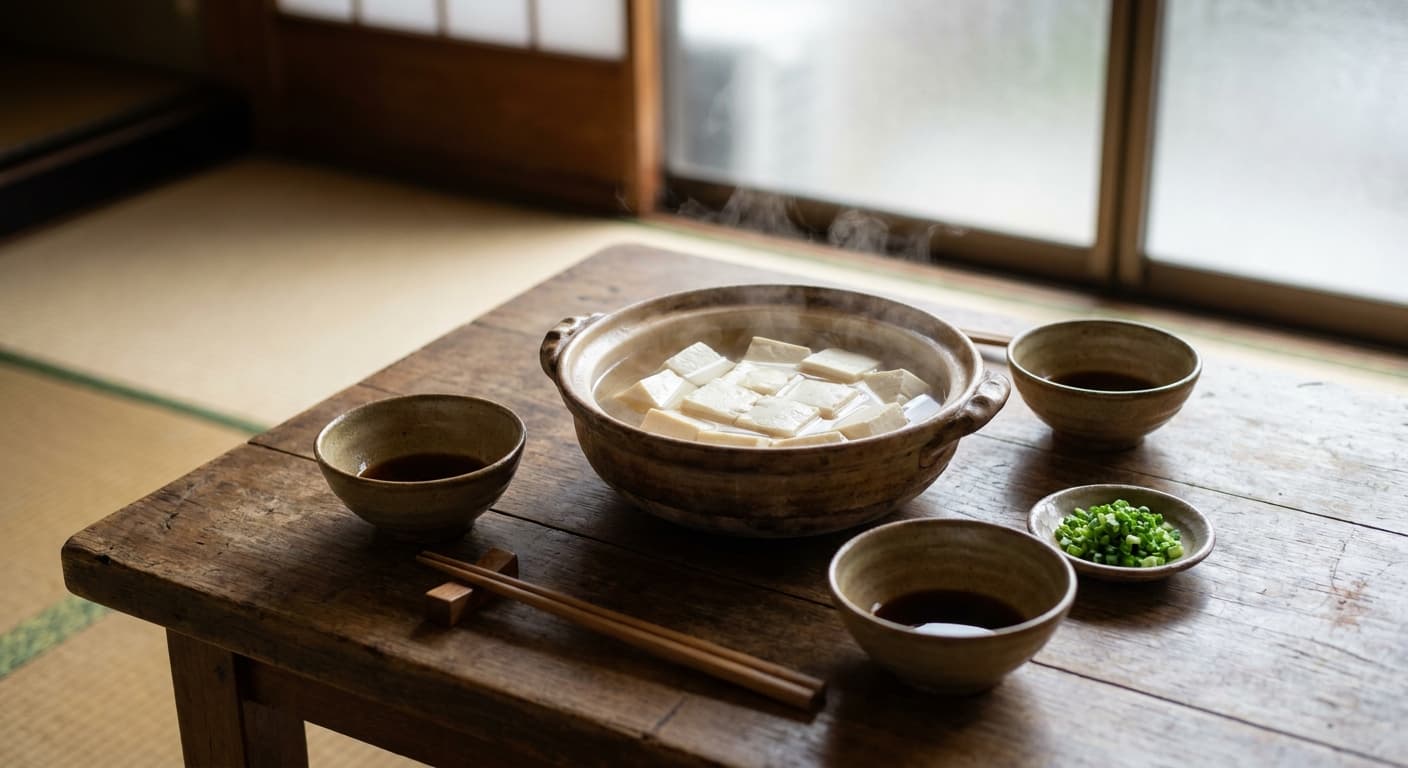
Printable Recipe Card
Servings: 4 · Total: 60 min · Difficulty: easy
Ingredients (quick list)
- 15 g dried kombu for kombu dashi (wiped gently with a barely damp cloth)
- 1200 ml water
- 800 g firm silken tofu (drained and cut into 4 cm cubes)
- 45 ml mirin
- 90 ml Japanese soy sauce
- 60 ml fresh yuzu juice
- 30 ml rice vinegar
- 5 g dried kombu for ponzu infusion
- 200 g daikon radish (peeled and finely grated)
- 3 scallions (thinly sliced)
- 1 inch fresh ginger (peeled and finely grated)
Steps (summary)
- Place the 15 g dried kombu and 1200 ml water in a donabe or wide heavy pot, and let it soak for 30 minutes at room temperature.…
- Make the ponzu while the kombu dashi is soaking. Bring the 45 ml mirin to a brief simmer in a small saucepan for 60 seconds, re…
- Prepare the tofu and garnishes before heating the pot, because yudofu is best served immediately once the tofu is warm. Cut the…
- Set the pot of soaked kombu and water over medium-low heat and warm it slowly until small bubbles begin to appear around the ko…
- Carefully lower the tofu cubes into the hot kombu dashi in a single loose layer. Keep the heat low and simmer very gently for 6…
- Divide the ponzu into four small dipping bowls, using about 45 ml per bowl and keeping the remaining sauce nearby. Add 50 g gra…
+ 1 more steps in the full instructions section below.
Cultural Background
Yudofu is closely linked with Kyoto, especially temple-area restaurants where tofu and kombu are treated with restraint. Its appeal lies in seasonal simplicity, shared warmth, and the clarity of good soybean flavor.
Equipment
💡 Tips
- Keep the liquid below a hard boil so the tofu stays smooth and custard-like rather than pitted or broken.
- Use fresh, fragrant kombu and soak it before heating; this gives a cleaner kombu dashi than rushing it over high heat.
- Warm the serving bowls with hot water for 2 minutes before serving if your kitchen is cold, because yudofu loses heat quickly.
⚠️ Common Mistakes
❌ Boiling the kombu dashi hard
✅ Fix: Remove the kombu before boiling and keep the broth at a gentle simmer to avoid bitterness and a slimy texture.
❌ Using tofu that is too fragile
✅ Fix: Choose firm silken tofu or medium-firm tofu, and lower it into the pot carefully with a spoon.
❌ Making the ponzu too sharp
✅ Fix: Use the measured mirin and let the kombu infuse for 20 minutes so the citrus and soy are rounded rather than harsh.
🧊 How to Store
Store leftover tofu in its kombu dashi in an airtight container for up to 2 days. Reheat gently over low heat until steaming, and keep ponzu separate so the tofu does not become salty or acidic.
📅 Make Ahead
The ponzu can be made 1 day ahead and refrigerated. The kombu can be soaked in the measured water up to 8 hours in the refrigerator before gentle heating.
🍽️ Pairs Well With
- Steamed Japanese rice
- cucumber sunomono
- simmered greens
- pickled daikon
- hot green tea.
Regional Variations
- Kyoto temple-style yudofu is often very spare, with tofu warmed only in kombu dashi and served with ponzu or soy-based dipping sauce.
- Home-style winter versions may add 100 g mizuna or 4 fresh shiitake mushrooms during the final 3 minutes of simmering.
- Some restaurant versions offer a richer dipping sauce with bonito, but that changes the dish from vegan kombu-based yudofu to a fish-seasoned variation.
Ingredients
- 15 gdried kombu for kombu dashi (wiped gently with a barely damp cloth)
- 1200 mlwater
- 800 gfirm silken tofu (drained and cut into 4 cm cubes)
- 45 mlmirin
- 90 mlJapanese soy sauce
- 60 mlfresh yuzu juice
- 30 mlrice vinegar
- 5 gdried kombu for ponzu infusion
- 200 gdaikon radish (peeled and finely grated)
- 3scallions (thinly sliced)
- 1 inchfresh ginger (peeled and finely grated)
🔄 Substitutions
- Japanese soy sauce→ gluten-free tamari
- fresh yuzu juice→ 45 ml lemon juice plus 15 ml lime juice
- mirin→ 30 ml water mixed with 12 g sugar and 5 ml rice vinegar
Instructions
- 1
Place the 15 g dried kombu and 1200 ml water in a donabe or wide heavy pot, and let it soak for 30 minutes at room temperature. Wipe the kombu gently before soaking, but do not scrub off all the pale surface bloom because it contributes savory depth to the kombu dashi.
- 2
Make the ponzu while the kombu dashi is soaking. Bring the 45 ml mirin to a brief simmer in a small saucepan for 60 seconds, remove it from the heat, then stir in the soy sauce, yuzu juice, rice vinegar, and 5 g kombu; let the mixture infuse for 20 minutes before removing the kombu.
- 3
Prepare the tofu and garnishes before heating the pot, because yudofu is best served immediately once the tofu is warm. Cut the tofu into even 4 cm cubes, grate the daikon and ginger finely, and slice the scallions as thinly as possible.
- 4
Set the pot of soaked kombu and water over medium-low heat and warm it slowly until small bubbles begin to appear around the kombu, ideally around 75 to 80 C. Remove the kombu before the liquid boils, because boiling kombu can make the broth taste harsh and slippery.
- 5
Carefully lower the tofu cubes into the hot kombu dashi in a single loose layer. Keep the heat low and simmer very gently for 6 to 8 minutes, until the tofu is heated through but not jostling or breaking apart.
- 6
Divide the ponzu into four small dipping bowls, using about 45 ml per bowl and keeping the remaining sauce nearby. Add 50 g grated daikon, one-quarter of the sliced scallions, and one-quarter of the grated ginger to each serving setup.
- 7
Serve the yudofu directly from the pot, lifting each tofu cube with a slotted spoon or small wire skimmer. Diners dip the hot tofu into ponzu, and a spoonful of hot kombu dashi can be added to the dipping bowl to soften the sauce as the meal continues.
🪪 Recipe Passport
Cultural Background
Yudofu is closely linked with Kyoto, especially temple-area restaurants where tofu and kombu are treated with restraint. Its appeal lies in seasonal simplicity, shared warmth, and the clarity of good soybean flavor.
Regional Variations
Researched from multiple sources and validated by the Zaffaron editorial team. Every recipe is tested for accuracy, measurements, and cultural authenticity.
📚 Sources & Cultural References
- Shizuo Tsuji — Japanese Cooking: A Simple Art — (1980)
- Elizabeth Andoh — Washoku: Recipes from the Japanese Home Kitchen — (2005)
Sources cited by the Zaffaron editorial team during recipe research. Cultural and culinary references supporting authenticity claims.
Nutrition per serving
Pairs well with
If you enjoyed this recipe, here are a few related Zaffaron recipes to try next.
Does your family make this differently?
Every family has their own version. Maybe your grandmother adds a secret ingredient, or your aunt has a completely different technique. Preserve your family's version — with their name on it, forever.
You Might Also Like
Tempura Moriawase (天ぷら盛り合わせ) — Assorted Shrimp and Vegetable Tempura
Japanese · Main Courses · 60 min
Ohitashi (お浸し) — Japanese Blanched Spinach with Bonito Dashi and Soy
Japanese · Side Dishes · 20 min
Goma-dofu (胡麻豆腐) — Shojin Sesame Kuzu Tofu
Japanese · Side Dishes · 28 min
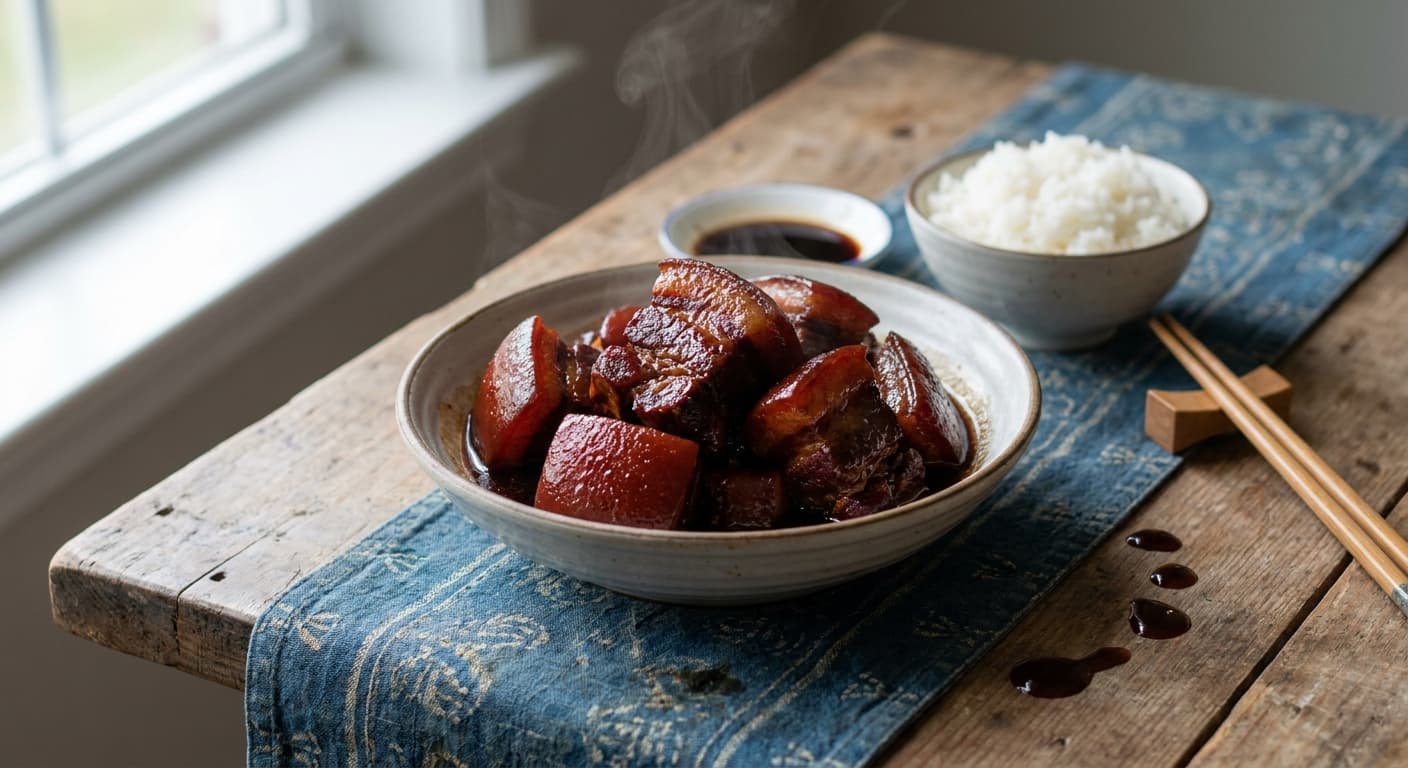
Dongpo Pork (东坡肉) — Hangzhou Red-Braised Pork Belly
Chinese · Main Courses · 205 min
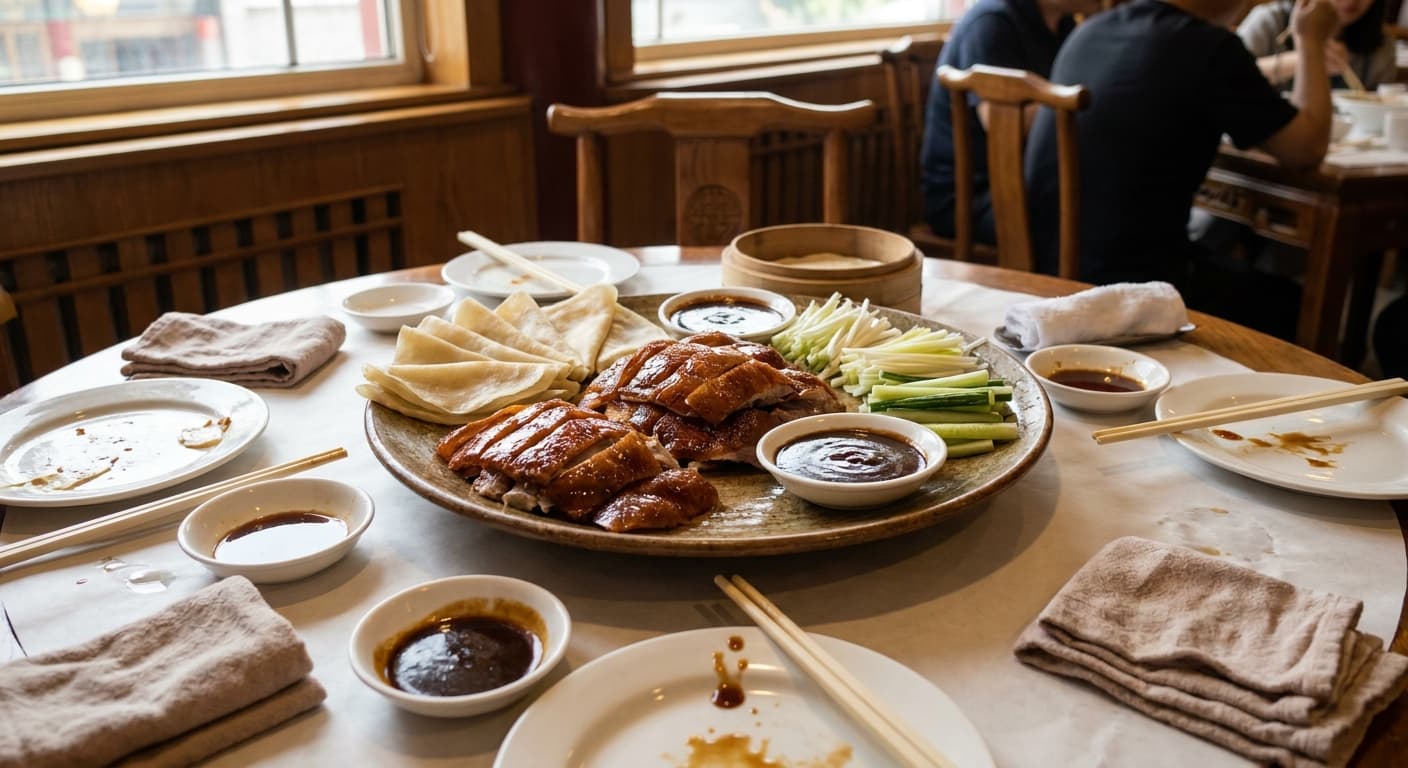
Peking Duck (北京烤鸭) — Crisp-Skinned Beijing Roast Duck
Chinese · Main Courses · 180 min
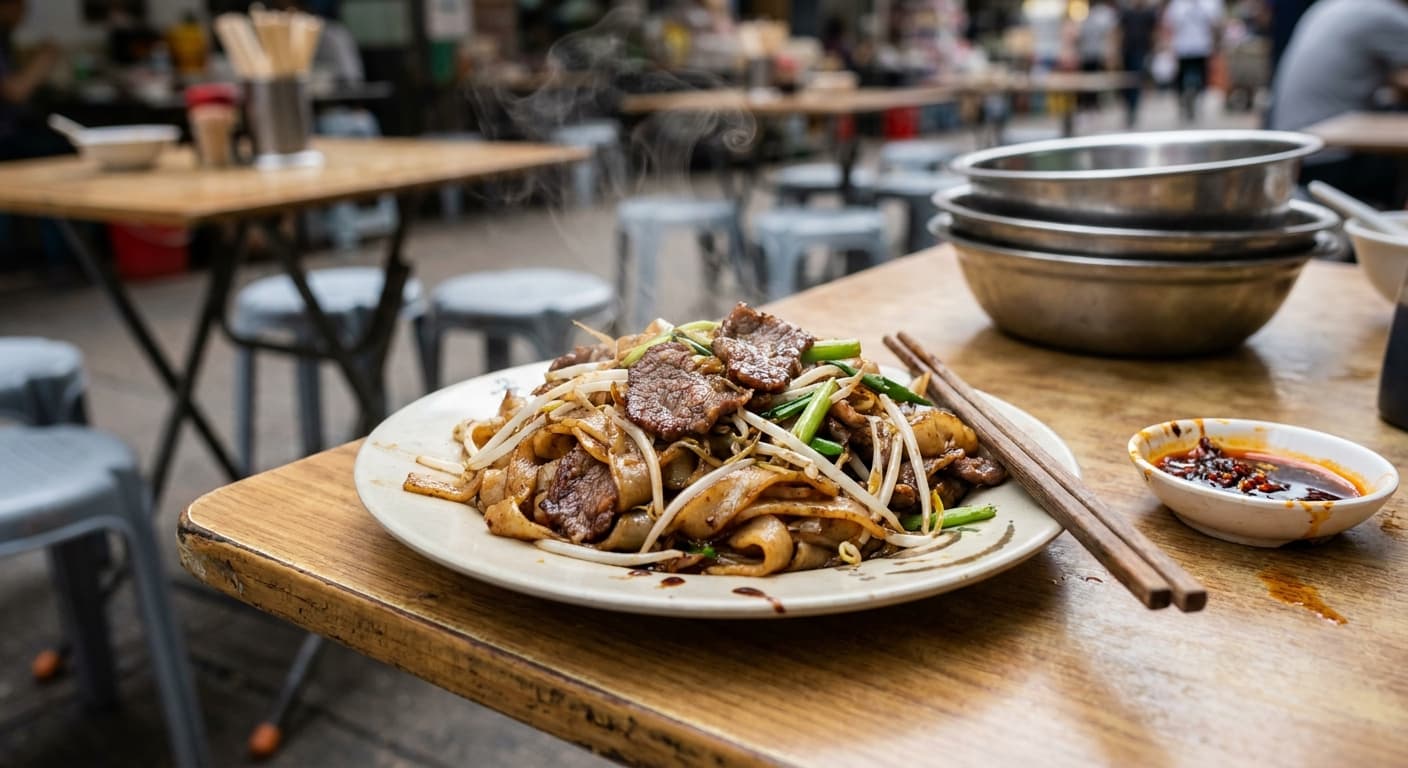
Beef Chow Fun (干炒牛河) — Cantonese Wok-Fried Rice Noodles with Beef
Chinese · Main Courses · 33 min
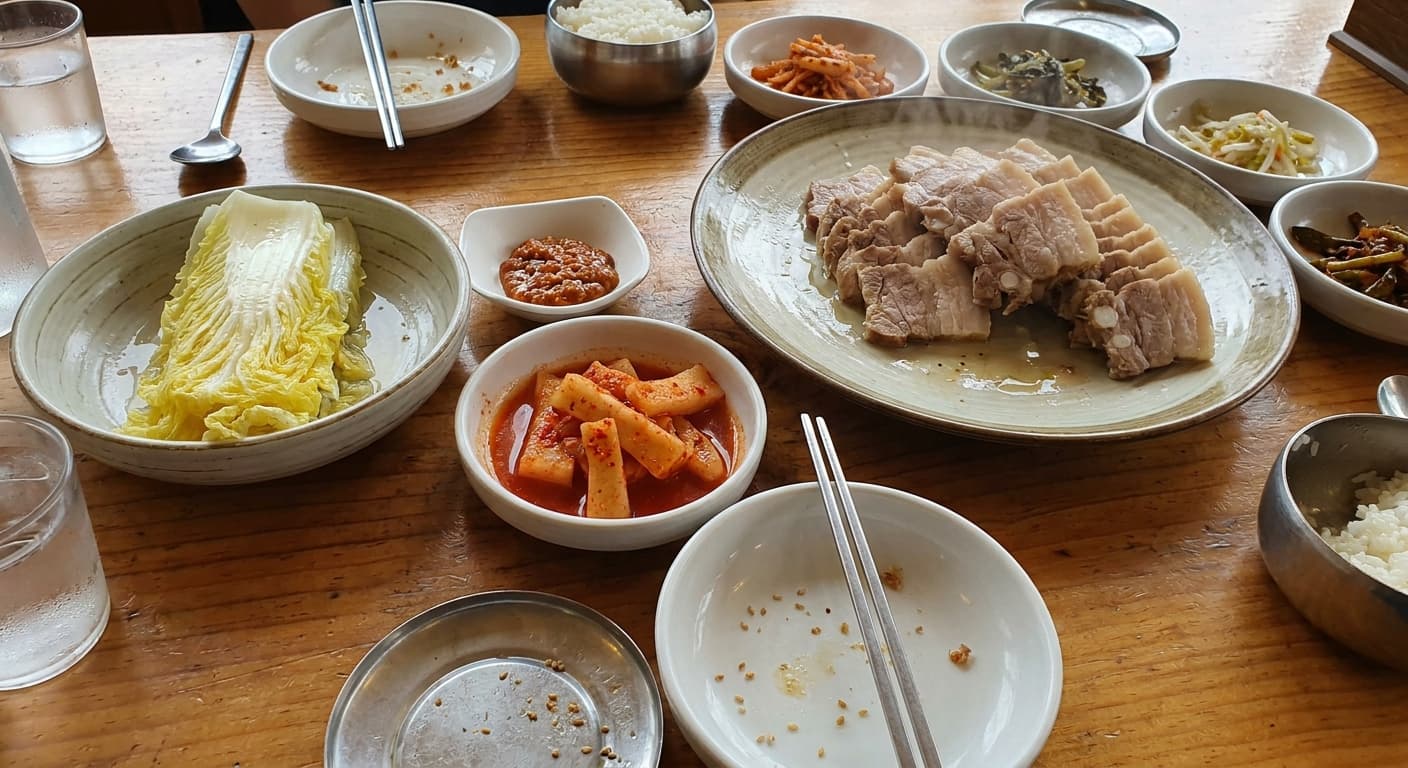
Bossam (보쌈) — Korean Boiled Pork Lettuce Wraps
Korean · Main Courses · 135 min

Authentic Kabab Koobideh (کباب کوبیده) — Persian Minced Lamb Skewers
Persian · Kebabs · 40 min
Reviews
Cooked this recipe?
Tap the stars to rate it — that's all it takes. A few words are welcome but optional.
No ratings yet. Cooked this one? Be the first to rate it — it takes one tap.