Hanami Dango (花見団子) — Three-Color Cherry Blossom Rice Dumplings
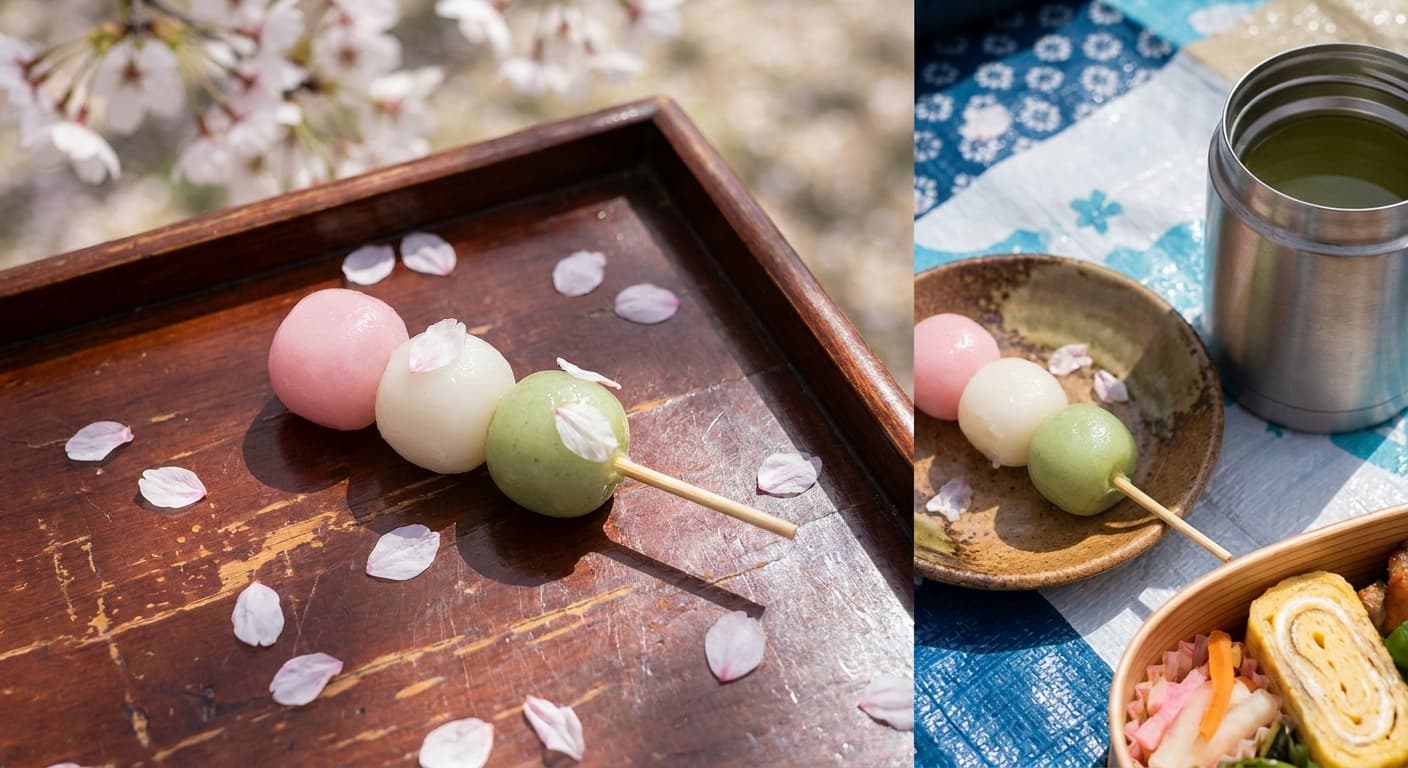
Hanami dango are soft, chewy three-color rice dumplings served during Japanese cherry-blossom viewing. Pink, white, and green symbolize spring color, purity, and fresh growth.
Printable Recipe Card
Servings: 8 · Total: 45 min · Difficulty: medium
Ingredients (quick list)
- 180 g joshinko rice flour (Japanese non-glutinous rice flour)
- 120 g shiratamako rice flour (Japanese glutinous rice flour)
- 90 g granulated sugar
- 1 g fine sea salt
- 250 ml warm water (240ml about 40 C, 2ml for diluting the color, 8ml for hydrating the mugwort)
- 1 drop pink gel food coloring
- 3 g dried mugwort powder (sifted)
- 2 l water (for boiling)
- 1 l ice water (for chilling the cooked dumplings)
- 8 bamboo skewers (15 cm length)
Steps (summary)
- Combine the joshinko, shiratamako, sugar, and salt in a large mixing bowl. Rub the mixture between your fingers for 1 minute to…
- Add the 240 ml warm water gradually while mixing with a spatula or your hand. Knead for 3 to 4 minutes until the dough feels sm…
- Weigh the dough and divide it into 3 equal portions. Keep one portion plain for the white dumplings, and cover all portions wit…
- Dilute the pink gel food coloring with 2 ml warm water, then knead it into one dough portion until the color is pale and even.…
- Divide each colored dough portion into 8 equal pieces, giving 24 pieces in total. Roll each piece between your palms into a smo…
- Bring 2 l water to a steady boil in a wide saucepan, then reduce the heat slightly so the water bubbles without violently break…
+ 2 more steps in the full instructions section below.
Cultural Background
These tri-color skewers are closely tied to hanami, the Japanese custom of gathering under blooming cherry trees. Their colors echo the season and make them a portable sweet for outdoor spring picnics.
Equipment
💡 Tips
- Add the water slowly because rice flour hydration varies by brand; the finished dough should be pliable, not sticky or crumbly.
- Keep the colors soft and pastel, since traditional hanami dango are delicate rather than brightly dyed.
- Do not over-chill the finished skewers, because refrigeration firms the rice starch and makes the dumplings less tender.
⚠️ Common Mistakes
❌ Adding all the water at once and making the dough sticky.
✅ Fix: Add the water gradually and stop when the dough is smooth and soft; knead in 5 g extra joshinko if it becomes tacky.
❌ Boiling the dumplings too aggressively.
✅ Fix: Use a steady simmer after the initial boil so the dumplings cook evenly without cracking or becoming misshapen.
❌ Serving the dumplings straight from the refrigerator.
✅ Fix: Let them return to room temperature or steam them briefly, because cold rice starch becomes firm.
🧊 How to Store
Hanami dango are best eaten within 6 hours. Store leftovers in an airtight container at room temperature for 1 day, or freeze for up to 1 month. Thaw, then steam for 2 minutes to restore chewiness.
📅 Make Ahead
Shape the uncooked dumplings up to 4 hours ahead and keep them covered with a damp towel at cool room temperature. Cook and skewer them shortly before serving for the best texture.
🍽️ Pairs Well With
- Green tea
- roasted barley tea
- fresh strawberries
- seasonal spring fruit.
Regional Variations
- Some makers use matcha instead of mugwort for the green dumpling, giving a clearer tea aroma and brighter color.
- Natural-color versions may use strawberry powder for pink and mugwort for green, while festival versions often use a tiny amount of food coloring.
- In parts of Japan, the skewers are lightly glazed with syrup or served alongside sweet red bean paste, though plain tri-color dango are the hanami standard.
Ingredients
- 180 gjoshinko rice flour (Japanese non-glutinous rice flour)
- 120 gshiratamako rice flour (Japanese glutinous rice flour)
- 90 ggranulated sugar
- 1 gfine sea salt
- 250 mlwarm water (240ml about 40 C, 2ml for diluting the color, 8ml for hydrating the mugwort)
- 1 droppink gel food coloring
- 3 gdried mugwort powder (sifted)
- 2 lwater (for boiling)
- 1 lice water (for chilling the cooked dumplings)
- 8bamboo skewers (15 cm length)
🔄 Substitutions
- dried mugwort powder→ matcha powder
- pink gel food coloring→ freeze-dried strawberry powder
- joshinko rice flour→ finely milled non-glutinous rice flour
Instructions
- 1
Combine the joshinko, shiratamako, sugar, and salt in a large mixing bowl. Rub the mixture between your fingers for 1 minute to break up any shiratamako granules and distribute the sugar evenly.
- 2
Add the 240 ml warm water gradually while mixing with a spatula or your hand. Knead for 3 to 4 minutes until the dough feels smooth, soft, and similar in firmness to an earlobe.
- 3
Weigh the dough and divide it into 3 equal portions. Keep one portion plain for the white dumplings, and cover all portions with a damp towel so the surface does not dry.
- 4
Dilute the pink gel food coloring with 2 ml warm water, then knead it into one dough portion until the color is pale and even. Hydrate the mugwort powder with 8 ml warm water, then knead it into another dough portion until no green streaks remain.
- 5
Divide each colored dough portion into 8 equal pieces, giving 24 pieces in total. Roll each piece between your palms into a smooth ball about 2.5 cm wide, sealing any cracks with a lightly damp fingertip.
- 6
Bring 2 l water to a steady boil in a wide saucepan, then reduce the heat slightly so the water bubbles without violently breaking the dumplings. Cook the dumplings in batches for 3 to 4 minutes, continuing for 1 full minute after they float to the surface.
- 7
Lift the cooked dumplings with a slotted spoon and transfer them to the ice water for 2 minutes. Drain them well on a tray lined with a clean kitchen towel so they stay glossy but not watery.
- 8
Thread 1 green dumpling, 1 white dumpling, and 1 pink dumpling onto each bamboo skewer. Serve the hanami dango the same day, ideally at room temperature when the texture is tender and pleasantly chewy.
🪪 Recipe Passport
Cultural Background
These tri-color skewers are closely tied to hanami, the Japanese custom of gathering under blooming cherry trees. Their colors echo the season and make them a portable sweet for outdoor spring picnics.
Regional Variations
Researched from multiple sources and validated by the Zaffaron editorial team. Every recipe is tested for accuracy, measurements, and cultural authenticity.
📚 Sources & Cultural References
- NHK World-Japan — Dining with the Chef: Three-Color Dango
- Japan National Tourism Organization — Cherry Blossom Viewing and Hanami Cultural Guide
Sources cited by the Zaffaron editorial team during recipe research. Cultural and culinary references supporting authenticity claims.
Nutrition per serving
Pairs well with
If you enjoyed this recipe, here are a few related Zaffaron recipes to try next.
Does your family make this differently?
Every family has their own version. Maybe your grandmother adds a secret ingredient, or your aunt has a completely different technique. Preserve your family's version — with their name on it, forever.
You Might Also Like
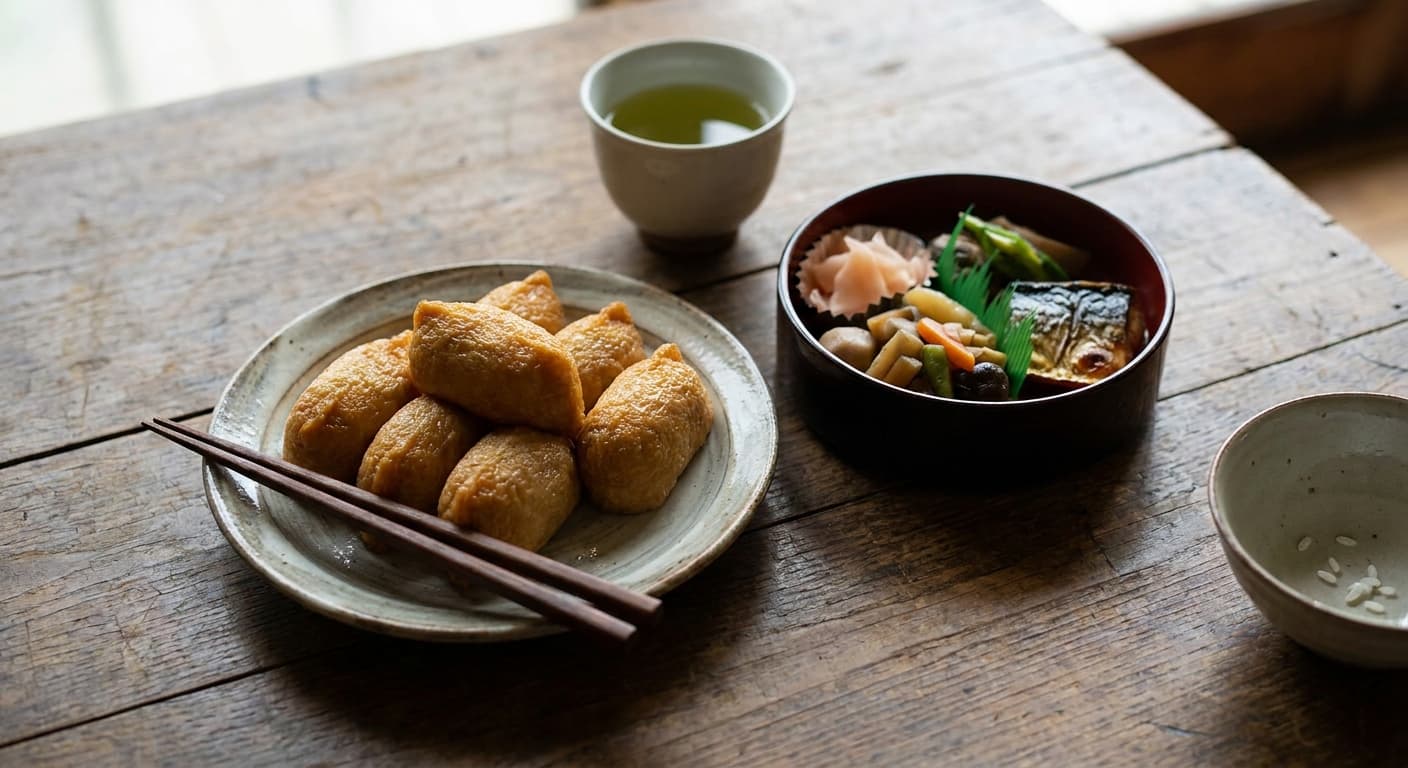
Inarizushi (稲荷寿司) — Sweet Tofu-Pocket Sushi
Japanese · Rice Dishes · 80 min
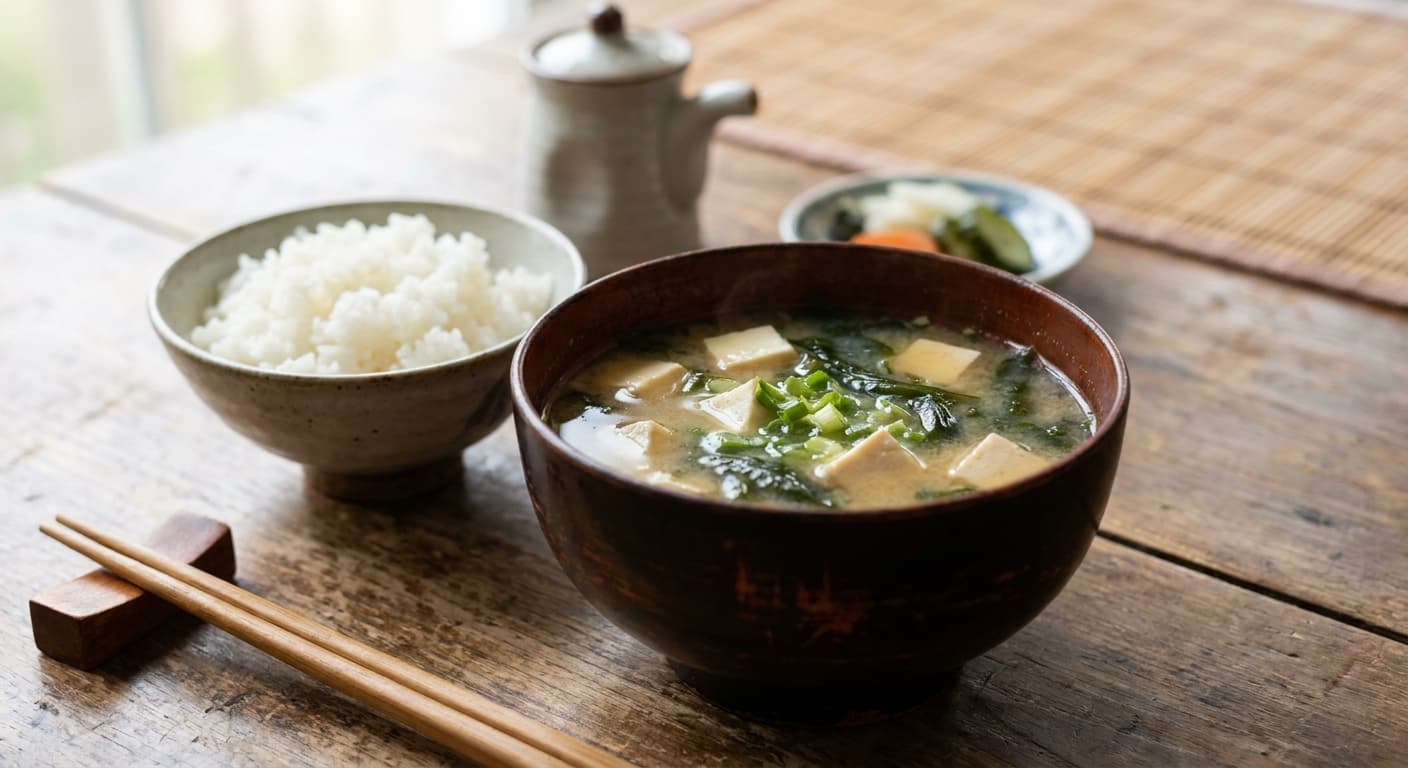
Misoshiru (味噌汁) — Classic Japanese Miso Soup with Tofu and Wakame
Japanese · Soups · 25 min
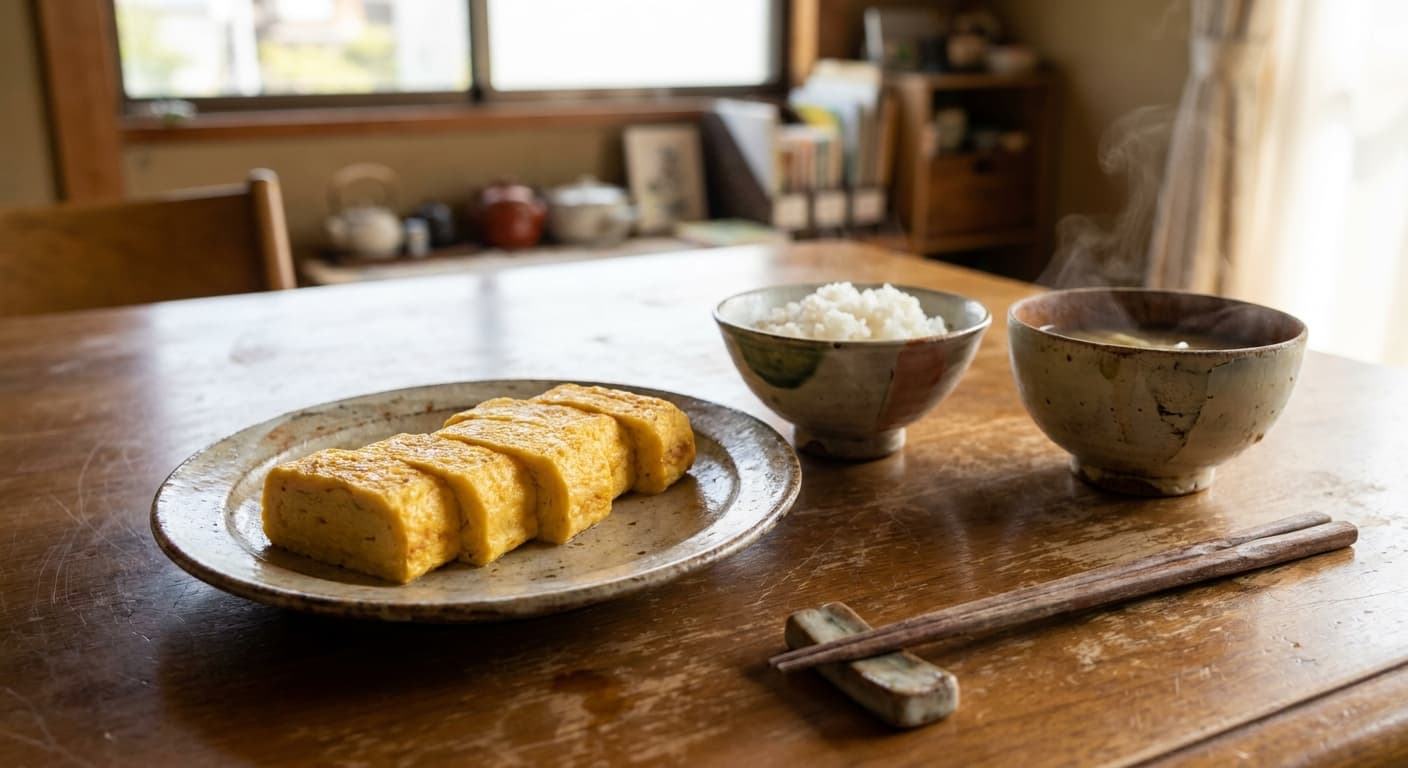
Tamagoyaki (卵焼き) — Japanese Rolled Omelette
Japanese · Side Dishes · 22 min

Halo-Halo (Halo-Halo) — Filipino Shaved Ice Dessert
Filipino · Desserts · 40 min
Brigadeiro (Brigadeiro) — Brazilian Chocolate Party Truffles
Brazilian · Desserts · 37 min
Biangbiang Noodles (油泼扯面) — Xi'an Hand-Pulled Belt Noodles
Chinese · Main Courses · 65 min
Beggar's Chicken (叫化鸡) — Lotus-Wrapped Clay-Baked Jiangnan Chicken
Chinese · Main Courses · 240 min
Cornbread (Cornbread) — Classic Cast-Iron American Quick Bread
American · Breads · 40 min
Reviews
Cooked this recipe?
Tap the stars to rate it — that's all it takes. A few words are welcome but optional.
No ratings yet. Cooked this one? Be the first to rate it — it takes one tap.