Tamagoyaki (卵焼き) — Japanese Rolled Omelette
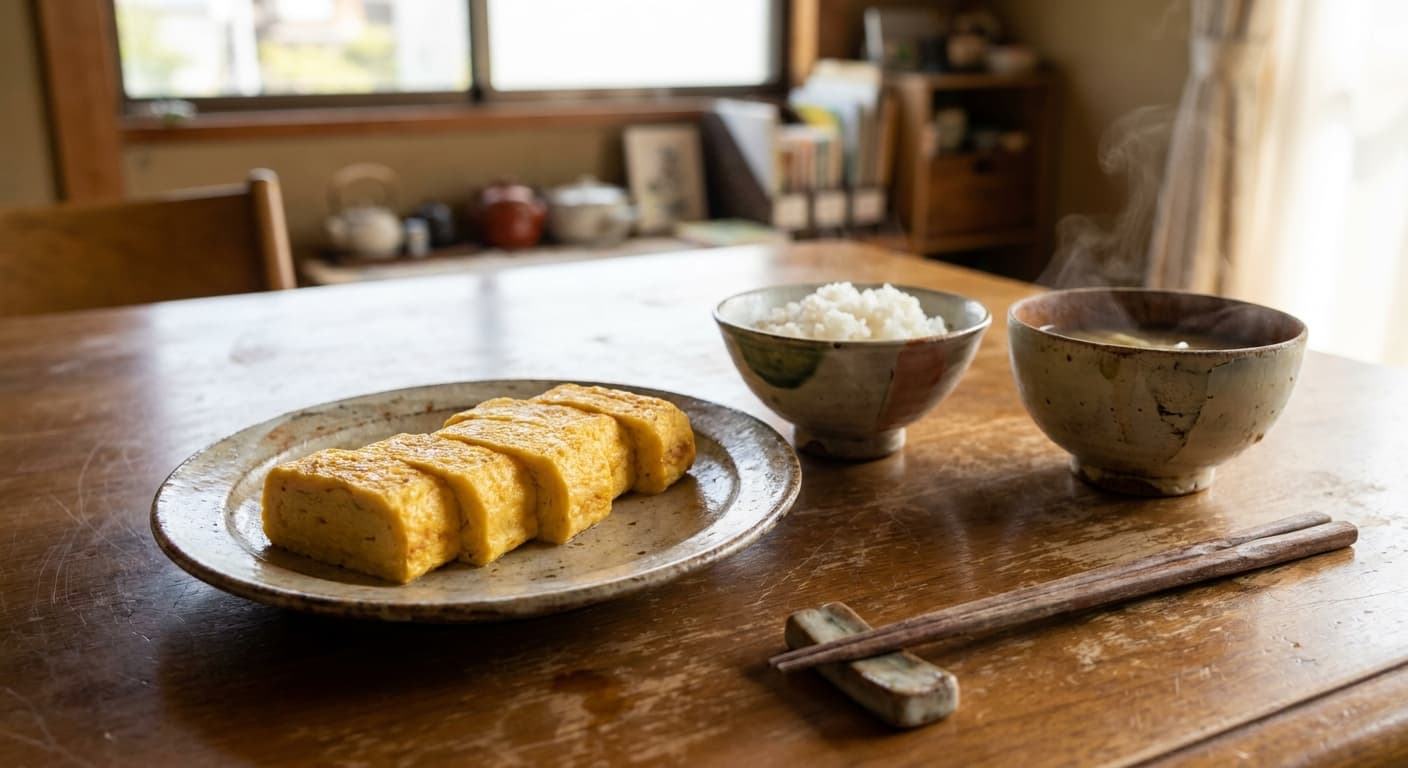
Tamagoyaki is a gently sweet, savory Japanese rolled omelette cooked in thin layers. It is a staple of home breakfasts, bento boxes, sushi counters, and New Year osechi ryori because it is simple, nourishing, and beautifully structured.
Printable Recipe Card
Servings: 2 · Total: 22 min · Difficulty: medium
Ingredients (quick list)
- 4 large eggs
- 45 ml dashi stock (cooled to room temperature)
- 10 ml mirin
- 5 ml usukuchi soy sauce (light-colored Japanese soy sauce)
- 8 g granulated sugar
- 1 g fine sea salt
- 15 ml neutral vegetable oil (measure for brushing the pan; not all of it will be absorbed)
Steps (summary)
- Crack the eggs into a medium bowl and break the yolks with chopsticks or a fork. Stir in a gentle side-to-side motion until the…
- Add the cooled dashi stock, mirin, usukuchi soy sauce, sugar, and salt to the eggs. Mix until the sugar and salt dissolve fully…
- Heat a tamagoyaki pan or small nonstick skillet over medium-low heat for 2 minutes. Dip a folded paper towel in the measured oi…
- Pour about 60 ml of egg mixture into the pan and tilt the pan so it spreads into a thin, even layer. When the surface is mostly…
- Slide the rolled omelette back to the near side of the pan and lightly oil the exposed surface again with the oiled paper towel…
- Repeat the layering and rolling process until all the egg mixture is used, keeping the heat moderate so the omelette stays gold…
+ 1 more steps in the full instructions section below.
Cultural Background
Tamagoyaki reflects the Japanese home-cooking ideal of careful technique applied to humble ingredients. Its layered form makes it practical for bento, while its golden color is also welcomed in celebratory osechi ryori.
Equipment
💡 Tips
- Use medium-low heat; tamagoyaki should set gently and stay tender rather than brown like a Western omelette.
- Straining the egg mixture removes chalazae and streaks of white, giving the finished roll a finer texture.
- A rectangular tamagoyaki pan gives the most even shape, but a small round nonstick skillet works if you fold the sides inward before rolling.
⚠️ Common Mistakes
❌ Cooking over high heat creates brown patches and tough layers.
✅ Fix: Keep the heat at medium-low and briefly lift the pan off the burner whenever the egg sizzles aggressively.
❌ Whisking the eggs until foamy makes the omelette puff and collapse.
✅ Fix: Stir gently until blended and strain the mixture for a smooth, even texture.
❌ Adding too much egg at once prevents neat rolling.
✅ Fix: Cook thin layers of about 60 ml each so every layer sets quickly and wraps cleanly around the roll.
🧊 How to Store
Cool leftovers completely, then refrigerate in an airtight container for up to 2 days. Reheat gently in a covered skillet over low heat for 2 minutes or microwave at 50 percent power for 30 seconds to avoid rubbery eggs.
📅 Make Ahead
Mix the seasonings and prepare the dashi up to 1 day ahead, then refrigerate separately. Cook tamagoyaki the morning of serving for the best texture, or cook it the night before for bento and chill it whole before slicing.
🍽️ Pairs Well With
- Steamed Japanese rice
- miso soup
- grilled salmon
- pickled cucumber
- grated daikon
- bento vegetables.
Regional Variations
- Kanto-style tamagoyaki is often sweeter and may be served at sushi counters as a test of the cook's skill.
- Kansai-style versions tend to be less sweet and closer to dashimaki tamago, with more dashi for a softer texture.
- Home bento versions are often cooked slightly firmer so the slices hold their shape at room temperature.
Ingredients
- 4large eggs
- 45 mldashi stock (cooled to room temperature)
- 10 mlmirin
- 5 mlusukuchi soy sauce (light-colored Japanese soy sauce)
- 8 ggranulated sugar
- 1 gfine sea salt
- 15 mlneutral vegetable oil (measure for brushing the pan; not all of it will be absorbed)
🔄 Substitutions
- usukuchi soy sauce→ regular Japanese soy sauce
- dashi stock→ water mixed with 1 g instant dashi powder
- mirin→ 10 ml sake plus 3 g granulated sugar
- dashi stock→ kombu-only dashi
Instructions
- 1
Crack the eggs into a medium bowl and break the yolks with chopsticks or a fork. Stir in a gentle side-to-side motion until the whites and yolks are combined, but avoid whipping in excessive air because foamy eggs make the layers puffy and uneven.
- 2
Add the cooled dashi stock, mirin, usukuchi soy sauce, sugar, and salt to the eggs. Mix until the sugar and salt dissolve fully, then pass the mixture through a fine-mesh sieve into a measuring cup for the smoothest restaurant-style texture.
- 3
Heat a tamagoyaki pan or small nonstick skillet over medium-low heat for 2 minutes. Dip a folded paper towel in the measured oil and wipe the pan with a very thin film, making sure the corners and sides are lightly coated.
- 4
Pour about 60 ml of egg mixture into the pan and tilt the pan so it spreads into a thin, even layer. When the surface is mostly set but still slightly glossy, roll the egg away from you into a compact log using chopsticks or a spatula.
- 5
Slide the rolled omelette back to the near side of the pan and lightly oil the exposed surface again with the oiled paper towel. Add another 60 ml of egg mixture, lift the existing roll so raw egg flows underneath it, and cook until just set before rolling the log forward again.
- 6
Repeat the layering and rolling process until all the egg mixture is used, keeping the heat moderate so the omelette stays golden yellow rather than browned. If the pan becomes too hot, lift it off the burner for 10 seconds and continue once the sizzling quiets.
- 7
Transfer the finished roll to a bamboo sushi mat or a clean cutting board and let it rest for 3 minutes. Gently shape it into a neat rectangle while warm, then slice it crosswise into 6 equal pieces with a sharp knife.
🪪 Recipe Passport
Cultural Background
Tamagoyaki reflects the Japanese home-cooking ideal of careful technique applied to humble ingredients. Its layered form makes it practical for bento, while its golden color is also welcomed in celebratory osechi ryori.
Regional Variations
Researched from multiple sources and validated by the Zaffaron editorial team. Every recipe is tested for accuracy, measurements, and cultural authenticity.
📚 Sources & Cultural References
- Shizuo Tsuji — Japanese Cooking: A Simple Art — (1980)
- Elizabeth Andoh — Washoku: Recipes from the Japanese Home Kitchen — (2005)
Sources cited by the Zaffaron editorial team during recipe research. Cultural and culinary references supporting authenticity claims.
Nutrition per serving
Pairs well with
If you enjoyed this recipe, here are a few related Zaffaron recipes to try next.
Does your family make this differently?
Every family has their own version. Maybe your grandmother adds a secret ingredient, or your aunt has a completely different technique. Preserve your family's version — with their name on it, forever.
You Might Also Like
Salted Rice Balls (塩おにぎり) — Simple Japanese Hand-Pressed Rice
Japanese · Rice Dishes · 65 min
Hiyashi Chuka (冷やし中華) — Chilled Ramen Salad with Soy-Vinegar Dressing
Japanese · Main Courses · 40 min
Obon Dango (お盆団子) — Plain Rice Dumplings for Ancestral Offerings
Japanese · Desserts · 37 min
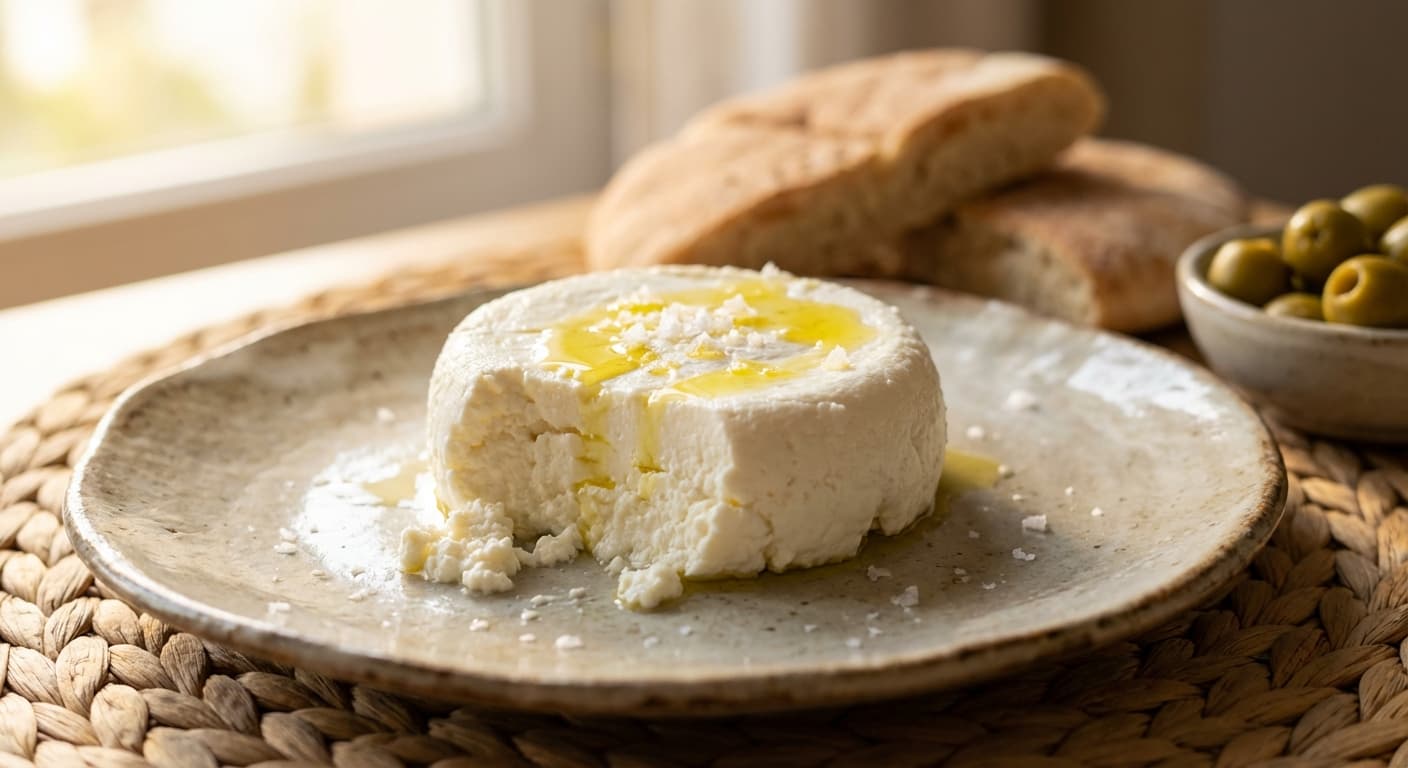
Jben (جبن) — Moroccan Fresh Soft Cheese, Lightly Salted and Milky
Moroccan · Side Dishes · 35 min
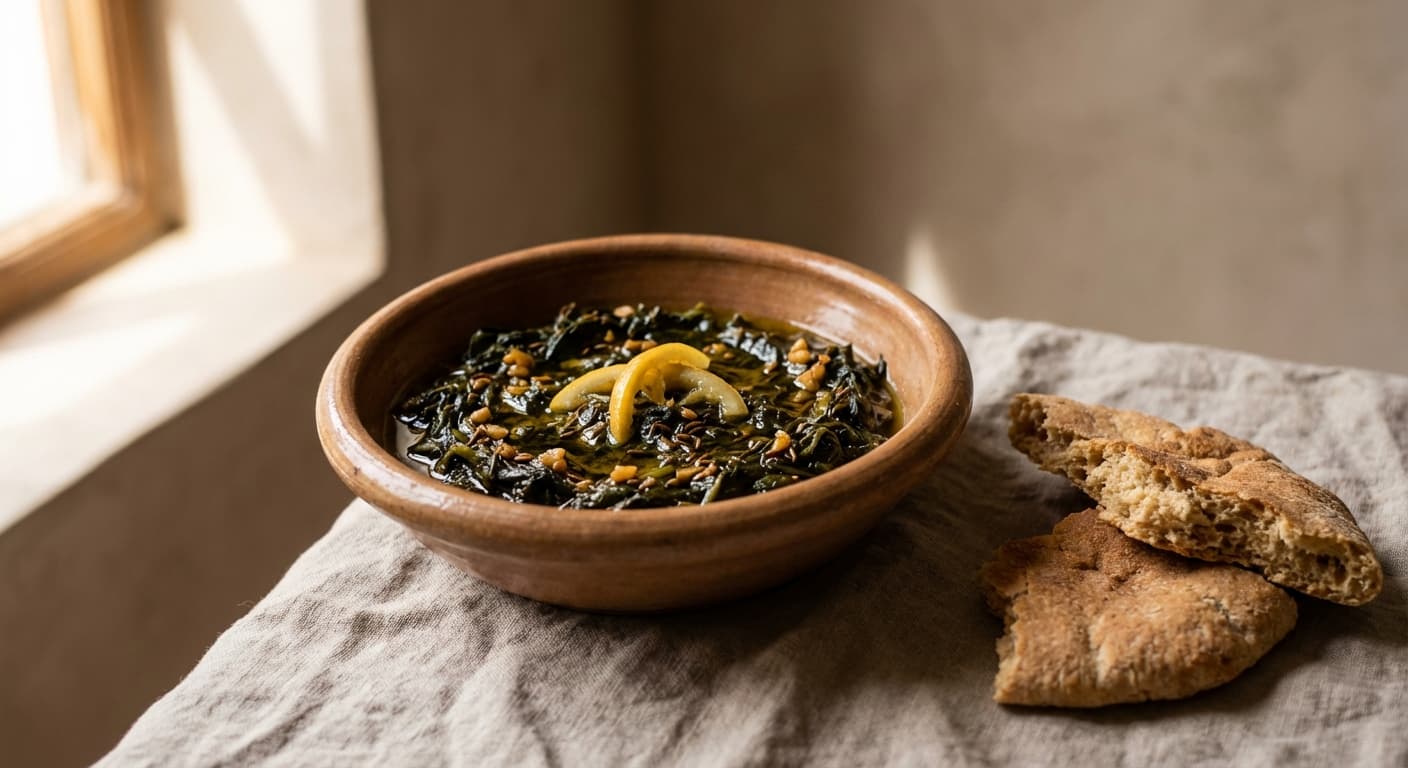
Bakoula (باقولة) — Moroccan Stewed Mallow Greens with Garlic and Preserved Lemon
Moroccan · Side Dishes · 55 min
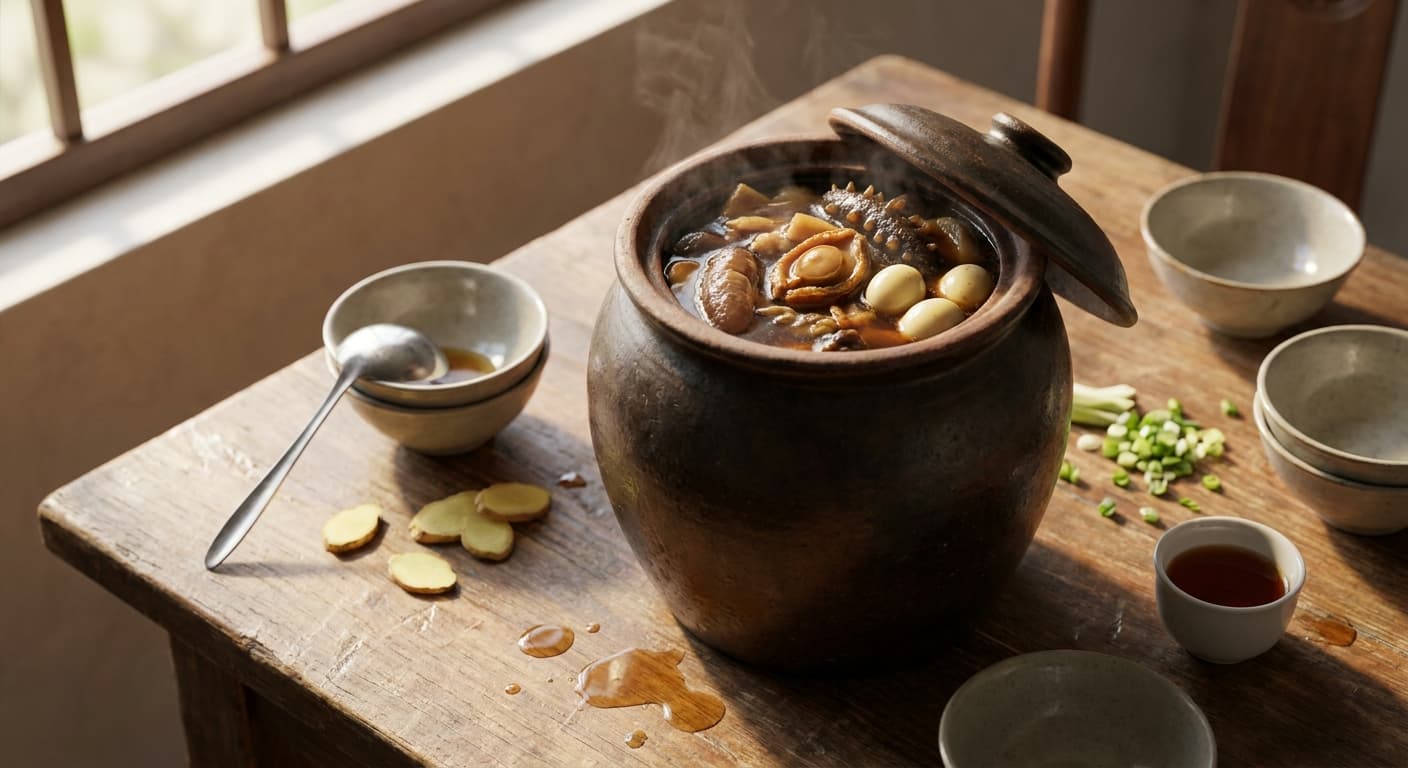
Buddha Jumps Over the Wall (佛跳墙) — Fujian Banquet Treasure Soup
Chinese · Soups · 540 min
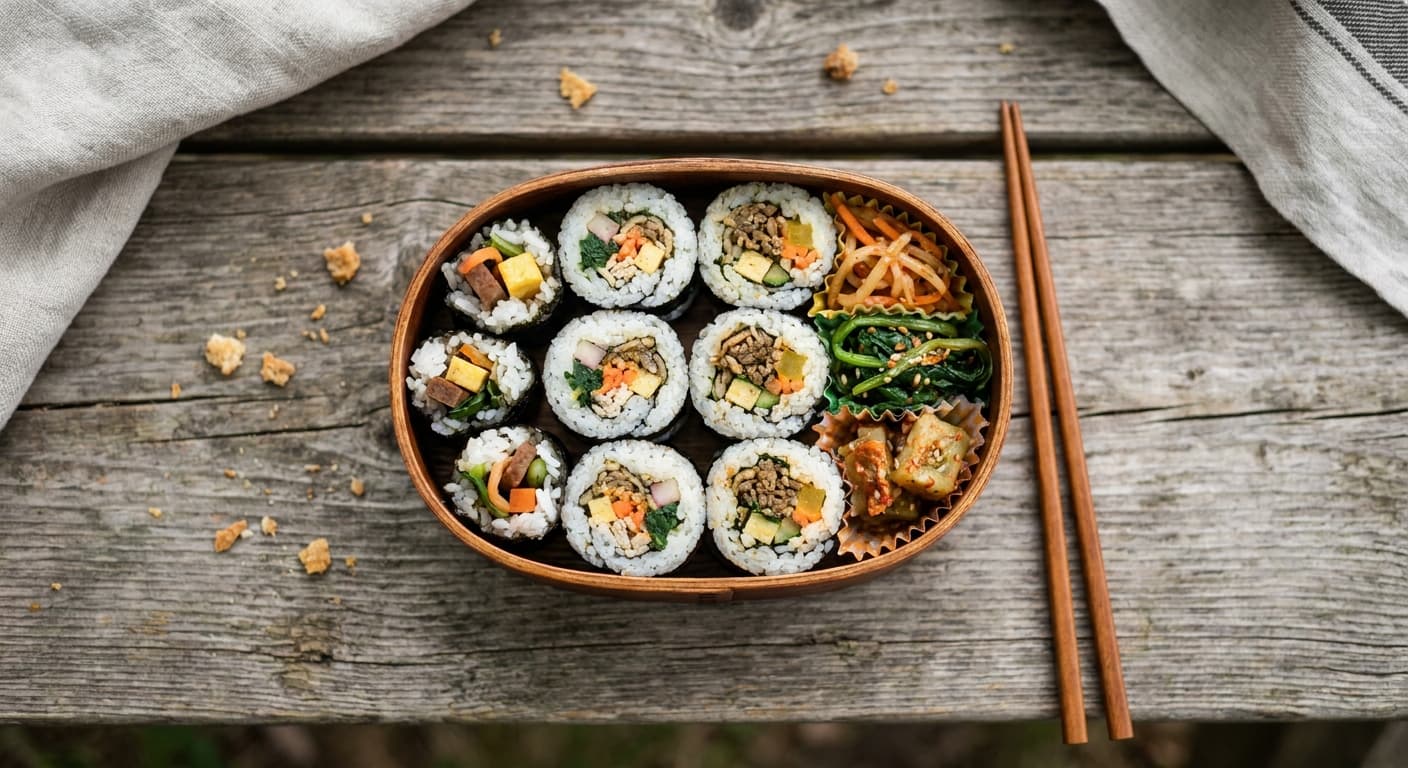
Kimbap (김밥) — Korean Seaweed Rice Rolls
Korean · Main Courses · 70 min
Gyoza (餃子) — Japanese Pan-Fried Dumplings
Japanese · Appetizers · 63 min
Reviews
Cooked this recipe?
Tap the stars to rate it — that's all it takes. A few words are welcome but optional.
No ratings yet. Cooked this one? Be the first to rate it — it takes one tap.