Tonkatsu (豚カツ) — Crisp Japanese Pork Cutlet
Tonkatsu is a beloved Japanese yoshoku dish: a Western-style pork cutlet adapted into everyday Japanese cooking. The best versions balance juicy pork, a craggy panko crust, shredded cabbage, and sweet-savory tonkatsu sauce.
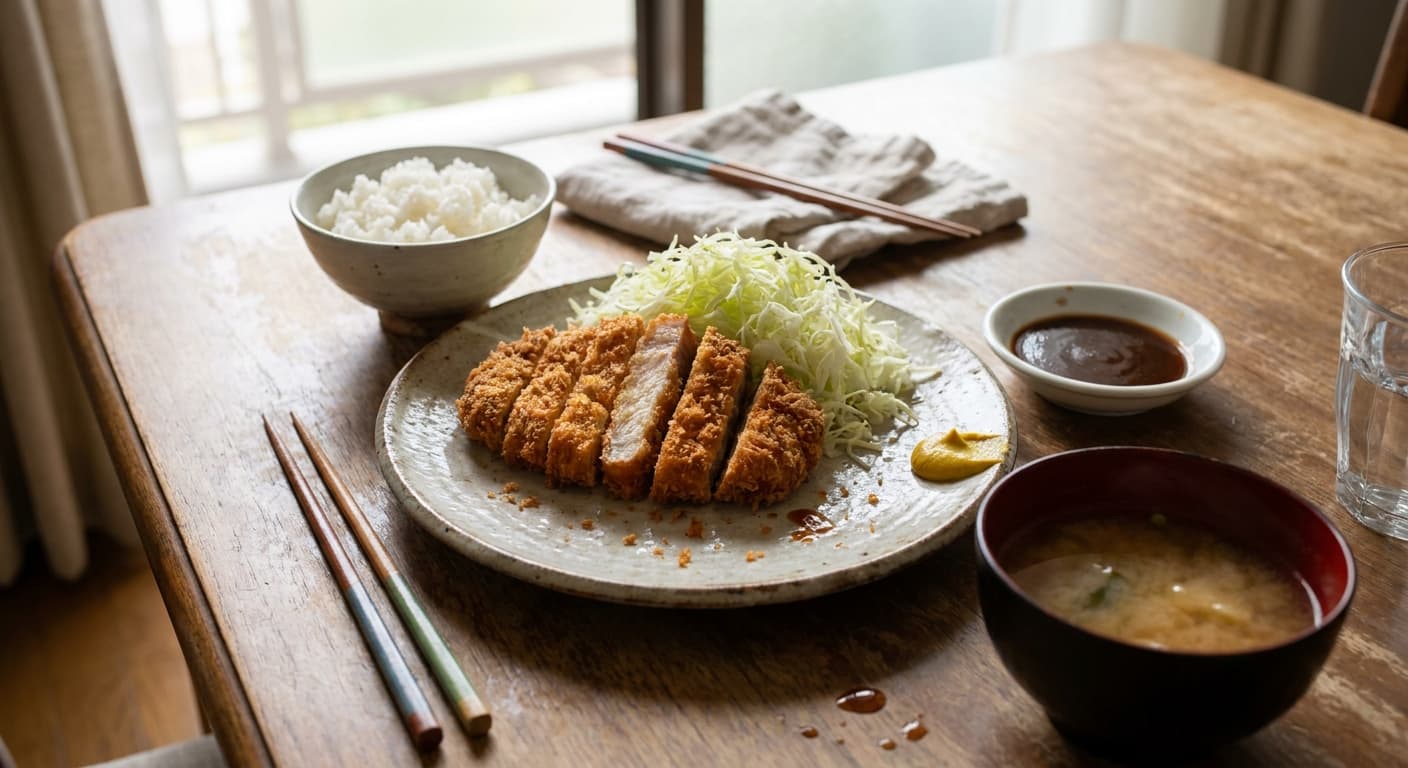
Printable Recipe Card
Servings: 4 · Total: 43 min · Difficulty: medium
Ingredients (quick list)
- 4 boneless pork loin cutlets (each 140 g and 1.5 cm thick)
- 6 g fine sea salt
- 0.5 tsp ground white pepper
- 60 g all-purpose flour
- 2 eggs
- 15 ml cold water
- 120 g fresh panko breadcrumbs
- 900 ml neutral frying oil (rice bran, canola, or sunflower oil)
- 300 g green cabbage (very thinly shredded)
- 1 lemon (cut into 4 wedges)
- 120 ml Japanese tonkatsu sauce
- 4 tsp karashi mustard (optional but traditional)
Steps (summary)
- Pat the pork cutlets completely dry with paper towels, then make 4 shallow cuts through the fat cap on each cutlet to prevent c…
- Season both sides of the pork with the measured salt and white pepper, distributing the seasoning evenly across all 4 cutlets.…
- Place the flour in a shallow tray, beat the eggs with the cold water in a second tray, and spread the panko in a third tray. Ke…
- Dredge 1 cutlet in flour, pressing lightly so every surface is covered, then shake off excess flour until only a thin film rema…
- Repeat the coating process with the remaining 3 cutlets, then rest the breaded pork on a wire rack for 8 minutes. This short re…
- Pour the oil into a heavy pot or deep skillet so it is at least 4 cm deep, then heat it to 170°C. Set a clean wire rack over a…
+ 3 more steps in the full instructions section below.
Cultural Background
Tonkatsu emerged from Japan’s yoshoku tradition, where Western cutlets were reinterpreted with panko, rice, cabbage, and a fruit-spiced brown sauce. It remains a staple of home dinners, lunch sets, bento, and casual specialty restaurants.
Equipment
💡 Tips
- Use fresh coarse panko rather than fine dry breadcrumbs for the airy, jagged crust associated with good tonkatsu.
- Cut through the pork fat and connective tissue before breading so the cutlet stays flat in the oil.
- Do not crowd the pot; frying 2 cutlets at a time keeps the oil temperature stable and the crust crisp.
⚠️ Common Mistakes
❌ The breading falls off during frying.
✅ Fix: Dry the pork thoroughly, shake off excess flour, press the panko on firmly, and rest the breaded cutlets for 8 minutes before frying.
❌ The crust browns before the pork cooks through.
✅ Fix: Keep the oil at 165°C to 175°C and use cutlets no thicker than 1.5 cm before pounding.
❌ The tonkatsu tastes greasy.
✅ Fix: Fry in enough oil, avoid overcrowding, and drain the cutlets on a wire rack so steam does not soften the underside.
🧊 How to Store
Store leftover sliced tonkatsu in an airtight container in the refrigerator for up to 2 days. Reheat on a wire rack in a 190°C oven for 8 to 10 minutes; avoid microwaving because it softens the panko crust.
📅 Make Ahead
Shred the cabbage and prepare the flour, egg, and panko trays up to 4 hours ahead. Bread the pork no more than 20 minutes before frying so the panko stays distinct and crisp.
🍽️ Pairs Well With
- Shredded cabbage
- steamed Japanese short-grain rice
- miso soup
- cucumber sunomono
- pickled daikon.
Regional Variations
- Nagoya-style miso katsu is served with a dark, sweet red miso sauce instead of standard tonkatsu sauce.
- Katsudon places sliced tonkatsu over rice with egg, onion, and a soy-based simmering sauce.
- Hirekatsu uses pork tenderloin for smaller, leaner cutlets with a softer bite.
Ingredients
- 4boneless pork loin cutlets (each 140 g and 1.5 cm thick)
- 6 gfine sea salt
- 0.5 tspground white pepper
- 60 gall-purpose flour
- 2eggs
- 15 mlcold water
- 120 gfresh panko breadcrumbs
- 900 mlneutral frying oil (rice bran, canola, or sunflower oil)
- 300 ggreen cabbage (very thinly shredded)
- 1lemon (cut into 4 wedges)
- 120 mlJapanese tonkatsu sauce
- 4 tspkarashi mustard (optional but traditional)
🔄 Substitutions
- boneless pork loin cutlets→ pork tenderloin medallions
- fresh panko breadcrumbs→ coarse dried panko breadcrumbs
- Japanese tonkatsu sauce→ a mixture of 80 ml Worcestershire sauce, 30 ml ketchup, and 10 ml oyster sauce
Instructions
- 1
Pat the pork cutlets completely dry with paper towels, then make 4 shallow cuts through the fat cap on each cutlet to prevent curling during frying. Lightly pound each cutlet to an even 1.2 cm thickness, then reshape it with your hands so it remains compact.
- 2
Season both sides of the pork with the measured salt and white pepper, distributing the seasoning evenly across all 4 cutlets. Let the pork stand at room temperature for 10 minutes while you prepare the coating station, which helps the seasoning settle and reduces the chill before frying.
- 3
Place the flour in a shallow tray, beat the eggs with the cold water in a second tray, and spread the panko in a third tray. Keep one hand for dry ingredients and one hand for egg so the panko stays light and does not clump.
- 4
Dredge 1 cutlet in flour, pressing lightly so every surface is covered, then shake off excess flour until only a thin film remains. Dip it into the egg mixture, let excess drip back into the tray, then coat it generously in panko while pressing the crumbs onto the edges and faces.
- 5
Repeat the coating process with the remaining 3 cutlets, then rest the breaded pork on a wire rack for 8 minutes. This short rest hydrates the flour and egg layer, helping the panko adhere firmly instead of shedding into the oil.
- 6
Pour the oil into a heavy pot or deep skillet so it is at least 4 cm deep, then heat it to 170°C. Set a clean wire rack over a tray near the stove, because draining on a rack keeps the underside crisp better than draining on paper towels alone.
- 7
Fry 2 cutlets at a time for 3 minutes, turning once halfway through with tongs or chopsticks. Maintain the oil between 165°C and 175°C, because oil that is too cool makes the crust greasy while oil that is too hot browns the panko before the pork cooks through.
- 8
Transfer the fried cutlets to the wire rack and let them rest for 4 minutes while you fry the remaining cutlets. The pork should reach 63°C in the center after resting, and the crust should be evenly golden with visible coarse panko texture.
- 9
Slice each tonkatsu crosswise into 2 cm strips with a sharp knife, pressing straight down rather than sawing aggressively. Serve immediately with shredded cabbage, lemon wedges, tonkatsu sauce, and 1 tsp karashi mustard per serving if using.
🪪 Recipe Passport
Cultural Background
Tonkatsu emerged from Japan’s yoshoku tradition, where Western cutlets were reinterpreted with panko, rice, cabbage, and a fruit-spiced brown sauce. It remains a staple of home dinners, lunch sets, bento, and casual specialty restaurants.
Regional Variations
Researched from multiple sources and validated by the Zaffaron editorial team. Every recipe is tested for accuracy, measurements, and cultural authenticity.
📚 Sources & Cultural References
- Tadashi Ono and Harris Salat — Japanese Soul Cooking — (2013)
- Shizuo Tsuji — Japanese Cooking: A Simple Art — (1980)
Sources cited by the Zaffaron editorial team during recipe research. Cultural and culinary references supporting authenticity claims.
Nutrition per serving
Pairs well with
If you enjoyed this recipe, here are a few related Zaffaron recipes to try next.
Does your family make this differently?
Every family has their own version. Maybe your grandmother adds a secret ingredient, or your aunt has a completely different technique. Preserve your family's version — with their name on it, forever.
You Might Also Like
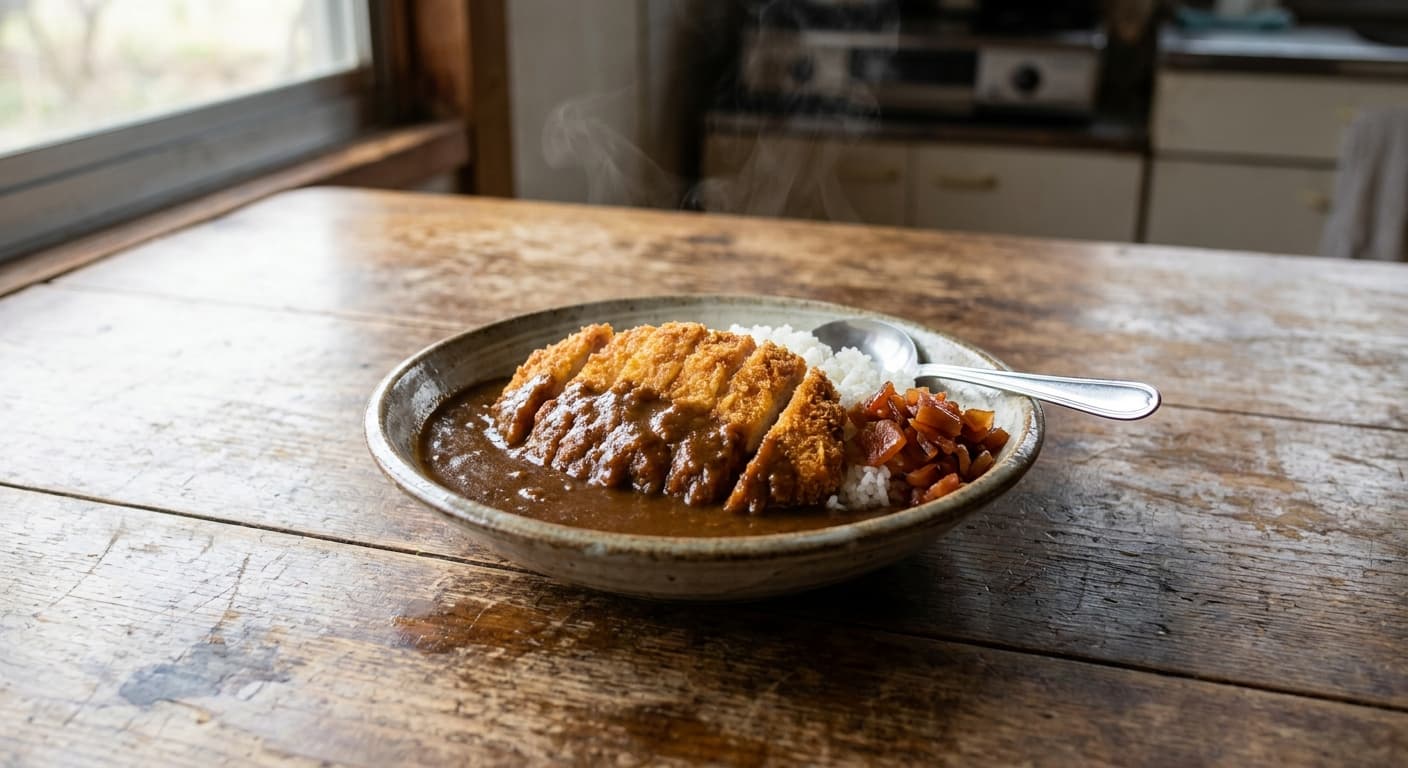
Japanese Chicken Katsu Curry (チキンカツカレー) — Crispy Cutlet with Rich Curry Rice
Japanese · Main Courses · 65 min
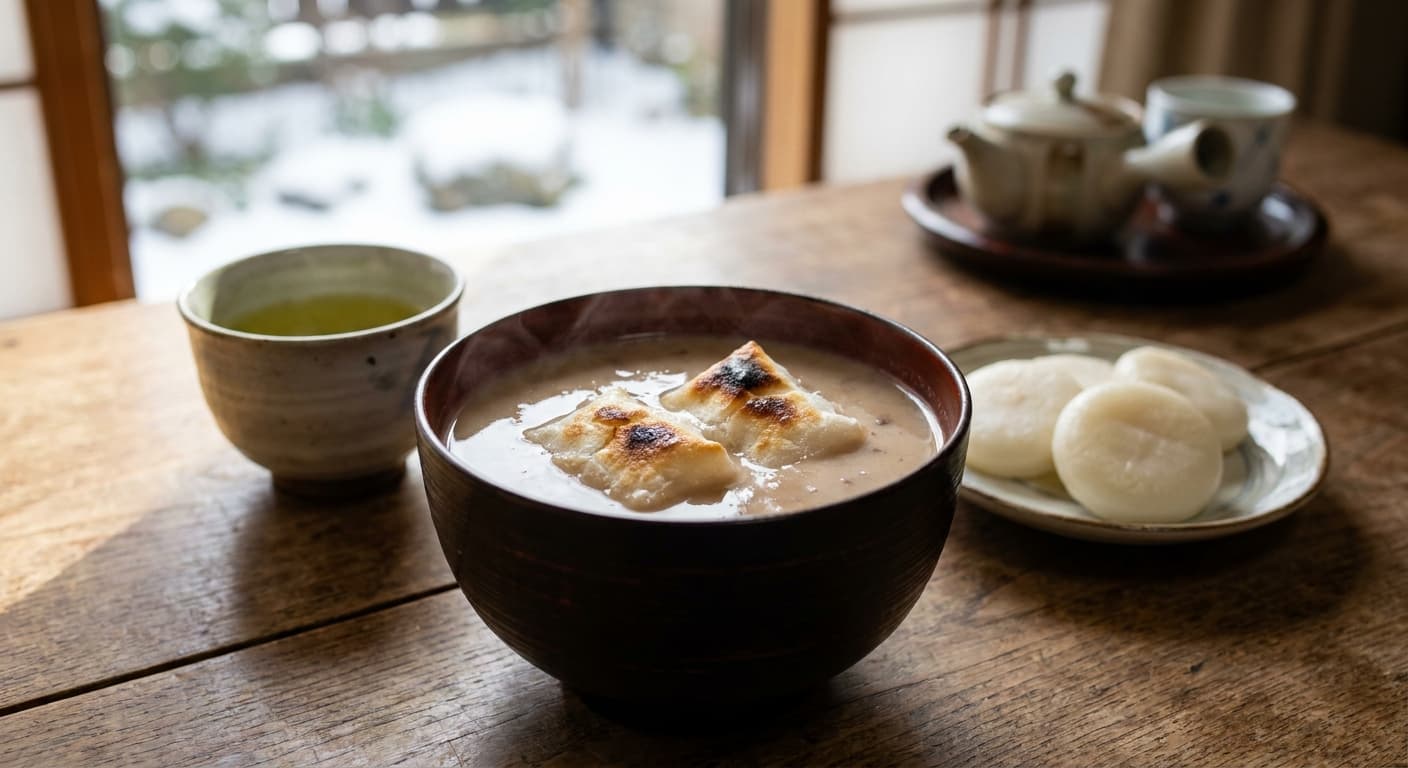
Kurumi Shiruko (くるみ汁粉) — Sendai-Style Sweet Walnut Azuki Soup with Mochi
Japanese · Desserts · 120 min
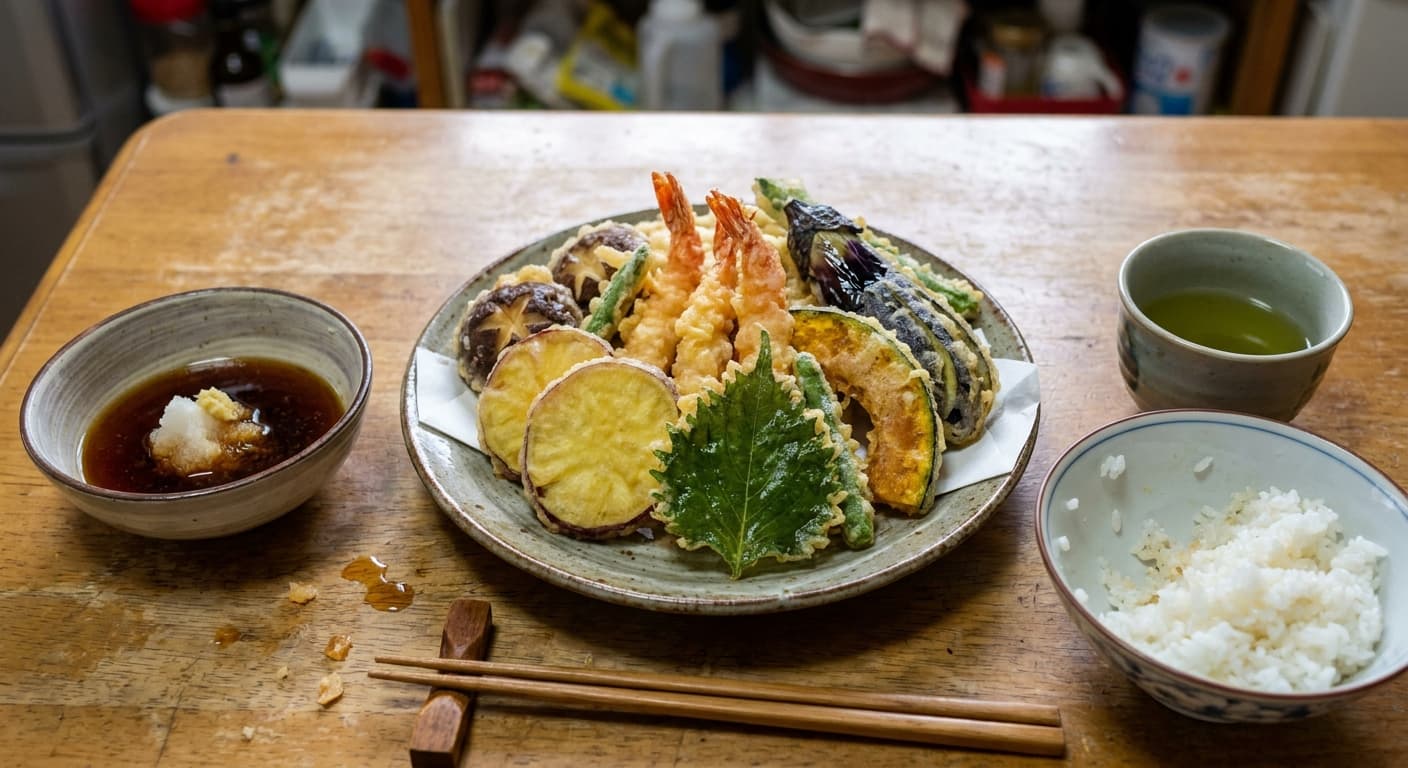
Tempura Moriawase (天ぷら盛り合わせ) — Assorted Shrimp and Vegetable Tempura
Japanese · Main Courses · 60 min
Cuban Crispy Shredded Beef (Vaca Frita) — Garlic and Citrus
Cuban · Main Courses · 140 min
Pone Yay Gyi Curry (ပုန်းရည်ကြီးဟင်း) — Burmese Pork and Fermented Bean Paste
Burmese · Main Courses · 115 min
Biangbiang Noodles (油泼扯面) — Xi'an Hand-Pulled Belt Noodles
Chinese · Main Courses · 65 min
Beggar's Chicken (叫化鸡) — Lotus-Wrapped Clay-Baked Jiangnan Chicken
Chinese · Main Courses · 240 min
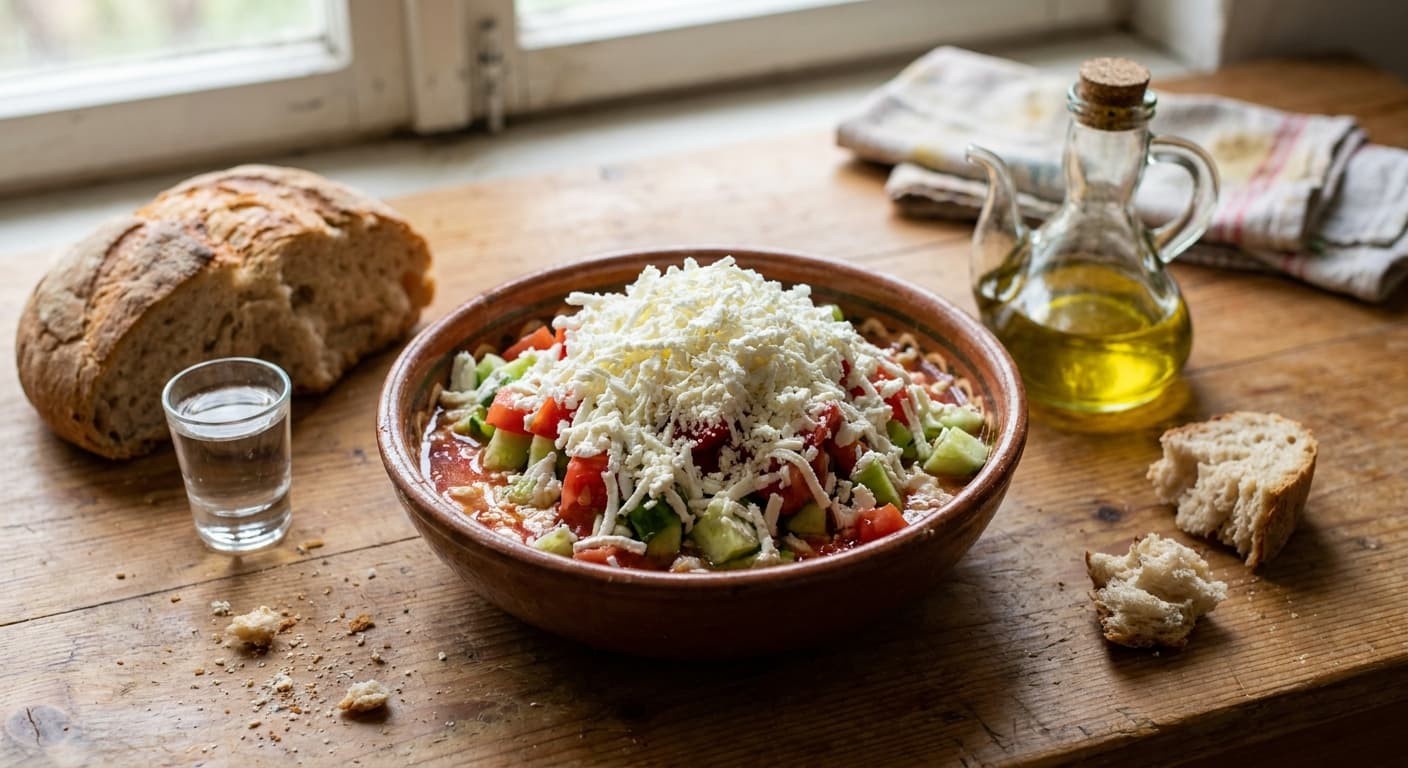
Shopska Salad (Шопска салата) — Tomato-Cucumber Salad with Sirene
Bulgarian · Salads · 20 min
Reviews
Cooked this recipe?
Tap the stars to rate it — that's all it takes. A few words are welcome but optional.
No ratings yet. Cooked this one? Be the first to rate it — it takes one tap.