Yakitori (焼き鳥) — Japanese Grilled Chicken Skewers
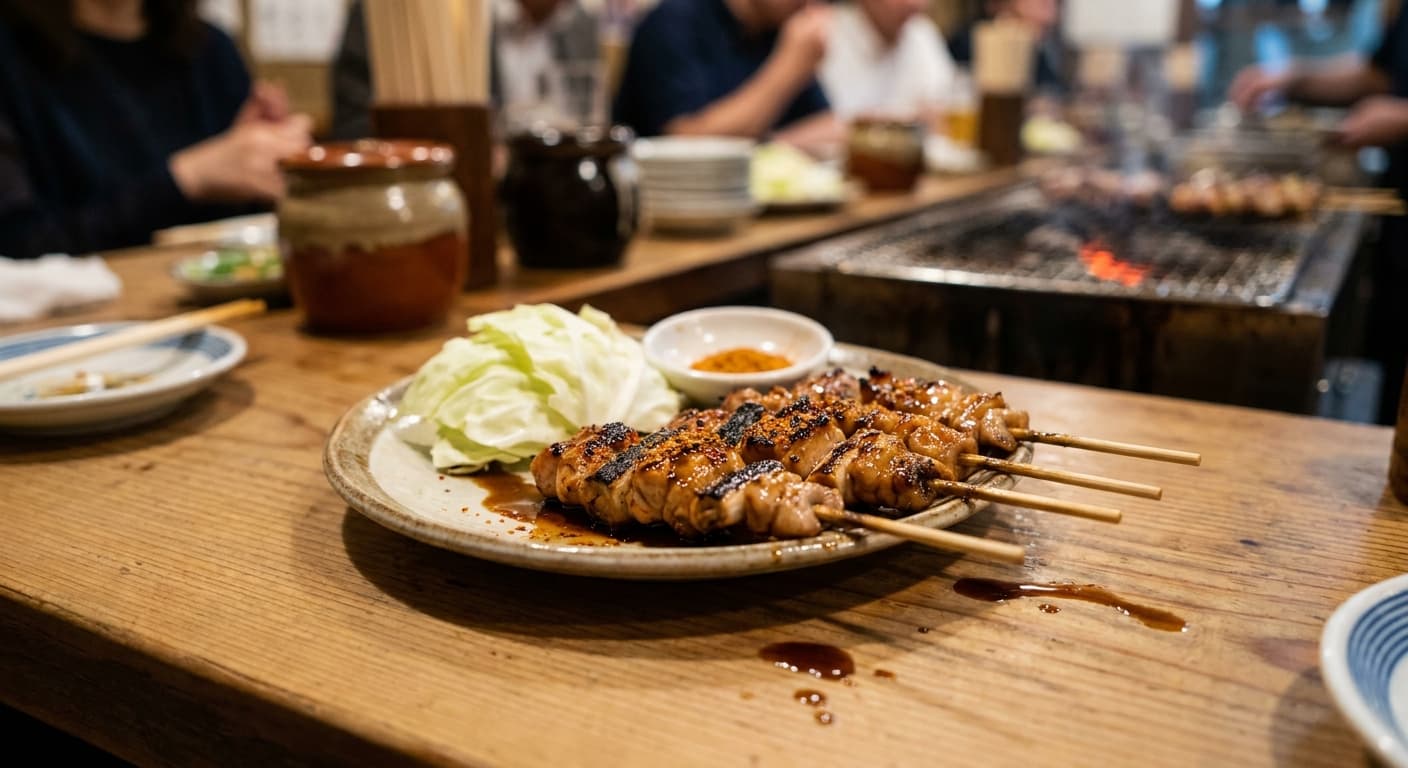
Yakitori is a beloved Japanese grilled chicken skewer, often served at izakaya counters, street stalls, and casual home cookouts. This version uses thigh meat, scallions, and a glossy soy-mirin tare.
Printable Recipe Card
Servings: 4 · Total: 55 min · Difficulty: medium
Ingredients (quick list)
- 700 g boneless skin-on chicken thighs (trimmed of large excess fat and cut into 3 cm pieces)
- 6 large scallions (white and pale green parts cut into 3 cm lengths)
- 8 bamboo skewers (18 to 20 cm long)
- 1 l cold water (for soaking bamboo skewers)
- 1 tbsp neutral oil (for brushing the grill grate)
- 4 g kosher salt
- 120 ml Japanese soy sauce
- 120 ml mirin
- 60 ml sake
- 30 g granulated sugar
- 1 inch fresh ginger (thinly sliced)
- 1 clove garlic (lightly crushed)
+ 1 more in the full ingredients section below.
Steps (summary)
- Place the bamboo skewers in 1 l cold water and soak for 30 minutes so they are less likely to scorch over the grill. While they…
- Combine the soy sauce, mirin, sake, sugar, ginger, and garlic in a small saucepan. Bring to a simmer over medium heat, then coo…
- Strain the tare through a fine sieve and discard the ginger and garlic. Divide the sauce into two bowls, keeping one bowl for b…
- Pat the chicken dry with paper towels and season it evenly with 4 g kosher salt. Thread the chicken and scallion pieces onto th…
- Prepare a charcoal grill for medium-high direct heat, or heat a gas grill to about 220 C. Brush the grate with 1 tbsp neutral o…
- Grill the skewers for 4 minutes without sauce, turning once, until the chicken begins to firm and lightly brown. Brush with the…
+ 2 more steps in the full instructions section below.
Cultural Background
Yakitori grew from Japanese street grilling and became central to izakaya dining, where cooks specialize in precise cuts, charcoal heat, and tare or salt seasoning. It remains a casual food tied to after-work meals and festivals.
Equipment
💡 Tips
- Use chicken thigh rather than breast because its fat keeps the skewers juicy over direct heat.
- Do not start basting too early; the sugar in tare can burn before the chicken is cooked.
- Keep the final tare separate from the basting tare to avoid cross-contamination.
⚠️ Common Mistakes
❌ Basting with tare from the beginning.
✅ Fix: Grill the chicken first until it starts to brown, then apply thin layers of tare during the final cooking stage.
❌ Packing the chicken pieces too tightly on the skewers.
✅ Fix: Leave small gaps between pieces so heat can circulate and the edges can brown properly.
❌ Using the same sauce bowl for raw basting and final glazing.
✅ Fix: Divide the tare before grilling and keep the finishing portion completely separate.
🧊 How to Store
Refrigerate leftover yakitori in an airtight container for up to 3 days. Reheat covered in a 180 C oven for 8 to 10 minutes, then brush with a small amount of reserved clean tare if available.
📅 Make Ahead
The tare can be made up to 5 days ahead and refrigerated. Chicken and scallions can be cut 1 day ahead, but skewer them the day you grill for the best texture.
🍽️ Pairs Well With
- Steamed Japanese rice
- shredded cabbage
- cucumber sunomono
- miso soup
- cold beer or barley tea.
Regional Variations
- Negima alternates chicken thigh with scallion, as in this recipe.
- Shio yakitori is seasoned with salt rather than tare for a cleaner charcoal flavor.
- Tsukune uses seasoned minced chicken formed around skewers and often served with tare.
- Momo yakitori focuses on chicken thigh alone, prized for juiciness.
Ingredients
- 700 gboneless skin-on chicken thighs (trimmed of large excess fat and cut into 3 cm pieces)
- 6large scallions (white and pale green parts cut into 3 cm lengths)
- 8bamboo skewers (18 to 20 cm long)
- 1 lcold water (for soaking bamboo skewers)
- 1 tbspneutral oil (for brushing the grill grate)
- 4 gkosher salt
- 120 mlJapanese soy sauce
- 120 mlmirin
- 60 mlsake
- 30 ggranulated sugar
- 1 inchfresh ginger (thinly sliced)
- 1 clovegarlic (lightly crushed)
- 1 tspshichimi togarashi (optional finishing spice)
🔄 Substitutions
- boneless skin-on chicken thighs→ boneless skinless chicken thighs
- Japanese soy sauce→ gluten-free tamari
- mirin and sake→ 180 ml water, 35 g sugar, and 1 tbsp rice vinegar
Instructions
- 1
Place the bamboo skewers in 1 l cold water and soak for 30 minutes so they are less likely to scorch over the grill. While they soak, check that the chicken pieces are uniform in size because even cutting is essential for yakitori that cooks at the same pace.
- 2
Combine the soy sauce, mirin, sake, sugar, ginger, and garlic in a small saucepan. Bring to a simmer over medium heat, then cook for 10 to 12 minutes until the tare is glossy and reduced to about 180 ml.
- 3
Strain the tare through a fine sieve and discard the ginger and garlic. Divide the sauce into two bowls, keeping one bowl for basting raw or partly cooked chicken and the second bowl clean for final glazing and serving.
- 4
Pat the chicken dry with paper towels and season it evenly with 4 g kosher salt. Thread the chicken and scallion pieces onto the soaked skewers, alternating 4 to 5 pieces of chicken with 2 to 3 pieces of scallion on each skewer.
- 5
Prepare a charcoal grill for medium-high direct heat, or heat a gas grill to about 220 C. Brush the grate with 1 tbsp neutral oil, then arrange the skewers perpendicular to the bars so the meat touches the hot surface and the bare skewer ends sit away from the strongest heat.
- 6
Grill the skewers for 4 minutes without sauce, turning once, until the chicken begins to firm and lightly brown. Brush with the basting tare, turn, and continue grilling for 6 to 8 minutes more, brushing lightly after each turn so the sauce lacquer builds without burning.
- 7
Cook until the chicken reaches 74 C at the thickest piece and the scallions are tender with browned edges. If the tare darkens too quickly, move the skewers to a cooler part of the grill and continue turning frequently.
- 8
Brush the cooked skewers with the reserved clean tare just before serving. Serve immediately while hot, with shichimi togarashi on the side for anyone who wants a citrusy chile finish.
🪪 Recipe Passport
Cultural Background
Yakitori grew from Japanese street grilling and became central to izakaya dining, where cooks specialize in precise cuts, charcoal heat, and tare or salt seasoning. It remains a casual food tied to after-work meals and festivals.
Regional Variations
Researched from multiple sources and validated by the Zaffaron editorial team. Every recipe is tested for accuracy, measurements, and cultural authenticity.
📚 Sources & Cultural References
- Shizuo Tsuji — Japanese Cooking: A Simple Art — (1980)
- Tadashi Ono and Harris Salat — The Japanese Grill — (2011)
Sources cited by the Zaffaron editorial team during recipe research. Cultural and culinary references supporting authenticity claims.
Nutrition per serving
Pairs well with
If you enjoyed this recipe, here are a few related Zaffaron recipes to try next.
- Chelo Kebab Koobideh (چلو کباب کوبیده) — Persian Minced Meat Skewers with Saffron Rice
- Persian Steamed Rice Masterclass (چلو و پلو) — Chelo and Polow techniques with perfect tahdig
- Ehomaki (恵方巻き) — Setsubun Good-Fortune Sushi Roll
- Inarizushi (稲荷寿司) — Sweet Tofu-Pocket Sushi
- Misoshiru (味噌汁) — Classic Japanese Miso Soup with Tofu and Wakame
Does your family make this differently?
Every family has their own version. Maybe your grandmother adds a secret ingredient, or your aunt has a completely different technique. Preserve your family's version — with their name on it, forever.
You Might Also Like
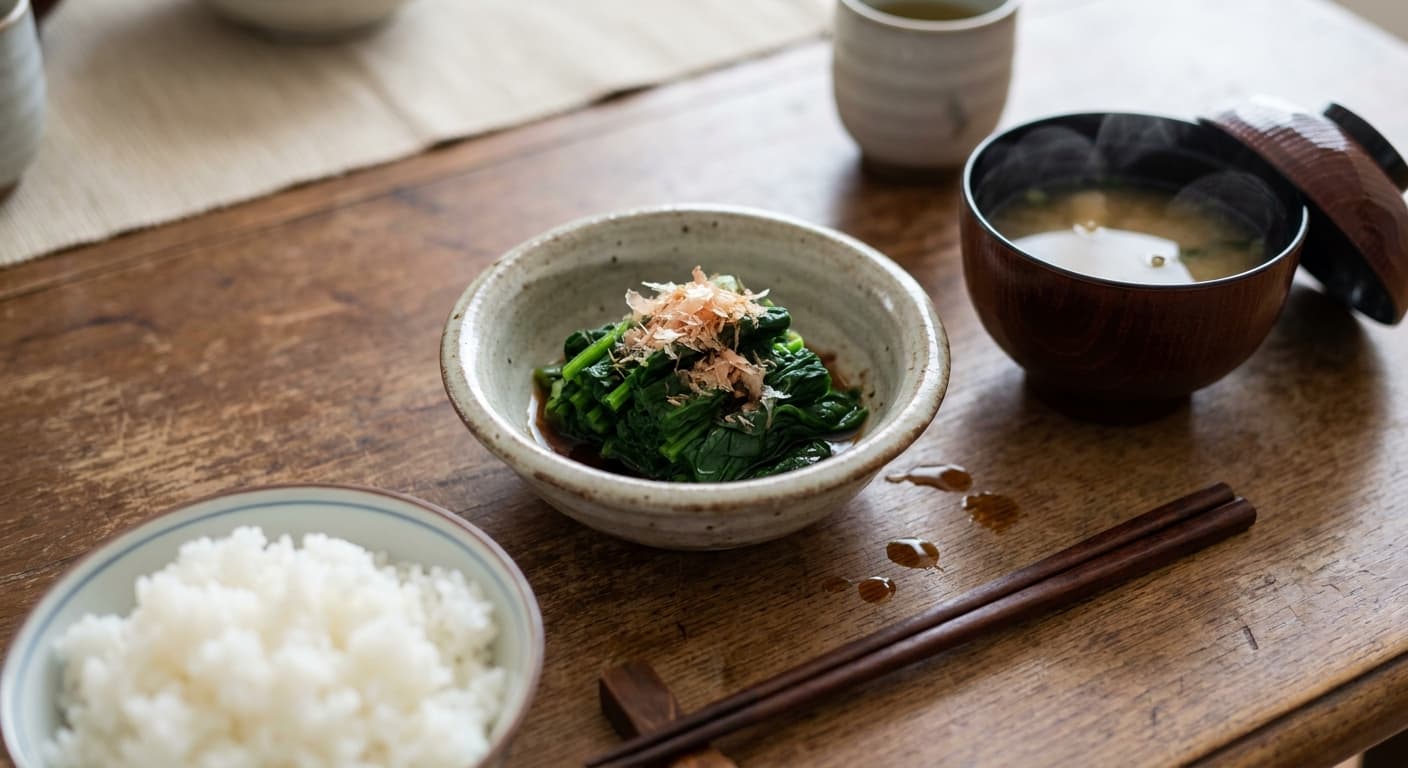
Ohitashi (お浸し) — Japanese Blanched Spinach with Bonito Dashi and Soy
Japanese · Side Dishes · 20 min
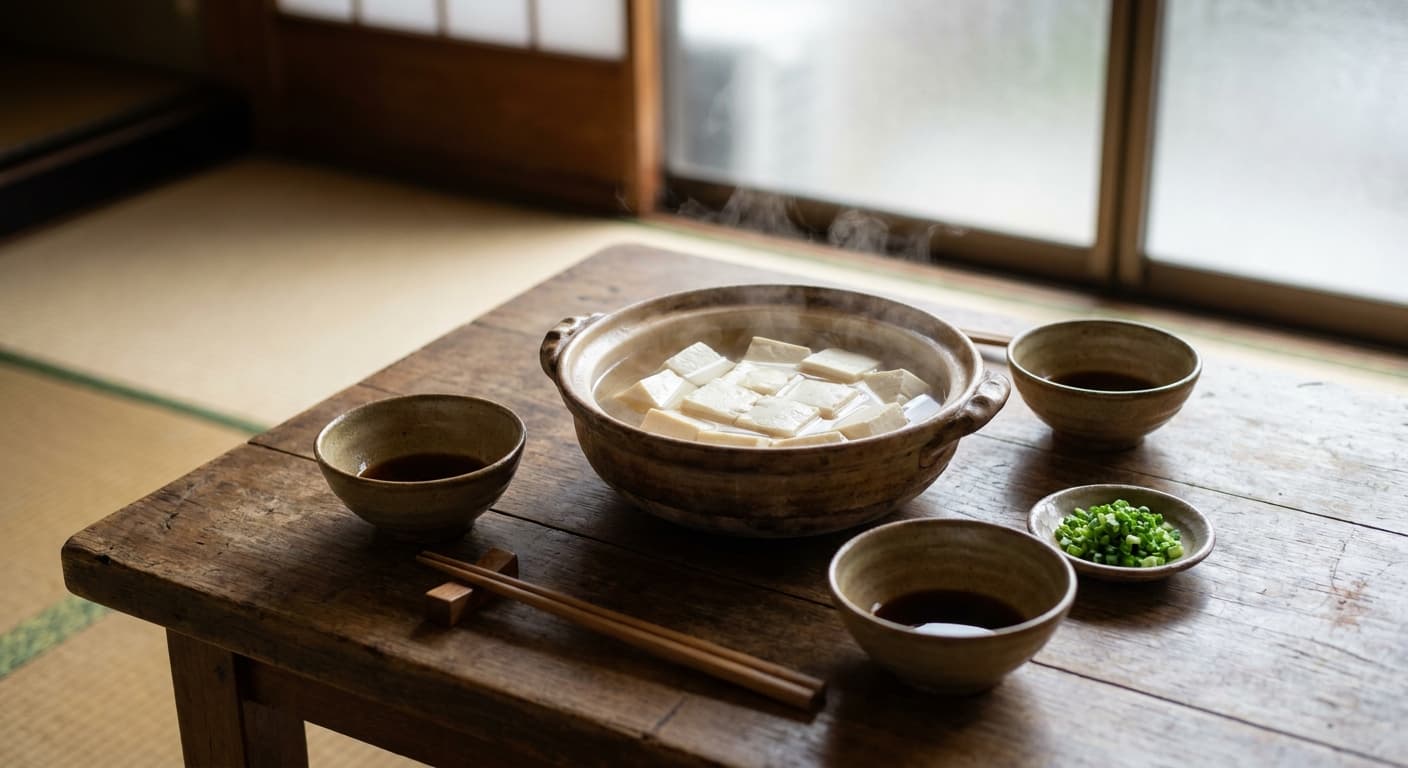
Yudofu (湯豆腐) — Japanese Simmered Tofu Hot Pot
Japanese · Main Courses · 60 min
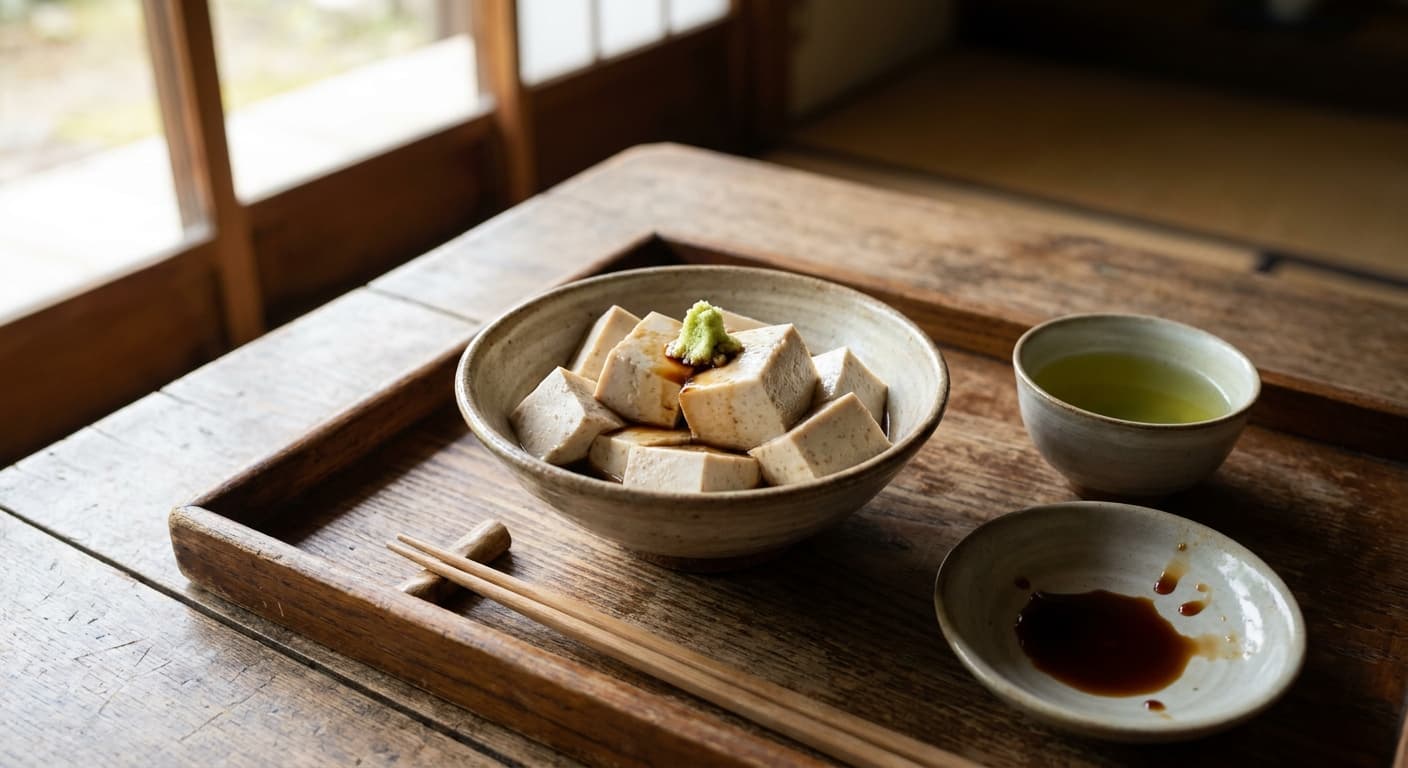
Goma-dofu (胡麻豆腐) — Shojin Sesame Kuzu Tofu
Japanese · Side Dishes · 28 min
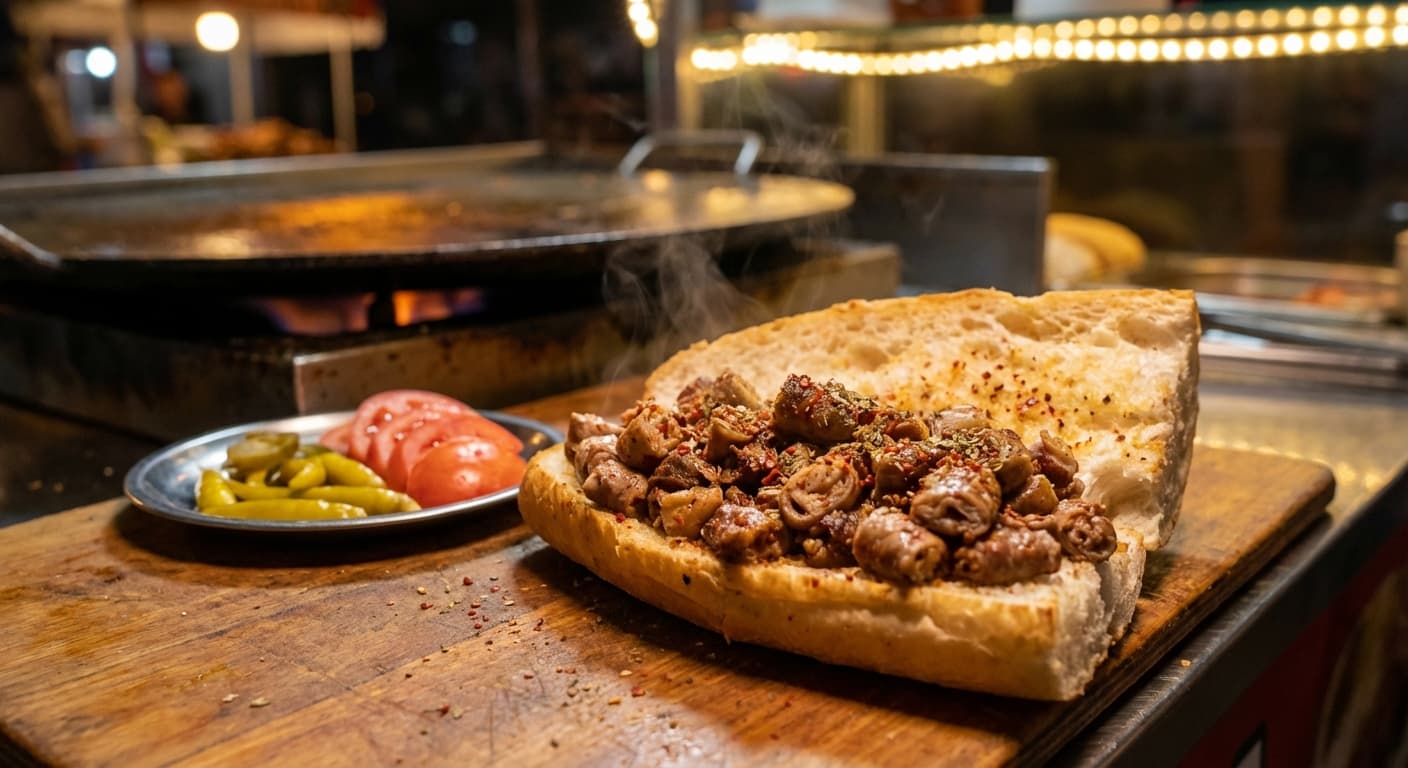
Kokoreç (Kokoreç) — Turkish Grilled Seasoned Lamb Intestines Sandwich
Turkish · Kebabs · 105 min
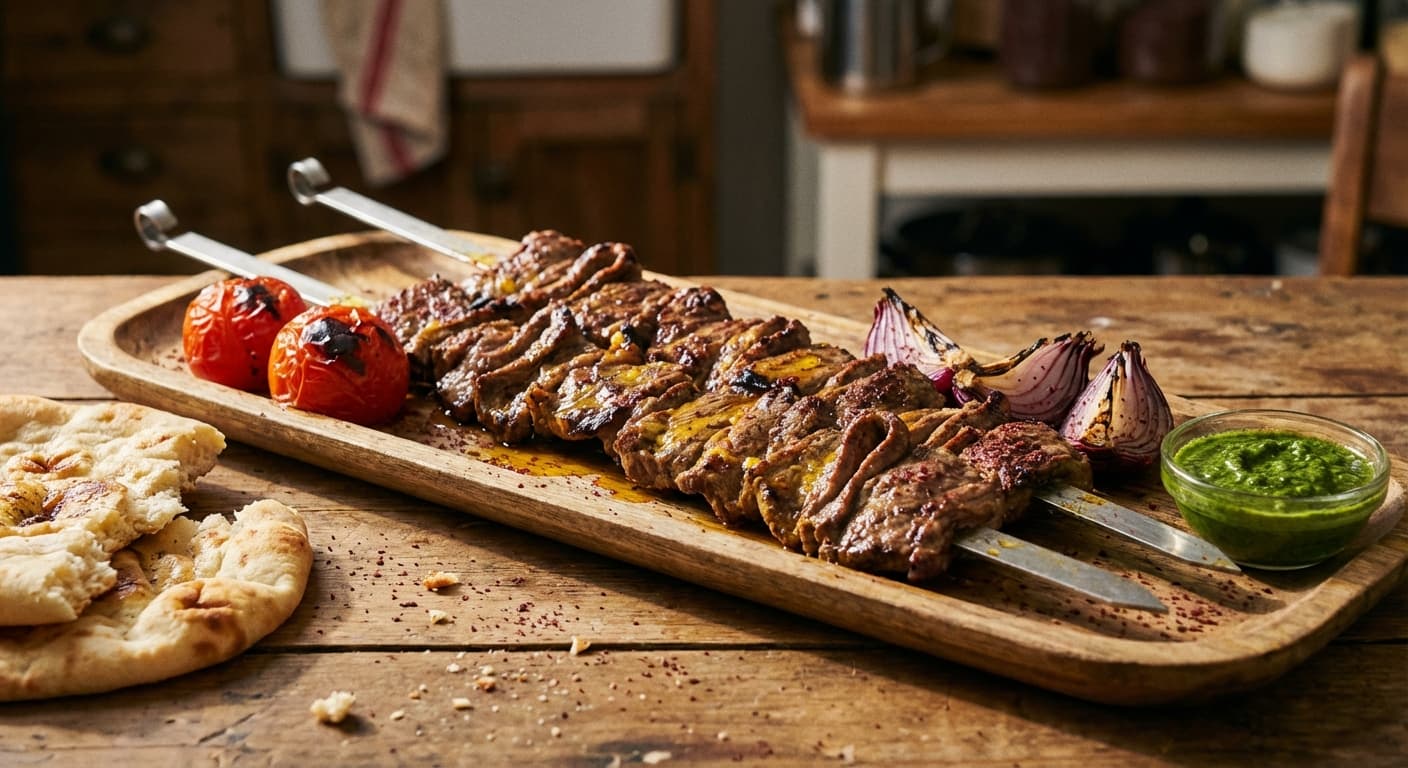
Kabob Barg (کباب برگ) — Afghan Grilled Marinated Lamb Skewers, Tender and Smoky
Afghan · Kebabs · 37 min
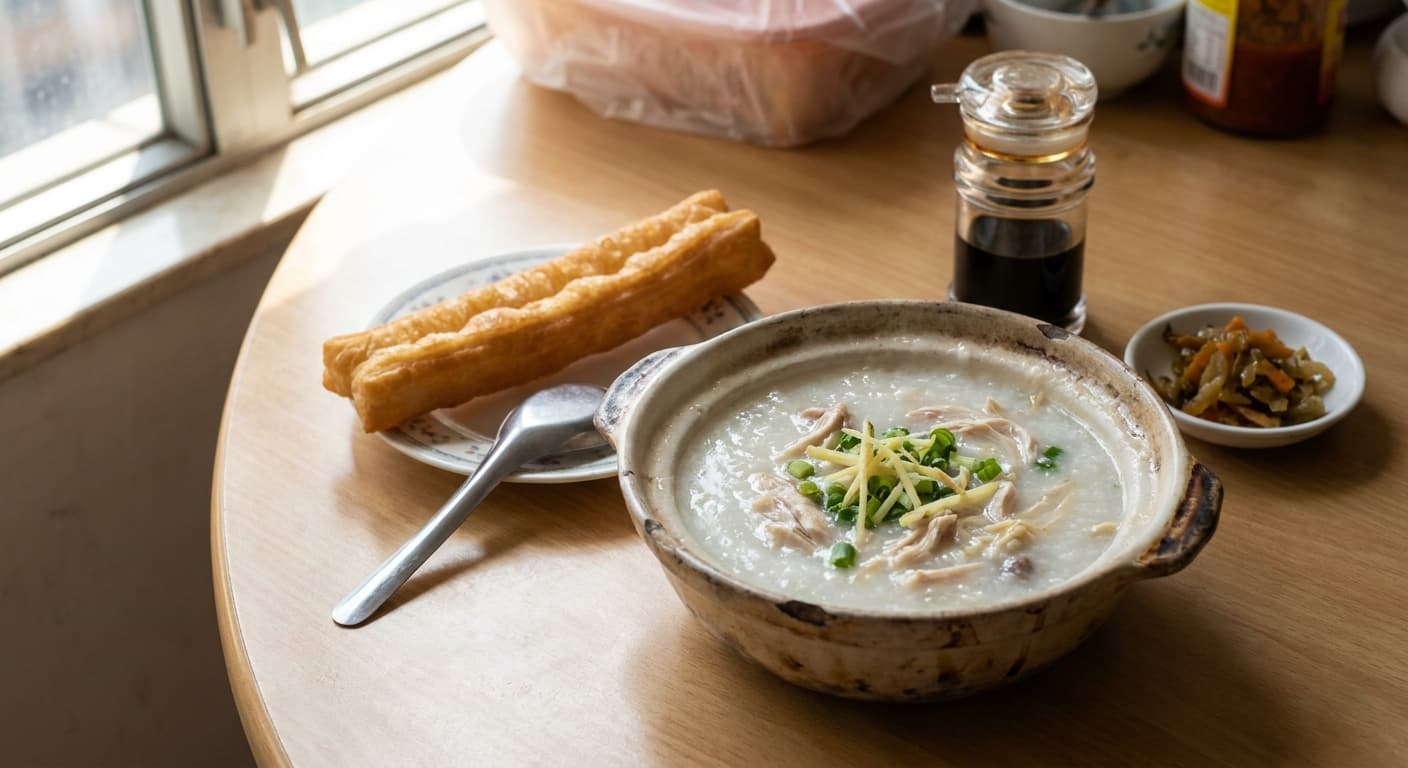
Cantonese Chicken Congee (粵式雞粥) — Silky Rice Porridge with Ginger
Chinese · Rice Dishes · 95 min
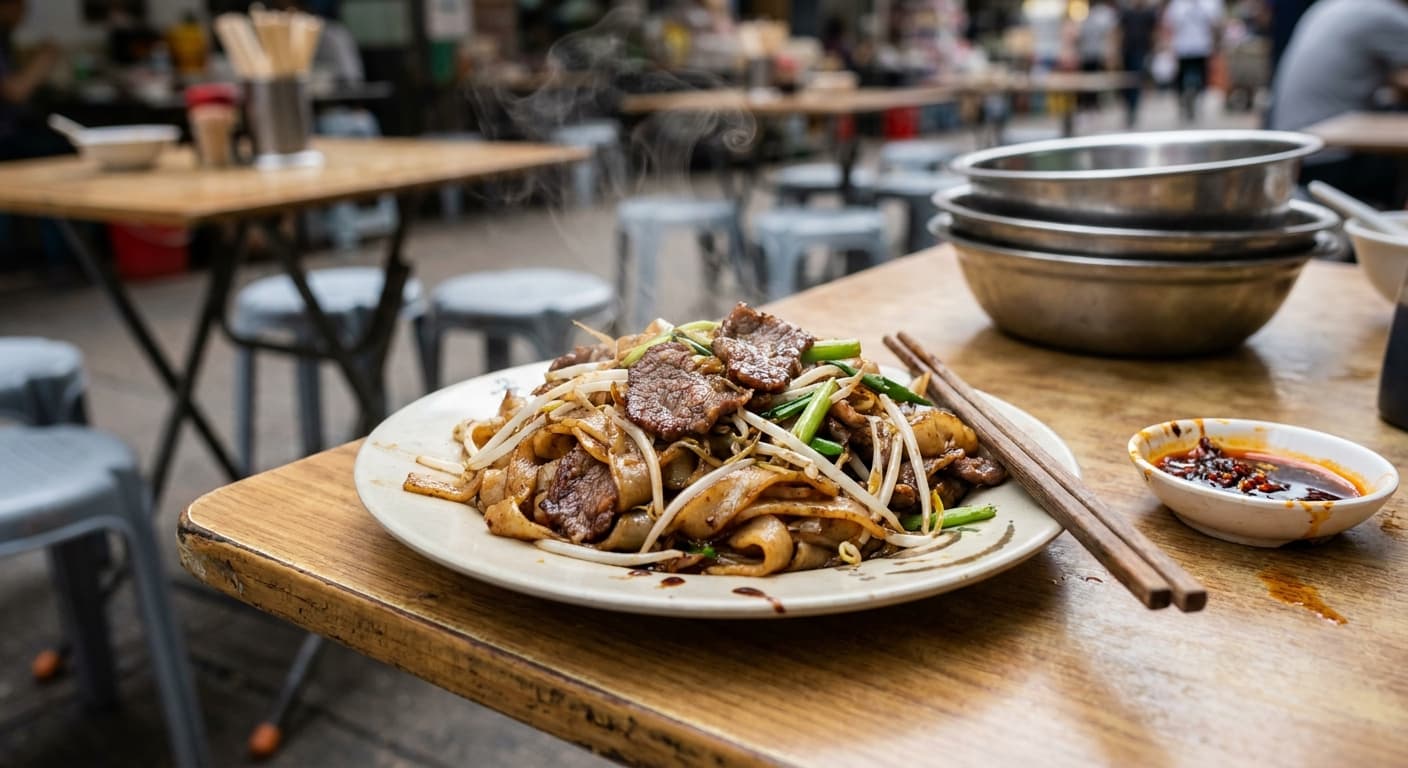
Beef Chow Fun (干炒牛河) — Cantonese Wok-Fried Rice Noodles with Beef
Chinese · Main Courses · 33 min
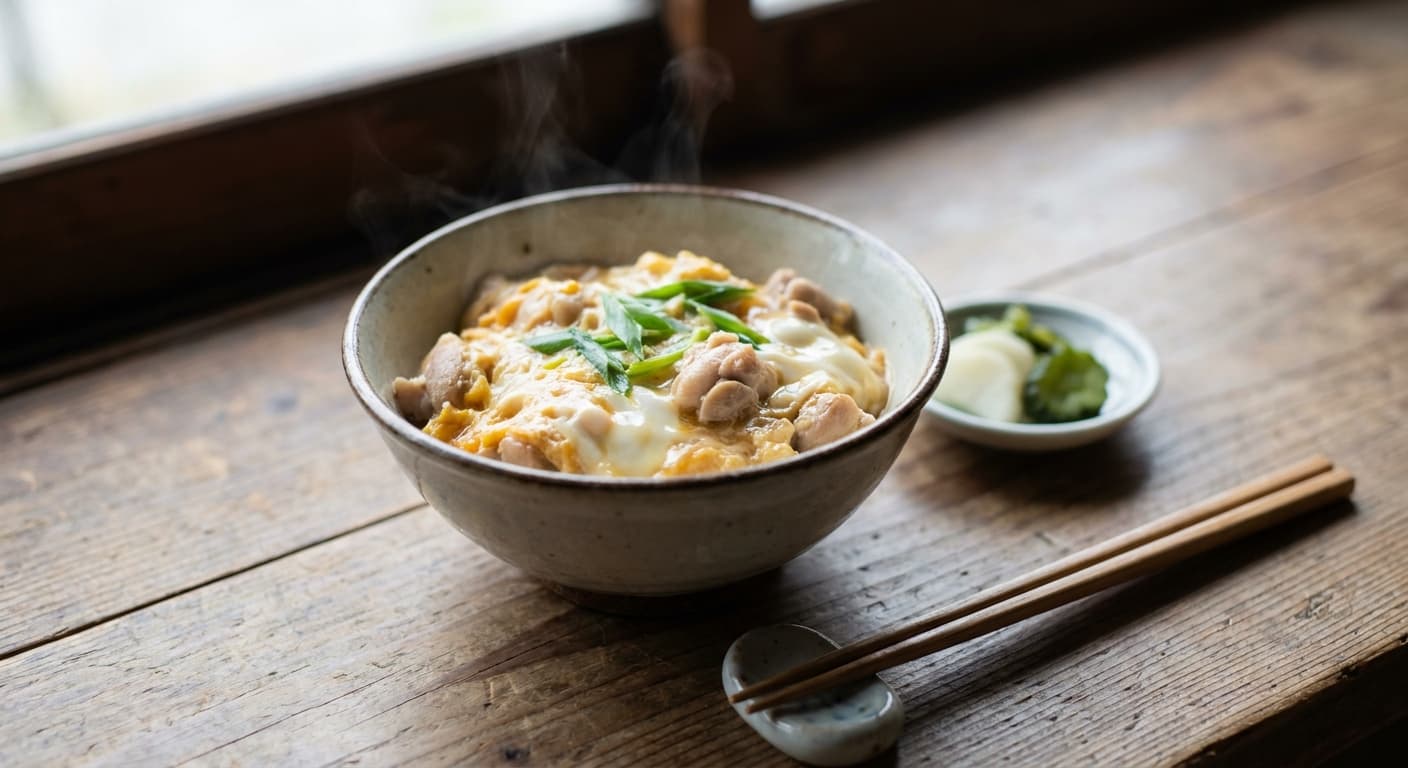
Japanese Oyakodon (親子丼) — Chicken and Egg Rice Bowl
Japanese · Rice Dishes · 29 min
Reviews
Cooked this recipe?
Tap the stars to rate it — that's all it takes. A few words are welcome but optional.
No ratings yet. Cooked this one? Be the first to rate it — it takes one tap.