Ehomaki (恵方巻き) — Setsubun Good-Fortune Sushi Roll
Ehomaki is a thick, uncut sushi roll eaten during Japan's Setsubun observance for good fortune. This version uses seven classic fillings, echoing the Seven Lucky Gods tradition associated with the roll.
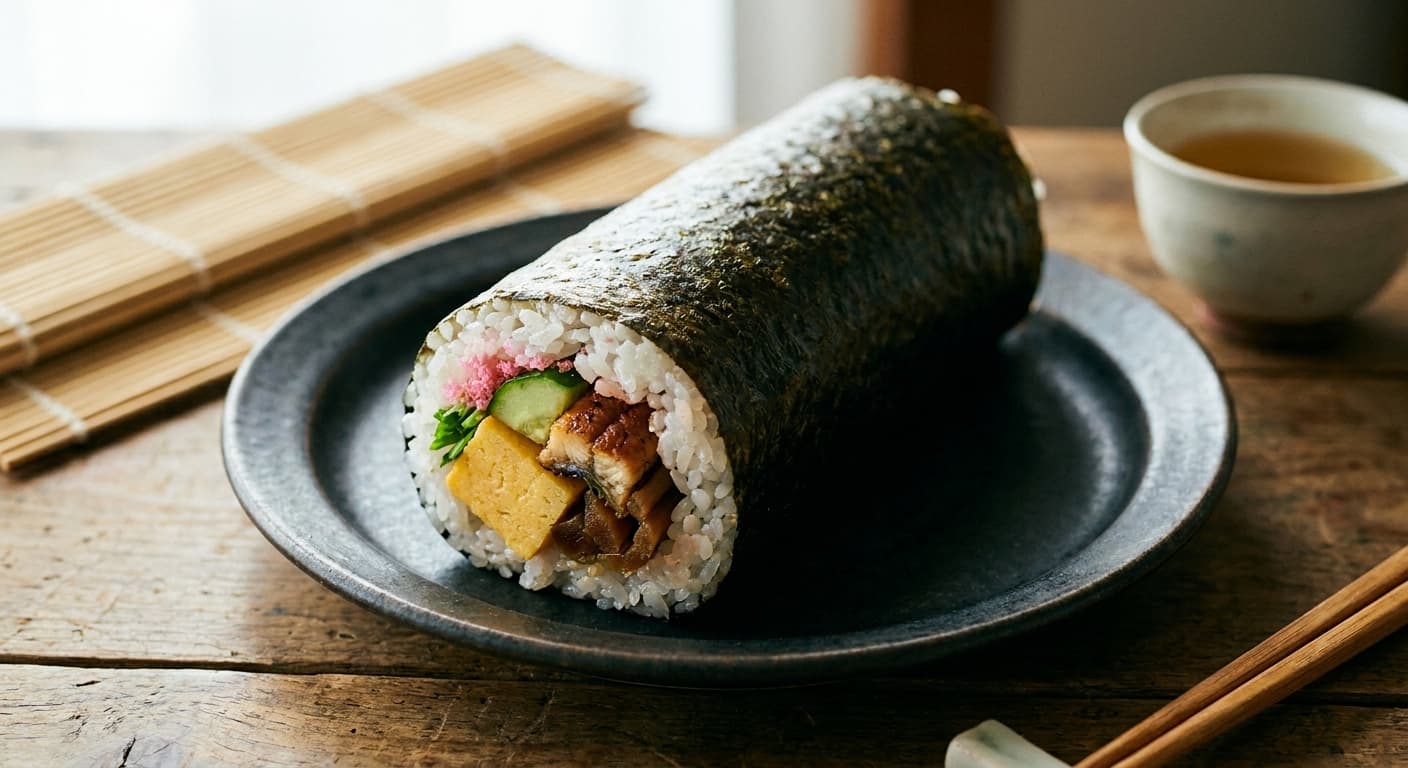
Printable Recipe Card
Servings: 4 · Total: 90 min · Difficulty: medium
Ingredients (quick list)
- 300 g Japanese short-grain rice
- 360 ml water
- 60 ml rice vinegar
- 51 g granulated sugar (25 g for sushi rice, 18 g for simmered fillings, 8 g for tamagoyaki)
- 8 g fine sea salt
- 20 g dried shiitake mushrooms
- 25 g dried kanpyo gourd strips
- 330 ml dashi (300 ml for simmered fillings, 30 ml for tamagoyaki)
- 50 ml Japanese soy sauce (45 ml for simmered fillings, 5 ml for tamagoyaki)
- 45 ml mirin
- 3 eggs
- 10 ml neutral oil
+ 5 more in the full ingredients section below.
Steps (summary)
- Rinse the rice in several changes of cold water until the water runs almost clear, then drain it in a sieve for 20 minutes. Coo…
- While the rice cooks, warm the rice vinegar, 25 g sugar, and 8 g salt just until the solids dissolve; do not boil the mixture.…
- Soak the dried shiitake mushrooms in warm water for 20 minutes, then squeeze them dry, remove the stems, and slice the caps thi…
- Combine 300 ml dashi, 45 ml soy sauce, 45 ml mirin, and 18 g sugar in a small pan, then add the shiitake and kanpyo. Simmer ove…
- Whisk the eggs with 30 ml dashi, 8 g sugar, and 5 ml soy sauce until smooth. Lightly oil a small skillet or tamagoyaki pan, coo…
- Prepare the remaining fillings before assembling, because maki rolling works best when every component is ready. Cut the cucumb…
+ 4 more steps in the full instructions section below.
Cultural Background
Ehomaki is tied to Setsubun, the seasonal turning point before spring in Japan. The uncut roll symbolizes keeping fortune intact, while the seven fillings are commonly linked to the Seven Lucky Gods.
Equipment
💡 Tips
- Keep the sushi rice slightly warm while rolling; cold rice becomes stiff and can tear the nori.
- Cool all simmered fillings completely before assembly so steam does not soften the nori too early.
- Do not overfill the roll; a compact line of each filling gives the cleanest seal and the most authentic texture.
⚠️ Common Mistakes
❌ Using hot, wet fillings in the roll
✅ Fix: Cool and drain simmered ingredients fully before assembly so the nori stays intact and the rice does not become mushy.
❌ Spreading rice to every edge of the nori
✅ Fix: Leave a 3 cm bare strip at the far edge to create a clean seal when the roll is tightened.
❌ Pressing the bamboo mat too hard
✅ Fix: Use firm but gentle pressure; crushing the roll compacts the rice and can force the fillings out the sides.
🧊 How to Store
Ehomaki is best eaten the day it is made. Wrap leftover whole rolls tightly in plastic wrap and refrigerate for up to 24 hours; bring to cool room temperature for 20 minutes before serving and do not microwave.
📅 Make Ahead
Cook the shiitake, kanpyo, and tamagoyaki up to 1 day ahead and refrigerate them separately. Make the sushi rice and assemble the rolls on the serving day for the best texture.
🍽️ Pairs Well With
- Miso soup
- pickled ginger
- green tea
- steamed edamame
- lightly dressed cucumber salad.
Regional Variations
- Kansai-style versions often emphasize seven fillings and the custom of eating the roll whole during Setsubun.
- Some households use tuna, salmon, shrimp, or crab instead of eel, especially in modern supermarket versions.
- Vegetable-forward versions may include simmered carrot, pickled daikon, spinach, or extra cucumber in place of seafood.
Ingredients
- 300 gJapanese short-grain rice
- 360 mlwater
- 60 mlrice vinegar
- 51 ggranulated sugar (25 g for sushi rice, 18 g for simmered fillings, 8 g for tamagoyaki)
- 8 gfine sea salt
- 20 gdried shiitake mushrooms
- 25 gdried kanpyo gourd strips
- 330 mldashi (300 ml for simmered fillings, 30 ml for tamagoyaki)
- 50 mlJapanese soy sauce (45 ml for simmered fillings, 5 ml for tamagoyaki)
- 45 mlmirin
- 3eggs
- 10 mlneutral oil
- 4 sheettoasted nori
- 1cucumber (cut into 4 long batons after removing watery seeds)
- 160 gcooked eel kabayaki (cut into 4 long strips)
- 40 gsakura denbu (pink sweet fish flakes)
- 12 sprigmitsuba
🔄 Substitutions
- cooked eel kabayaki→ cooked anago or poached shrimp
- mirin→ 45 ml water mixed with 12 g sugar
- sakura denbu→ finely flaked cooked white fish mixed with 6 g sugar and 1 g salt
Instructions
- 1
Rinse the rice in several changes of cold water until the water runs almost clear, then drain it in a sieve for 20 minutes. Cook the drained rice with 360 ml water in a rice cooker or covered saucepan until tender, then let it rest off the heat for 10 minutes.
- 2
While the rice cooks, warm the rice vinegar, 25 g sugar, and 8 g salt just until the solids dissolve; do not boil the mixture. Transfer the hot rice to a wide bowl, drizzle the seasoning over it, and fold with a rice paddle while fanning until glossy and just warm.
- 3
Soak the dried shiitake mushrooms in warm water for 20 minutes, then squeeze them dry, remove the stems, and slice the caps thinly. Rub the kanpyo strips with 2 g of the measured salt if desired, rinse well, and simmer them in plain water for 10 minutes to soften before draining.
- 4
Combine 300 ml dashi, 45 ml soy sauce, 45 ml mirin, and 18 g sugar in a small pan, then add the shiitake and kanpyo. Simmer over medium-low heat for 15 minutes, or until the liquid is mostly absorbed and the fillings taste savory-sweet, then cool completely before rolling.
- 5
Whisk the eggs with 30 ml dashi, 8 g sugar, and 5 ml soy sauce until smooth. Lightly oil a small skillet or tamagoyaki pan, cook the egg in thin layers to make a firm omelet, then cool it and cut it into 4 long strips.
- 6
Prepare the remaining fillings before assembling, because maki rolling works best when every component is ready. Cut the cucumber into 4 long batons, trim the eel into 4 long strips, drain any excess liquid from the simmered fillings, and keep the mitsuba sprigs dry.
- 7
Place 1 nori sheet shiny-side down on a bamboo mat with the long side facing you. With lightly moistened fingers, spread one quarter of the sushi rice over the nori, leaving a 3 cm bare strip along the far edge so the roll can seal cleanly.
- 8
Arrange one strip each of tamagoyaki, eel, cucumber, kanpyo, and shiitake across the center of the rice, then add 10 g sakura denbu and 3 mitsuba sprigs. Keep the fillings compact and parallel so the finished roll has an even cross-section and does not split.
- 9
Lift the near edge of the bamboo mat and roll firmly over the fillings, using your fingers to hold the ingredients in place. Press gently along the length of the roll, continue rolling to the bare nori edge, and seal with a few grains of rice or a light brush of water.
- 10
Repeat with the remaining nori, rice, and fillings to make 4 thick rolls. For Setsubun tradition, serve each ehomaki whole and uncut, and eat it quietly while facing the year's lucky direction.
🪪 Recipe Passport
Cultural Background
Ehomaki is tied to Setsubun, the seasonal turning point before spring in Japan. The uncut roll symbolizes keeping fortune intact, while the seven fillings are commonly linked to the Seven Lucky Gods.
Regional Variations
Researched from multiple sources and validated by the Zaffaron editorial team. Every recipe is tested for accuracy, measurements, and cultural authenticity.
📚 Sources & Cultural References
- Japan National Tourism Organization — Setsubun: Japan's Bean-Throwing Festival
- Shizuo Tsuji — Japanese Cooking: A Simple Art — (1980)
Sources cited by the Zaffaron editorial team during recipe research. Cultural and culinary references supporting authenticity claims.
Nutrition per serving
Pairs well with
If you enjoyed this recipe, here are a few related Zaffaron recipes to try next.
Does your family make this differently?
Every family has their own version. Maybe your grandmother adds a secret ingredient, or your aunt has a completely different technique. Preserve your family's version — with their name on it, forever.
You Might Also Like
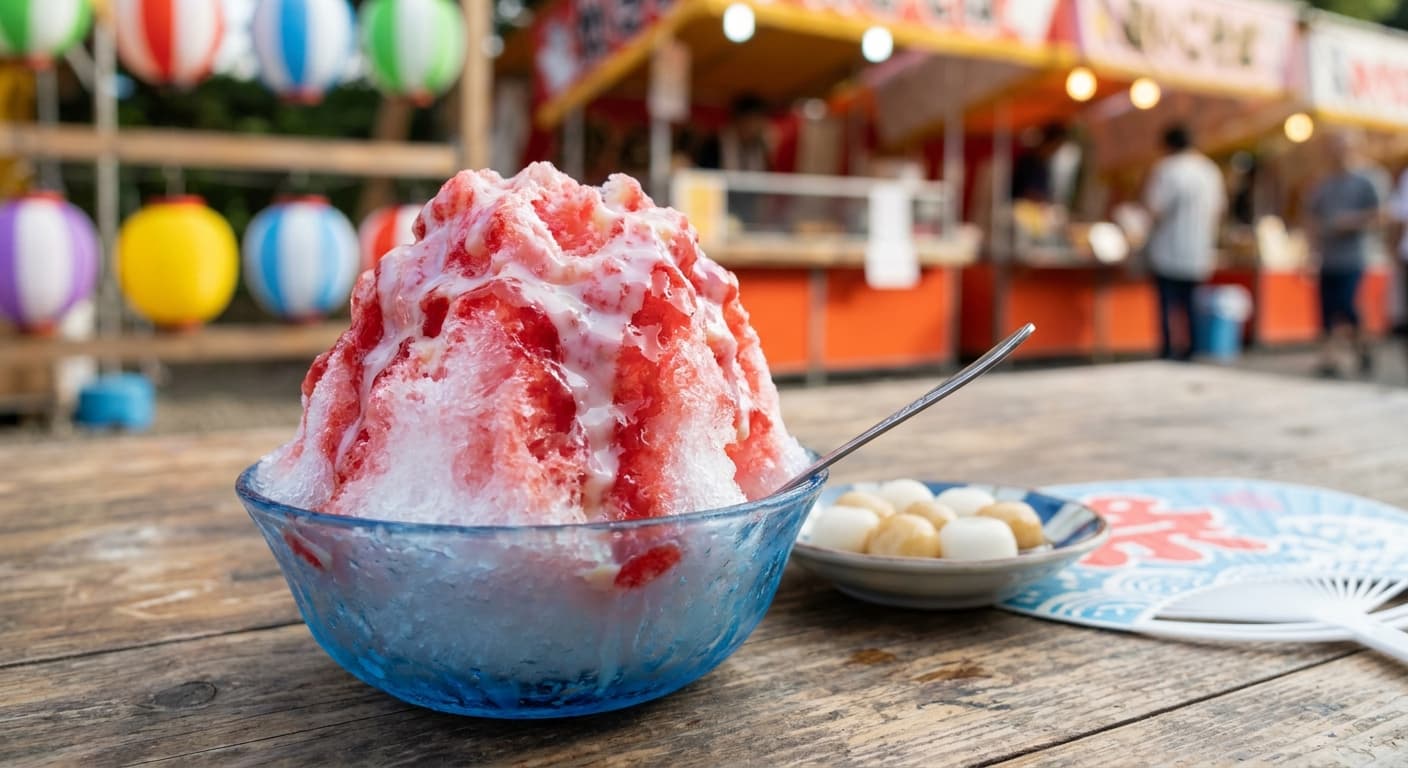
Kakigori (かき氷) — Japanese Shaved Ice with Strawberry Syrup
Japanese · Desserts · 50 min
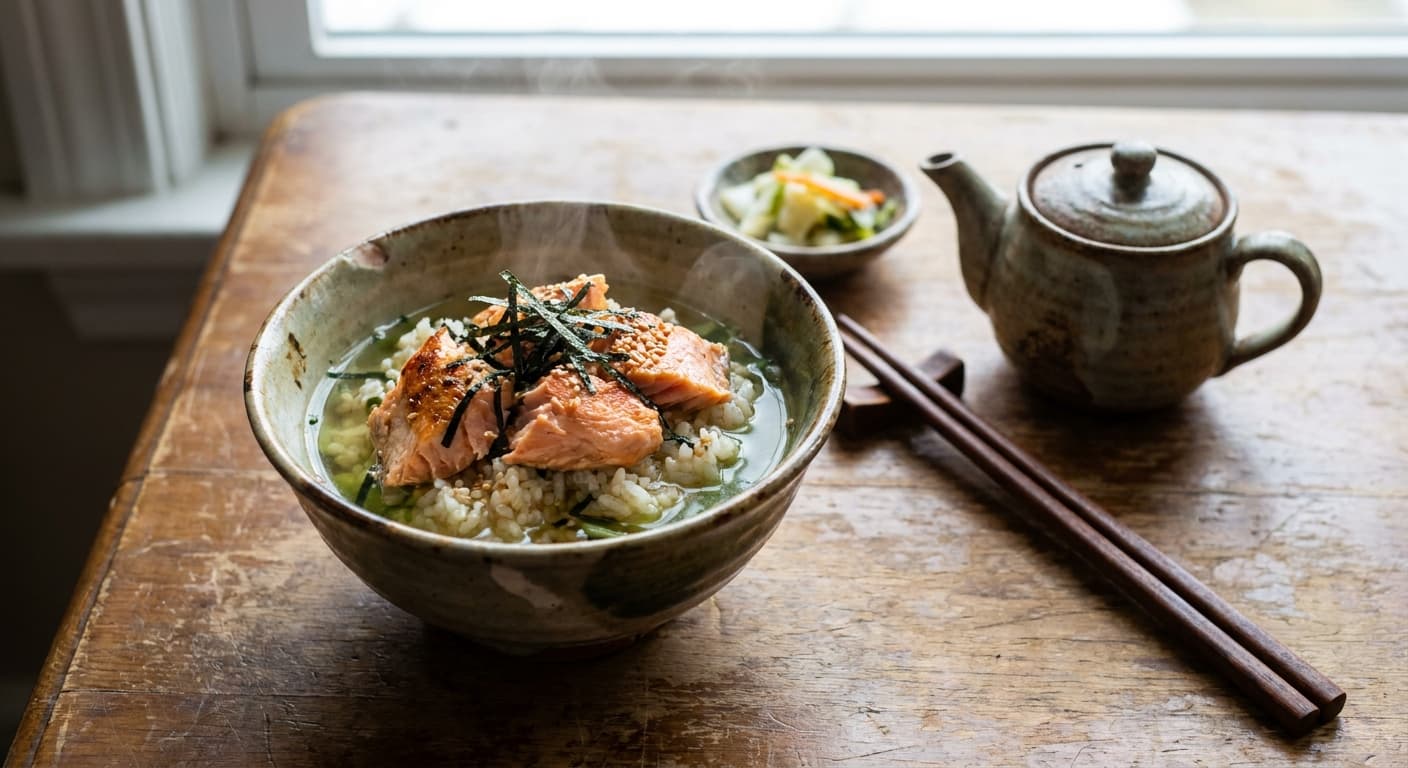
Chazuke (茶漬け) — Japanese Tea-Poured Rice with Grilled Salmon
Japanese · Rice Dishes · 35 min
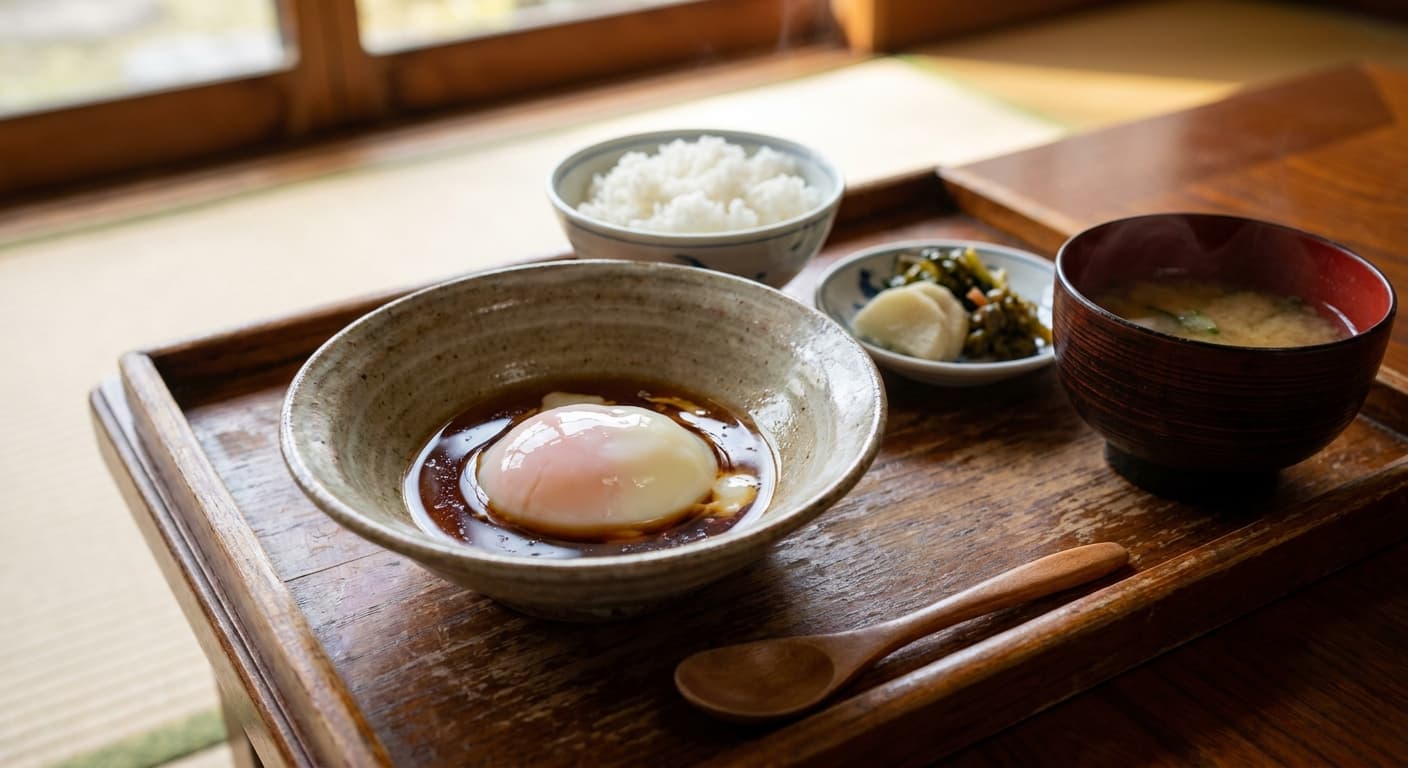
Onsen Tamago (温泉卵) — Silky Japanese Hot-Spring Egg
Japanese · Side Dishes · 40 min

Cornish Pasty (Cornish Pasty) — Traditional Beef and Swede Hand Pie
British · Main Courses · 100 min
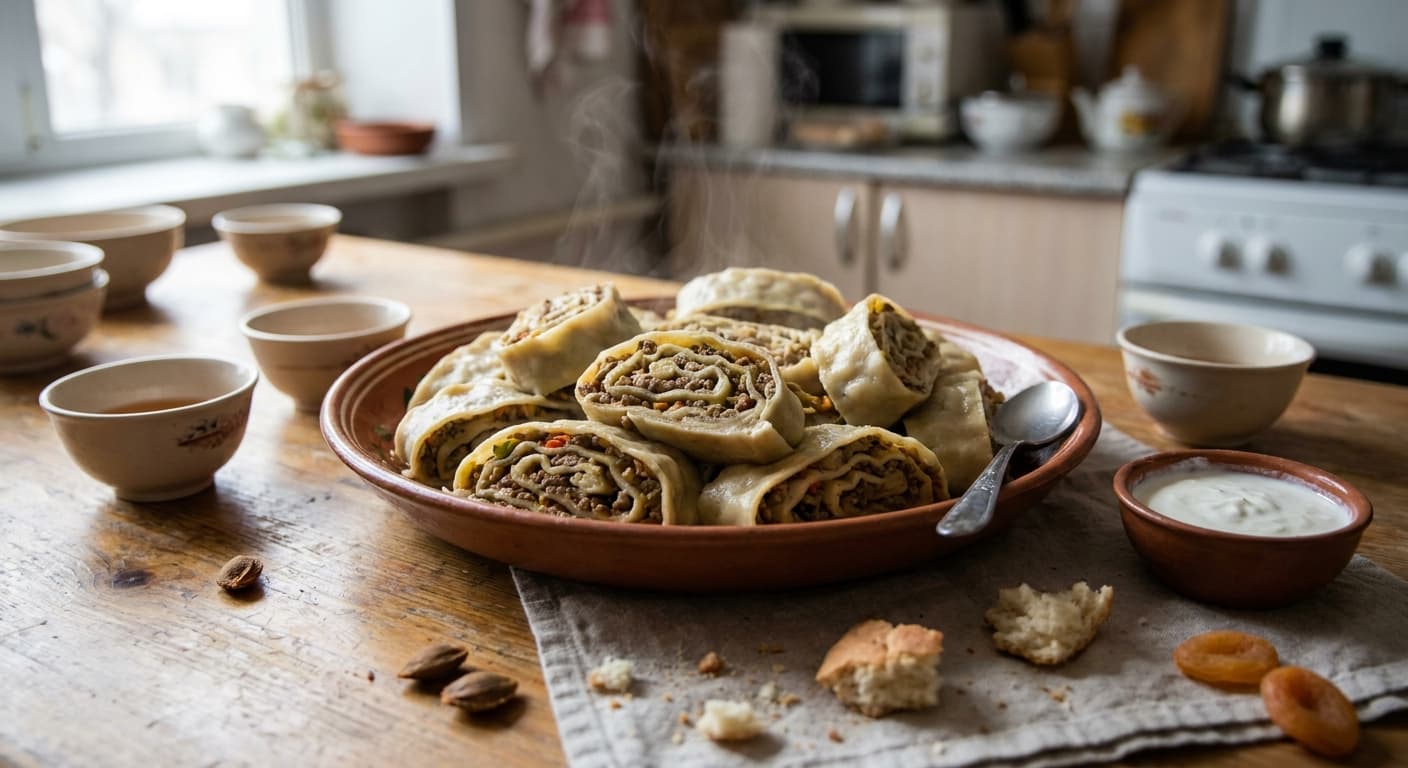
Orromo (Оромо) — Kyrgyz Steamed Rolled Dumpling with Lamb and Pumpkin
Kyrgyz · Main Courses · 105 min
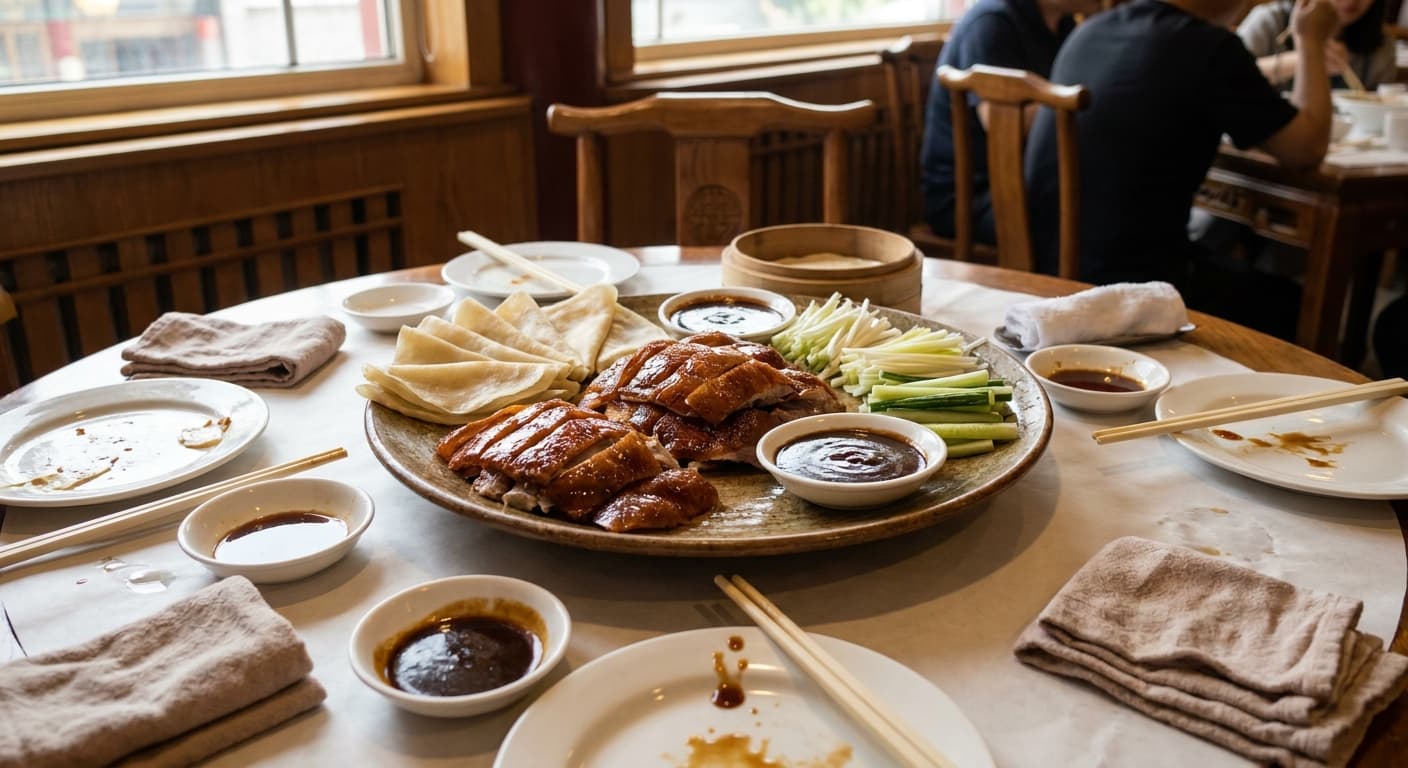
Peking Duck (北京烤鸭) — Crisp-Skinned Beijing Roast Duck
Chinese · Main Courses · 180 min
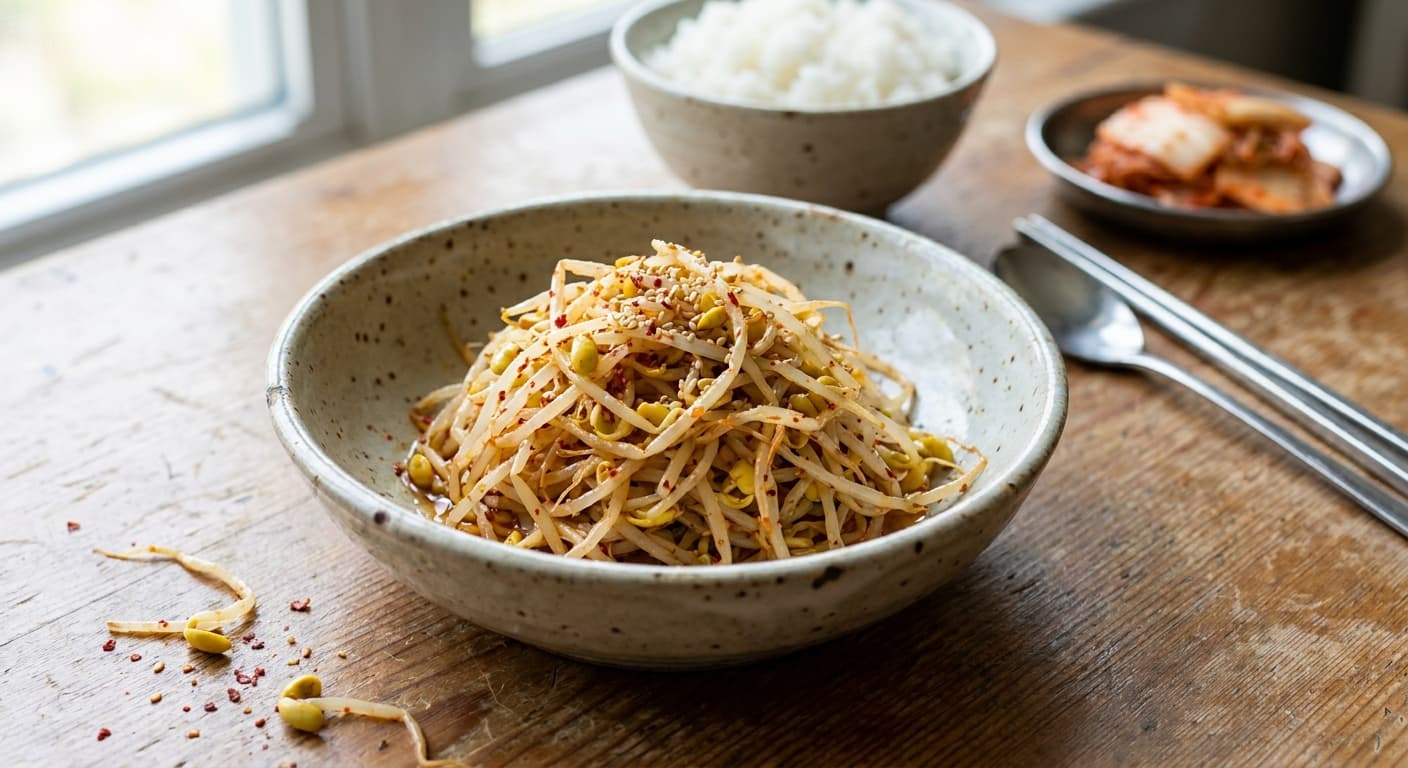
Kongnamul Muchim (콩나물무침) — Korean Seasoned Soybean Sprout Banchan
Korean · Side Dishes · 16 min
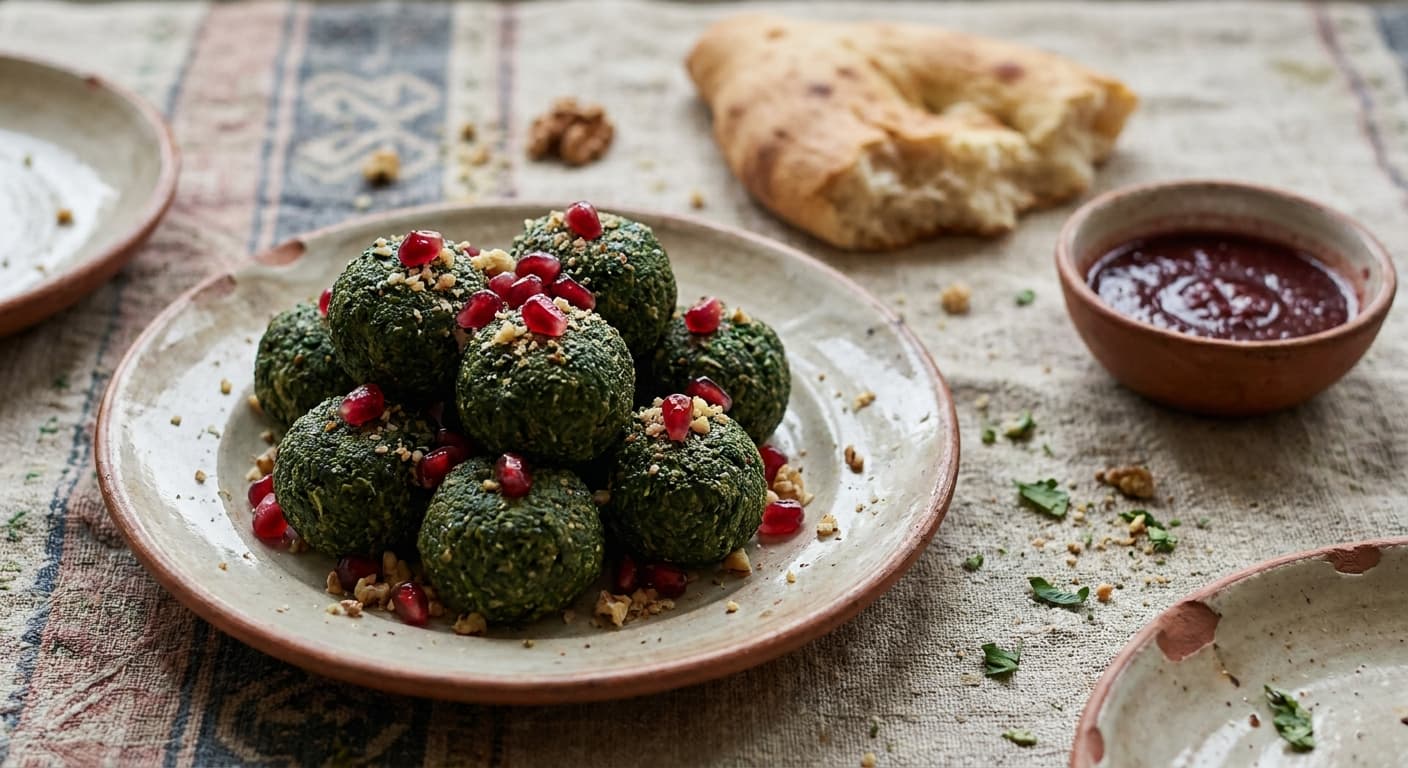
Pkhali (ფხალი) — Georgian Spinach-Walnut Appetizer
Georgian · Appetizers · 35 min
Reviews
Cooked this recipe?
Tap the stars to rate it — that's all it takes. A few words are welcome but optional.
No ratings yet. Cooked this one? Be the first to rate it — it takes one tap.